
Side by side
Put a few breeds side by side before you make up your mind.
Pick up to four. The URL updates as you go, so you can send this comparison to whoever you are arguing with.
| Breed | 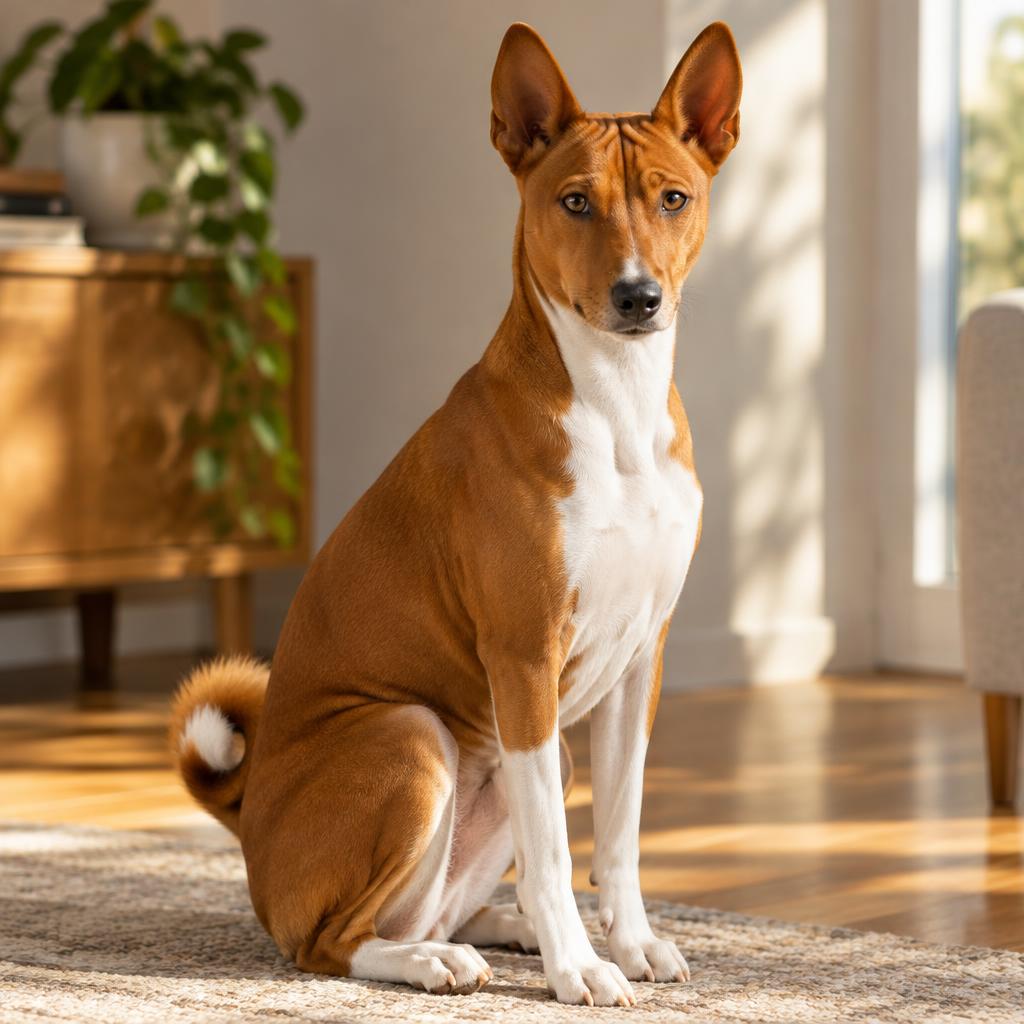 Basenji Basenji | 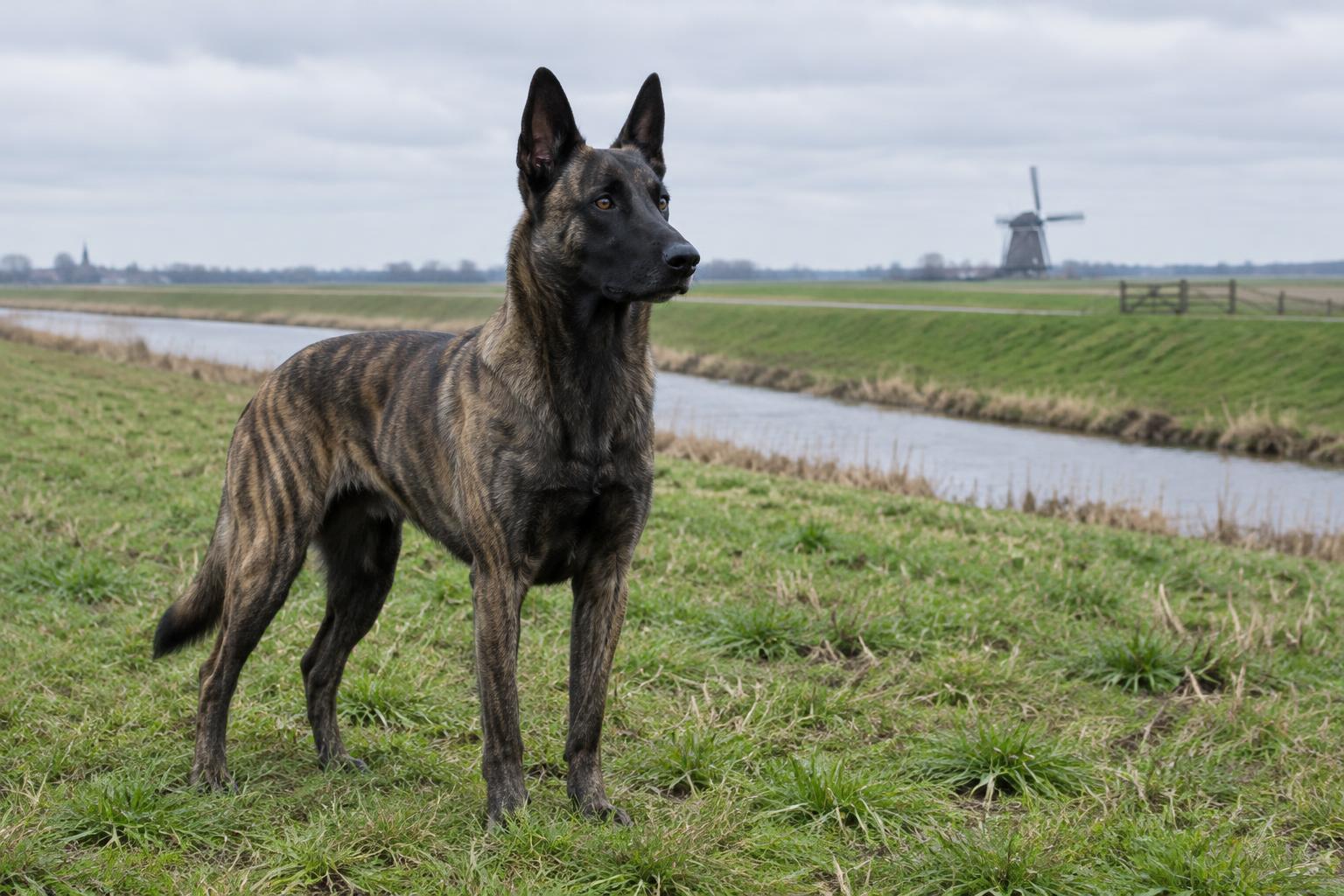 Dutch Shepherd Dutch Shepherd |
|---|---|---|
| Origin | The Basenji originates in the Congo basin of Central Africa, where it was used by local hunters to drive game into nets and flush prey with bells tied to its collar rather than barking, which would alert quarry too early. Brought to Britain and the United States in the twentieth century, the breed retains much of its ancient, lightly altered form and independent hunting instinct. | Netherlands |
| Group | Hound | Pastoral |
| Size | Small | Large |
| Coat | Short, fine, smooth coat lying close to the body, in chestnut red, black, tricolour or brindle, always with white feet, chest and tail tip. | Short, long or rough brindle coat with undercoat |
| Weight | 8 to 12 kg | 23 to 34 kg |
| Height | 38 to 43 cm | 55 to 62 cm |
| Lifespan | 12 to 16 yrs | 11 to 14 yrs |
| Exercise need | 8/10 | 9/10 |
| Affection | 5/10 | 7/10 |
| Grooming needs | 1/10 | 3/10 |
| Barking | 4/10 | 5/10 |
| Good with children | 6/10 | 6/10 |
| Good with other dogs | 5/10 | 5/10 |
| Trainability | 4/10 | 9/10 |
| Prey drive | 9/10 | 7/10 |
| Copes alone | 4/10 | 3/10 |
| Drool | 1/10 | 2/10 |
| Shedding | 2/10 | 5/10 |
| Flat fit | 6/10 | 2/10 |
| Running cost | €117 / month | €112 / month |
Basenji verdict
The dog that does not bark: a tidy, fastidious hound that yodels instead
Get one if
- · Owners who want a low shedding, naturally clean dog with minimal odour
- · Households with secure, well-fenced gardens and no gaps at ground level
- · People drawn to an independent, catlike hound rather than an eager-to-please dog
Think again if
- · First-time owners wanting an easy, highly obedient companion
- · Households without secure fencing, given the breed's escape talent
- · People hoping for reliable off-lead recall in open spaces
Dutch Shepherd verdict
The brindle all-rounder that needs a real job
Get one if
- · Experienced owners of working breeds
- · People involved in dog sports or working trials
- · Active households wanting a training partner
Think again if
- · First-time owners
- · Low-activity or busy households
- · Families with toddlers and no training plan