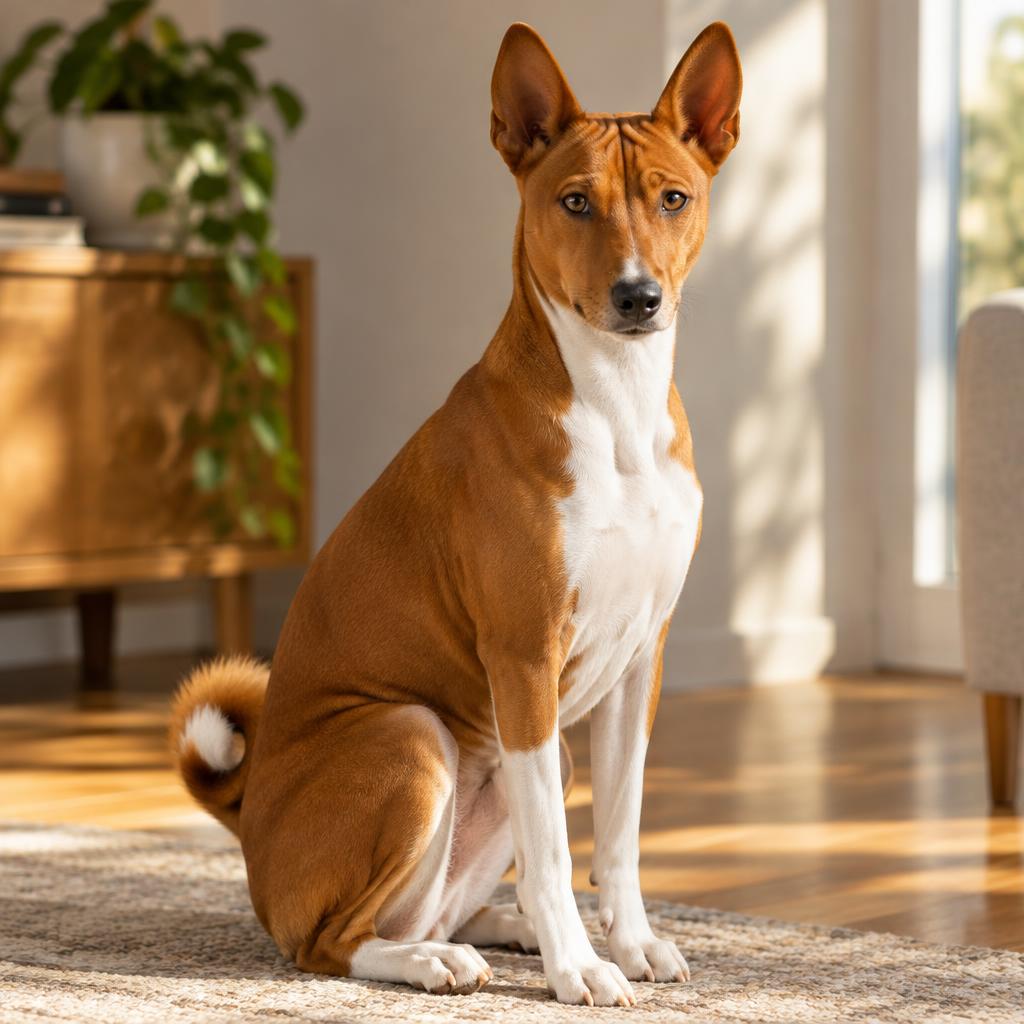
Hound group
The Basenji originates in the Congo basin of Central Africa, where it was used by local hunters to drive game into nets and flush prey with bells tied to its collar rather than barking, which would alert quarry too early. Brought to Britain and the United States in the twentieth century, the breed retains much of its ancient, lightly altered form and independent hunting instinct.
Basenji
The Basenji is the hound famous for not barking, communicating instead through yodels, growls and the occasional scream. Clean, fastidious and deeply loyal to its own people, it needs secure fencing and a patient hand rather than an easy ride.
Reviewed by the SniffScroll editorial desk
The dog that does not bark: a tidy, fastidious hound that yodels instead
The short version
- Basenjis do not bark; they yodel, chortle and occasionally scream instead.
- Fastidious self-grooming makes this one of the cleanest, lowest odour breeds.
- High prey drive and escape talent mean secure fencing is essential, not optional.
- Deeply bonded to their own household but reserved and aloof with strangers.
- Independent and wilful, so training needs patience rather than strict obedience drilling.
- Weight
- 8 to 12 kg
- Height
- 38 to 43 cm
- Lifespan
- 12 to 16 yrs
- Size
- Small
- Group
- Hound
- Coat
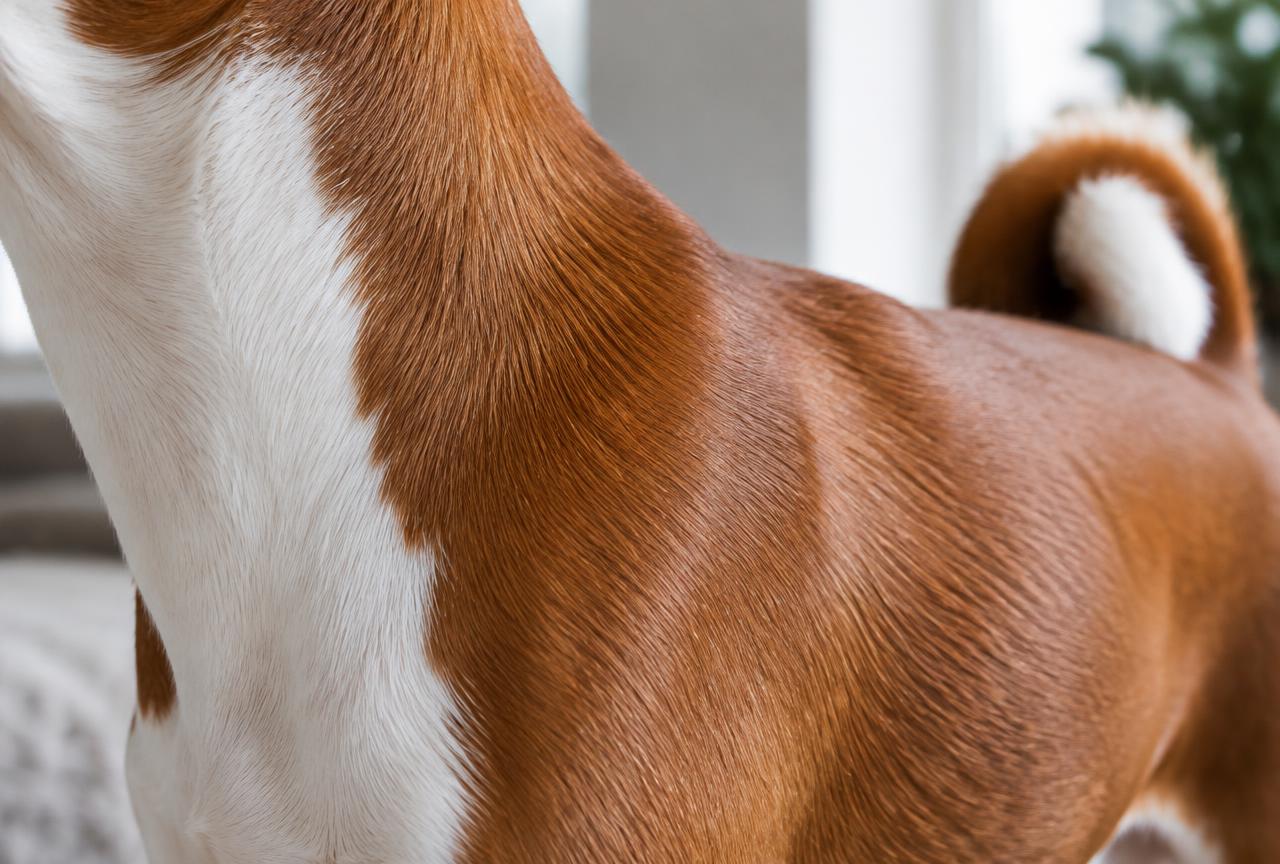
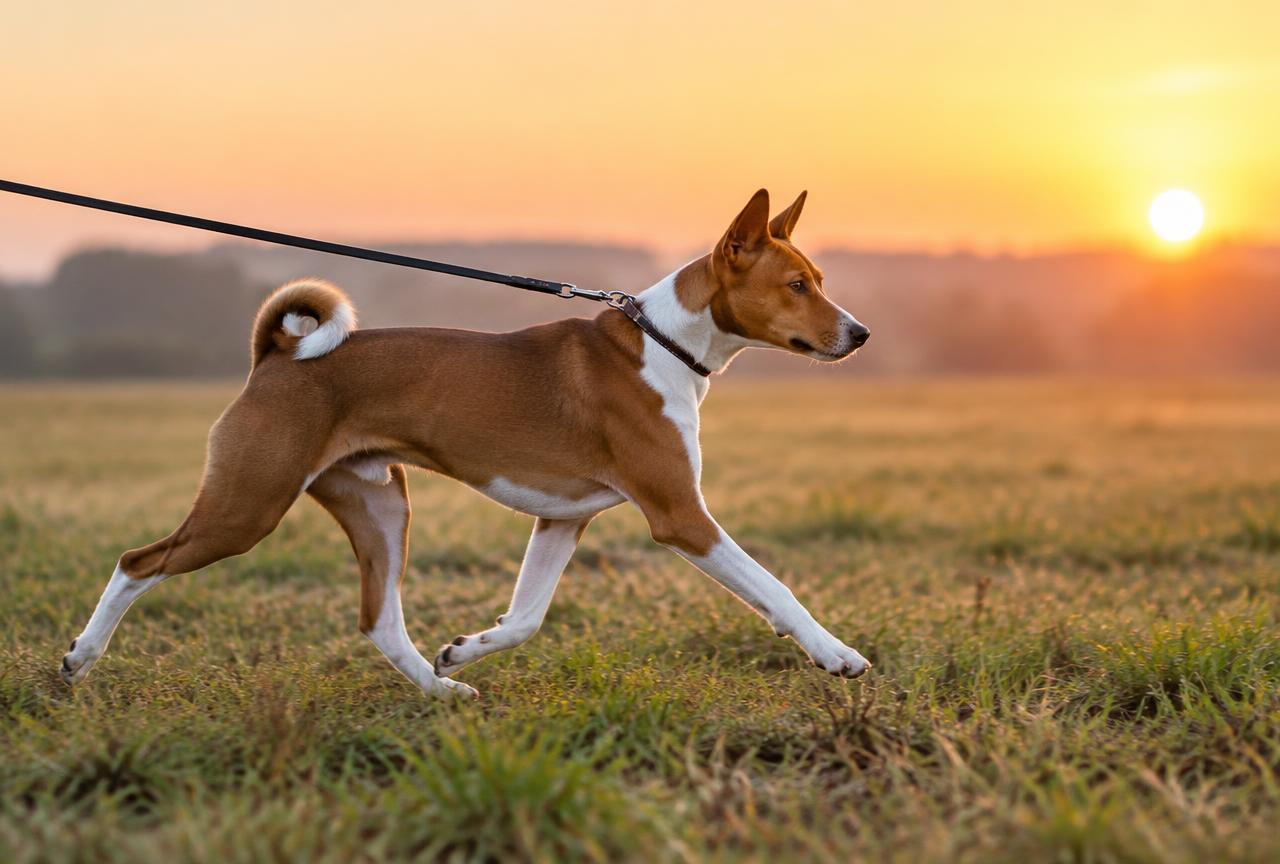
- Short, fine, smooth coat lying close to the body, in chestnut red, black, tricolour or brindle, always with white feet, chest and tail tip.
- Grown male
- 10 to 12 kg
- Grown female
- 8.5 to 10.5 kg
- Years to full size
- about 1.5
- One-off setup
- €500 to 1200
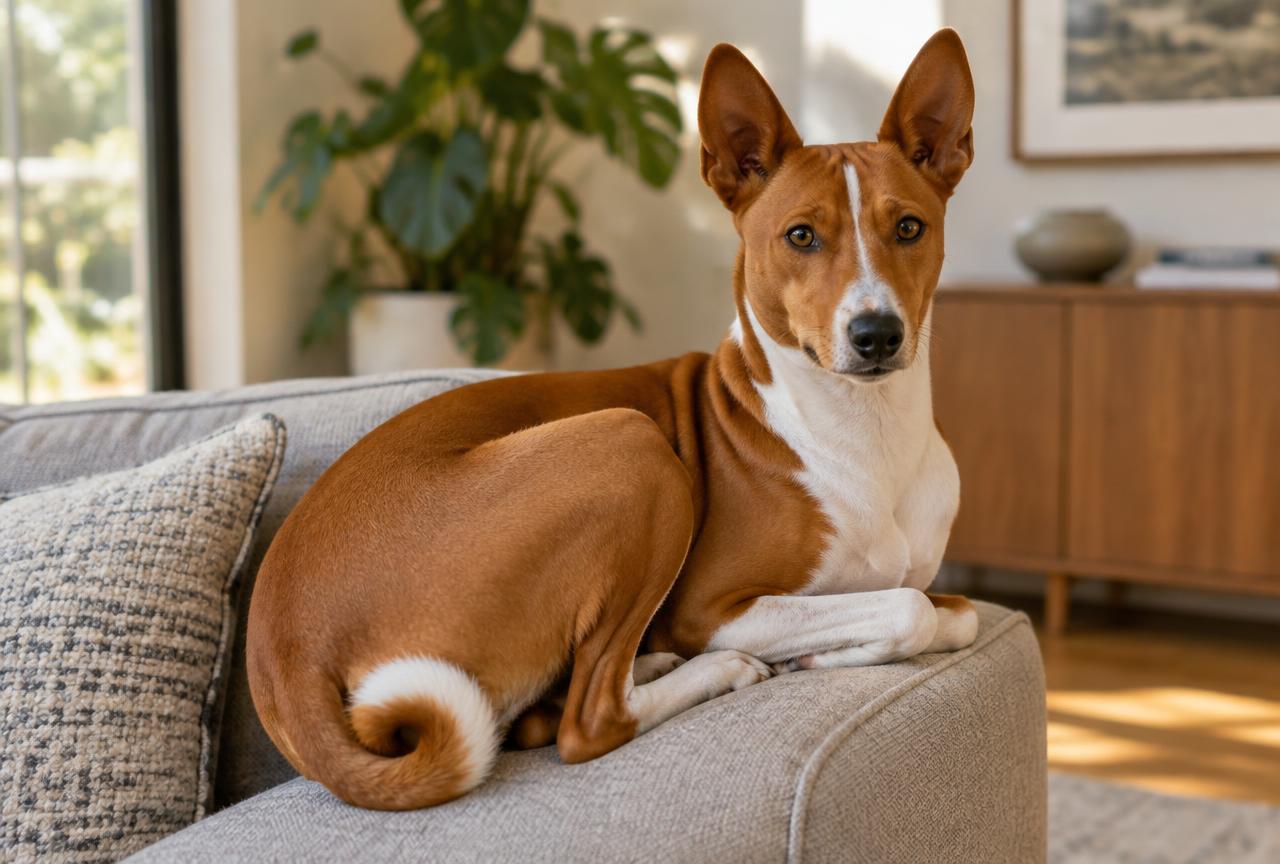
Get one if…
- Owners who want a low shedding, naturally clean dog with minimal odour
- Households with secure, well-fenced gardens and no gaps at ground level
- People drawn to an independent, catlike hound rather than an eager-to-please dog
- Active owners who can provide daily exercise and mental enrichment
- Households where someone is usually around to prevent boredom and destruction
Think again if…
- First-time owners wanting an easy, highly obedient companion
- Households without secure fencing, given the breed's escape talent
- People hoping for reliable off-lead recall in open spaces
- Owners who are out of the house for long hours on a regular basis
- Homes with small pets such as rabbits or guinea pigs, due to high prey drive
Trait profile
The Basenji is famous for not barking, instead using yodels, growls and occasional screams, while its fastidious self-grooming keeps it one of the cleanest hound breeds.
Space & setup. A reasonably good fit for flats thanks to low shedding and quiet indoor habits once exercised, though secure outdoor access for daily exercise is still essential.
Allergies. Basenjis have a very short, fine coat and shed lightly, and their fastidious self-grooming keeps doggy odour to a minimum, but they are not a hypoallergenic breed.
Living with a Basenji
The Basenji is a small African hound famous for being barkless, producing yodels, baroo noises and the occasional scream instead. Fastidious about its own cleanliness and fiercely independent, it bonds deeply with its own people while remaining aloof with strangers.
Spend an evening with a Basenji and the first thing most people notice is the silence, or rather, the absence of barking. This is the breed most famous for not barking at all. Instead of the usual woof, a Basenji communicates through a yodel known as a baroo, along with chortles, growls and, when truly excited or distressed, a scream that can startle anyone unprepared for it. This unusual voice box is a genuine physical trait, not a training quirk, and it is one of the main reasons people fall for the breed, alongside the reasons some owners find it bewildering.
Beyond the voice, the Basenji behaves rather like a small, elegant hound crossed with the independence of a cat. It grooms itself meticulously, often cleaning its coat and paws with its tongue in a manner that genuinely surprises first-time owners, and it produces very little odour even between baths. This fastidiousness extends to the home: a well-settled Basenji is a remarkably clean housemate, with a short, fine coat that sheds lightly and needs only occasional brushing. For anyone who dislikes the mess associated with many dog breeds, the Basenji is a pleasant surprise.
Temperament is where expectations need the most adjustment. The Basenji was bred in the Congo basin to hunt independently, flushing game through dense undergrowth often out of sight of its handler, and that self-reliant streak has never been bred out. These are dogs that think for themselves, question commands and are happiest when they believe a decision was partly their own idea. They form close, often intensely loyal bonds with their own household, frequently choosing one person as a particular favourite, but they tend to be reserved, watchful and sometimes outright aloof with strangers. Visitors should not expect an enthusiastic greeting; a polite distance is more typical.
The breed's hunting background also means a formidable prey drive and a strong instinct to roam. Basenjis are notorious escape artists, adept at scaling, squeezing through or digging under fences that would contain other breeds of similar size. Reliable off-lead recall is extremely rare in this breed, and most experienced owners simply do not attempt it in unenclosed spaces. A secure, tall garden fence with no gaps at ground level is essential, and a lead or long line should be considered non-negotiable on walks near roads or livestock. Their African origins also make them notably heat tolerant and less keen on cold, wet British winters than many native breeds, so a coat for chilly walks is often welcomed.
Left alone too long or under-exercised, a bored Basenji can become seriously destructive, chewing furniture, unpicking soft furnishings and finding inventive ways to escape confinement. This is not a breed suited to long working days with no plan for company, exercise or enrichment, and separation related behaviour is one of the most common reasons Basenjis end up needing rehoming. A securely tired, mentally engaged Basenji, by contrast, is typically a quiet and settled presence indoors, curling up neatly rather than sprawling.
Training a Basenji rewards patience and a sense of humour more than strict obedience drilling. Harsh corrections tend to backfire, as these dogs disengage quickly when treated unfairly, while short, varied, reward-based sessions that feel like games keep them interested far longer. Early, consistent socialisation with people, other dogs and everyday situations helps soften the breed's natural wariness of strangers, though a degree of reserve usually remains for life. This is not generally recommended as a first dog for someone wanting an easy, biddable companion, but for an owner who enjoys a clever, characterful and genuinely unusual hound, the Basenji offers a rare and rewarding kind of companionship.
Overall, the Basenji suits households that can provide secure outdoor space, consistent daily exercise, and company or enrichment during the day, along with an appetite for a dog that negotiates rather than obeys. In return, owners get a strikingly clean, low shedding, deeply devoted companion whose silent bark is more than made up for by its wonderfully vocal yodels and screams.
A note on noise and neighbours rounds out the picture. Because the breed does not bark in the conventional sense, people sometimes assume it is silent. It is not: the famous yodel, the occasional chortle and the full scream a frustrated Basenji can produce carry surprisingly far, and the breed will use its voice when it wants something. What it does not do is settle into the repetitive watchdog barking of many small breeds, which suits flats and thin-walled homes, provided the household can accept a dog that announces its opinions in stranger ways than most.
The Basenji is a small hound unlike almost any other dog in Britain, trading the familiar bark for yodels, growls and the odd dramatic scream. Scrupulously clean and low shedding, it suits owners who want a tidy companion, provided they can offer secure fencing and firm, patient guidance rather than easy obedience.
Exercise, day to day
- 1Puppies: short, varied play sessions and gentle lead walks to build confidence safely.
- 2Adults: at least 45 to 60 minutes of exercise a day, split across two walks.
- 3Secure off-lead time: only in a fully enclosed, escape-proof space given high prey drive.
- 4Mental stimulation: scent games, puzzle feeders and training sessions to prevent boredom.
- 5Lead discipline: keep on a lead or long line near roads, livestock or wildlife at all times.
Grooming, realistically
- 1Brush weekly with a soft bristle or rubber mitt to remove loose hair and keep the coat glossy.
- 2Check ears weekly for wax or debris, as upright ears can still collect dirt.
- 3Trim nails every two to three weeks, as Basenjis can be sensitive about having their feet handled.
- 4Brush teeth several times a week to support good dental health.
- 5Bathe only occasionally, since the breed's own self-grooming keeps it naturally clean between baths.
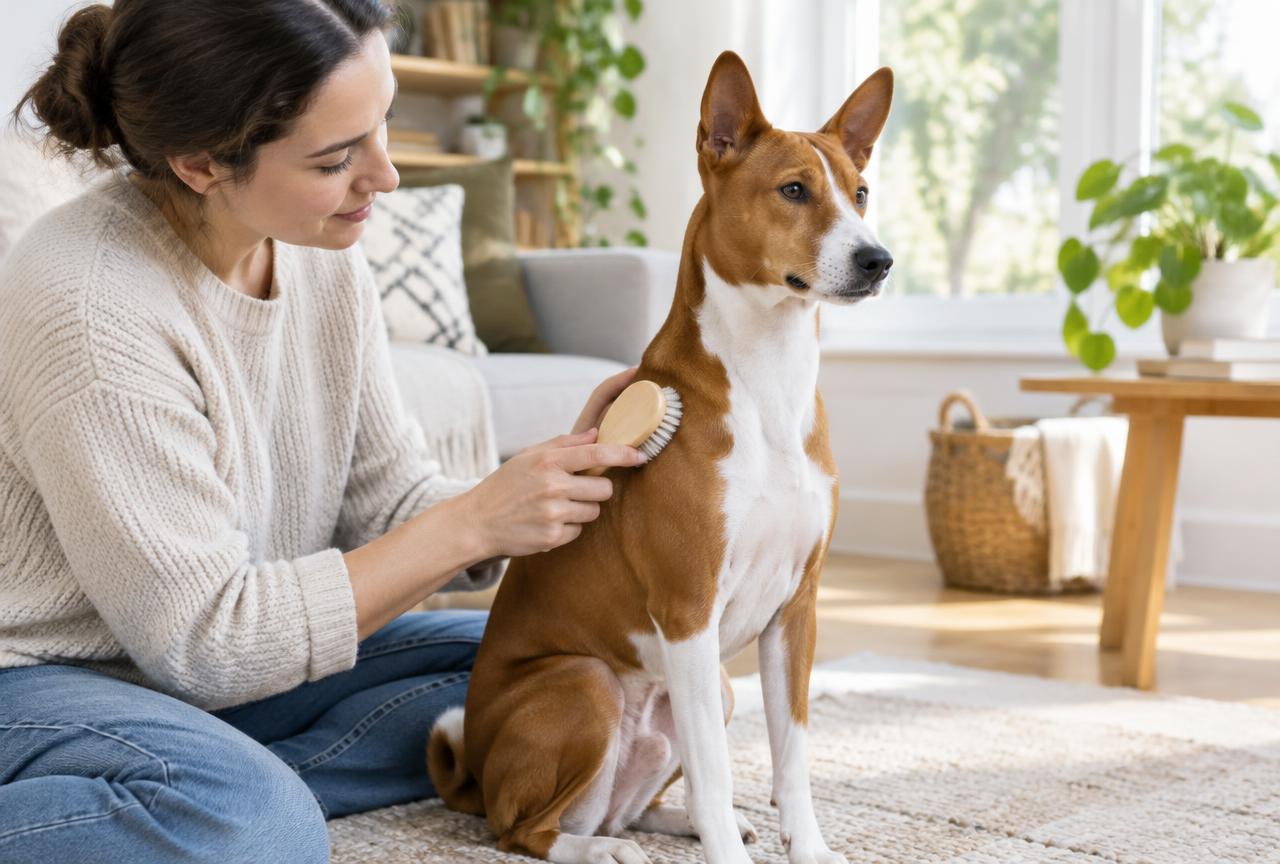
What you actually need
- Soft bristle brush or rubber grooming mitt
- Dog-safe toothpaste and toothbrush
- Nail clippers or grinder
- Ear cleaning solution and soft wipes
- Mild dog shampoo for occasional bathing
- Lightweight coat for cold or wet weather walks
Puppy to adult
| Age | Male | Female | What is happening |
|---|---|---|---|
| 8 weeks | 1.8 to 2.3 kg | 1.6 to 2.1 kg | Small and alert from the start; begin gentle handling and early socialisation. |
| 3 months | 3.5 to 4.5 kg | 3.2 to 4.0 kg | Rapid early growth; introduce short lead walks and varied, positive experiences. |
| 6 months | 6.5 to 8 kg | 5.8 to 7.2 kg | Approaching half adult weight; prey drive and independence start showing clearly. |
| 9 months | 8.5 to 10 kg | 7.5 to 9 kg | Nearing adult height; consistent, reward-based training pays off now. |
| 12 months | 9.5 to 11.5 kg | 8.2 to 10 kg | Close to full size; check fencing is secure as confidence and roaming instinct peak. |
| 18 months | 10 to 12 kg | 8.5 to 10.5 kg | Fully mature in body and temperament, with its independent character well established. |
Ranges are typical, not targets. Judge condition by ribs and waist, and check with the ideal weight checker.
What to ask a breeder
- Have the parents been DNA tested clear for Fanconi syndrome and progressive retinal atrophy?
- What is the history of hip dysplasia or patellar luxation in the bloodline?
- How has the litter been socialised to strangers, noises and everyday household life?
- What is the puppy's temperament like around other dogs and small animals?
- Can I see health clearance certificates for the parents rather than just a verbal assurance?
Health tests to ask for
Ask to see results for both parents before you put down a deposit.
- DNA testing for Fanconi syndrome before breeding or soon after acquiring a puppy
- DNA testing for progressive retinal atrophy to check for the breed-specific mutation
- Hip scoring to assess the likelihood of hip dysplasia
- Patella examination to check for signs of patellar luxation
- Routine veterinary checks for umbilical hernias and digestive health
Health watch-list
What to ask a breeder about, and what to watch for over a lifetime. This is orientation, not veterinary advice, anything you notice belongs in front of a vet.
Fanconi syndrome
NotableThis inherited kidney disorder causes the kidneys to leak glucose and nutrients into the urine, with excessive drinking and urination often the first signs. A DNA test is available and widely recommended before breeding or shortly after bringing home a puppy.
Progressive retinal atrophy
OccasionalThis gradual deterioration of the retina can eventually lead to blindness. A DNA test identifies carriers and affected dogs, so responsible breeders should be able to show clear results for the parents.
Hip dysplasia
OccasionalAlthough less common than in larger breeds, malformation of the hip joint can still occur. Hip scoring of breeding stock helps reduce the risk of passing it on.
Inflammatory bowel disease or colitis
OccasionalSome Basenjis are prone to chronic digestive upset, including persistent loose stools or weight loss. A consistent diet and prompt veterinary investigation of ongoing symptoms helps manage the condition.
Umbilical hernia
OccasionalA soft swelling near the belly button is sometimes seen in puppies and is usually minor, though larger hernias may need surgical correction.
Patellar luxation
OccasionalThis is where the kneecap slips out of place, causing intermittent skipping or lameness. Mild cases are often managed conservatively, while severe cases may need surgery.
What it costs to keep one
Realistic running cost
€117 / month
About €1,404 a year, or roughly €19,656 across a 14-year life, before purchase price, neutering and one-off vet events.
Before the puppy arrives. Budget roughly €500 to 1200 for a crate, bed, lead and harness, bowls, puppy classes, first vaccinations and grooming kit sized for this breed. Figures throughout are indicative and vary a good deal between countries.
Interactive · built for this breed
Is a Basenji right for your home?
Seven honest questions about your space, time and household, checked against this breed's exercise need, coat, sociability and tolerance for time alone.
Fit with your routine
93%
A strong fit
Your routine suits a Basenji well. Meet adult dogs of the line before you commit.
What to sort out first
- Needs more daily exercise than you have pencilled in.
Working in your favour
- Coat care fits the grooming time you offered.
Compare more breeds in the matchmaker, or plan meals with the portion calculator.
The verdict, by household
Challenging
Intelligent but wilful, the Basenji tests boundaries and needs an owner willing to earn its cooperation rather than demand it.
Good
Generally fine with considerate older children who respect its space, though it is not typically a tolerant lap dog for toddlers.
Excellent
Thrives with owners who enjoy daily walks or jogs and can match its curious, energetic nature.
Good
The lack of barking is a genuine advantage, though yodels and screams can still carry, and exercise needs must still be met.
When to call your vet
- Excessive drinking and urination, which can signal early Fanconi syndrome
- Cloudy eyes or reluctance to move around in dim light, possibly indicating progressive retinal atrophy
- Stiffness or reluctance to jump, which may point to hip dysplasia
- Chronic loose stools or weight loss, which could suggest inflammatory bowel disease
- A soft swelling near the belly button, which may be an umbilical hernia
Nothing here is a diagnosis. A swollen, hard belly with retching, collapse, breathing difficulty and sudden hind-leg weakness are emergencies: go straight away.
Basenji vs the closest alternatives
| Breed | Weight | Energy | Grooming | € / month |
|---|---|---|---|---|
| Basenji | 8 to 12 kg | 8/10 | 1/10 | €117 |
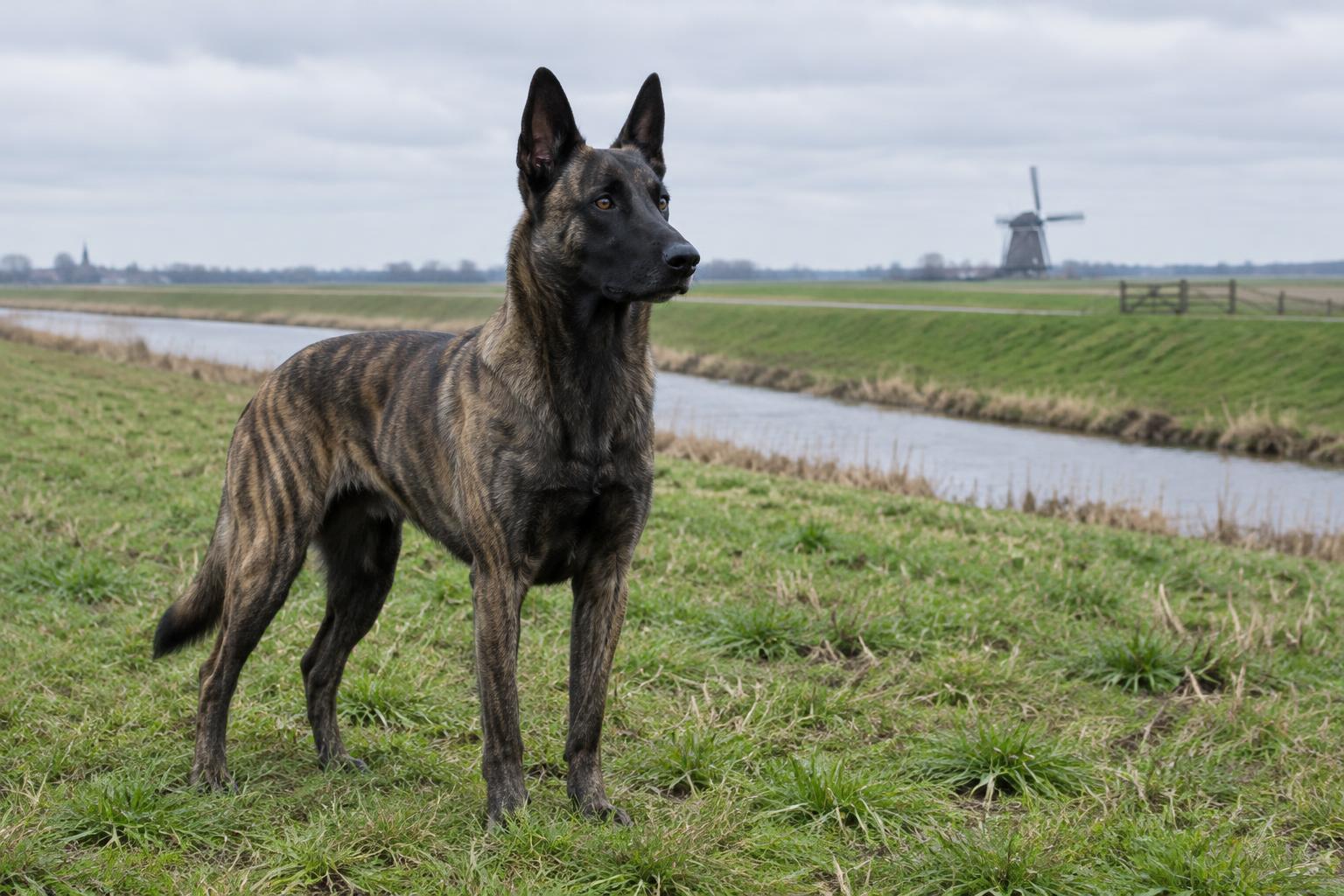
| Dutch Shepherd | 23 to 34 kg | 9/10 | 3/10 | €112 |
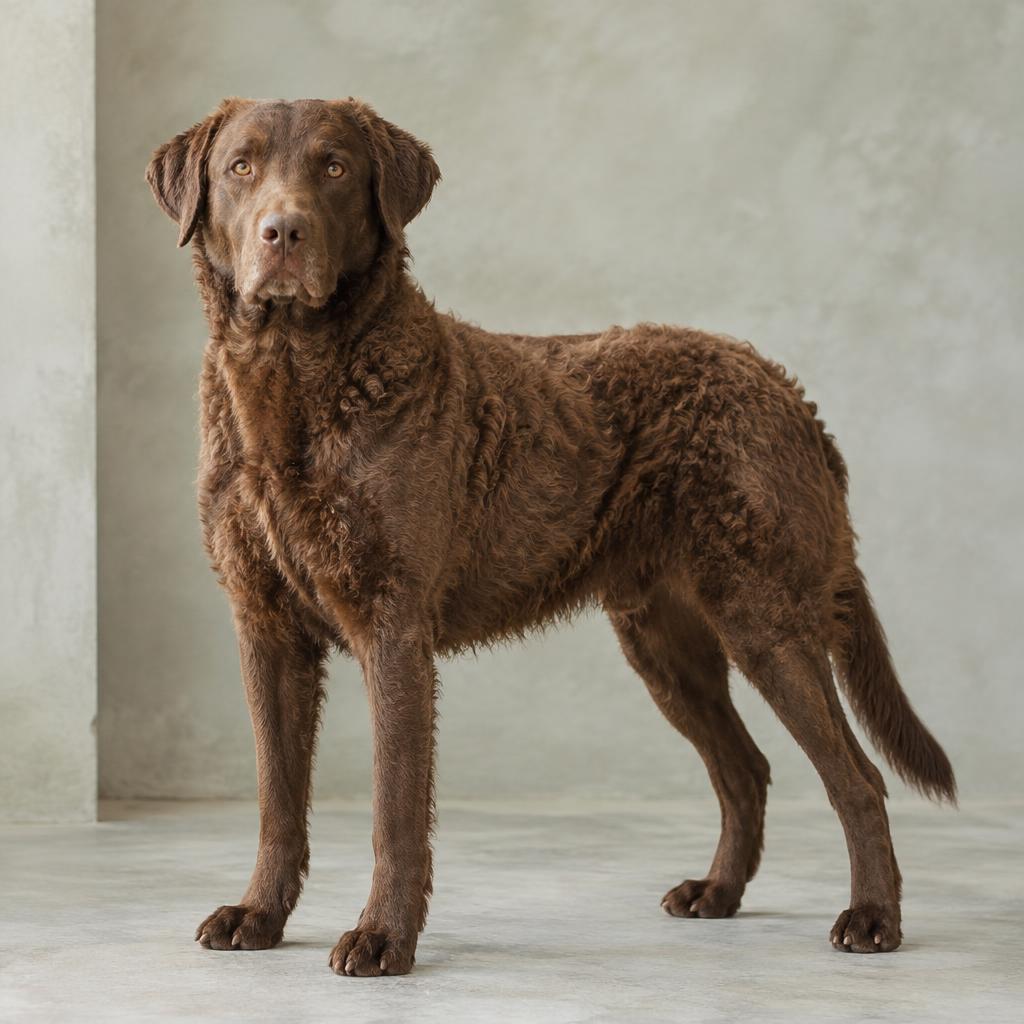
| Chesapeake Bay Retriever | 25 to 36 kg | 8/10 | 3/10 | €109 |
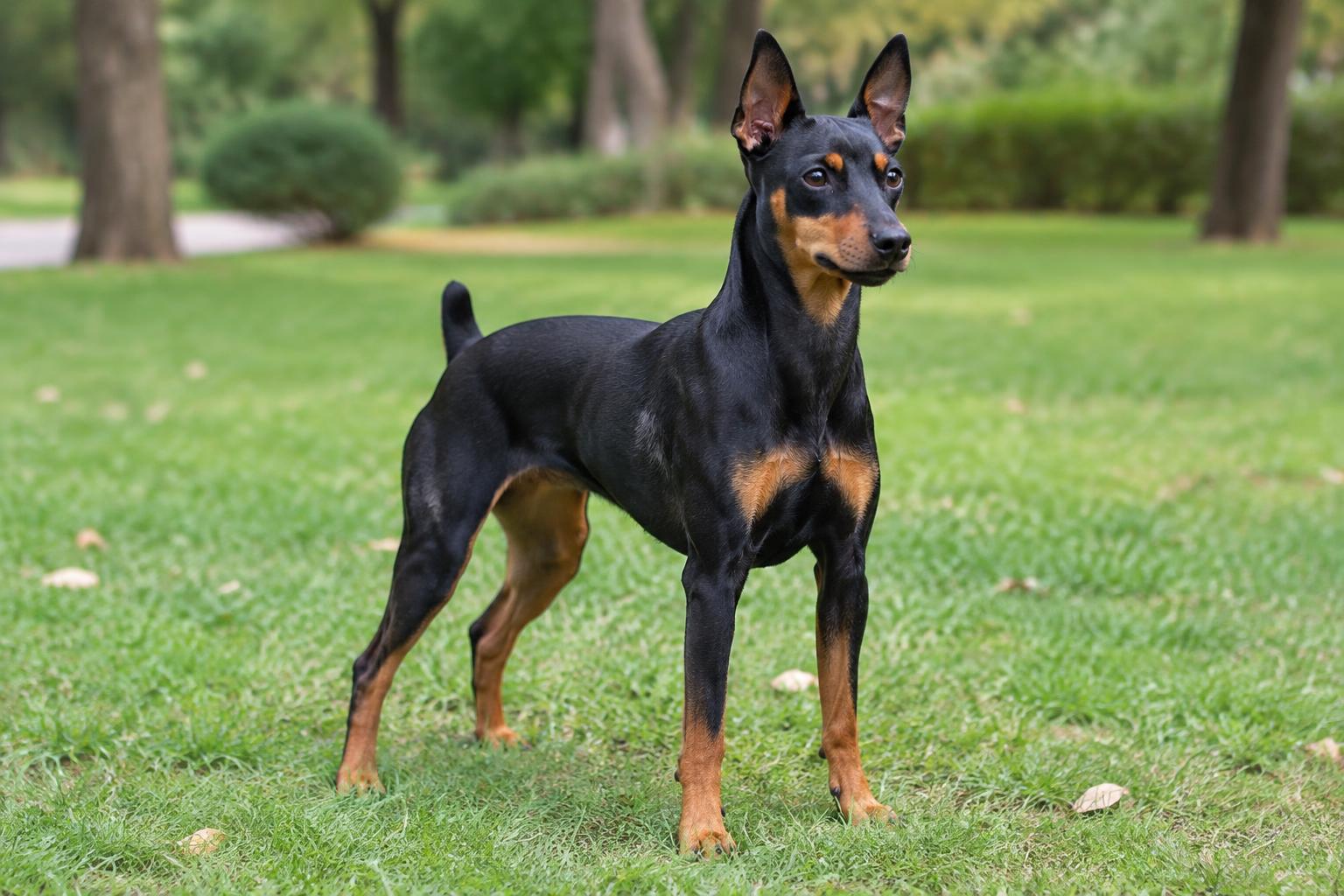
| Miniature Pinscher | 3.5 to 5.5 kg | 8/10 | 1/10 | €47 |
Basenji questions, answered
Why do Basenjis not bark?
The Basenji has an unusually shaped larynx that prevents it from producing a typical bark. Instead, it communicates through a range of other sounds, including yodels, growls, chortles and occasional screams.
Do Basenjis really yodel?
Yes. The sound, often called a baroo, is a distinctive rising and falling yodel that Basenjis make when excited, greeting their owner or simply expressing themselves. It is one of the breed's most famous and endearing traits.
Are Basenjis good first dogs?
Not usually. Their independent, wilful nature and strong prey drive mean they suit owners with some dog experience, who can offer patient, consistent training and secure fencing rather than expecting an easy, obedient companion.
Are Basenjis good with children and other pets?
They can do well with considerate older children who respect their space, though they are rarely tolerant of rough handling. High prey drive means caution is needed around small pets such as rabbits or guinea pigs.
How much exercise does a Basenji need?
Basenjis need at least 45 to 60 minutes of exercise a day, ideally split into two walks, along with mental stimulation such as scent games or puzzle feeders to prevent boredom and destructive behaviour.
Do Basenjis shed much?
No, they are a low shedding breed with a short, fine coat that needs only weekly brushing. Their fastidious self-grooming habits also help keep them clean and low in odour between baths.
What is Fanconi syndrome in Basenjis?
Fanconi syndrome is an inherited kidney disorder in which the kidneys fail to reabsorb nutrients properly, leading to excessive drinking and urination. A DNA test can identify the risk, and early veterinary monitoring greatly improves management.