
The journal
Dog care writing that respects your time and your dog's opinions.

Dog Dry Heaving: Causes and When It Is an Emergency
Dog dry heaving is usually throat irritation or mild nausea, but repeated unproductive retching with a swollen, tight belly can be bloat (GDV), a life-threatening emergency.

Can Dogs Eat Oatmeal? Cooked, Raw and Flavoured
Plain oatmeal cooked in water is safe for dogs in small servings and its soluble fibre can help mild diarrhoea. Avoid flavoured sachets, raw oats and porridge made with milk or sugar.

Can Dogs Eat Honey? Benefits, Risks and Serving Size
Honey is safe in small amounts for healthy adult dogs and may soothe a scratchy throat, but it is almost pure sugar, so portions stay tiny and some dogs should avoid it entirely.

Can Dogs Eat Popcorn? Plain, Buttered and Kernels
Plain air-popped popcorn is fine for dogs in small amounts. Buttered, salted and flavoured popcorn should be avoided, and unpopped kernels are a dental and blockage hazard.
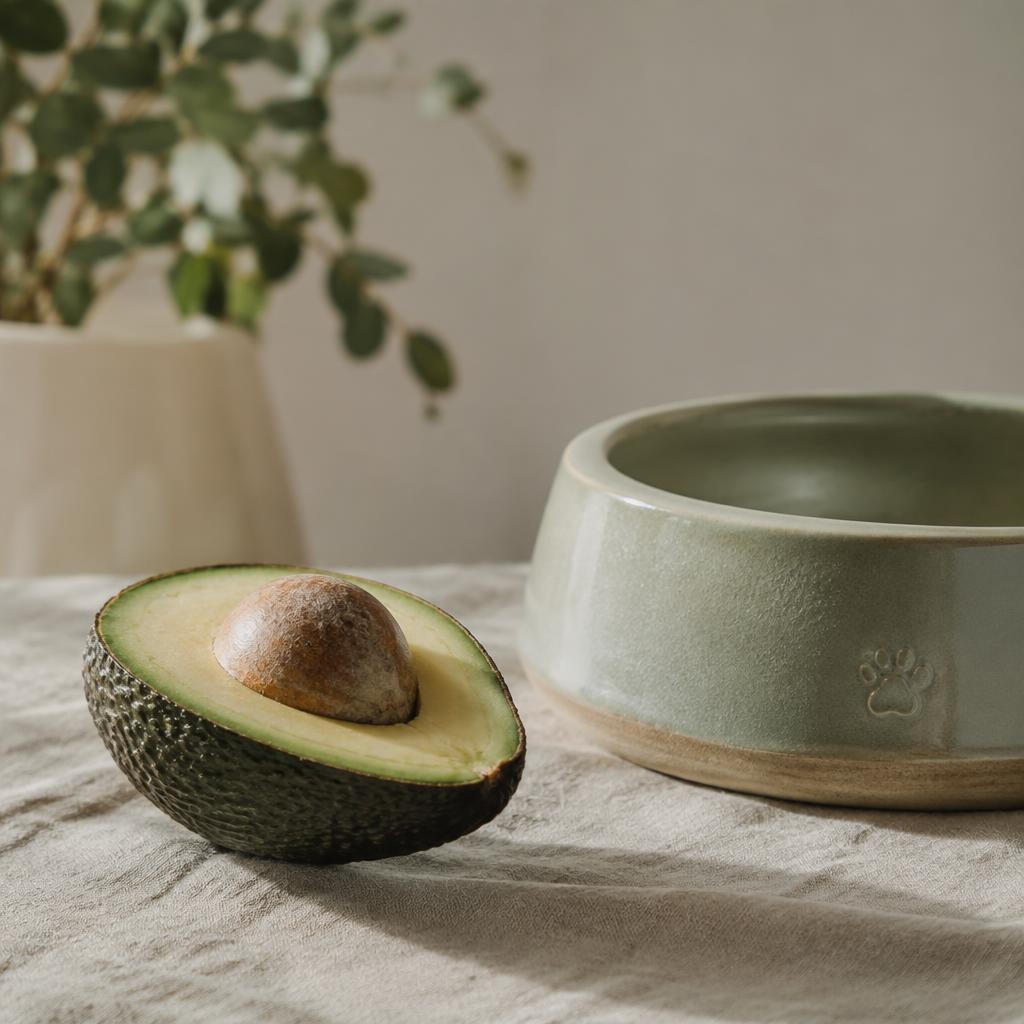
Can Dogs Eat Avocado? Flesh, Skin, Stone and Guacamole
A little ripe avocado flesh is low risk for most dogs, but the stone can block a gut, the skin carries more persin, and guacamole is off-limits because of onion and garlic.

Dog Panting at Night: Causes and When to Worry
Night panting is often caused by a warm room or a busy day, but panting that is new, nightly, or comes with restlessness, coughing or other signs needs a vet check.

Can Dogs Eat Bread? Crusts, Dough and When It Is Dangerous
Dogs can eat small amounts of plain baked bread. Raw yeast dough is an emergency, raisin bread is toxic, and seeded or flavoured loaves need a label check first.

Can Dogs Eat Pears? Core, Seeds and Portions
Dogs can eat fresh pear in small amounts once the core and seeds are removed. The seeds contain trace cyanide compounds and the core is hard to digest, so preparation matters.

Can Dogs Eat Peaches? Stone, Skin and Serving Size
Dogs can eat fresh peach flesh in small amounts with the stone removed. The stone carries cyanide compounds and is a serious blockage risk, and tinned peaches in syrup are too sugary.

Can Dogs Eat Cherries? Pits, Stems and the Real Risk
Cherry flesh is safe for dogs in small amounts once pitted. The pits, stems and leaves contain cyanide compounds and the pits can block the gut, so preparation matters.

Why Do Dogs Roll in Poop? The Instinct Explained
Why dogs roll in the worst smells they can find, what the behaviour is really about, and how to prevent it or at least clean up well afterwards.

Can Dogs Eat Corn? On the Cob, Kernels and Popcorn
Corn kernels are a fine occasional treat, but the cob is a genuine emergency risk. Here is what is safe, what is not, and what to do if the cob goes missing.
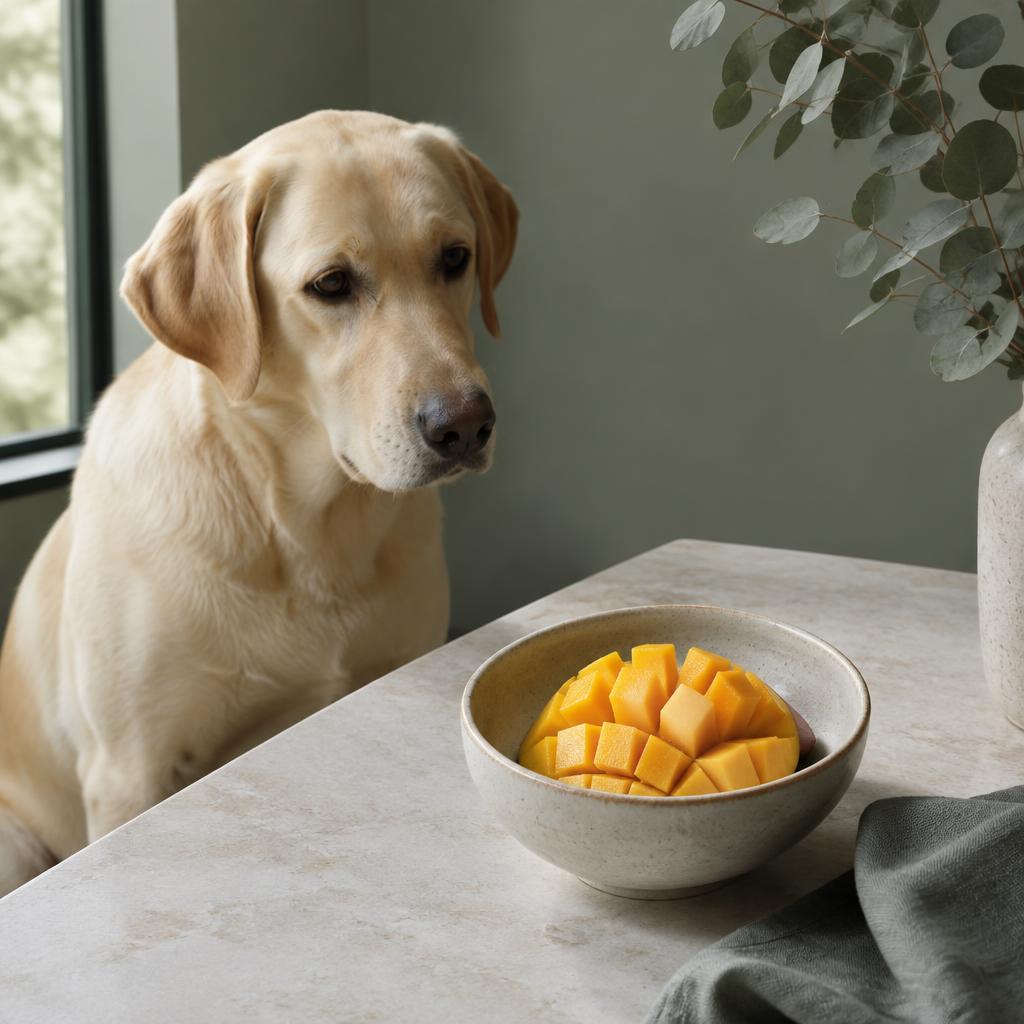
Can Dogs Eat Mango? Stone, Skin and Serving Size
Mango flesh is a safe, sweet treat for most dogs. The stone is a genuine hazard, the skin is best avoided, and portions should stay small.

Can Dogs Eat Grapes? Why Even One Is an Emergency
Grapes, raisins, sultanas and currants can cause kidney failure in dogs. There is no safe amount: here is exactly what to do if your dog eats one.

Can Dogs Eat Oranges? Segments, Peel and Portions
Oranges are safe for most dogs as an occasional treat. Here is how much to offer, which parts to avoid, and when to skip citrus altogether.

My Dog Swallowed a Sock: What To Do Now
A swallowed sock can block a dog's gut and become life-threatening. Call the vet immediately, do not induce vomiting at home, and learn the blockage signs to watch for.

Dog Sleeping Positions: What Each One Means
What your dog's sleeping position really means, from the curled donut to the belly-up sprawl, plus how age and temperature change things and when sleep changes need a vet.

Why Does My Dog Stare at Me? What the Look Means
Dogs stare to bond, to ask, to read you and sometimes to warn. Here is how to tell a soft bonding gaze from a hard stare, and when staring signals a problem.
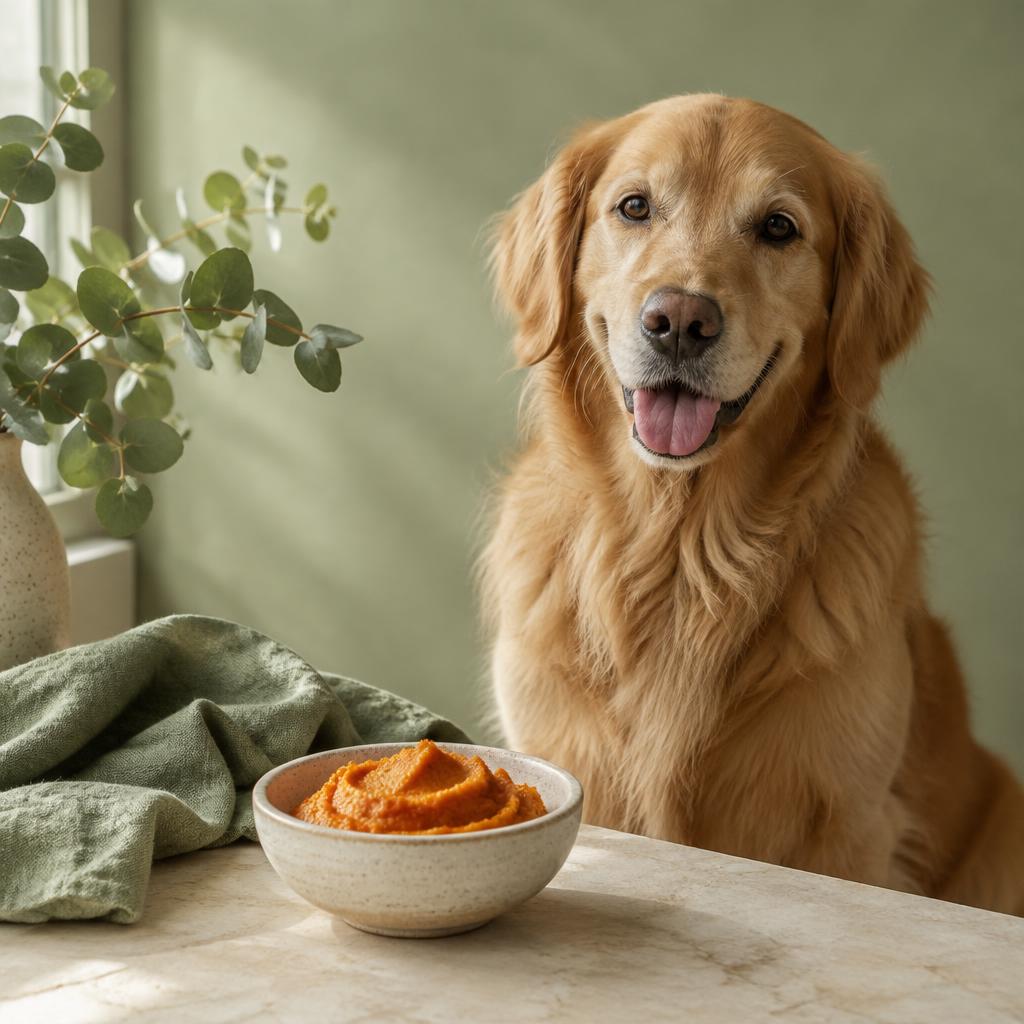
Can Dogs Eat Sweet Potato? Cooked, Raw and the Skin
Sweet potato is safe for dogs when it is cooked, plain and peeled. Here is how much to serve, why raw is off the menu, what to know about the skin and the DCM question.
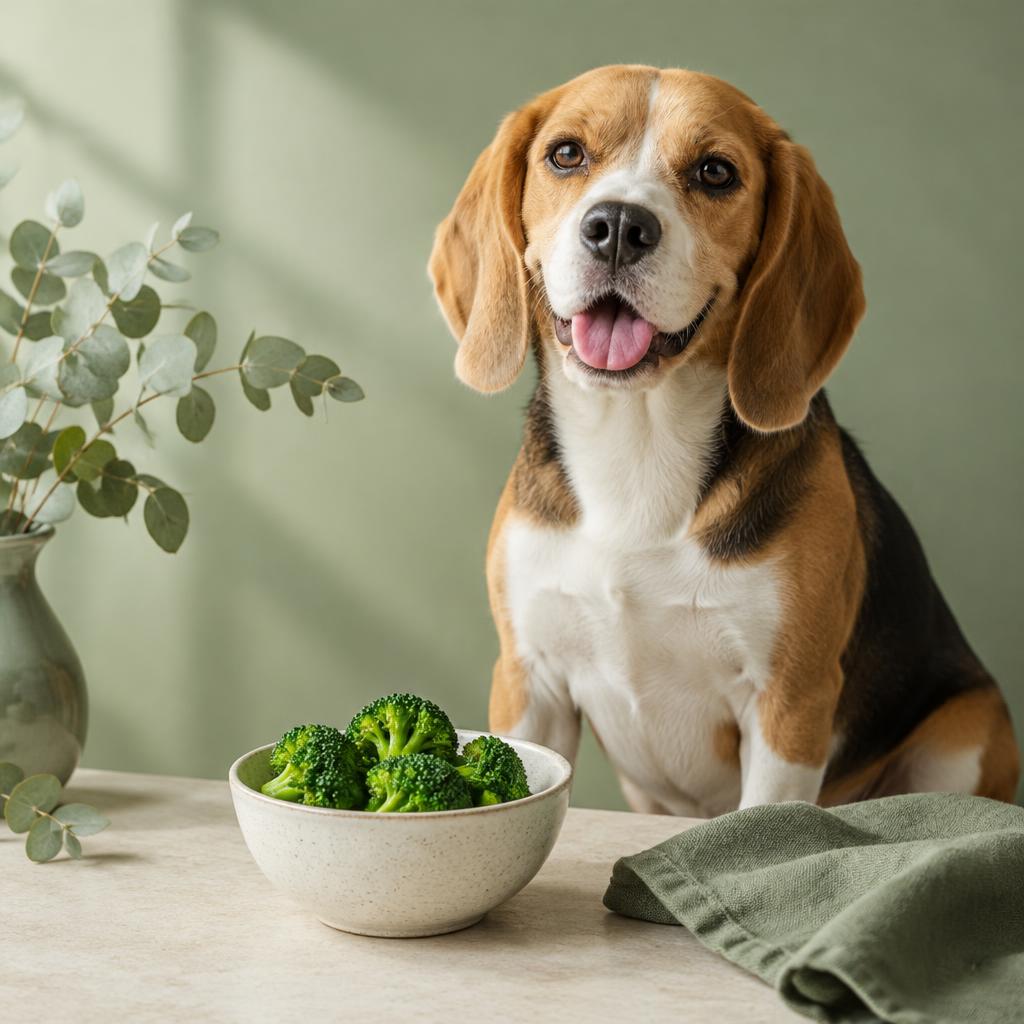
Can Dogs Eat Broccoli? Florets, Stems and Portions
Broccoli is safe for dogs plain and in small portions. Here is how much to give, how to prepare it, why the stems need care and when broccoli becomes a problem.
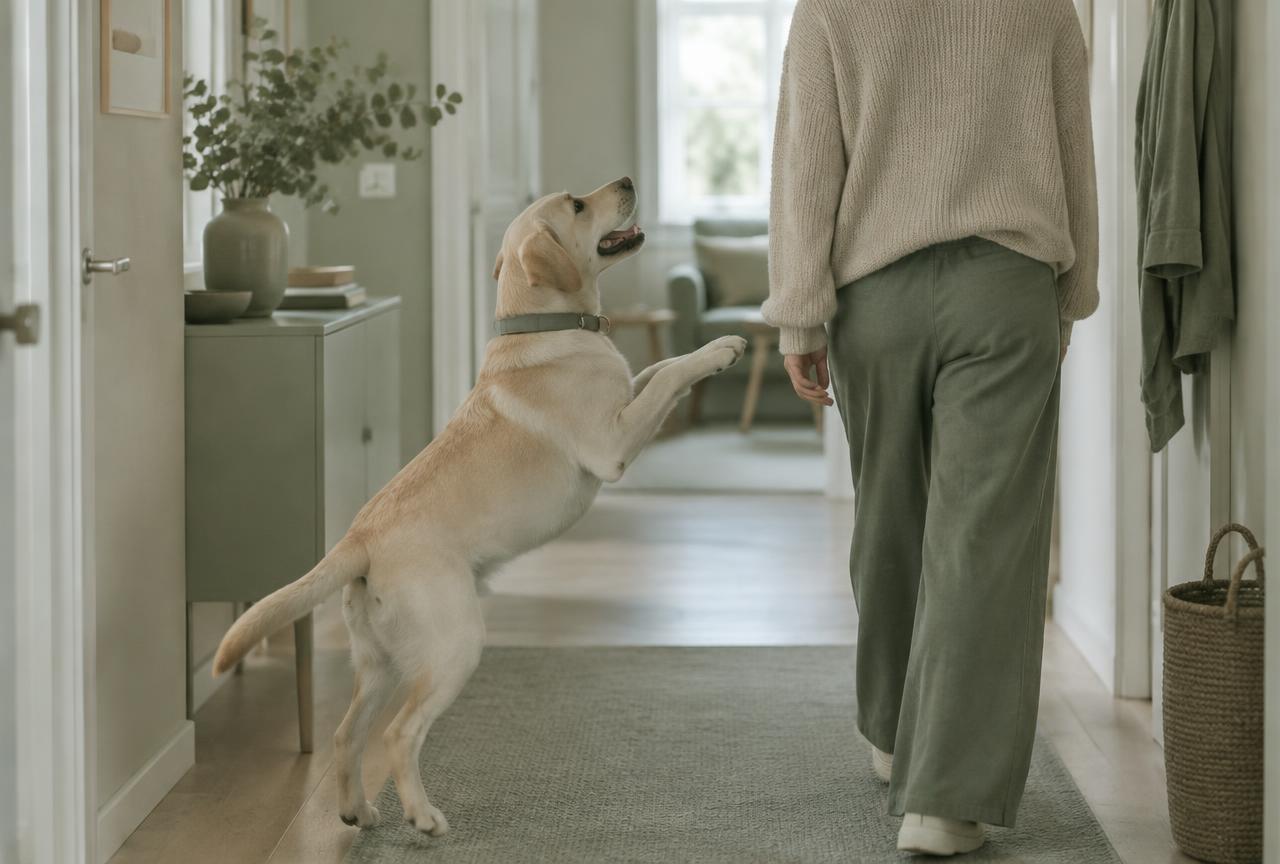
How to Stop a Dog Jumping Up at People
Jumping up persists because it works: it gets attention. Remove the reward, reward four paws on the floor, get the whole household consistent, and most dogs change within weeks.
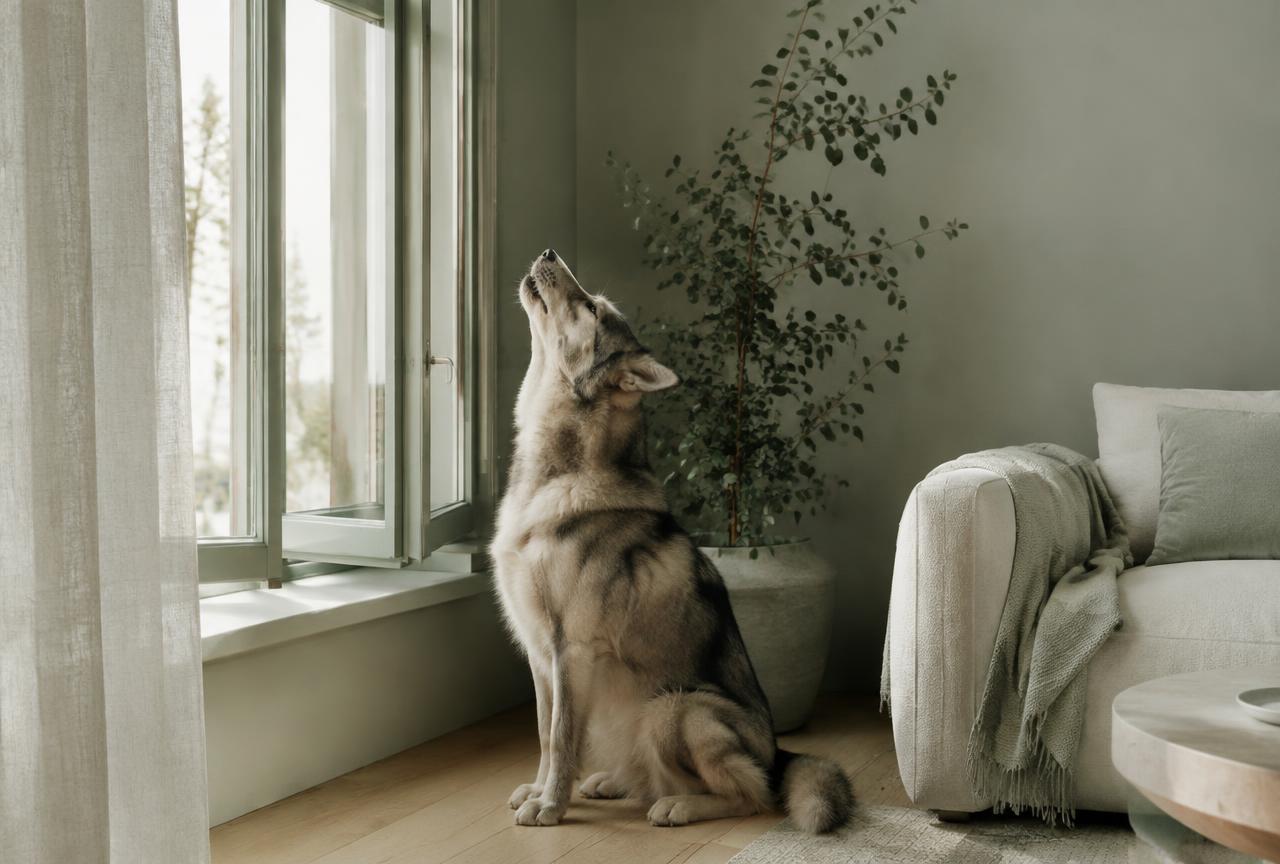
Why Do Dogs Howl at Sirens? The Instinct Explained
Dogs howl at sirens because the pitch sits close to howling frequencies and triggers an ancient pack response. It is normal, it does not hurt their ears, and here is when it signals something more.
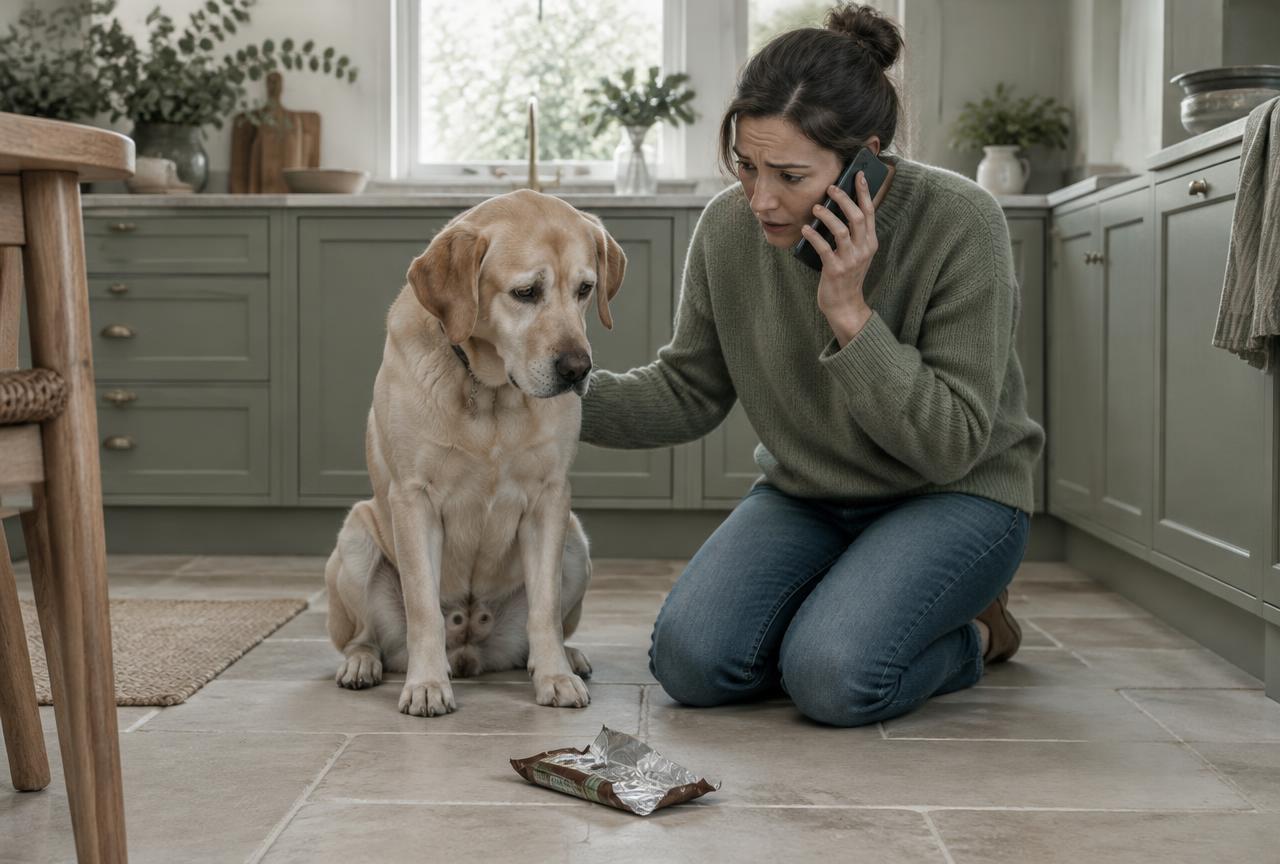
My Dog Ate Chocolate: What To Do Now
Chocolate is toxic to dogs and there is no safe home threshold. Call your vet or a poison line straight away, keep the wrapper, and do not wait for symptoms. Here is the full plan.
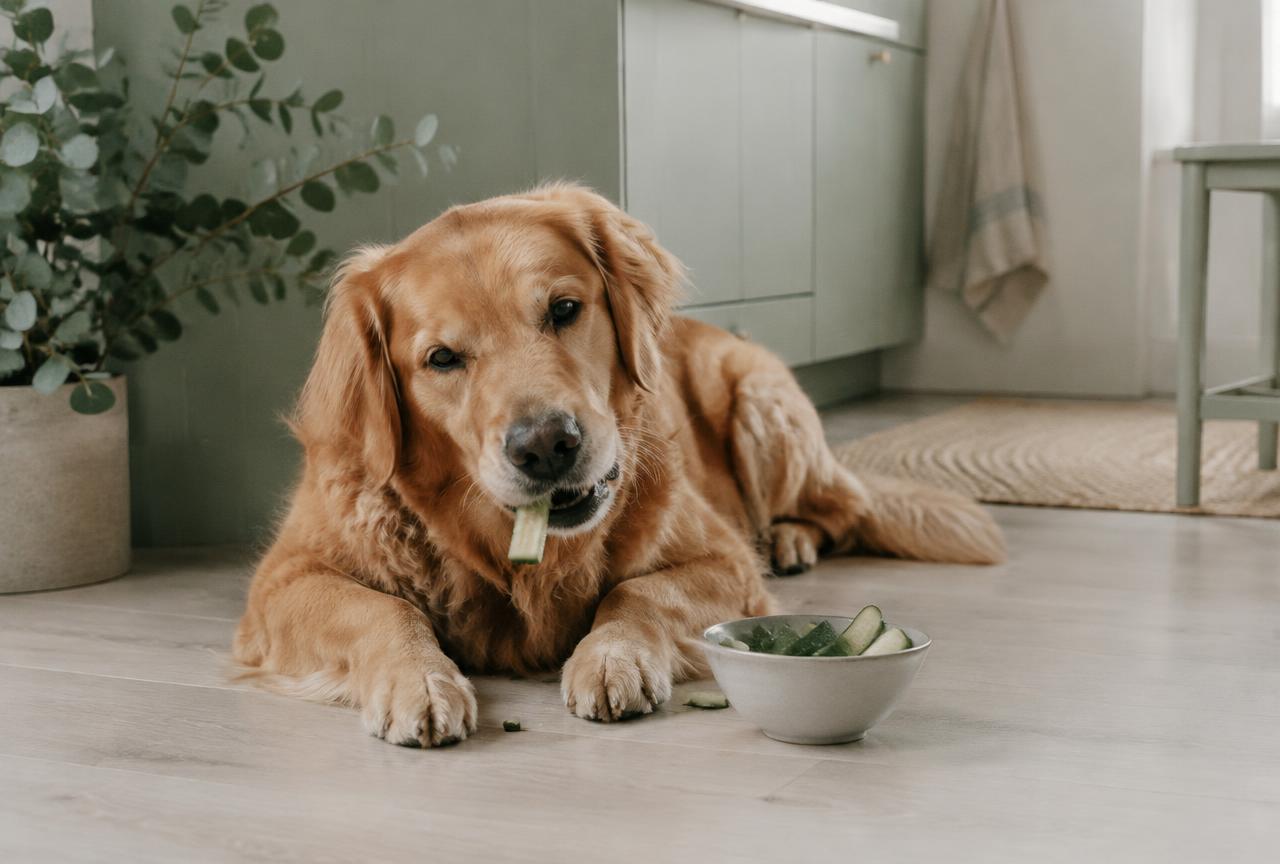
Can Dogs Eat Cucumbers? A Crunchy Low-Calorie Treat
Yes, dogs can eat cucumbers. At about 96% water and barely any calories, they are one of the best treats for dogs watching their weight. Here is how much to serve.
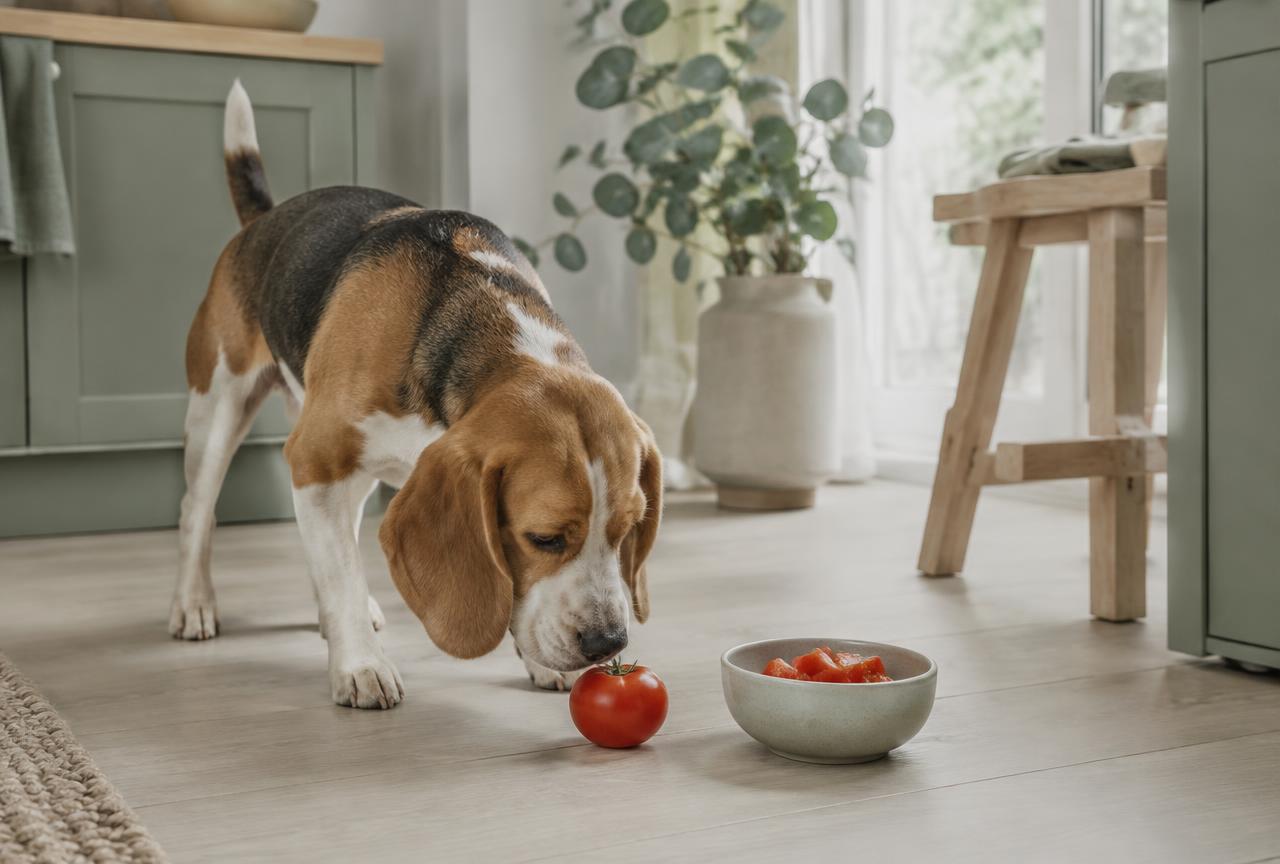
Can Dogs Eat Tomatoes? Ripe, Green and the Plant
Ripe red tomatoes are safe for dogs in small amounts, but green tomatoes and the plant itself are not. Here is the difference, the portions and the products to avoid.

My Dog Ate a Chicken Bone: What To Do Now
Dog ate a chicken bone? Stay calm, do not make them vomit, and call your vet. Here is what to watch for over the next 72 hours and when it is an emergency.

Why Do Dogs Hump? Causes and How to Stop It
Dog humping is usually about play, excitement or stress, not dominance. Here is what drives it, when it is medical, and how to stop it calmly.
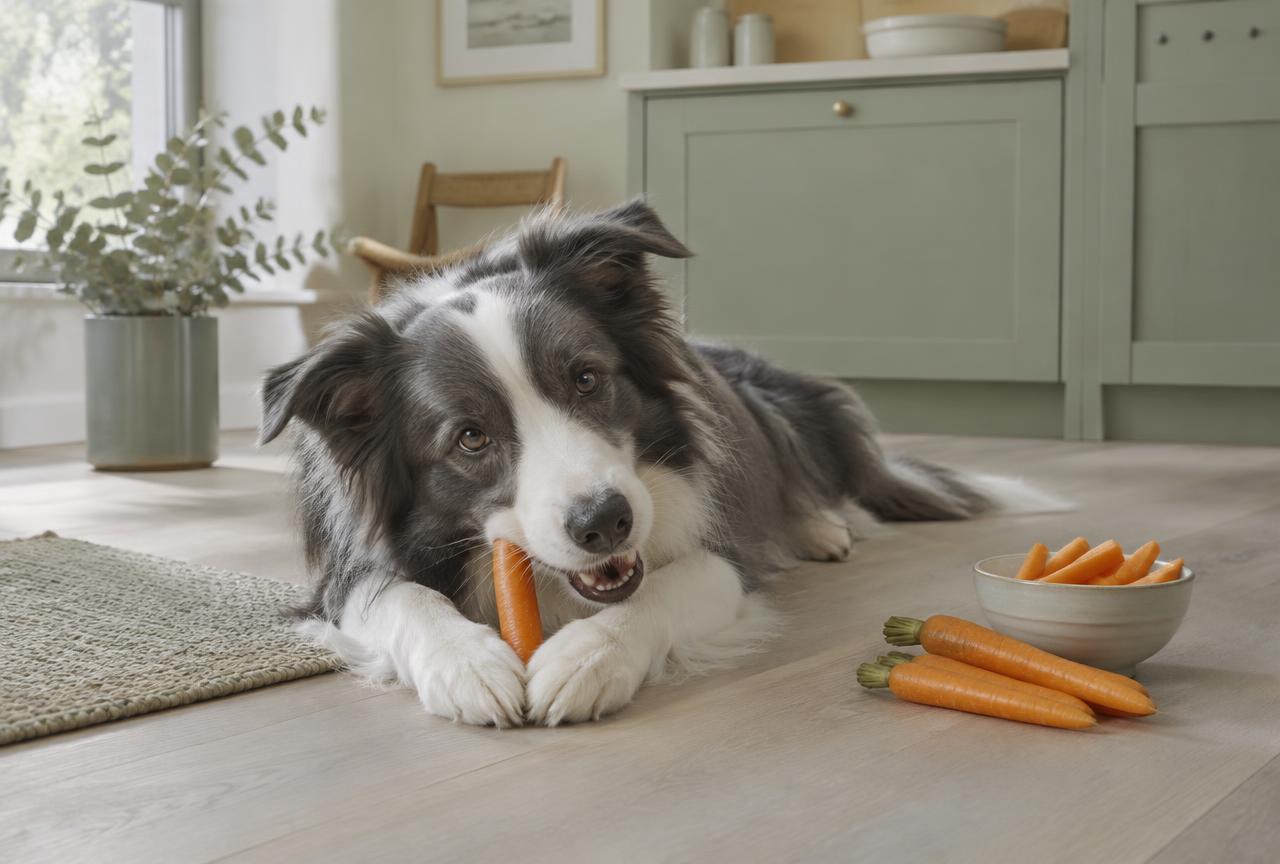
Can Dogs Eat Carrots? Raw, Cooked and Portion Guide
Yes, dogs can eat carrots raw or cooked. They are low in calories, crunchy and cheap. Here is how much to give, how to cut them and what carrots can and cannot do for teeth.
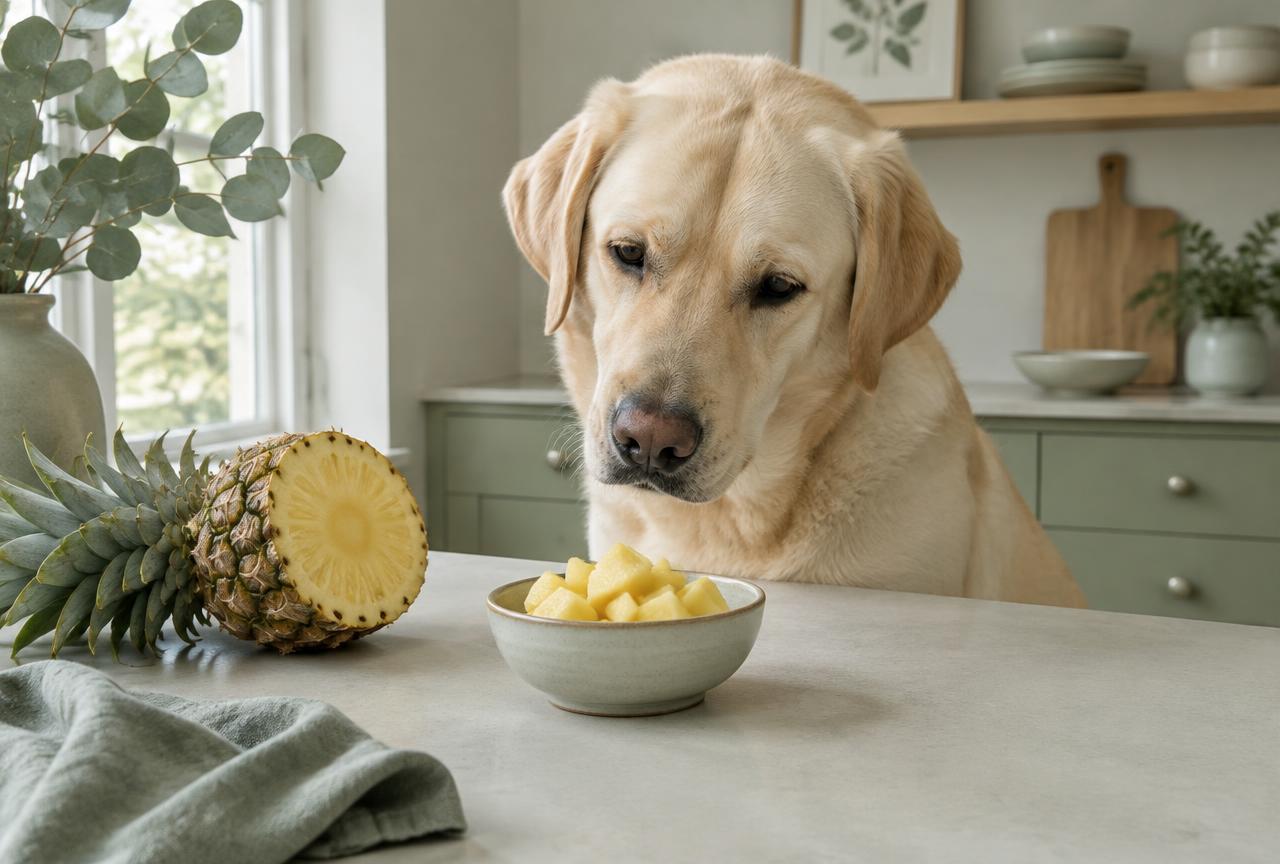
Can Dogs Eat Pineapple? Fresh, Canned and Dried
Yes, dogs can eat fresh pineapple in small amounts. The flesh is safe, but the skin, core and sugary canned versions are not. Here is how to serve it safely.
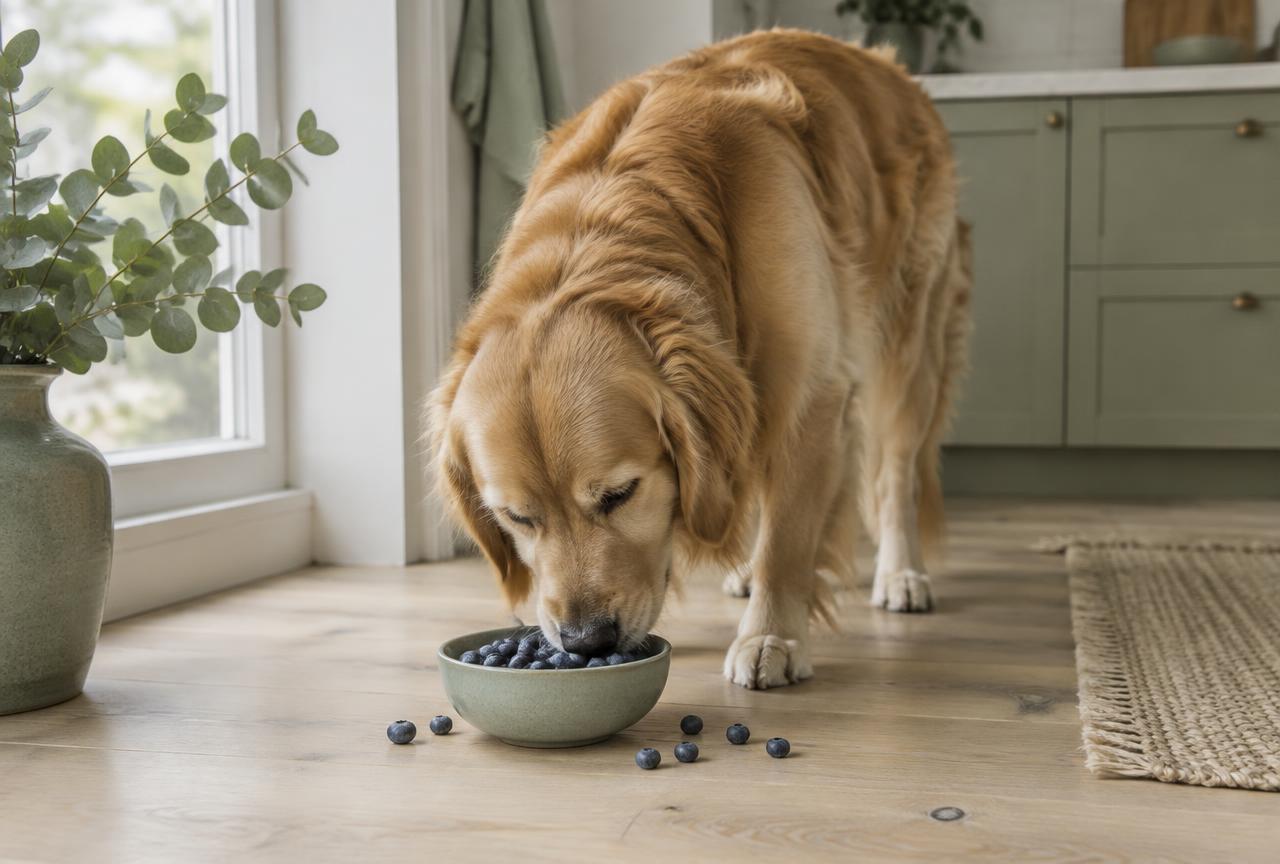
Can Dogs Eat Blueberries? Portions, Benefits and Serving Ideas
Yes, dogs can eat blueberries. They are one of the safest fruits to share: low in calories, easy to portion and full of antioxidants. Here is how many to serve, by size.

Dog Barking at Night: Causes and How to Stop It
Night barking always has a cause: outside noises, a full bladder, leftover energy, anxiety or, in seniors, discomfort or confusion. Find the cause first, then fix it.
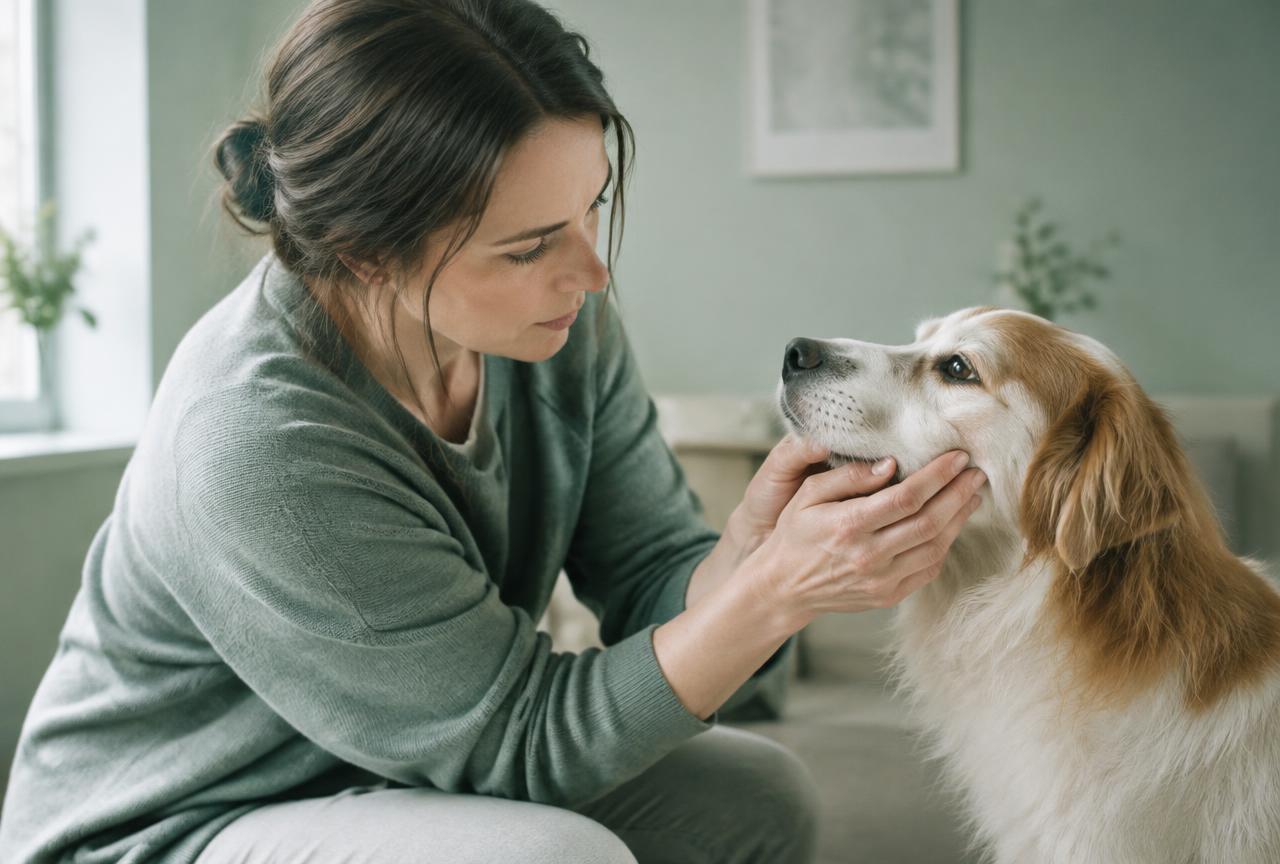
Dog Swollen Face: Causes and When It Is an Emergency
A swollen face on a dog is most often an allergic reaction to a sting or bite, but dental abscesses and injuries cause it too. Here is how to tell an emergency from a wait-and-watch.
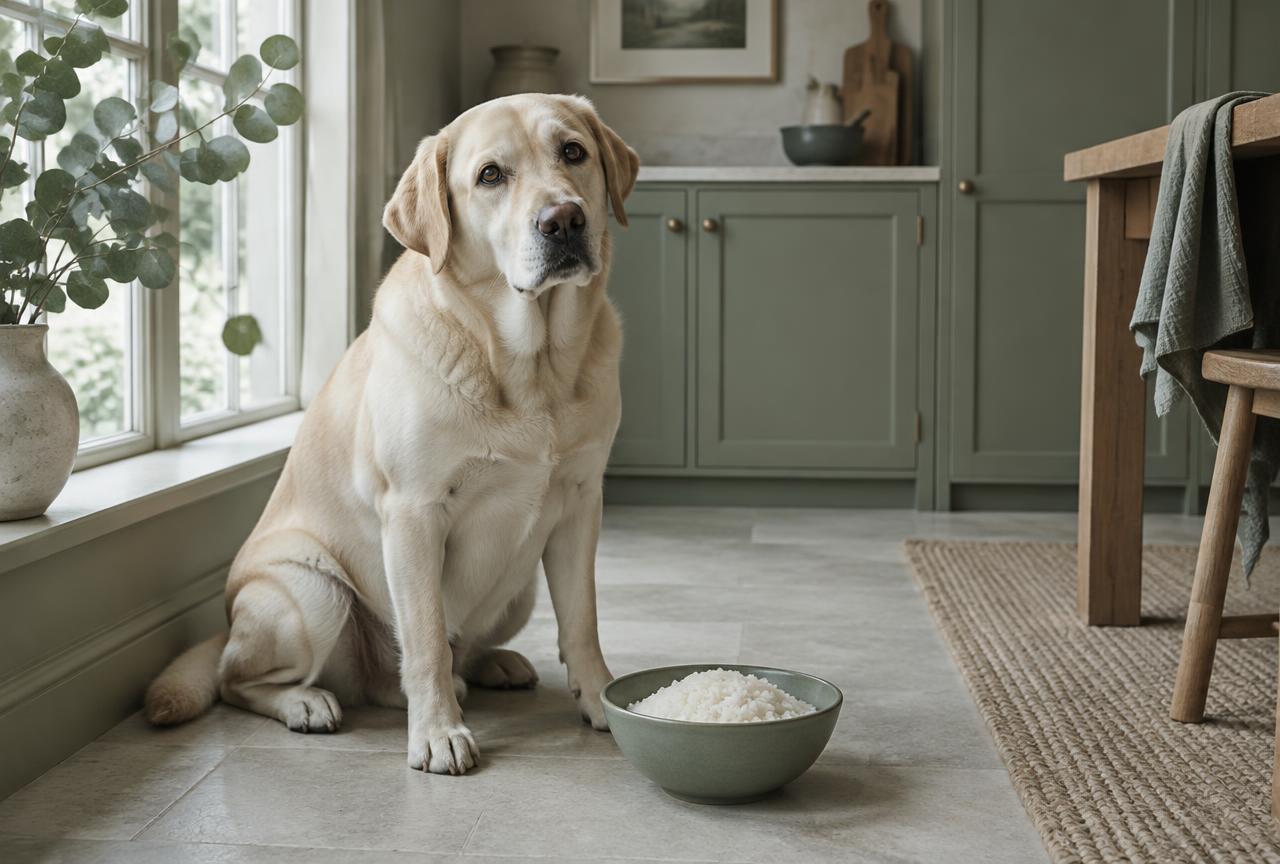
Can Dogs Eat Rice? White vs Brown and When It Helps
Yes, dogs can eat rice. Plain cooked rice is safe, easy to digest and genuinely useful for upset stomachs. Here is white vs brown, portions and when to skip it.

Can Dogs Eat Watermelon? Rind, Seeds and Safe Servings
Yes, dogs can eat watermelon flesh, and it is a hydrating summer treat. The rind and seeds are the parts that cause trouble. Here is how to serve it safely.

Can Dogs Eat Strawberries? Portions, Sugar and Serving Ideas
Yes, dogs can eat strawberries. Fresh, washed and chopped, they are a safe low-calorie treat. Here is how many to serve, what to avoid and how to prepare them.
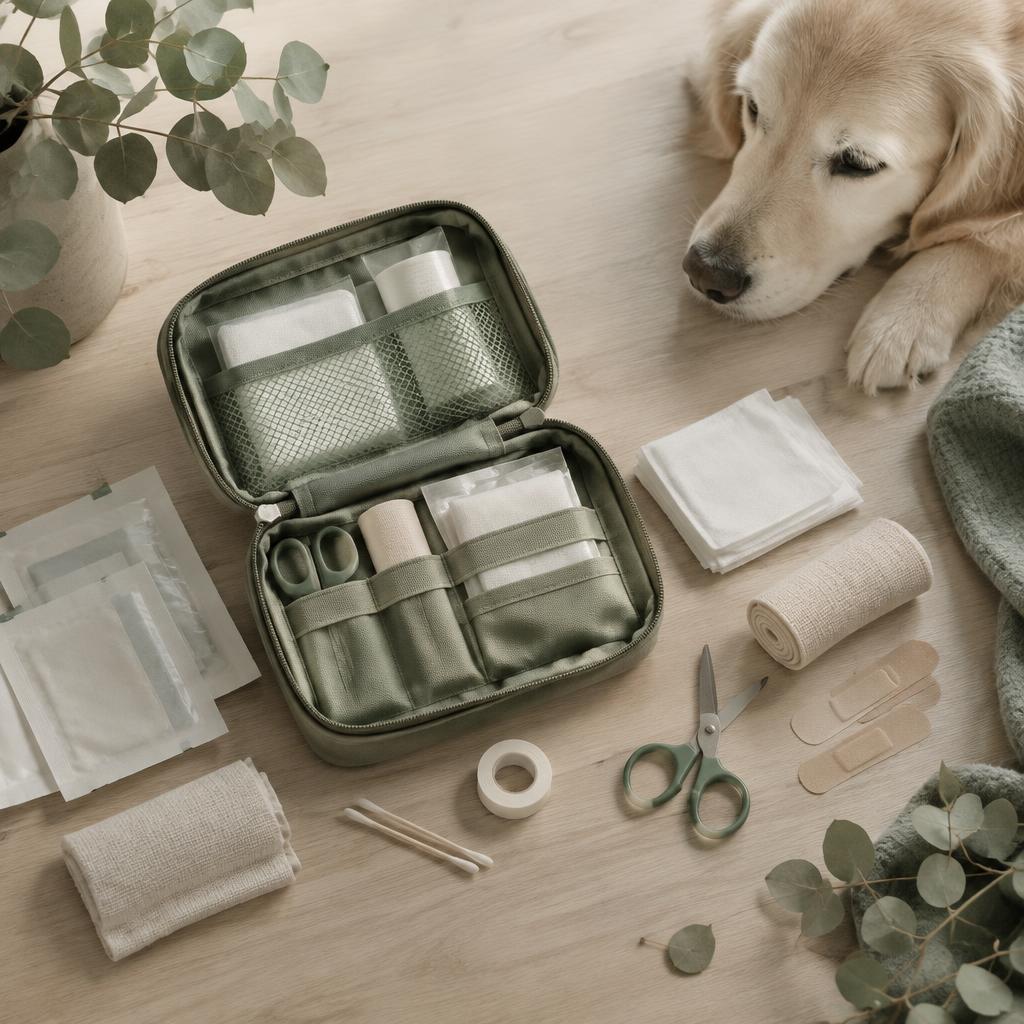
Dog First Aid: The Kit and Skills Every Owner Needs
A practical guide to dog first aid: what goes in the kit, how to handle bleeding, choking, heatstroke and stings, and when first aid ends and the vet begins.
Dog Throwing Up White Foam: Causes and When to Worry
A dog throwing up white foam is often just an empty stomach, but repeated episodes, retching without result, or other symptoms need a vet. Causes, home care and red flags.
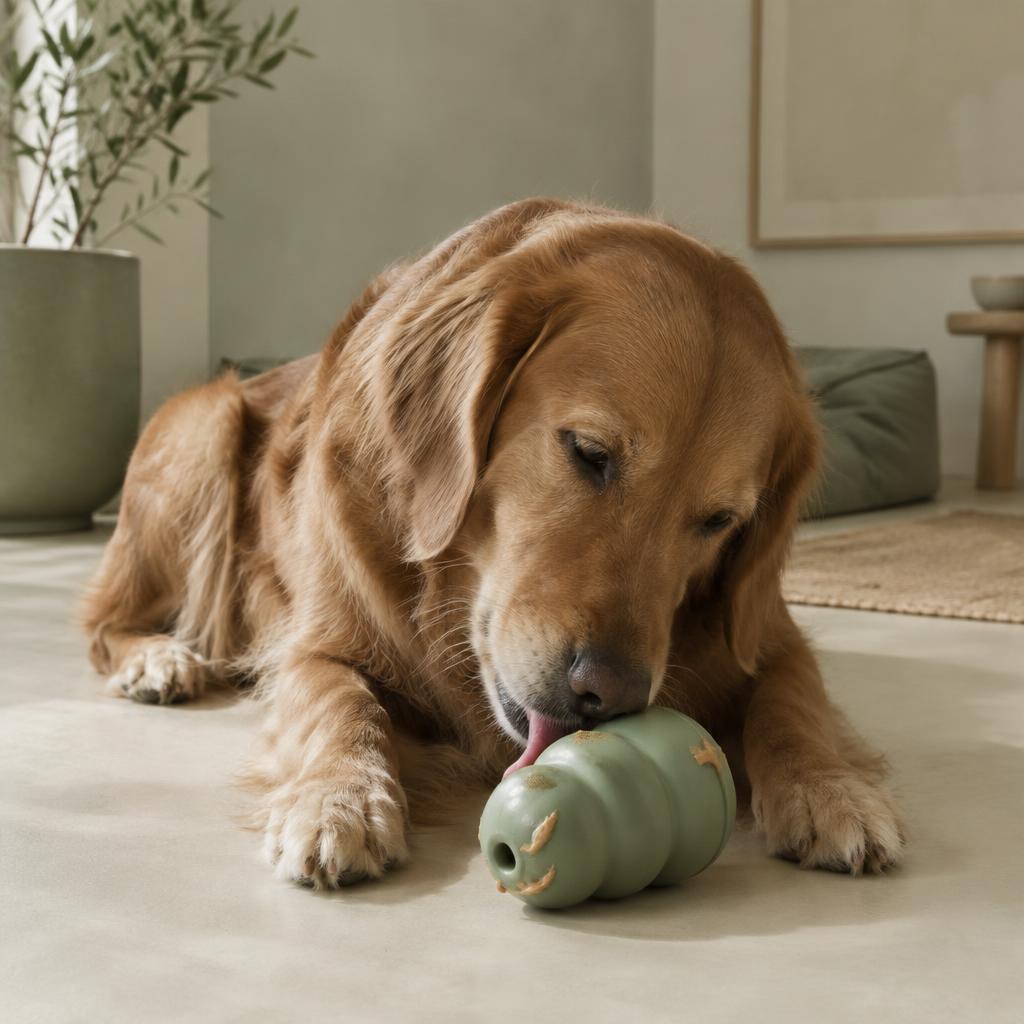
Can Dogs Eat Peanut Butter? Xylitol Checks and Safe Servings
Most peanut butter is a safe, much-loved dog treat, but jars containing xylitol are dangerous. How to check a label, how much to serve, and smart ways to use it.

Can Dogs Eat Eggs? Cooked, Raw and Portion Guidance
Eggs are safe for dogs when cooked and served plain. Portion guidance by size, the raw egg question, eggshells, and how often eggs should appear in the bowl.
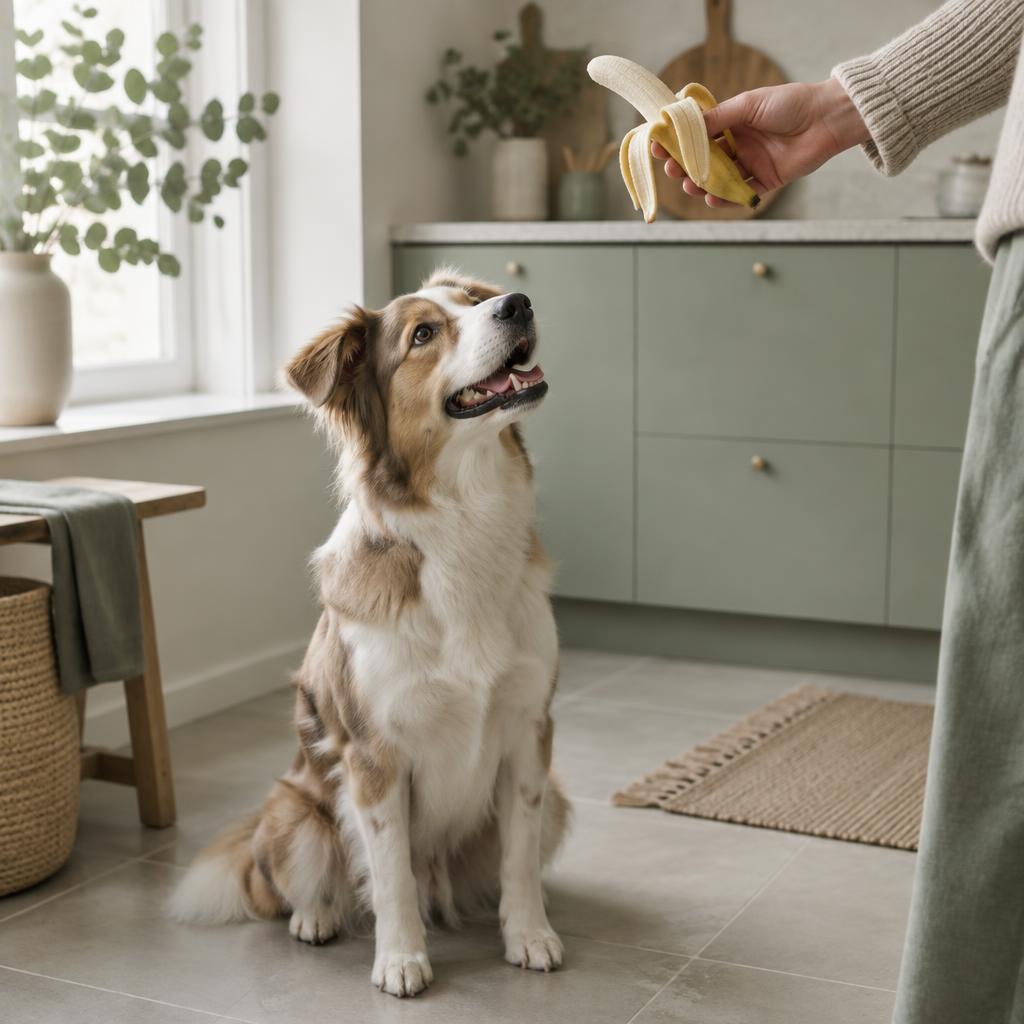
Can Dogs Eat Bananas? Portions, Benefits and When to Skip Them
Bananas are safe for dogs as an occasional treat. Portion guidance by size, the sugar and peel caveats, and the signs that banana does not suit your dog.

Dog Scared of Fireworks: A Calm Preparation and Recovery Plan
Firework fear responds best to preparation. Here is a practical plan for the weeks before, the night itself, and the morning after.
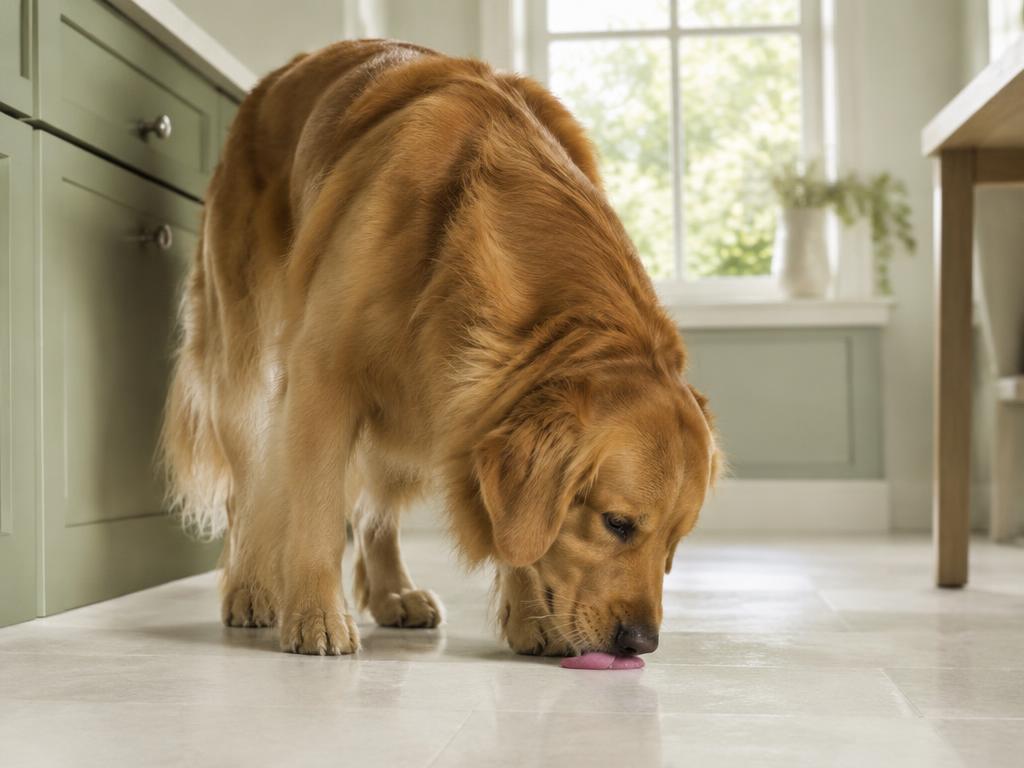
Why Is My Dog Licking the Floor? Causes and When It Matters
Most floor licking is a dog hoovering up flavour. Frantic or obsessive licking is different, and often points to nausea. Here is how to tell.

Dog Pacing at Night: Causes and How to Settle Them
Most night pacing is an under-tired dog or a wobbly routine. In seniors it can be a medical question. Here is how to tell and what to do tonight.

Why Does My Dog Snore? Normal Noises and When to Worry
Most dog snoring is harmless anatomy. Here is how to tell the difference between a noisy sleeper and a breathing problem.
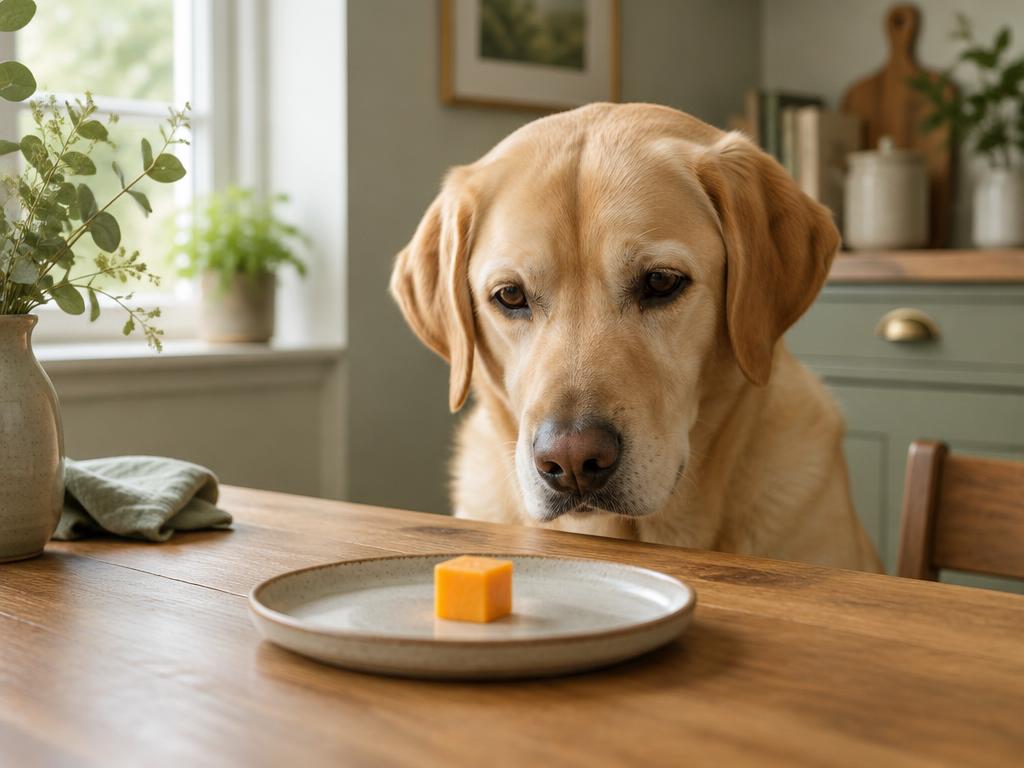
Can Dogs Eat Cheese? Safe Types, Portions and When to Avoid It
Cheese is one of the most useful training rewards going, but fat, salt and a few risky varieties mean it pays to know the rules before you share.
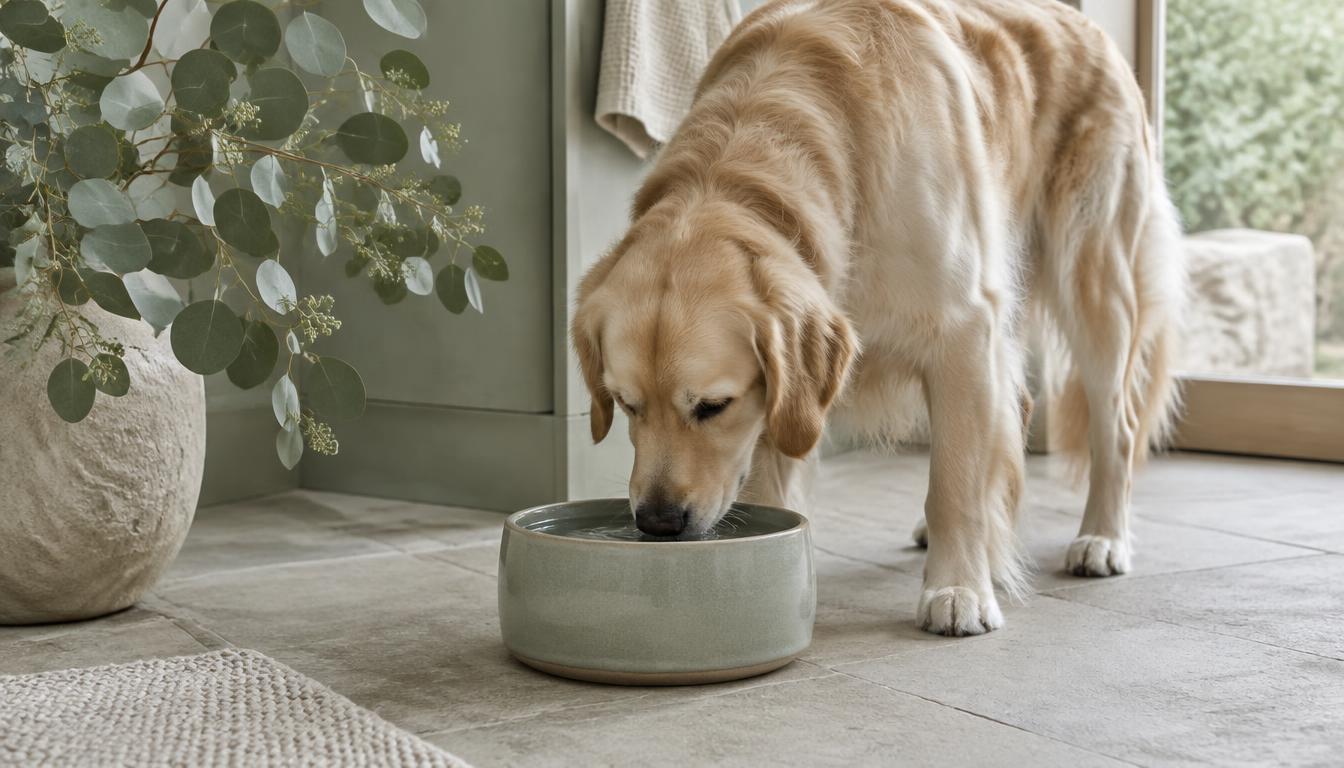
Why Is My Dog Drinking a Lot of Water? Causes and When to Test
Extra thirst can be a hot week or an early warning. Learn how much is normal, how to measure intake properly, and when blood and urine tests earn their keep.

Dog Dry Nose: The Myth, the Causes and When It Matters
A warm, dry nose does not mean fever, and a cold, wet one proves nothing. Here is what a dog's nose actually tells you, and when dryness is real.

Dog Breathing Fast: Normal Panting, Dreaming and Danger Signs
Fast breathing can be a dream, a hot day or an emergency. Learn to count a resting rate, read the effort, and know the signs that mean go now.

Dog Sneezing: Play, Allergies and When It Means More
Play sneezes, pollen sneezes and the occasional alarming reverse sneeze: how to tell normal nose noise from the rare signs that need a vet.
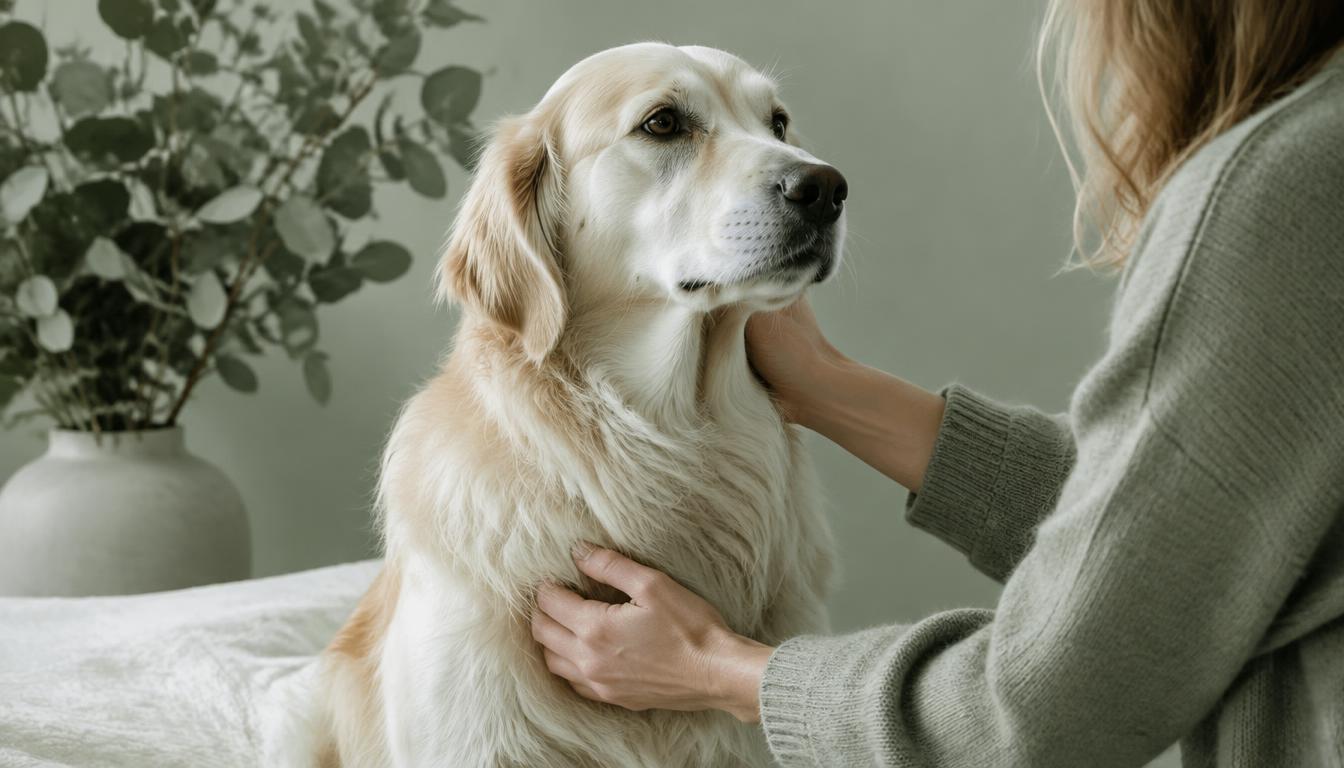
Dog Coughing: Causes, Sounds and When to Worry
A cough can be a tickle or a warning. Learn to read the sound, the timing and the company it keeps, and know exactly when to call the vet.
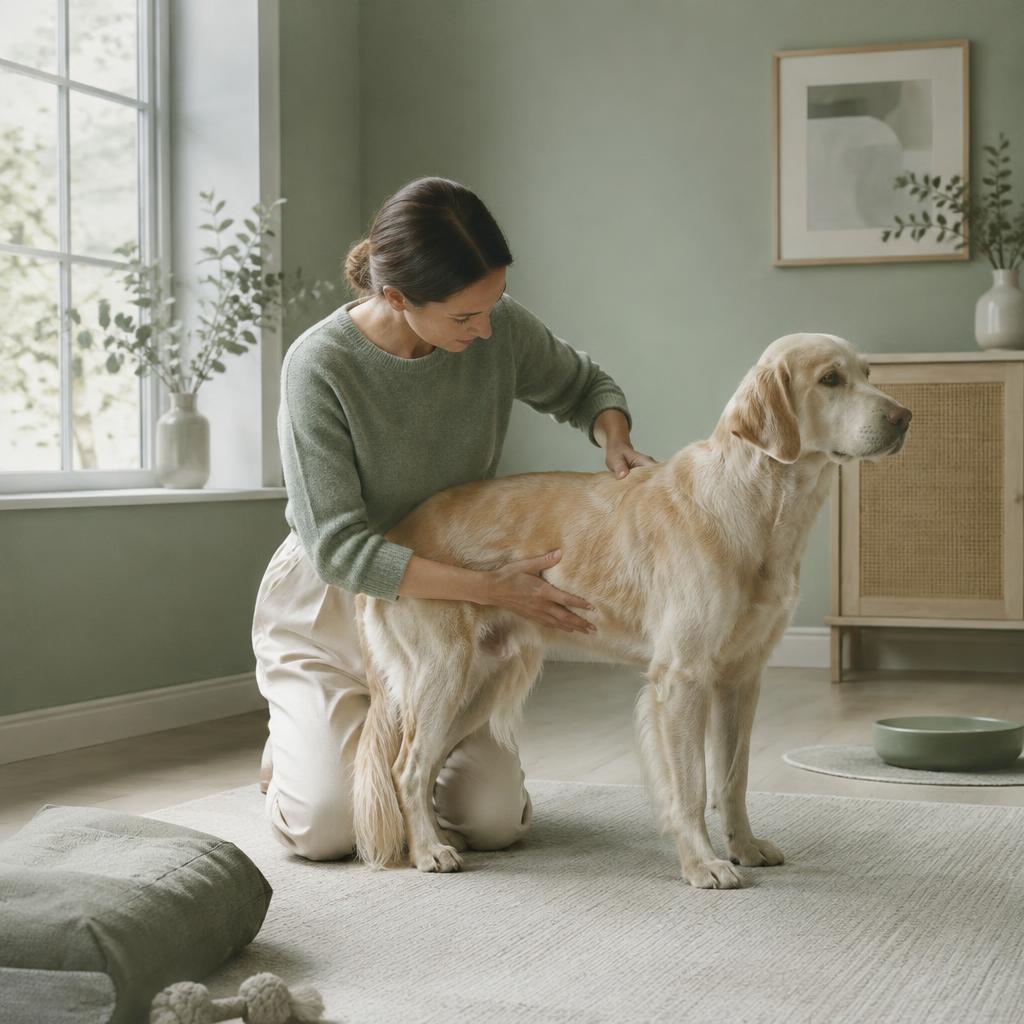
Dog Losing Weight: Causes and When to Worry
Why dogs lose weight: the difference between planned and unplanned loss, the appetite clues that matter, the common medical causes, and when to see the vet.
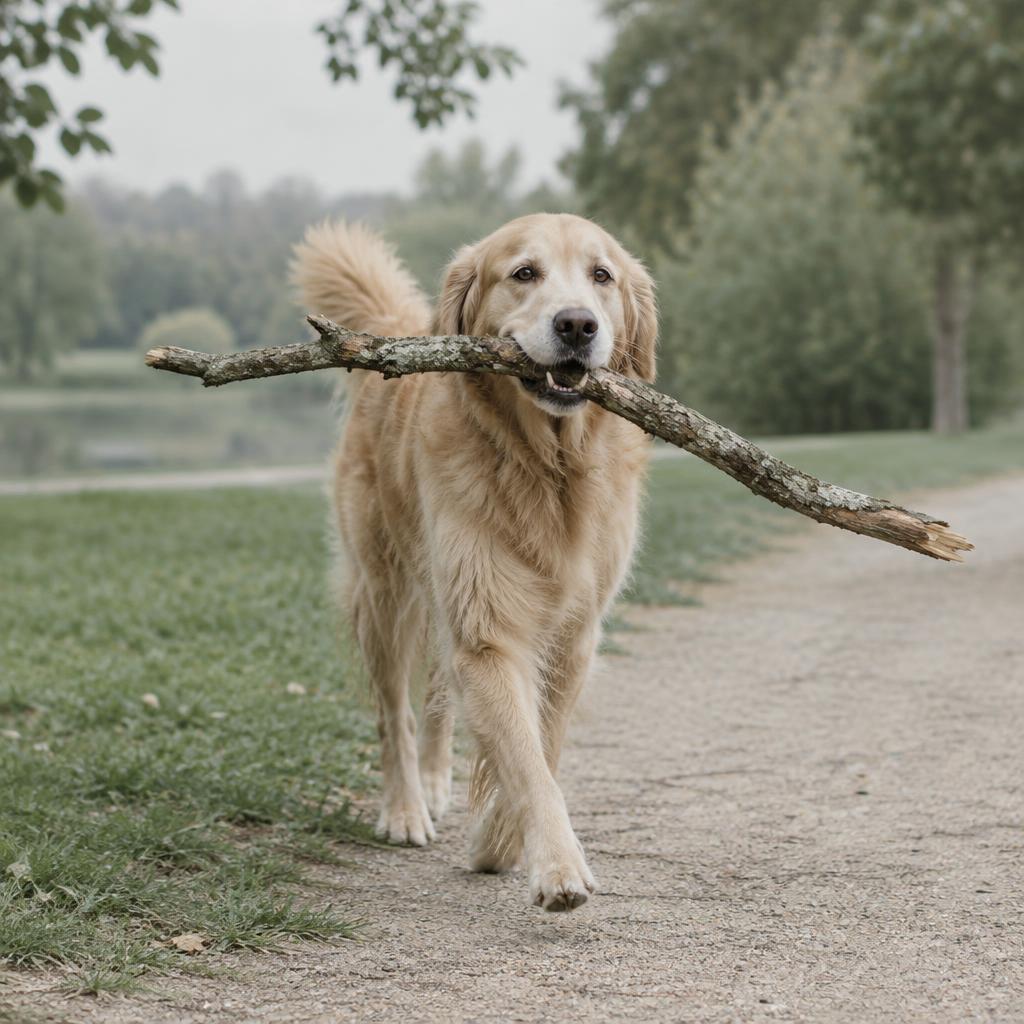
Why Do Dogs Eat Sticks? Risks and How to Stop It
Why dogs eat and chew sticks: teething, boredom, instinct and pica, the real risks of swallowed wood, and a practical redirection plan that actually works on walks.

Why Is My Dog Whining? Causes and How to Respond
Why dogs whine: attention, anxiety, excitement, pain and night-time causes, how to tell them apart, how to respond without rewarding the noise, and when to see a vet.

Dog Dry Skin: Causes, Home Care and When It Is More
Dog dry skin explained: the common causes, the home care that genuinely works, what to change in the bath and the bowl, and the signs that mean it is more than dandruff.

How to Clean a Dog's Ears: A Calm Step-by-Step Guide
How to clean a dog's ears safely: the right solution, the right technique, how often to do it, and the signs that mean skip the cotton pad and call the vet.

Why Does My Dog Follow Me Everywhere?
Following you around is usually a sign of a healthy bond. Learn the breed tendencies, the reinforcement behind it, and the line between devotion and separation anxiety.
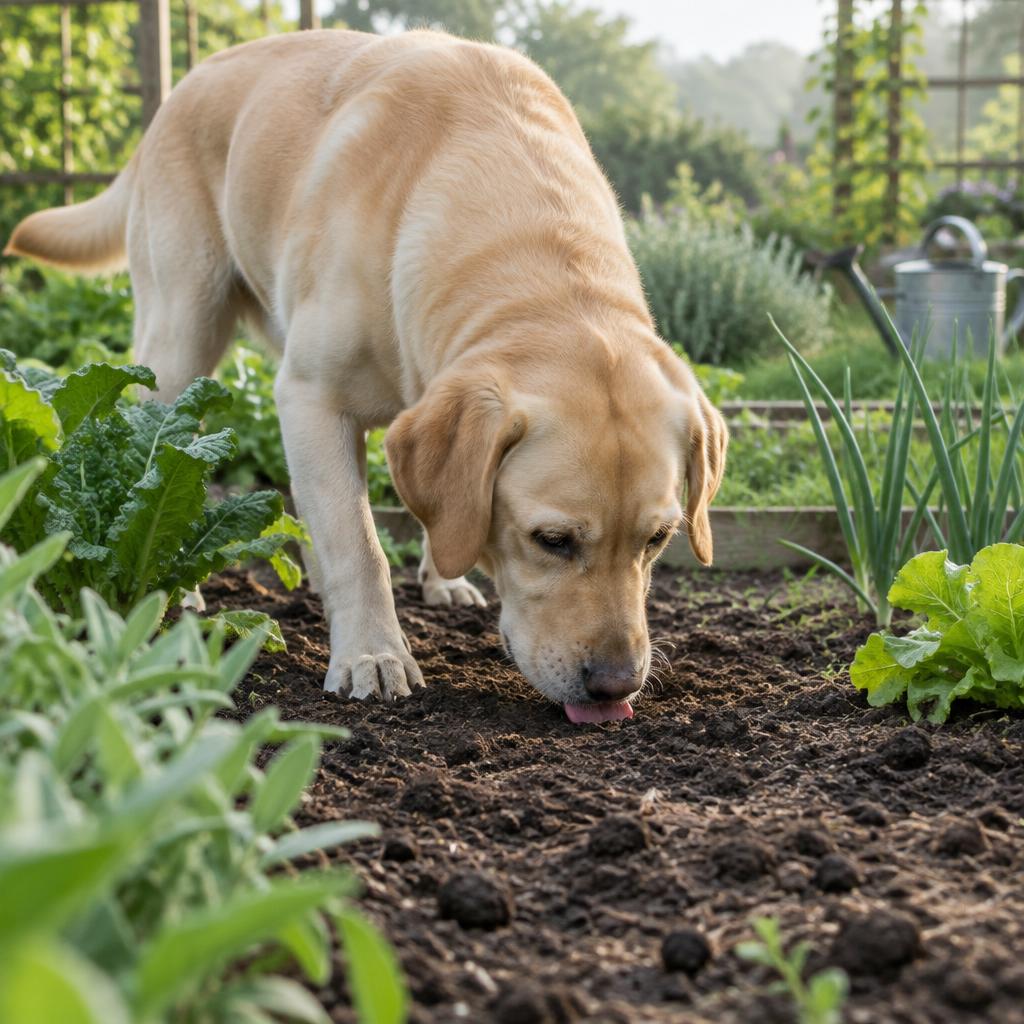
Why Do Dogs Eat Dirt? Causes and When It Matters
From boredom and buried treasure to mineral gaps and anaemia, this guide explains why dogs eat dirt, when it is harmless, and how to stop the habit.
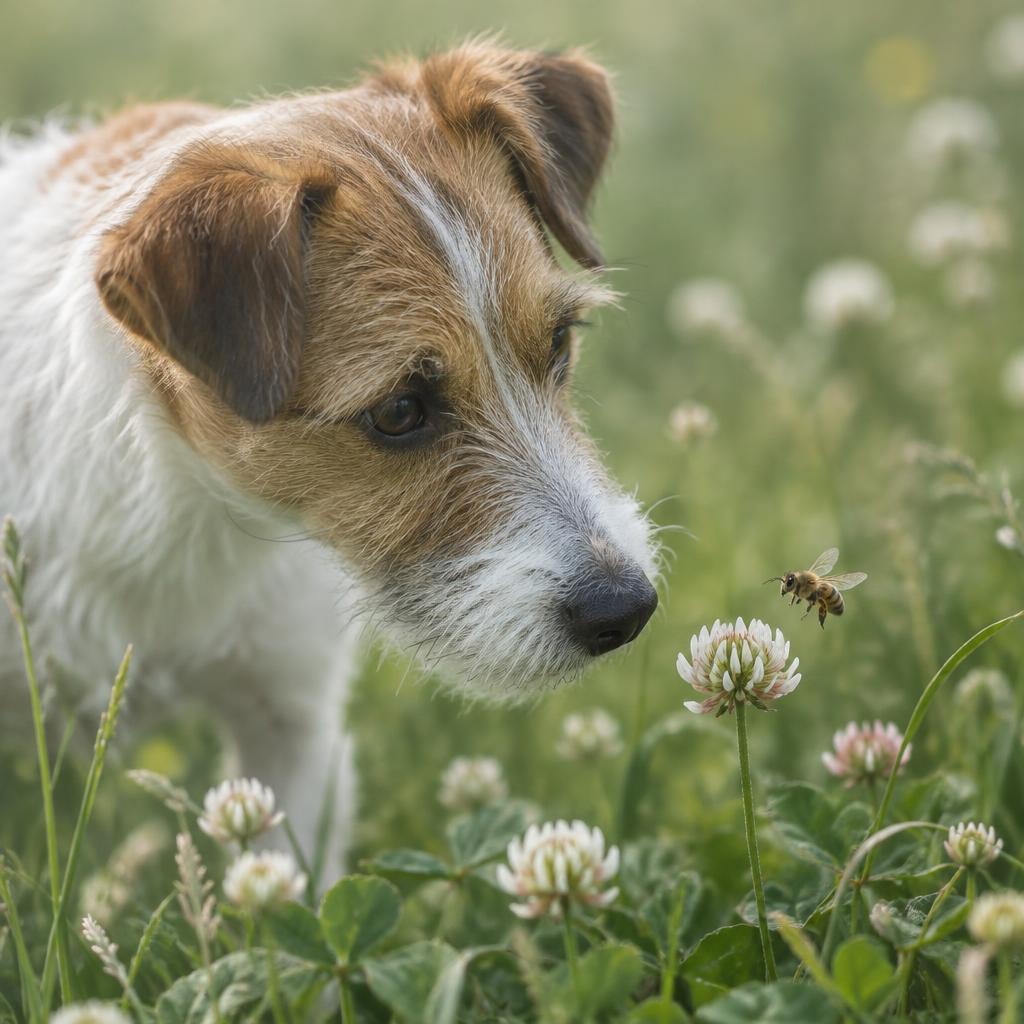
Dog Bee Sting: What to Do in the First Hour
Most bee stings are painful but harmless and settle with a cold compress. Mouth stings, spreading swelling and breathing changes are emergencies. Learn to tell the difference.

Dog Pancreatitis: Symptoms, Triggers and Recovery
Pancreatitis is one of the commonest reasons dogs end up at the emergency vet. This guide covers triggers, symptoms, treatment and the low-fat life afterwards.

Dog Constipation: Causes, Home Remedies and When to Worry
Most canine constipation is mild and fixable with water, walking and a spoonful of pumpkin. Learn the home remedies that work, the ones to avoid, and when straining means an emergency.

Dog Eye Discharge: What the Colour Means and When to Act Fast
Clear discharge is usually harmless; yellow, green or bloody discharge is not. Learn what the colour means, safe home care, and the red flags that mean a same-day vet visit.

Dog Bad Breath: Causes, Fixes and When It Is Serious
Bad breath in dogs is usually dental disease, but sweet or ammonia-like smells can signal illness elsewhere. Learn what to check and what actually fixes it.

Dog Hiccups: Why They Happen and When to Worry
Dog hiccups are almost always harmless, especially in puppies. Learn the common triggers, safe ways to help, and the rare signs that warrant a vet check.

Why Is My Dog Limping? Causes, First Aid and When to Worry
Most limps start in the paw. Learn the five-minute paw check, the difference between sudden and gradual limps, and the red flags that mean a same-day vet visit.

Dog Allergies: Types, Symptoms and Treatment
Dog allergies usually show as itchy skin and sore ears rather than sneezing. Learn the three main types, the patterns to spot at home, and the treatments that work.

Dog Worms: Types, Symptoms and a Worming Schedule
Worms in dogs: roundworm, tapeworm, lungworm and more, the symptoms, a worming schedule by age and lifestyle, and when to see the vet.

Why Do Dogs Have Zoomies? Frenetic Energy Explained
Dog zoomies (FRAPs) are normal bursts of energy. The common triggers, what they mean, how to keep them safe and when they signal something more.

How to House Train a Puppy: A Two-Week Plan
How to potty train a puppy with a two-week plan, toilet timings by age, crate tips, accident handling and when it might be medical.

Why Is My Dog Itching? Allergies, Parasites and Skin
Dog itching is usually fleas, allergy or a skin infection. How to read the itch pattern, safe home care and when to see the vet.

Why Do Dogs Scoot? Anal Glands, Worms and Itchy Bottoms
Dog scooting usually means full anal glands, but worms, allergies and soft stools play a part. How to tell the cause, what to do at home and when to see the vet.
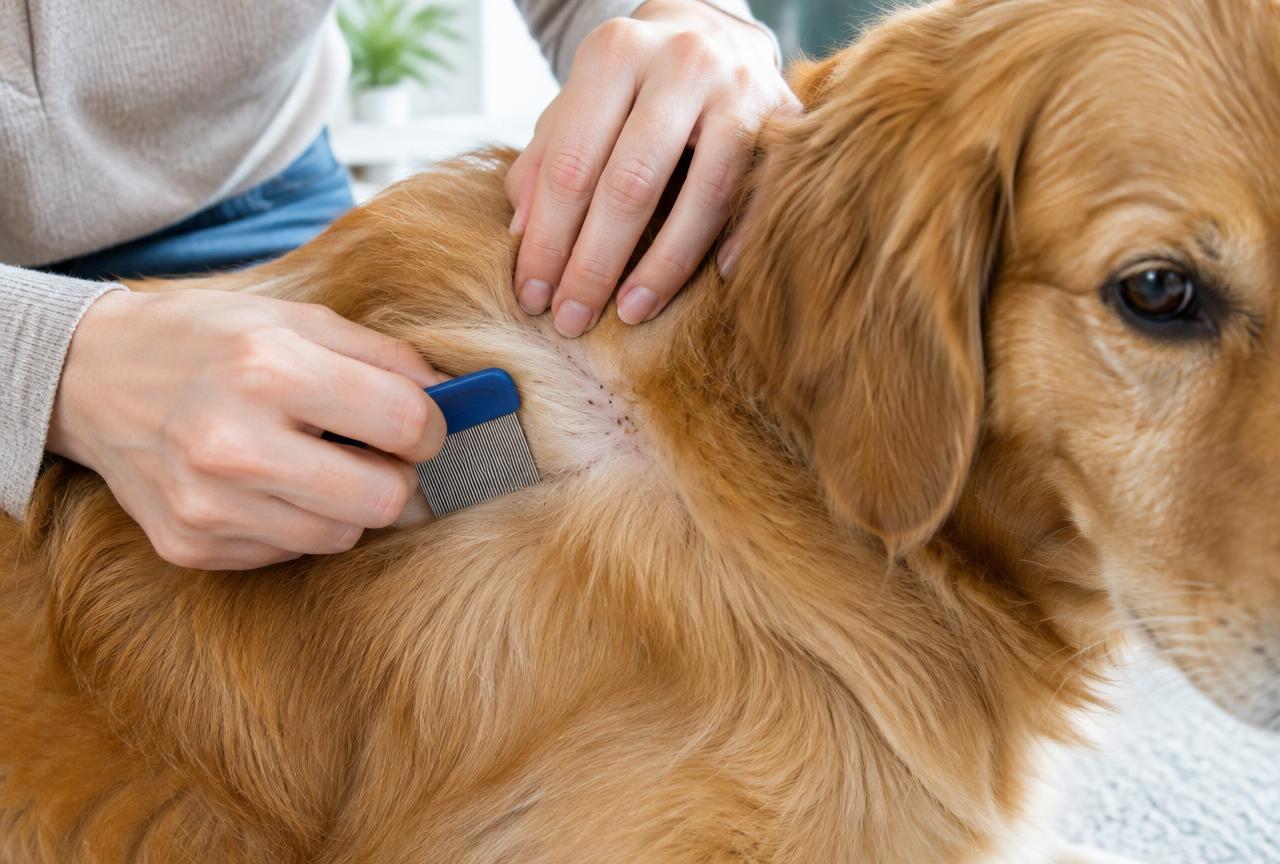
Fleas on Dogs: How to Spot, Treat and Prevent Them
Scratching is just the start. Here is how to confirm fleas with the paper towel test, treat the dog and the home together, and stop them coming back.
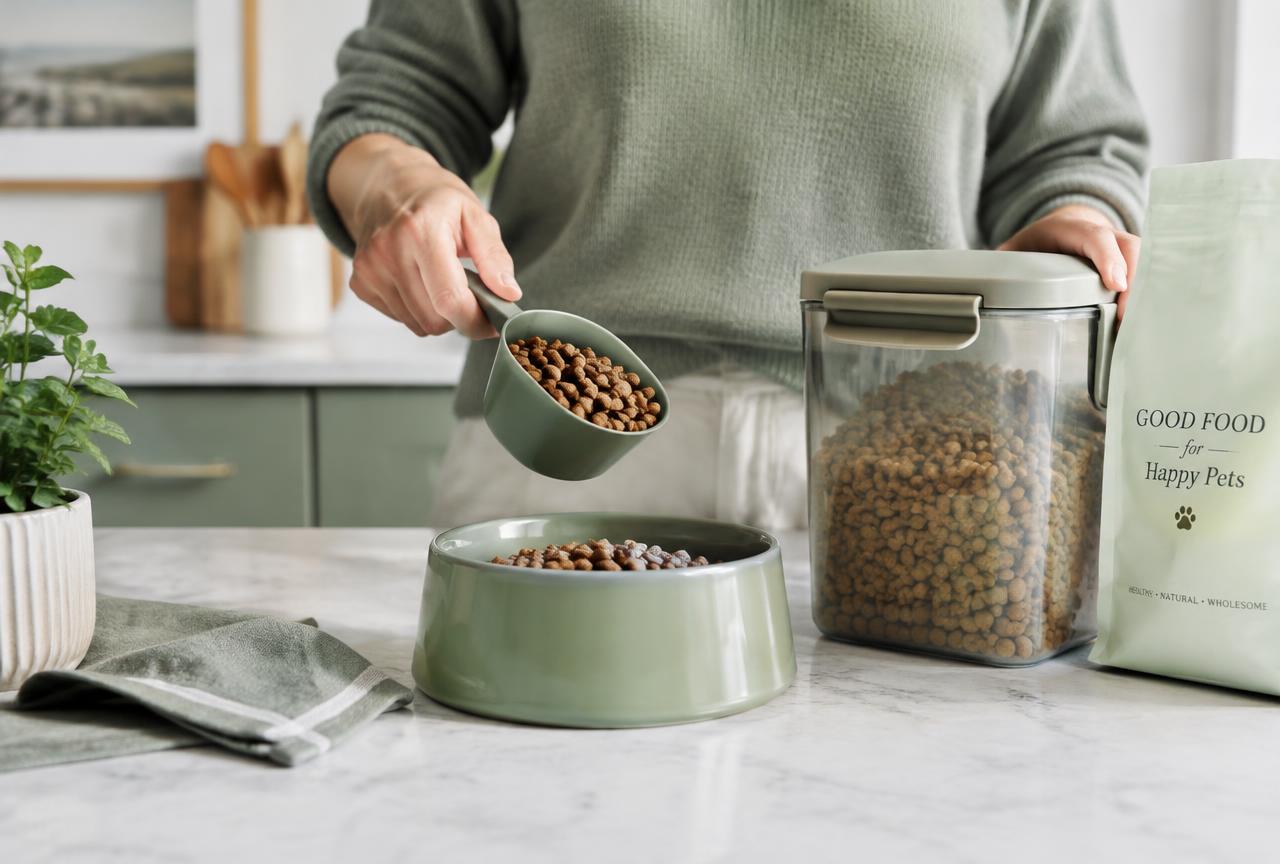
How Much Should I Feed My Dog? Portions by Weight and Age
Feeding guides on the bag are a starting point, not an answer. Here is how to work out your dog's real portion, and how to tell when it is wrong.
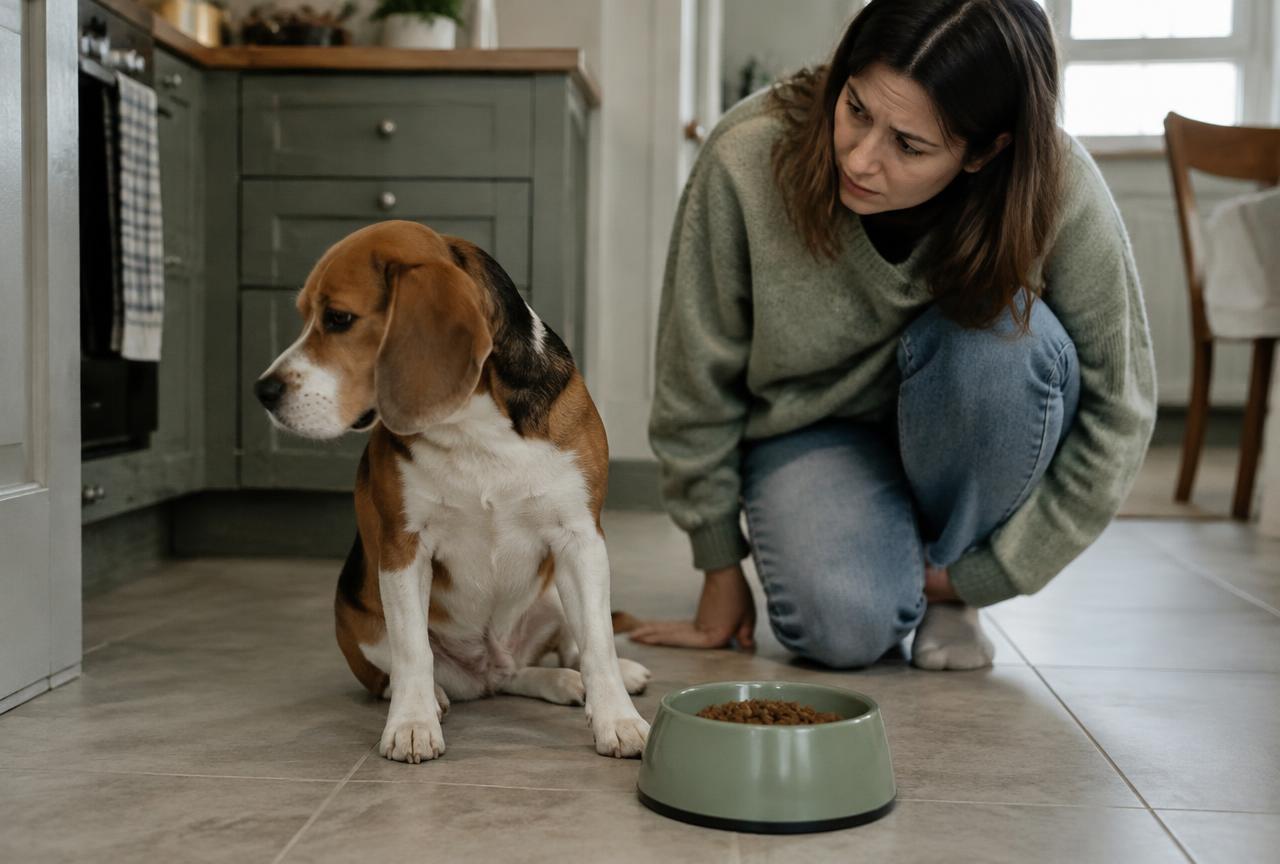
Why Is My Dog Not Eating? Causes and When to Act
One missed meal is usually nothing. Two days, vomiting or a flat dog is a vet call. Here is how to read the situation and what to try first.

How Long Do Dogs Live? Lifespan by Size and Breed
Small dogs often reach 15, giant breeds sometimes only 8. Here is what decides how long dogs live, and the care that genuinely adds years.

Why Do Dogs Lick You? Affection, Taste and When to Worry
Most licking is affection, greeting or taste. Some licking is stress, nausea or pain. Here is how to tell the difference, and what to do about each kind.

Dog Heat Cycles: How Long, How Often and What to Expect
When dogs come into season, how long it lasts, the four stages of the heat cycle, and practical management from hygiene to walks.
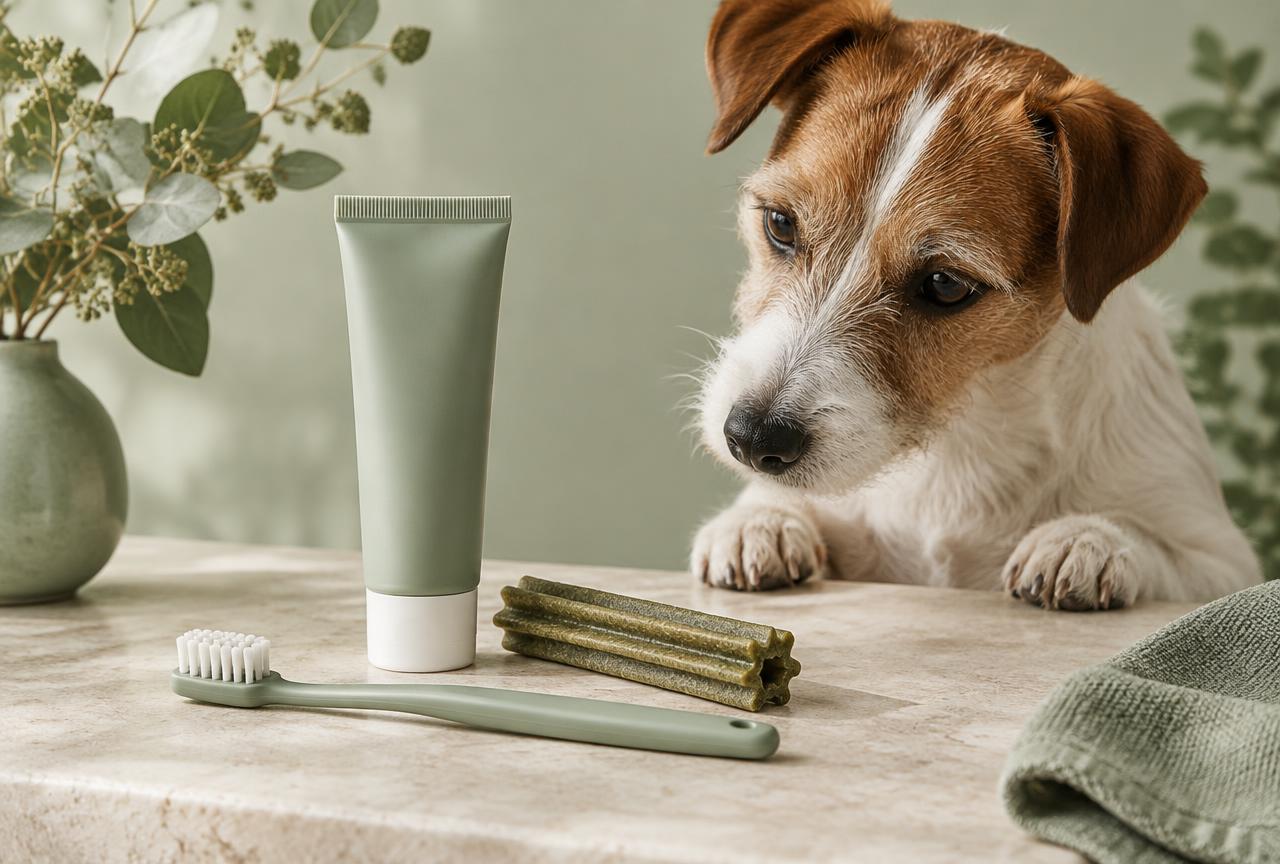
Dog Dental Care: Brushing, Chews and Vet Cleans
Dog dental care explained: how to brush, which chews actually help, the signs of dental disease, and what a vet scale and polish involves.
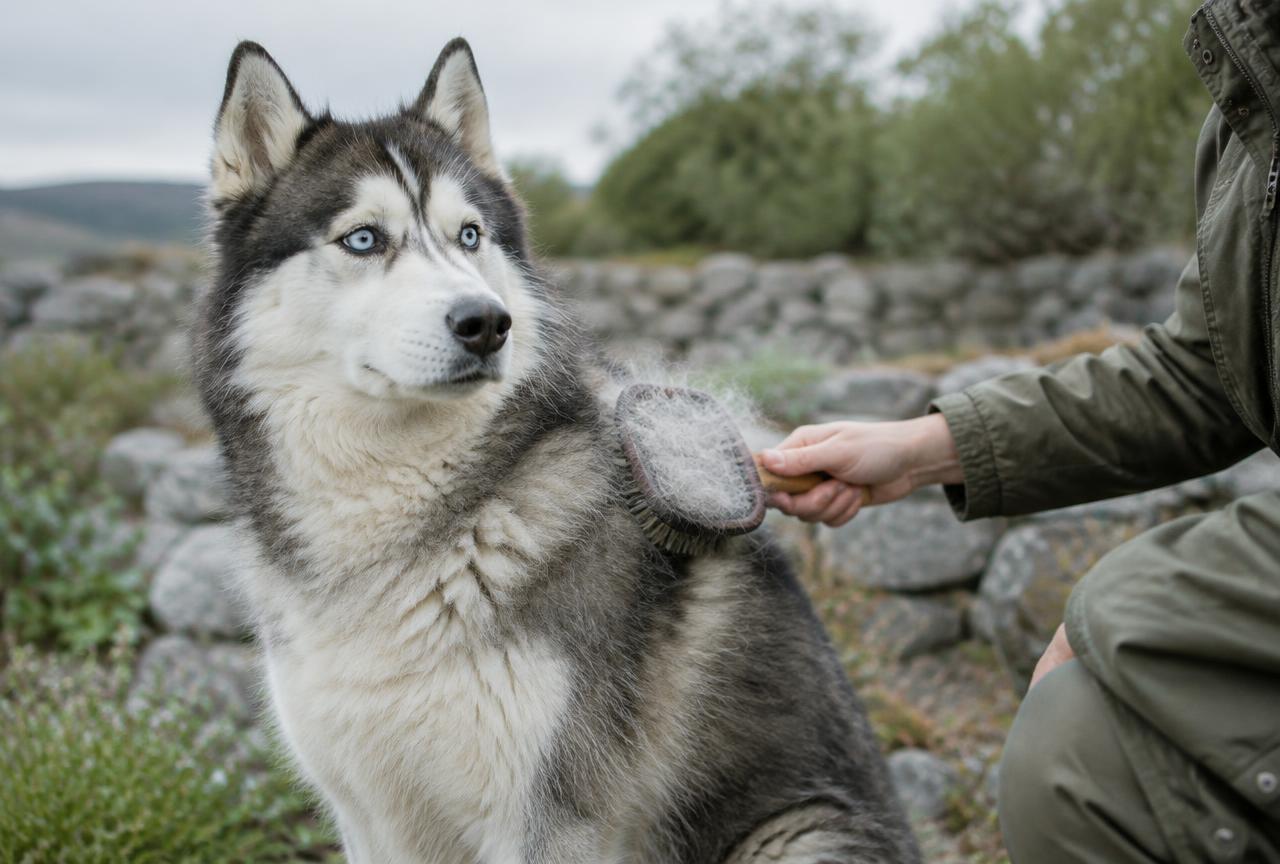
Dog Shedding: What Is Normal and How to Manage It
What normal dog shedding looks like by coat type, the brushes that actually work, and the signs that shedding is a health issue rather than a moult.
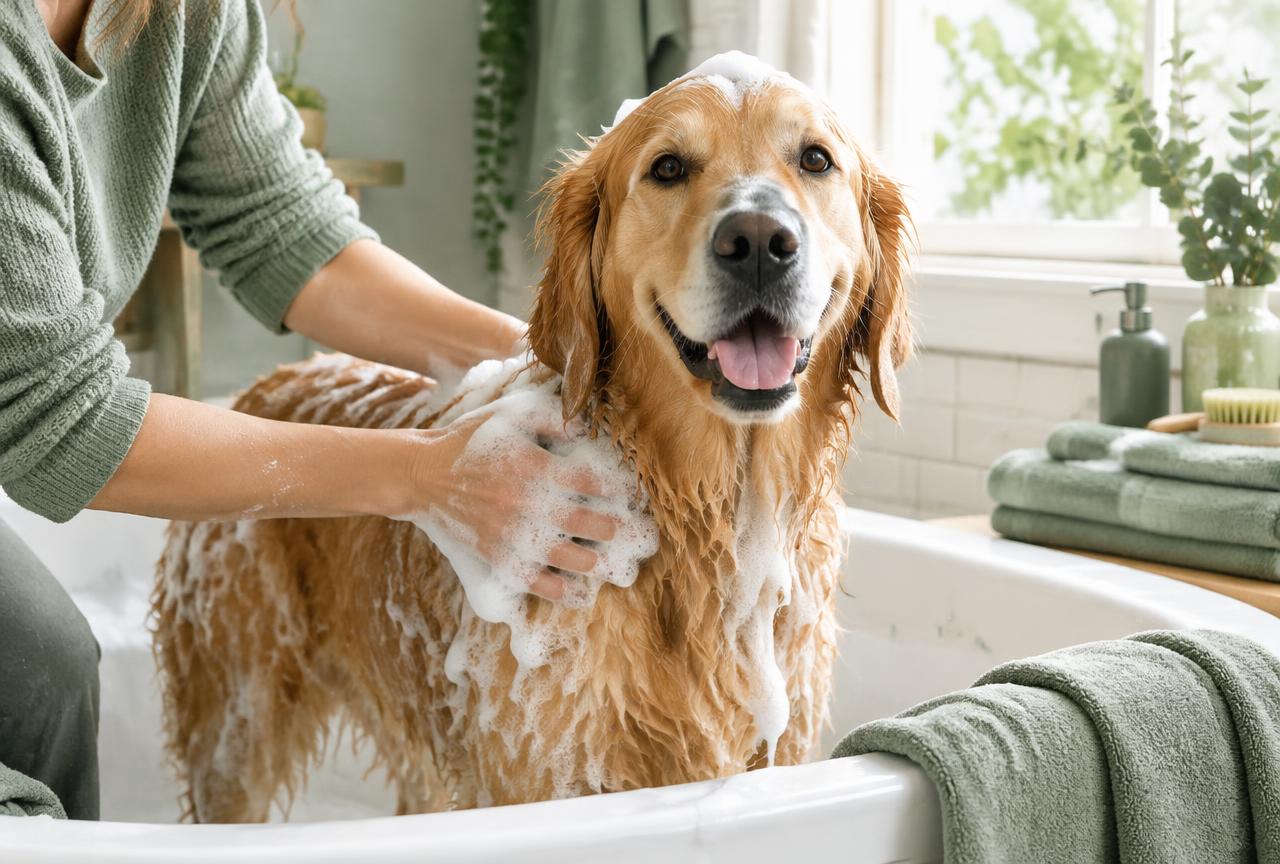
How Often Should You Bathe a Dog? By Coat and Lifestyle
How often to bathe a dog depends on coat, skin and lifestyle. A practical guide to bathing frequency, shampoo choice and drying, by coat type.
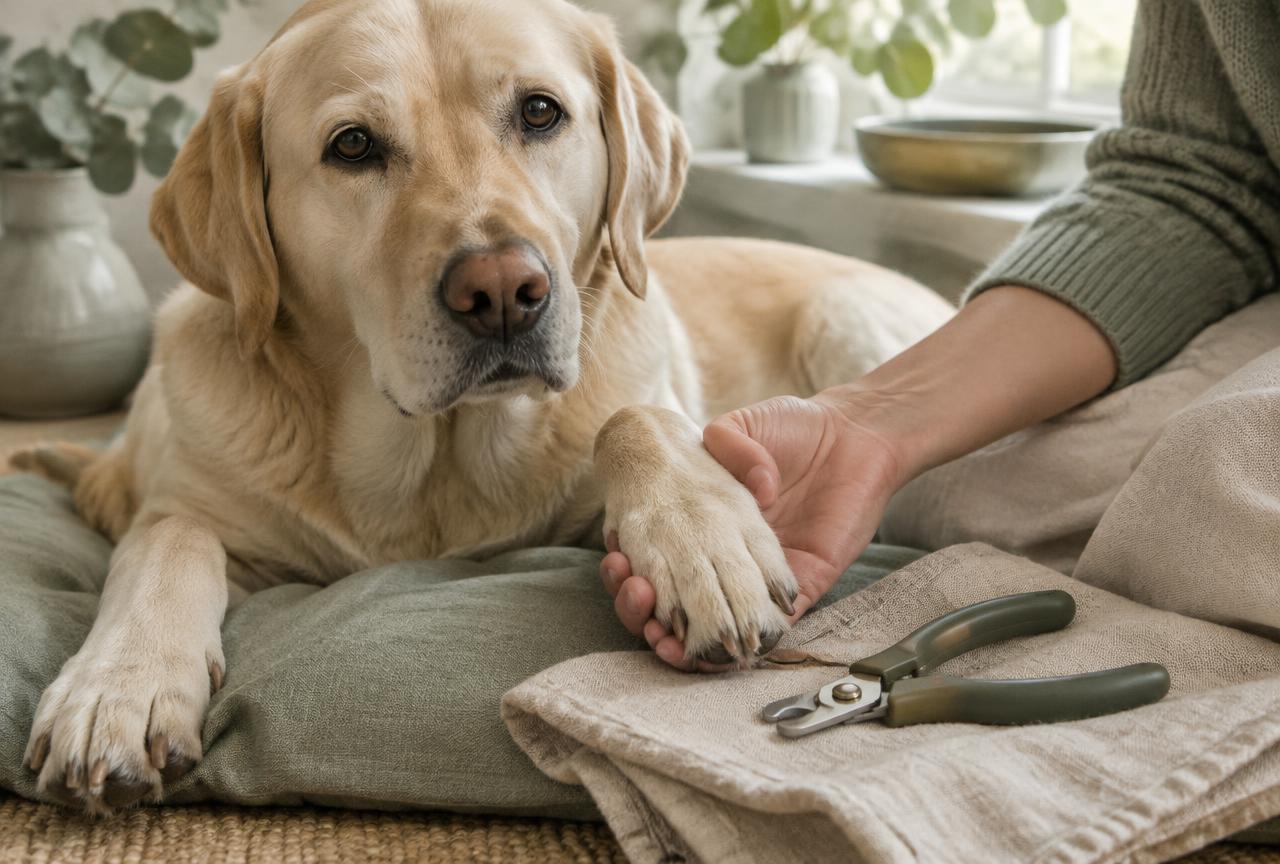
How to Trim Dog Nails: A Calm Step-by-Step Guide
A calm, practical guide to trimming dog nails: the quick explained, clippers vs grinders, dark nails, and a week-by-week plan for worried dogs.
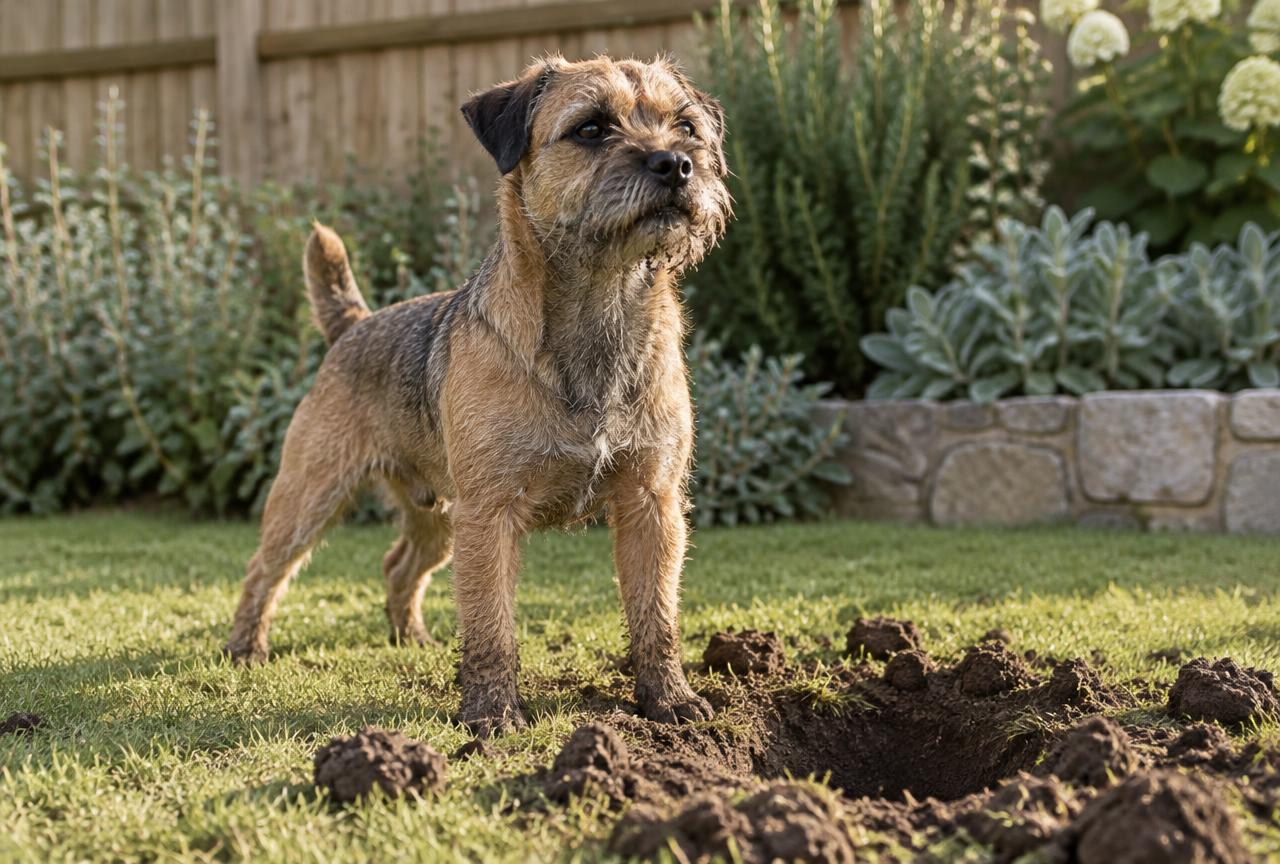
Why Do Dogs Dig? Holes, Beds and How to Redirect It
Why dogs dig: breed instinct, cooling, burying and boredom digging, plus how to redirect the behaviour with a dig pit, garden management and alone-time fixes.

Why Do Dogs Sleep So Much? Hours by Age and Breed
How much dogs sleep by age and breed, why dogs sleep so much, when extra sleep is normal and when it signals illness, plus puppy and senior sleep guidance.
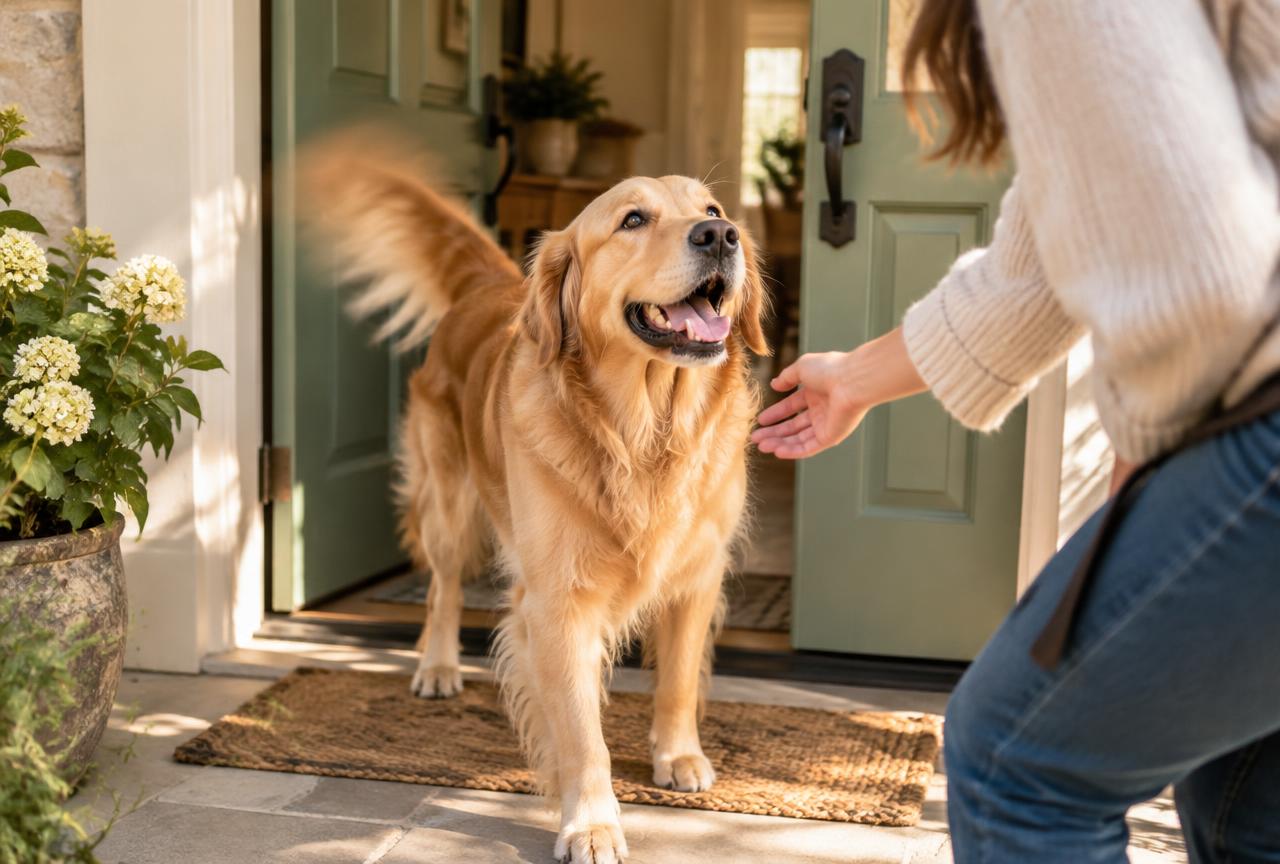
Why Do Dogs Wag Their Tails? Reading the Signals
What a wagging tail really means: height, speed and stiffness explained, why a wagging dog can still bite, and how to read tails with the whole body.
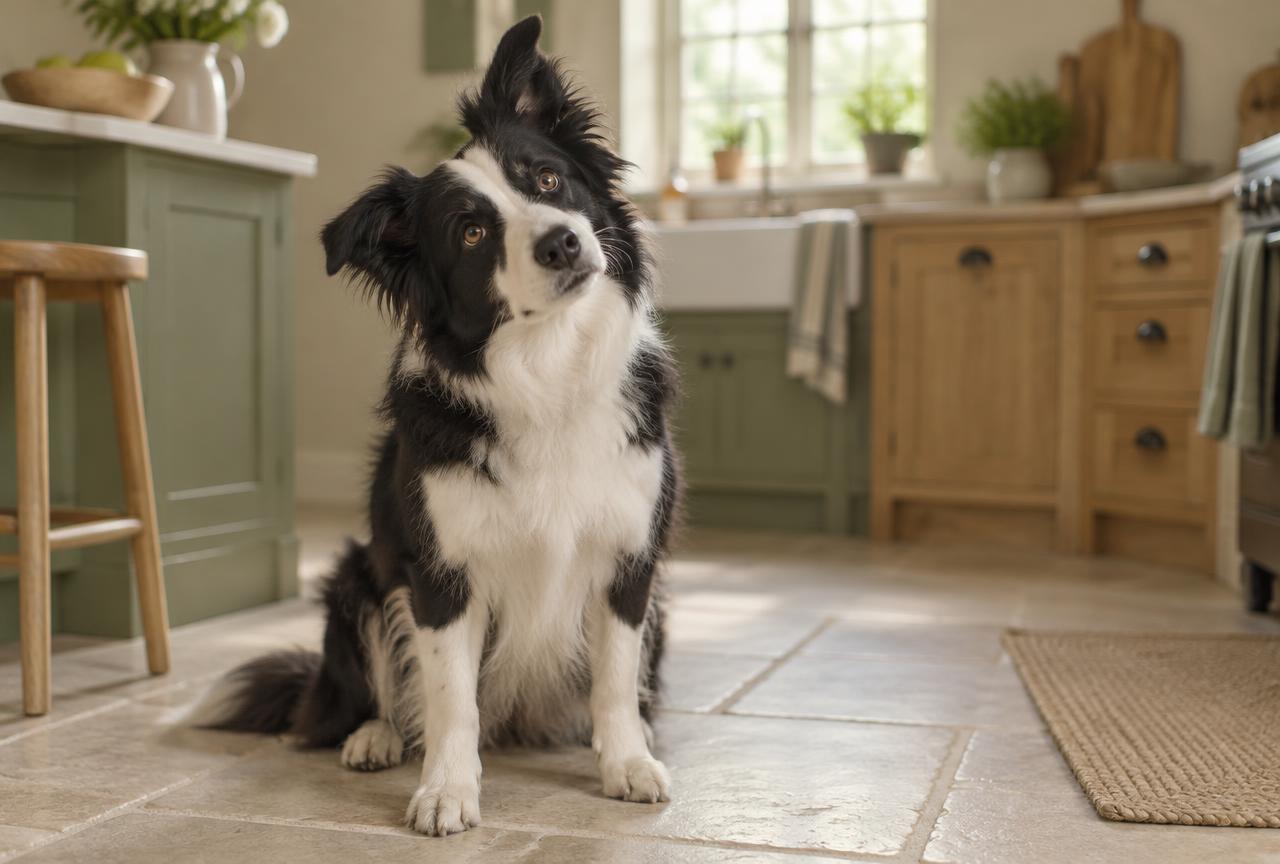
Why Do Dogs Tilt Their Heads? Curiosity, Ears and One Warning Sign
Why dogs tilt their heads: sound localisation and curiosity in healthy dogs, and how to recognise the persistent one-sided tilt that signals a vestibular problem.
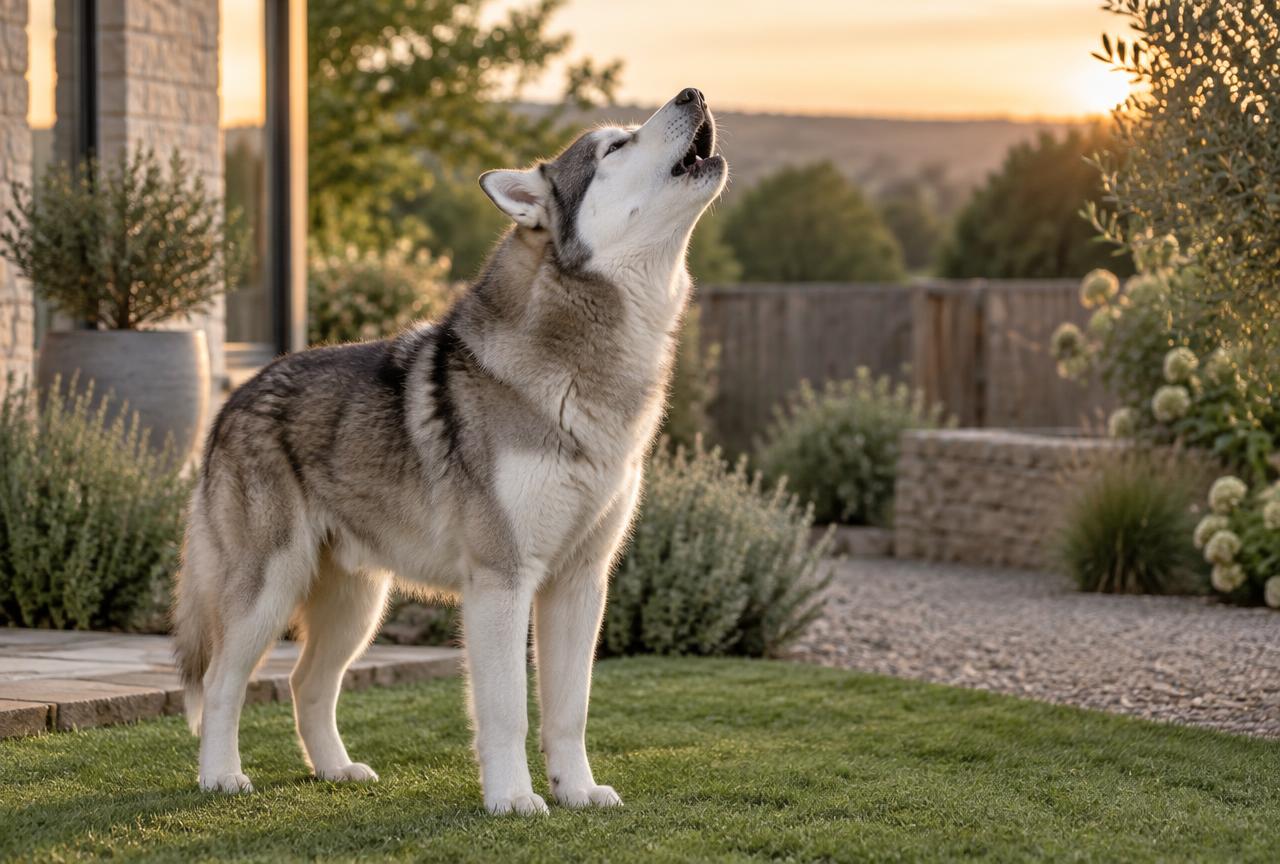
Why Do Dogs Howl? Sirens, Night and What It Means
Why dogs howl: sirens, music, night howling and howling when left alone, what the sound means, which breeds howl most, and when howling becomes a problem.

Dog Separation Anxiety: Signs, Causes and a Training Plan
How to recognise separation anxiety in dogs, what causes it, a graded alone-time training plan and when medication or a behaviourist can help.
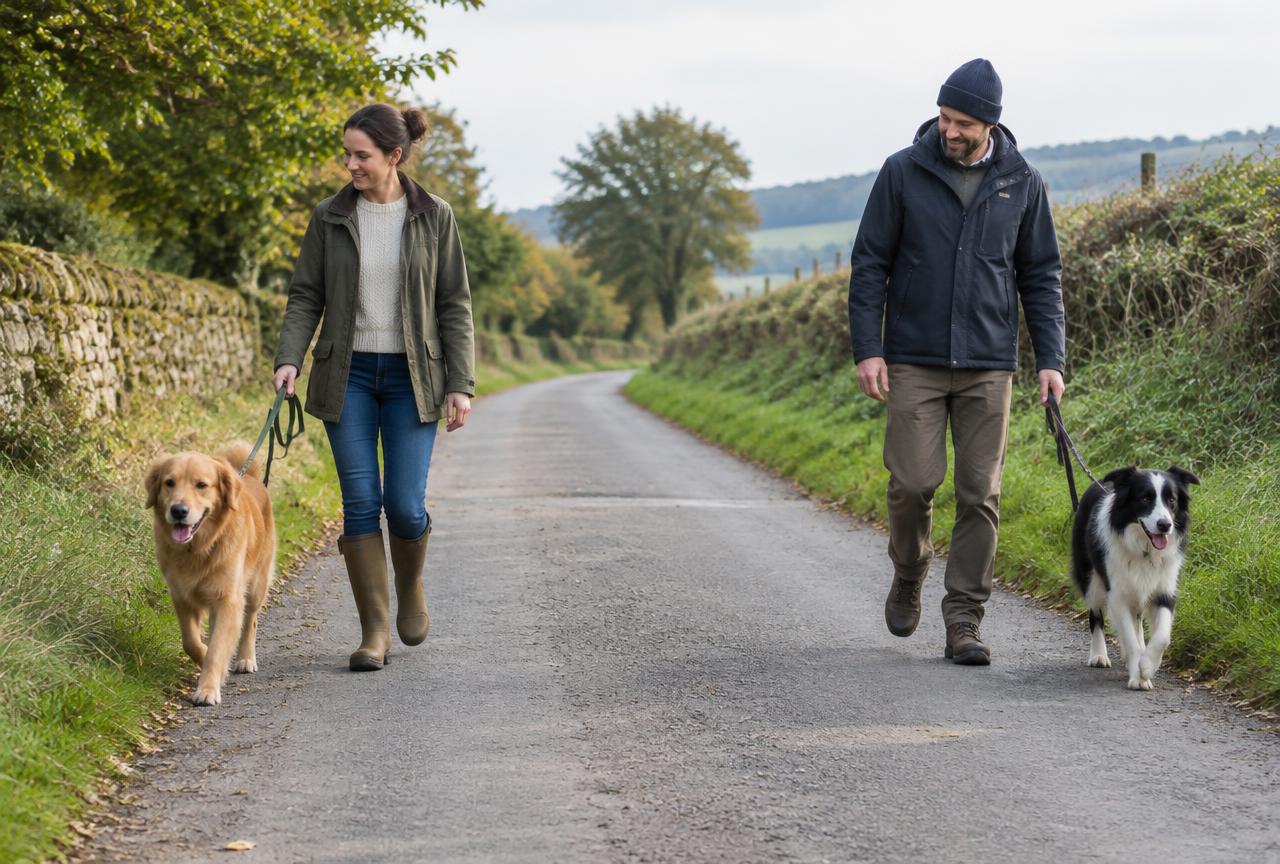
Introducing a New Dog to Your Dog: A Step-by-Step Plan
How to introduce dogs safely: neutral ground, parallel walks, reading body language, managing the first two weeks at home and when to get help.

How to Socialise a Puppy: The First 16 Weeks
What socialisation really means, the critical window, a week-by-week checklist and how to socialise safely before vaccinations are complete.
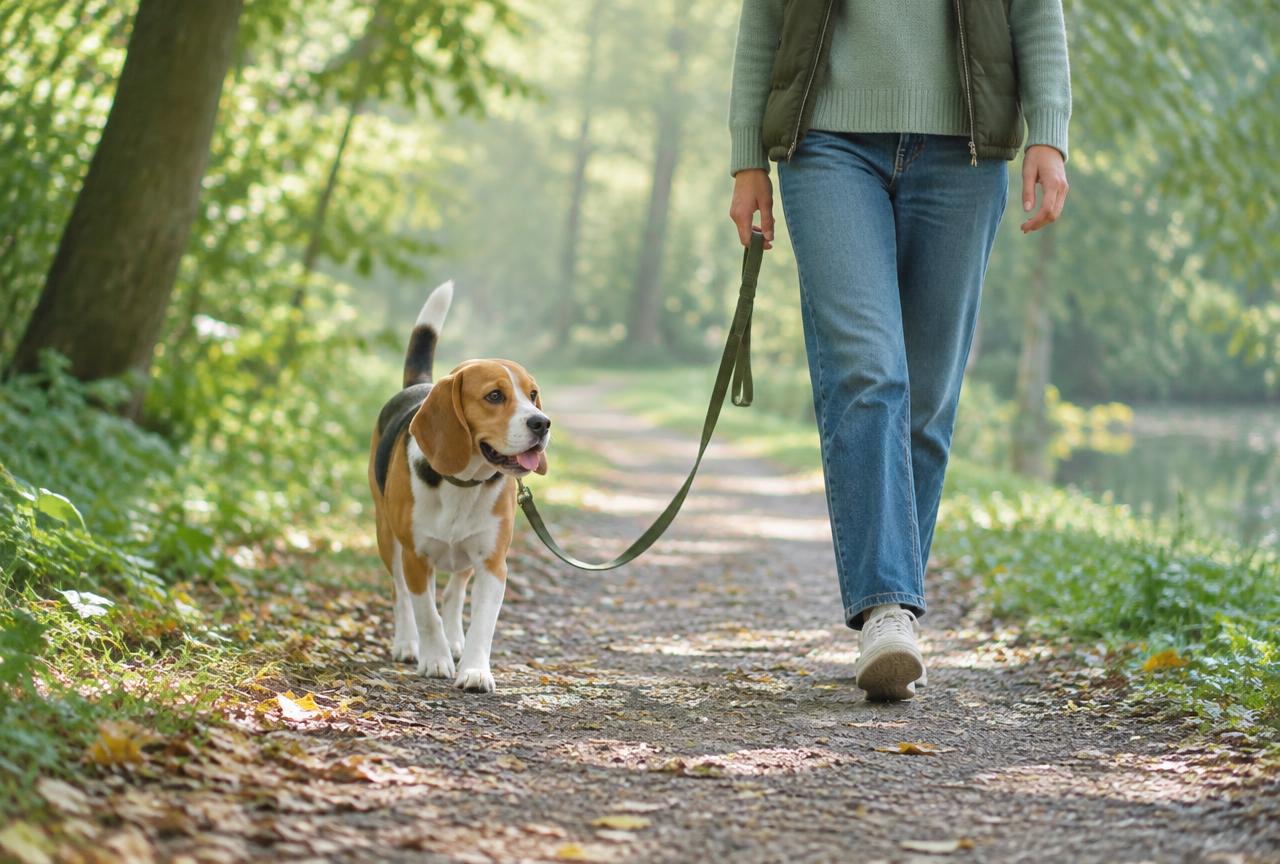
How to Stop a Dog Pulling on the Lead
Why dogs pull on the lead, which harnesses help, and a step-by-step loose lead walking plan that works for puppies, rescues and strong adult dogs.

How to Stop a Puppy Biting: A Week-by-Week Plan
Why puppies bite, what actually works to stop it, and a four-week plan that teaches a soft mouth without shouting, tapping noses or rough handling.

Puppy Teething: Timeline, Symptoms and Relief
Puppy teething runs from about 12 weeks to 7 months. Learn the timeline, the symptoms, safe relief options, and when retained baby teeth need a vet.

Why Do Dogs Eat Poop? Causes and How to Stop It
Why do dogs eat poop? From puppy curiosity to boredom to medical causes, here is what drives coprophagy in dogs and the practical steps that actually stop it.

Hot Spots on Dogs: Causes, Treatment and Prevention
Hot spots on dogs are fast-spreading, moist skin infections. Learn what causes them, how to treat a small one at home, and when your dog needs a vet.
Dog Diarrhoea: Causes, Home Care and When to Call the Vet
Dog diarrhoea is common and usually mild. Learn the causes, a safe bland-diet plan, and the warning signs that mean it is time to call your vet.
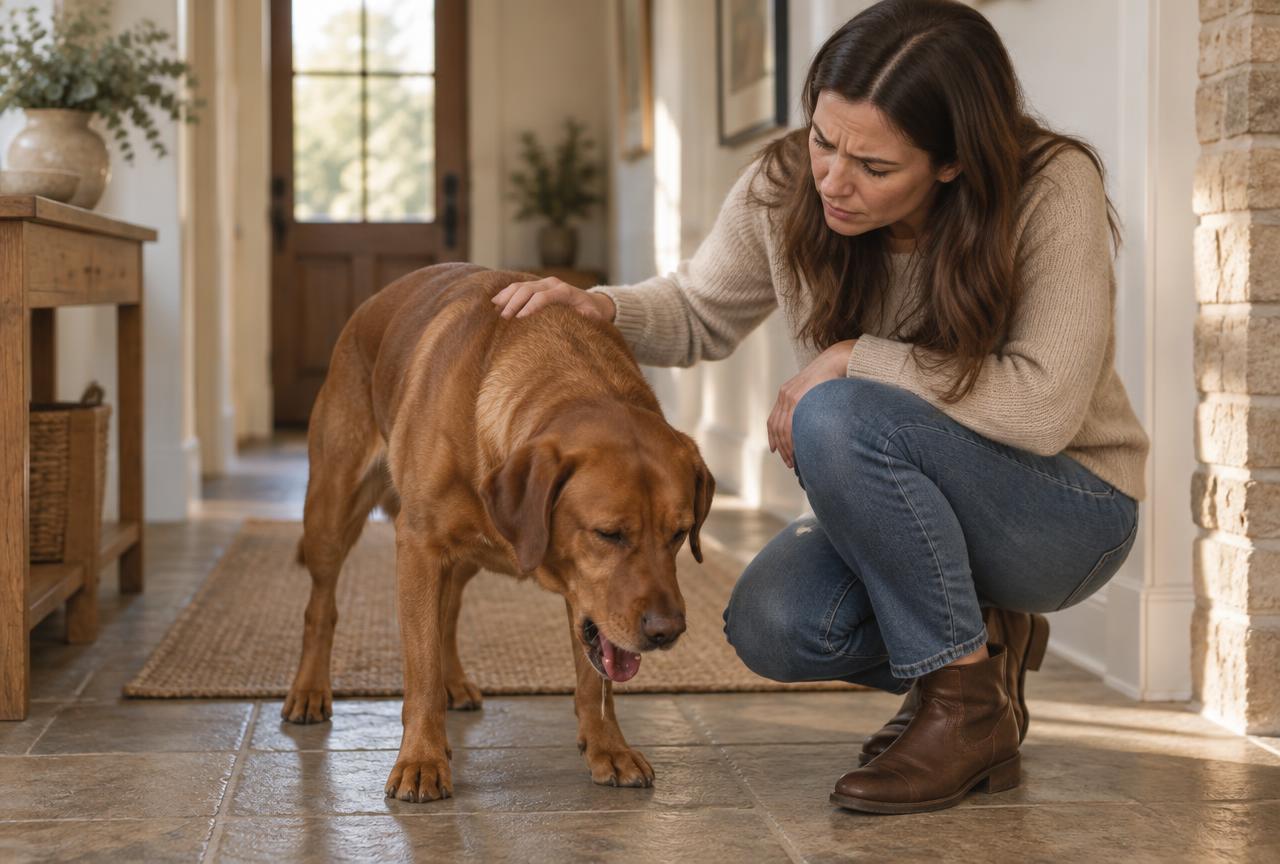
Kennel Cough in Dogs: Symptoms, Treatment and Contagion
Kennel cough causes a harsh, honking cough in dogs. Learn the symptoms, how long it lasts, treatment options, and how to stop it spreading to other dogs.
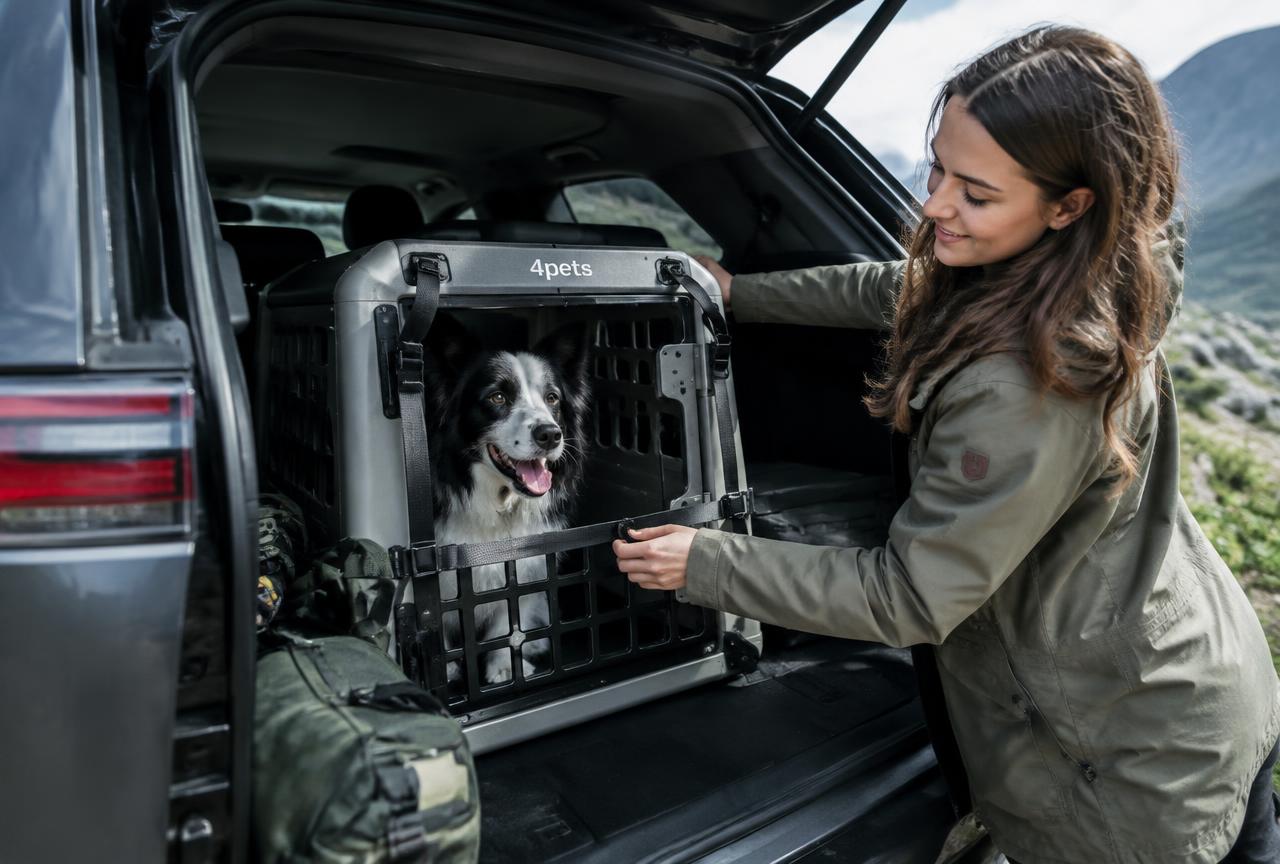
Travelling With a Dog: Car, Train and Plane
Dogs can travel brilliantly by car, train and even plane, but each mode has its own rules, its own kit and its own preparation. This is the complete guide to getting there together.

Dog Vomiting: Causes, Colours and When to Worry
A single vomit in a bright dog is usually nothing. Repeated vomiting, blood, or vomiting with other symptoms is a vet visit. This guide helps you tell which one you are looking at.
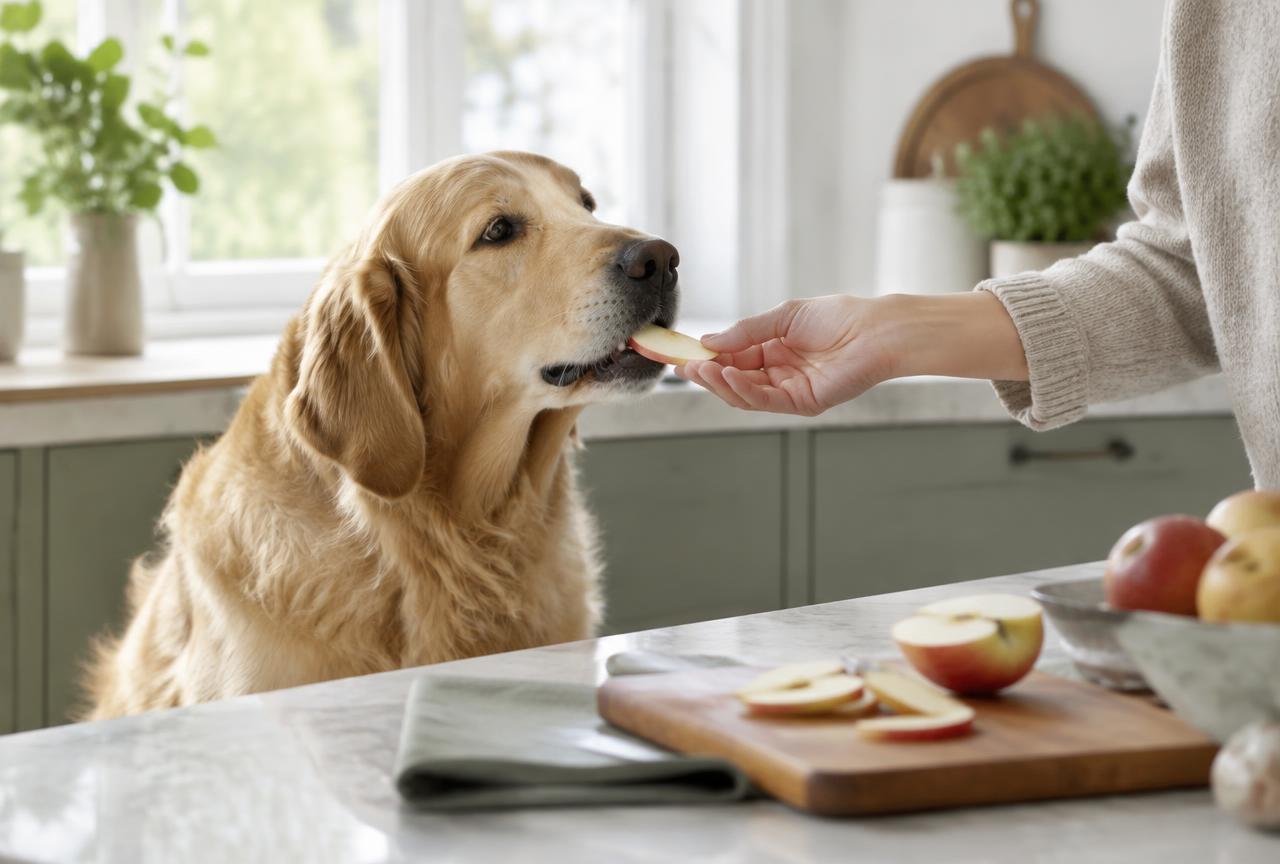
Can Dogs Eat Apples? Pips, Cores and Portions
Apples are one of the best fruit treats you can give a dog: crunchy, sweet and low in calories. Here is how to serve them safely, which parts to remove, and how much is too much.
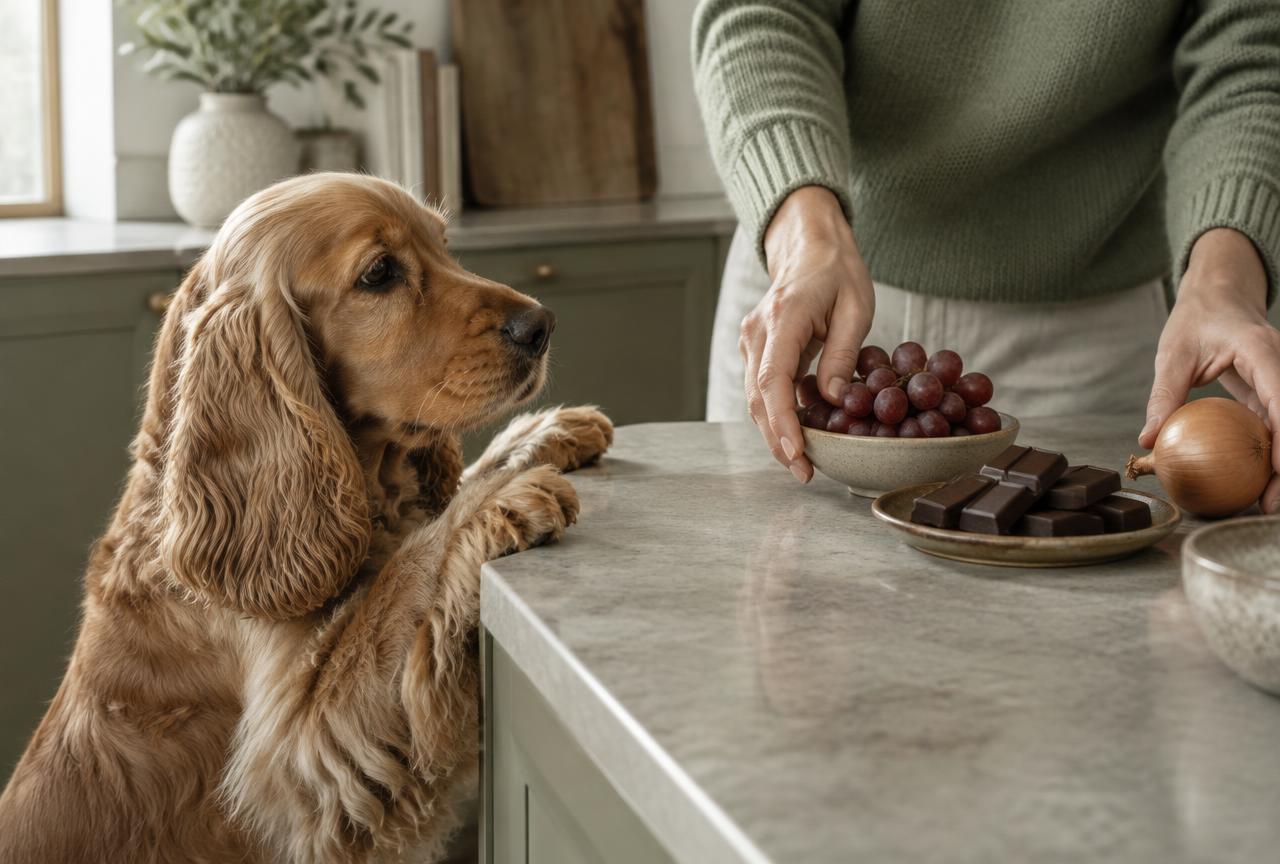
Foods Dogs Must Never Eat: The Toxic List
Some human foods are not a matter of portion or preparation. They are toxic to dogs full stop. This is the list every household member should know, with the symptoms and the emergency steps.
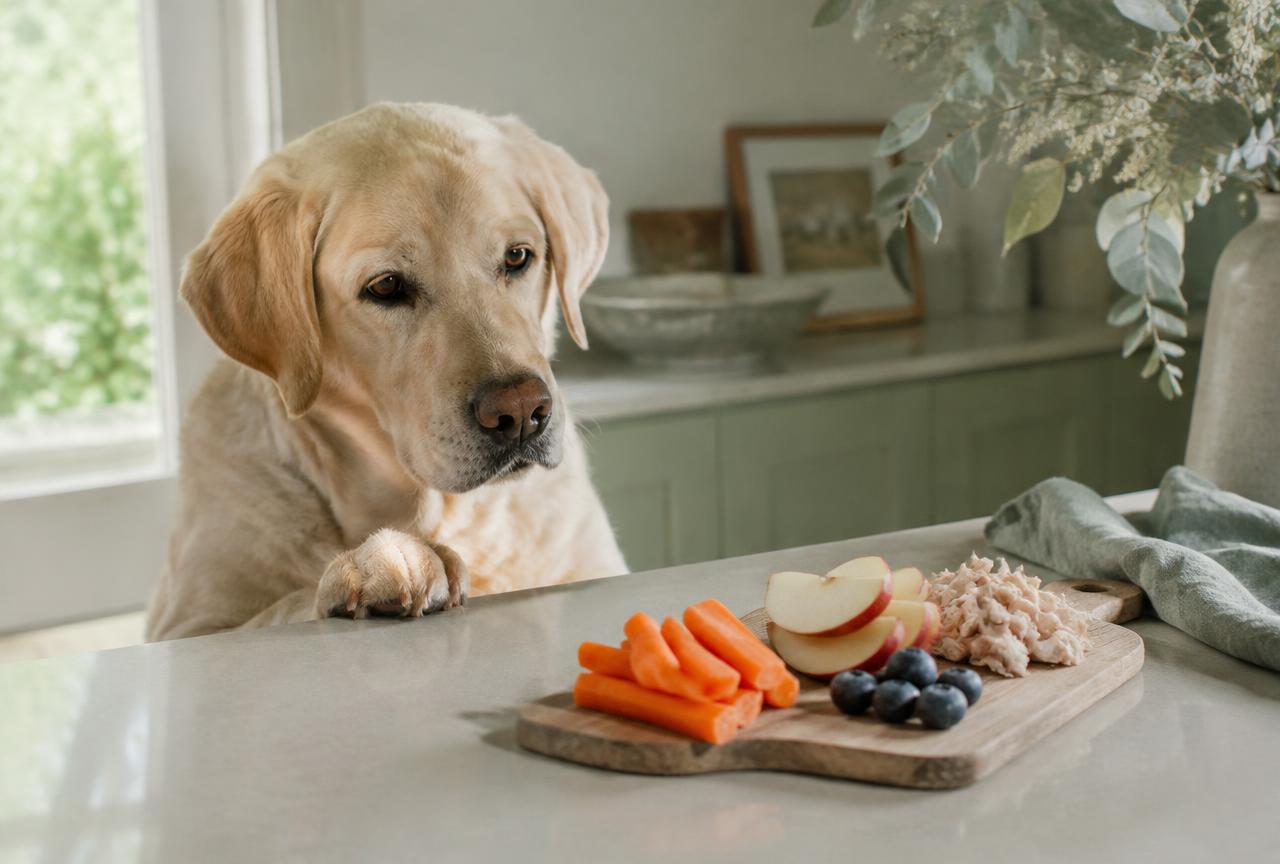
What Human Foods Can Dogs Eat? The Safe List
Plenty of human food is perfectly safe for dogs, and some of it is genuinely good for them. This is the vet-aligned safe list, with the preparation and portion rules that make the difference.

Why Is My Dog Shaking? Causes and When to Worry
Shaking can mean cold, excitement, fear, or something more serious like pain or poisoning. Here is how to tell the difference and what to do.

Why Is My Dog Panting So Much? Causes and Warning Signs
Panting is normal after exercise, but heavy or sudden panting can signal heat, pain or a medical problem. Here is how to tell the difference.

Why Do Dogs Lick Their Paws? Causes and Fixes
Occasional paw licking is normal, but constant licking can signal allergies, infection, injury or anxiety. Here is how to tell the difference.
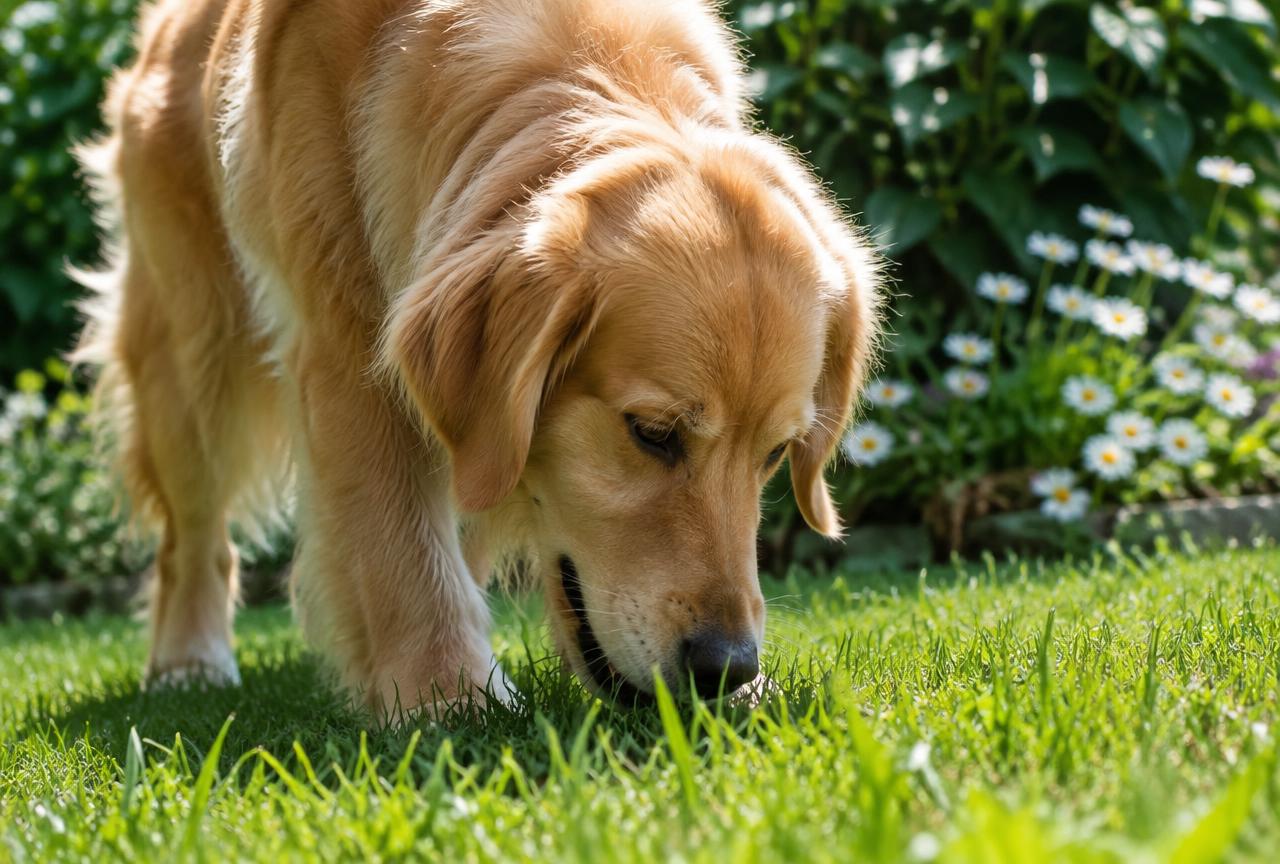
Why Do Dogs Eat Grass? What Vets Actually Think
Most grass eating in dogs is normal behaviour, not a sign of sickness. Here is what the evidence actually shows.

How to Stop a Dog Barking: A Practical Guide
Identify why your dog is barking and follow a step-by-step, vet-informed plan to reduce it for good.

Dog Years to Human Years: The Real Science
Why the x7 rule is wrong, and how size and breed actually determine how fast your dog ages.

Dog Reverse Sneezing: Causes and What to Do
Reverse sneezing looks alarming but is usually harmless. Learn what causes it, how to tell it apart from choking, and when to see a vet.

Dog Ear Infections: Signs, Causes and Treatment
Learn to spot the signs of a dog ear infection, what causes it, and when to see a vet, plus a quick symptom checker tool.

Crate Training a Puppy: A 14-Day Plan
A step-by-step, vet-informed 14-day plan for crate training a puppy without stress or setbacks.

Can Dogs Eat Fruit? A Vet-Informed Guide
Which fruits are safe for dogs, sensible portions, and why grapes and raisins are dangerous even in small amounts.