
Dog Heat Cycles: How Long, How Often and What to Expect
A first season can arrive anywhere from four months to two years depending on size, and it catches a surprising number of owners off guard. Here is the timing, the four stages, and how to manage the practical side.
The SniffScroll desk
Dog care editors
Published 9 October 2026
Reviewed by a practising UK veterinary nurse
The short version
- First seasons arrive between four months and two years, with size the best predictor: small breeds early, giant breeds late.
- Most dogs cycle every six to seven months, but small breeds cycle more often and giant breeds may cycle yearly.
- The fertile window sits in the second stage, often as the discharge lightens, so treat the full three weeks as risky.
- Walks stay on-lead for the whole season; recall does not override hormones in either sex.
- Pyometra, a womb infection appearing weeks after a season in unspayed females, is an emergency: lethargy, vomiting and drinking more mean call the vet now.
The first season arrives earlier than most people expect
Most female dogs have their first season between six and twelve months, but the honest range is four months to two years, and size is the best predictor.
Small breeds come into season early, sometimes as young as four or five months. Medium breeds typically start between six and nine months. Large breeds often wait until nine to fourteen months, and giant breeds like the Bullmastiff can be eighteen months to two years old before their first season. This catches owners out at both ends: the toy breed owner who thought they had a year, and the giant breed owner quietly worrying that something is wrong at fourteen months when nothing has happened yet.
After the first season, most dogs settle into a cycle of roughly every six to seven months, though small breeds often cycle more frequently and giant breeds may come into season only once a year. Whatever your dog''s pattern turns out to be, it is usually consistent for her, which is why noting dates is genuinely useful.

The four stages of the cycle
The heat cycle has four stages, and the fertile window, the part that matters for preventing puppies, sits in the second one, usually around days nine to fourteen.
| Stage | Typical length | What happens |
|---|---|---|
| --- | --- | --- |
| Proestrus | 7 to 10 days | Swollen vulva, bloody discharge, males interested but she is not receptive |
| Oestrus | 5 to 14 days | Discharge lightens to straw-coloured; she is fertile and will accept a male |
| Dioestrus | Around 2 months | Hormones settle, whether or not she is pregnant; false pregnancy can occur here |
| Anoestrus | 3 to 5 months | The quiet phase between cycles |
The trap in this table is oestrus. Many owners relax when the heavy discharge of the first week eases, assuming the season is ending. In fact the lightening of the discharge often marks the start of the fertile window, the most dangerous days for an unplanned litter. The whole fertile-capable period is best treated as the full three weeks of proestrus and oestrus combined, because individual timing varies more than any chart admits.
Signs your dog is in season
The classic signs are a swollen vulva, bloody discharge, more frequent urination, and a sudden magnetic pull on every male dog in the neighbourhood.
The first signs are easy to miss in a first season: a slightly swollen vulva, licking the area more than usual, maybe some mild clinginess or restlessness. Then the discharge appears, light at first, and the picture becomes clear. Some dogs are barely changed behaviourally; others become notably affectionate, or the reverse, a bit short-tempered with other dogs. Both are normal.
What is not normal: a season that arrives with lethargy, vomiting, loss of appetite or a foul-smelling discharge. Those signs suggest infection rather than a season, and pyometra, a serious womb infection covered below, is the one every owner of an unspayed female should know about.
Behaviour changes, and the male dog problem
Expect anything from extra clinginess to mild grumpiness, and expect every intact male in the area to know about it before you do.
Hormones change behaviour, and the range of normal is wide. Some females become velcro dogs, following you room to room. Others want space and may be short with other dogs in the household. Appetite can dip a little, energy can drop, and some dogs seem vaguely unsettled, unable to get comfortable. All of this passes with the season. What deserves attention is any behaviour that seems like pain or illness rather than mood: hunched posture, whining, refusal to eat for more than a day.
The male dog side of the equation is the owner''s problem to manage. Intact males can detect a female in season from hundreds of metres away, and their behaviour around one ranges from whining and pacing to refusing food and attempting escape. If you have an intact male and female in the same household, a season means three weeks of physical separation, not just supervision: dogs mate quickly and quietly, and "I only turned my back for a minute" is how a great many litters start.
Managing the practical side
For three weeks: washable pants or old towels at home, on-lead walks at quiet times, and a secure garden, because a female in season and a motivated male are both surprisingly capable escape artists.
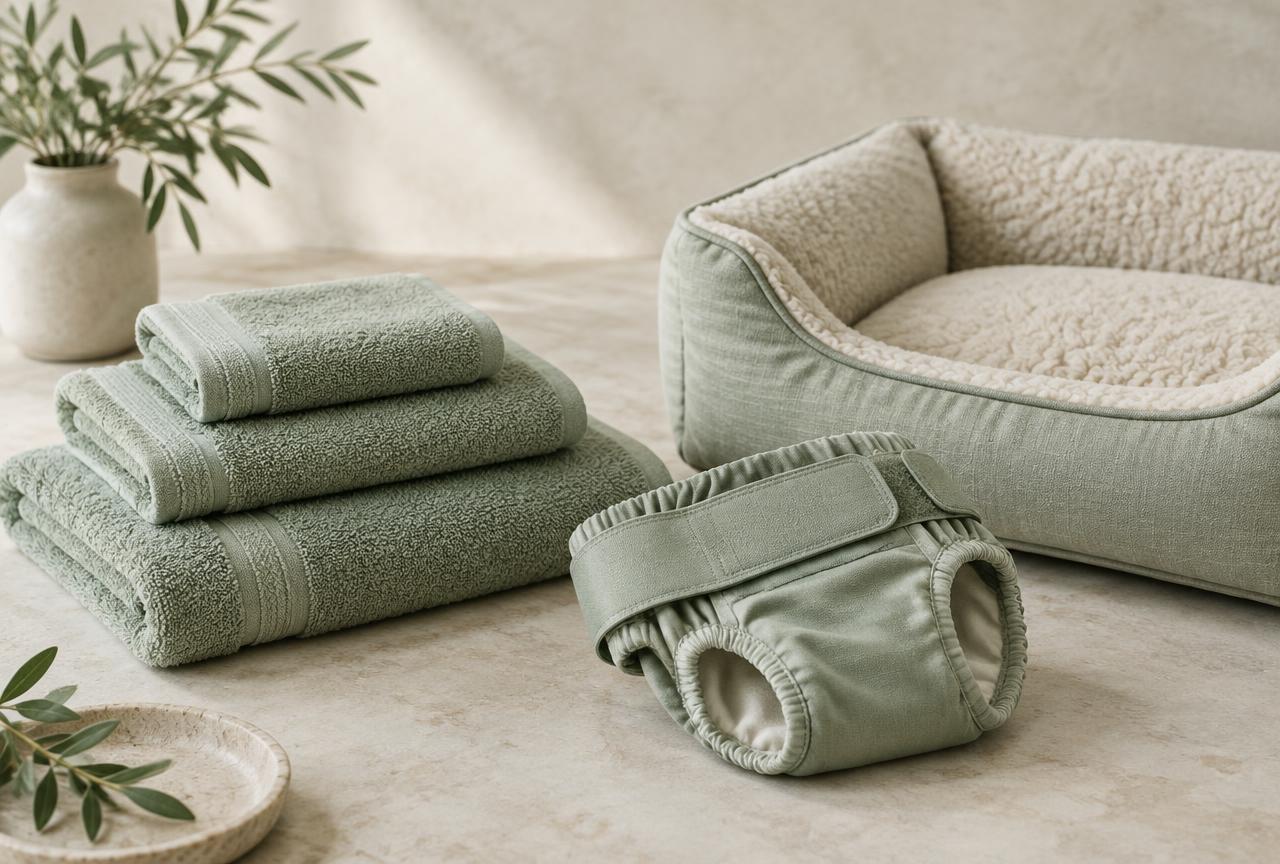
At home, most dogs keep themselves remarkably clean, but the discharge still ends up on floors and furniture. Washable hygiene pants with liners work well for many dogs, though some find them offensive and remove them with dedication. The simpler approach is old towels over her favourite sleeping spots and hard floors kept wipeable. Let her clean herself; she knows what she is doing.
Walks need more thought:
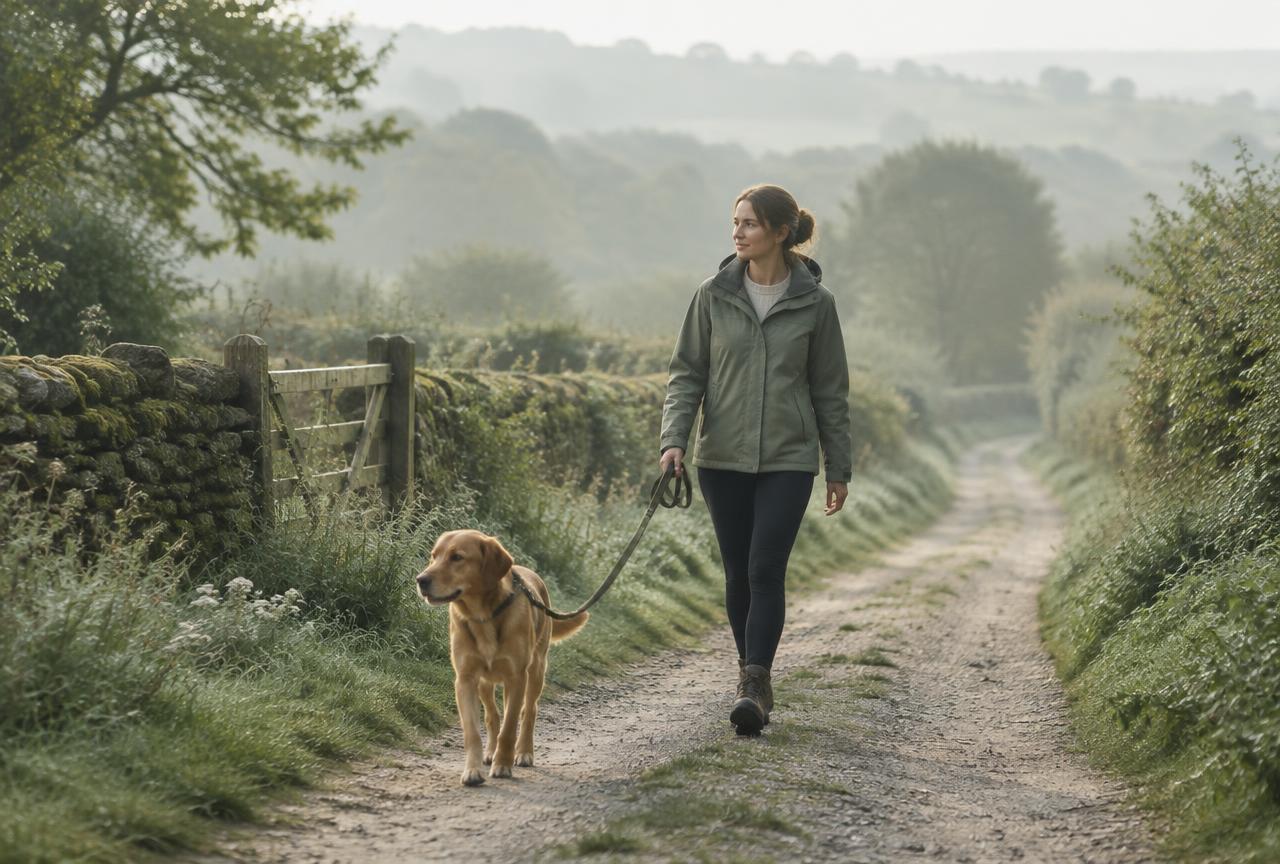
- Keep her on the lead for the entire season, no exceptions. Recall does not override hormones, in either sex.
- Walk at quiet times and avoid the popular dog spots. Male dogs can detect a female in season from an extraordinary distance.
- Skip doggy daycare, training classes and dog-friendly shops for the duration.
- Check your garden fencing. Dogs in season climb, dig and squeeze with motivation they never show otherwise.
Myths worth binning
"She should have one litter first" and "seasons are once a year like wolves" are the two most persistent myths, and neither survives contact with the evidence.
The one-litter-first idea has no health basis at all; there is no physical or psychological benefit to a litter before spaying, and each season without spaying adds to the lifetime pyometra and mammary tumour risk. The once-a-year idea comes from wolves, but domestic dogs cycle roughly twice a year, and some breeds, like the Basenji, kept the ancestral once-yearly pattern while most did not. And a smaller myth: a female in season cannot get pregnant the first time, or when young, or on the first day. She can. Treat every season as fertile from the first sign to three weeks later.
The discharge easing does not mean the season is over. It often means the fertile window has just opened.
Interactive · heat cycle tracker
When to expect the next season
Tell us your dog's size and history and we will estimate the timing, plus what to watch for.
Managing the season
- Expect the season itself to last two to four weeks, with the fertile window usually in the second week.
- Keep walks on-lead and quiet during the season; a female in season can be remarkably determined and so can visiting males.
- Note the start date each time: a suddenly irregular cycle in an older dog is worth mentioning to your vet.
Watching for the first season
For a medium breed, the first season typically arrives between six and nine months. Signs to watch for: a swollen vulva, a bloody discharge and increased interest from male dogs.
False pregnancy and pyometra: the two complications to know
Two to three months after a season, some unspayed females develop a false pregnancy, and at any point in the weeks after a season, a womb infection called pyometra can develop, which is an emergency.
False pregnancy is common and usually mild: nesting, carrying toys around, perhaps some milk production, resolving on its own over a couple of weeks. It happens because the hormones of dioestrus run whether or not there are puppies. If it is severe or recurrent, mention it to your vet, because it factors into the spaying conversation.
Pyometra is the serious one. It is a bacterial infection of the womb that typically appears four to eight weeks after a season, most often in middle-aged and older unspayed females. The signs: lethargy, drinking and urinating more, vomiting, off food, sometimes a foul discharge (though in the "closed" form there is no discharge at all, which makes it easier to miss). Untreated, it is frequently fatal; treated promptly, usually with emergency spaying, most dogs recover well. If your unspayed female seems unwell in the weeks after a season, treat it as urgent.
The spaying conversation
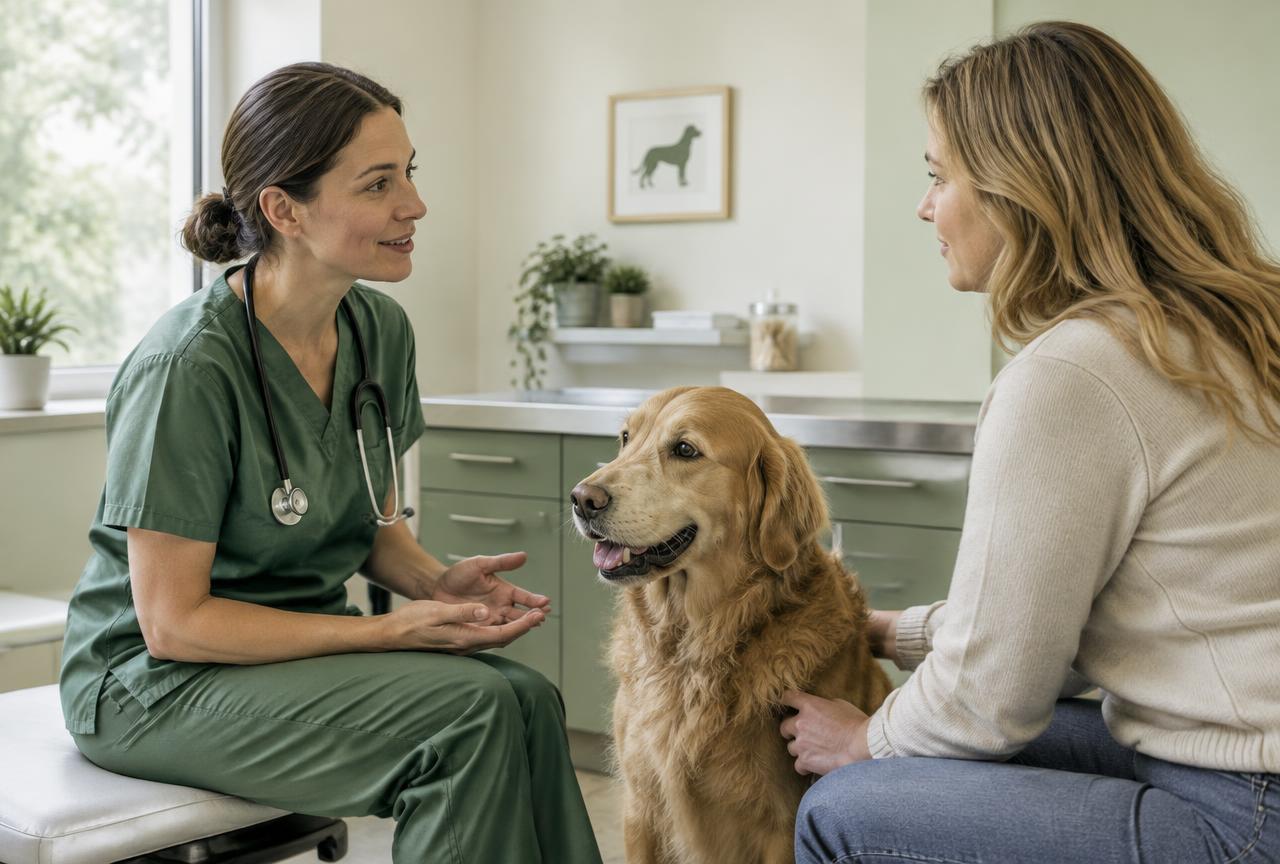
Spaying ends seasons entirely and removes the risk of pyometra, but the timing question, especially for large breeds, is worth a proper conversation with your vet rather than a default decision.
The benefits are substantial: no seasons, no unplanned litters, no pyometra risk, and a significantly reduced risk of mammary tumours when done early. The nuance is timing. Evidence has grown that spaying very early, particularly in large and giant breeds, may be associated with higher rates of certain joint problems and some cancers, which is why many vets now suggest waiting until after the first season, or even until physical maturity in big breeds. Small breeds like the French Bulldog and medium ones like the Golden Retriever each have their own considerations.
There is no universal right answer, which is exactly why it deserves a real conversation with your vet about your dog''s breed, lifestyle and your ability to manage seasons safely. What is not a plan is drifting: years of unmanaged seasons carry the accumulating pyometra risk that makes the conversation worth having early.
Seasons in older dogs
Unspayed females keep cycling into old age, and the risks attached to each season, particularly pyometra, rise with the years.
Unlike humans, dogs do not go through menopause. An unspayed female will continue to come into season her whole life, though cycles often become less regular and sometimes quieter, with lighter discharge that is easier to miss. The danger in that is pyometra: the risk climbs steadily with age, and a quiet season followed by a slightly off-colour dog six weeks later is exactly the pattern that gets missed in seniors. If you have an older unspayed female, keep noting season dates, keep watching the weeks after each one, and if the spaying conversation was never had, it is still worth having: vets spay healthy older dogs routinely, and removing the pyometra risk is the single biggest health gift you can give her. The dog years guide covers the wider picture of senior care.
When to call your vet
- A season accompanied by lethargy, vomiting, loss of appetite or foul-smelling discharge.
- Any illness in an unspayed female in the four to eight weeks after a season: possible pyometra, treat as urgent.
- A first season that has not arrived by eighteen months in a small or medium breed, or by two and a half years in a giant breed.
- Cycles that suddenly become irregular in an older dog.
- A false pregnancy that is severe, prolonged or recurrent.
For the wider picture of your dog''s first year, our puppy socialisation guide covers the months before the first season, and the dog age calculator puts her life stage in context.
Questions people actually ask
How long does a dog stay in heat?
A season typically lasts two to four weeks. The first stage, with swelling and bloody discharge, runs about seven to ten days, followed by the fertile stage of five to fourteen days when the discharge lightens. Treat the whole three weeks as fertile-capable.
How often do dogs go into heat?
Most dogs come into season roughly every six to seven months. Small breeds often cycle every five to six months, while giant breeds may come into season only once a year. Whatever your dog's pattern, it is usually consistent for her.
When do dogs have their first season?
Anywhere from four months to two years, with size the best predictor. Small breeds can start at four to six months, medium breeds at six to nine months, large breeds at nine to fourteen months, and giant breeds may not start until two years old.
Can a dog be walked while in season?
Yes, but on-lead only, at quiet times, avoiding popular dog spots, daycare and training classes. Male dogs can detect a female in season from a remarkable distance, and neither sex's recall can be trusted during this period.
What is pyometra in dogs?
A serious bacterial infection of the womb that typically appears four to eight weeks after a season in unspayed females, most often in middle-aged or older dogs. Signs include lethargy, increased drinking, vomiting and sometimes a foul discharge. It is an emergency and usually requires immediate surgery.
Should I spay my dog, and when?
Spaying ends seasons and removes pyometra risk, and early spaying significantly reduces mammary tumour risk. Timing is nuanced: evidence suggests waiting until after the first season, or until physical maturity in large breeds, may reduce some joint and cancer risks. Discuss your dog's breed and circumstances with your vet.
Sources
Breeds mentioned

French Bulldog
A comic, affectionate companion built for city life, but with health needs that demand a careful breeder.

Golden Retriever
A gentle, biddable gundog famed for its patience with children and its glossy golden coat.
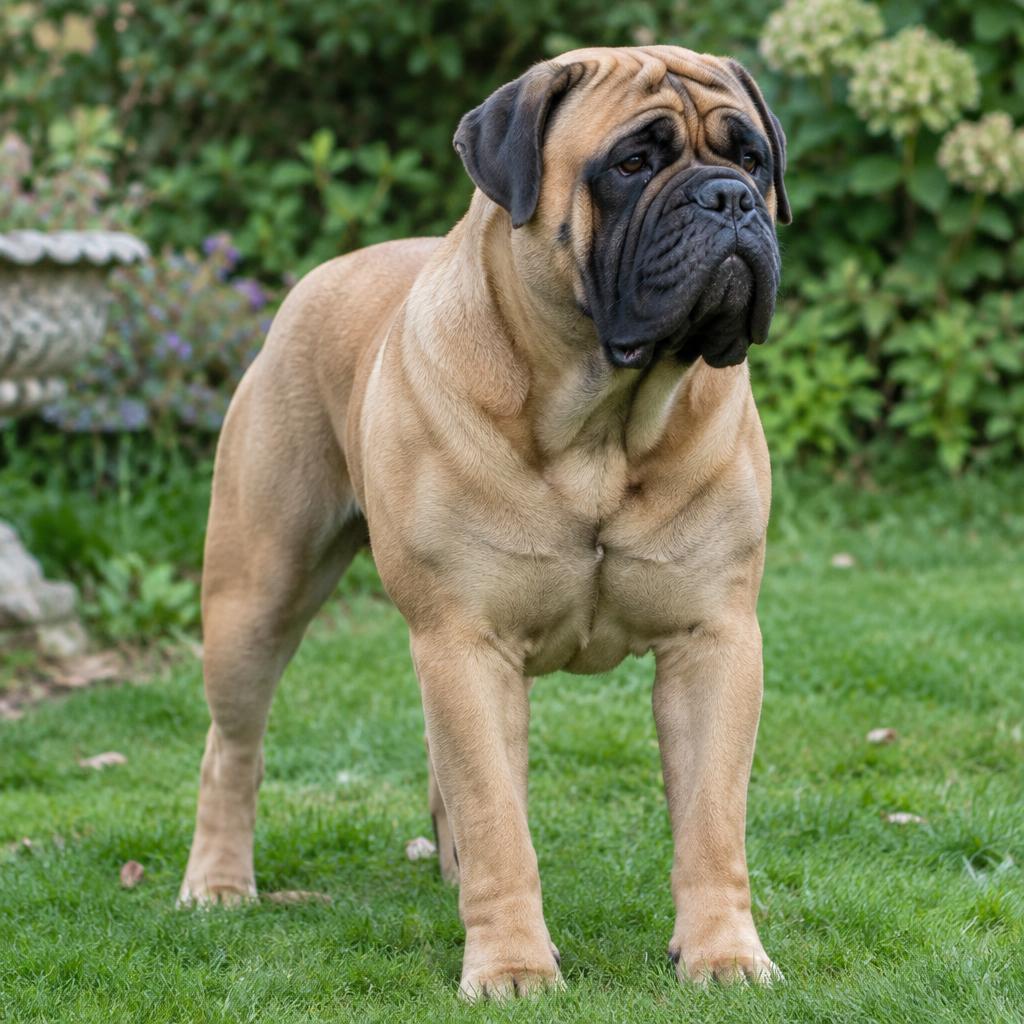
Bullmastiff
A calm, powerful English guardian bred to track and hold poachers silently, now a devoted and protective family dog.
Put it into practice
Read next
Dog Dry Heaving: Causes and When It Is an Emergency
Dog dry heaving is usually throat irritation or mild nausea, but repeated unproductive retching with a swollen, tight belly can be bloat (GDV), a life-threatening emergency.


