Dog Panting at Night: Causes and When to Worry
A dog that pants at night might simply be too warm, but the pattern can also point to pain, anxiety, heart disease or cognitive decline. Here is how to read it.
The SniffScroll desk
Published 11 October 2026

Dr Emma Hartley MRCVS
The short version
- Most night panting is a warm room or a busy day; the pattern matters more than the episode.
- Pain is a commonly missed cause: panting with restlessness and repositioning points to it.
- New nightly panting can signal heart disease, Cushing’s, respiratory problems or steroid side effects.
- Senior dogs that pace and pant at night may be showing cognitive decline, which is treatable.
- Pale or blue gums, collapse, a swollen belly or laboured breathing at rest mean an emergency vet now.
Why is my dog panting at night?
Most night panting has a simple explanation: the room is too warm, the bed is too cosy, or the day was unusually busy or exciting. Panting is how dogs cool themselves, and a dog that pants for ten minutes and then settles into sleep is usually just regulating. The panting worth worrying about is the kind that is new, happens most nights, comes with restlessness or pacing, or arrives alongside other changes like a cough, drinking more, or a swollen belly.
This article walks through the common causes in rough order of likelihood, the red flags that mean an emergency, and what your vet will want to know. The short version: one warm night is nothing, a pattern is something.
The common, harmless causes
Heat. Bedrooms are often the warmest rooms in the house, and dogs run warmer than we do. A thick bed, a closed door and a summer night can easily push a dog, especially a thick-coated or flat-faced breed, into panting. The fix is simple: cooler bedding, ventilation, fresh water, and a tiled floor to migrate to.
A busy or exciting day. A long walk, visitors, a trip to the vet or a fireworks display can leave a dog wired into the evening. Panting that follows an obvious event and is gone by the next night is usually just recovery.
Dreams and light sleep. Dogs breathe irregularly in REM sleep, and some pant briefly while dreaming. If your dog is clearly asleep and settles when the dream passes, that is normal.
Age and weight. Overweight dogs pant more, because carrying extra weight is harder work and fat insulates. Senior dogs also thermoregulate less efficiently, so a room that suited them at five may be too warm at twelve.
Pain: the cause people miss
Panting is one of the most common signs of pain in dogs, and night is when it shows. During the day, activity distracts; at night, an arthritic hip or a sore back makes itself known. Pain-related panting typically comes with restlessness: the dog lies down, gets up, repositions, pants, and repeats. You may also notice stiffness in the morning, reluctance to jump, or licking at a particular joint.
Dental pain, ear infections and abdominal discomfort can all present the same way. If your dog’s night panting comes with an inability to get comfortable, pain belongs high on the list, and a vet check is worthwhile even if nothing looks obviously wrong. Dogs are stoic, and chronic pain is easy to underestimate from the outside.
Anxiety and stress
Anxious dogs pant, and night-time concentrates anxiety. Common triggers include fireworks and thunderstorms, a change in routine or household, a new baby or pet, and separation from a family member. Anxiety panting usually arrives with other tells: pacing, whining, yawning, lip licking, following you from room to room, or hiding.
Night-time anxiety often responds to predictable routines, a safe den-like sleeping spot, white noise, and in some cases calming supplements or pheromone diffusers. Persistent or severe anxiety deserves a proper conversation with your vet, because medication and behaviour work can genuinely change a dog’s quality of life.
Medical causes to rule out
When night panting is new, persistent and not explained by heat, pain or anxiety, your vet will think through a list of medical causes:
- Heart disease. A heart that struggles to pump efficiently causes fluid to accumulate, and dogs often pant or cough more when lying down at night. A new night cough plus panting in an older dog always deserves a heart check.
- Respiratory disease. Laryngeal paralysis, collapsing trachea and lung conditions all make breathing harder, and flat-faced breeds carry extra risk here.
- Cushing’s disease. An overactive adrenal gland causes panting, drinking more, a pot belly and skin changes. It is common in middle-aged and older dogs and very treatable.
- Anaemia and fever. Both increase breathing effort. Pale gums point to anaemia; a hot, lethargic dog may have a temperature.
- Medication side effects. Steroids (prednisolone and relatives) famously cause panting, thirst and restlessness. If the panting started with a new prescription, mention it to your vet before stopping anything.
Senior dogs and cognitive decline
A senior dog that paces and pants through the night, stares at walls, gets stuck behind furniture, or seems confused in familiar rooms may be showing canine cognitive dysfunction, the dog equivalent of dementia. Night-time restlessness is one of its hallmark signs, and it often pairs with panting because the dog is anxious and disoriented.
There is plenty that helps: predictable routines, night lights, easy garden access, vet-prescribed medication and supplements, and patience. If this sounds like your dog, book a check-up. Pain and cognitive decline often travel together in old dogs, and treating both gives the best nights.
Red flags: when panting is an emergency
Most night panting can wait for a morning phone call. Some cannot. Treat panting as an emergency when it comes with:
- Pale, blue or grey gums or tongue
- Collapse, extreme weakness or inability to stand
- A swollen, tight belly, especially with unproductive retching (possible bloat)
- Obvious severe pain
- Laboured breathing that does not ease when the dog rests
- Coughing up fluid or pink foam
Any of these means an emergency vet now, not in the morning.
What to do tonight
- 1Check the room: aim for cool and ventilated, and offer a cooler surface like tiles or a cooling mat.
- 2Offer fresh water, and a brief garden trip in case a full bladder is the issue.
- 3Note the time the panting started, how long it lasts, and whether your dog settles.
- 4Check the gums: they should be pink and moist.
- 5If there are red flags, call the emergency vet. If not, let the night play out and review in the morning.
Interactive tool
Night panting triage
Age, the pattern and any other signs, in. How urgent it is, out.
Your plan
- Check the room: dogs pant when warm, and bedrooms heat up. Aim for a cool, ventilated sleeping spot.
- Offer fresh water and a cooler surface such as a tiled floor or a cooling mat.
- A single restless, panting night after a busy or hot day is usually nothing to worry about.
- If it repeats, or comes with other signs, move to the vet-check steps.
Likely heat or a one-off
Night panting has many causes, from a warm room to heart disease. The pattern and the company it keeps tell you how urgent it is.
Tracking the pattern for your vet
If the panting continues, a little data makes the vet visit far more useful. Keep a simple log for a week: when the panting happens, how long it lasts, what the room was like, what the day involved, and any other signs. A short phone video of an episode is worth a thousand descriptions, because your vet can see the breathing effort, the posture and the gum colour for themselves. Note any new medications, diet changes or household changes too. Vets solve patterns, and you are the only one who sees the pattern.
When to see a vet
Book a routine appointment if the panting happens most nights for a week or more, comes with a cough, increased thirst, weight change or morning stiffness, or follows a new medication. Go the same day for pale gums, a swollen belly, collapse, or breathing that stays laboured at rest. Trust your instincts: a change in your dog’s nights is always worth mentioning.
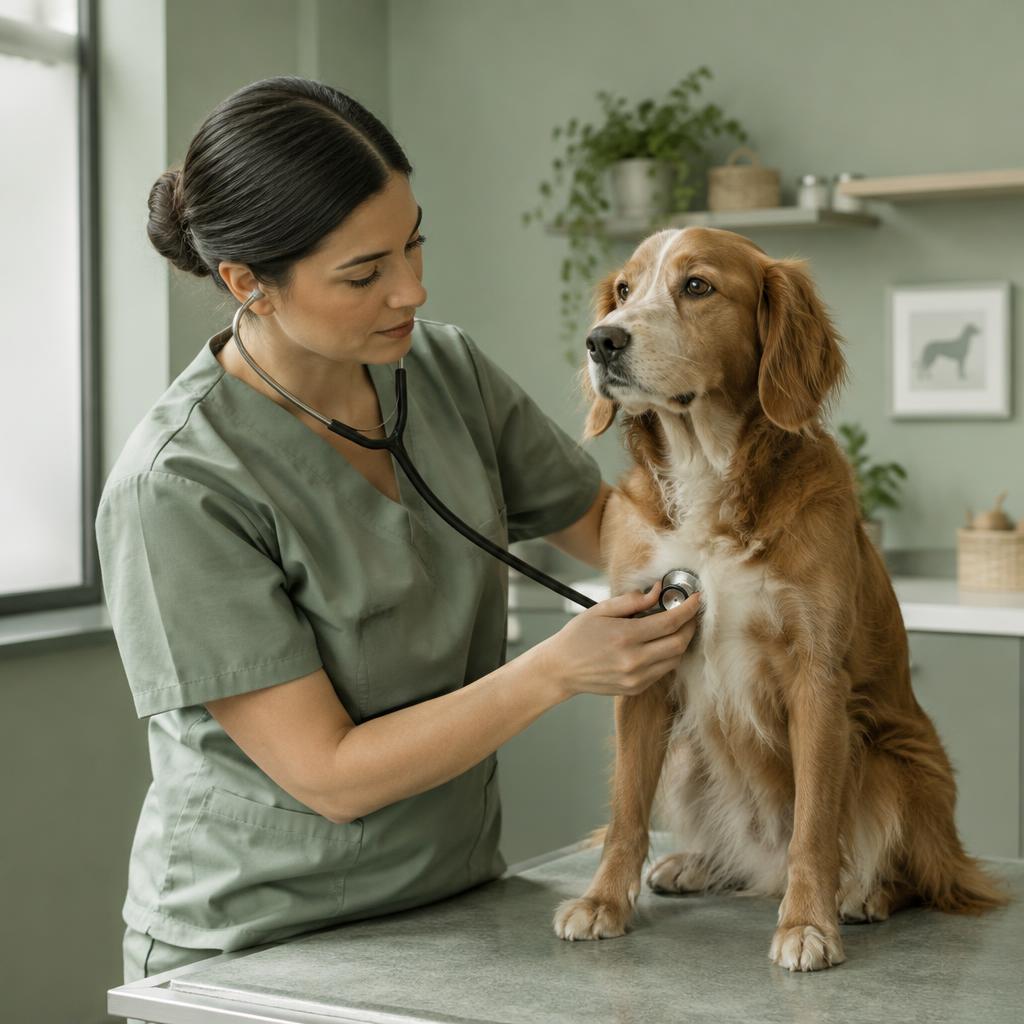
Breed and body shape matter
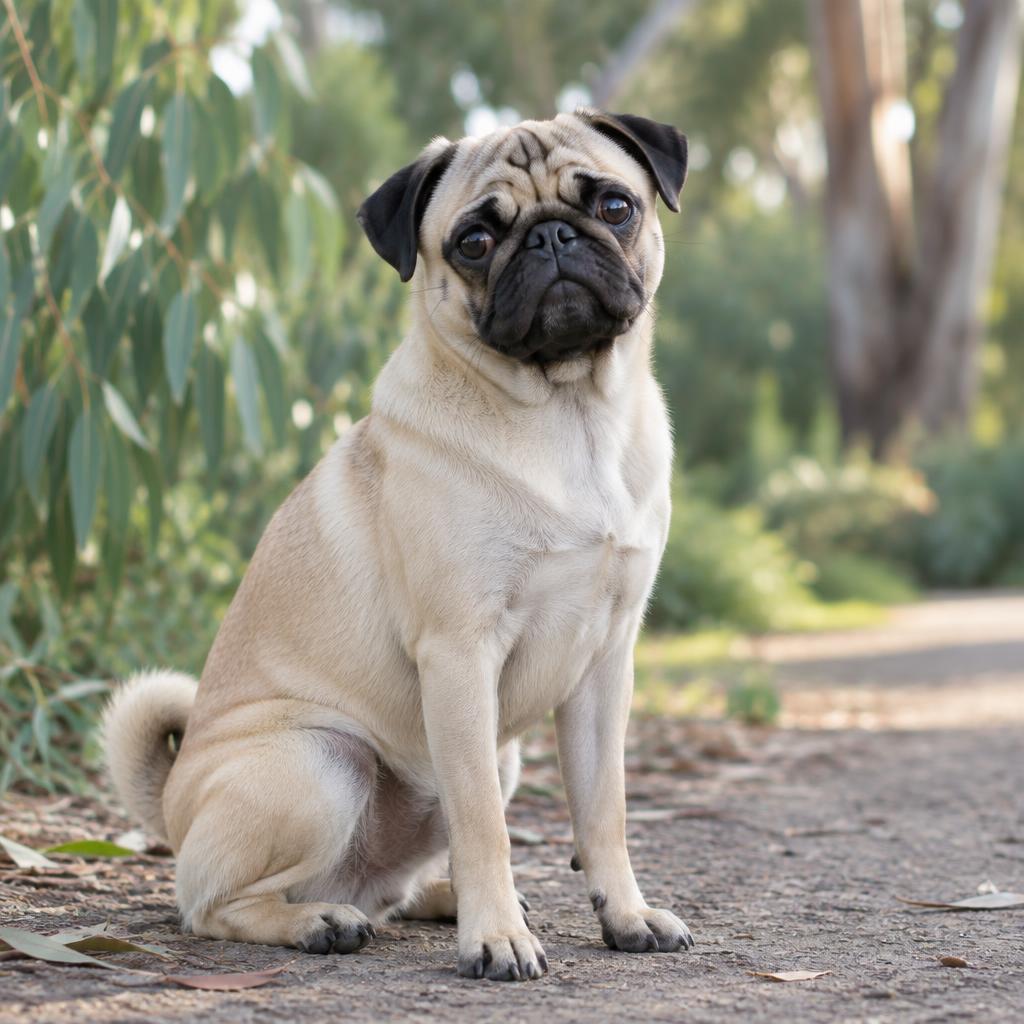
Flat-faced breeds such as the French Bulldog and the Pug pant more at the best of times, because their shortened airways make breathing and cooling harder work. For these dogs, a warm night is a bigger deal than for a long-nosed breed, and their threshold for heat stress is lower. Keep their sleeping area notably cool, keep them lean, and take any change in their night breathing seriously, because their margin for error is smaller. Large, thick-coated and overweight dogs sit at the other end of the same scale: more insulation, more panting, and more benefit from a cool sleeping spot.
The bottom line
A dog panting at night is usually a warm room, a busy day or a vivid dream, and the fix is a cooler bed and fresh water. When the pattern is new, nightly, restless or accompanied by other signs, it is your dog telling you something, and the causes, from pain to heart disease to cognitive decline, are almost all more treatable when caught early. Cool the room, watch the pattern, and let your vet do the rest.
If nights are difficult in other ways, our guides to dog pacing at night and dog breathing fast cover the neighbouring territory, and flat-faced breeds like the French Bulldog and the Pug deserve extra care in warm rooms because their airways make cooling harder. Our age calculator can help you work out when your dog counts as a senior.
Frequently asked questions
Why does my dog pant at night but not during the day?
Night removes distractions, so pain and anxiety surface, and bedrooms are often warm. Lying down also changes breathing effort for dogs with heart or respiratory disease, which is why night panting deserves attention when it becomes a pattern.
Is it normal for senior dogs to pant at night?
It is common but not something to dismiss. Seniors thermoregulate less well, and night panting in an older dog can signal pain, heart disease or cognitive decline. A vet check is worthwhile if it is new or getting worse.
Can anxiety cause night panting?
Yes. Anxious dogs pant, and triggers like storms, fireworks, routine changes or separation can all show up at night. Look for pacing, whining, yawning and hiding alongside the panting.
Do steroids make dogs pant?
Yes, panting is a well-known side effect of prednisolone and other steroids, along with increased thirst and appetite. Mention it to your vet, but never stop a prescribed steroid suddenly.
How can I cool my dog down at night?
Open a window or use a fan for airflow, offer a cooling mat or access to a tiled floor, keep fresh water available, and swap a thick bed for something lighter. Avoid ice-cold water or wet towels left on the dog, which can be counterproductive.
When is night panting an emergency?
When it comes with pale or blue gums, collapse, a swollen tight belly with unproductive retching, severe pain, or laboured breathing that does not ease at rest. Those signs mean an emergency vet now.
Sources
- VCA Animal Hospitals, Why Dogs Pant, vcahospitals.com
- American Kennel Club, Why Is My Dog Panting and Restless?, akc.org
- PDSA, Panting in dogs, pdsa.org.uk
- Merck Veterinary Manual, Canine Cognitive Dysfunction, merckvetmanual.com
- Royal Veterinary College, Heatstroke and heat management in dogs, rvc.ac.uk
Questions people actually ask
Why does my dog pant at night but not during the day?
Night removes distractions, so pain and anxiety surface, and bedrooms are often warm. Lying down also changes breathing effort for dogs with heart or respiratory disease, which is why night panting deserves attention when it becomes a pattern.
Is it normal for senior dogs to pant at night?
It is common but not something to dismiss. Seniors thermoregulate less well, and night panting in an older dog can signal pain, heart disease or cognitive decline. A vet check is worthwhile if it is new or getting worse.
Can anxiety cause night panting?
Yes. Anxious dogs pant, and triggers like storms, fireworks, routine changes or separation can all show up at night. Look for pacing, whining, yawning and hiding alongside the panting.
Do steroids make dogs pant?
Yes, panting is a well-known side effect of prednisolone and other steroids, along with increased thirst and appetite. Mention it to your vet, but never stop a prescribed steroid suddenly.
How can I cool my dog down at night?
Open a window or use a fan for airflow, offer a cooling mat or access to a tiled floor, keep fresh water available, and swap a thick bed for something lighter. Avoid ice-cold water or wet towels left on the dog.
When is night panting an emergency?
When it comes with pale or blue gums, collapse, a swollen tight belly with unproductive retching, severe pain, or laboured breathing that does not ease at rest. Those signs mean an emergency vet now.
Sources
Breeds mentioned

Put it into practice
Read next
Dog Dry Heaving: Causes and When It Is an Emergency
Dog dry heaving is usually throat irritation or mild nausea, but repeated unproductive retching with a swollen, tight belly can be bloat (GDV), a life-threatening emergency.