
My Dog Swallowed a Sock: What To Do Now
Call the vet now, even if your dog seems fine. Socks are a leading cause of gut blockages, and waiting for symptoms wastes the window when help is easiest.
The SniffScroll desk
Published 11 October 2026
The SniffScroll editorial team
The short version
- Call the vet immediately, even if your dog seems completely fine: do not wait for symptoms.
- Never try to make your dog vomit at home: fabric can snag on the way back up, and vomiting is only ever induced under veterinary direction.
- Socks, underwear and tights are among the most common causes of surgical gut blockages in dogs.
- Blockage signs include repeated vomiting, loss of appetite, a painful or bloated belly, straining and lethargy.
- Prevention is unglamorous but effective: closed laundry baskets, tidied floors and better chew options.
If you have just watched your dog swallow a sock, or found one half of a pair missing and a dog looking pleased with itself, here is the short version before anything else: call your vet now. Not after breakfast, not to see how the night goes. Now. The rest of this article explains why, what happens next, and how to stop it happening again.
Call the vet first, always
A swallowed sock is a genuine emergency even when the dog looks completely normal. Socks do not digest, they do not dissolve, and fabric bunches and snags as it moves through the gut. Socks, underwear and tights are among the most common causes of intestinal blockages seen in veterinary practice, and a complete blockage is life-threatening without treatment.
The reason to call immediately rather than wait is timing. If the sock was swallowed recently, the vet may be able to bring it back up safely at the clinic, which is a quick, relatively cheap fix. Once it has moved into the intestines, the options narrow to endoscopy or surgery. Every hour of waiting closes the easy window a little further.
What not to do
The instincts that feel helpful are the ones to resist:
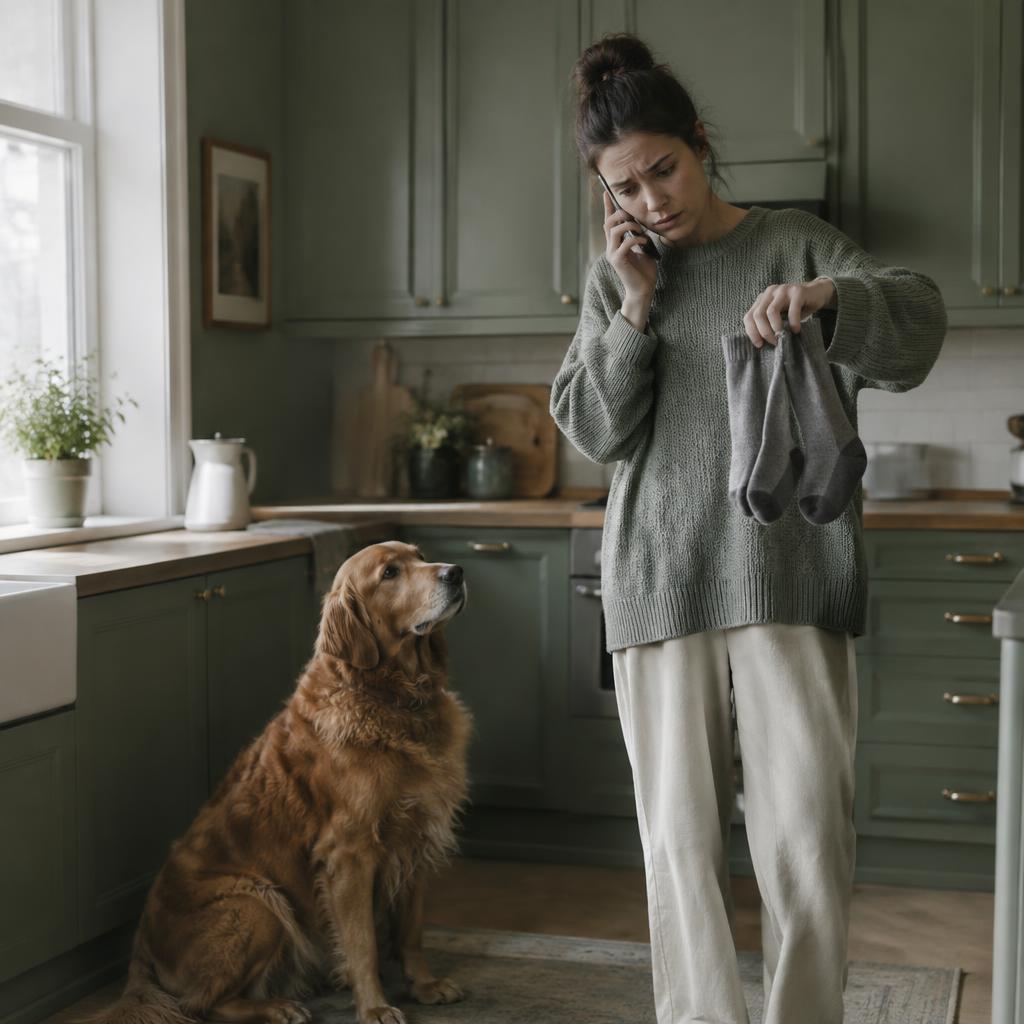
- Do not try to make your dog vomit at home. Fabric can bunch or snag in the oesophagus on the way back up, and home methods like salt are dangerous in their own right. Vomiting is only ever induced under veterinary direction.
- Do not pull on anything hanging out of the mouth or the other end. A partially passed sock or thread can be anchored inside, and pulling can saw through delicate tissue.
- Do not feed a big meal to push it through unless the vet specifically tells you to.
- Do not wait to see if it passes. Some socks pass; many do not, and you cannot predict which yours will be.
What to tell the vet
The phone call goes better when you have three things ready: what was swallowed (a sock, and roughly what size and thickness), when it happened, and your dog's approximate weight. Mention anything you have already seen: gagging, vomiting, drooling, restlessness or a hunched posture. The vet will tell you whether to come straight in, and in almost every case the answer is yes.
Interactive tool
Swallowed object triage
What was swallowed and how your dog is, in. The answer is always: call the vet now.
What to do
- Phone your vet or the nearest emergency vet now, even if your dog seems fine. Do not wait for symptoms: a blockage can take hours to days to declare itself, and earlier help means more options.
- Do not try to make your dog vomit at home. Vomiting is only ever induced under veterinary direction, and fabric can snag on the way back up.
- Note what was swallowed, roughly when, and your dog's weight: the vet will ask exactly this.
- Do not feed a meal to push it through unless the vet tells you to.
- While you arrange the appointment, watch closely for gagging, vomiting, loss of appetite, a painful or bloated belly, straining or lethargy, and go straight in if any appear.
Call the vet now, do not wait and see
A swallowed sock can cause a life-threatening gut blockage. Medium dogs sit in the grey zone: many socks will not pass, so the vet's advice matters. Home monitoring alone is not the safe option.
What happens at the vet
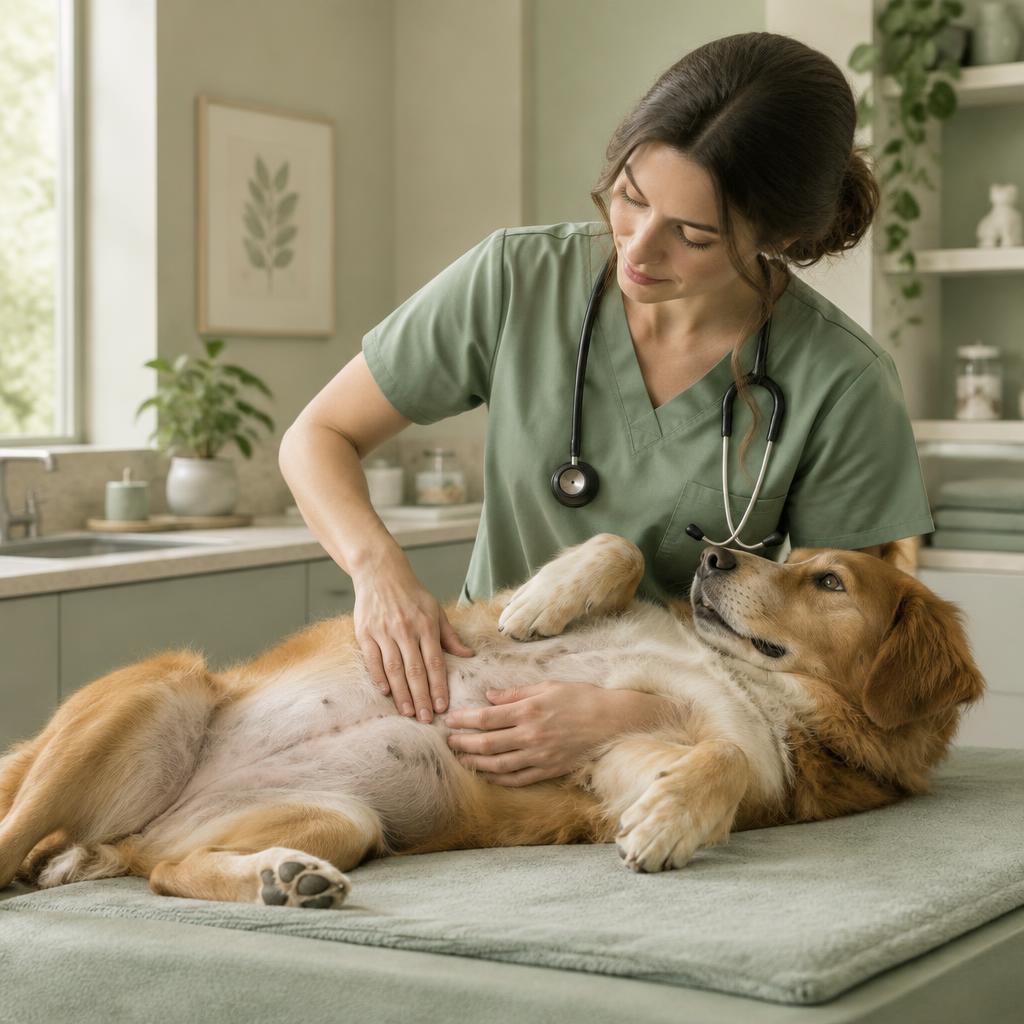
At the clinic, the vet will examine your dog, feel the abdomen and ask about timing. From there, the usual paths are:
- 1If the swallow was very recent, inducing vomiting safely at the clinic may retrieve the sock before it leaves the stomach.
- 2If timing is unclear, imaging (usually X-ray, sometimes ultrasound) looks for where the item is and whether the gut pattern suggests a blockage.
- 3An item sitting in the stomach may be retrievable by endoscopy, a camera procedure that avoids surgery.
- 4A confirmed or strongly suspected blockage in the intestines means surgery, and the sooner it happens, the better the outcome.
None of this is said to frighten you. Most sock cases that arrive early end with a sheepish dog and a retrieved sock, no surgery needed. The dogs who end up in surgery are usually the ones whose owners were told to wait and see.
The signs of a blockage
If the swallow happened unnoticed and you are watching for trouble, these are the signs that mean straight to the vet, day or night:
- Repeated vomiting, especially after eating or drinking
- Loss of appetite or refusing food entirely
- A painful, tense or bloated belly, or a hunched, prayer-like posture
- Straining to poo, producing very little, or diarrhoea
- Lethargy, weakness or unusual quietness
- Restlessness and inability to settle
A partial blockage can smoulder for days with vague signs before becoming obvious, which is another reason the early phone call beats the wait.
If it comes to surgery
Nobody wants this paragraph, but knowing the shape of it removes some fear. Surgery for a gut blockage is called an enterotomy (opening the intestine to remove the object) or, if a section of gut has been damaged, a resection and anastomosis (removing the damaged length and joining the healthy ends). It is one of the most common emergency surgeries in small-animal practice, and dogs who arrive before the gut is badly damaged usually recover well: most are home in one to three days and back to normal in a fortnight.
Aftercare is the unglamorous part: a buster collar or medical suit so the wound is left alone, short lead walks only, small bland meals for a few days, and a dog who is convinced they are fine long before the stitches agree. The cost is the other honest conversation: emergency obstruction surgery typically runs into the thousands, which is why insurance or a dedicated savings pot matters, and why the lidded laundry basket is the cheapest insurance of all.
The repeat offender
Some dogs eat one sock in a lifetime; others make it a hobby. If your dog has form, treat it as the management problem it is. That means the household runs on puppy rules whatever the dog's age: nothing fabric on any floor, laundry behind closed doors, and the dog never left loose in rooms with temptation when nobody is home. A crate or a dog-proofed room with proper chews is not unkind; a second obstruction surgery is.
It is also worth the vet conversation about pica. Repeated eating of non-food items can be linked to digestive disease, nutritional deficiencies, anxiety or compulsive behaviour, and each of those has its own treatment. A dog who cannot stop eating fabric is not being naughty; something is driving it, and finding the driver is how you actually fix it.
Why dogs eat socks
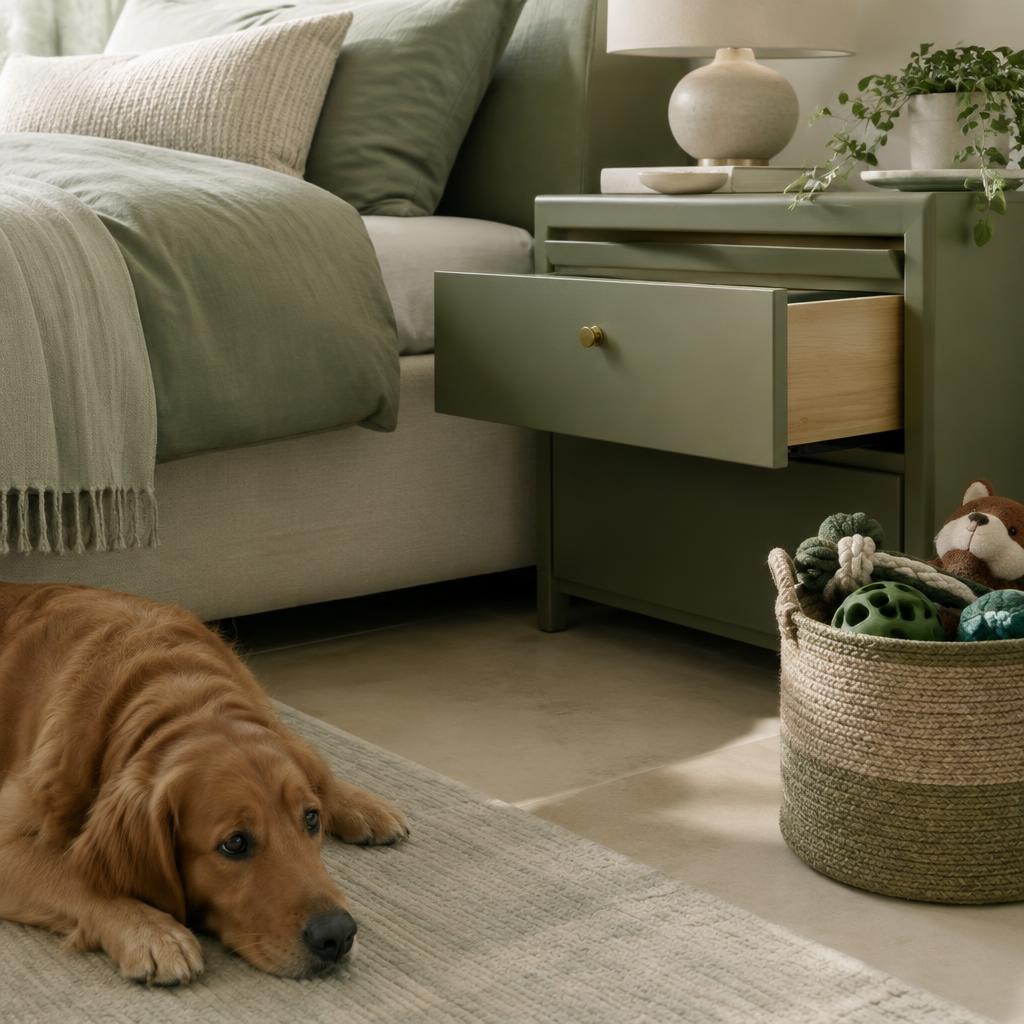
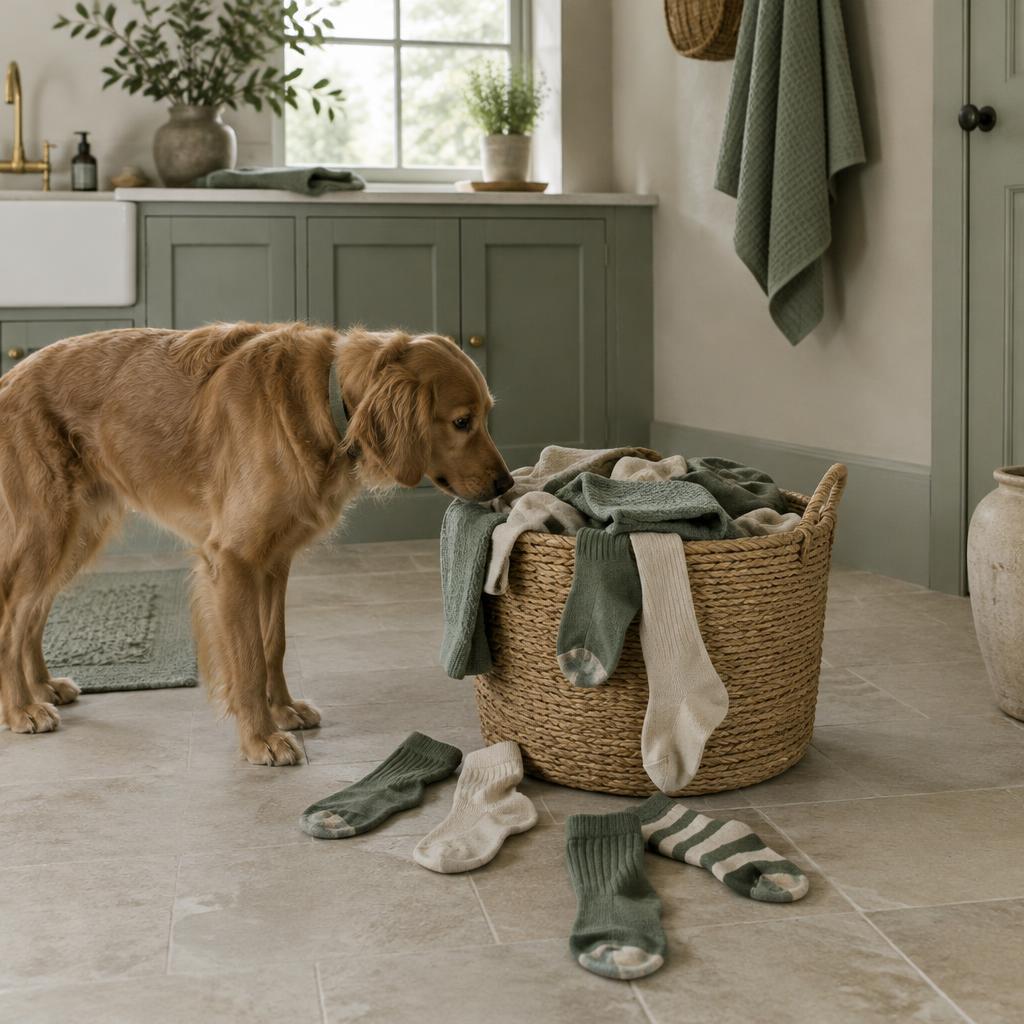
Understanding the why makes prevention easier. Socks carry the concentrated scent of their favourite human, which makes them comfort objects. They are soft, chewable and the perfect size to toss around. Puppies explore the world with their mouths, and socks are at exactly puppy height in every bedroom. Boredom and anxiety raise the stakes: a dog left alone with nothing to do and a laundry basket in reach is a sock incident waiting to happen.
A small number of dogs take it further and compulsively eat non-food items, a condition called pica. If your dog repeatedly eats fabric, paper, plastic or other objects, mention it to your vet: pica can have medical causes worth ruling out, and behavioural ones worth treating.
Prevention that actually works
The unglamorous truth is that sock prevention is housekeeping plus training:
- A laundry basket with a lid, or one kept behind a closed door, removes the opportunity entirely
- Bedroom and bathroom floors stay clear: socks go straight in the basket, never on the floor
- Give better options: a rotation of proper chew toys, and puzzle feeders for dogs who chew from boredom
- Teach "leave it" and "drop it" as real, practised commands: they are the two most useful words in a sock household
- Exercise and mental work matter: a tired dog raids fewer laundry baskets
- For determined repeat offenders, manage the environment like you would for a puppy, whatever the dog's age
The best sock surgery is the one that never happens. A closed basket and a reliable "drop it" are worth more than any emergency number.
It is rarely just socks
A dog who swallows a sock rarely stops at socks, so it is worth knowing the wider laundry list of commonly swallowed items, because the same rules apply to all of them. Underwear and tights are the close cousins of the sock and cause just as many blockages. Children's small toys, squeakers pulled from soft toys, corn cobs, peach stones, tennis ball fragments and kebab skewers all feature regularly in veterinary surgery lists. String, ribbon and sewing thread deserve special mention: linear items can saw through the gut as it contracts, and they are never a wait-and-see situation.
The response is identical whatever the item: call the vet straight away, describe what and when, skip every home remedy, and go in if told to. The only item-specific wrinkle is batteries, magnets and sharp objects, which are even more urgent than fabric because they can burn, attract each other through gut walls, or perforate. When in doubt, treat every swallowed non-food item as a phone call, not a wait.
The car journey and the waiting room
A practical note nobody thinks about until the moment arrives. If you are heading to the vet with a dog who has swallowed something, keep them calm and still in the car: a harness or crate, no food on the way (if surgery or sedation happens, an empty stomach matters), and no water unless the vet has said otherwise. Bring the packaging or a matching item if there is one: the other sock of the pair tells the vet the size and material, which genuinely helps.
At the clinic, say the important thing first: "my dog swallowed a sock at roughly this time." Triage teams act fast on clear information, and the timing detail is the single most useful fact you can hand them. If you are sent home to monitor after assessment, ask exactly which signs should bring you straight back, and write them down while you are there.
When to see a vet
This article is unusual because the answer is always now. Call the vet the moment you know or suspect a sock has been swallowed, whether the dog seems fine or not. Go immediately, without waiting for a call back, if your dog is gagging, repeatedly vomiting, has a swollen or painful belly, is straining, or is suddenly lethargic or collapsed. Out of hours, use your nearest emergency vet: a blockage does not keep office hours.
The bottom line
A swallowed sock is one of those situations where the cautious response is also the correct one. Call the vet straight away, skip the home remedies entirely, and let the professionals decide the next step while the easy options are still open. Then invest in a lidded laundry basket and a solid "drop it", because the dogs who eat one sock very often try for another.
For more on keeping your dog safe, see our dog first aid guide and what to do after a swallowed chicken bone. Serial swallowers are often the food-obsessed breeds: the Labrador Retriever and the Staffordshire Bull Terrier top most vets' lists of regulars for exactly this reason.
Questions people actually ask
My dog swallowed a sock but seems fine. What should I do?
Call the vet now. A dog can seem completely normal for hours to days after swallowing a sock, and the early window is when the vet has the most options, including safely inducing vomiting at the clinic if it is recent. Waiting for symptoms means waiting until the situation is worse.
Can a dog pass a sock on its own?
Sometimes a small sock passes through a large dog without incident, but there is no reliable way to predict which sock and which dog, and fabric bunches and snags in the gut. That is why the advice is always to call the vet rather than wait and hope.
Should I make my dog vomit after swallowing a sock?
No. Never induce vomiting at home without explicit instruction from a vet. Fabric can snag or bunch in the oesophagus on the way back up, and home methods like salt are dangerous. If vomiting is the right move, the vet will do it safely at the clinic.
How long does it take for a sock to cause a blockage?
It varies enormously: some dogs show signs within hours, others not for several days, and occasionally an item sits in the stomach for weeks before causing trouble. This unpredictability is exactly why waiting to see what happens is not the safe option.
What are the signs of a gut blockage in dogs?
Repeated vomiting (especially after eating or drinking), loss of appetite, a painful, tense or bloated belly, straining to poo or producing little, lethargy, and restlessness. Any of these after a known or suspected swallowing is an emergency: go straight to the vet.
Why do dogs eat socks in the first place?
Socks smell intensely of their favourite person, they are soft and chewable, and for puppies they are an irresistible texture. Some dogs chew them for comfort or boredom, and swallowing is often accidental during play. A minority of dogs have pica, a compulsive drive to eat non-food items, which is worth discussing with a vet.
Sources
Breeds mentioned

Labrador Retriever
Britain's most popular family dog: biddable, food driven and built for an active household.
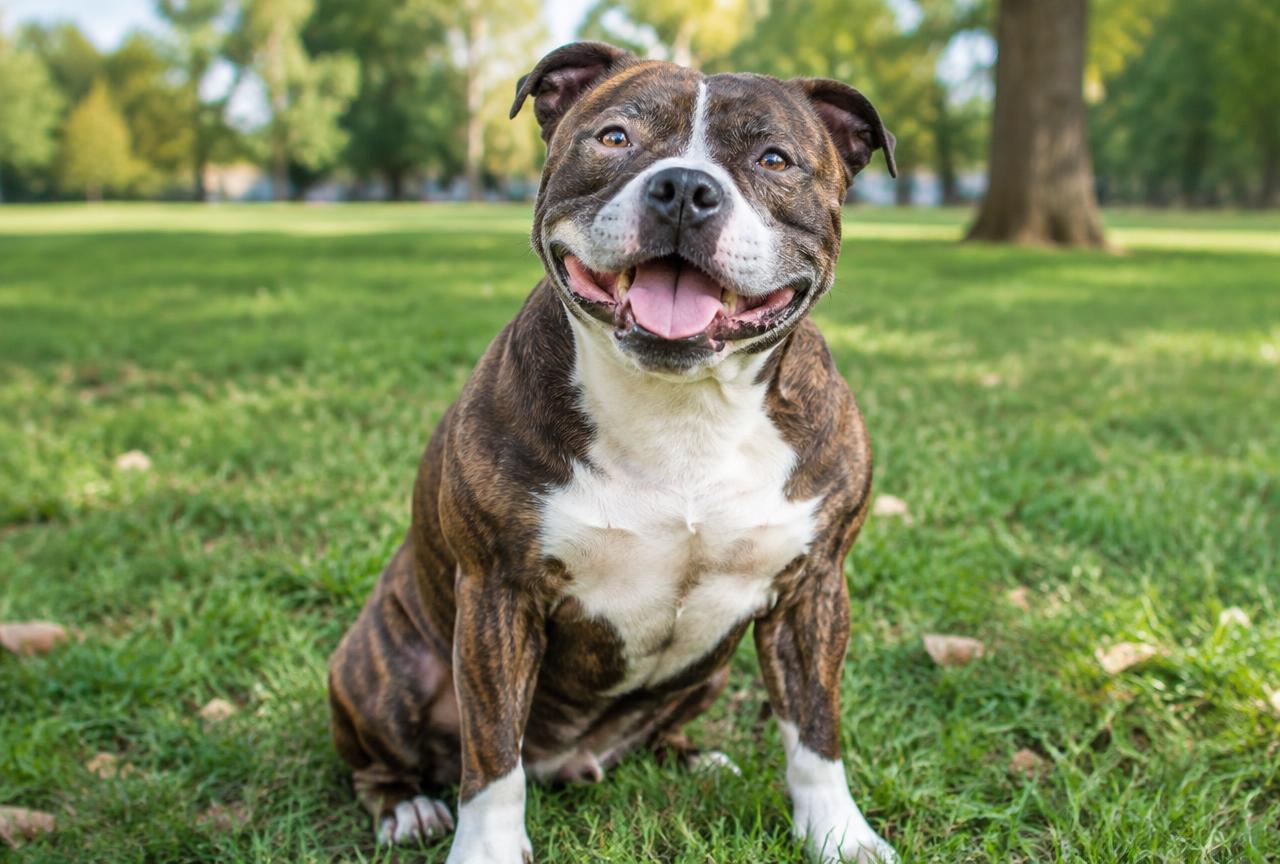
Staffordshire Bull Terrier
A muscular, people loving terrier that thrives on closeness and firm, fair handling.

English Cocker Spaniel
A merry, affectionate gundog with a soft, silky coat and a nose that never switches off.
Read next
Dog Dry Heaving: Causes and When It Is an Emergency
Dog dry heaving is usually throat irritation or mild nausea, but repeated unproductive retching with a swollen, tight belly can be bloat (GDV), a life-threatening emergency.


