Dog Dry Heaving: Causes and When It Is an Emergency
Most dry heaving is a throat tickle or mild nausea, but unproductive retching with a swollen belly is bloat until a vet proves otherwise. Here is how to tell the difference fast.
The SniffScroll desk
Published 11 October 2026

Dr Emma Hartley MRCVS
The short version
- Most dry heaving is throat irritation, eating too fast or mild nausea, and passes quickly.
- Unproductive retching with a swollen, tight or painful belly is bloat until a vet proves otherwise: emergency vet now.
- The honking cough of kennel cough often ends in a gag that looks exactly like dry heaving.
- A slow-feeder bowl fixes the most common repeat offender, the dog that eats too fast.
- Deep-chested breeds are at highest risk of bloat: smaller meals, no exercise around mealtimes, and ask about gastropexy.
Why is my dog dry heaving?
Dry heaving, or unproductive retching, is when a dog goes through the motions of vomiting but nothing, or only a little foam, comes up. Most of the time it has a simple, harmless cause: something tickling the throat, a bit of mild nausea, or a dog that ate too fast. But there is one cause that makes this symptom different from almost any other, and it is the reason every owner should know the bloat picture by heart. Gastric dilatation-volvulus, or GDV, is a twisted, gas-filled stomach, it kills within hours, and its signature sign is exactly this: a dog trying to vomit and failing.
This article covers the common, harmless causes, the serious ones, and the fast checks that tell you which you are looking at.
The emergency check: could this be bloat?
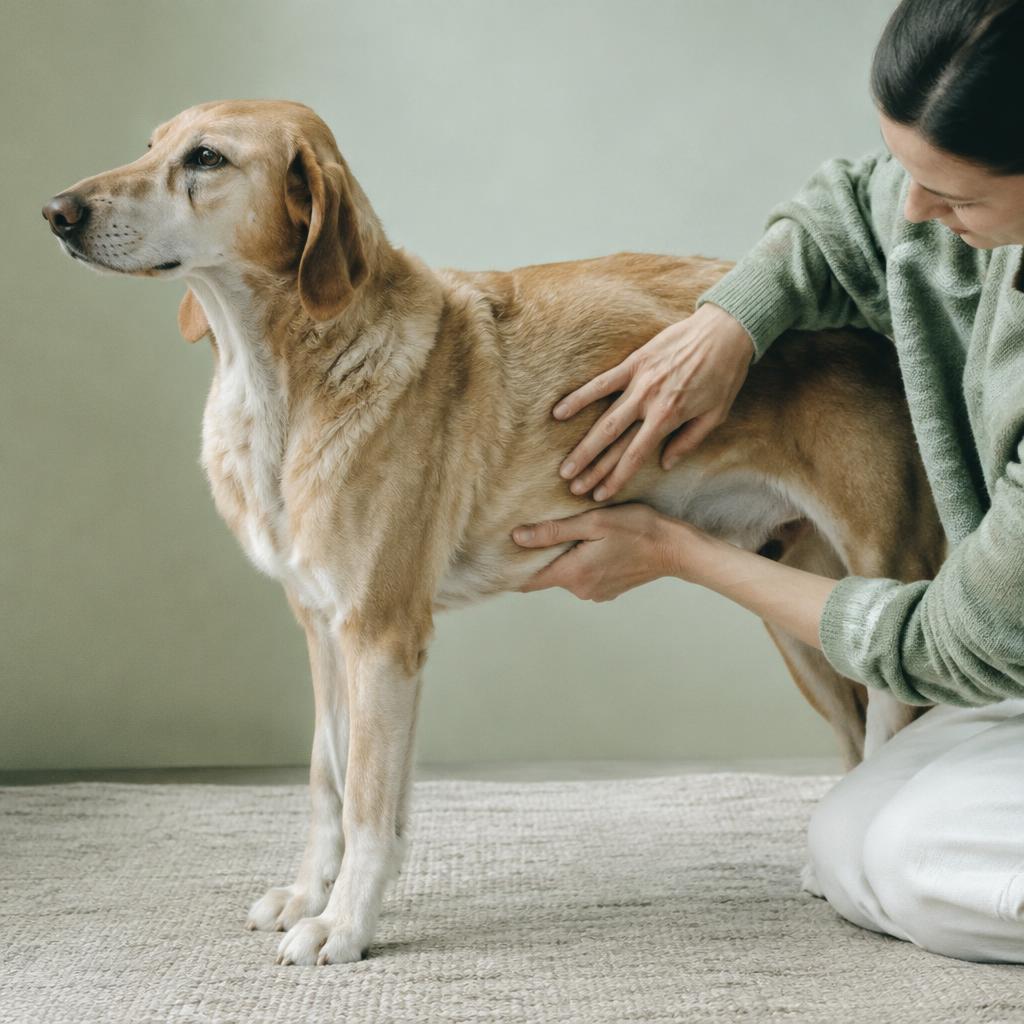
Before anything else, run this check, because bloat is the one cause of dry heaving where minutes matter. Look at the belly: is it swollen, tight or drum-like? Touch it gently: does the dog flinch or seem painful? Watch the dog: is it restless, pacing, drooling, or standing with its head down and elbows out, retching repeatedly with nothing coming up? Check the gums: are they pink, or pale, grey or blue?
A swollen or tight belly plus unproductive retching is bloat until a vet proves otherwise. Call your nearest emergency vet, say you suspect bloat, and travel immediately. Do not offer food or water, do not wait to see if it passes, and do not try any home remedy. Bloat is most common in deep-chested breeds like Great Danes, German Shepherds, Boxers and Setters, but it can happen to any dog. Our guide to bloat in dogs covers the condition in full.
Interactive tool
Dry heaving triage
The belly, the pattern and any other signs, in. How urgent it is, out.
Your plan
- A single dry heave that passes, with a bright dog and a normal belly, is usually throat irritation or mild nausea.
- Offer fresh water and keep the next hour quiet.
- Check the belly: it should look normal and feel soft, not tight or drum-like.
- If it happens again, or any swelling, cough or distress appears, move to the vet steps.
Likely a one-off: monitor closely
Most dry heaving is a throat tickle or mild nausea. Retching with a swollen belly is bloat until a vet proves otherwise.
The common, harmless causes
If the belly is normal and the dog is bright, the cause is usually one of these:
Throat irritation. A blade of grass, a bit of fur, dust, or a crumb gone down the wrong way can trigger a bout of gagging and dry heaving that passes in a minute. This is the single most common cause, and the dog is completely normal before and after.
Eating too fast. Dogs that inhale their food swallow air and can retch or gag shortly after eating. A slow-feeder bowl usually fixes it, and has the side benefit of reducing bloat risk in susceptible breeds.
Mild nausea. A dog that feels a bit sick, from motion, a dietary indiscretion or an empty stomach, may dry heave a few times before either vomiting or feeling better. Bilious vomiting syndrome, where a dog heaves up a little yellow foam first thing in the morning, is a classic example and usually responds to a small bedtime snack.
Something stuck. A piece of toy, a chunk of bone or a wad of fabric lodged in the throat or gullet causes repeated gagging and retching. If your dog may have swallowed something it should not, and is repeatedly dry heaving, treat it as urgent. Our guide to when a dog swallows a sock covers the obstruction picture.
Kennel cough and the honking gag
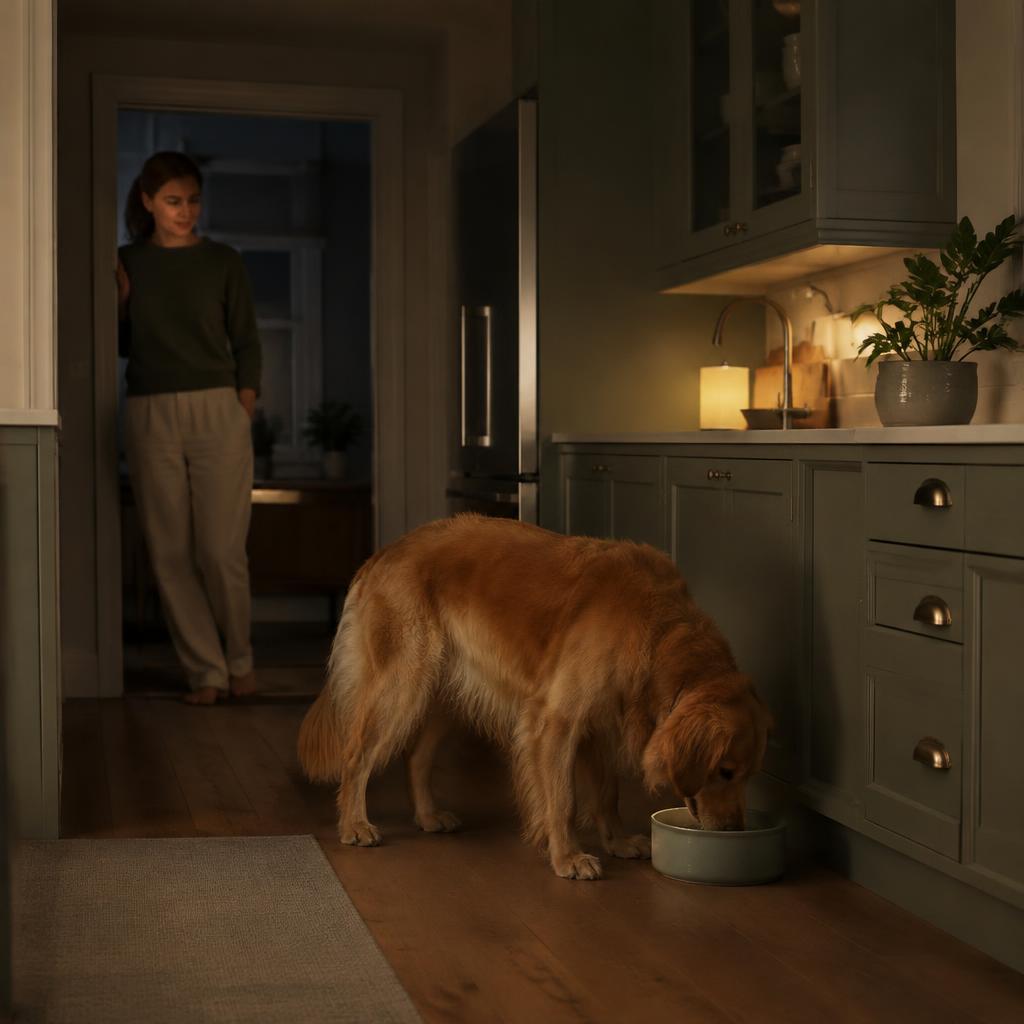
Kennel cough deserves its own mention because it so often looks like dry heaving. The classic sign is a harsh, honking cough that ends in a gag or retch, sometimes producing a little white foam. Owners frequently describe it as the dog trying to be sick. The dog is usually otherwise bright, eating and drinking, and the cough is often triggered by excitement or pressure on the throat from a collar.
Kennel cough is highly contagious, so keep your dog away from other dogs, and it usually clears on its own in one to three weeks. See the vet if the dog seems unwell, goes off food, or the cough is getting worse rather than better, because pneumonia is the complication to avoid. Our guide to dog coughing helps tell the sounds apart.
Other causes worth knowing
Nausea from illness. Kidney disease, pancreatitis, liver problems and gastrointestinal inflammation can all cause nausea and dry heaving, usually alongside other signs: poor appetite, lethargy, vomiting or weight loss. Dry heaving that keeps recurring in a dog that is not quite itself deserves a vet visit and probably some blood tests.
Tonsillitis and throat problems. Inflamed tonsils, a sore throat or a growth in the throat can all trigger gagging. These dogs often swallow repeatedly, eat gingerly, or gag after drinking.
Heatstroke. An overheated dog pants, drools, and may retch or dry heave. If it is hot and your dog is distressed, cool them with water and shade and call the vet: heatstroke is an emergency too. Our guide to heatstroke in dogs covers the response.
Worms. A heavy worm burden occasionally causes gagging or retching, and very occasionally a dog vomits up worms. Keeping worming up to date removes this one from the list.
What to do in the moment
If your dog dry heaves once and is then completely normal, with a soft, normal-looking belly, you can watch and wait. Offer fresh water, keep things calm for an hour, and skip the next meal if the dog seems mildly nauseous. Check the gums: pink and moist is reassuring. Note the time, in case it happens again.
If episodes repeat, if the dog seems distressed, or if anything else is off, such as a cough, drooling, restlessness or a painful belly, move to the vet steps below. A short phone video of an episode is genuinely useful: vets can tell a lot from watching the motion and hearing the sound, and the dog will never perform on cue at the surgery.
What the vet will do
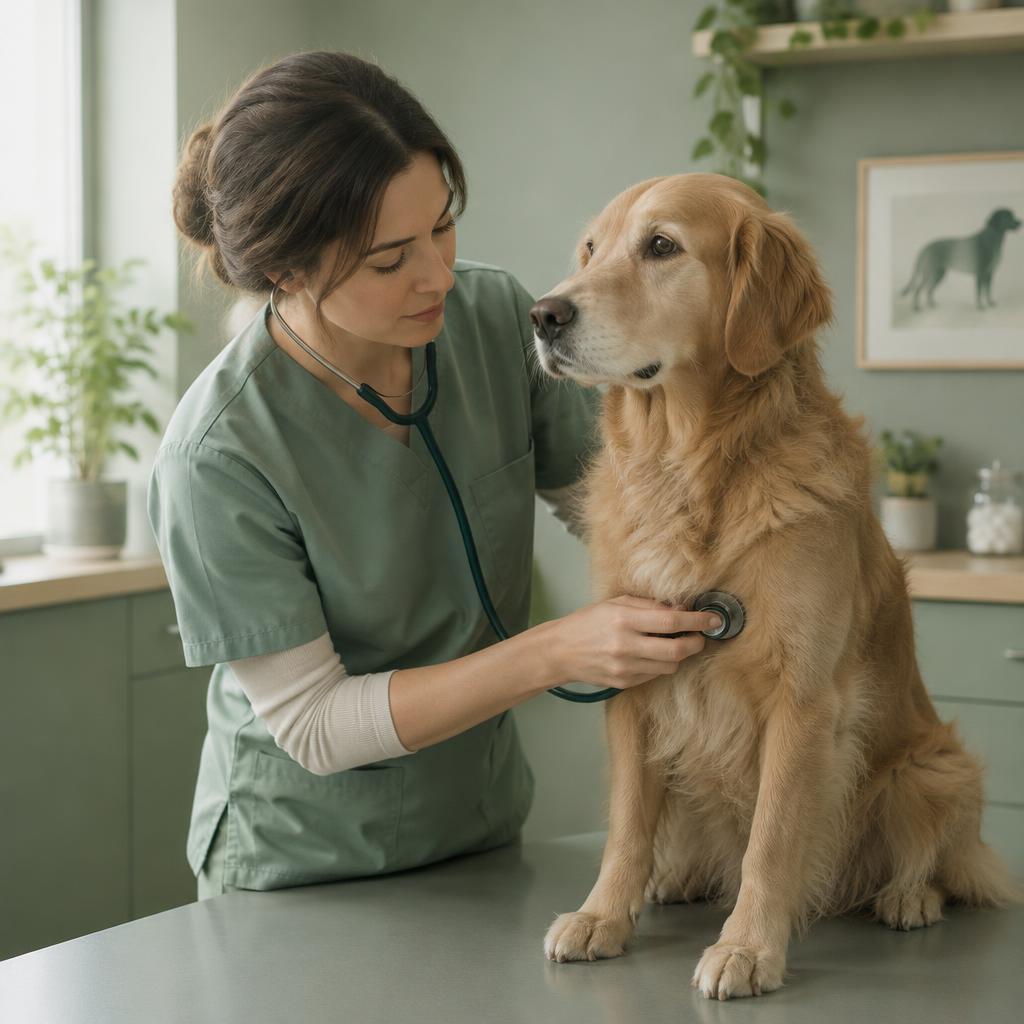
For a straightforward case, the vet will examine the throat, listen to the chest and heart, feel the belly, and ask about the pattern: when episodes happen, how long they last, and any link to eating, drinking or exercise. If kennel cough is likely, the diagnosis is usually made on the spot. If nausea is suspected, blood tests and possibly imaging look for the cause. If there is any suspicion of bloat or an obstruction, X-rays come first, because both need to be confirmed or excluded quickly.
Treatment follows the cause: a slow-feeder bowl and smaller meals for the fast eater, rest and sometimes anti-inflammatories for kennel cough, anti-nausea medication for the nauseous dog, and emergency surgery for bloat.
Preventing the repeat offenders
For dogs that dry heave regularly from simple causes, a few changes prevent most episodes. Slow down fast eaters with a slow-feeder bowl or puzzle feeder. Pick up grass-eaters' habit triggers by keeping them busy on walks. Keep small toys, socks and chews that get swallowed whole out of reach. Use a harness rather than a collar for dogs that pull, since throat pressure triggers gagging in prone dogs. And for deep-chested breeds, feed two or three smaller meals rather than one large one, avoid exercise for an hour either side of meals, and ask your vet about a preventative gastropexy, which tacks the stomach in place and is often done at neutering in high-risk breeds.

When to see a vet
Emergency, right now: unproductive retching with a swollen, tight or painful belly; pale, grey or blue gums; collapse; or signs of heatstroke. Suspected bloat is a travel-now emergency, not a phone-and-see one.
Today: repeated dry heaving episodes, dry heaving with distress, drooling or restlessness, or a dog that may have swallowed an object.
Routine appointment: occasional dry heaving that keeps recurring, a honking cough that is not improving after a week, or dry heaving alongside weight loss, poor appetite or lethargy.
The bottom line
Most dry heaving is a throat tickle, a fast eater or a touch of nausea, and it passes as quickly as it came. The skill worth having is the ten-second bloat check: look at the belly, feel it gently, watch the dog's demeanour. A normal belly and a bright dog means you can watch and wait. A swollen, tight belly with unproductive retching means you are already in the car. Everything in between, from kennel cough to recurring nausea, earns a vet visit on a sensible timescale. For related reading, see our guides to dog gagging and white foam vomiting.
Frequently asked questions
Why is my dog dry heaving but acting normal?
A single bout of dry heaving in a dog that is otherwise bright usually means throat irritation, eating too fast or mild nausea. Check the belly is soft and normal, offer water, and watch. If it repeats or anything else changes, call the vet.
Is dry heaving a sign of bloat in dogs?
It can be, and it is the first thing to rule out. Unproductive retching with a swollen, tight or painful belly, restlessness and drooling is the classic bloat picture and is an immediate emergency. A normal, soft belly makes bloat far less likely.
Why does my dog dry heave after eating?
Eating too fast is the usual cause: swallowed air and barely chewed food trigger gagging. A slow-feeder bowl and smaller, more frequent meals fix most cases. If it persists despite slower eating, see the vet.
Can kennel cough cause dry heaving?
Yes. The harsh, honking cough of kennel cough often ends in a gag or retch that looks exactly like dry heaving, sometimes with a little white foam. The dog is usually otherwise well, and it typically clears in one to three weeks.
Why does my dog dry heave in the morning?
An empty stomach is the classic cause: bilious vomiting syndrome, where stomach acid irritates an empty stomach overnight, causing early-morning retching or a little yellow foam. A small snack before bed usually resolves it.
When is dry heaving an emergency?
When it comes with a swollen, tight or painful belly, pale or blue gums, collapse, repeated unproductive retching with distress, or signs of heatstroke. Any of those means an emergency vet now.
Sources
- VCA Animal Hospitals, Bloat: Gastric Dilatation and Volvulus in Dogs, vcahospitals.com
- American Kennel Club, Kennel Cough in Dogs, akc.org
- PDSA, Bloat in dogs, pdsa.org.uk
- Merck Veterinary Manual, Gastric Dilatation-Volvulus in Small Animals, merckvetmanual.com
- Blue Cross, Kennel cough in dogs, bluecross.org.uk
Questions people actually ask
Why is my dog dry heaving but acting normal?
A single bout of dry heaving in a dog that is otherwise bright usually means throat irritation, eating too fast or mild nausea. Check the belly is soft and normal, offer water, and watch. If it repeats or anything else changes, call the vet.
Is dry heaving a sign of bloat in dogs?
It can be, and it is the first thing to rule out. Unproductive retching with a swollen, tight or painful belly, restlessness and drooling is the classic bloat picture and is an immediate emergency. A normal, soft belly makes bloat far less likely.
Why does my dog dry heave after eating?
Eating too fast is the usual cause: swallowed air and barely chewed food trigger gagging. A slow-feeder bowl and smaller, more frequent meals fix most cases. If it persists despite slower eating, see the vet.
Can kennel cough cause dry heaving?
Yes. The harsh, honking cough of kennel cough often ends in a gag or retch that looks exactly like dry heaving, sometimes with a little white foam. The dog is usually otherwise well, and it typically clears in one to three weeks.
Why does my dog dry heave in the morning?
An empty stomach is the classic cause: bilious vomiting syndrome, where stomach acid irritates an empty stomach overnight, causing early-morning retching or a little yellow foam. A small snack before bed usually resolves it.
When is dry heaving an emergency?
When it comes with a swollen, tight or painful belly, pale or blue gums, collapse, repeated unproductive retching with distress, or signs of heatstroke. Any of those means an emergency vet now.
Sources
Breeds mentioned

Great Dane
A gentle giant whose enormous size demands patient growth, vigilant bloat awareness and an honest look at lifespan and cost.

German Shepherd
A loyal, capable working dog that needs a job to do and an owner ready to provide one.
Boxer
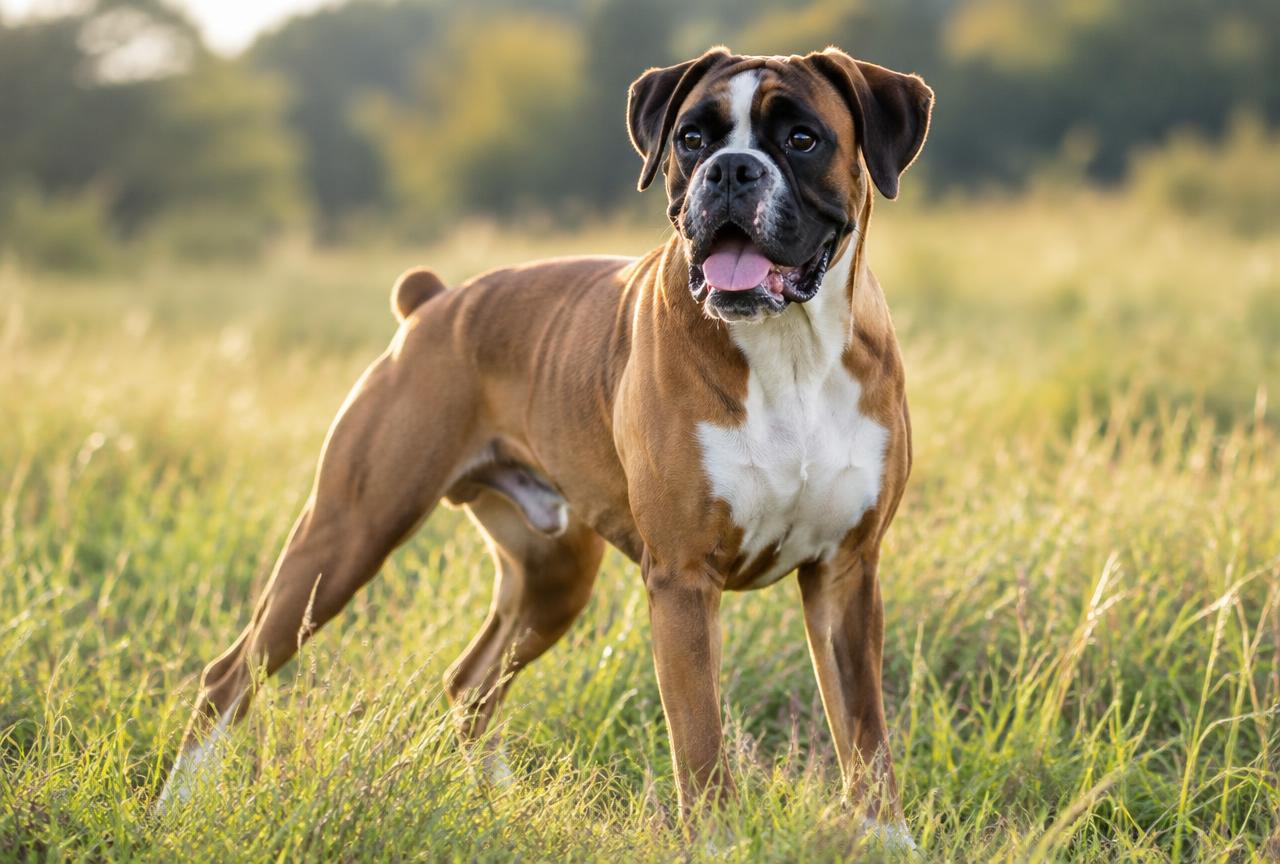
An energetic, devoted working dog known for its playful spirit and protective nature.
Put it into practice
Read next
Dog Panting at Night: Causes and When to Worry
Night panting is often caused by a warm room or a busy day, but panting that is new, nightly, or comes with restlessness, coughing or other signs needs a vet check.