Working group
Germany
Boxer
The Boxer is a high energy, playful working breed that requires significant exercise, early training, and careful heart screening.
Reviewed against Kennel Club and Boxer breed club health guidance
An energetic, devoted working dog known for its playful spirit and protective nature.
The short version
- Boxers are famously slow to mature, often remaining bouncy and puppy like until they are three or four years old.
- The breed is prone to serious heart conditions and cancer, making health screening and regular vet checks vital.
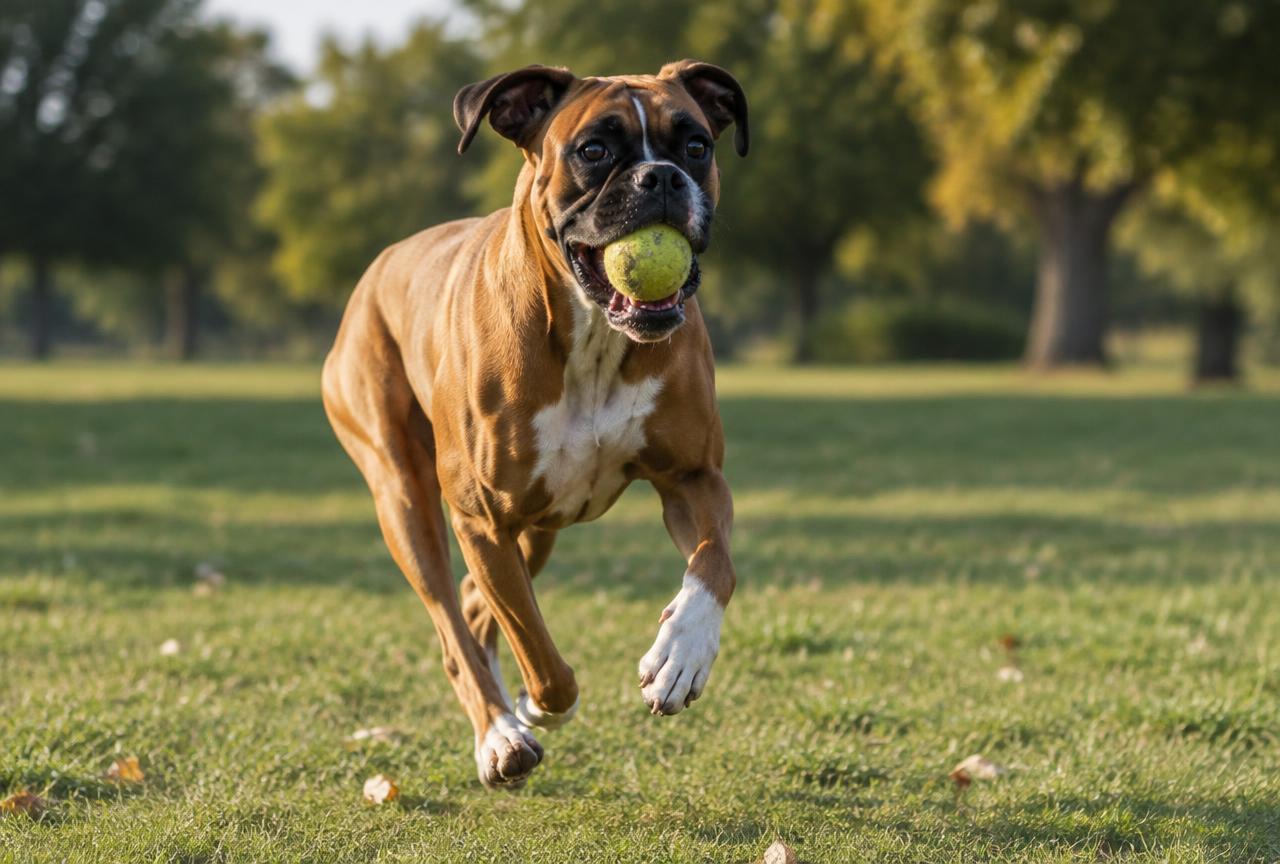
- Daily exercise needs are high, requiring at least ninety minutes of activity to prevent boredom and destructive behaviour.
- Their short muzzles make them sensitive to heat, so they must be kept cool and not overexerted in warm weather.
- Intensely loyal and protective, they are excellent family guardians but require early socialisation to be well adjusted.
- Weight
- 25 to 32 kg
- Height
- 53 to 63 cm
- Lifespan
- 10 to 12 yrs
- Size
- Large
- Group
- Working
- Coat
- Short, shiny, close fitting coat
- Grown male
- 30 to 32 kg
- Grown female
- 25 to 27 kg
- Years to full size
- about 2
- One-off setup
- €600 to 1200

Get one if…
- Active families with older children
- Owners who enjoy long walks and vigorous play
- Households with a large, secure garden
- People who want a loyal and protective watchdog
- Owners committed to early socialisation and training
Think again if…
- Sedentary owners or those with limited mobility
- Households where the dog is left alone for long periods
- Owners in very hot climates without air conditioning
- People who want a calm or low energy companion
- Flat dwellers without easy access to large green spaces
Trait profile
The Boxer is a high spirited working dog that needs a clear job, consistent boundaries, and a family that enjoys a very active lifestyle.
Space & setup. While they can adapt to larger flats if exercised heavily, a house with a secure garden is much better suited to their bouncy nature.
Allergies. The Boxer has a short coat that sheds moderately throughout the year and is not considered hypoallergenic.
Living with a Boxer
The Boxer is a medium to large, short haired breed developed in Germany, originally used for hunting and later as a police and guard dog. It is celebrated for its boundless energy, loyalty to its family, and a famously youthful temperament that often persists well into adulthood.
The Boxer was developed in Germany during the late nineteenth century, descending from the now extinct Bullenbeisser and the Bulldog. Originally bred as a hunting dog to hold large prey such as wild boar until the hunter arrived, the breed later found roles in police work and as one of the first breeds selected for guide dog training. Today, the Boxer is primarily a cherished family companion, known for its deep devotion and a playful, almost clownish personality that has earned it the nickname of the Peter Pan of the canine world. This breed is famously slow to mature, often retaining a puppy like exuberance and a tendency to bounce well into its third or fourth year, which requires owners to have both patience and a good sense of humour.
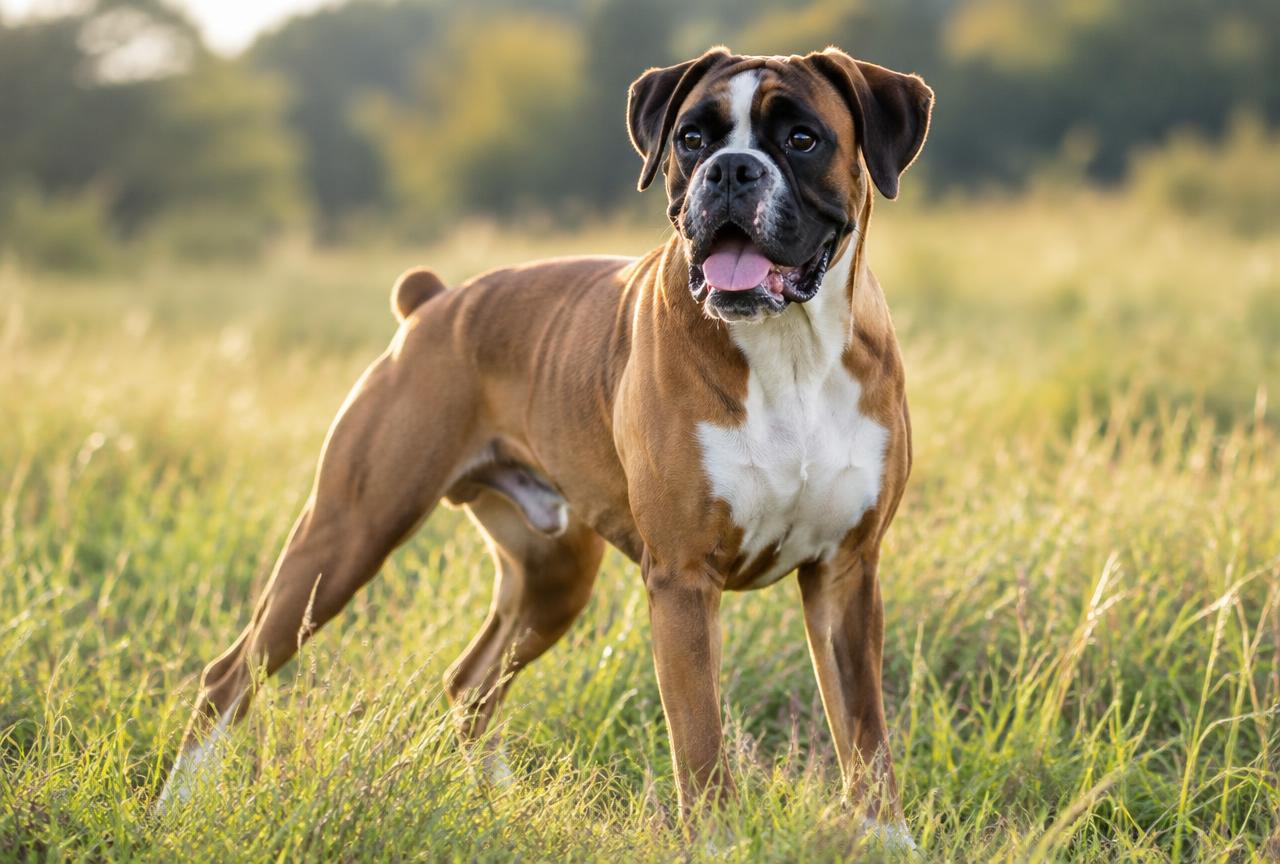
Physically, the Boxer is a powerful and athletic dog with a square build and a distinctive brachycephalic head. While their short muzzle gives them a unique look, it also means they are sensitive to extreme temperatures. Boxers do not tolerate heat well and can easily overheat during exercise in warm weather, so owners must plan walks for cooler times of the day. Their energy levels are exceptionally high, necessitating at least ninety minutes of vigorous activity daily. This should include a mix of brisk walking, free running in a secure area, and mental stimulation. Without adequate outlets for their energy, Boxers can become frustrated and may resort to destructive behaviours within the home.
In a family setting, Boxers are typically wonderful with children, being patient and protective, though their sheer bounciness can be overwhelming for toddlers. They are intensely loyal and tend to be wary of strangers at first, making them excellent watchdogs that will alert their family to unusual activity. However, they are not naturally aggressive and usually warm up to visitors once they see their owners are comfortable. Socialisation from a very early age is critical to ensure that their protective instincts remain balanced and that they grow into well adjusted adults who can handle various environments and people with confidence.
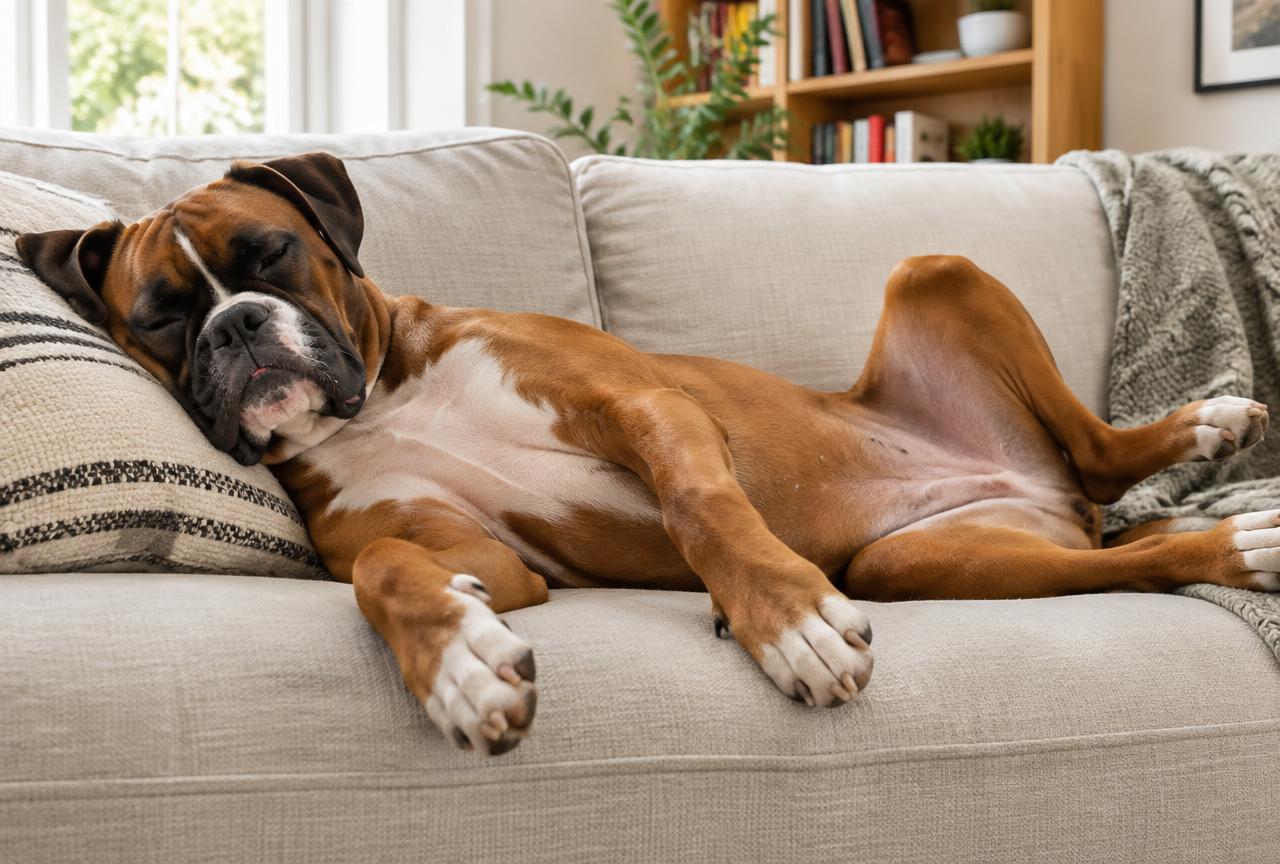
Training a Boxer is rewarding but sometimes challenging. They are highly intelligent and quick to learn, but they also possess a stubborn streak and can easily become bored with repetitive tasks. Positive reinforcement techniques using food, play, and praise work best, as Boxers respond poorly to harsh corrections which can cause them to shut down. Keeping training sessions short and fun will help maintain their focus. It is also important to work on impulse control from puppyhood to manage their natural tendency to jump up in greeting, a habit that can be difficult to break once they reach their full adult weight.
Health is a significant consideration for potential Boxer owners, as the breed is predisposed to several serious conditions. Heart health is a primary concern, with two major inherited conditions affecting the breed: Arrhythmogenic Right Ventricular Cardiomyopathy and aortic stenosis. Responsible breeders will perform rigorous heart screening, including Holter monitoring and echocardiograms, on all breeding stock to reduce the risk of passing these conditions to puppies. Cancer is another major issue, with Boxers having a higher incidence of mast cell tumours and lymphoma than many other breeds. Regular veterinary checkups and a keen eye for any new lumps or bumps are essential for early detection.
Beyond these heart and cancer concerns, Boxers are also prone to hip dysplasia and gastric dilatation volvulus, commonly known as bloat. Bloat is a life threatening condition where the stomach twists, and it requires immediate emergency veterinary intervention. Feeding smaller, frequent meals and avoiding vigorous exercise immediately before or after eating can help mitigate this risk. Despite these health challenges, a well bred Boxer from a health tested line can live a long and active life. The key is to work with reputable breeders who prioritise health and temperament above all else and to maintain a close relationship with a vet who understands the breed.
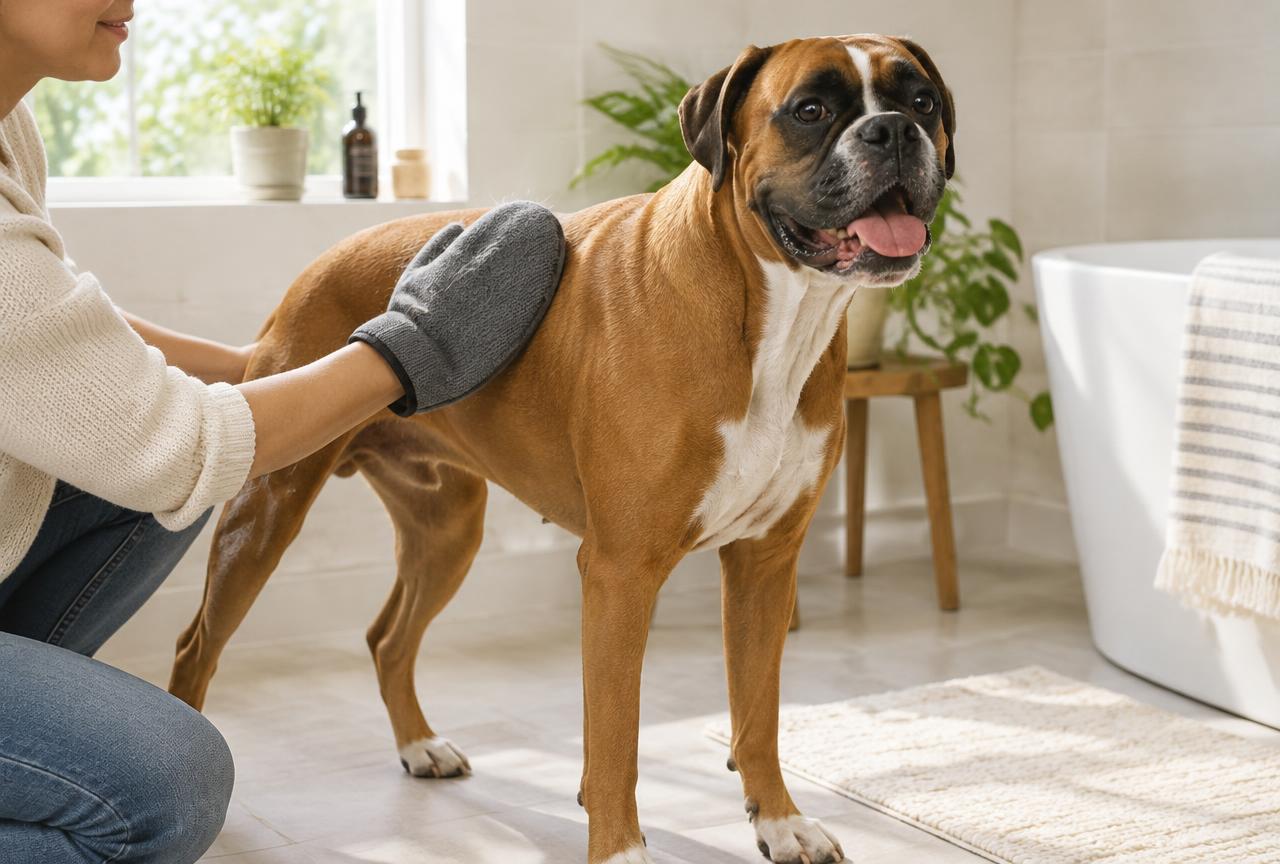
Grooming requirements for the Boxer are minimal, which is a relief for busy owners. Their short coat needs only a weekly brush with a rubber mitt to remove loose hair and keep it looking shiny. They are relatively clean dogs and do not have a strong doggy odour, so baths are only necessary when they get particularly dirty. However, they are known for being somewhat messy drinkers and can be prone to drooling, especially after eating or drinking, so keeping a towel handy is a practical tip for Boxer households. Their nails should be trimmed regularly, and dental hygiene should be maintained with frequent brushing.
In summary, the Boxer is an exceptional companion for active households that can provide the exercise, training, and affection this breed craves. They are not suited to sedentary lifestyles or homes where they will be left alone for long periods, as they thrive on human interaction. For those who can commit to their needs and manage their health requirements, the Boxer offers a lifetime of laughter and loyalty. They truly are the clowns of the dog world, bringing a unique joy to any home they inhabit. Their devotion is unparalleled, and their protective nature ensures a safe and happy environment for the entire family, making the effort required to raise them well worth the reward.
A high energy, affectionate companion that requires significant exercise and early socialisation to manage its bouncy enthusiasm.
Exercise, day to day
- 1Puppies (up to 6 months): gentle play and short walks, avoiding high impact jumping to protect developing joints.
- 2Adults: at least 90 minutes of daily exercise, including brisk walks and off lead time in secure areas.
- 3Mental stimulation: use interactive toys, scent work, or advanced obedience to tire their active minds.
- 4Temperature management: always exercise in the early morning or late evening during summer to avoid heatstroke.
- 5Avoid vigorous play immediately before or after meals to reduce the risk of bloat.
Grooming, realistically
- 1Brush weekly with a rubber curry brush or grooming mitt to remove dead hair.
- 2Bathe every 2 to 3 months or as needed, as they are generally clean dogs.
- 3Check ears weekly for redness or odour, especially after outdoor play.
- 4Trim nails every 3 to 4 weeks to prevent discomfort on hard floors.
- 5Brush teeth daily or at least three times a week to maintain oral health.
What you actually need
- Rubber curry brush or hound mitt
- Large dog nail clippers
- Mild dog shampoo
- Dog safe ear cleaner
- Enzymatic toothpaste and long handled brush
- Absorbent towel for drool and post walk cleanup
Puppy to adult
| Age | Male | Female | What is happening |
|---|---|---|---|
| 8 weeks | 6 to 9 kg | 5 to 8 kg | Rapidly growing puppy with high energy and a big appetite. |
| 3 months | 10 to 13 kg | 9 to 12 kg | Socialisation should be a priority during this peak learning phase. |
| 6 months | 18 to 22 kg | 16 to 20 kg | Adolescent stage where bounciness and strength increase significantly. |
| 9 months | 24 to 28 kg | 22 to 26 kg | Approaching adult height but still filling out in muscle and chest. |
| 12 months | 28 to 32 kg | 25 to 29 kg | Most growth is complete, though they will continue to broaden for another year. |
| 18 months | 30 to 32 kg | 25 to 32 kg | Full adult weight and physical maturity are reached. |
Ranges are typical, not targets. Judge condition by ribs and waist, and check with the ideal weight checker.
What to ask a breeder
- Can you provide Holter monitor and echocardiogram results for both parents?
- Are the parents screened for hip dysplasia and what are their scores?
- Is there a history of cancer, specifically mast cell tumours, in your lines?
- How do you socialise the puppies to prepare them for a family environment?
- Can I meet the mother and see the conditions in which the puppies are raised?
- What support do you offer for new owners during the first year of the puppy's life?
Health tests to ask for
Ask to see results for both parents before you put down a deposit.
- Heart screening (Holter monitoring and echocardiogram) for ARVC and aortic stenosis
- Hip scoring (BVA/KC scheme)
- Eye testing for hereditary conditions
- Regular screening for mast cell tumours and other cancers
- Thyroid function checks if metabolism issues are suspected
Health watch-list
What to ask a breeder about, and what to watch for over a lifetime. This is orientation, not veterinary advice, anything you notice belongs in front of a vet.
ARVC (Boxer Cardiomyopathy)
NotableA serious heart rhythm disorder that can lead to fainting or sudden death; annual Holter monitoring is recommended.
Aortic Stenosis
NotableA narrowing of the aortic valve that strains the heart; breeding stock should be cleared by a veterinary cardiologist.
Mast Cell Tumours
CommonBoxers are highly prone to these skin cancers; early detection through regular skin checks and prompt biopsy is vital.
Hip Dysplasia
NotableAn inherited condition where the hip joint does not fit together perfectly, potentially leading to arthritis.
Bloat (GDV)
CommonA life threatening condition where the stomach twists; small frequent meals and avoiding post meal exercise are important.
Heat Sensitivity (BOAS)
CommonDue to their short muzzles, Boxers struggle to cool themselves efficiently and can overheat rapidly in warm weather.
What it costs to keep one
Realistic running cost
€165 / month
About €1,980 a year, or roughly €21,780 across a 11-year life, before purchase price, neutering and one-off vet events.
Before the puppy arrives. Budget roughly €600 to 1200 for a crate, bed, lead and harness, bowls, puppy classes, first vaccinations and grooming kit sized for this breed. Figures throughout are indicative and vary a good deal between countries.
Interactive · built for this breed
Is a Boxer right for your home?
Seven honest questions about your space, time and household, checked against this breed's exercise need, coat, sociability and tolerance for time alone.
Fit with your routine
90%
A strong fit
Your routine suits a Boxer well. Meet adult dogs of the line before you commit.
What to sort out first
- Needs more daily exercise than you have pencilled in.
Working in your favour
- Coat care fits the grooming time you offered.
Compare more breeds in the matchmaker, or plan meals with the portion calculator.
The verdict, by household
First-time owner
A challenging choice
Their high energy and strength can be challenging for beginners without professional guidance.
Family with children
A great match
Excellent and patient with children, though their bounciness requires supervision with toddlers.
Active single or couple
An ideal companion
Perfect for those who can dedicate time to vigorous daily exercise and ongoing training.
Owner in a flat
Not ideal
Only suitable if the owner is very active and has access to nearby green spaces for running.
When to call your vet
- Fainting or sudden collapse, which can be a sign of serious heart conditions like ARVC
- New lumps or skin masses, which must be checked immediately due to the high risk of cancer
- Excessive panting or difficulty breathing, especially in warm weather or after exercise
- Restlessness, unproductive retching, or a distended abdomen, which are signs of life threatening bloat
- Lameness or stiffness in the hind legs, which could indicate hip dysplasia or arthritis
Nothing here is a diagnosis. A swollen, hard belly with retching, collapse, breathing difficulty and sudden hind-leg weakness are emergencies: go straight away.
Boxer vs the closest alternatives
| Breed | Weight | Energy | Grooming | € / month |
|---|---|---|---|---|
| Boxer | 25 to 32 kg | 9/10 | 2/10 | €165 |
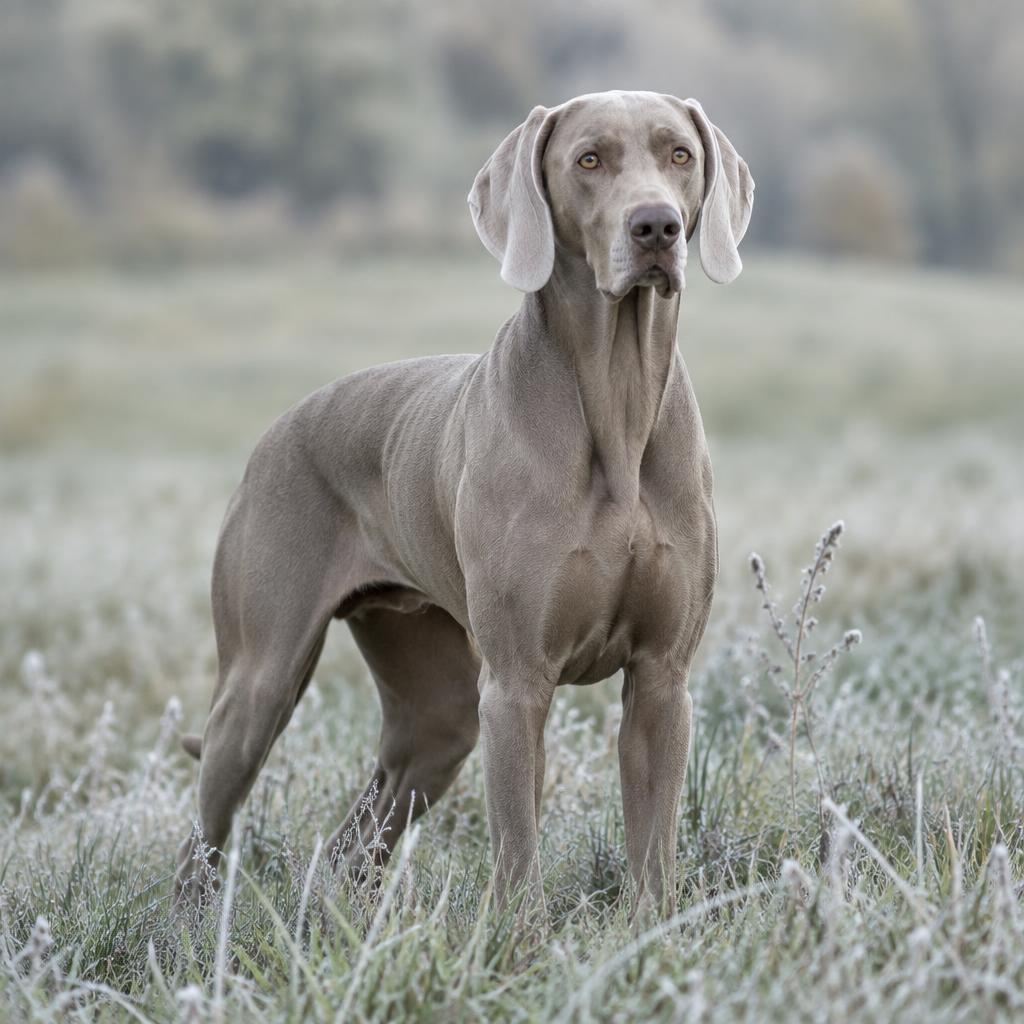
| Weimaraner | 25 to 40 kg | 9/10 | 2/10 | €203 |
| Labrador Retriever | 25 to 36 kg | 8/10 | 3/10 | €215 |
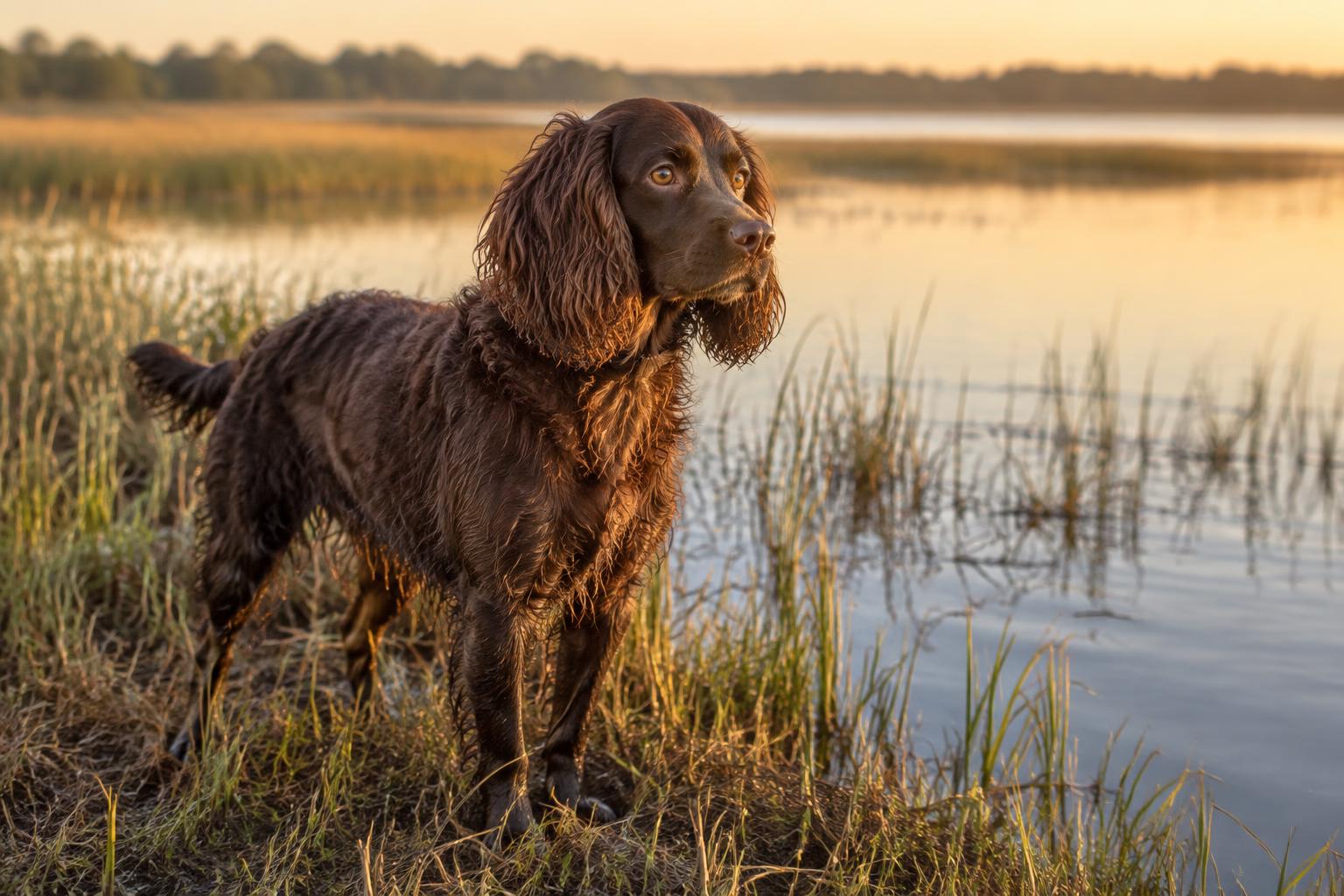
| Boykin Spaniel | 11 to 18 kg | 8/10 | 5/10 | €88 |
Boxer questions, answered
Are Boxers good family dogs?
Yes, Boxers are renowned for being devoted, patient, and protective family companions. They generally adore children and thrive on human interaction, though their high energy levels and bounciness mean they are often best suited to active households with older children who can handle their boisterous play style.
Why are Boxers called the Peter Pan of dogs?
Boxers are often called the Peter Pan of the canine world because they are famously slow to mature. Many Boxers retain their puppy like enthusiasm, playful antics, and high energy levels until they are well into their third or fourth year, requiring owners who appreciate a dog that remains young at heart.
Do Boxers need a lot of exercise?
Absolutely. Boxers are high energy working dogs that require at least ninety minutes of vigorous exercise every day. This should include a combination of long walks, free running in secure areas, and plenty of mental stimulation to prevent boredom and the development of destructive habits within the home.
Are Boxers prone to cancer?
Unfortunately, Boxers have a higher incidence of certain cancers, particularly mast cell tumours and lymphoma, compared to many other breeds. Owners should be vigilant about checking for any new lumps, bumps, or skin changes and seek veterinary advice immediately if anything unusual is found to ensure early treatment.
Can Boxers live in flats?
While it is possible for a Boxer to live in a flat, it is not ideal. They are large, bouncy dogs that benefit significantly from having a secure garden to burn off energy. If kept in a flat, owners must be exceptionally committed to providing multiple long walks and intense exercise sessions every single day.
Are Boxers easy to train?
Boxers are intelligent and eager to please, which can make training successful, but they also have a stubborn streak and a short attention span. They respond best to positive, reward based training that is kept fun and varied. Patience and consistency are key to managing their exuberant nature.
Do Boxers drool a lot?
Some Boxers can be significant droolers, particularly after eating, drinking, or during exercise and excitement. While not every individual drools excessively, it is a common trait of the breed due to their jowl structure. Many Boxer owners find it helpful to keep a towel handy for quick cleanups around the house.
Sources
- Boxer breed standard, The Kennel Club
- Boxer breed information, American Kennel Club
- Health schemes for breeders, British Veterinary Association
- Boxer health statistics, Orthopedic Foundation for Animals
- Boxer health and genetics, Boxer Health UK
Put it into practice
Reading that goes with this

Health
Why Is My Dog Panting So Much? Causes and Warning Signs

Puppies
Crate Training a Puppy: A 14-Day Plan

Health
Why Is My Dog Shaking? Causes and When to Worry

Health
Dog Ear Infections: Signs, Causes and Treatment
Health
Dog Vomiting: Causes, Colours and When to Worry

Care
Dog Years to Human Years: The Real Science
Health
Dog Breathing Fast: Normal Panting, Dreaming and Danger Signs
Health
Dog Dry Nose: The Myth, the Causes and When It Matters
Training
How to Stop a Dog Jumping Up at People

Health
Dog Dry Heaving: Causes and When It Is an Emergency