

Gundog group
Germany
Weimaraner
The Weimaraner is a devoted, high energy German gundog prone to separation distress, needing daily vigorous exercise and bloat precautions.
Reviewed against Kennel Club and breed club health guidance
A sleek, intelligent German gundog bred to hunt all day, needing constant company and daily hard exercise.
The short version
- Weimaraners form intense bonds with their family and cope badly with being left alone for long periods.
- This is a high energy gundog needing well over an hour of vigorous exercise most days, not a gentle stroll.
- As a deep chested large breed, it carries a real risk of bloat, so feeding and exercise routines matter.
- Training should start early and stay consistent, since the breed can be stubborn and independent minded.
- Hip, eye and growth related conditions mean health screening of breeding stock is worth asking about.
- Weight
- 25 to 40 kg
- Height
- 58 to 69 cm
- Lifespan
- 10 to 13 yrs
- Size
- Large
- Group
- Gundog
- Coat
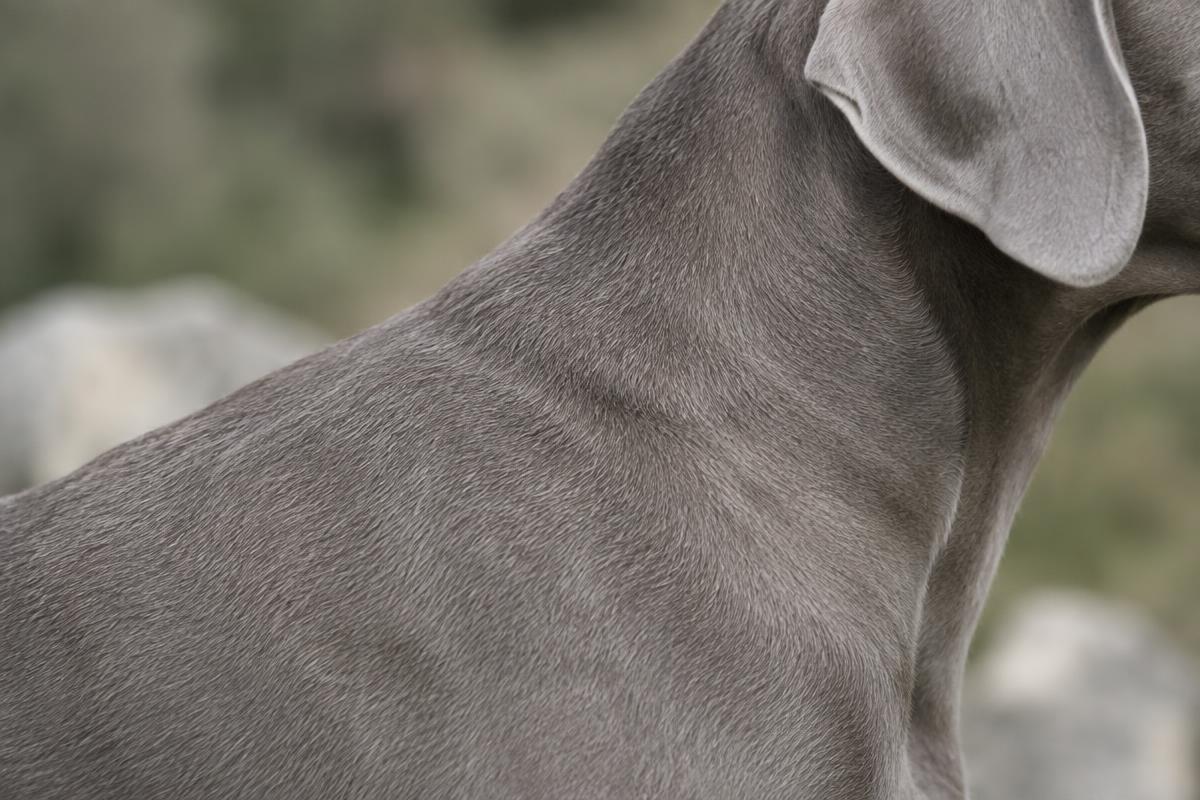
- Short, smooth, grey to mouse grey
- Grown male
- 30 to 40 kg
- Grown female
- 25 to 35 kg
- Years to full size
- about 1.5
- One-off setup
- €700 to 1400
Get one if…
- Active households where someone is usually home for much of the day
- Owners wanting a dog involved in hiking, running or gundog activities
- People able to commit to over an hour of vigorous exercise daily
- Experienced owners willing to start training and socialisation early
- Families with older, considerate children used to large, boisterous dogs
Think again if…
- Owners who work long hours away from home regularly
- Flats or homes without easy access to secure open space
- People wanting a calm, independent dog content with its own company
- Households with small pets, poultry or livestock nearby
- First time owners unwilling to commit to early, consistent training
Trait profile
The Weimaraner pairs very high energy and prey drive with intense attachment to its people, so daily vigorous exercise and genuine company matter as much as training.
Space & setup. A house with a securely fenced garden and easy access to open running space suits this breed far better than a flat or a home without a safely enclosed outdoor area.
Allergies. The short, smooth coat sheds moderately year round and is not considered suitable for households with significant allergy concerns.
Living with a Weimaraner
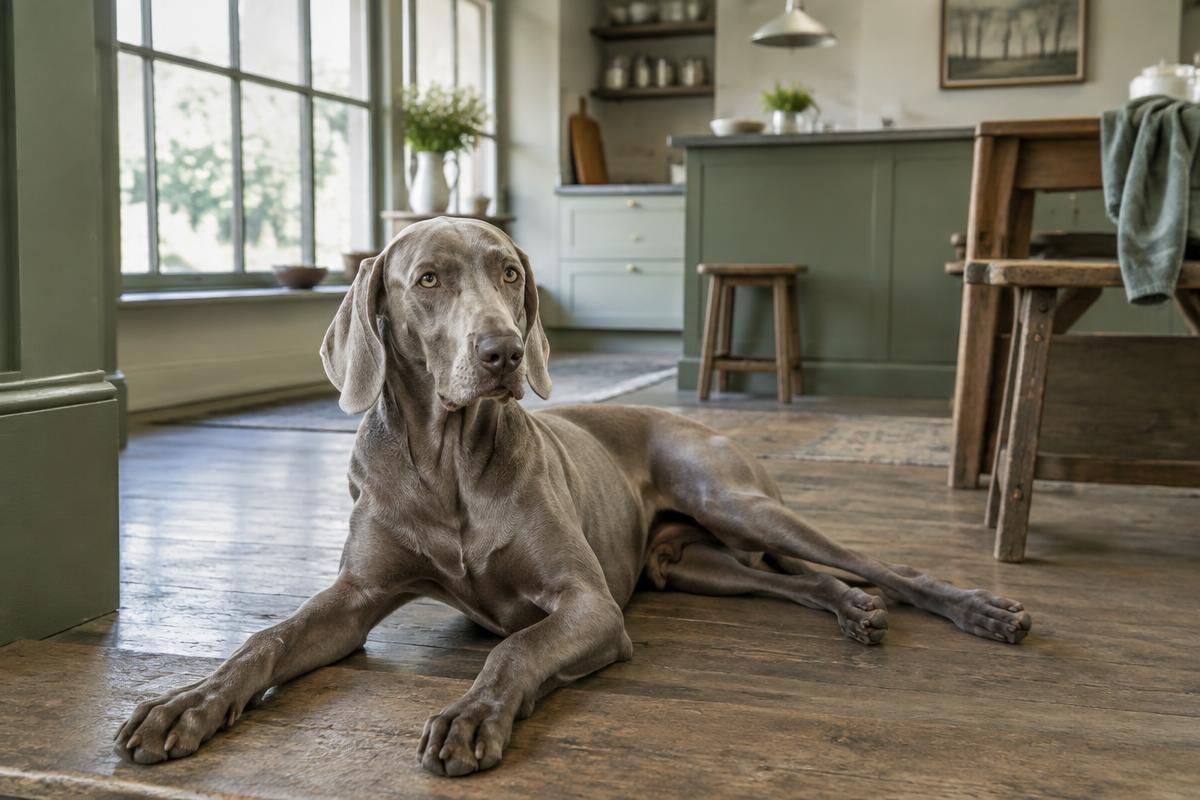
The Weimaraner is a sleek, silver grey German gundog developed to track and point large game across long days in the field, prized for its stamina, nose and intense focus on its handler. It is deeply attached to its family, often called velcro for its need to stay close, and struggles badly if left alone for long periods.
The Weimaraner was developed in early nineteenth century Germany at the court of Weimar, bred by noblemen who wanted a versatile gundog capable of tracking, pointing and retrieving large game such as deer, boar and bear across a full day in demanding terrain. As big game became scarcer, the breed was refined for smaller quarry and wildfowl, but it kept the stamina, independence and intense focus on its handler that made it so effective in the field. Its striking silver grey coat and pale amber or blue grey eyes earned it the nickname the grey ghost, and for many years it was kept almost exclusively within a closed German hunting club, with strict control over breeding and exports, before spreading more widely to Britain and the United States in the twentieth century, where it found a second career as a versatile family and working dog.
In the house, the Weimaraner is affectionate to the point of being described as velcro, following its people from room to room and struggling to settle when left out of sight for any length of time. This is not a breed that copes well with being left alone for long stretches, and many develop genuine separation distress, including destructive chewing, howling and attempts to escape, if routinely left for a full working day without support such as a dog walker, daycare or a family member at home. It is generally warm and demonstrative with its own family and reasonably good with children in an active household, though its size, strength and exuberance mean small children can be knocked over during enthusiastic play. It tends to be watchful and can be reserved or aloof with strangers, making early, deliberate socialisation to new people, places and situations an important part of raising a confident adult.
Exercise is not optional for this breed, and anyone considering one should be honest about their daily routine before taking the plunge. A short walk around the block does not come close to meeting its needs, and an under exercised Weimaraner quickly becomes destructive, vocal, overweight or anxious. It needs well over an hour of vigorous activity most days, ideally including off lead running in safe, securely fenced areas, scent work, retrieving games and structured training sessions that use its gundog instincts constructively rather than leaving it to find its own outlets. Training should start early and stay consistent, since this is an intelligent, sometimes stubborn breed that was bred to work semi independently in the field; firm, patient, reward based handling from puppyhood pays off, while a bored, under worked and under trained adult can become a genuine handful around the house and garden. Its strong prey drive means recall around livestock, poultry or other small pets needs careful, gradual and well managed training from a young age.
Health is a serious consideration for prospective owners. Like other deep chested, large breeds, the Weimaraner is at real risk of gastric dilatation volvulus, or bloat, a sudden and life threatening twisting of the stomach that requires emergency surgery; owners should feed smaller, more frequent meals, avoid vigorous exercise close to mealtimes and learn the warning signs, such as a swollen abdomen, retching without producing anything and obvious distress. Hip dysplasia is also common enough that breeding stock should be hip scored before being used, and growing puppies can suffer hypertrophic osteodystrophy, a painful inflammation of the growth plates, if overfed or over exercised too young on hard surfaces. Entropion and distichiasis, both conditions affecting the eyelids and lashes that can irritate the surface of the eye, occur often enough to be worth screening for, and a small number of dogs carry von Willebrand's disease, an inherited bleeding disorder worth testing for well before any planned surgery.
This is a breed best suited to an active family or couple who are genuinely home for much of the day, enjoy demanding outdoor exercise in most weather and want a dog involved in every part of their lives, ideally with some gundog background, scent work interest or willingness to learn alongside the dog. It is not a good match for anyone who works long hours away from home, lives in a flat without easy access to secure open space, or wants a low key, independent dog that is content with its own company for hours at a time. Done right, with enough exercise, company, mental work and consistent training from puppyhood, the Weimaraner is a loyal, striking and deeply engaging companion, but it asks a great deal of the time, patience and commitment of the people it lives with, and it rarely thrives as an afterthought.
A striking, velcro gundog that needs daily vigorous exercise, early training and a family who is rarely out of the house.
Exercise, day to day
- 1Puppies (8 to 20 weeks): short, gentle sessions of play and lead walking, avoiding hard surfaces and long runs while bones develop.
- 2Adults: well over an hour a day of vigorous exercise, including off lead running in securely fenced areas where recall is reliable.
- 3Scent and retrieving games: use tracking, hide and seek or retrieving work several times a week to meet gundog instincts.
- 4Mealtime care: avoid strenuous exercise for an hour either side of meals to help reduce the risk of bloat.
- 5Mental work: combine physical exercise with training sessions and puzzle feeders to prevent boredom related behaviour.
Grooming, realistically
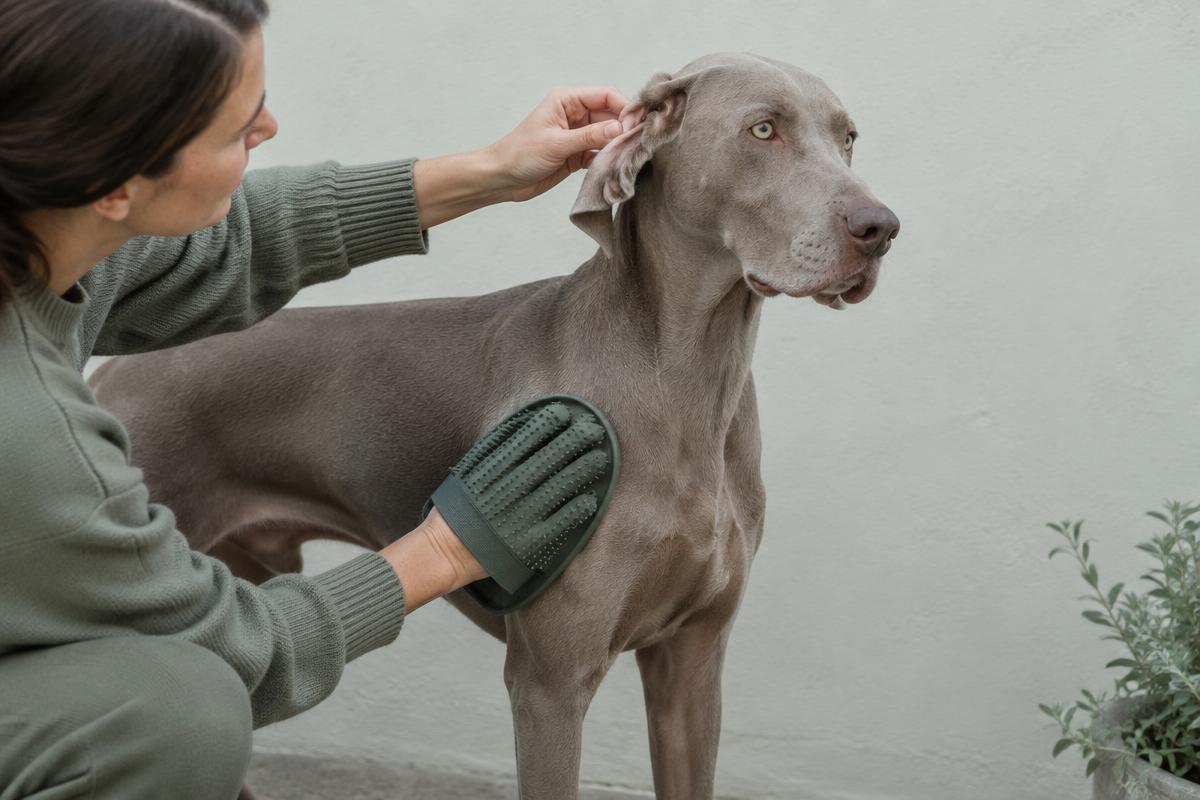
- 1Brush weekly with a soft bristle or rubber grooming mitt to remove loose hair and keep the coat glossy.
- 2Bathe only occasionally, as the short coat sheds dirt easily and over bathing can dry the skin.
- 3Check and wipe the ears weekly, since floppy ears can trap moisture.
- 4Trim nails every 3 to 4 weeks, as this active breed can still wear them unevenly.
- 5Brush teeth several times a week to reduce tartar build up.
What you actually need
- Rubber grooming mitt or soft bristle brush
- Dog nail clippers
- Ear cleaning solution and cotton pads
- Enzymatic dog toothpaste and brush
- Gentle dog shampoo
- Long training line for secure off lead work
Puppy to adult
| Age | Male | Female | What is happening |
|---|---|---|---|
| 8 weeks | 4 to 6 kg | 3.5 to 5.5 kg | Lanky puppy build with noticeably long legs for its size. |
| 3 months | 9 to 13 kg | 8 to 11 kg | Rapid growth phase, exercise should stay gentle to protect developing joints. |
| 6 months | 17 to 24 kg | 15 to 20 kg | Adolescent stage with lanky build and growing independence. |
| 9 months | 22 to 30 kg | 19 to 26 kg | Approaching adult height, though the frame is still filling out. |
| 12 months | 27 to 36 kg | 22 to 30 kg | Close to adult weight, though some dogs continue filling out. |
| 18 months | 30 to 40 kg | 25 to 35 kg | Full adult size and muscle tone reached. |
Ranges are typical, not targets. Judge condition by ribs and waist, and check with the ideal weight checker.
What to ask a breeder
- Can I see hip scores and eye screening results for both parents?
- Has either parent been tested for von Willebrand's disease?
- How do you socialise puppies to being left alone for short periods?
- What feeding schedule do you recommend to help reduce the risk of bloat?
- How do the puppies react to handling, noise and other dogs?
Health tests to ask for
Ask to see results for both parents before you put down a deposit.
- BVA/KC hip score
- Eye examination for entropion and distichiasis
- Von Willebrand's disease DNA test
- Growth plate and skeletal monitoring in puppies
- Cardiac auscultation and general veterinary health check
Health watch-list
What to ask a breeder about, and what to watch for over a lifetime. This is orientation, not veterinary advice, anything you notice belongs in front of a vet.
Gastric dilatation volvulus (bloat)
CommonThe deep chest makes the stomach prone to twisting after large meals or exercise, so smaller meals and rest around mealtimes are important, and any sudden swelling or retching needs emergency treatment.
Hypertrophic osteodystrophy
NotableThis painful inflammation of growth plates can affect fast growing puppies, so avoiding overfeeding and excessive exercise during the growth period matters, and any lameness in a young puppy should be checked promptly.
Entropion and distichiasis
CommonInward rolling eyelids or misplaced eyelashes can irritate the eye surface, so ask whether breeding stock have had an eye examination and watch for excessive blinking or rubbing.
Von Willebrand's disease
UncommonThis inherited bleeding disorder can cause excessive bruising or prolonged bleeding, so a DNA test before any planned surgery is a sensible precaution.
Hip dysplasia
CommonMalformed hip joints can cause discomfort and early arthritis, so asking for hip scores of both parents helps reduce the risk in a puppy.
Inherited hairlessness
RareA very rare inherited condition causing patches of hair loss, mostly of cosmetic concern, worth mentioning to a vet if noticed but not usually serious.
What it costs to keep one
Realistic running cost
€203 / month
About €2,436 a year, or roughly €29,232 across a 12-year life, before purchase price, neutering and one-off vet events.
Before the puppy arrives. Budget roughly €700 to 1400 for a crate, bed, lead and harness, bowls, puppy classes, first vaccinations and grooming kit sized for this breed. Figures throughout are indicative and vary a good deal between countries.
Interactive · built for this breed
Is a Weimaraner right for your home?
Seven honest questions about your space, time and household, checked against this breed's exercise need, coat, sociability and tolerance for time alone.
Fit with your routine
91%
A strong fit
Your routine suits a Weimaraner well. Meet adult dogs of the line before you commit.
What to sort out first
- Needs more daily exercise than you have pencilled in.
Working in your favour
- Coat care fits the grooming time you offered.
Compare more breeds in the matchmaker, or plan meals with the portion calculator.
The verdict, by household
First-time owner
A good choice with realistic expectations
Rewarding but demanding, first time owners need to commit fully to early training and daily exercise.
Family with children
A strong choice
Affectionate and playful with older, considerate children, though its size and energy suit a home used to boisterous dogs.
Active single or couple
An excellent match
The energy, stamina and close bonding this breed needs fit an active, mostly home based lifestyle very well.
Owner in a flat with close neighbours
Not recommended
High exercise needs and separation distress make flat living and long working hours a poor match for this breed.

When to call your vet
- A visibly swollen, tight abdomen with unproductive retching, which can signal bloat and needs emergency care
- Reluctance to rise, stiffness or exercise intolerance, which may point to hip dysplasia
- Lameness or pain in growing puppies, which can suggest hypertrophic osteodystrophy
- Excessive blinking, redness or rubbing at the eyes, which may indicate entropion or distichiasis
- Unusual bruising or prolonged bleeding from minor cuts, which can suggest von Willebrand's disease
Nothing here is a diagnosis. A swollen, hard belly with retching, collapse, breathing difficulty and sudden hind-leg weakness are emergencies: go straight away.
Weimaraner vs the closest alternatives
| Breed | Weight | Energy | Grooming | € / month |
|---|---|---|---|---|
| Weimaraner | 25 to 40 kg | 9/10 | 2/10 | €203 |
| Boxer | 25 to 32 kg | 9/10 | 2/10 | €165 |
| Hungarian Vizsla | 18 to 30 kg | 9/10 | 2/10 | €179 |
| Dobermann | 32 to 45 kg | 9/10 | 2/10 | €218 |
Weimaraner questions, answered
Are Weimaraners good family dogs?
Weimaraners can be good family dogs for active households with older, considerate children, since they are affectionate and playful with their own people. Their size, strength and high energy mean they can knock over toddlers during play, and they need an owner committed to daily exercise and early training rather than a passive family pet.
Why are Weimaraners called grey ghosts?
The nickname comes from the breed's distinctive short, smooth coat, which ranges from silver grey to a paler mouse grey, combined with its pale amber or blue grey eyes. The pale colouring and the breed's habit of moving quickly and quietly through cover while hunting gave rise to the ghostly nickname.
Can Weimaraners be left alone?
Not for long periods. Weimaraners are extremely attached to their family and are prone to genuine separation distress, including destructive chewing, howling and attempts to escape, if regularly left alone for a full working day. They do best with a family member home for much of the day or support such as daycare or a dog walker.
How much exercise does a Weimaraner need?
A great deal, well over an hour of vigorous activity most days, ideally including off lead running in secure areas, scent work and retrieving games. A short walk around the block does not meet this breed's needs, and under exercised Weimaraners often become destructive, vocal or anxious.
What is bloat in Weimaraners?
Bloat, or gastric dilatation volvulus, is a sudden and life threatening twisting of the stomach that deep chested breeds like the Weimaraner are prone to. Warning signs include a swollen abdomen, unproductive retching and obvious distress, and it requires emergency veterinary treatment, so feeding smaller meals and avoiding exercise around mealtimes helps reduce the risk.
Do Weimaraners shed?
Yes, Weimaraners shed moderately all year round despite their short coat, and weekly brushing with a rubber mitt helps manage loose hair. The coat itself needs very little other maintenance, making grooming one of the easier aspects of owning this breed.
How long do Weimaraners live?
Weimaraners typically live between 10 and 13 years. Keeping weight well controlled, managing bloat risk through careful feeding and keeping up with hip and eye screening through life all help give a Weimaraner the best chance of reaching the upper end of that range in good health.
Sources
- Weimaraner breed standard, The Kennel Club
- Weimaraner breed information, American Kennel Club
- Bloat, gastric dilatation volvulus, British Veterinary Association
- Hip dysplasia scheme, British Veterinary Association
- Caring for a Weimaraner, PDSA
Put it into practice
Reading that goes with this

Puppies
Crate Training a Puppy: A 14-Day Plan

Health
Dog Ear Infections: Signs, Causes and Treatment

Health
Dog Reverse Sneezing: Causes and What to Do

Health
Why Is My Dog Panting So Much? Causes and Warning Signs

Health
Why Is My Dog Shaking? Causes and When to Worry

Training
How to Stop a Dog Barking: A Practical Guide
Breeds people compare with this
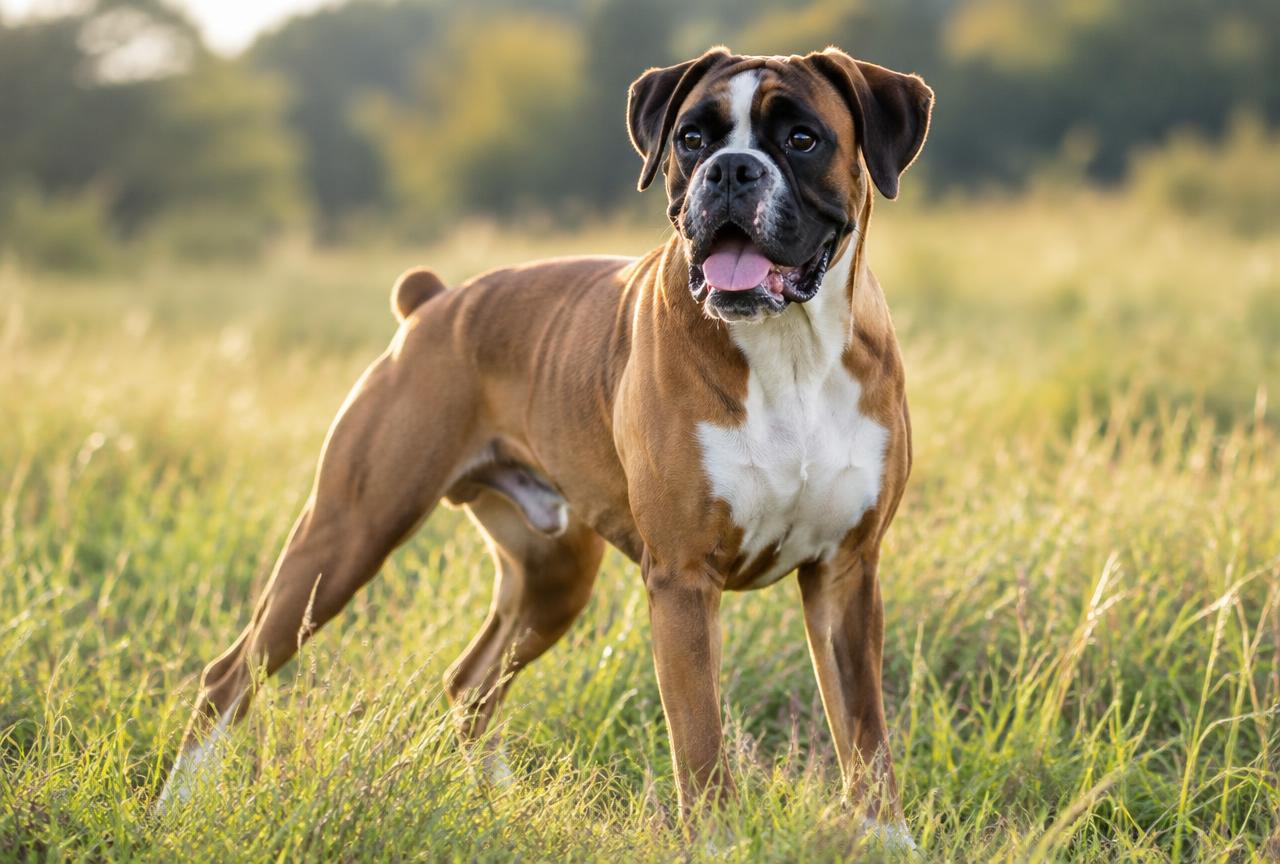
Boxer
An energetic, devoted working dog known for its playful spirit and protective nature.

Hungarian Vizsla
A velcro gundog bred to work closely with its handler all day, needing roughly two hours of exercise and genuine daily company.

Dobermann
A sleek, devoted guardian with a famously soft heart that needs a confident, present owner.