
Why Is My Dog Shaking? Causes and When to Worry
A trembling dog is not always cause for alarm, but knowing the warning signs helps you act quickly when it matters.
The SniffScroll desk
Dog care editors
Published 30 September 2026 · Updated 9 October 2026

Reviewed against RVC, BSAVA and PDSA guidance
The short version
- Brief shaking from cold, excitement or mild stress is usually harmless.
- Persistent or severe shaking paired with vomiting or weakness needs urgent vet attention.
- Poisoning, low blood sugar and neurological problems can all cause tremors.
- Small breeds lose body heat faster and shiver more easily in cold weather.
- Keeping a record of when shaking happens helps a vet reach a diagnosis faster.
Why do dogs shake or tremble?
Shaking or trembling in dogs can mean many different things, from feeling cold to feeling frightened, or from mild excitement to a genuine medical emergency. The key to understanding it is context: what was happening just before the shaking started, how long it lasts, and whether other symptoms come with it. Small, brief bouts of shaking after waking up, getting excited, or coming in from the cold are almost always harmless. Persistent, severe, or unexplained shaking, especially alongside vomiting, weakness, or collapse, needs prompt veterinary attention.
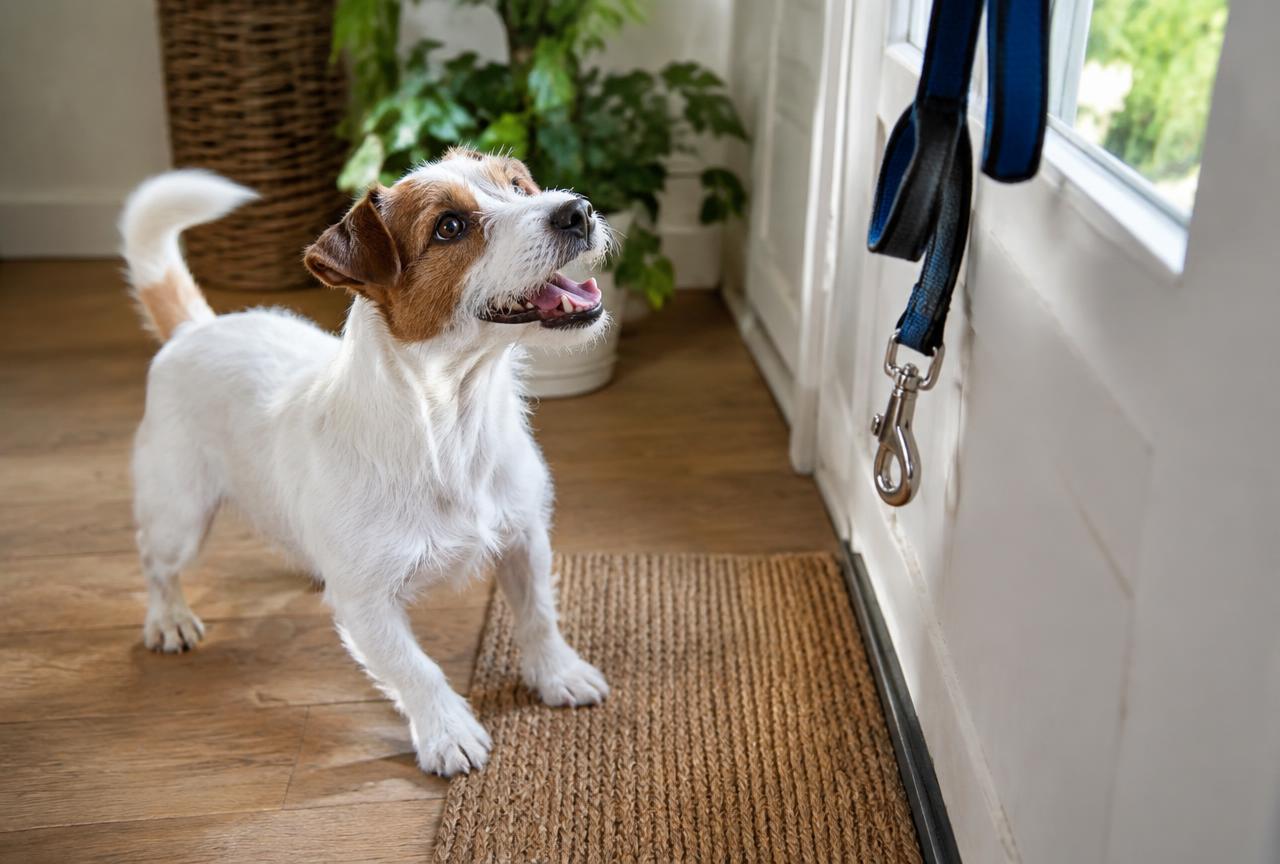
Common harmless causes
Cold
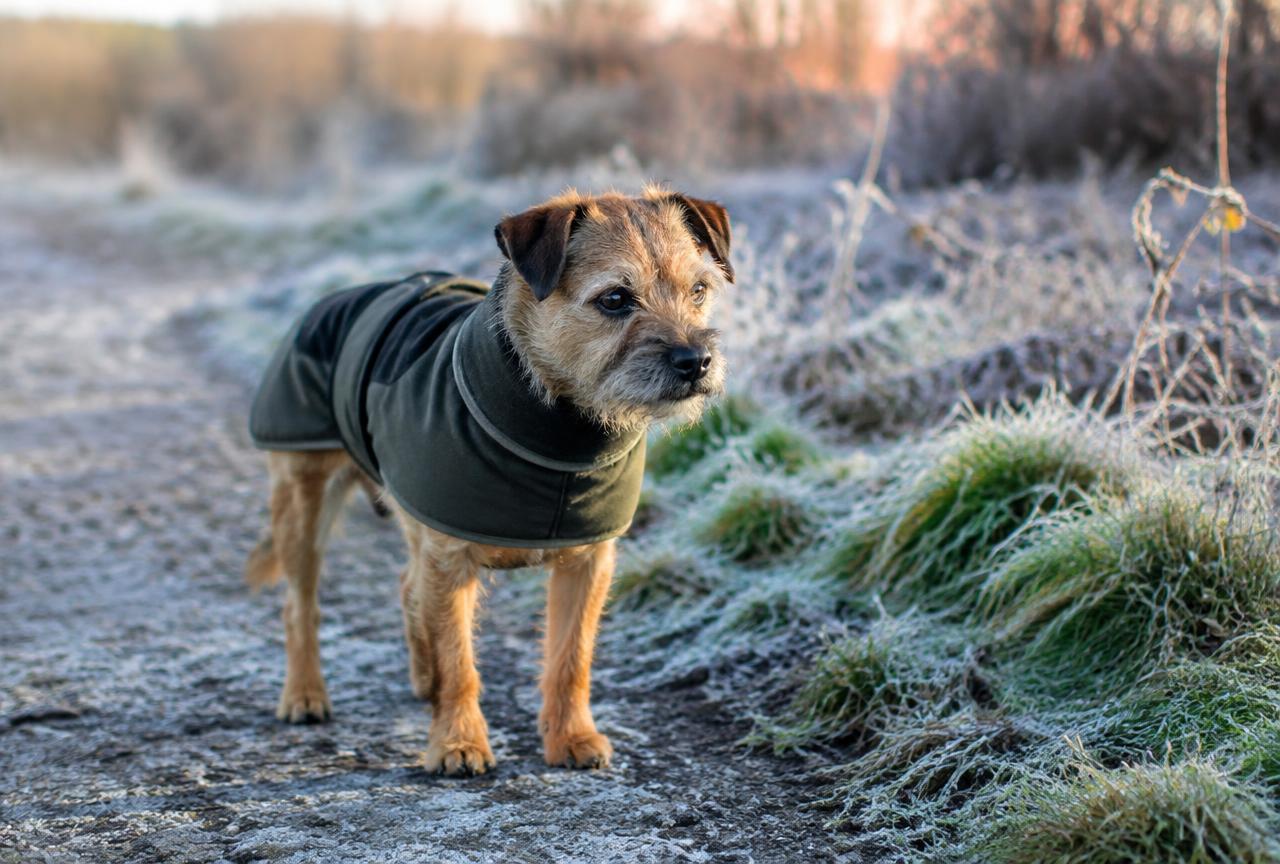
Small, short-coated, thin, or elderly dogs lose heat quickly and often shiver simply because they are cold. This is especially common after a bath, a swim, or a walk in chilly weather, and usually resolves quickly once the dog is dry and warm.
Excitement or anticipation
Many dogs tremble briefly when excited, such as before a walk, at mealtimes, or when greeting a favourite person. This kind of shaking is typically short-lived and paired with a wagging tail and generally happy body language.
Stress or fear
Loud noises such as thunderstorms and fireworks, unfamiliar environments, vet visits, and separation from an owner are all common triggers for anxiety-related shaking. This often comes with panting, pacing, hiding, or trying to stay close to a person.
Old age
Older dogs, particularly small breeds, sometimes develop mild tremors, especially in the back legs, as a normal part of ageing or due to mild muscle weakness. A vet can help distinguish this from more concerning causes.
| Cause | Typical trigger | Other signs present | Usually needs a vet? |
|---|
| Cold | Wet fur, cold weather, thin coat | Seeking warmth, curling up | Rarely |
|---|
| Excitement | Walks, food, greetings | Wagging tail, happy posture | No |
|---|
| Fear or anxiety | Loud noises, new places, vet visits | Panting, hiding, pacing | Sometimes, if severe |
|---|
| Pain | Injury, illness | Reluctance to move, whining | Yes |
|---|
| Poisoning | Access to toxins, chocolate, certain plants | Vomiting, drooling, collapse | Yes, urgently |
|---|
| Neurological or metabolic | No clear trigger, older dogs | Weakness, disorientation, seizures | Yes, urgently |
|---|
Interactive · shaking checker
Is your dog's shaking something to worry about?
Shaking has plenty of harmless causes, but a few warning signs change the picture. Walk through them here.
Likely nothing to worry about
Shaking tied to cold, excitement or after exercise is normal and should settle on its own.
When shaking signals a medical problem
Pain
Dogs in pain, whether from an injury, arthritis, or an internal problem such as pancreatitis, often tremble as part of their overall discomfort. This is frequently paired with reluctance to move, a hunched posture, or sensitivity when touched in a particular area.
Poisoning
Certain foods and substances, including chocolate, xylitol, some plants, and various household chemicals, can cause tremors, vomiting, drooling, and collapse. According to the ASPCA Animal Poison Control Center, tremors combined with vomiting or sudden weakness after possible access to something toxic should always be treated as an emergency.
Low blood sugar
Small breed puppies, toy breeds, and dogs with certain medical conditions can experience low blood sugar, which often causes shaking, weakness, and lethargy. This can develop quickly and needs prompt attention.
Neurological conditions
Generalised tremor syndrome, certain neurological diseases, and seizure activity can all cause shaking that looks different from ordinary trembling, often more rhythmic, whole-body, or accompanied by disorientation. A vet examination, and sometimes further tests, is needed to reach a diagnosis.
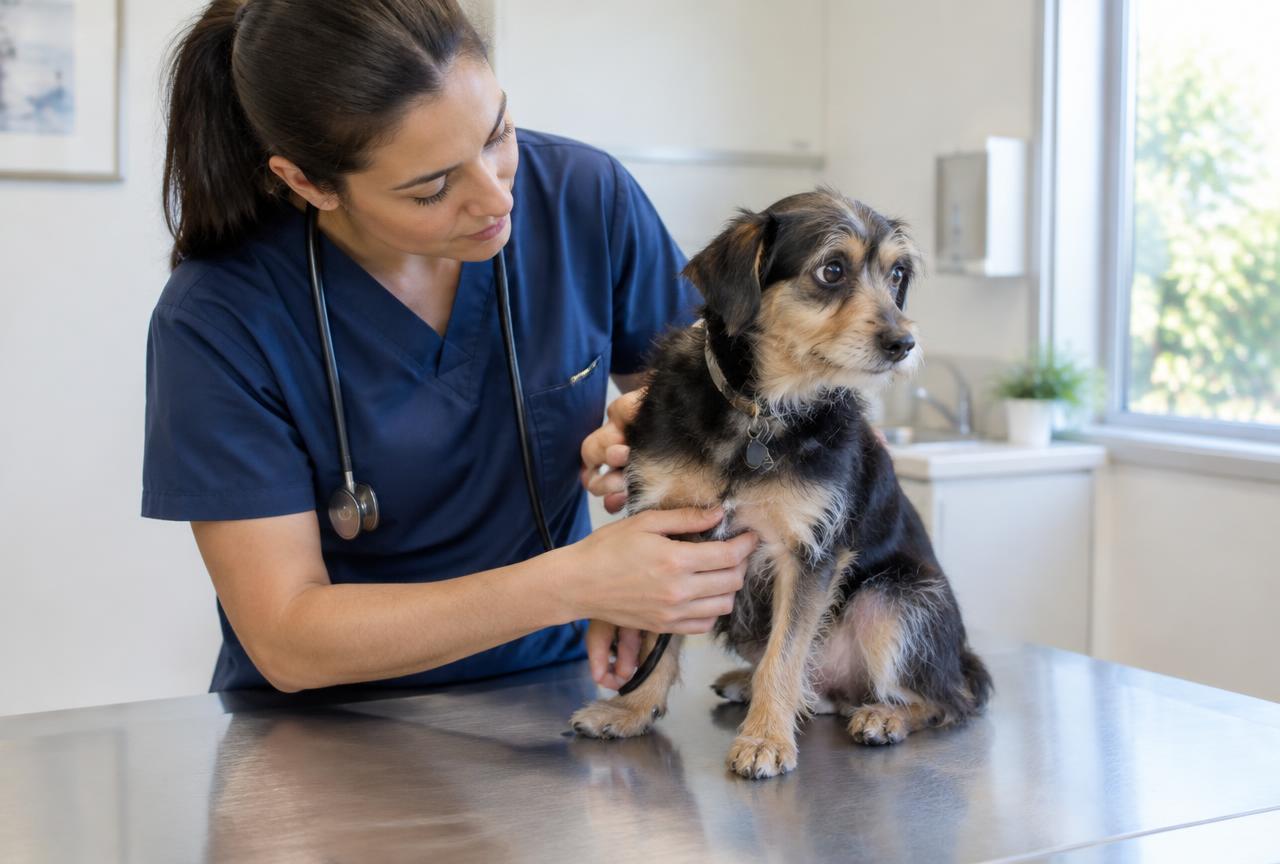
Step by step: what to do if your dog is shaking
Step 1: Check the environment
Rule out the obvious first. Is your dog cold, wet, or in an unfamiliar or stressful situation? If so, warm them up or move them somewhere calmer and observe whether the shaking settles.
Step 2: Look for other symptoms
Check for vomiting, drooling, weakness, disorientation, reluctance to move, or signs of pain. These additional clues help determine how seriously to take the shaking.
Step 3: Think about recent access to toxins
Consider whether your dog could have eaten chocolate, xylitol, a toxic plant, medication, or another household substance in the past few hours. If poisoning is even a possibility, contact a vet or a poison helpline immediately rather than waiting.
Step 4: Contact a vet if in doubt
If shaking is severe, persistent, unexplained, or paired with any other concerning sign, get veterinary advice promptly. It is always better to check with a professional than to assume a harmless cause when you are not certain.
Breeds more prone to shaking
Small breeds such as the jack-russell-terrier and toy breeds generally lose body heat faster and can be more prone to shivering in cold weather. Some breeds, including the dachshund, are also more commonly associated with generalised tremor syndrome, though this can occur in any breed and always warrants a vet check to rule out other causes.
When to see a vet
Seek urgent veterinary care if shaking is severe, does not stop, or is accompanied by vomiting, weakness, collapse, disorientation, drooling, or suspected access to a toxic substance. These combinations can point to poisoning, a metabolic emergency, or a neurological condition that needs immediate treatment.
Helping an anxious dog who shakes
- Create a quiet, safe space your dog can retreat to during stressful events
- Avoid excessive comforting that may unintentionally reinforce fear in some dogs, and instead stay calm yourself
- Consider desensitisation training for known triggers such as fireworks, ideally well before the season they occur
- Speak to your vet about anxiety support options for dogs with severe or frequent fear responses
- Keep routines predictable, since consistency reduces overall anxiety for many dogs
Anxiety-related shaking can genuinely affect a dog's quality of life if it happens often, and it is worth taking seriously rather than assuming a dog will simply grow out of it. Working with a qualified trainer or behaviourist, alongside your vet, can make a real difference over time, particularly for dogs with noise phobias or separation-related anxiety. Building confidence gradually, using positive reinforcement and short, manageable exposure to triggers, tends to produce better long-term results than trying to force a nervous dog to tolerate a frightening situation all at once.

Shaking in puppies versus adult dogs
Puppies shake for many of the same reasons adult dogs do, but they are also more vulnerable to certain causes, particularly low blood sugar, which can develop quickly in toy breed puppies that have gone too long without food. A puppy that suddenly seems weak, wobbly and shaky should be offered a small amount of food or a glucose source if your vet has advised this in advance, and seen urgently if they do not perk up. Puppies are also still learning to regulate their emotions, so brief trembling during play, new experiences, or the first few nights away from littermates is common and generally settles as they mature and build confidence. Older dogs, by contrast, are more likely to show shaking linked to arthritis, general muscle weakness, or age-related tremor, so a vet check becomes more important the older a dog gets, even if the shaking seems mild.
How vets diagnose the cause of shaking
When a shaking dog is brought in with no obvious explanation, a vet will typically start with a full physical examination, checking body temperature, joints, and general demeanour for signs of pain. Blood tests are common next steps, since they can reveal issues such as low blood sugar, organ dysfunction, or signs of toxin exposure. If a neurological cause is suspected, particularly with dogs showing disorientation, abnormal eye movements, or a stiff, rhythmic whole-body tremor, referral to a specialist for further imaging or nerve testing may be recommended. Being able to describe exactly when the shaking started, how it has changed over time, and whether it comes and goes or is constant gives the vet valuable information that can speed up an accurate diagnosis considerably.
Everyday situations that commonly trigger shaking
Vet visits and car journeys
Many dogs shake in the car or in the vet waiting room simply because both experiences are unfamiliar and can be mildly stressful, even for otherwise confident dogs. Gradually desensitising a dog to car travel with short, low-pressure trips, and asking your vet practice about quieter appointment times or fear-free handling techniques, can noticeably reduce this over time.
Grooming and bathing
Some dogs shake during grooming or bathing, particularly if they associate it with previous discomfort, loud clippers, or simply dislike being wet. Using positive reinforcement, going slowly, and choosing a groomer experienced with nervous dogs can help build a calmer association over repeated sessions.
Fireworks and thunderstorms
Noise phobias are one of the most common causes of pronounced shaking in adult dogs, and they often worsen with age if not addressed early. Creating a safe, quiet space, using calming aids recommended by a vet, and avoiding punishment for fearful behaviour all help. In more severe cases, a vet may discuss short-term medication options alongside a longer behavioural plan.
Myths about dog shaking worth clearing up
- Shaking does not always mean a dog is cold, even though this is the most commonly assumed explanation
- A dog that shakes occasionally is not necessarily anxious or unwell overall
- Giving comfort or attention during fearful shaking does not "reward" or reinforce fear, contrary to a persistent myth
- Small dog breeds are not simply "naturally nervous"; much of their shaking is linked to genuine heat loss or learned anxiety patterns
- Shaking that appears suddenly in a dog that has never shaken before should always be taken seriously, even if it stops quickly
Keeping a record for your vet
If your dog shakes on more than one occasion without an obvious cause, keeping a simple record can help your vet reach a diagnosis faster. Note the time of day, what your dog had been doing beforehand, how long the shaking lasted, and any other symptoms you noticed. A short video, if it is safe and practical to take one, can also be genuinely useful, since some tremors look quite different depending on whether they involve the whole body or a single limb, and this distinction matters for diagnosis. Alongside this, general health tools such as the age calculator can help you keep track of milestones that might be relevant, particularly for older dogs where shaking sometimes appears alongside other signs of ageing. If your dog also seems to be panting more than usual alongside shaking, our guide on why is my dog panting explains the overlapping causes in more detail.
Supporting a dog prone to frequent shaking
If your dog shakes regularly due to cold sensitivity, a well-fitted coat for walks in cooler months, a warm draught-free bed, and drying thoroughly after baths or wet walks can all make a genuine difference. For dogs whose shaking is linked to anxiety, building a calm daily routine, providing a den-like safe space, and working through gradual exposure to known triggers with positive reinforcement tends to produce lasting improvement, though patience is essential since behavioural change happens gradually rather than overnight. Keeping your dog at a healthy weight, using a tool such as the portion calculator to check feeding amounts are appropriate, also supports overall comfort and joint health, which can reduce pain-related trembling in older or arthritic dogs. Whatever the underlying cause, staying observant and consistent with any vet-recommended plan gives your dog the best chance of a calm, comfortable life with minimal unexplained shaking episodes.
Frequently asked questions
The following questions address common concerns owners have about shaking and trembling in dogs.
Questions people actually ask
Is it normal for my dog to shake sometimes?
Yes, brief shaking from cold, excitement or mild nervousness is common and usually harmless. It becomes a concern when it is severe, lasts a long time, happens without any obvious trigger, or is paired with other symptoms like vomiting or weakness.
Why does my dog shake when scared?
Fear triggers a stress response that often causes trembling, along with panting, pacing, or hiding. This is a normal physiological reaction, similar to how people might shake when frightened, and usually settles once the trigger has passed.
Can shaking mean my dog ate something toxic?
Yes, tremors combined with vomiting, drooling, or sudden weakness can indicate poisoning from foods like chocolate or xylitol, certain plants, or household chemicals. This should be treated as an emergency and a vet or poison helpline contacted immediately.
Why do small dogs shake more than big dogs?
Smaller dogs have a larger surface area relative to their body mass, so they lose heat more quickly and shiver more easily in cool conditions. Thin coats and lower body fat also contribute to this in many small and toy breeds.
Should I comfort my dog when they are shaking from fear?
Calm, reassuring presence is generally helpful, but try to stay relaxed yourself rather than reacting with heightened concern, since dogs pick up on our emotional state. For frequent or severe fear responses, speak to a vet or behaviourist about a longer-term plan.
When should I take a shaking dog to the vet?
See a vet if shaking is severe, does not stop, happens with no clear trigger, or comes with vomiting, weakness, collapse, or disorientation. These signs can indicate pain, poisoning, or a neurological or metabolic problem needing prompt treatment.
Sources
Breeds mentioned


Put it into practice
Read next
Dog Dry Heaving: Causes and When It Is an Emergency
Dog dry heaving is usually throat irritation or mild nausea, but repeated unproductive retching with a swollen, tight belly can be bloat (GDV), a life-threatening emergency.


