
Why Is My Dog Panting So Much? Causes and Warning Signs
Most panting is simply how dogs cool down, but knowing when it points to something more serious can be lifesaving.
The SniffScroll desk
Dog care editors
Published 30 September 2026 · Updated 9 October 2026

Reviewed against RVC, BSAVA and PDSA guidance
The short version
- Panting is a dog's main cooling mechanism, since they cannot sweat through their skin.
- Panting that does not settle after rest, or happens without an obvious trigger, needs attention.
- Heatstroke is a genuine emergency and can progress within minutes.
- Flat-faced breeds overheat more easily and need extra care in warm weather.
- Pain, anxiety and underlying medical conditions can all cause excessive panting.
Why do dogs pant?
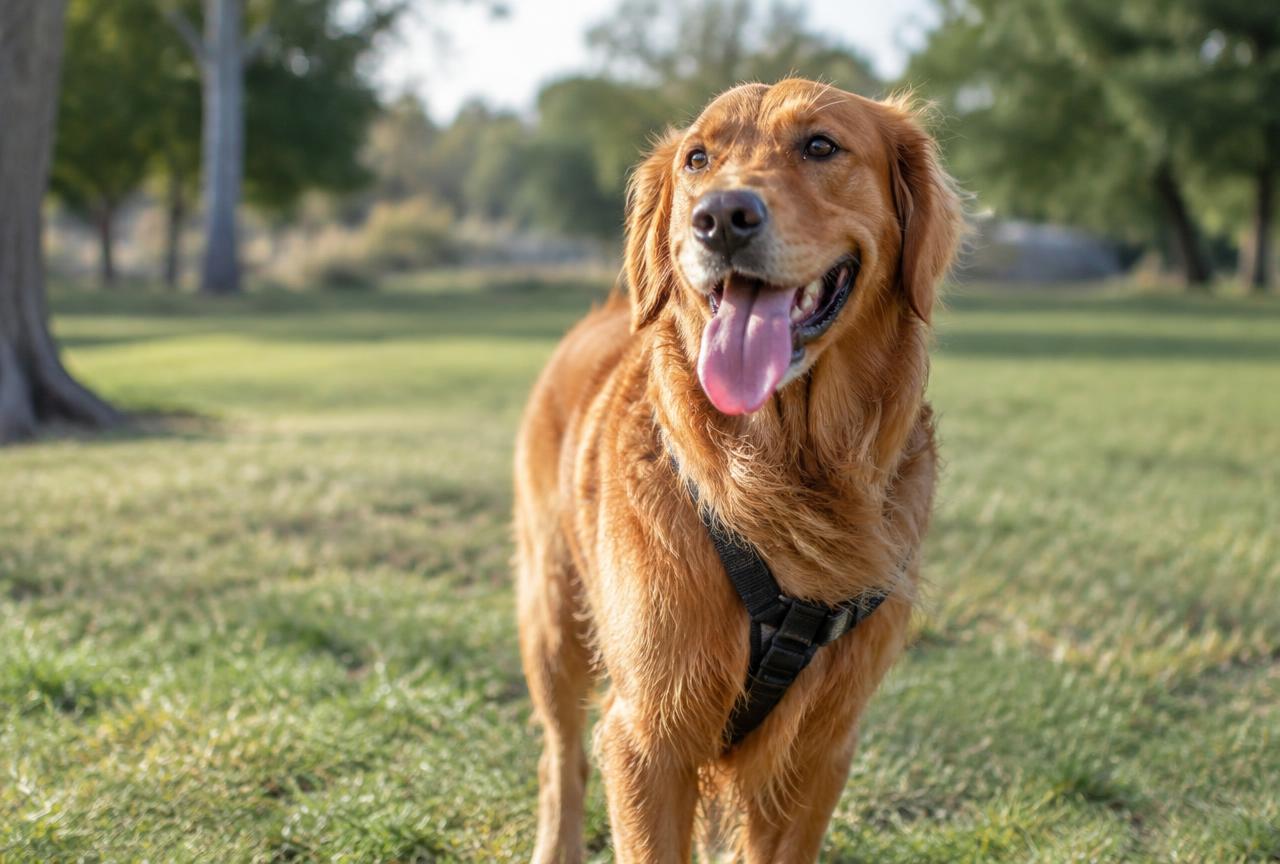
Panting is a dog's main way of regulating body temperature, since dogs sweat only through their paw pads and cannot cool down through their skin the way humans do. When a dog pants, rapid, shallow breaths move air over the moist surfaces of the tongue, mouth and upper airway, and evaporation from that moisture carries heat away from the body. Panting after play, walks, or on a warm day is completely normal and usually settles down within ten to twenty minutes of rest in a cool place. Problems arise when panting is heavier than the situation calls for, starts without an obvious trigger, or does not settle once your dog has cooled down and rested.
Normal panting versus a warning sign
Working out whether panting is normal usually comes down to context, intensity and how quickly it resolves. A dog that pants heavily after a long walk on a warm day, then settles within a short rest, is behaving completely normally. A dog that starts panting heavily while resting, at night, or in a cool room, with no clear trigger, is showing something worth paying attention to. Rapid, shallow, almost frantic panting alongside other signs such as drooling, wobbliness, pale or bright red gums, or reluctance to move is more concerning and should prompt a same-day vet call.
| Situation | Likely normal | Worth monitoring or seeing a vet |
|---|
| After exercise or play | Settles within 10 to 20 minutes | Continues well beyond rest, or dog seems distressed |
|---|
| Warm weather | Mild to moderate panting, dog seems otherwise fine | Heavy panting with drooling, wobbliness, or collapse |
|---|
| At rest, no trigger | Rare and usually brief | Frequent or ongoing panting while resting |
|---|
| With visible pain or injury | Not expected | Panting alongside limping, whining, or reluctance to move |
|---|
Common causes of excessive panting
Heat and overheating
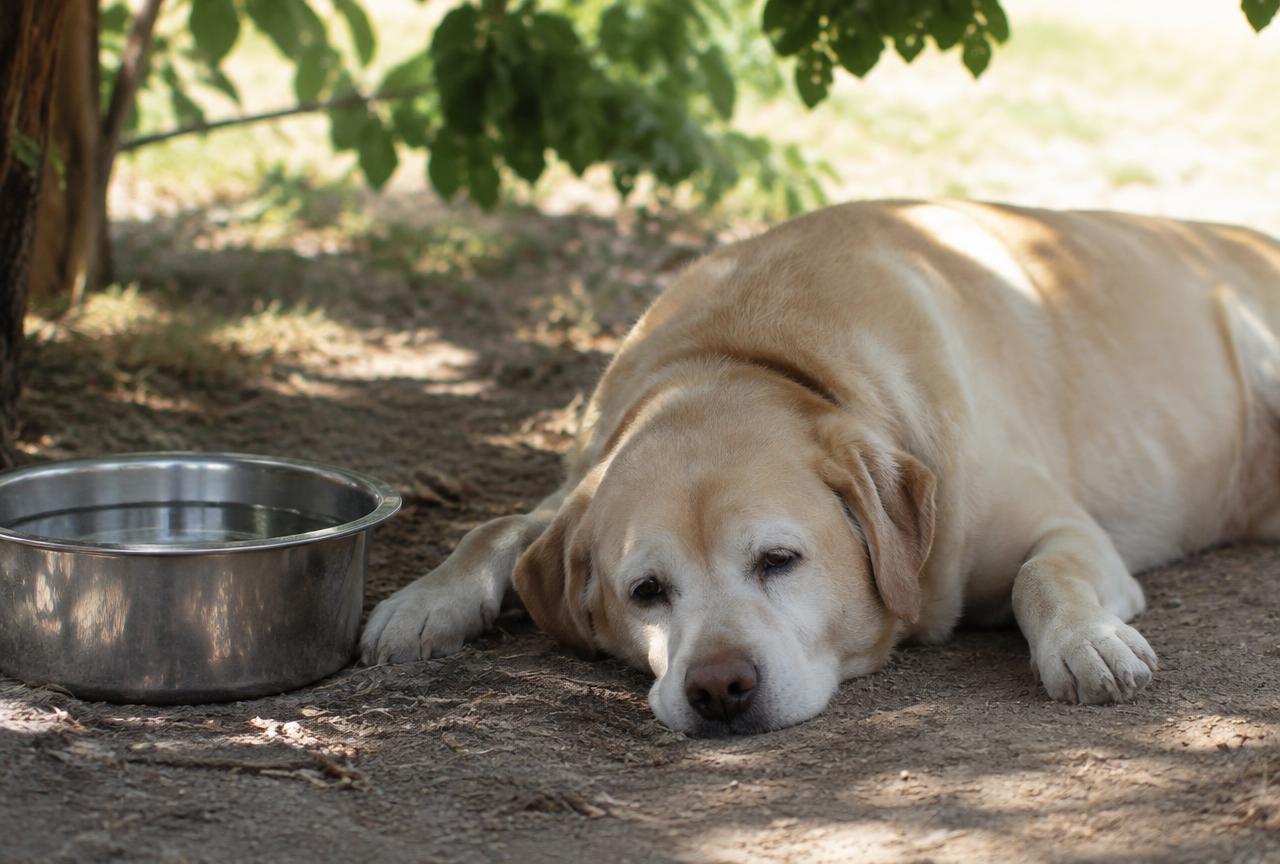
Dogs overheat far more easily than people realise, and heatstroke is a genuine emergency. Flat-faced breeds such as French bulldogs, along with very young, elderly, overweight, or thick-coated dogs, are at higher risk in warm weather or after exertion. Signs of heatstroke include very heavy panting, bright red gums, drooling, vomiting, confusion, and collapse. According to VCA Animal Hospitals, heatstroke can become life-threatening within minutes, so any suspected case needs immediate cooling with cool (not ice cold) water and an urgent vet visit.
Pain or discomfort
Panting is one of the more subtle signs of pain in dogs, and it is often missed because owners expect pain to look more dramatic. A dog with an injury, arthritis, an upset stomach, or a more serious internal problem may pant persistently even while lying still. If panting is paired with restlessness, reluctance to settle, or a change in posture, pain should be considered as a possible cause.
Anxiety and stress
Fear and anxiety trigger the same stress response in dogs as in people, and panting is a common physical symptom. Thunderstorms, fireworks, travel, vet visits, or separation anxiety can all cause a dog to pant heavily even in a cool environment. This type of panting is often paired with pacing, yawning, lip licking, or trying to hide.
Underlying medical conditions
If your vet suspects an underlying condition is driving persistent panting, they will typically start with a physical exam, listen to the heart and lungs, and may recommend blood tests, x-rays, or an ultrasound depending on what they find. Catching conditions like Cushing's disease or early heart disease sooner rather than later generally means more treatment options and a better long-term outlook, which is exactly why a gradual change in panting over weeks or months should not be dismissed as simply a sign of ageing.
Heart disease, Cushing's disease, respiratory problems, and certain metabolic conditions can all cause chronic or worsening panting, particularly in older dogs. Cushing's disease, caused by excess cortisol production, classically causes increased panting alongside increased thirst, appetite, and a pot-bellied appearance. Heart and lung conditions can cause panting that worsens with mild exertion and may be paired with coughing or reduced stamina.
Interactive · heat risk checker
Is your dog's panting a heat risk?
Panting is normal, but the combination of heat, effort and breed can tip into heatstroke fast. Check the risk here.
Normal panting
This looks like ordinary cooling-down panting. Keep fresh water available and watch for changes.
Step by step: what to do when your dog is panting heavily
Step 1: Move to a cool, calm space
If the weather is warm or your dog has just been active, move them to shade or a cool room, offer fresh water, and let them rest. Avoid forcing exercise or excitement until breathing settles.
Step 2: Check for other symptoms
Look for drooling, wobbliness, pale, blue or very red gums, vomiting, limping, or general distress. These additional signs help determine how urgently your dog needs to be seen.
Step 3: Cool gradually if you suspect heatstroke
Use cool, not icy, water on the body, particularly the belly, paws and neck, and offer small amounts of water to drink. Do not submerge a dog in ice water, as this can cause the blood vessels near the skin to constrict and trap heat inside.
Step 4: Contact a vet if panting does not settle
If heavy panting continues for more than twenty to thirty minutes after rest and cooling, or if any concerning symptoms are present, contact your vet immediately, as heatstroke and several other causes of panting can progress quickly.
Breeds more prone to heavy panting
It helps to understand a little about canine airway anatomy here. In flat-faced breeds, the airway from nose to throat is often narrower and more convoluted than in longer-nosed breeds, meaning the same volume of air movement achieves less cooling effect. This is why brachycephalic dogs can show signs of overheating at temperatures that would barely trouble a longer-muzzled breed, and why vets recommend extra caution with exercise timing, harness choice over collars, and close supervision around water for these dogs during summer months.
Flat-faced breeds such as the french-bulldog have shortened airways that make normal cooling through panting less efficient, so they overheat more easily and need extra care in warm weather. Larger, heavier breeds and those with thick double coats, including some labrador-retriever and golden-retriever lines, also need careful monitoring during exercise on hot days, since their coat can trap heat close to the body even when the air feels only mildly warm.
When to see a vet
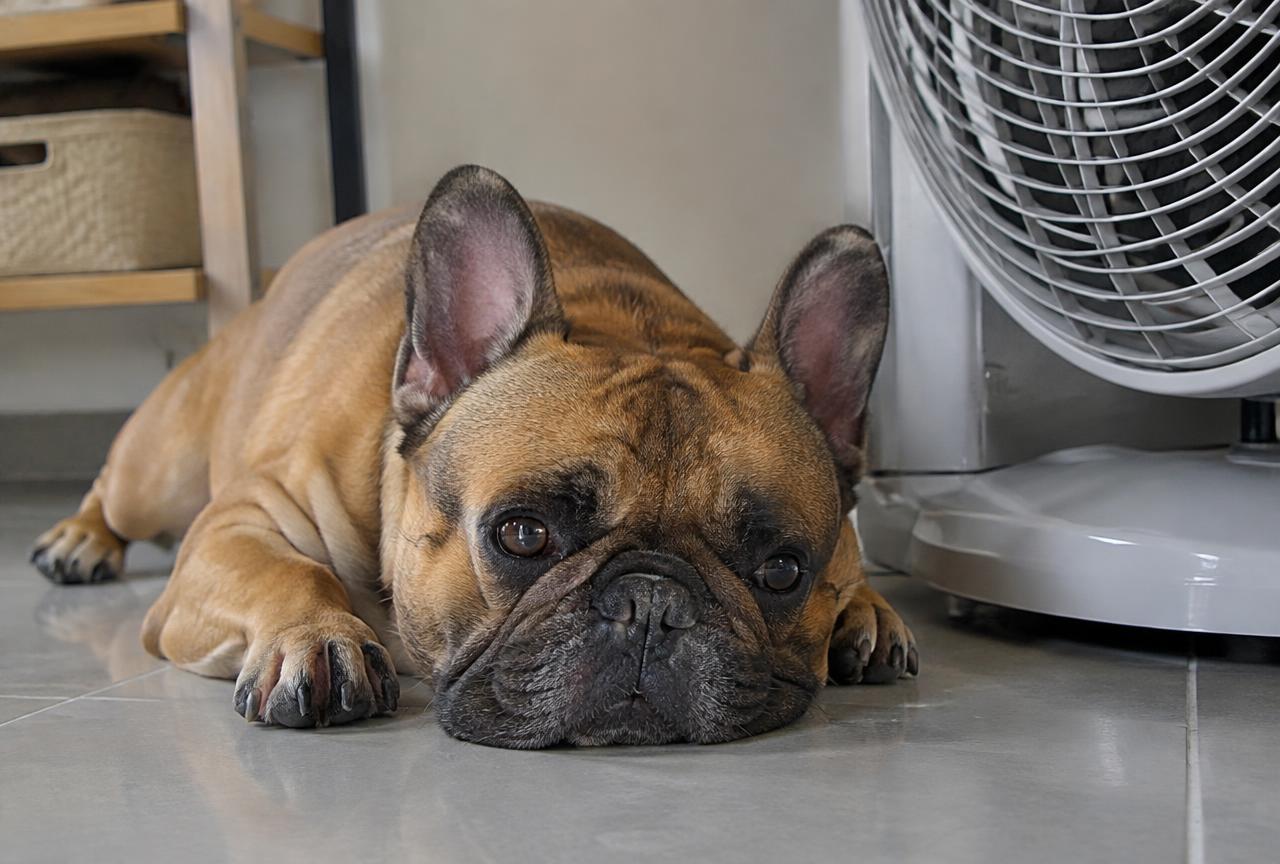
Seek urgent veterinary care if panting is extreme, does not settle after rest and cooling, or is accompanied by collapse, vomiting, very red or blue gums, disorientation, or an inability to stand. These can indicate heatstroke, a heart or lung problem, or another emergency that needs immediate treatment rather than a wait-and-see approach.
How to reduce unnecessary panting
Building a few simple habits into daily life goes a long way toward preventing unnecessary panting episodes. Walking during the cooler parts of the day in summer, checking pavement temperature with the back of your hand before a walk, and carrying water on longer outings are all small steps that add up. Owners of senior dogs or those with known heart or joint conditions may also want to keep a simple diary of panting episodes, noting the time of day, activity level, and any other symptoms, since this record can be genuinely useful if a vet needs to investigate a pattern over several weeks.
- Provide fresh, cool water at all times, especially in warm weather
- Avoid exercising dogs during the hottest part of the day
- Keep flat-faced and elderly dogs cooler with fans, shade, or air conditioning
- Maintain a healthy weight, since excess weight makes panting less efficient
- Address known anxiety triggers with training or advice from a behaviourist
- Book a vet check if panting has changed gradually over weeks or months
Weight is a factor that is easy to overlook. A dog carrying extra weight has to work harder to cool down and often pants more heavily during even mild exercise. Checking your dog's condition with the ideal weight tool and adjusting portions using the portion calculator can make a genuine difference to how comfortably a dog copes with warm weather and everyday activity over time.
First aid basics for suspected heatstroke
If you believe your dog is overheating, act quickly but calmly. Move them into shade or an air-conditioned space immediately, offer small sips of cool water rather than letting them gulp a large volume at once, and apply cool, wet towels or gently pour cool water over the body, focusing on the neck, armpits, belly and inner thighs where blood vessels sit close to the skin. A fan can help speed up evaporation and cooling. Once initial cooling has started, get your dog to a vet straight away, even if they appear to be improving, because internal damage from heatstroke, including to the kidneys, liver and blood clotting system, can develop hours after the visible symptoms have settled.
Age and panting changes
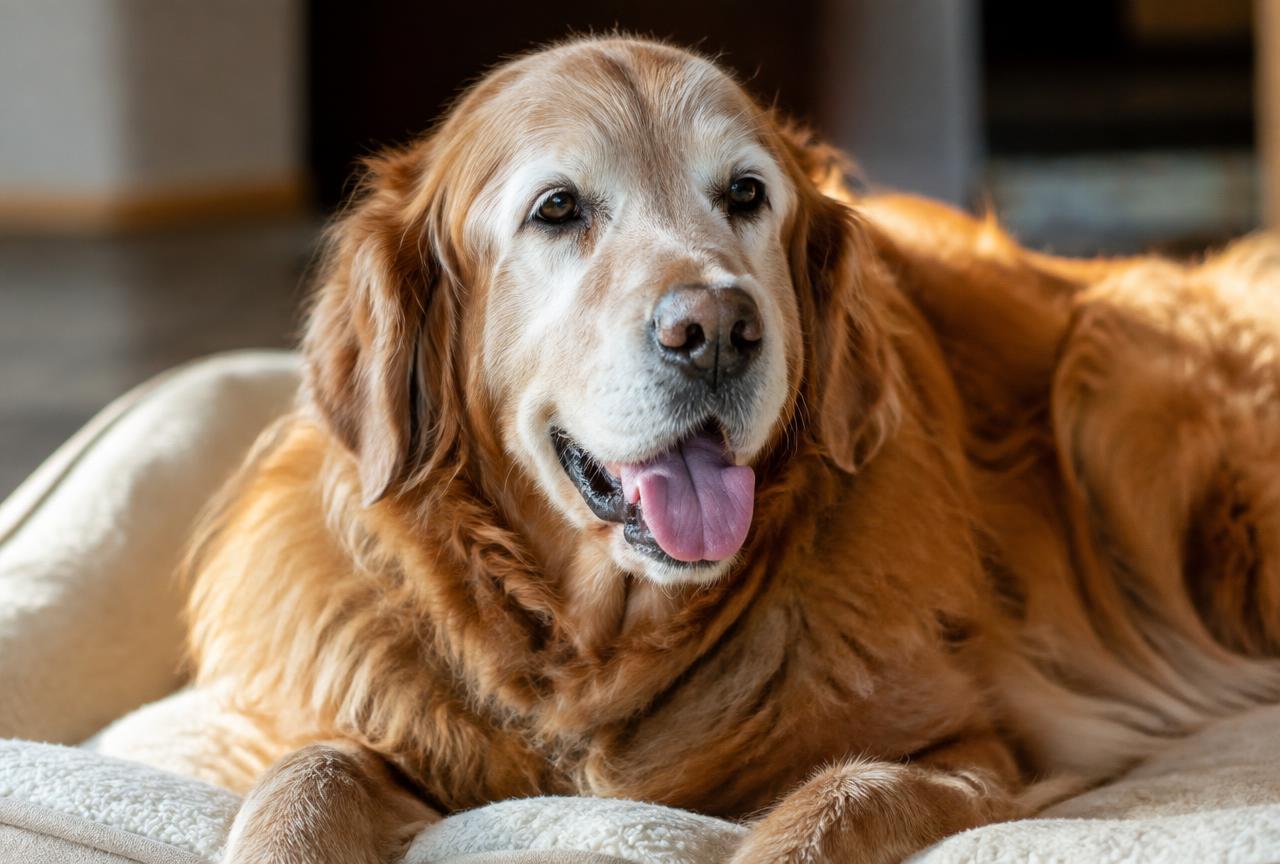
Puppies and senior dogs both deserve a slightly closer watch when it comes to panting. Puppies have less efficient temperature regulation and can overheat surprisingly quickly during play, particularly in warm weather, so frequent water breaks and shaded rest periods are sensible. Senior dogs often develop reduced heart and lung efficiency, arthritis, or other age-related conditions that can make panting both more frequent and more meaningful as a symptom. A senior dog who starts panting more than they used to, even during ordinary daily activities, is a good candidate for a general health check, since catching age-related changes early tends to lead to better management options.
Panting alongside other symptoms
It is rarely just panting on its own that tells the full story. Owners who know their dog well are often the first to notice subtle shifts, such as panting starting slightly earlier on a walk than it used to, or continuing for longer after the dog has stopped moving. Keeping a rough mental note of what counts as normal for your individual dog, given their age, breed and fitness level, makes it much easier to spot when something has genuinely changed. This is particularly useful for older dogs, where gradually worsening panting can be an early clue to a developing heart or hormonal condition well before other symptoms appear. If you are also noticing shaking alongside the panting, our guide on why is my dog shaking covers the overlapping and distinct causes of that symptom in more detail.
Frequently asked questions
The following questions cover the situations owners most commonly ask about when their dog is panting more than expected.
Questions people actually ask
Is it normal for my dog to pant a lot?
Yes, panting is normal after exercise, excitement, or in warm weather, and should settle within about ten to twenty minutes of rest. Panting that starts without an obvious trigger, happens at rest, or does not settle down is worth checking with a vet.
How can I tell if my dog has heatstroke?
Signs include very heavy panting, bright red gums, drooling, vomiting, wobbliness, and collapse. Heatstroke can progress quickly, so if you suspect it, begin gradual cooling with cool water and contact a vet immediately rather than waiting to see if it improves.
Why is my dog panting at night with no exercise?
Unexplained panting at rest can be caused by pain, anxiety, a hot room, or an underlying medical condition such as a heart or hormonal problem. If it happens repeatedly, book a vet check to rule out a medical cause.
Can anxiety cause a dog to pant?
Yes, fear and anxiety trigger a stress response that often includes heavy panting, even in a cool environment. This is commonly seen during thunderstorms, fireworks, car travel, or when a dog is left alone.
Do flat-faced dogs pant more than other breeds?
Yes, flat-faced breeds have shortened airways that make cooling through panting less efficient, so they often pant more heavily and are at higher risk of overheating, particularly in warm weather or after exercise.
When should I worry about my dog's panting?
Worry if panting is extreme, does not settle after rest and cooling, or comes with vomiting, collapse, pale or very red gums, or disorientation. These combinations can indicate heatstroke or another emergency needing immediate veterinary care.
Sources
Breeds mentioned

French Bulldog
A comic, affectionate companion built for city life, but with health needs that demand a careful breeder.

Labrador Retriever
Britain's most popular family dog: biddable, food driven and built for an active household.

Golden Retriever
A gentle, biddable gundog famed for its patience with children and its glossy golden coat.
Put it into practice
Read next
Dog Dry Heaving: Causes and When It Is an Emergency
Dog dry heaving is usually throat irritation or mild nausea, but repeated unproductive retching with a swollen, tight belly can be bloat (GDV), a life-threatening emergency.


