Gundog group
Scotland, United Kingdom
Golden Retriever
The Golden Retriever is affectionate, highly trainable and devoted to family life. It needs daily exercise, regular grooming and vigilant health screening.
Reviewed against Kennel Club and breed club health guidance
A gentle, biddable gundog famed for its patience with children and its glossy golden coat.
The short version
- Golden Retrievers are exceptionally people oriented and do not thrive when left alone for long periods.
- The breed needs 60 to 90 minutes of varied daily exercise once fully grown.
- Elevated cancer risk makes insurance and regular veterinary checks particularly worthwhile for this breed.
- Hip, elbow, eye and heart screening in the parents meaningfully reduces the risk of inherited disease.
- The feathered double coat needs several grooming sessions a week to prevent matting and control shedding.
- Weight
- 25 to 34 kg
- Height
- 51 to 61 cm
- Lifespan
- 10 to 12 yrs
- Size
- Large
- Group
- Gundog
- Coat
- Dense, water repellent double coat with feathering
- Grown male
- 29 to 34 kg
- Grown female
- 25 to 29 kg
- Years to full size
- about 1.5
- One-off setup
- €650 to 1250

Get one if…
- Families with children of any age
- First time owners ready to commit to training
- Households with a garden or easy access to open space
- People who want an affectionate, sociable companion
- Homes where the dog will rarely be left alone
Think again if…
- Owners wanting a low shedding dog
- Households where the dog would be alone most of the day
- Anyone seeking a natural guard dog
- Owners unwilling to budget for grooming and health screening
- Very minimalist, low maintenance lifestyles
Trait profile
Exceptional affection and trainability make the Golden Retriever one of the easiest large breeds to live with, though its low tolerance for being left alone needs planning.
Space & setup. A garden is a strong advantage for a breed this size and energy, though committed daily exercise can make town living workable.
Allergies. The dense double coat sheds heavily year round with seasonal peaks, making this a difficult breed for allergy sufferers.
Living with a Golden Retriever
The Golden Retriever is a medium to large gundog developed in Scotland to retrieve shot game from land and water. Gentle, patient and eager to please, it is one of the world's best loved family companions.
The Golden Retriever was developed in the Scottish Highlands in the mid 19th century by Lord Tweedmouth, who crossed a yellow retriever with the now extinct Tweed Water Spaniel and later added Irish Setter and further retriever blood to create a dog able to retrieve waterfowl and game birds over difficult terrain in all weathers. That gundog heritage still defines the breed: a soft mouth for carrying birds undamaged, a dense, water repellent double coat, powerful swimming ability and an eagerness to work closely with a handler. The Kennel Club recognised the breed in 1913, and it has since become one of the most popular family dogs across Europe and North America.
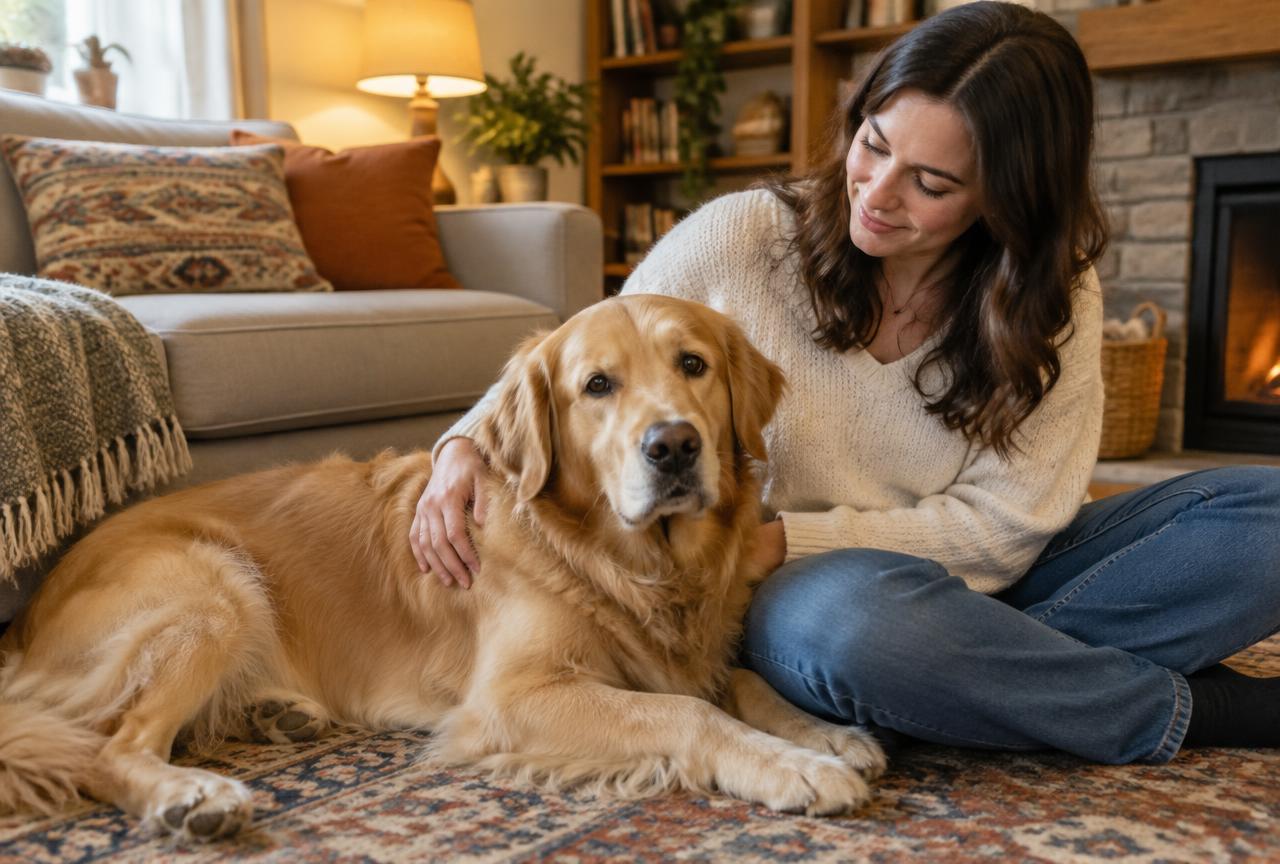
At home, the Golden Retriever is famous for its soft, patient temperament. It is rarely snappish, forms deep bonds with every member of the family, and generally welcomes strangers and other dogs with the same warmth. This sociability means Golden Retrievers make poor guard dogs but excellent companions for households with children, visitors or other pets. They are sensitive dogs that respond badly to harsh handling and thrive on praise, and many individuals retain a playful, puppyish enthusiasm well into old age. Left alone for long periods, however, they can become anxious or destructive, since the breed is not naturally suited to extended solitude.
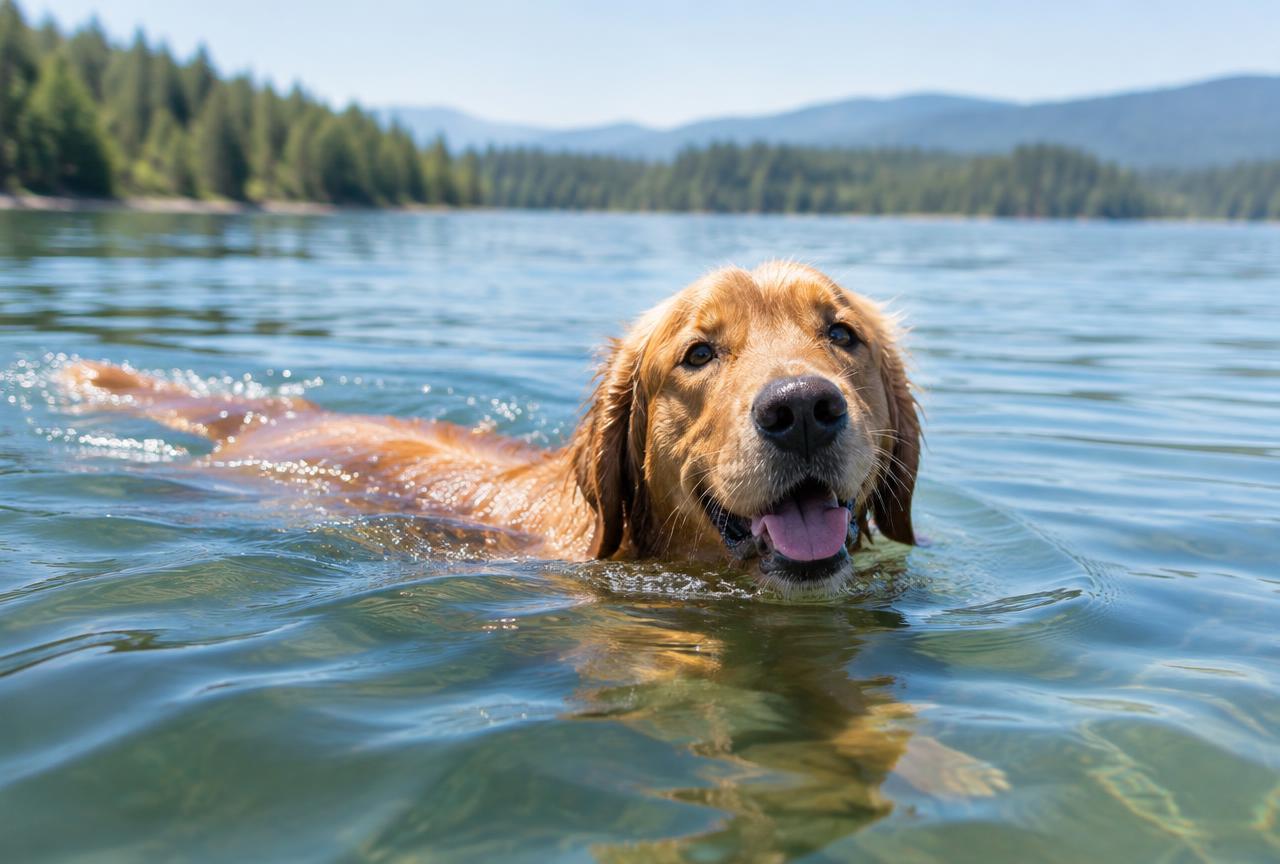
Exercise needs are substantial but manageable: a full grown Golden Retriever benefits from around an hour to ninety minutes of activity daily, mixing walking, retrieving games and swimming whenever water is available. Puppies should be exercised sparingly, following the common guideline of five minutes per month of age twice a day, to protect their developing hips and elbows during rapid growth. Training tends to be straightforward, as the breed is highly food and praise motivated and consistently ranks among the most trainable in canine intelligence studies, but this same eagerness can tip into overexcitement or jumping up if boundaries are not set early.
Health screening deserves serious attention with this breed. Hip and elbow dysplasia occur at meaningful rates, so BVA/Kennel Club scoring of both parents is essential, and progressive retinal atrophy and other inherited eye conditions should be ruled out through annual eye testing. Golden Retrievers also carry a notably elevated lifetime risk of certain cancers, including lymphoma, haemangiosarcoma and mast cell tumours, a concern highlighted repeatedly in breed health surveys in the UK and the ongoing Golden Retriever Lifetime Study in the United States. Subvalvular aortic stenosis, a heart defect, and ichthyosis, a skin condition, are also screened for by responsible breeders, alongside hip and elbow radiography.
The Golden Retriever suits families with children, first time owners prepared to commit to daily exercise and training, and households where the dog will not be left alone for long stretches. It is a poor match for anyone seeking a low maintenance, independent dog, for households wanting minimal shedding, or for owners unable to budget for the grooming and veterinary costs that come with the breed's health predispositions. Chosen carefully from health tested lines and given consistent exercise, training and companionship, a Golden Retriever repays its owners many times over with loyalty, gentleness and an enduring willingness to please.
A devoted, biddable family dog whose gentle nature is matched only by its need for company and exercise.
Exercise, day to day
- 1Puppies: five minutes of gentle exercise per month of age, twice daily, avoiding jumping and stairs.
- 2Adults: 60 to 90 minutes a day combining walking, retrieving games and swimming where possible.
- 3Provide daily mental stimulation such as scent games or puzzle feeders alongside physical exercise.
- 4Introduce structured obedience or gundog training early to channel the breed's retrieving instincts.
- 5Adjust exercise for senior dogs, favouring shorter, gentler sessions and joint support.
Grooming, realistically
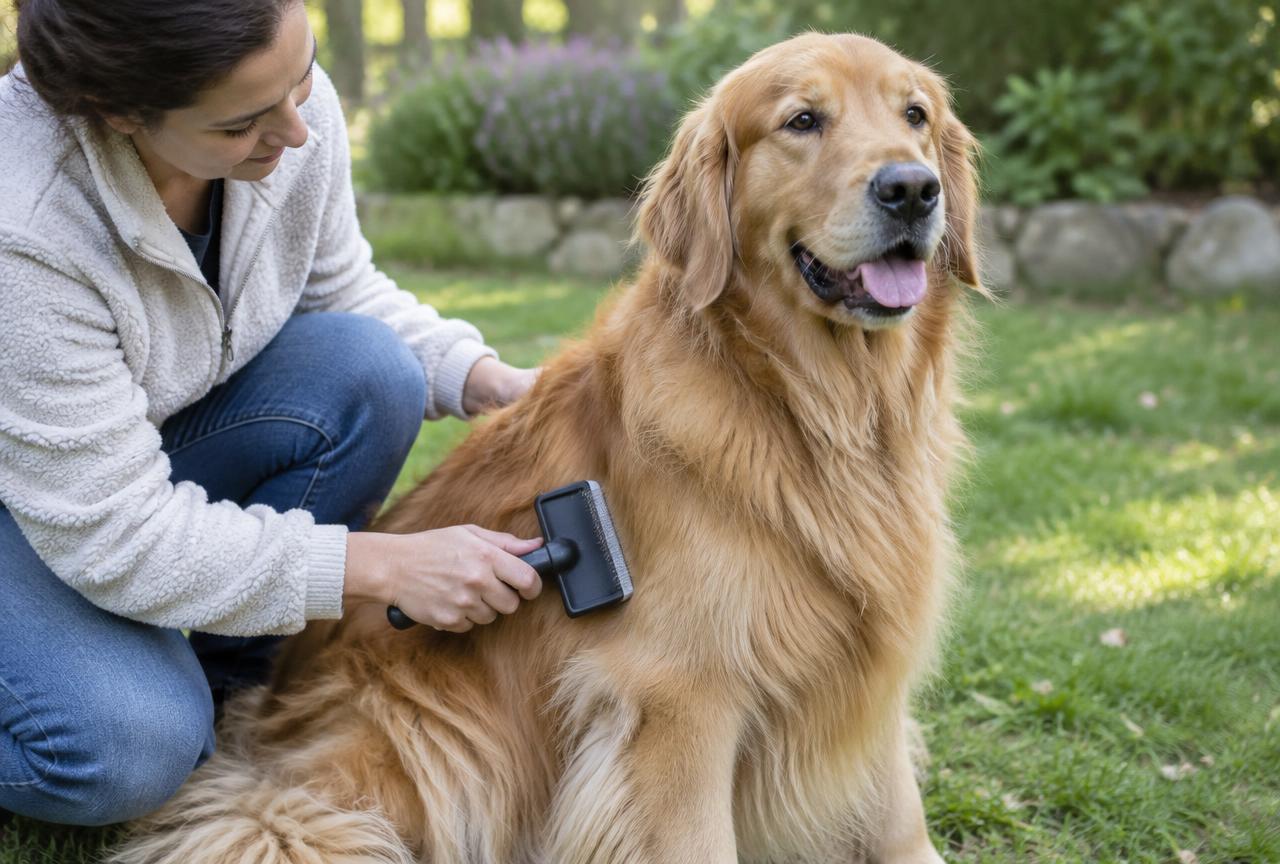
- 1Brush three to four times a week, and daily during spring and autumn coat blows, to prevent matting.
- 2Pay particular attention to feathering on the ears, legs and tail where mats form easily.
- 3Bathe every four to six weeks or after swimming in dirty water.
- 4Check and clean ears weekly, since floppy ears are prone to infection.
- 5Brush teeth several times weekly and trim nails monthly.
What you actually need
- Slicker brush
- Undercoat rake
- Metal comb for feathering
- Ear cleaning solution
- Dog nail clippers
- Moisturising dog shampoo
Puppy to adult
| Age | Male | Female | What is happening |
|---|---|---|---|
| 8 weeks | 5 to 7 kg | 4 to 6 kg | Rounded puppy shape; keep exercise brief and gentle. |
| 3 months | 10 to 13 kg | 9 to 11 kg | Fast growing stage; avoid jumping and rough play. |
| 6 months | 17 to 22 kg | 15 to 19 kg | Adolescent energy rises; consistent training pays off now. |
| 9 months | 22 to 27 kg | 19 to 23 kg | Nearing adult height, still filling out. |
| 12 months | 25 to 31 kg | 22 to 26 kg | Close to full size; increase exercise gradually. |
| 18 months (adult) | 29 to 34 kg | 25 to 29 kg | Mature weight reached; coat and feathering fully developed. |
Ranges are typical, not targets. Judge condition by ribs and waist, and check with the ideal weight checker.
What to ask a breeder
- Can I see current BVA/Kennel Club hip and elbow scores for both parents?
- Have the parents had recent eye and heart examinations?
- Is there a family history of cancer, and how does the breeder screen for it?
- Has the litter been tested for ichthyosis and other known inherited conditions?
- How much time do the puppies spend with people and household noise before leaving?
- Can I meet the mother and see the environment the puppies are raised in?
Health tests to ask for
Ask to see results for both parents before you put down a deposit.
- Hip score (BVA/Kennel Club scheme), aim below breed median
- Elbow score (BVA/Kennel Club scheme), grade 0 preferred
- Annual eye examination for progressive retinal atrophy and other inherited conditions
- Cardiac examination for subvalvular aortic stenosis
- DNA test for ichthyosis
- PRA1 and PRA2 DNA testing where available
Health watch-list
What to ask a breeder about, and what to watch for over a lifetime. This is orientation, not veterinary advice, anything you notice belongs in front of a vet.
Hip and elbow dysplasia
NotableMalformed joints can cause lifelong lameness and arthritis. Parent screening via BVA/Kennel Club schemes reduces risk substantially.
Cancer (lymphoma, haemangiosarcoma, mast cell tumours)
Common with ageGolden Retrievers have one of the highest lifetime cancer rates of any breed, prompting long term research studies. Regular veterinary checks help catch problems early.
Progressive retinal atrophy
UncommonAn inherited, gradual loss of vision with no cure. Annual eye testing of breeding stock helps prevent affected litters.
Subvalvular aortic stenosis
UncommonAn inherited narrowing near the heart valve that can range from mild to severe. Cardiac screening of breeding dogs reduces the risk of passing it on.
Ichthyosis
UncommonA mild, inherited skin condition causing dry, flaky skin. A DNA test can identify carriers before breeding.
Obesity
CommonA hearty appetite combined with high food motivation can lead to weight gain if portions are not measured carefully.
What it costs to keep one
Realistic running cost
€223 / month
About €2,676 a year, or roughly €29,436 across a 11-year life, before purchase price, neutering and one-off vet events.
Before the puppy arrives. Budget roughly €650 to 1250 for a crate, bed, lead and harness, bowls, puppy classes, first vaccinations and grooming kit sized for this breed. Figures throughout are indicative and vary a good deal between countries.
Interactive · built for this breed
Is a Golden Retriever right for your home?
Seven honest questions about your space, time and household, checked against this breed's exercise need, coat, sociability and tolerance for time alone.
Fit with your routine
90%
A strong fit
Your routine suits a Golden Retriever well. Meet adult dogs of the line before you commit.
What to sort out first
- Needs more daily exercise than you have pencilled in.
- Coat needs more brushing or trimming than you have allowed.
Compare more breeds in the matchmaker, or plan meals with the portion calculator.
The verdict, by household
First-time owner
A strong choice
Trainable and forgiving, though grooming and companionship needs should not be underestimated.
Family with young children
An excellent match
Among the most patient and gentle large breeds with children of all ages.
Small flat, no garden
Only with dedication
Workable with committed daily exercise but not ideal for such a large, active breed.
Senior or retired owner
A good match if active
Deeply affectionate company, but needs an owner fit enough to manage daily exercise and grooming.
When to call your vet
- Any new lump or swelling, given the breed's elevated cancer risk, should be checked promptly
- Persistent limping or stiffness, possible signs of hip or elbow dysplasia
- Reduced exercise tolerance or fainting, possible signs of heart disease
- Cloudy eyes or reduced night vision, possible signs of progressive retinal atrophy
- Persistent ear odour or scratching, possible ear infection
- Sudden lethargy, pale gums or abdominal swelling, seek emergency veterinary care
Nothing here is a diagnosis. A swollen, hard belly with retching, collapse, breathing difficulty and sudden hind-leg weakness are emergencies: go straight away.
Golden Retriever vs the closest alternatives
| Breed | Weight | Energy | Grooming | € / month |
|---|---|---|---|---|
| Golden Retriever | 25 to 34 kg | 8/10 | 6/10 | €223 |
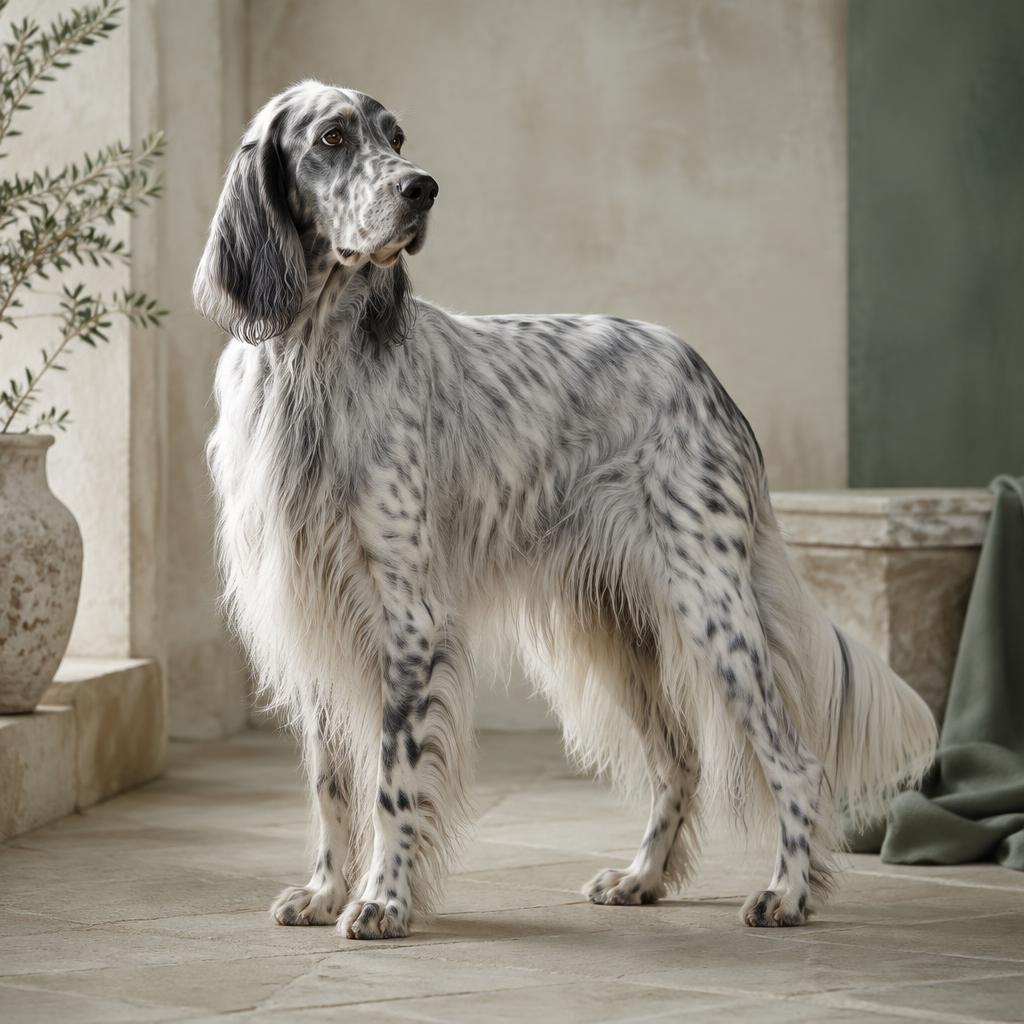
| English Setter | 20 to 36 kg | 7/10 | 6/10 | €116 |
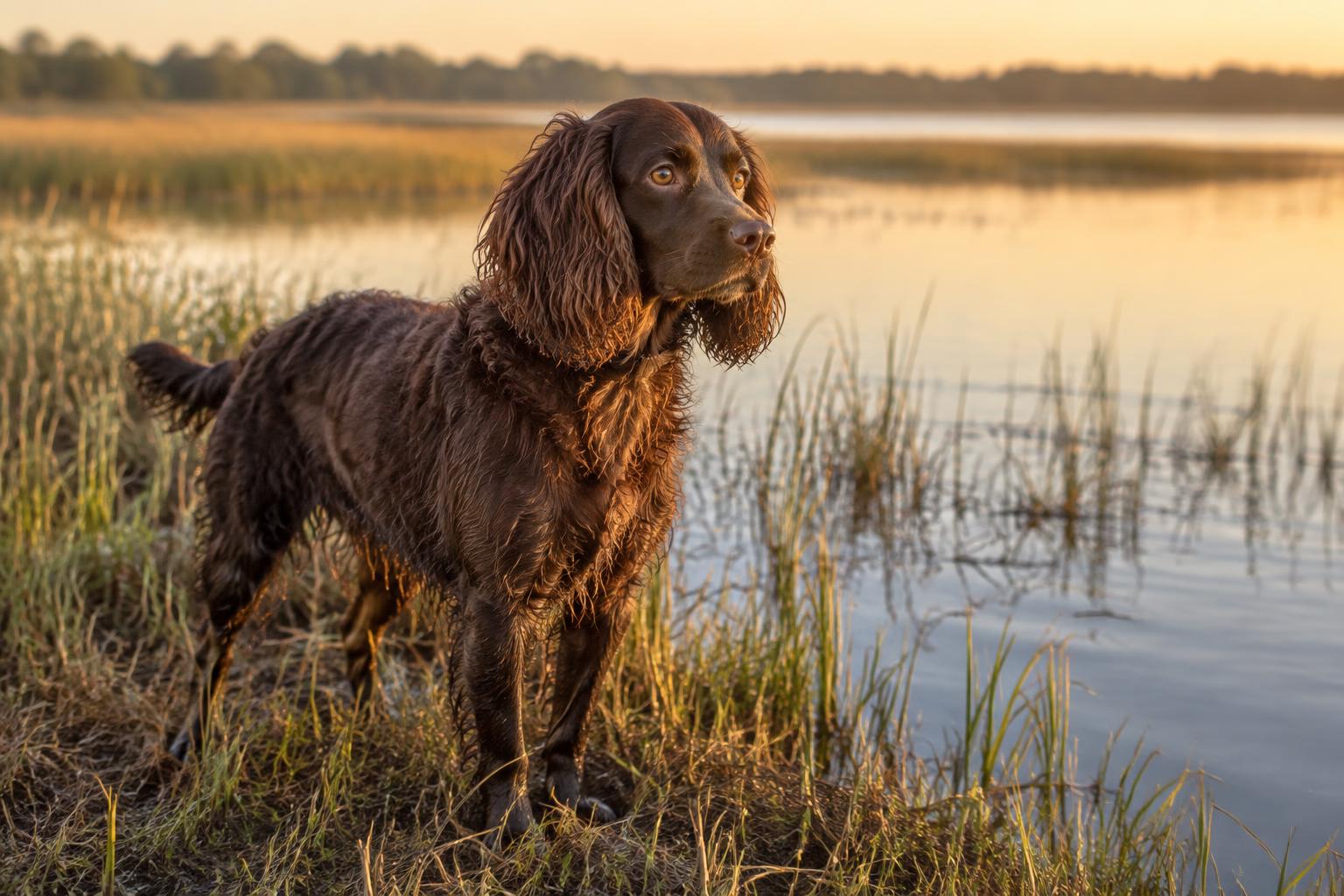
| Boykin Spaniel | 11 to 18 kg | 8/10 | 5/10 | €88 |
| Labrador Retriever | 25 to 36 kg | 8/10 | 3/10 | €215 |
Golden Retriever questions, answered
Are Golden Retrievers good family dogs?
Yes, Golden Retrievers are widely regarded as one of the best family breeds thanks to their patience, gentleness and love of company. They generally get on well with children of all ages, though supervision is always sensible with any large, energetic dog.
How much grooming does a Golden Retriever need?
Golden Retrievers need brushing three to four times a week, rising to daily during the spring and autumn coat blows, to prevent matting in their feathered coat. Ears, teeth and nails also need regular attention as part of a full grooming routine.
Why are Golden Retrievers prone to cancer?
Long term studies, including the ongoing Golden Retriever Lifetime Study, have found the breed has an unusually high lifetime incidence of cancers such as lymphoma and haemangiosarcoma, likely linked to genetic factors within the breed. This makes pet insurance and regular veterinary checks particularly worthwhile for owners.
How much exercise does a Golden Retriever need?
An adult Golden Retriever typically needs 60 to 90 minutes of varied daily exercise, including walks, retrieving games and swimming where available. Puppies need much less to protect their developing joints during the rapid growth phase.
Do Golden Retrievers get along with other pets?
Yes, Golden Retrievers are generally very sociable with other dogs and can usually live peacefully with cats and other household pets, especially when raised together from a young age. Their gentle, non-confrontational nature makes them one of the easier breeds to introduce to an existing pet household.
How big do Golden Retrievers get?
Adult Golden Retrievers typically weigh between 25 and 34 kg and stand 51 to 61 cm at the shoulder, with males generally larger than females. Most reach full height by around a year old but continue to fill out in muscle and coat until about two years of age.
Sources
- Golden Retriever breed standard, The Kennel Club
- Golden Retriever breed information, American Kennel Club
- Golden Retriever Lifetime Study, Morris Animal Foundation
- Hip Dysplasia Scheme, British Veterinary Association
- Golden Retriever health survey, The Golden Retriever Club of Scotland
Put it into practice
Reading that goes with this
Health
Fleas on Dogs: How to Spot, Treat and Prevent Them
Lifestyle
Travelling With a Dog: Car, Train and Plane

Behaviour
Dog Pacing at Night: Causes and How to Settle Them

Health
Why Is My Dog Panting So Much? Causes and Warning Signs
Training
How to House Train a Puppy: A Two-Week Plan
Behaviour
Why Do Dogs Eat Sticks? Risks and How to Stop It
Nutrition
Can Dogs Eat Apples? Pips, Cores and Portions
Health
Why Is My Dog Drinking a Lot of Water? Causes and When to Test

Health
Dog Hiccups: Why They Happen and When to Worry

Health
Dog Heat Cycles: How Long, How Often and What to Expect

Nutrition
Can Dogs Eat Eggs? Cooked, Raw and Portion Guidance

Training
How to Stop a Puppy Biting: A Week-by-Week Plan

Behaviour
Why Does My Dog Stare at Me? What the Look Means
Nutrition
Can Dogs Eat Watermelon? Rind, Seeds and Safe Servings
Behaviour
Introducing a New Dog to Your Dog: A Step-by-Step Plan

Health
Why Is My Dog Itching? Allergies, Parasites and Skin
Training
How to Stop a Dog Jumping Up at People

Behaviour
Why Do Dogs Lick You? Affection, Taste and When to Worry
Nutrition
Can Dogs Eat Mango? Stone, Skin and Serving Size

Nutrition
Can Dogs Eat Sweet Potato? Cooked, Raw and the Skin
Nutrition
Can Dogs Eat Cucumbers? A Crunchy Low-Calorie Treat

Health
My Dog Ate a Chicken Bone: What To Do Now

Health
Dog Dry Nose: The Myth, the Causes and When It Matters

Health
Why Do Dogs Lick Their Paws? Causes and Fixes
Health
Dog Swollen Face: Causes and When It Is an Emergency

Behaviour
Dog Sleeping Positions: What Each One Means

Nutrition
Can Dogs Eat Peaches? Stone, Skin and Serving Size
Nutrition
Can Dogs Eat Avocado? Flesh, Skin, Stone and Guacamole

Nutrition
Can Dogs Eat Oatmeal? Cooked, Raw and Flavoured