
Fleas on Dogs: How to Spot, Treat and Prevent Them
Ninety-five percent of a flea problem lives in your house, not on your dog. That one fact changes how you fight them.
The SniffScroll desk
Published 9 October 2026
Reviewed against current veterinary parasitology guidance
The short version
- Confirm fleas with the damp paper towel test: black specks that smear reddish-brown are flea dirt.
- Only about 5 percent of a flea infestation lives on the dog; the rest is eggs, larvae and pupae in the home.
- Veterinary spot-ons and tablets work; most cheap shop remedies and herbal collars do not.
- Wash bedding at 60 degrees and vacuum daily for two weeks; vibration hatches dormant pupae so they can be killed.
- Seeing fleas for two to three weeks after treatment is the cycle clearing, not the treatment failing.
Every dog owner meets fleas eventually. They arrive on a walk through long grass, from a fox through the garden, from a friend''s sofa, and within weeks a single fertilised female has become an infestation: fifty eggs a day, dropping off your dog into the carpet, the sofa and the dog bed. The owners who beat fleas quickly are the ones who understand one fact early: the fleas you see on the dog are the tip of the problem. The other ninety-five percent, the eggs, larvae and pupae, are living in your home. Treat only the dog and you will be treating the dog forever.
This guide covers how to confirm fleas properly, the treatment that actually works, the home decontamination most people skip, and the prevention routine that means you never have to do it twice.
How do I know if my dog has fleas? The short answer
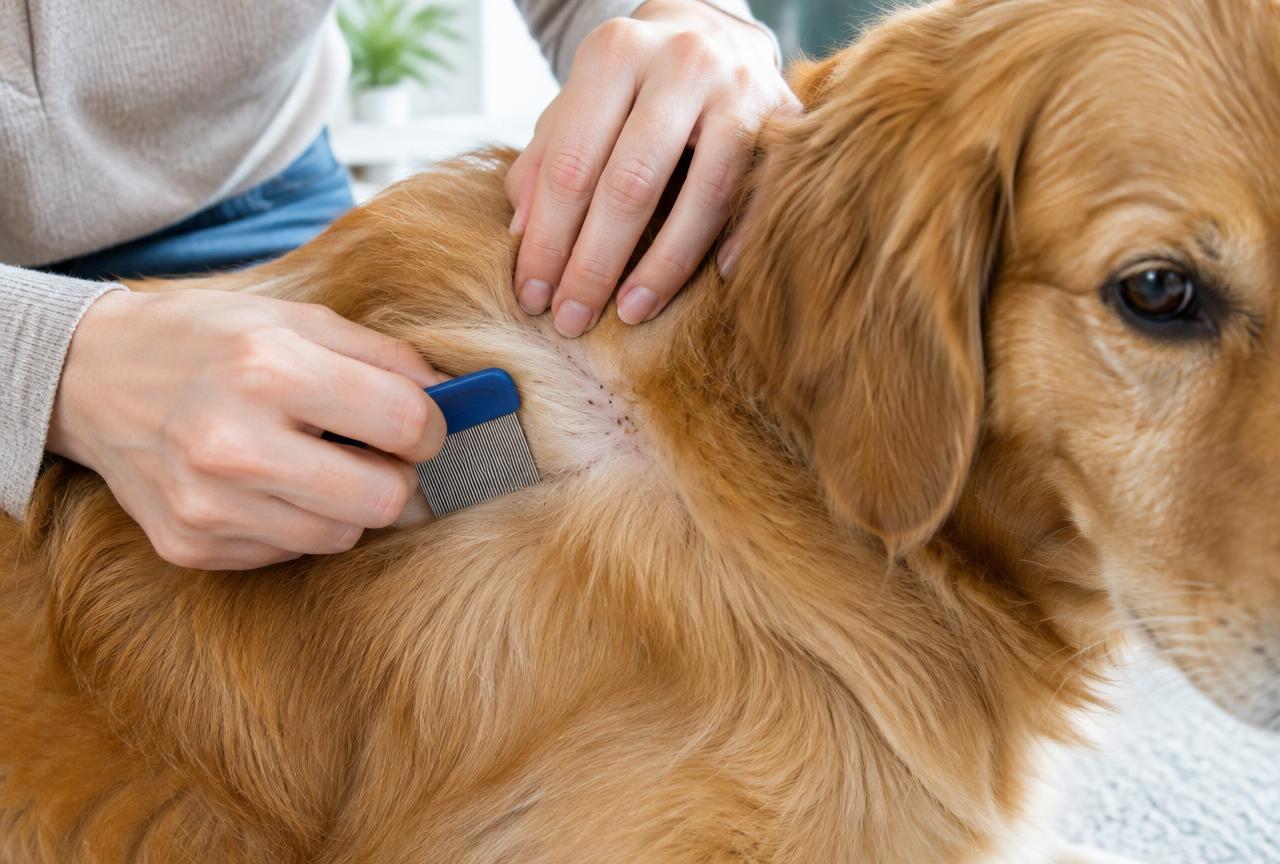
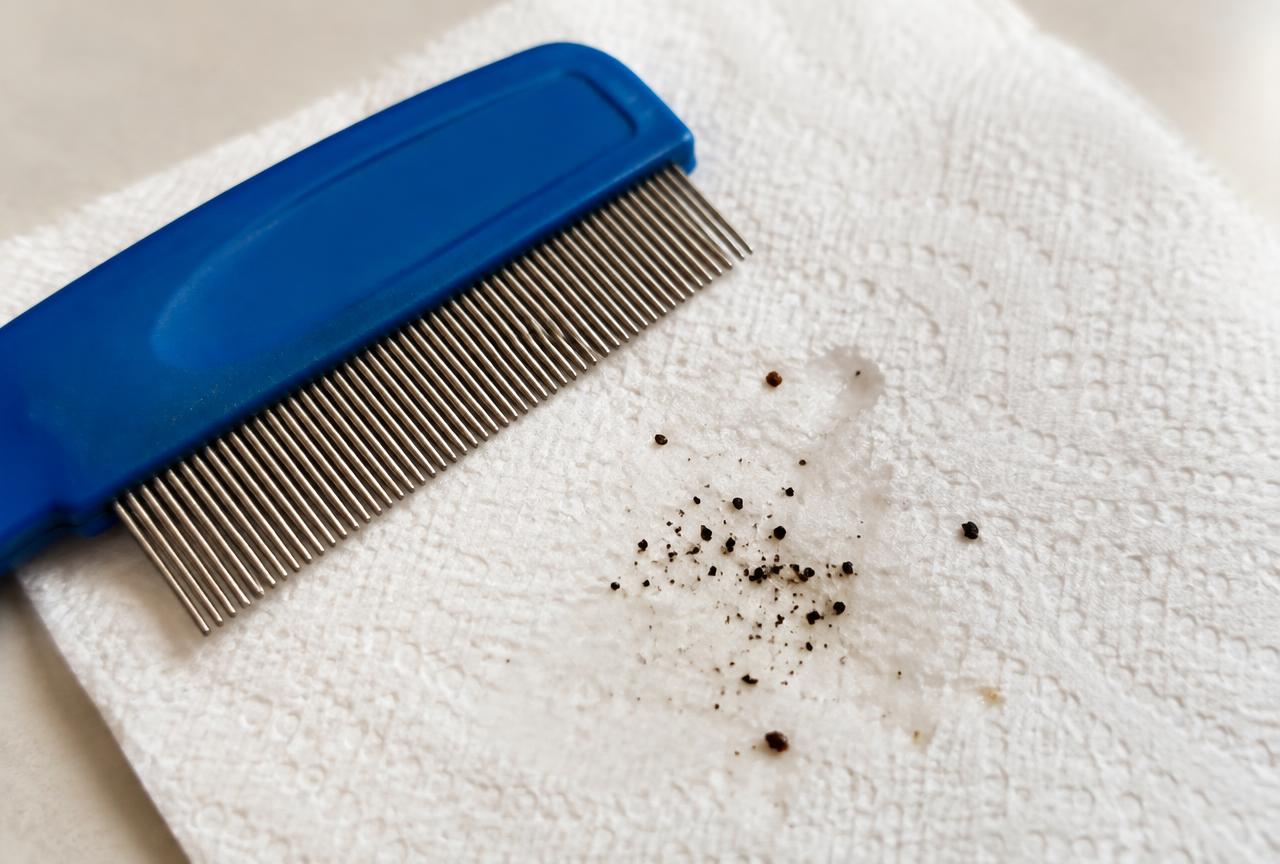
The classic signs are scratching, nibbling at the base of the tail, red bites or scabs on the skin, and black grit in the coat. To confirm, run a flea comb through the coat over a damp white paper towel: black specks that dissolve into reddish-brown smears are flea dirt, which is flea faeces containing digested blood, and that confirms fleas even if you never see one. Live fleas are fast, dark, about two millimetres long, and usually spotted at the groin, armpits or tail base.
The signs, from subtle to certain
Fleas announce themselves in a rough order. First comes the scratching: more than usual, often sudden and intense, with the dog spinning round to nibble its own back end. The tail base, lower back, groin and armpits are the hot spots, because that is where fleas congregate.
Then come the skin changes. Flea bites are small red dots, often in clusters, and dogs with flea allergy dermatitis, a genuine allergy to flea saliva, react to a single bite with days of intense itching, scabs and sometimes hot spots. These allergic dogs are often the most miserable and the hardest to diagnose, because one flea is enough and you may never find it.
Finally, the evidence you can collect. Flea dirt looks like black pepper in the coat, and the damp paper towel test separates it from ordinary dirt: real flea dirt smears rust-red because it is digested blood. Live fleas themselves are dark brown, laterally flat and built to slip through fur; if you see one, there are more.

The paper towel test, step by step
This two-minute check settles the question and every owner should know it.
- 1Set up. Put your dog somewhere light-coloured and easy to clean, and dampen a sheet of white kitchen roll.
- 2Comb the hot spots. Run a flea comb slowly through the coat at the lower back, tail base, groin and armpits, going right down to the skin.
- 3Tap onto the towel. Knock whatever the comb collects onto the damp paper.
- 4Read the result. Black specks that stay black and gritty are ordinary dirt. Specks that soften into reddish-brown halos are flea dirt, and your dog has fleas, full stop.
Treating the dog: what actually works
The treatment market is crowded and the quality gap between products is enormous. The honest summary: vet-prescribed and veterinary-grade products work; most cheap shop remedies do not, or work too slowly to break the cycle.
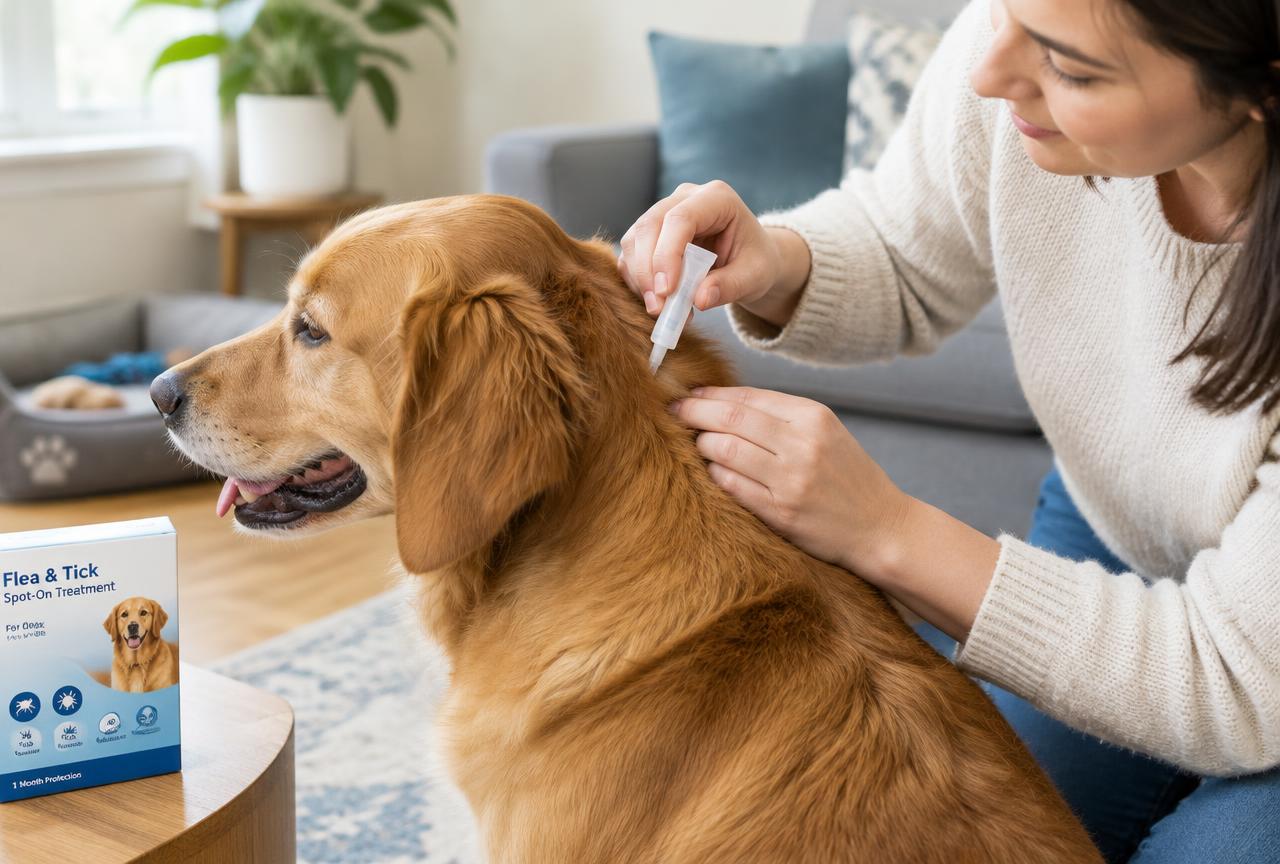
Spot-on treatments applied to the skin at the back of the neck spread through the skin oils and kill fleas on contact or on feeding, typically for a month. Apply to skin, not fur, part the coat, and keep the dog dry for 48 hours either side.
Tablets and chews work from the bloodstream, killing fleas when they bite. The modern prescription options are fast, some killing fleas within hours, and are often the best choice for allergic dogs where every bite matters.
Collars range from genuinely effective long-acting veterinary collars to decorative herbal ones that do nothing. If a collar costs very little and smells of lavender, it is the second kind.
Whatever you choose, treat every pet in the household on the same day, with a species-correct product. Dog products containing permethrin are dangerous to cats, so read the box if you have both.
Treating the home: the part everyone skips
Here is the arithmetic that decides success. Adult fleas on the dog are about five percent of the infestation. The rest are eggs in the carpet, larvae in the skirting boards and pupae in the sofa, and pupae can sit dormant for months, hatching when vibration and warmth tell them a host is near. This is why people "treat the dog, it works, and two weeks later the fleas are back". They were never gone; they were hatching.
The home plan:
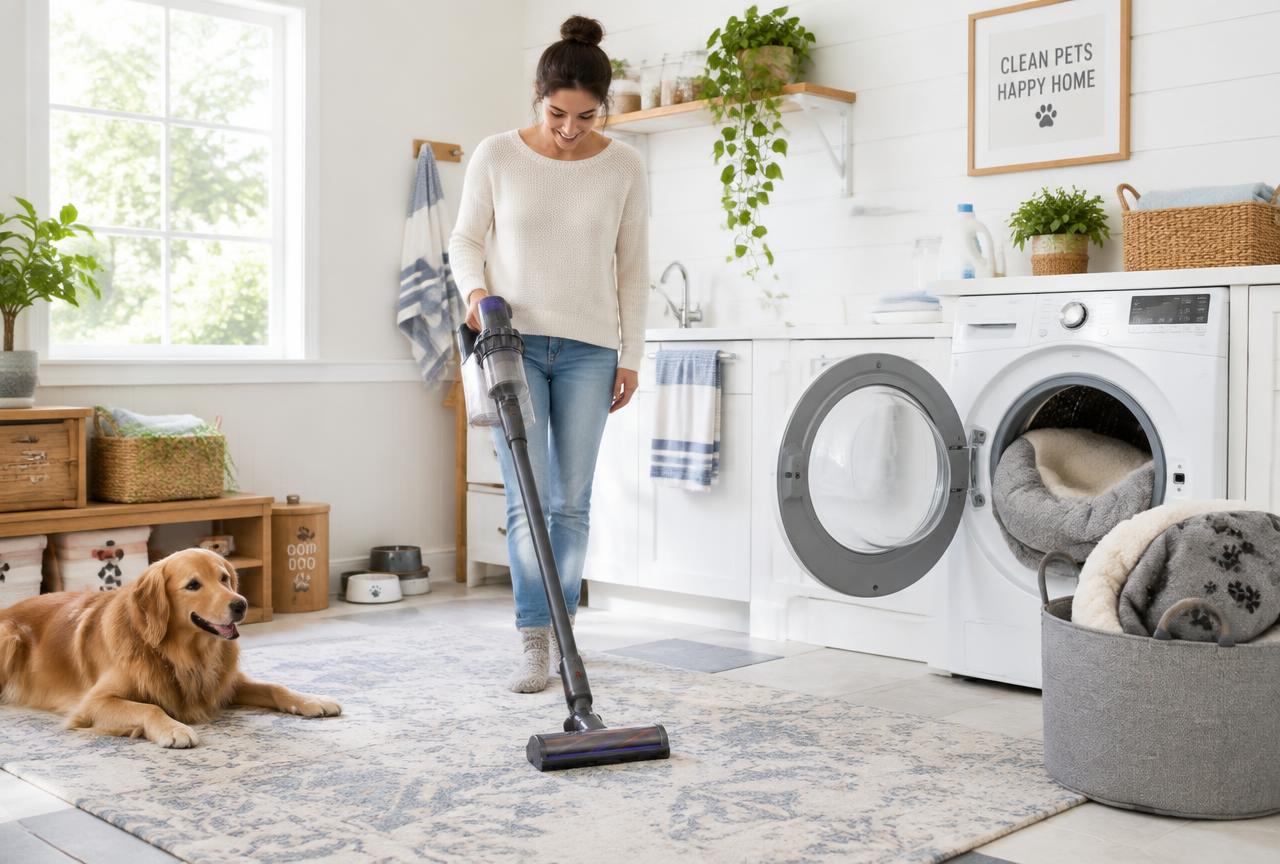
- 1Wash everything soft at 60 degrees. Dog bedding, your bedding if the dog sneaks up, blankets, sofa covers, the lot.
- 2Vacuum daily for two weeks. Carpets, rugs, sofas, skirting boards, under furniture and the car. Vacuuming does not just remove eggs; the vibration stimulates dormant pupae to hatch, which is what you want, because hatched fleas can be killed and pupae cannot.
- 3Empty the vacuum immediately into an outside bin, or you have made a flea incubator with a handle.
- 4Use a household flea spray containing an insect growth regulator for heavy infestations, treating the rooms the dog uses most, following the label exactly and airing rooms before pets return.
Expect to see occasional fleas for two to three weeks after starting treatment as the pupae hatch out. That is the cycle clearing, not the treatment failing. The mistake is stopping; the win is outlasting it.
Prevention: never do this twice
Once you have cleared an infestation, prevention is cheap and easy by comparison. Keep every pet on a veterinary flea treatment year-round, because centrally heated homes let fleas breed in January. Mark the treatment date on the calendar or set a phone reminder; most failures are lapsed doses, not failed products. Comb-check after walks in long grass or after contact with unfamiliar animals. And vacuum the dog''s favourite spots weekly as routine, so an early problem never gets the two months it needs to become a household one.
When to see the vet
Most flea problems are home-manageable, but book in if the skin is broken, weeping or infected; if your dog is allergic and miserable despite treatment; if you see pale gums or weakness in a puppy or small dog, because heavy infestations can cause anaemia; or if you have treated properly for a month and are still finding fleas, which suggests a product, application or resistance question your vet can solve in one visit.
Interactive · flea checker
Does your dog have fleas?
Tick what you have noticed and we will tell you how likely fleas are and exactly what to do next.
Your action plan
- Keep prevention up to date year-round; centrally heated homes let fleas breed in winter.
- Your dog is not on current prevention, so book a vet-approved product before flea season peaks.
No strong signs right now
Nothing you have ticked points clearly to fleas. Keep up monthly prevention and do a quick comb check after walks in long grass.
The bottom line
Fleas are beatable, but only on two fronts at once: the dog and the home. Confirm with the paper towel test, treat every pet with a product that actually works, wash and vacuum like you mean it for two weeks, and then stay on prevention forever. Do that and fleas become a story you tell, not a problem you have.
Questions people actually ask
Can dog fleas live on humans?
Dog and cat fleas can bite humans, usually around the ankles, but they cannot live or breed on us. If you are being bitten, the infestation is in the home and the pets need treating.
How do indoor dogs get fleas?
Fleas hitchhike in on people's clothing, other animals, visiting pets and wildlife in the garden. Pupae can also lie dormant in a house for months and hatch when a new host arrives.
How long does it take to get rid of fleas?
Expect two to three weeks minimum, sometimes up to two months for heavy infestations, because dormant pupae hatch in waves. Daily vacuuming speeds this up by triggering hatching.
Do flea collars work?
Veterinary long-acting collars work well. Cheap herbal or supermarket collars do not. If a collar costs very little and smells of essential oils, it is decorative.
Can fleas make my dog seriously ill?
Yes. Flea allergy dermatitis causes intense misery from even one bite, and heavy infestations can cause anaemia in puppies and small dogs, which is an emergency. Fleas also carry tapeworm.
Should I treat my house or just my dog?
Both, always. Around 95 percent of the infestation is eggs, larvae and pupae in carpets, bedding and furniture. Treating only the dog means reinfestation within weeks.
Sources
Breeds mentioned

Golden Retriever
A gentle, biddable gundog famed for its patience with children and its glossy golden coat.

Labrador Retriever
Britain's most popular family dog: biddable, food driven and built for an active household.

Bichon Frise
A cheerful, curly coated companion bred purely to be good company, and happiest never left alone for long.
Put it into practice
Read next
Dog Dry Heaving: Causes and When It Is an Emergency
Dog dry heaving is usually throat irritation or mild nausea, but repeated unproductive retching with a swollen, tight belly can be bloat (GDV), a life-threatening emergency.


