Gundog group
United Kingdom (Newfoundland roots)
Labrador Retriever
A friendly, trainable gundog that thrives on exercise, food rewards and company. Great with children but prone to weight gain if underexercised.
Reviewed against Kennel Club and breed club health guidance
Britain's most popular family dog: biddable, food driven and built for an active household.
The short version
- Labradors are highly trainable but also highly food motivated, so weight management needs active effort from puppyhood.
- The breed needs around an hour to ninety minutes of varied daily exercise once fully grown.
- Hip, elbow and eye screening in the parents significantly reduces the risk of costly joint and eye disease.
- Labradors are naturally sociable with people, children and other dogs, making them a dependable family choice.
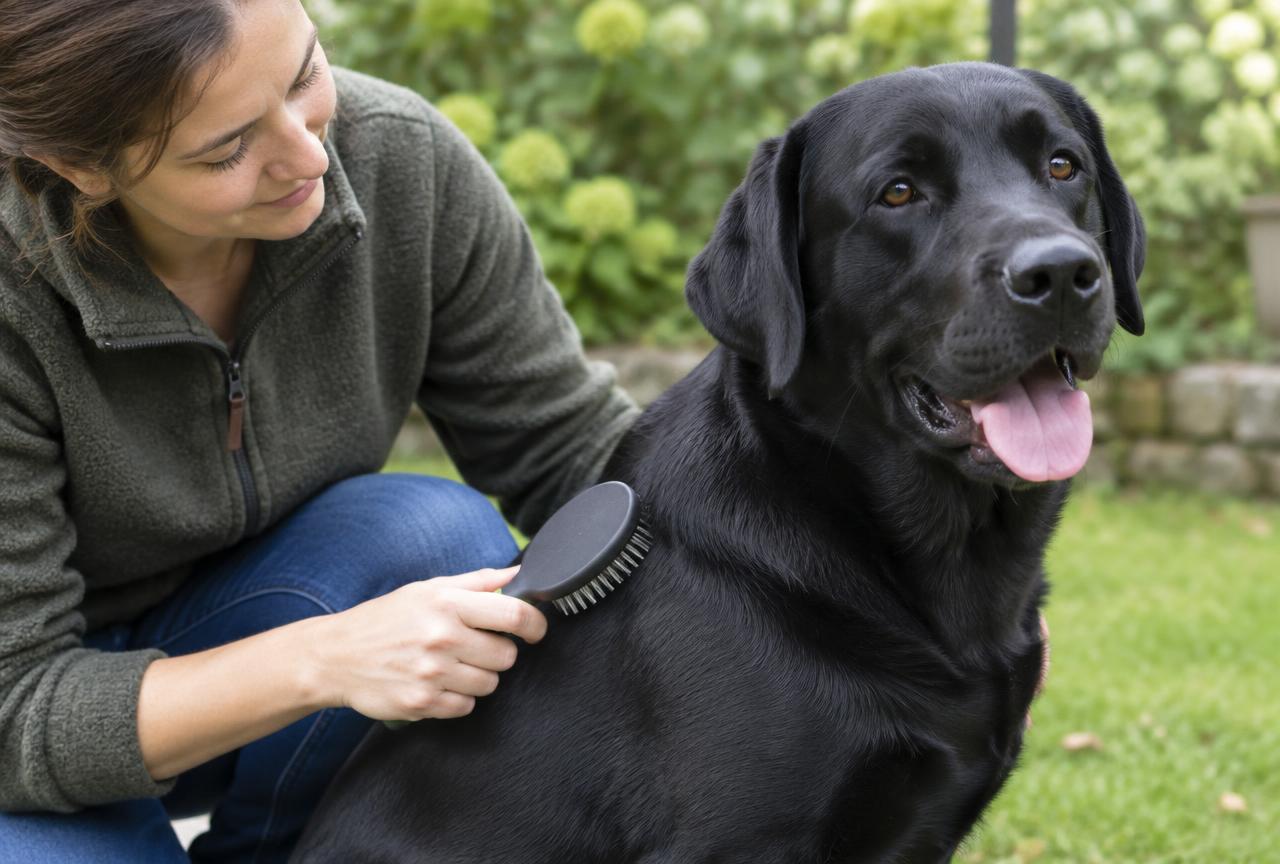
- The dense double coat sheds heavily and needs regular brushing, especially during seasonal coat changes.
- Weight
- 25 to 36 kg
- Height
- 54 to 57 cm
- Lifespan
- 10 to 12 yrs
- Size
- Large
- Group
- Gundog
- Coat
- Short, dense double coat
- Grown male
- 29 to 36 kg
- Grown female
- 25 to 32 kg
- Years to full size
- about 1.5
- One-off setup
- €600 to 1200

Get one if…
- Active families with children
- First time owners ready to train consistently
- Households with a garden or nearby open space
- People who enjoy retrieving games and swimming
- Homes where someone is around for much of the day
Think again if…
- Owners wanting a quiet, low energy dog
- Households unable to manage a boisterous adolescent phase
- Very house proud owners who dislike shedding
- Homes with nobody around for most of the day
- Owners unwilling to control food and weight
Trait profile
High trainability and affection combine with strong food motivation, so consistent handling and portion control matter more than natural obedience alone.
Space & setup. A garden is a real advantage but not essential if daily walks and retrieving games are guaranteed; the breed does poorly in flats without a committed exercise routine.
Allergies. Labradors shed heavily twice a year and steadily year round, so they are a poor choice for households with dog allergies.
Living with a Labrador Retriever
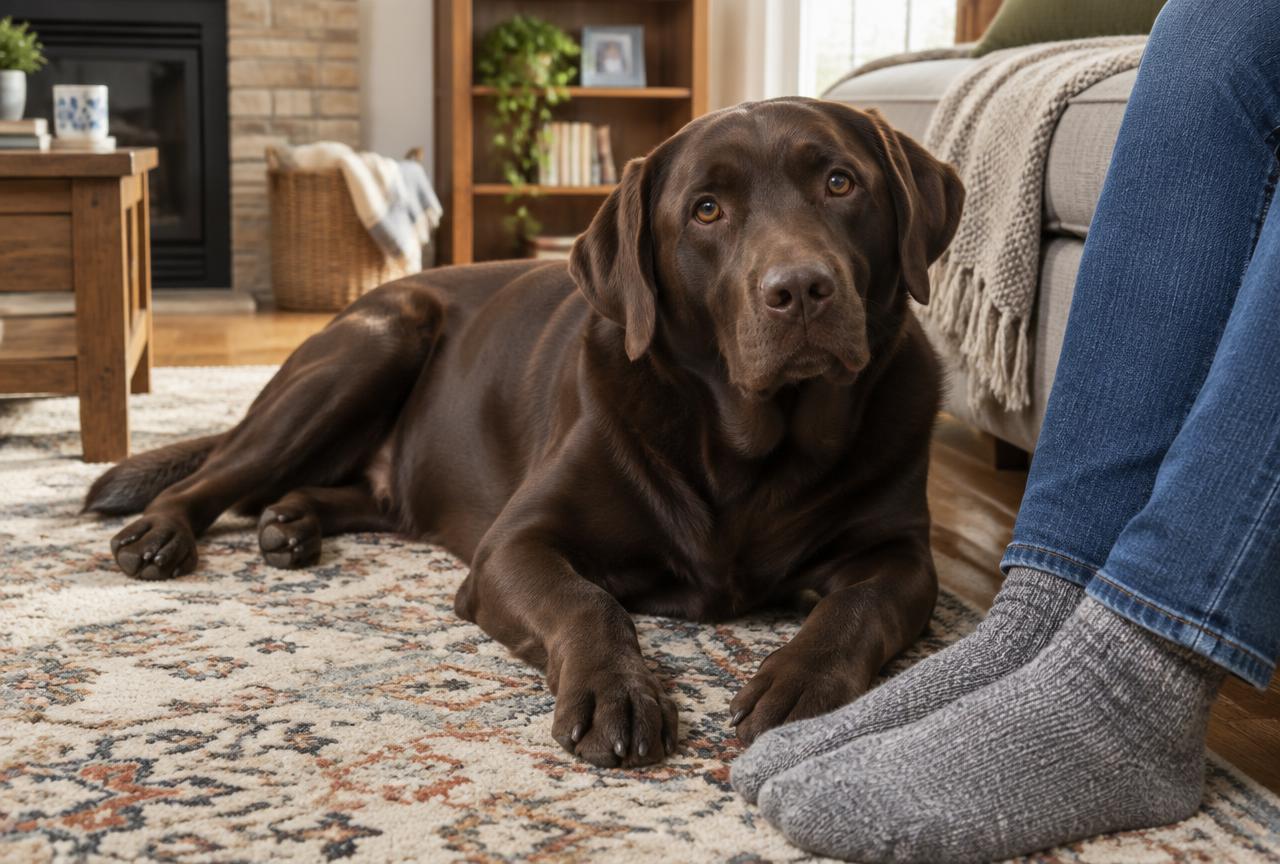
The Labrador Retriever is a sturdy, good natured gundog bred to retrieve game from land and water. Friendly, food motivated and eager to please, it has become the world's favourite family dog.
The Labrador Retriever traces its roots to the fishing dogs of Newfoundland, brought to England in the early 19th century and refined by British sporting estates to retrieve waterfowl from icy water and rough terrain. That working history explains almost everything about the breed today: the dense, water resistant double coat, the otter tail used as a rudder, the soft mouth bred to carry a bird without damaging it, and a temperament built to work cheerfully alongside people for hours at a time. The Kennel Club and AKC both recognise three coat colours, black, yellow and chocolate, all from the same working stock rather than separate lines.
At home, the Labrador is famous for its equable, outgoing temperament. It is rarely aggressive, usually sociable with strangers and other dogs, and deeply attached to its family, which can tip into separation difficulties if left alone too often. Labradors mature slowly in mind even after they reach full size, often staying puppyish and boisterous until two or three years old. Their enthusiasm is genuine and their recall, when trained early with food rewards, is usually excellent, but an untrained adolescent Labrador is a large, strong, food obsessed animal that can pull on the lead, jump up and counter surf with impressive persistence.
Exercise needs are real rather than extreme: a full grown Labrador does well with around an hour to ninety minutes of varied activity a day, split between free running, retrieving games, swimming where possible and structured training. Puppies need much less, following the rough guide of five minutes per month of age twice a day, to protect growing joints. Training is a genuine strength of the breed; Labradors are among the most trainable dogs recognised by canine researchers, responding fast to positive, food based methods, which also makes them prone to weight gain since they will work for treats all day. Owners need to manage portion sizes carefully and resist the breed's talent for looking permanently hungry.
Health is the area that most deserves attention before buying. Hip and elbow dysplasia are well documented in the breed, so reputable breeders screen parents through the BVA/Kennel Club hip and elbow schemes and aim for scores below the breed mean. Labradors are also one of the breeds most affected by exercise induced collapse and progressive retinal atrophy, both of which have DNA tests available, and by obesity linked to a variant of the POMC gene that increases appetite. Bloat, ear infections in dogs that swim often, and osteoarthritis in later life are also worth planning for with insurance and a lean body condition throughout life.
The Labrador suits active families, first time owners willing to commit to training and exercise, and households where someone is home for a good part of the day. It is less suited to owners wanting a quiet, low energy companion, those unable to manage a boisterous adolescent phase, or homes without secure outdoor space and time for daily exercise. Chosen from health tested parents and given consistent training, exercise and portion control, a Labrador Retriever is one of the most reliably good natured, adaptable family dogs available, which is exactly why it remains so popular decades after its retrieving days began.
A cheerful, food driven all rounder that rewards owners who train early and feed carefully.
Exercise, day to day
- 1Puppies: five minutes of gentle exercise per month of age, twice a day, avoiding jumping and stairs.
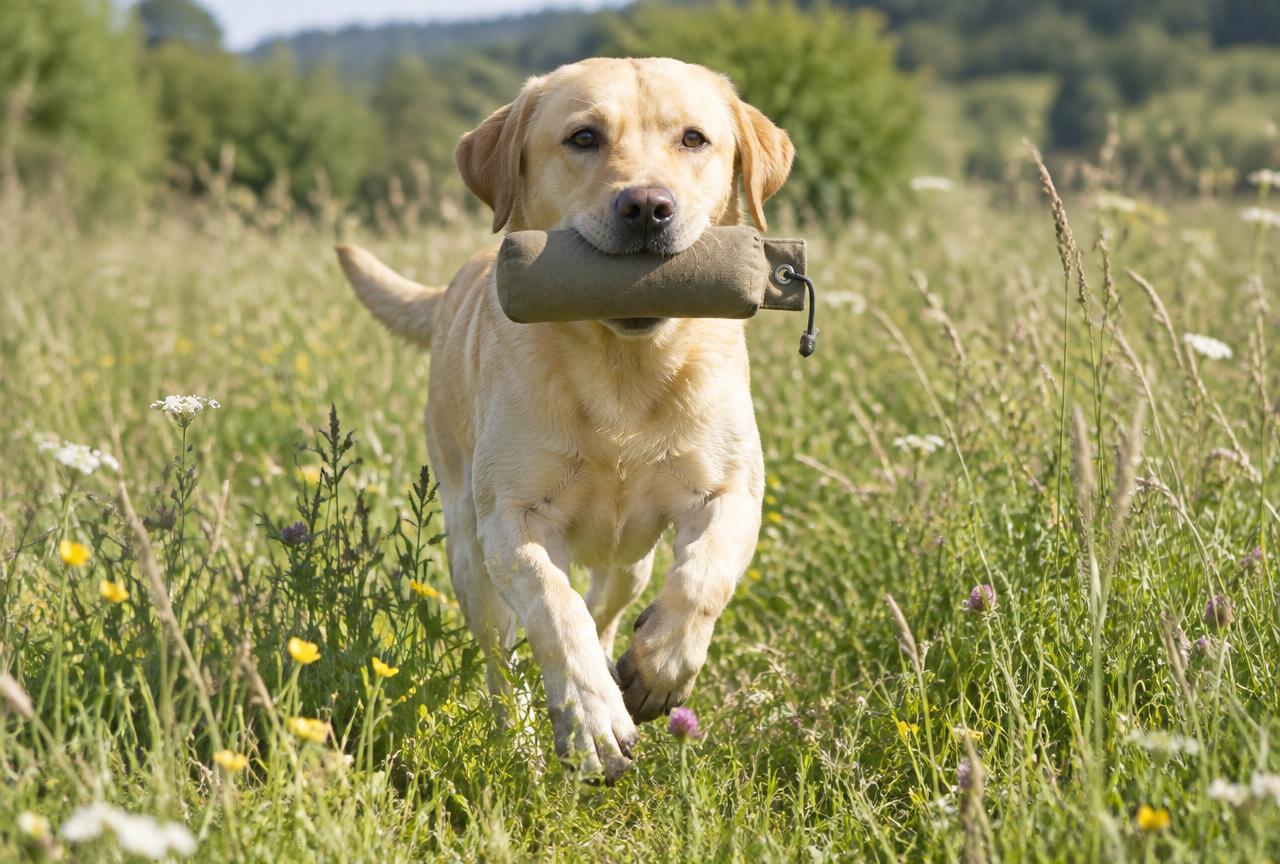
- 2Adults: 60 to 90 minutes daily split into two or three sessions of walking, retrieving and free running.
- 3Add swimming where safe; it is low impact and matches the breed's natural retrieving instincts.
- 4Include 10 to 15 minutes of scent work or obedience training daily to satisfy the breed's mental needs.
- 5Older dogs benefit from shorter, more frequent walks and joint supplements under veterinary guidance.
Grooming, realistically
- 1Brush twice weekly with a slicker or shedding tool, increasing to daily during the spring and autumn coat blow.
- 2Bathe only when genuinely dirty or after swimming in still water, using a dog specific shampoo.
- 3Check and dry ears thoroughly after swimming to prevent infections.
- 4Trim nails monthly if not naturally worn down by exercise.
- 5Brush teeth several times a week to reduce plaque and dental disease risk.
What you actually need
- Slicker brush
- Undercoat rake
- Dog nail clippers
- Ear cleaning solution
- Enzymatic toothpaste and brush
- Deshedding shampoo
Puppy to adult
| Age | Male | Female | What is happening |
|---|---|---|---|
| 8 weeks | 6 to 8 kg | 5 to 7 kg | Soft, rounded puppy shape; keep exercise brief. |
| 3 months | 11 to 14 kg | 10 to 13 kg | Rapid growth phase; avoid jumping and rough play. |
| 6 months | 18 to 24 kg | 16 to 21 kg | Adolescent energy increases; training focus pays off now. |
| 9 months | 23 to 29 kg | 20 to 26 kg | Approaching adult height, still filling out in muscle. |
| 12 months | 27 to 33 kg | 23 to 29 kg | Near full size; full exercise can begin gradually. |
| 18 months (adult) | 29 to 36 kg | 25 to 32 kg | Mature weight reached; mental maturity may take another year. |
Ranges are typical, not targets. Judge condition by ribs and waist, and check with the ideal weight checker.
What to ask a breeder
- Can I see recent BVA/Kennel Club hip and elbow scores for both parents?
- Have the parents had current eye examinations for inherited conditions?
- Has the litter been DNA tested for exercise induced collapse and PRA?
- What is the temperament of the mother and, if possible, the father?
- How have the puppies been socialised with people, noise and handling so far?
- Can I visit and see the puppies with their mother in the home environment?
Health tests to ask for
Ask to see results for both parents before you put down a deposit.
- Hip score (BVA/Kennel Club scheme), aim below breed median
- Elbow score (BVA/Kennel Club scheme), grade 0 preferred
- Eye examination for progressive retinal atrophy and other inherited eye conditions
- DNA test for exercise induced collapse (EIC)
- DNA test for POMC gene variant linked to obesity risk
Health watch-list
What to ask a breeder about, and what to watch for over a lifetime. This is orientation, not veterinary advice, anything you notice belongs in front of a vet.
Hip and elbow dysplasia
NotableMalformed joints can cause lifelong lameness and arthritis. Screening parents through BVA/Kennel Club schemes greatly reduces risk.
Exercise induced collapse
UncommonAn inherited neurological condition causing collapse after intense exercise. A DNA test identifies carriers before breeding.
Progressive retinal atrophy
UncommonA gradual, inherited loss of vision with no cure. DNA testing of breeding stock helps prevent affected litters.
Obesity
Very likelyLabradors have a strong appetite linked to a known gene variant, so careful portion control is essential throughout life.
Bloat (gastric dilatation volvulus)
UncommonA life threatening emergency more common in large, deep chested breeds. Feeding smaller meals and avoiding exercise after eating reduces risk.
Ear infections
CommonFloppy ears and frequent swimming trap moisture. Drying ears after water exposure helps prevent infection.
What it costs to keep one
Realistic running cost
€215 / month
About €2,580 a year, or roughly €28,380 across a 11-year life, before purchase price, neutering and one-off vet events.
Before the puppy arrives. Budget roughly €600 to 1200 for a crate, bed, lead and harness, bowls, puppy classes, first vaccinations and grooming kit sized for this breed. Figures throughout are indicative and vary a good deal between countries.
Interactive · built for this breed
Is a Labrador Retriever right for your home?
Seven honest questions about your space, time and household, checked against this breed's exercise need, coat, sociability and tolerance for time alone.
Fit with your routine
91%
A strong fit
Your routine suits a Labrador Retriever well. Meet adult dogs of the line before you commit.
What to sort out first
- Needs more daily exercise than you have pencilled in.
Working in your favour
- Coat care fits the grooming time you offered.
Compare more breeds in the matchmaker, or plan meals with the portion calculator.
The verdict, by household
First-time owner
A strong choice
Trainable and forgiving, provided time is invested in exercise and consistent feeding routines.
Family with young children
An excellent match
Patient and gentle, though boisterous as a puppy so supervision matters with toddlers.
Small flat, no garden
Only with dedication
Possible with committed daily exercise but far from ideal for such an active breed.
Senior or retired owner
A good match if fit
Rewarding companionship but needs an owner able to manage a strong, energetic dog for years.
When to call your vet
- Sudden hind leg weakness or reluctance to rise after exercise, which can indicate exercise induced collapse
- Persistent limping or stiffness, possible signs of hip or elbow dysplasia
- Distended abdomen, retching without vomiting, and restlessness, urgent signs of bloat
- Cloudy eyes or reduced night vision, possible signs of progressive retinal atrophy
- Persistent scratching at ears or head shaking after swimming, possible ear infection
- Rapid weight gain despite normal feeding, worth discussing with a vet
Nothing here is a diagnosis. A swollen, hard belly with retching, collapse, breathing difficulty and sudden hind-leg weakness are emergencies: go straight away.
Labrador Retriever vs the closest alternatives
| Breed | Weight | Energy | Grooming | € / month |
|---|---|---|---|---|
| Labrador Retriever | 25 to 36 kg | 8/10 | 3/10 | €215 |
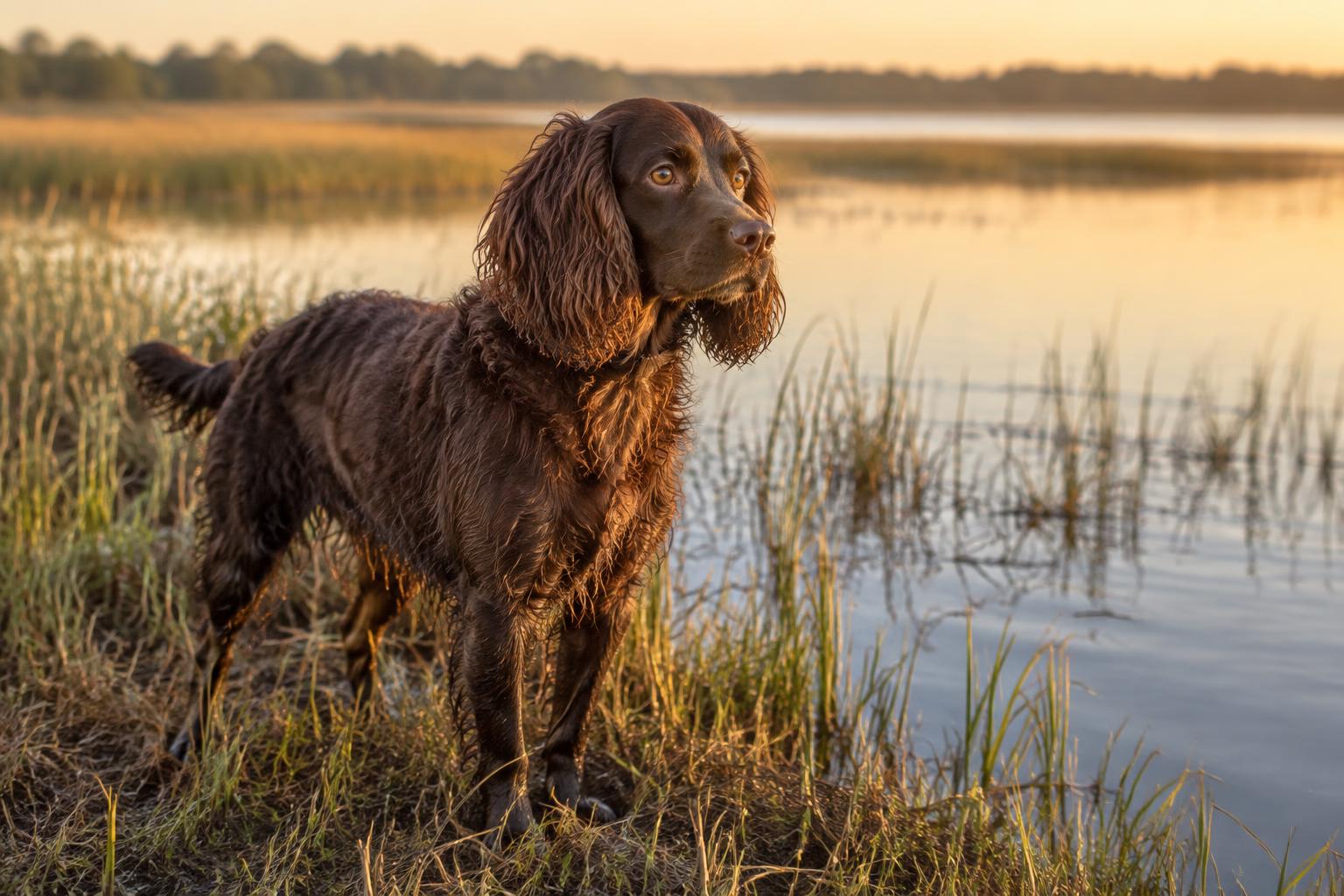
| Boykin Spaniel | 11 to 18 kg | 8/10 | 5/10 | €88 |
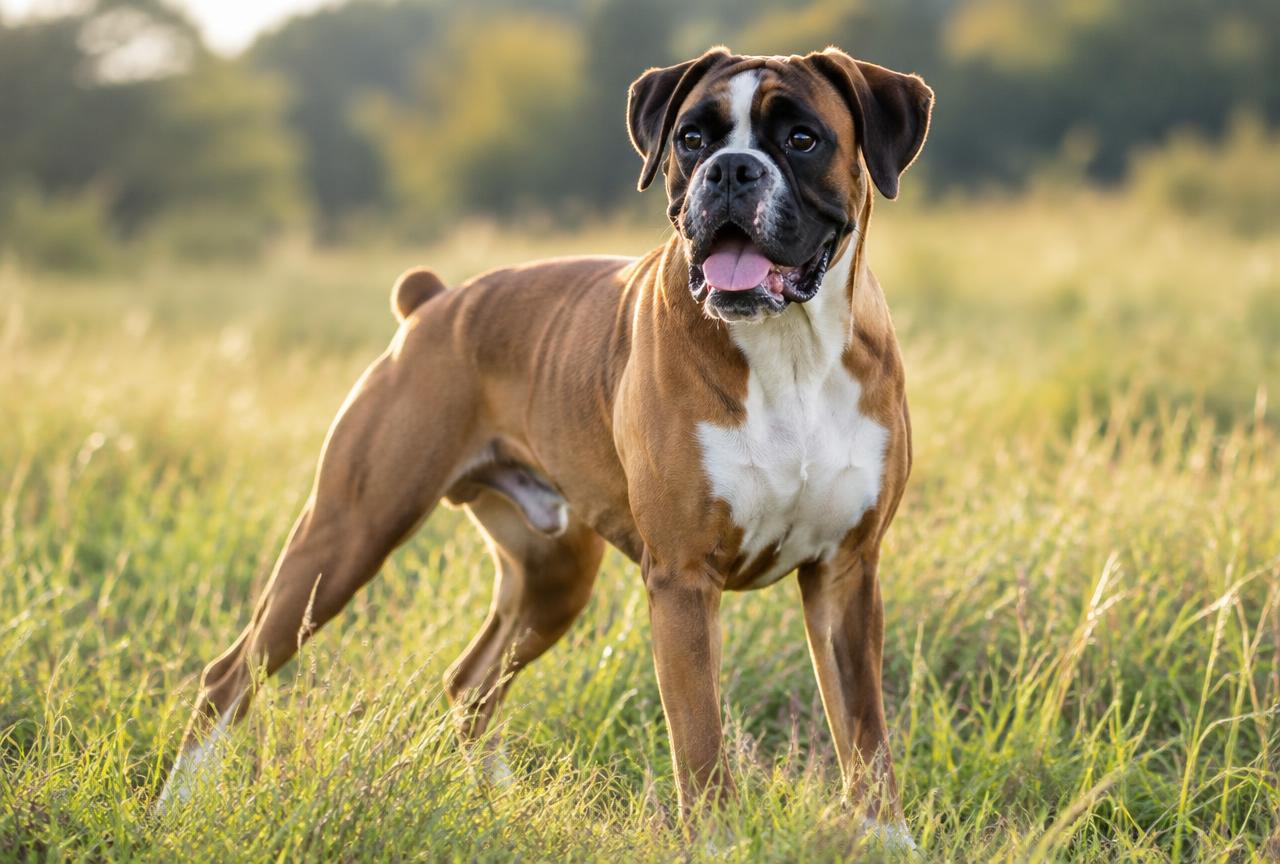
| Boxer | 25 to 32 kg | 9/10 | 2/10 | €165 |
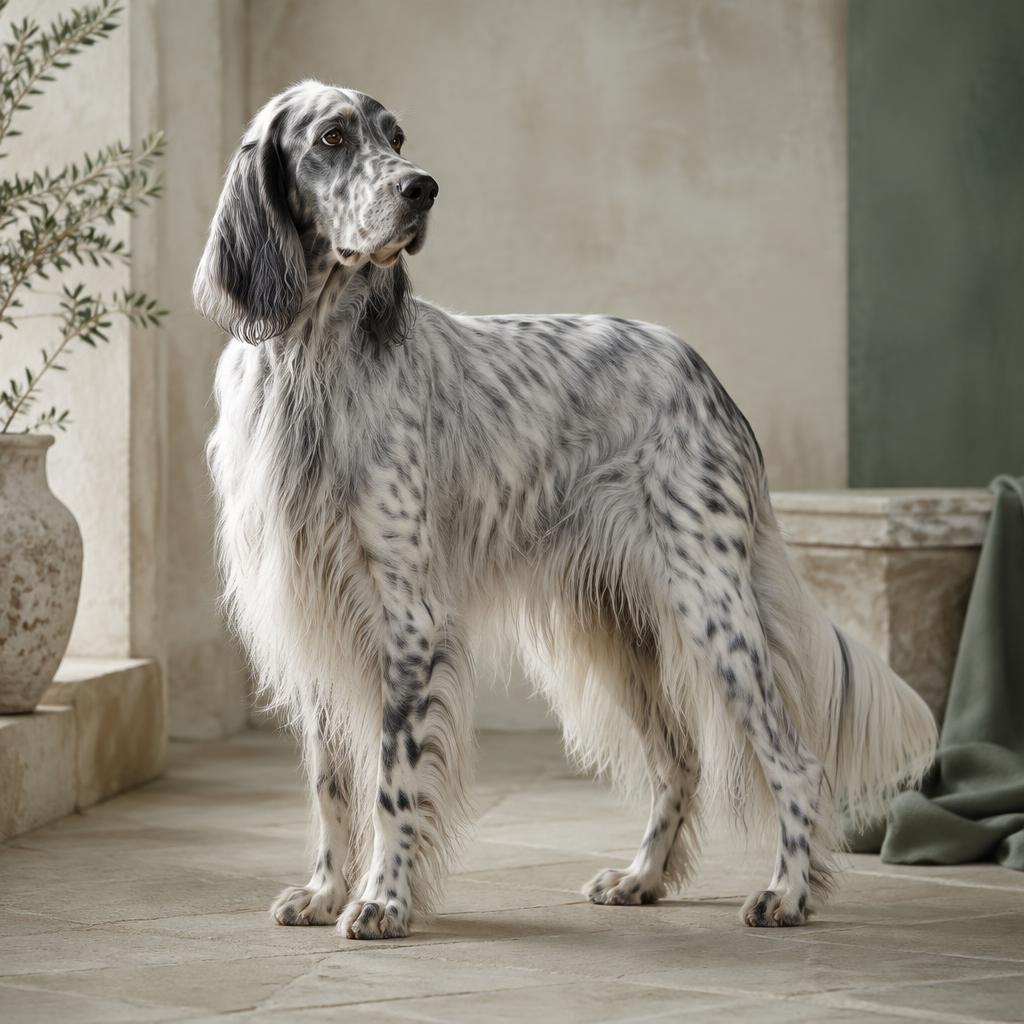
| English Setter | 20 to 36 kg | 7/10 | 6/10 | €116 |
Labrador Retriever questions, answered
Are Labrador Retrievers good with children?
Yes, Labradors are generally patient, gentle and tolerant with children, which is a major reason for their popularity as family dogs. As with any breed, interactions between young children and dogs should always be supervised, especially during the boisterous puppy stage.
How much exercise does a Labrador need?
An adult Labrador typically needs 60 to 90 minutes of varied exercise a day, including walking, retrieving games and ideally some swimming. Puppies need much less, following the guide of about five minutes per month of age, twice daily, to protect developing joints.
Do Labradors shed a lot?
Yes, Labradors have a dense double coat that sheds steadily year round and heavily during seasonal coat changes in spring and autumn. Regular brushing, two to three times a week and daily during a coat blow, keeps loose hair manageable.
Are Labradors easy to train?
Labradors are among the most trainable breeds, responding quickly to positive, food based methods thanks to their eagerness to please and strong food motivation. That same food drive means treats should be measured carefully to avoid excess weight gain.
What health problems are common in Labradors?
Hip and elbow dysplasia, obesity, ear infections and inherited eye conditions such as progressive retinal atrophy are the main concerns. Choosing a puppy from parents with good BVA/Kennel Club hip and elbow scores and clear eye tests reduces these risks considerably.
How big do Labrador Retrievers get?
Adult Labradors typically weigh between 25 and 36 kg, with males usually heavier than females, and stand 54 to 57 cm at the shoulder. They usually reach full height by around a year old but continue filling out in muscle until about eighteen months to two years.
Sources
- Labrador Retriever breed standard, The Kennel Club
- Labrador Retriever breed information, American Kennel Club
- Hip Dysplasia Scheme, British Veterinary Association
- Labrador Retriever health survey, The Labrador Retriever Club
- Exercise induced collapse, OFA
Put it into practice
Reading that goes with this
Health
Why Is My Dog Not Eating? Causes and When to Act

Puppies
Crate Training a Puppy: A 14-Day Plan

Health
Dog Hiccups: Why They Happen and When to Worry
Nutrition
Can Dogs Eat Carrots? Raw, Cooked and Portion Guide
Nutrition
Can Dogs Eat Broccoli? Florets, Stems and Portions

Nutrition
Can Dogs Eat Watermelon? Rind, Seeds and Safe Servings
Behaviour
Why Do Dogs Hump? Causes and How to Stop It

Health
Why Is My Dog Itching? Allergies, Parasites and Skin
Care
How to Clean a Dog's Ears: A Calm Step-by-Step Guide
Training
How to Stop a Dog Jumping Up at People

Nutrition
Can Dogs Eat Cucumbers? A Crunchy Low-Calorie Treat
Nutrition
Can Dogs Eat Cheese? Safe Types, Portions and When to Avoid It
Care
How to Trim Dog Nails: A Calm Step-by-Step Guide
Nutrition
What Human Foods Can Dogs Eat? The Safe List
Training
How to House Train a Puppy: A Two-Week Plan
Behaviour
Why Do Dogs Eat Sticks? Risks and How to Stop It

Health
Can Dogs Eat Grapes? Why Even One Is an Emergency

Training
How to Stop a Puppy Biting: A Week-by-Week Plan
Nutrition
Can Dogs Eat Blueberries? Portions, Benefits and Serving Ideas

Health
Dog Allergies: Types, Symptoms and Treatment
Behaviour
Why Does My Dog Follow Me Everywhere?

Health
Why Do Dogs Scoot? Anal Glands, Worms and Itchy Bottoms
Nutrition
Can Dogs Eat Peanut Butter? Xylitol Checks and Safe Servings

Health
My Dog Ate Chocolate: What To Do Now
Nutrition
Can Dogs Eat Mango? Stone, Skin and Serving Size
Health
Dog Losing Weight: Causes and When to Worry
Health
Why Is My Dog Limping? Causes, First Aid and When to Worry

Behaviour
Why Is My Dog Whining? Causes and How to Respond

Health
Why Is My Dog Panting So Much? Causes and Warning Signs
Nutrition
Can Dogs Eat Bananas? Portions, Benefits and When to Skip Them
Training
How to Stop a Dog Pulling on the Lead
Nutrition
Can Dogs Eat Pineapple? Fresh, Canned and Dried

Health
Foods Dogs Must Never Eat: The Toxic List
Health
Why Is My Dog Drinking a Lot of Water? Causes and When to Test
Health
Dog Bad Breath: Causes, Fixes and When It Is Serious
Behaviour
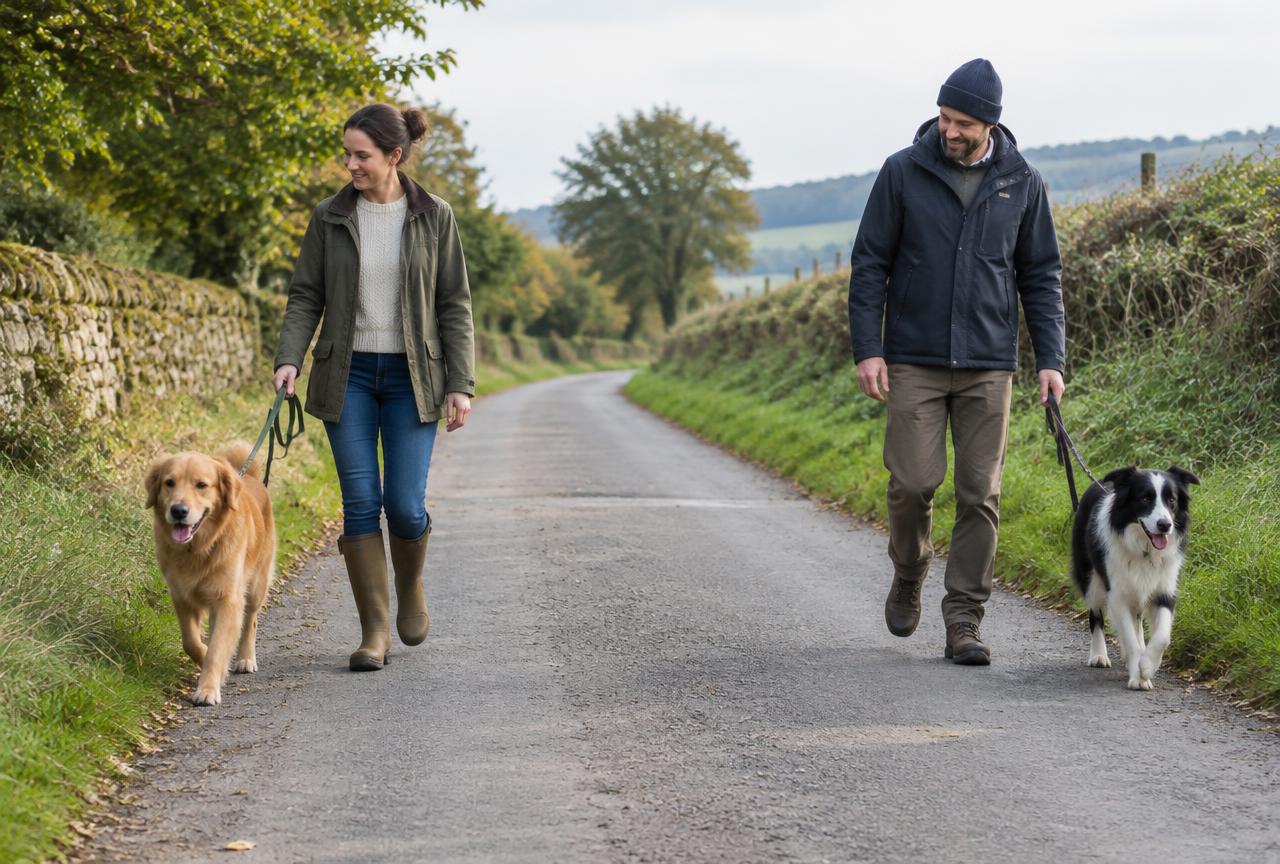
Introducing a New Dog to Your Dog: A Step-by-Step Plan
Care
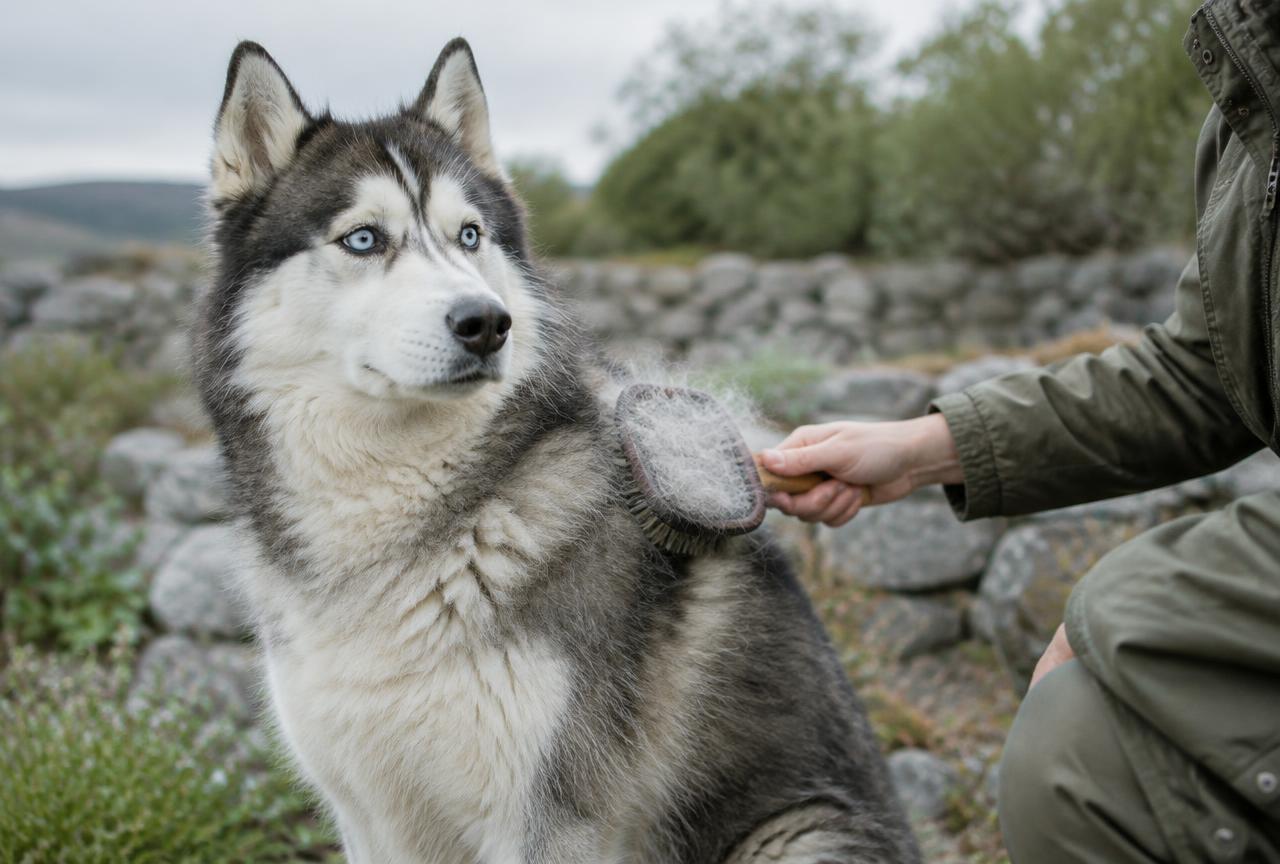
Dog Shedding: What Is Normal and How to Manage It
Nutrition
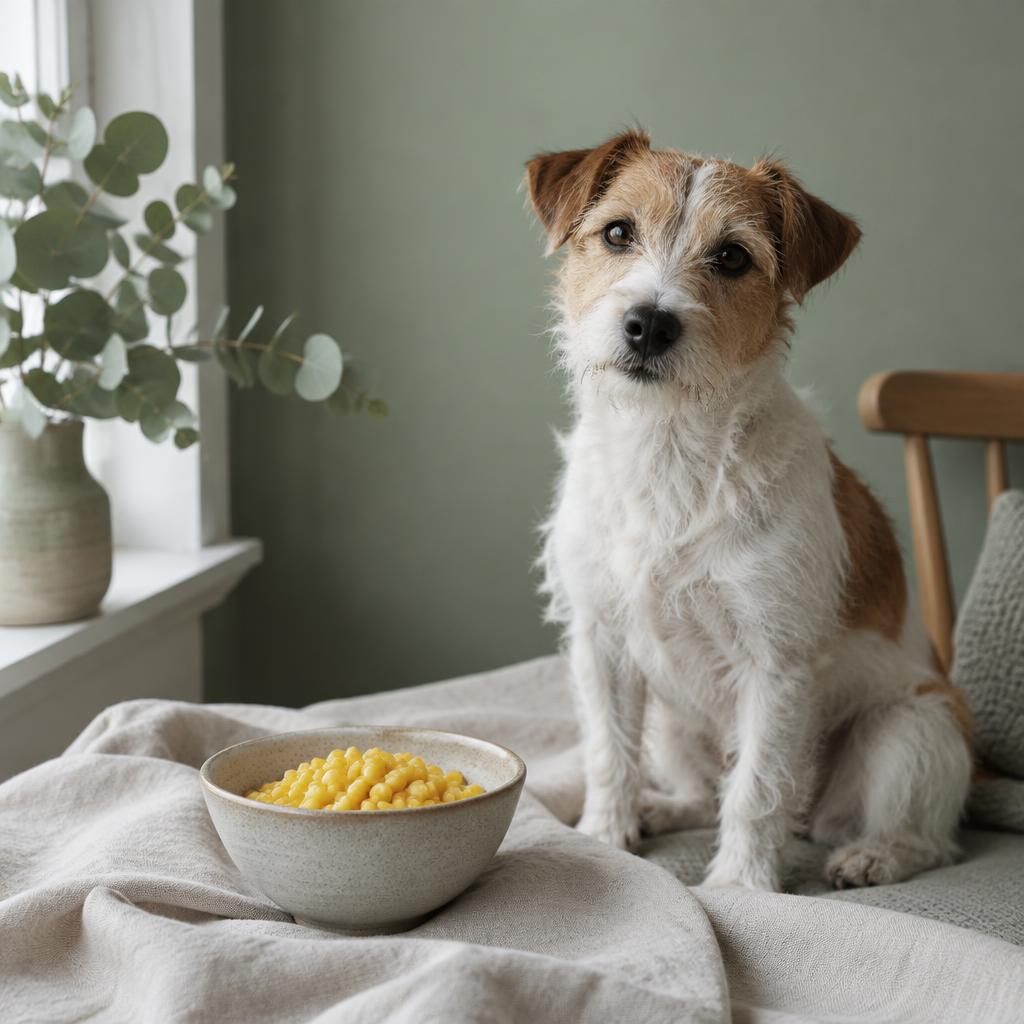
Can Dogs Eat Corn? On the Cob, Kernels and Popcorn
Behaviour
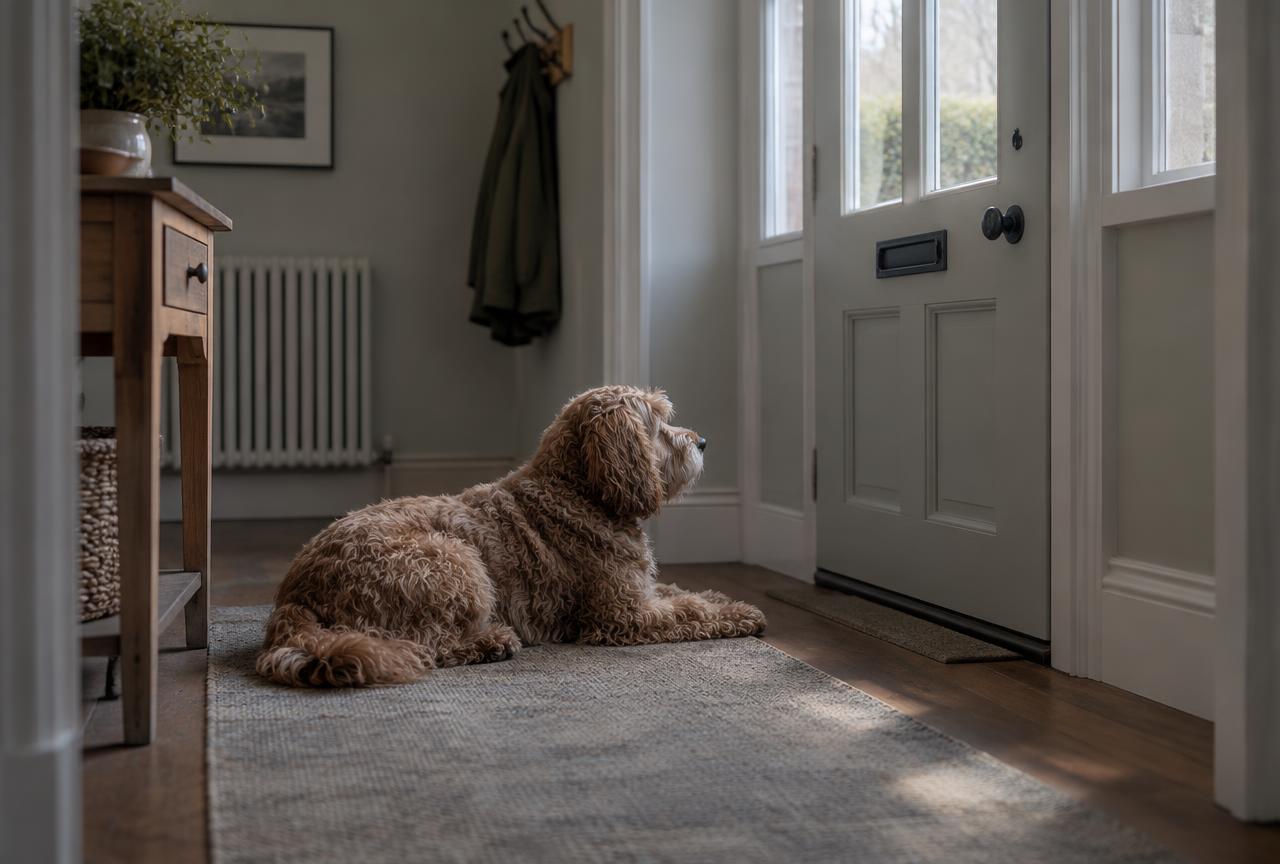
Dog Separation Anxiety: Signs, Causes and a Training Plan
Nutrition
Can Dogs Eat Tomatoes? Ripe, Green and the Plant

Care
Dog Years to Human Years: The Real Science
Health
Dog First Aid: The Kit and Skills Every Owner Needs
Behaviour
Why Do Dogs Wag Their Tails? Reading the Signals
Nutrition
How Much Should I Feed My Dog? Portions by Weight and Age
Health
My Dog Swallowed a Sock: What To Do Now
Nutrition
Can Dogs Eat Rice? White vs Brown and When It Helps
Behaviour
Why Is My Dog Licking the Floor? Causes and When It Matters

Nutrition
Can Dogs Eat Oranges? Segments, Peel and Portions

Health
Dog Bee Sting: What to Do in the First Hour

Nutrition
Can Dogs Eat Fruit? A Vet-Informed Guide
Behaviour
Why Do Dogs Eat Dirt? Causes and When It Matters

Nutrition
Can Dogs Eat Strawberries? Portions, Sugar and Serving Ideas

Behaviour
Why Do Dogs Lick You? Affection, Taste and When to Worry
Nutrition
Can Dogs Eat Sweet Potato? Cooked, Raw and the Skin

Health
Dog Dry Nose: The Myth, the Causes and When It Matters

Health
My Dog Ate a Chicken Bone: What To Do Now

Health
Why Do Dogs Lick Their Paws? Causes and Fixes

Puppies
How to Socialise a Puppy: The First 16 Weeks

Nutrition
Can Dogs Eat Cherries? Pits, Stems and the Real Risk
Nutrition
Can Dogs Eat Pears? Core, Seeds and Portions
Nutrition
Can Dogs Eat Bread? Crusts, Dough and When It Is Dangerous

Nutrition
Can Dogs Eat Avocado? Flesh, Skin, Stone and Guacamole