How to House Train a Puppy: A Two-Week Plan
Puppies are not naughty, they just have small bladders. A clear two-week routine, a schedule by age and a calm approach to accidents.
The SniffScroll desk
Published 9 October 2026
Reviewed against current veterinary guidance
The short version
- Go out on waking, after meals, play and drinks, and at least every one to two hours.
- Reward within two seconds of finishing, while still outside.
- Supervise indoors or use a crate or pen when you cannot watch.
- Never punish accidents; clean with an enzyme cleaner.
- A puppy can hold on for roughly its age in months plus one hour, up to six.
House training is the first big project with a new puppy, and the one that tests every owner's patience. The good news is that it follows clear rules. Puppies are not being naughty when they have accidents; they simply have small bladders, little control and no idea yet where you want them to go. If you learn how to potty train a puppy by working with those facts, most puppies are reliably clean within a few weeks, and the setbacks become rare.
This guide gives you a two-week plan, a daily schedule by age, a calm way to handle accidents, and clear signs for when a problem is medical rather than training.
How do you house train a puppy? The short answer
You house train a puppy by taking it outside to the same spot very often, especially after waking, eating, playing and drinking, and rewarding it the moment it goes. Supervise closely indoors, use a crate or small area when you cannot watch, and clean accidents with an enzyme cleaner without scolding. A useful rule of thumb is that a puppy can hold its bladder for roughly its age in months plus one hour, to a maximum of about six hours. Most puppies are mostly clean in two to four weeks of consistent training and fully reliable by six months.
How long does house training take?
Most puppies grasp the basic idea within one to two weeks of consistent training, but full reliability, especially overnight, usually takes until four to six months of age. The speed depends on age, breed size, how consistent the household is and what happened before the puppy came home.
Small and toy breeds such as the Chihuahua, Pug and Shih Tzu are known for taking longer. They have tiny bladders, and their accidents are small enough to go unnoticed, so the habit can establish itself indoors. Larger breeds such as the Labrador Retriever and Golden Retriever often catch on faster but still need the same structure.
| Puppy's age | Roughly how long it can hold on while awake | Overnight |
|---|---|---|
| --- | --- | --- |
| 8 weeks | 1 to 2 hours | Expect one or two trips |
| 10 to 12 weeks | 2 to 3 hours | Usually one trip |
| 16 weeks | 3 to 4 hours | Often sleeps through |
| 5 to 6 months | 4 to 6 hours | Sleeps through |
| Adult | 6 to 8 hours | Sleeps through |
These are maximums for a calm puppy, not targets. Excitement, play, a big drink or a meal all shorten the time dramatically.
The five rules that make it work
Successful house training comes down to five habits, and missing any one of them is the usual reason it stalls.
- 1Go out often. Far more often than seems necessary: on waking, after every meal, after play, after a drink, after excitement such as visitors, and at least every hour or two for young puppies.
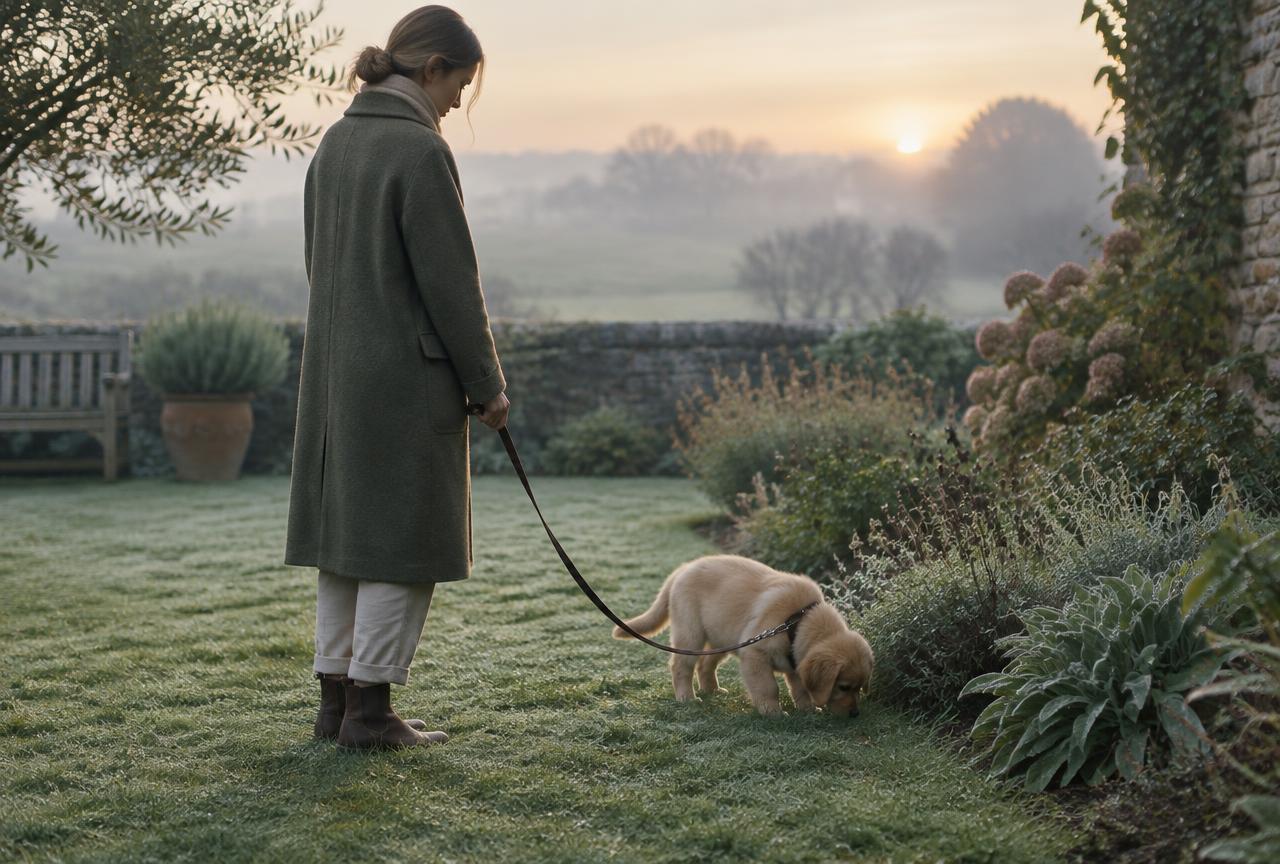
- 2Go to the same spot. The smell of previous visits tells the puppy this is the place. Use a lead for the first weeks so you can guide it there and keep it from wandering into play.
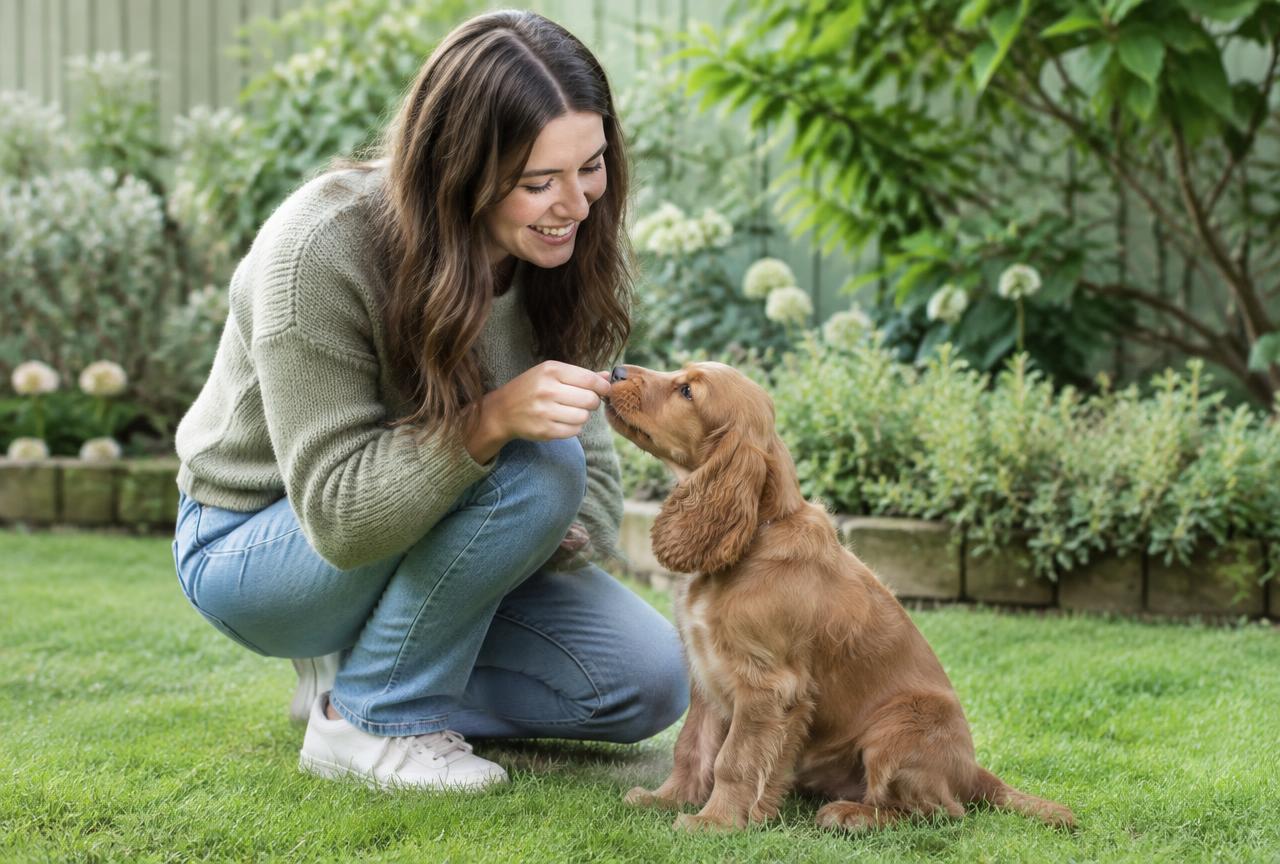
- 3Reward instantly. Praise warmly and give a small, tasty treat within two seconds of the puppy finishing, while you are still outside. Rewarding once you are back indoors teaches it that coming in is good, not toileting outside.
- 4Supervise or confine. Indoors, either watch your puppy closely or have it in a crate, pen or small puppy-proofed room. Freedom is earned gradually.
- 5Never punish accidents. Telling off a puppy for an accident teaches it to hide from you to go, which makes training much harder.
Your two-week plan
This plan gives you a structure for the first fortnight; adjust the timings to your puppy's age using the timetable tool further down.
Days 1 to 3: set up the routine. Pick the toilet spot. Go out on a lead every hour while the puppy is awake, plus all the trigger times. Stand still and quiet for up to five minutes; if nothing happens, come in, pop the puppy in its crate or pen for ten to fifteen minutes and try again. Add a cue word such as "be quick" just as the puppy starts to go.
Days 4 to 7: build the pattern. Keep the same timings. Start recognising your puppy's signals: sniffing the floor, circling, heading for a corner or the door, suddenly stopping play. The moment you see them, pick up or calmly lead the puppy out. Keep a simple log of toilet times; patterns will appear.
Days 8 to 10: stretch carefully. If there have been no accidents for two or three days, stretch the gaps between trips by fifteen to thirty minutes. Allow slightly more freedom indoors, one room at a time, still supervised.
Days 11 to 14: hand over some control. Many puppies begin to go to the door. Reward that. Keep the after-waking and after-eating trips without fail; they are the times accidents most often happen.
Expect setbacks. Teething, a change in routine, a new visitor or a growth spurt can all bring a few accidents back. Return to the stricter routine for a few days and the habit usually returns.
Night time and crates
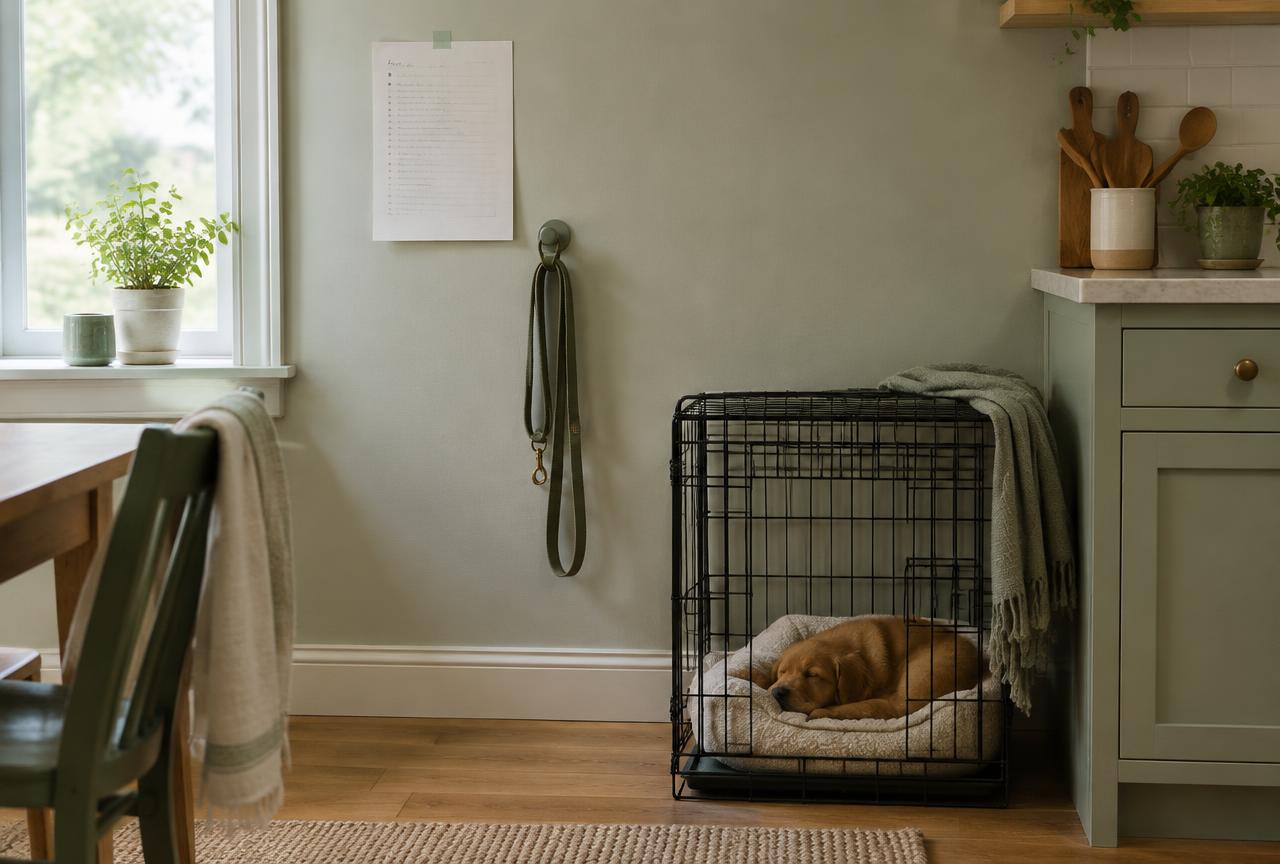
At night, a crate or small pen beside your bed makes house training much easier, because puppies naturally avoid soiling where they sleep and you will hear them stir. Take your puppy out last thing before bed, keep any night trip quiet, dim and boring (no play, no fuss, straight back to bed), and go out first thing in the morning before anything else.
For eight to ten week old puppies, setting an alarm for one middle-of-the-night trip often prevents accidents and helps them sleep through sooner. Gradually move the alarm later, then drop it. Our guide to crate training a puppy explains how to make the crate a calm, positive space so your puppy is happy in it.
Puppy pads: yes or no?
Puppy pads can be useful for owners in flats or without easy outdoor access, but they usually slow down outdoor house training because they teach the puppy that going indoors is acceptable. If you use them, put them by the door and move them outside gradually. If you have a garden, it is generally faster to skip pads and go straight to outdoors.
How to handle accidents
Accidents are part of house training, and how you react to them matters more than the accident itself. If you catch your puppy in the act, calmly interrupt with a cheerful noise, scoop it up and take it to the toilet spot. If it finishes there, reward. If you find an accident afterwards, simply clean it up; your puppy will not connect a telling-off with something it did even a minute earlier.
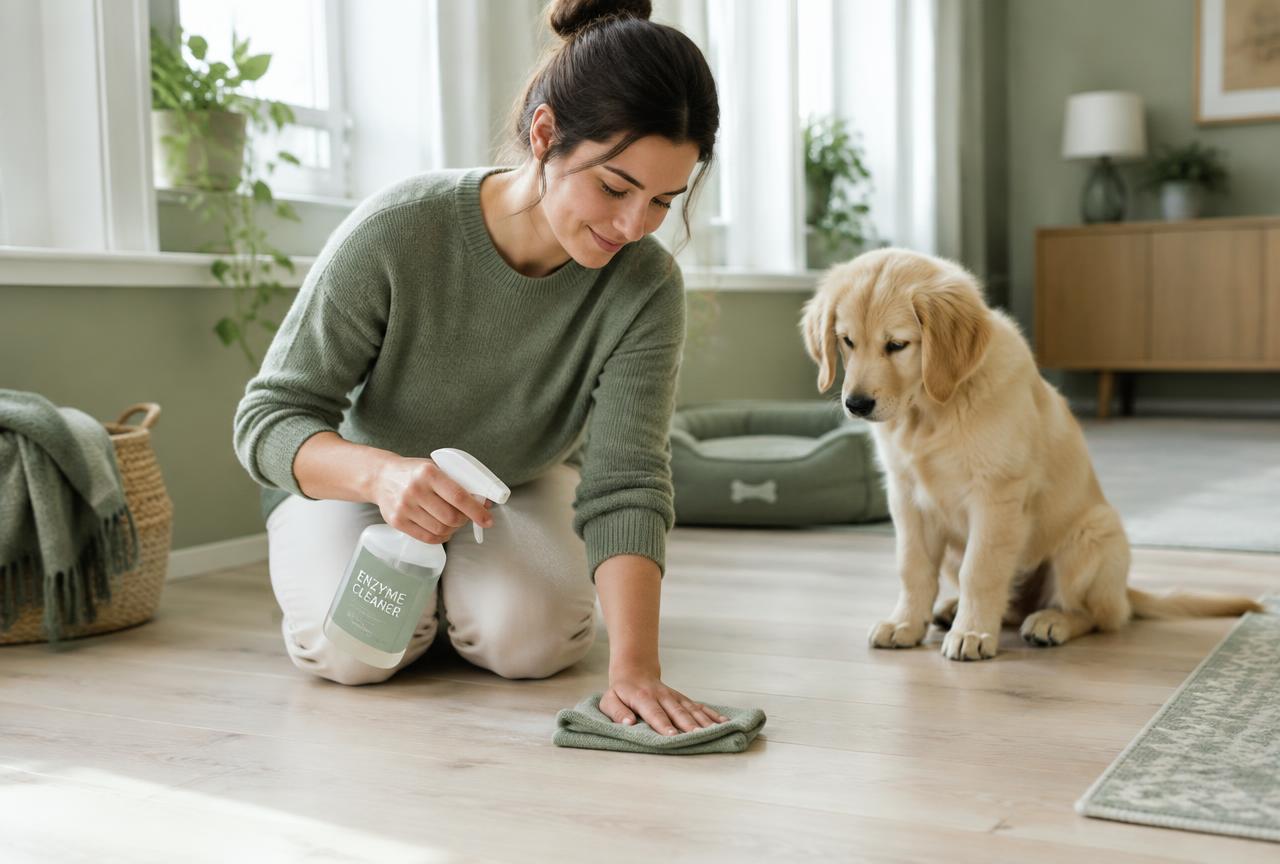
Clean with an enzyme-based pet cleaner, not ammonia-based products. Ammonia smells like urine to a dog and can draw your puppy back to the same spot. Then ask yourself what happened: was it too long since the last trip, did you miss the signals, or did the puppy have too much freedom? Adjust the routine accordingly.
Every accident is information, not disobedience. It tells you the gap was too long or the freedom too big, so you can adjust the plan.
House training checklist
Run through this list if progress has stalled:
- Am I going out on waking, after meals, after play and after drinks every single time?
- Am I rewarding outside, within two seconds, with a treat my puppy really loves?
- Is my puppy supervised or confined whenever it is indoors?
- Am I using an enzyme cleaner for accidents?
- Is everyone in the house following the same routine and cue word?
- Have I stretched the gaps too quickly?
- Is my puppy drinking or weeing unusually often, which could be medical?
Build your puppy's timetable
The tool below creates a daily toilet schedule from your puppy's age and your wake-up time.
Interactive · toilet schedule
Your puppy's toilet timetable
Enter your puppy's age and when your day starts. We will build a daily schedule using the age-plus-one rule of thumb.
Daily timetable
- 07:00 Straight outside on waking, before anything else
- 07:30 Breakfast, then outside within 15 minutes
- 10:30 Scheduled toilet break (plus after every nap and play)
- 13:30 Scheduled toilet break (plus after every nap and play)
- 16:30 Scheduled toilet break (plus after every nap and play)
- 19:30 Scheduled toilet break (plus after every nap and play)
- 22:00 Last trip outside before bed
- Overnight: expect one middle-of-the-night trip; keep it quiet and boring.
Aim for a break at least every 3 hours
This is a maximum while awake, not a target. Always add trips after sleeping, eating, drinking a lot, play and excitement.
Common myths about house training
Rubbing a puppy's nose in an accident does not work. It frightens the puppy and teaches it to hide when it needs to go. Puppies do not have accidents out of spite; they lack the bladder control and understanding yet. Leaving the back door open is not house training: the puppy learns to wander outside, not to ask, and you miss the chance to reward. Some breeds are not impossible to train, though small breeds need more patience and more frequent trips. And a puppy that is clean for a week is not finished; keep the routine going for another month before relaxing it.
When is it a medical problem?
Most house training troubles are about routine, but see your vet if your puppy suddenly starts having accidents after being clean, wees very frequently in small amounts, strains, has blood in the urine, or drinks much more than usual. Urinary tract infections are fairly common in puppies, especially females, and make reliable house training impossible until they are treated.
Also speak to your vet if:
- Your puppy dribbles urine while resting or asleep.
- There is diarrhoea, which no puppy can control; see our guide to dog diarrhoea.
- Your puppy is still having frequent accidents at six months despite a consistent routine.
- Accidents happen only when your puppy is left alone, which may suggest separation anxiety.
Excited or submissive weeing, when a puppy wees on greeting people or when told off, is a separate issue. Keep greetings low-key, greet outside where possible, and most puppies grow out of it.
The bottom line
House training a puppy is about routine, not discipline. Go out often, to the same spot, reward instantly, supervise or confine indoors, and clean accidents calmly with an enzyme cleaner. Use age-based timings as a guide, expect a few setbacks along the way, and check with your vet if anything seems more than a training issue. Two consistent weeks lays the foundation; by six months most puppies are reliably clean.
Questions people actually ask
How long does it take to potty train a puppy?
Most puppies get the idea in one to two weeks of consistent training and are reliably clean by four to six months.
How often should a puppy go out?
At least every one to two hours for young puppies while awake, plus after every sleep, meal, drink and play session.
Should I use puppy pads?
They help in flats without outdoor access but usually slow outdoor training. With a garden, go straight outside.
Why is my puppy still having accidents at 6 months?
Usually an inconsistent routine or too much freedom too soon. If accidents are frequent or sudden, ask your vet to rule out a urine infection.
Should I wake my puppy at night to wee?
For eight to ten week old puppies, one planned night trip often helps. Move it later and drop it as the puppy grows.
What should I do if I find an accident?
Clean it up with an enzyme cleaner without fuss. Scolding after the event teaches nothing except to hide.
Sources
Breeds mentioned
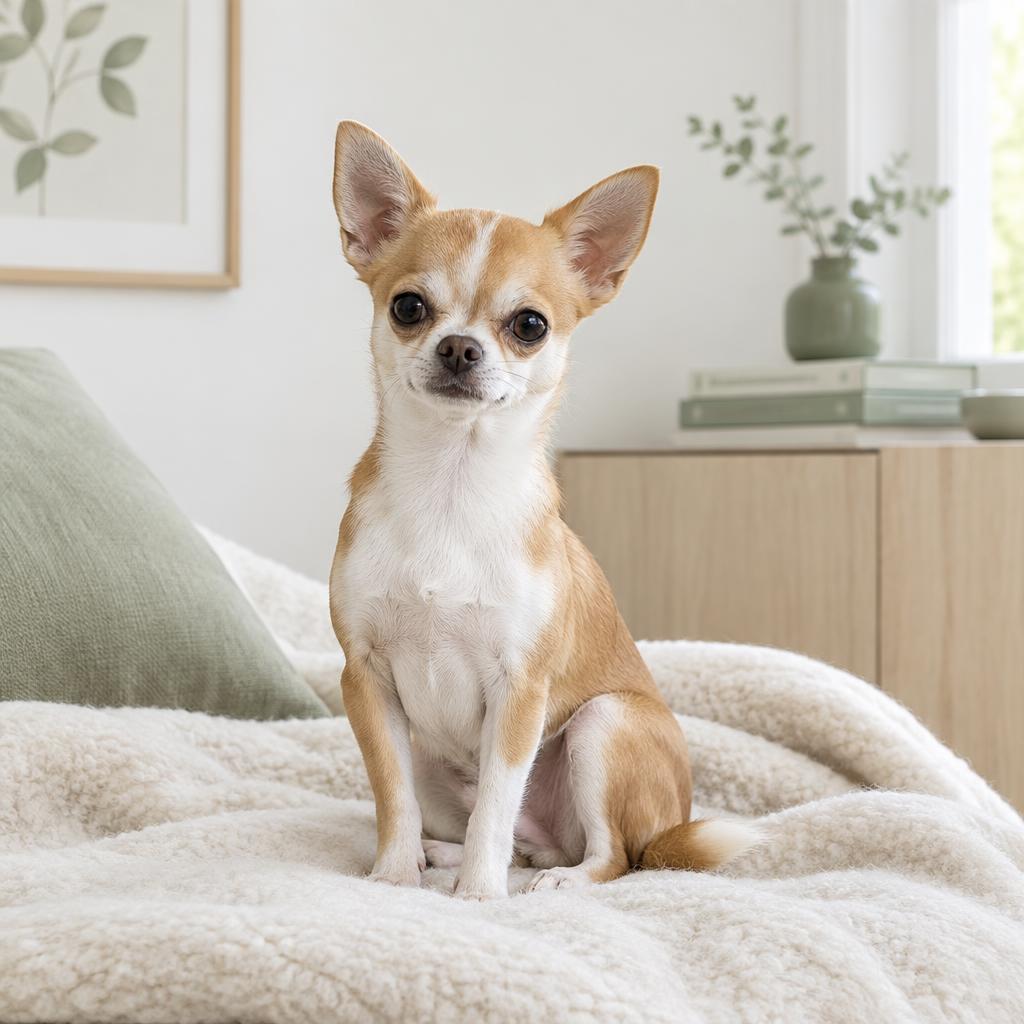
Chihuahua
A tiny, big-hearted toy breed that needs careful handling, dental care and protection from the cold.
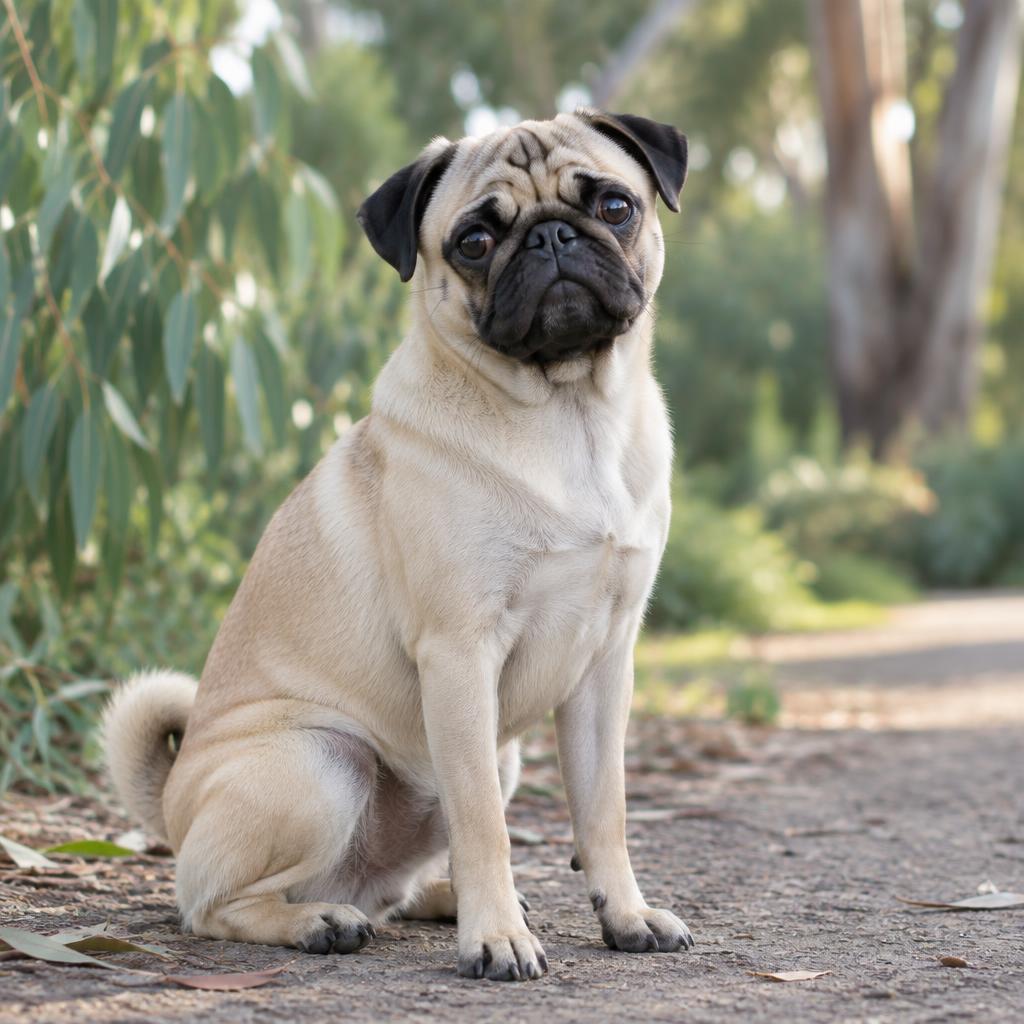
Pug
A charming, people loving companion whose flat face demands honest, careful ownership.
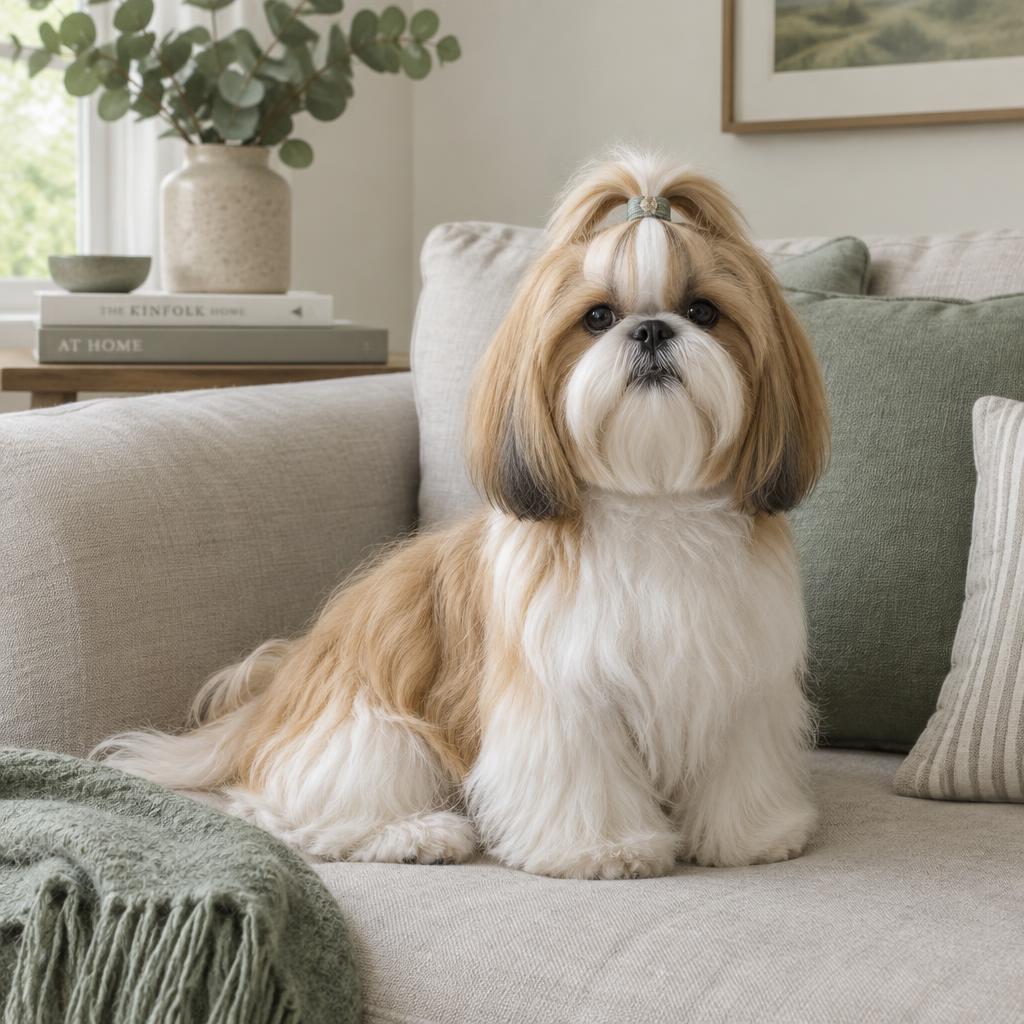
Shih Tzu
A affectionate, dignified companion dog bred for lap life, not long hikes.

Labrador Retriever
Britain's most popular family dog: biddable, food driven and built for an active household.
Put it into practice
Read next
How to Stop a Dog Jumping Up at People
Jumping up persists because it works: it gets attention. Remove the reward, reward four paws on the floor, get the whole household consistent, and most dogs change within weeks.