Toy group
Mexico
Chihuahua
The Chihuahua is a tiny, confident Mexican toy breed needing gentle handling, dental care and protection from cold rather than vigorous exercise.
Reviewed against Kennel Club and breed club health guidance
A tiny, big-hearted toy breed that needs careful handling, dental care and protection from the cold.
The short version
- Chihuahuas are physically fragile and unsuited to homes with toddlers or rough handling.
- Dental disease is extremely common due to the crowded small mouth; daily brushing matters.
- Luxating patella is a frequent orthopaedic issue worth screening for in breeding stock.
- The breed is notably vocal and benefits from early barking management training.
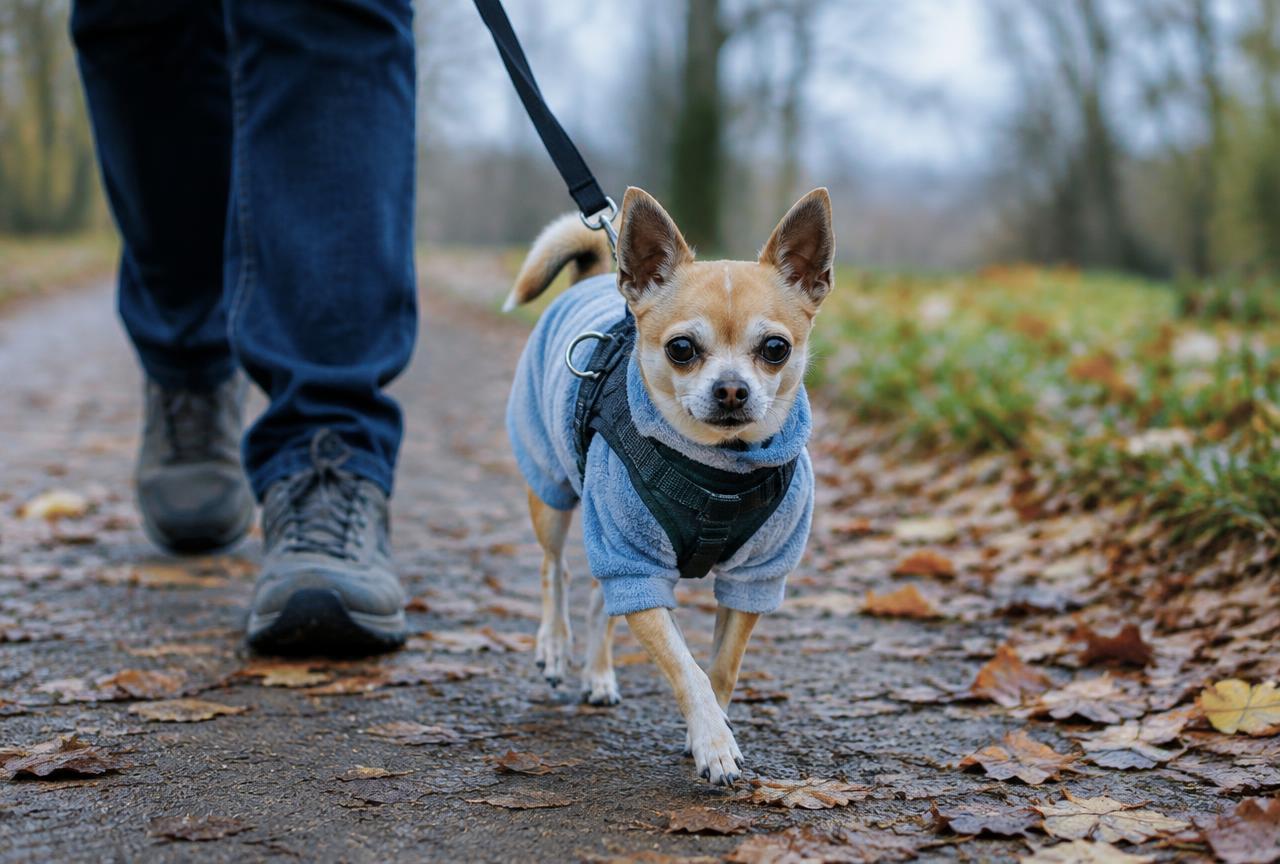
- Minimal body fat means Chihuahuas feel the cold acutely and need protection outdoors in winter.
Choose a variety
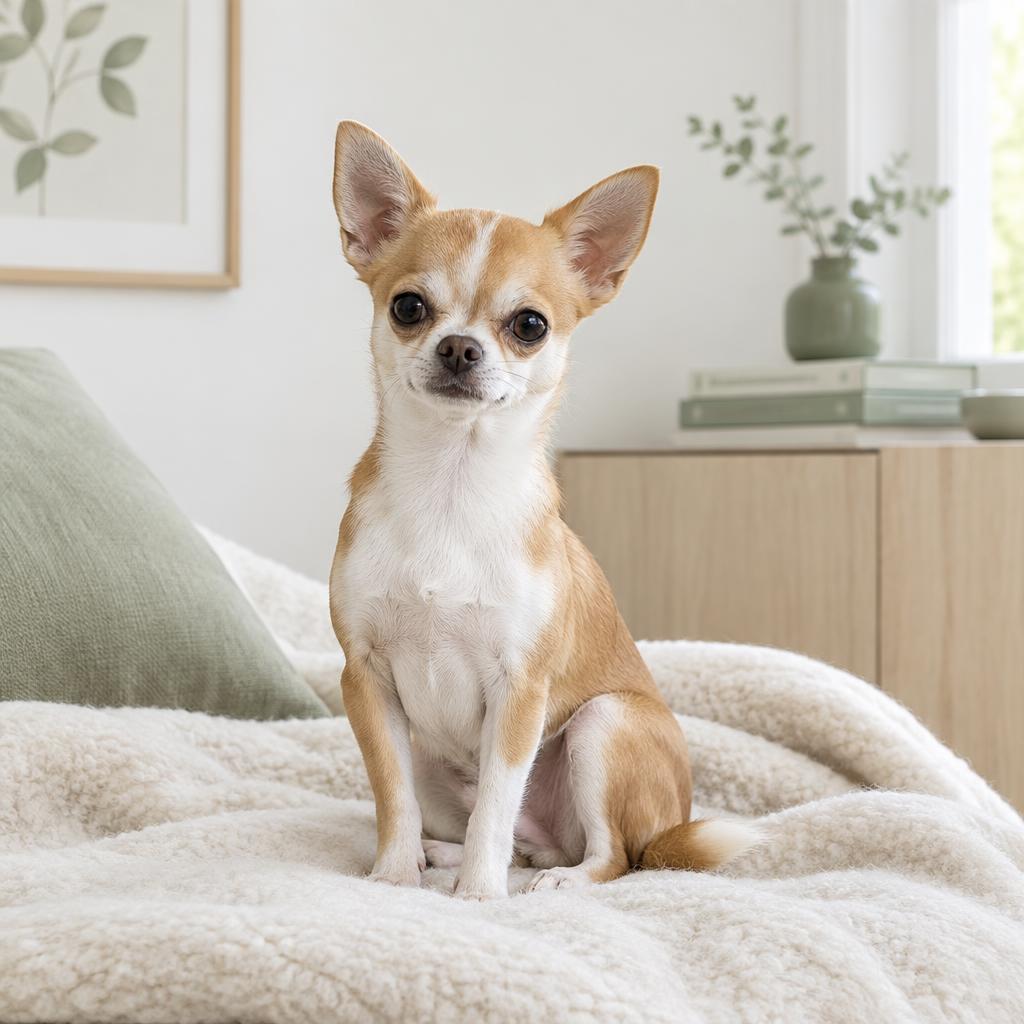
The more common variety, with a short, glossy, close-lying coat that sheds lightly and needs minimal brushing.
- Weight
- 1 to 3 kg
- Height
- 15 to 23 cm
- Lifespan
- 14 to 17 yrs
- Size
- Toy
- Group
- Toy
- Coat
- Smooth short coat or longer soft coat, depending on variety
- Daily exercise
- 20 to 30 minutes a day
- Years to full size
- about 1
- One-off setup
- €250 to 500

Get one if…
- Adult households or those with older, gentle children
- Owners wanting a portable, affectionate lapdog
- Flat dwellers with modest exercise needs
- People committed to regular dental care
- Owners prepared to protect the dog from cold weather
Think again if…
- Households with toddlers or very young children
- Families wanting a robust, outdoor adventure dog
- Owners unwilling to manage frequent barking
- People who cannot commit to dental hygiene routines
- Households with large, boisterous dogs that could injure a small one
Trait profile
Chihuahuas combine high alertness and loyalty with notable physical fragility, so gentle handling, dental care and warmth management matter more than exercise volume.
Space & setup. Ideal for flats and small homes given its tiny size and modest exercise needs, though safe boundaries matter to prevent falls or being stepped on.
Allergies. Both coat varieties shed lightly, and neither is hypoallergenic, though the smooth coat sheds less noticeably than the long coat.
Living with a Chihuahua
The Chihuahua is the smallest recognised dog breed, developed in Mexico and named after the state where it was first documented. Alert, loyal and often deeply attached to one or two people, it carries a confident, terrier-like personality in a body that weighs only a few kilograms, which makes careful management around young children and cold weather essential.
The Chihuahua takes its name from the Mexican state where it was first documented in the nineteenth century, though its ancestry likely traces back further to small companion dogs kept by pre-Columbian cultures in Central America. Bred purely for companionship rather than work, it became a fashionable lapdog in the twentieth century and remains one of the most recognisable toy breeds in the world, prized for its tiny size and outsized personality.
Despite weighing as little as a kilogram or two, the Chihuahua does not behave like a fragile ornament. It is alert, confident and often fiercely loyal to one or two people, sometimes wary of strangers and other dogs, and willing to stand its ground far beyond what its size suggests. This boldness, combined with genuine physical fragility, is the central fact of the breed. A fall from a sofa, a rough grab, or being accidentally stepped on can cause serious injury, including fractures, and this makes the Chihuahua a poor match for households with toddlers or boisterous young children who cannot be relied upon to handle a small dog gently and consistently under supervision.
The breed's small mouth crowds a full set of adult teeth together, making dental disease extremely common; plaque and tartar build up quickly, and periodontal disease can set in early if teeth are not cleaned regularly. Many Chihuahuas need professional dental cleaning under anaesthetic at some point in life, and daily brushing at home is genuinely important rather than optional. Luxating patella, where the kneecap slips out of its groove, is also common in small toy breeds and can range from a mild intermittent skip to a condition needing surgical correction, so breeders should screen for it and owners should watch for sudden hopping or lameness.

Chihuahuas are also notably vocal, often barking at doorbells, strangers or unfamiliar noises, which suits an alert watchdog role but needs management training early to avoid it becoming constant. Because of their minimal body fat and tiny size, they lose heat quickly and feel the cold far more than larger breeds; a coat for walks in anything below mild temperatures, and avoidance of long outdoor stays in winter, is sensible rather than indulgent. Exercise needs are modest, short walks and indoor play are usually sufficient, though mental stimulation and socialisation remain important to prevent nervous or snappy behaviour developing.
Grooming is minimal for both coat varieties, though nail trims and dental care need consistent attention. The Chihuahua suits adult households, single owners, or calm families with older, considerate children who can respect its physical limits, particularly those wanting a loyal, portable companion for flat living. It is a poor match for homes with toddlers or very young children, households wanting a robust outdoor companion, or owners unwilling to commit to dental care and cold weather precautions. Handled thoughtfully, it is an intensely devoted and characterful companion that punches well above its weight in personality.
Chihuahuas also make determined watchdogs, often alerting owners to visitors or unfamiliar sounds well before anyone else in the house notices. This instinct is useful but needs shaping early, since an untrained Chihuahua can bark at almost everything, which becomes wearing in flats or terraced housing with close neighbours. Reward based training that teaches a reliable quiet cue, alongside calm, confident socialisation from puppyhood, generally produces a far more settled adult than attempts to suppress barking through scolding, which tends to increase anxiety in a breed already prone to nervousness around strangers if poorly socialised.
Owners considering a Chihuahua should also think carefully about multi-dog households, particularly where larger, boisterous breeds are already present. Play that is perfectly normal for a Labrador or a terrier can genuinely injure a dog weighing one or two kilograms, and supervision during any interaction with bigger dogs is essential rather than a precaution for the overly cautious. Similarly, gardens should be checked for gaps a tiny dog could slip through, and outdoor time in areas frequented by birds of prey warrants some caution given the breed's small size.
Feeding also deserves particular attention. Very small breeds, especially as puppies, are prone to hypoglycaemia if meals are missed or gaps between feeds become too long, so frequent small meals rather than one or two large ones are usually recommended, particularly in the first year. High quality, appropriately portioned food suited to toy breeds helps maintain stable blood sugar and healthy weight, since even small amounts of excess weight place proportionally large strain on a Chihuahua's frame and joints.
A devoted, portable companion best suited to adult households, with real fragility, dental and temperature concerns to manage.
Exercise, day to day
- 1Puppies (8 to 20 weeks): very short, gentle indoor play sessions, avoiding jumps from furniture.
- 2Adults: around 20 to 30 minutes a day split across two short walks, kept warm in cold weather.
- 3Mental stimulation: puzzle feeders and short training games to prevent boredom-driven barking.
- 4Socialisation: gentle, positive exposure to new people and situations to reduce wariness of strangers.
- 5Avoid off lead exercise near larger dogs or in unsecured areas given the risk of injury.
Grooming, realistically
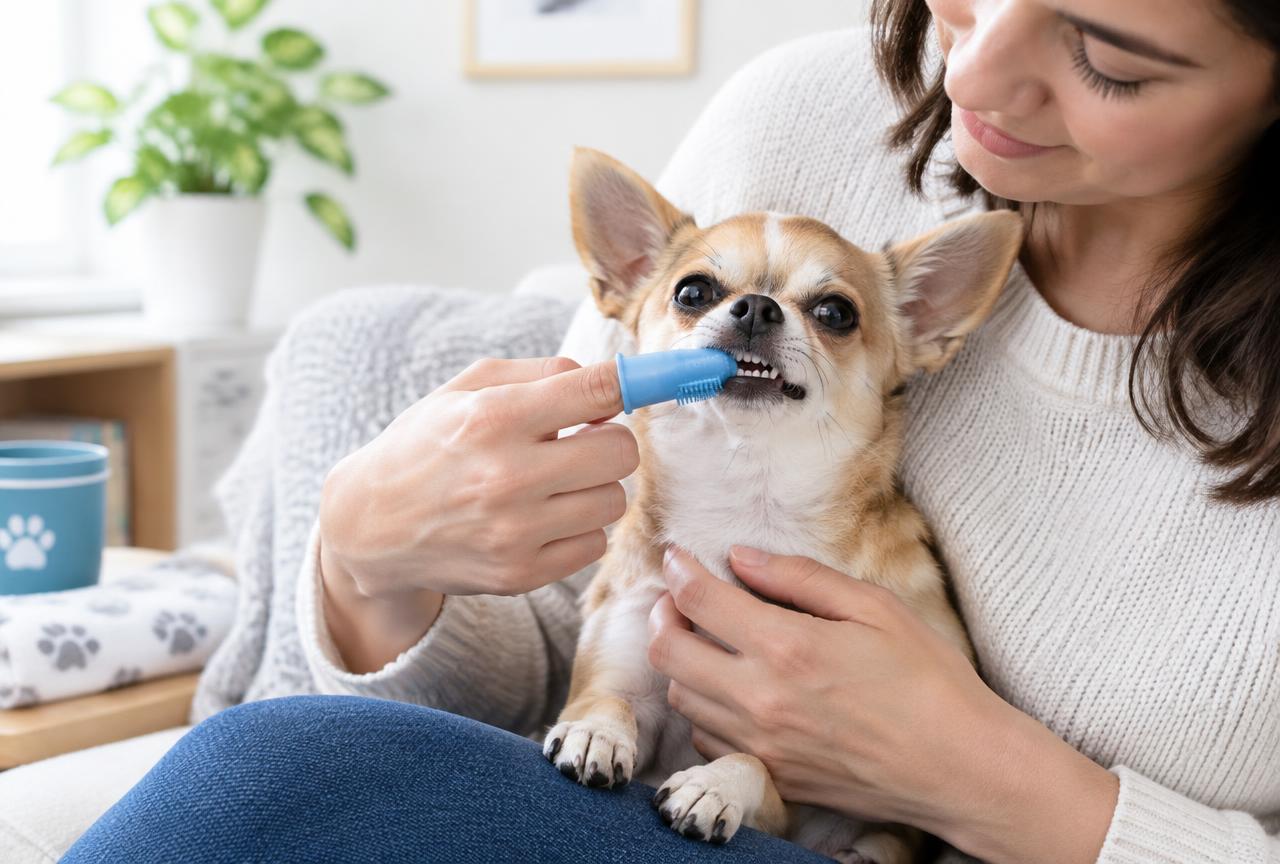
- 1Brush teeth daily to reduce the high risk of dental disease in this breed.
- 2Brush the coat weekly, more often for the long coat variety to prevent tangles.
- 3Trim nails every 3 to 4 weeks, as small dogs often do not wear them down naturally.
- 4Clean ears gently every few weeks to check for wax build up or odour.
- 5Wipe tear stains around the eyes regularly if present.
What you actually need
- Small soft-bristle dog toothbrush and enzymatic toothpaste
- Soft slicker brush or grooming mitt
- Dog nail clippers
- Ear cleaning solution
- Warm dog coat for cold weather walks
Puppy to adult
| Age | Male | Female | What is happening |
|---|---|---|---|
| 8 weeks | 0.4 to 0.7 kg | 0.4 to 0.6 kg | Extremely small and delicate, needs very careful handling. |
| 3 months | 0.7 to 1.2 kg | 0.6 to 1 kg | Still fragile, falls from furniture are a real injury risk. |
| 6 months | 1.2 to 2 kg | 1 to 1.8 kg | Approaching adult proportions, teeth crowding becomes relevant. |
| 9 months | 1.5 to 2.5 kg | 1.3 to 2.3 kg | Close to adult size, dental checks should begin routinely. |
| 12 months | 1.8 to 3 kg | 1.5 to 2.8 kg | Adult weight typically reached. |
| 18 months | 2 to 3 kg | 1.8 to 3 kg | Fully mature, weight should remain stable with careful feeding. |
Ranges are typical, not targets. Judge condition by ribs and waist, and check with the ideal weight checker.
What to ask a breeder
- Can I see patella screening results for both parents?
- What dental issues, if any, have appeared in previous litters from this line?
- How do the puppies react to careful handling and being picked up?
- What is the temperament of the parents, particularly around strangers and noise?
- Can I meet both parents and see the environment the puppies were raised in?
- What advice do you give new owners about protecting the puppy from falls and cold?
Health tests to ask for
Ask to see results for both parents before you put down a deposit.
- Patella luxation examination
- Dental assessment and ongoing periodontal monitoring
- Heart auscultation for murmurs
- Eye examination
- Molera (soft spot) check in puppies, which can persist in some individuals
Health watch-list
What to ask a breeder about, and what to watch for over a lifetime. This is orientation, not veterinary advice, anything you notice belongs in front of a vet.
Periodontal disease
CommonCrowded small teeth encourage plaque build up; daily brushing and regular dental checks reduce the risk of early tooth loss.
Luxating patella
CommonThe kneecap can slip out of its groove, causing intermittent skipping or lameness; screening breeding stock helps reduce incidence.
Traumatic injury from falls
NotableThe breed's tiny size and delicate bones mean falls from furniture or rough handling can cause fractures, especially in puppies.
Hypoglycaemia
UncommonEspecially in puppies, low blood sugar can occur if meals are missed; frequent small meals help prevent episodes.
Heart murmurs
UncommonSome individuals develop valve related murmurs with age; regular veterinary auscultation helps catch issues early.
Open fontanelle (molera)
RareA soft spot on the skull that normally closes with age but can persist in some dogs, requiring gentle head handling.
What it costs to keep one
Realistic running cost
€46 / month
About €552 a year, or roughly €8,832 across a 16-year life, before purchase price, neutering and one-off vet events.
Before the puppy arrives. Budget roughly €250 to 500 for a crate, bed, lead and harness, bowls, puppy classes, first vaccinations and grooming kit sized for this breed. Figures throughout are indicative and vary a good deal between countries.
Interactive · built for this breed
Is a Chihuahua right for your home?
Seven honest questions about your space, time and household, checked against this breed's exercise need, coat, sociability and tolerance for time alone.
Fit with your routine
99%
A strong fit
Your routine suits a Chihuahua well. Meet adult dogs of the line before you commit.
Working in your favour
- Your daily walking comfortably covers this breed's exercise need.
- Coat care fits the grooming time you offered.
Compare more breeds in the matchmaker, or plan meals with the portion calculator.
The verdict, by household
First-time owner
A good choice with realistic expectations
Manageable for a careful first-time owner who respects the breed's fragility and dental needs.
Family with children
Not recommended
The breed's fragility makes it a poor match for homes with toddlers or very young children.
Active single or couple
An excellent match
A devoted, low exercise companion well suited to an attentive single owner or couple.
Owner in a flat with close neighbours
A strong choice
Small size and modest exercise needs make this one of the better toy breeds for flat living.
When to call your vet
- Bad breath, red gums or loose teeth, which may indicate periodontal disease
- Sudden hopping or skipping on a hind leg, which can suggest a luxating patella
- Shivering or reluctance to go outside in cold weather, which suggests the dog is too cold
- Yelping or reluctance to be picked up, which may indicate injury or pain
- Persistent or excessive barking, which may need earlier training intervention
Nothing here is a diagnosis. A swollen, hard belly with retching, collapse, breathing difficulty and sudden hind-leg weakness are emergencies: go straight away.
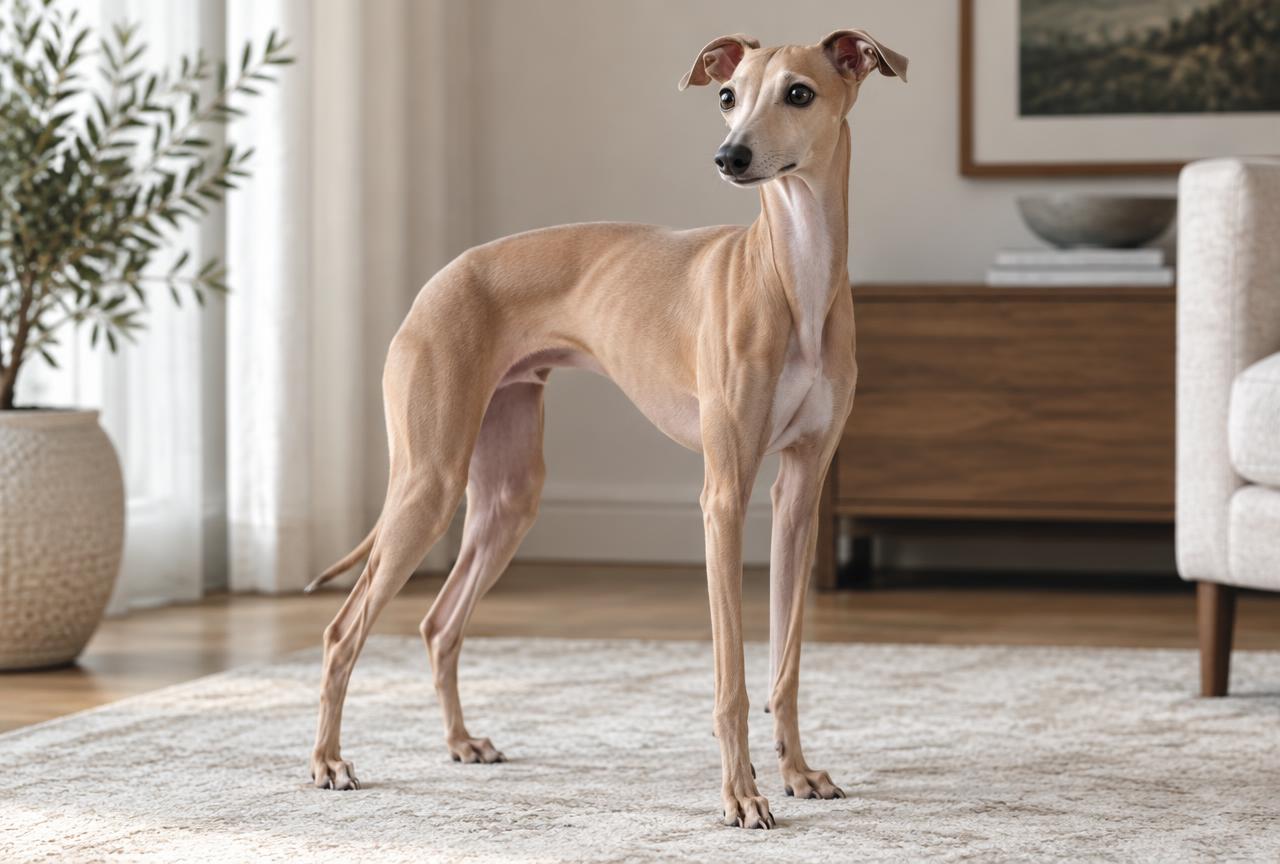
Chihuahua vs the closest alternatives
| Breed | Weight | Energy | Grooming | € / month |
|---|---|---|---|---|
| Chihuahua | 1 to 3 kg | 5/10 | 2/10 | €46 |
| Italian Greyhound | 3 to 5 kg | 6/10 | 2/10 | €85 |
| Dachshund | 4 to 12 kg | 5/10 | 3/10 | €80 |
| Chiweenie | 3 to 6 kg | 6/10 | 3/10 | €52 |
Chihuahua questions, answered
Are Chihuahuas good with young children?
Not generally recommended. Their tiny size and fragile bones mean falls or rough handling can cause serious injury, so they suit adult households or families with older, gentle children better than homes with toddlers.
Why do Chihuahuas have so many dental problems?
Their small jaws crowd a full set of adult teeth tightly together, which encourages plaque build up and periodontal disease. Daily brushing and regular veterinary dental checks are important throughout life.
What is luxating patella in Chihuahuas?
It is a common condition where the kneecap slips out of its normal groove, causing intermittent skipping or lameness in a hind leg. Mild cases may need no treatment, while more severe cases sometimes require surgical correction.
Do Chihuahuas bark a lot?
Yes, Chihuahuas are notably vocal and often bark at strangers, doorbells or unfamiliar noises as part of their alert, watchful nature. Early, consistent training helps manage barking before it becomes a constant habit.
Do Chihuahuas need coats in cold weather?
Often yes. Their minimal body fat and small size mean they lose heat quickly and can become genuinely cold on walks in cool or wet weather, so a warm coat and shorter outdoor time are sensible precautions.
What is the difference between smooth and long coat Chihuahuas?
Both are the same breed and size, differing only in coat type. The smooth coat is short and glossy with minimal grooming needs, while the long coat is softer and slightly wavy with feathering that needs more regular brushing.
How much exercise does a Chihuahua need?
Relatively little, around 20 to 30 minutes a day split across short walks, along with some indoor play and training games. Their exercise needs are modest, but mental stimulation still matters to prevent boredom and excessive barking.
Sources
- Chihuahua breed standard, The Kennel Club
- Chihuahua breed information, American Kennel Club
- Canine health schemes, British Veterinary Association
- Dental disease in dogs, PDSA
- Chihuahua health research, Royal Veterinary College VetCompass
Put it into practice
Reading that goes with this

Puppies
Crate Training a Puppy: A 14-Day Plan
Health
Dog Dental Care: Brushing, Chews and Vet Cleans

Health
Dog Ear Infections: Signs, Causes and Treatment

Health
Dog Reverse Sneezing: Causes and What to Do

Care
Dog Years to Human Years: The Real Science

Health
How Long Do Dogs Live? Lifespan by Size and Breed

Training
How to Stop a Dog Barking: A Practical Guide

Health
Why Do Dogs Scoot? Anal Glands, Worms and Itchy Bottoms

Health
Why Is My Dog Panting So Much? Causes and Warning Signs

Health
Why Is My Dog Shaking? Causes and When to Worry

Training
How to House Train a Puppy: A Two-Week Plan
Health
Dog Coughing: Causes, Sounds and When to Worry