Dog Years to Human Years: The Real Science
A size-based, vet-informed way to understand your dog's real life stage.
The SniffScroll desk
Dog care editors
Published 30 September 2026 · Updated 9 October 2026

Reviewed against RVC, BSAVA and PDSA guidance
The short version
- The multiply-by-seven rule does not reflect how dogs actually age.
- Dogs mature very quickly in their first year, then ageing slows and varies by size.
- Smaller breeds tend to live longer and reach senior status later than giant breeds.
- Knowing your dog's real life stage helps guide diet, exercise and vet check frequency.
- Senior dogs benefit from more frequent health checks regardless of their age in years.
How dog years actually work
The old rule of multiplying a dog's age by seven to get their human equivalent is a myth, and the real picture is far more interesting and far more useful for understanding your own dog's health. Dogs mature much faster than people in their first two years of life, then the ageing rate slows and varies enormously depending on the size of the breed. A tiny jack russell terrier and a giant breed do not age at the same pace at all, which is why any single fixed multiplier was always going to be a poor fit. This guide explains how vets and researchers now think about canine ageing, and how you can use that understanding to plan better care at each life stage.
Why the x7 rule is wrong
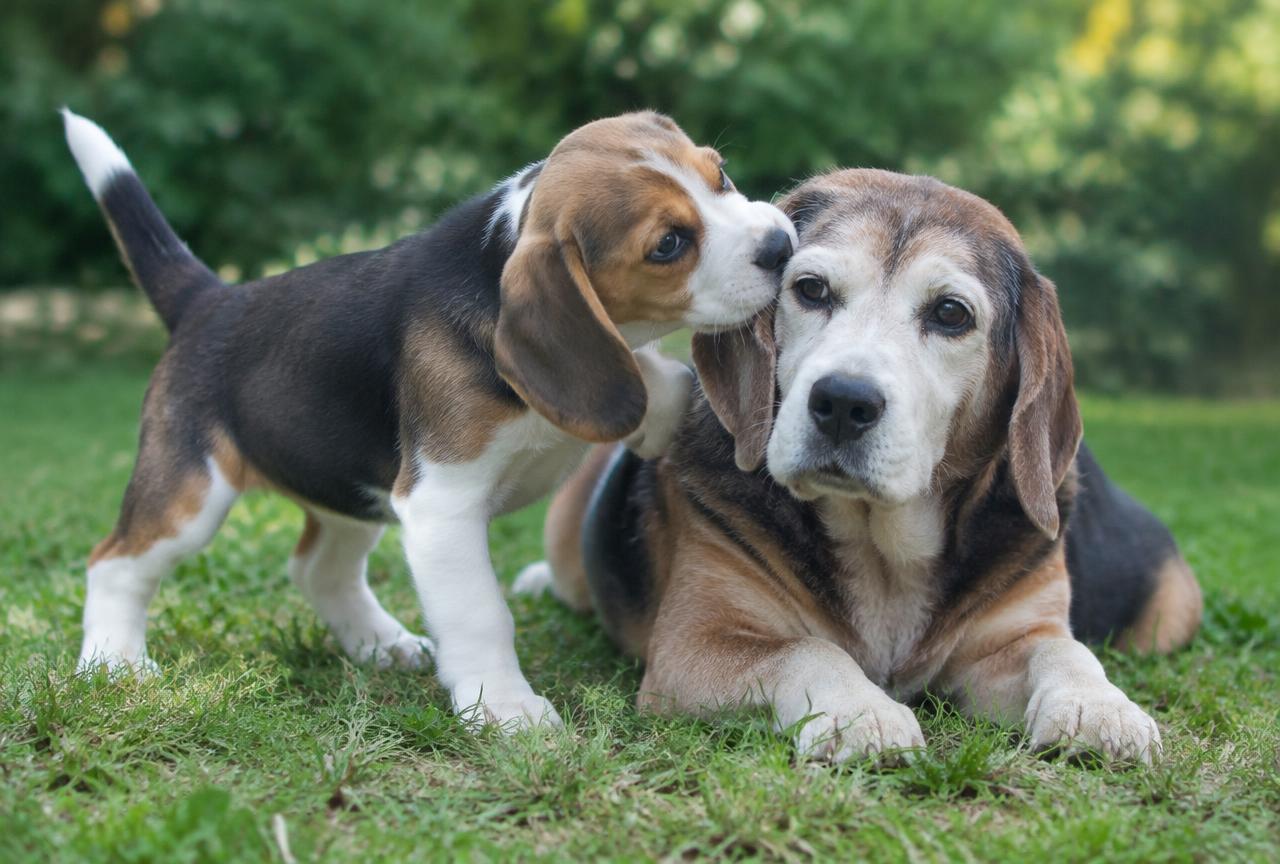
The x7 rule assumes a dog ages at a constant, steady rate throughout life, which simply is not how biology works. A one-year-old dog is already sexually mature and roughly equivalent to a human in their early twenties, not a seven-year-old child, because dogs pack a huge amount of physical development into their first twelve months. After that initial rapid phase, ageing slows down, but it does not settle into a neat, unchanging annual rate either. Modern research, including studies that compare DNA methylation patterns between dogs and humans, shows the relationship between dog age and human age follows a curve rather than a straight line, and that curve bends differently depending on a dog's size.
Size changes everything
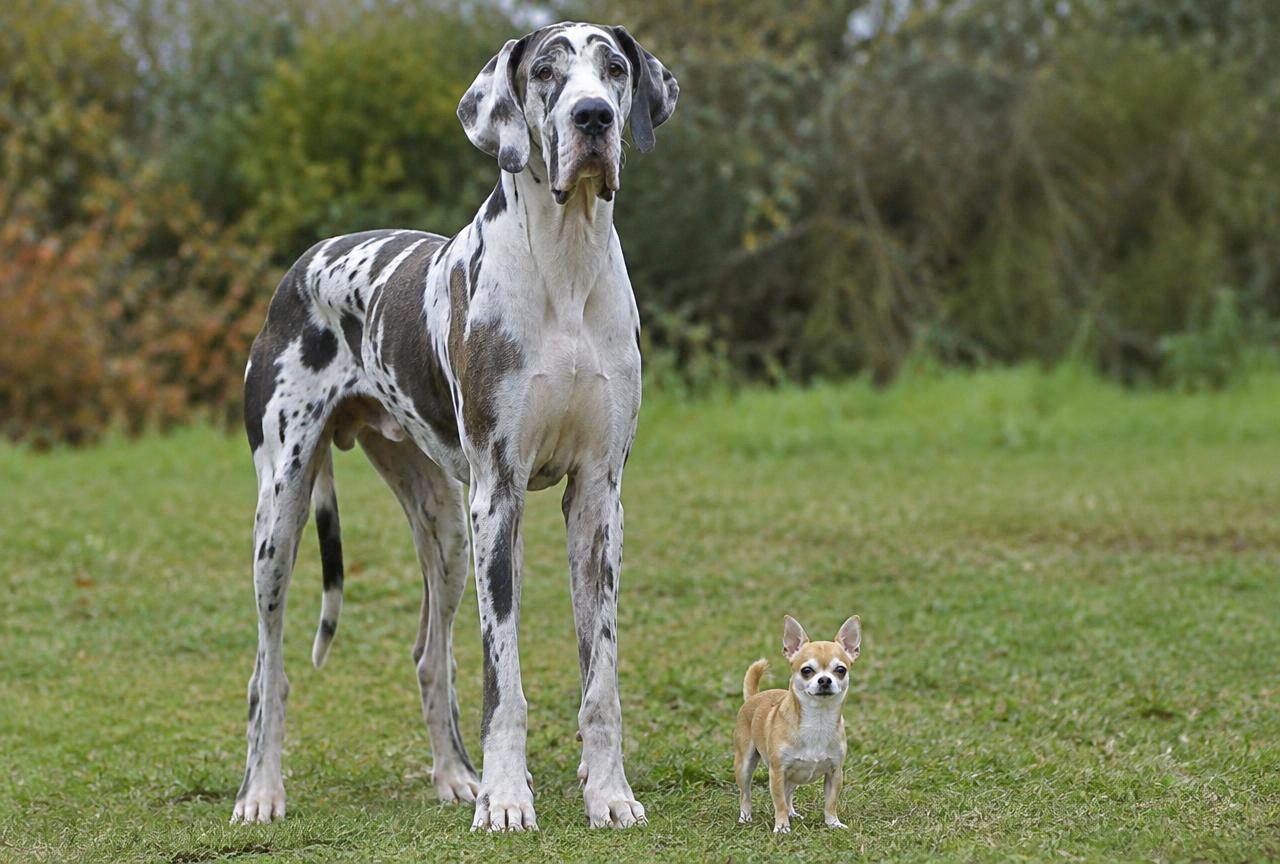
Counterintuitively, smaller dogs tend to live longer than larger ones, which means a giant breed dog is often considered a senior far earlier in its calendar-year life than a small breed dog of the same age. A dachshund might not be considered a senior until around ten or eleven years old, while a giant breed such as a Great Dane may be entering their senior years by six or seven. This is one of the most important practical points in this whole topic: the same numerical age on a calendar can mean very different life stages depending on the dog in front of you, so breed and size should always be part of the conversation with your vet about ageing.
Approximate ageing by size
| Dog size | Example breeds | Considered senior from around |
|---|
| Small (under 10kg) | Jack Russell terrier, dachshund | 10 to 12 years |
|---|
| Medium (10 to 25kg) | Cocker spaniel, border collie | 8 to 10 years |
|---|
| Large (25 to 40kg) | Labrador retriever, golden retriever | 7 to 9 years |
|---|
| Giant (over 40kg) | Great Dane, mastiff breeds | 5 to 7 years |
|---|
A more realistic year-by-year guide
Step 1: The first year is a sprint
Most dogs reach roughly the human equivalent of a 15-year-old by around eight months old, and by their first birthday many medium-sized dogs are closer to the human equivalent of 20 to 24 years old. This rapid early development is why puppy vaccination schedules, socialisation windows and early training, as covered in our guide to crate training a puppy, are so tightly packed into the first year.
Step 2: Years two to six slow down but still add up
After the first year, each additional calendar year adds roughly four to five human-equivalent years for a medium dog, though this varies by size as shown in the table above. A two-year-old medium dog is roughly equivalent to a human in their mid-twenties, while a six-year-old medium dog is closer to the human equivalent of the mid-forties.
Step 3: Senior years arrive at different times for different dogs
Once a dog reaches the senior bracket appropriate to their size, ageing effects such as greying fur, stiffer joints and slower recovery from exercise tend to become more noticeable. This is the point at which many vets recommend more frequent health checks, blood work, and adjustments to diet and exercise, regardless of what the calendar says.
Interactive · age converter
Dog age in human years
Size changes the maths a lot, a giant breed ages faster than a toy breed. Enter your dog's age and size to convert.
29 human years
Your dog is in their adult life stage at 3y 0m old.
Why this matters for your dog's care
Understanding your dog's real life stage, rather than relying on a flat multiplier, helps you make better decisions about diet, exercise and veterinary care. Senior dogs often benefit from more frequent check-ups, adjusted food formulated for ageing joints and metabolism, and gentler exercise routines that still keep them mentally engaged. Working out where your dog genuinely sits on the ageing curve can also help explain behaviour changes; a dog who seems to be slowing down earlier than you expected from their age in years may in fact be entering their senior years right on schedule for their breed and size. Pairing this knowledge with tools such as a portion calculator can help you adjust calorie intake as a dog's metabolism naturally slows with age.
Signs your dog may be entering their senior years
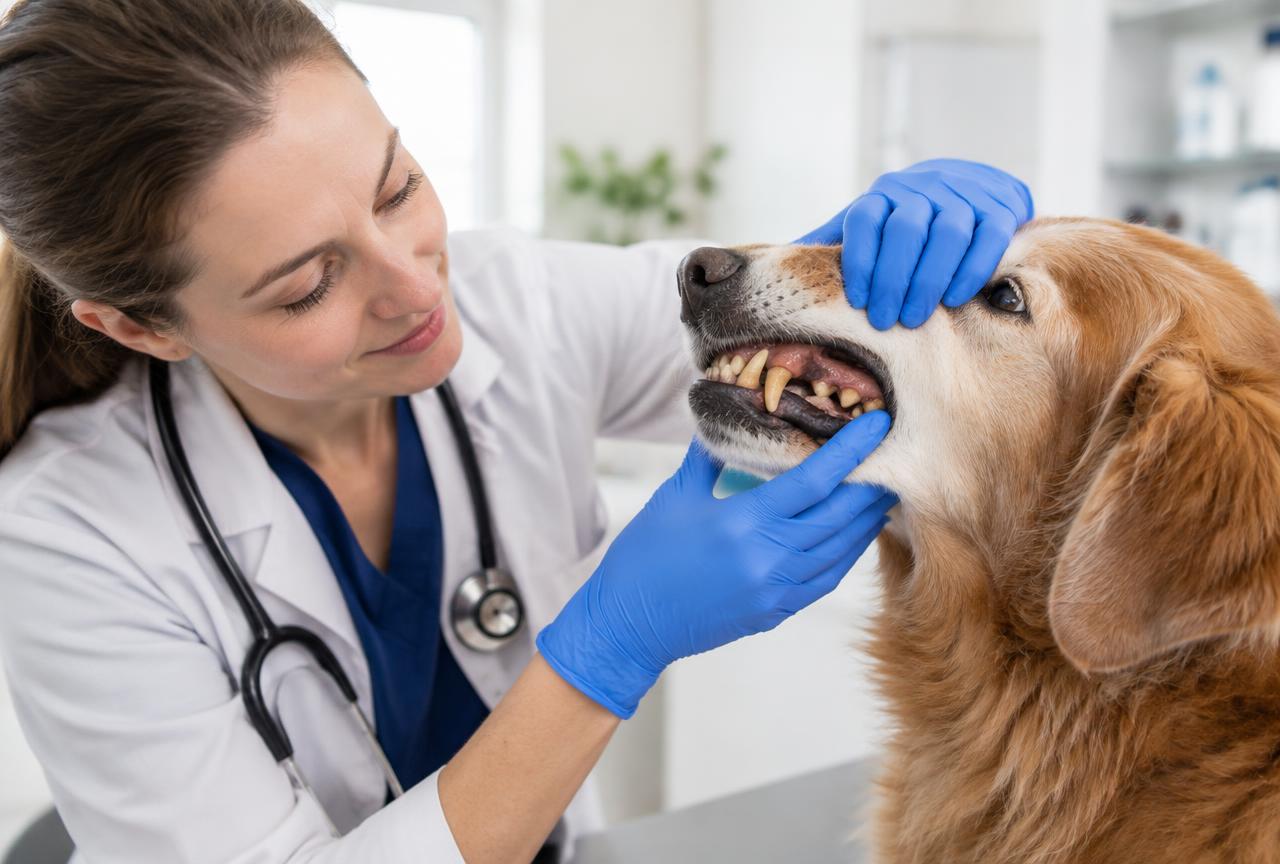
- Greying fur around the muzzle and face, often the earliest visible sign
- Slower to rise from lying down or reluctance to jump into the car
- Reduced interest in long walks or a shorter attention span during play
- Cloudier appearance to the eyes, which can be a normal ageing change or a sign of a condition worth checking
- Changes in sleep patterns, including sleeping more during the day
- New sensitivities to food, temperature or exercise levels that used to be no trouble at all
When to see a vet
Common myths about dog ageing
- Myth: one dog year always equals seven human years. This flat rule ignores the rapid maturity dogs reach in their first two years and the huge variation in lifespan between small and giant breeds.
- Myth: all dogs of the same age are at the same life stage. A seven-year-old giant breed dog may already be entering their senior years, while a seven-year-old small breed dog is often still solidly middle-aged.
- Myth: ageing is only about the number on the calendar. Genetics, diet, exercise, dental care and preventative veterinary care all influence how quickly a dog's body shows signs of ageing, sometimes more than breed size alone.
- Myth: grey fur always means a dog is old. Some dogs, particularly certain breeds, develop grey hairs around the muzzle relatively young due to genetics or stress rather than advanced age.
How researchers actually study dog ageing
Modern approaches to canine ageing go well beyond simple multipliers and increasingly draw on epigenetic clocks, which measure chemical changes to DNA that accumulate with age. Comparing these markers between dogs and humans has allowed researchers to build formulas that better capture the steep early curve of canine development followed by a flatter, more variable rate later in life. Large-scale studies following thousands of pet dogs over their lifetimes, including projects run through veterinary schools, are also improving our understanding of how breed, size, neuter status and body condition interact with lifespan.
Life stage by life stage
Puppyhood (0 to 12 months)
This is the period of fastest change, covering physical growth, teething, socialisation windows and the foundations of training. Nutrition and preventative care during this stage, including the routines covered in our guide to crate training a puppy, have a disproportionately large effect on long-term health.
Young adult (roughly 1 to 3 years)
Dogs reach physical maturity during this stage, though larger breeds continue developing bone density and joints for longer than small breeds. Behaviourally, many dogs are still maturing mentally well into their second or third year, which is why adolescent training challenges often persist longer than owners expect.
Adult (roughly 3 to 6 or 7 years, depending on size)
This tends to be the most stable period of a dog's life, with established routines, steady weight and predictable energy levels, though regular vet checks remain important to catch early signs of dental disease or weight creep.
Senior and geriatric years
Once a dog reaches the senior bracket appropriate to their size, changes in mobility, sensory function and organ health become more common, and many vets recommend twice-yearly check-ups alongside routine blood work to catch treatable conditions early.
Ageing myths versus what actually helps
| Belief | What the evidence suggests |
|---|
| A fixed x7 multiplier is accurate | Not supported; ageing is steep early and then variable by size |
|---|
| Bigger dogs simply live as long as small dogs | Not supported; giant breeds typically have shorter lifespans |
|---|
| Diet has no effect on ageing speed | Not supported; body condition and nutrition measurably affect health span |
|---|
| Senior dogs cannot learn new things | Not supported; older dogs can still learn, though sessions may need to be shorter |
|---|
Practical ways to support healthy ageing at every stage
- Keep your dog at a lean, healthy body weight throughout life, since excess weight is linked to a shorter lifespan and more joint problems
- Maintain regular dental care, as dental disease is common in older dogs and can affect overall health beyond the mouth
- Keep vaccinations and parasite prevention up to date appropriately for your dog's life stage and risk level
- Provide consistent, moderate exercise suited to your dog's age and any joint conditions, rather than long bursts followed by long rest
- Watch for gradual changes in weight, thirst, appetite or mobility, which are often easier to notice with periodic photos or simple notes than by memory alone
Frequently overlooked factors in canine ageing
Neuter status
Neutered dogs have shown different ageing patterns in some studies compared with intact dogs of the same breed, partly linked to hormonal influences on growth plates and body composition, though the overall picture remains an active area of research.
Body condition throughout life
Dogs kept at a lean, healthy weight consistently through adulthood have been shown in long-term studies to live longer on average than dogs allowed to become overweight, making weight management one of the most controllable factors in a dog's ageing trajectory.
Breed-specific health screening
Many breeds carry a higher risk of specific age-related conditions, such as hip dysplasia in larger breeds or heart conditions in some smaller breeds like the cavalier king charles spaniel, so breed-appropriate screening can catch issues well before they visibly affect quality of life.
A quick summary for busy owners
If you take away one thing from this guide, let it be this: judge your dog's life stage by their breed and size, not by a flat multiplier, and use that understanding to guide diet, exercise and vet visits rather than the number on a birthday cake alone.
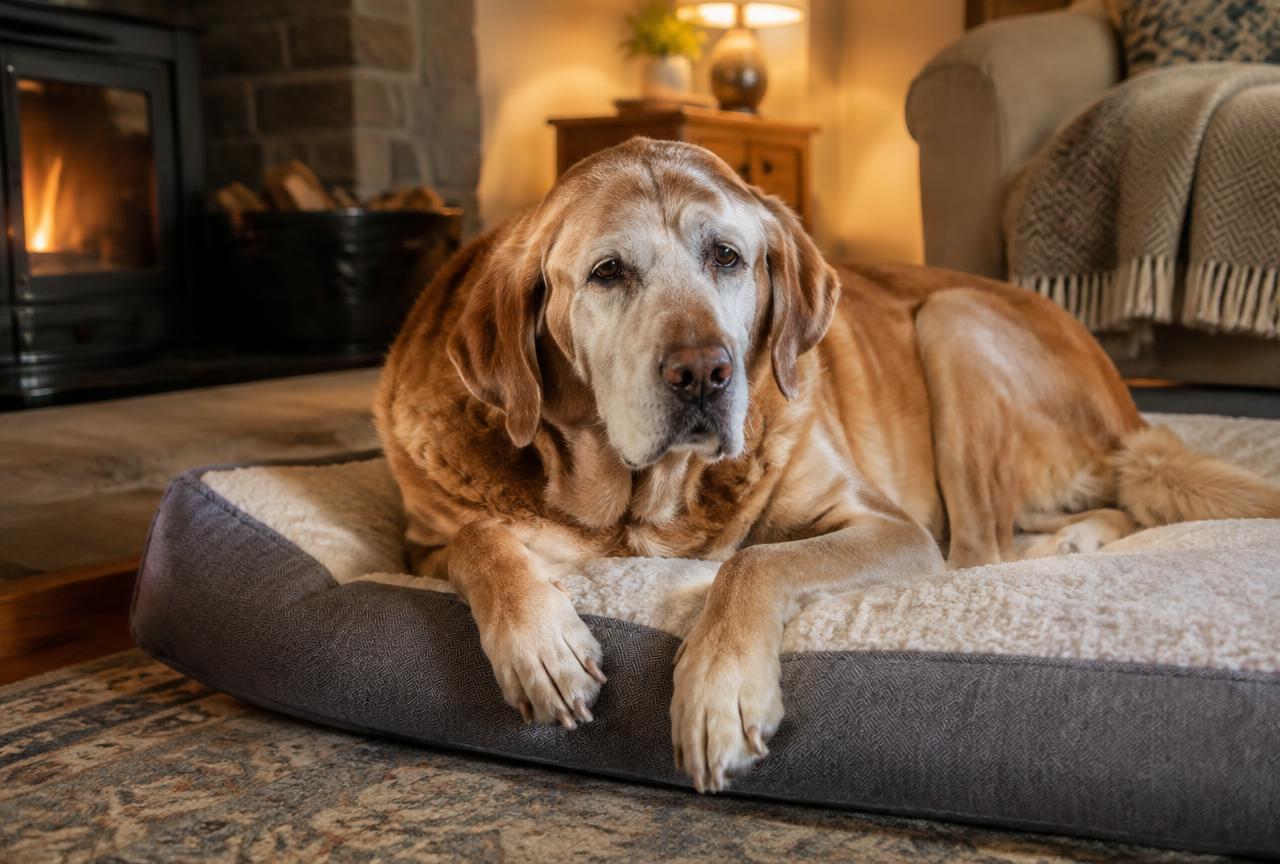
Book a vet visit if you notice sudden changes in mobility, appetite, weight, thirst or toileting habits, regardless of your dog's age, since these can signal a treatable condition rather than simple ageing. Many vets recommend biannual check-ups once a dog reaches their breed-appropriate senior years, since earlier detection of issues like arthritis, dental disease or kidney changes generally leads to better long-term outcomes.
Questions people actually ask
Is the x7 rule for dog years accurate?
No, it is a myth. Dogs age very rapidly in the first year or two of life and then more slowly afterwards, and the rate also depends heavily on breed size, so a single fixed multiplier cannot capture real canine ageing.
At what age is a dog considered a senior?
It depends on size. Small breeds are often not considered senior until 10 to 12 years old, while giant breeds may reach senior status by 5 to 7 years, because larger dogs generally have shorter overall lifespans.
Do small dogs really live longer than big dogs?
Yes, this is well documented. Smaller breeds typically have longer average lifespans than giant breeds, partly linked to differences in growth rate and cellular ageing processes that researchers are still studying in detail.
How fast does a puppy age in the first year?
Very fast. Many medium-sized puppies reach a human equivalent of around 15 years by eight months old and close to 20 to 24 years by their first birthday, reflecting rapid physical and behavioural development.
Does breed affect ageing speed after the first year too?
Yes. After the rapid first year, larger breeds tend to age faster per calendar year than smaller breeds, which is part of why giant breeds reach their senior years and shorter lifespans sooner than small breeds.
Should I change my dog's care once they hit senior age?
Generally yes. Most vets recommend more frequent check-ups, adjusted diet and exercise, and closer monitoring for joint, dental and organ changes once a dog reaches the senior bracket appropriate to their size and breed.
Sources
Breeds mentioned
Dachshund
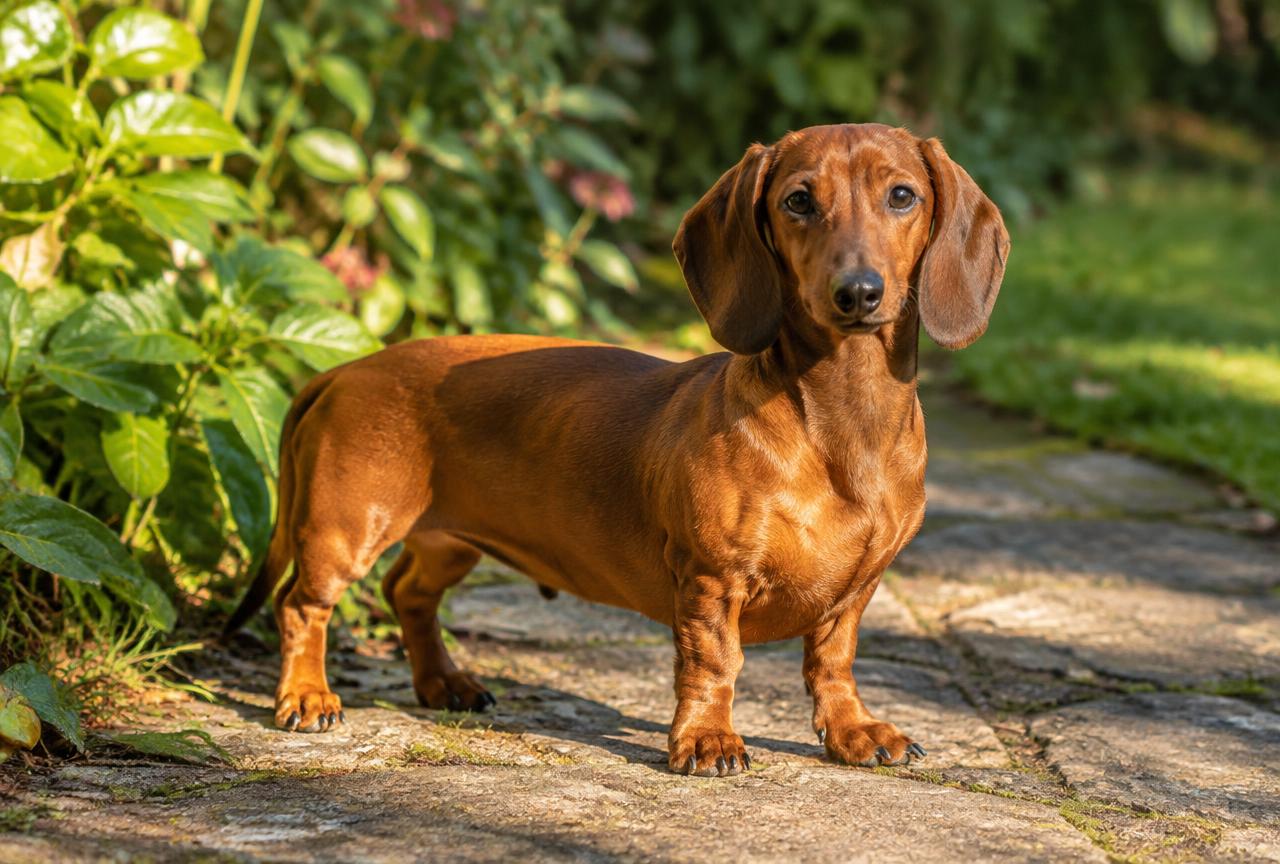
A bold, characterful hunting breed in a long, low body, needing careful back protection for life.

Labrador Retriever
Britain's most popular family dog: biddable, food driven and built for an active household.
Jack Russell Terrier
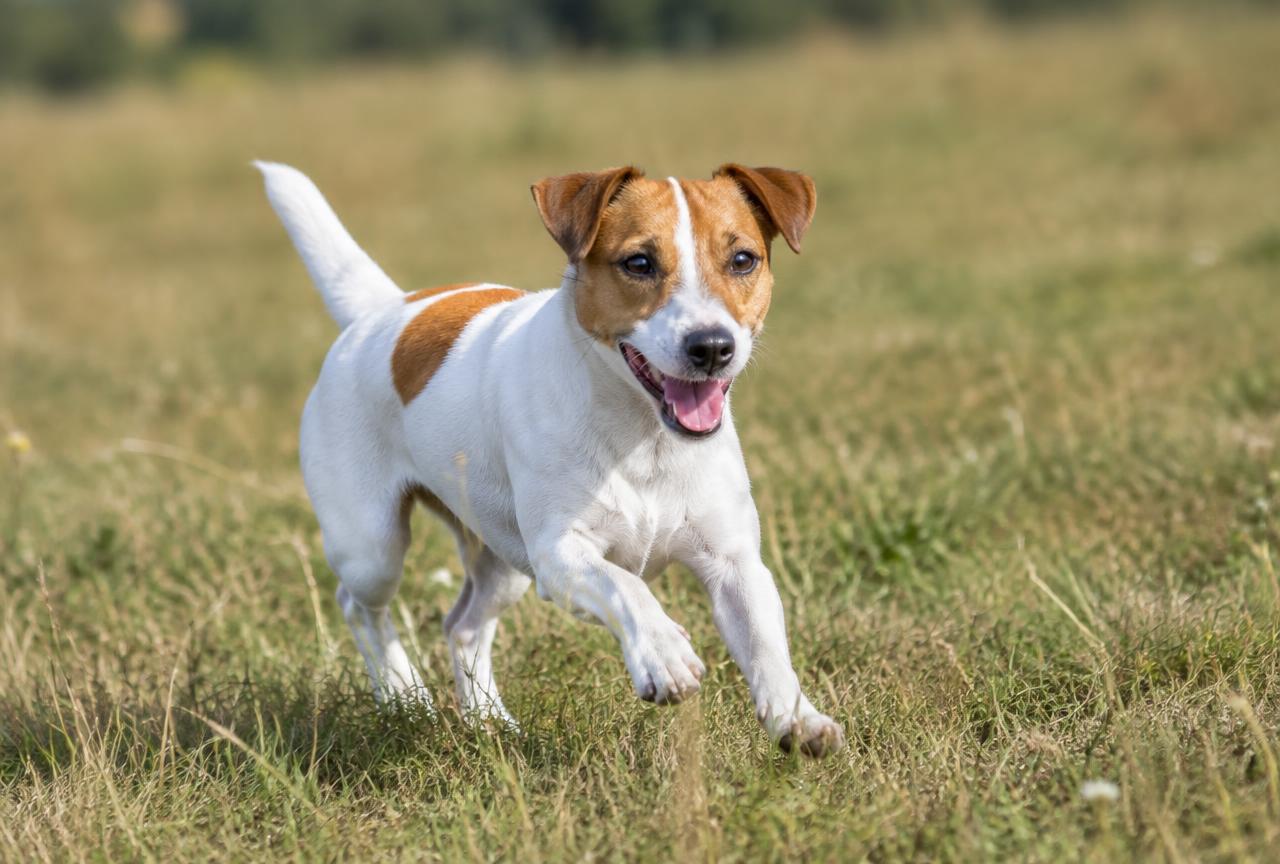
A bold, tireless working terrier with huge personality packed into a small frame.

Border Collie
The world's most capable herding mind, needing an equally capable owner to match it.
Put it into practice
Read next
How to Clean a Dog's Ears: A Calm Step-by-Step Guide
How to clean a dog's ears safely: the right solution, the right technique, how often to do it, and the signs that mean skip the cotton pad and call the vet.