Toy group
United Kingdom
Cavalier King Charles Spaniel
The Cavalier King Charles Spaniel is a gentle, sociable toy breed suited to most households, though heart and spinal health need careful, lifelong attention.
Reviewed against Kennel Club and breed club health guidance
An affectionate, adaptable toy spaniel that thrives on human company above almost anything else.
The short version
- Cavaliers are gentle, affectionate toy spaniels that generally suit families, first-time owners and older people alike.
- They form strong attachments to their people and can develop separation anxiety if regularly left alone for long periods.
- Mitral valve disease is common and progressive, so lifelong cardiac checks and health tested parents matter greatly.
- Syringomyelia is a further significant health concern, making MRI screened breeding lines an important consideration.
- Moderate exercise needs of 45 to 60 minutes a day make this breed adaptable to flats and less active households.
- Weight
- 5 to 8 kg
- Height
- 30 to 33 cm
- Lifespan
- 9 to 14 yrs
- Size
- Small
- Group
- Toy
- Coat
- Silky, moderately long coat with feathering
- Grown male
- 6 to 8 kg
- Grown female
- 5 to 7 kg
- Years to full size
- about 1
- One-off setup
- €400 to 800

Get one if…
- First-time owners wanting a gentle, biddable companion
- Families with children who can handle a small dog carefully
- Older owners or those with a quieter lifestyle
- Flat dwellers able to provide daily walks
- Owners who can commit to lifelong heart health monitoring
Think again if…
- Households that leave a dog alone for long working days
- Owners wanting a robust, all-weather outdoor companion
- Homes with very boisterous, unsupervised young children
- Anyone unwilling to budget for ongoing cardiac screening
- Owners seeking a highly independent, low affection dog
Trait profile
Cavaliers combine very high affection and trainability with modest exercise needs, making them adaptable, though their strong attachment to people means they cope poorly with being left alone often.
Space & setup. This breed adapts happily to flats and smaller homes, provided daily walks and company are reliably available.
Allergies. The silky coat sheds moderately and requires regular brushing, so it is not well suited to households with significant allergy concerns.
Living with a Cavalier King Charles Spaniel
The Cavalier King Charles Spaniel is a small, silky coated toy spaniel bred in England to be a devoted companion to royalty and commoners alike. It is affectionate, gentle and eager to please, thriving on close human contact and adapting readily to flats, families and quieter homes.
The Cavalier King Charles Spaniel takes its name from King Charles II, whose fondness for small spaniels shaped the breed's early development, and the modern type was refined in the twentieth century to recreate the longer nosed, flatter faced spaniels seen in Stuart era paintings. Bred purely as a companion rather than a working gundog, the Cavalier has always been selected first for temperament: gentle, affectionate and eager to be near people, qualities that remain its defining trait today.
At home, Cavaliers are famously sweet natured, rarely showing aggression and generally getting on well with children, other dogs and even cats when introduced sensibly. They are deeply attached to their families and can struggle with being left alone for long periods, sometimes developing separation related anxiety if this is not managed from puppyhood. This is a breed that wants to be part of daily life, following owners from room to room and settling happily on a lap at the end of the day.
Exercise needs are moderate, around 45 to 60 minutes a day split across walks and play, making the breed well suited to a wide range of households including flats and first-time owners, provided mental stimulation is also offered. Training is generally straightforward since Cavaliers are eager to please and food motivated, though their soft nature means harsh corrections are counterproductive; consistent, positive methods bring out the best in them. Early socialisation helps offset a tendency toward nervousness around loud or unfamiliar situations in some individuals.

Health is the area demanding the most attention from prospective owners. Cavaliers have a high rate of mitral valve disease, a progressive heart condition that can appear from a relatively young age, so regular veterinary heart checks throughout life and cardiac testing of breeding stock are essential. Syringomyelia, a neurological condition linked to skull shape, also affects the breed at meaningful rates and can cause pain or abnormal sensations; buying only from breeders who health test for both conditions materially reduces risk. Eye conditions and hip dysplasia are also worth screening for.
Grooming involves regular brushing of the silky, feathered coat several times a week, along with attention to the ears, which are prone to infection due to their long, low set shape. The Cavalier suits families, first-time owners, older people and anyone wanting a devoted, adaptable companion that copes well with a less active lifestyle, but it is a poor match for households that leave a dog alone for long working days or anyone unwilling to commit to lifelong cardiac monitoring. In the right home, it is a loving, easy going and endlessly companionable little dog.
A devoted, gentle companion for almost any household, provided owners commit to lifelong heart health monitoring.
Exercise, day to day
- 1Puppies (8 to 20 weeks): short, gentle play sessions and brief walks, avoiding excessive stairs or jumping.
- 2Adults: 45 to 60 minutes a day split across two walks, plus indoor play and lap time.
- 3Mental stimulation: puzzle feeders and short training sessions to keep the mind engaged.
- 4Avoid overexertion in hot weather given the breed's brachycephalic tendencies and heart sensitivity.
- 5Gradually build alone time from puppyhood to reduce the risk of separation related anxiety.
Grooming, realistically
- 1Brush the coat two to three times a week to prevent matting, especially behind the ears and on the feathering.
- 2Bathe every 4 to 6 weeks or as needed.
- 3Check and clean the long, low set ears weekly to reduce infection risk.
- 4Trim nails every 3 to 4 weeks.
- 5Brush teeth several times a week, since small breeds are prone to dental disease.

What you actually need
- Slicker brush and metal comb
- Dog nail clippers
- Ear cleaning solution
- Enzymatic dog toothpaste and brush
- Gentle dog shampoo
- Detangling spray
Puppy to adult
| Age | Male | Female | What is happening |
|---|---|---|---|
| 8 weeks | 1 to 1.5 kg | 0.9 to 1.4 kg | Tiny, delicate puppy build requiring careful handling. |
| 3 months | 1.8 to 2.5 kg | 1.6 to 2.3 kg | Steady early growth, small frequent meals recommended. |
| 6 months | 3.5 to 5 kg | 3 to 4.5 kg | Adolescent stage, coat feathering beginning to develop. |
| 9 months | 4.5 to 6.5 kg | 4 to 6 kg | Approaching adult size and proportions. |
| 12 months | 5.5 to 7.5 kg | 5 to 7 kg | Close to adult weight, coat maturing into full silkiness. |
| 18 months | 6 to 8 kg | 5 to 7 kg | Full adult size and coat reached. |
Ranges are typical, not targets. Judge condition by ribs and waist, and check with the ideal weight checker.
What to ask a breeder
- Can I see recent cardiac test results for both parents, ideally from a cardiologist?
- Have the parents been MRI screened for syringomyelia, and can I see the results?
- What is the health history of previous litters from these parents?
- How do the puppies react to being handled and left alone briefly?
- What socialisation have the puppies had with children and other animals?
- Can I meet both parents and see the environment the puppies were raised in?
Health tests to ask for
Ask to see results for both parents before you put down a deposit.
- Cardiac examination (auscultation and echocardiogram) repeated annually for mitral valve disease
- MRI screening for syringomyelia in breeding stock
- Eye examination for hereditary cataract and retinal disease
- Hip score (BVA/KC scheme) where relevant
- Patella luxation check
Health watch-list
What to ask a breeder about, and what to watch for over a lifetime. This is orientation, not veterinary advice, anything you notice belongs in front of a vet.
Mitral valve disease
Very likelyA progressive heart valve condition affecting most Cavaliers by old age and some much younger; annual cardiac checks and health tested parents are essential.
Syringomyelia
NotableA neurological condition linked to skull shape that can cause pain or abnormal sensations around the neck and shoulders; MRI screening of breeding stock reduces risk.
Patella luxation
UncommonA kneecap that slips out of place, causing intermittent lameness; breeding stock should be checked.
Hereditary eye conditions
UncommonIncluding cataract and retinal disease; annual eye examination of breeding stock is recommended.
Ear infections
CommonLong, low set ears trap moisture and debris, making regular checking and cleaning important.
Hip dysplasia
UncommonLess common than in larger breeds but still worth screening for in breeding stock.
What it costs to keep one
Realistic running cost
€95 / month
About €1,140 a year, or roughly €13,680 across a 12-year life, before purchase price, neutering and one-off vet events.
Before the puppy arrives. Budget roughly €400 to 800 for a crate, bed, lead and harness, bowls, puppy classes, first vaccinations and grooming kit sized for this breed. Figures throughout are indicative and vary a good deal between countries.
Interactive · built for this breed
Is a Cavalier King Charles Spaniel right for your home?
Seven honest questions about your space, time and household, checked against this breed's exercise need, coat, sociability and tolerance for time alone.
Fit with your routine
98%
A strong fit
Your routine suits a Cavalier King Charles Spaniel well. Meet adult dogs of the line before you commit.
Working in your favour
- Your daily walking comfortably covers this breed's exercise need.
- Coat care fits the grooming time you offered.
Compare more breeds in the matchmaker, or plan meals with the portion calculator.
The verdict, by household
First-time owner
An excellent match
Gentle, biddable and eager to please, making the breed a forgiving choice for newcomers to dog ownership.
Family with children
A strong choice
Affectionate and patient, though small size means supervision with very young children is wise.
Older or less active owner
An excellent match
Moderate exercise needs and a devoted nature suit a calmer lifestyle well.
Household frequently away from home
Not recommended
This breed's strong attachment to people makes long, frequent absences genuinely difficult for it.

When to call your vet
- A new heart murmur, coughing or reduced stamina, which can indicate developing mitral valve disease
- Scratching at the neck or ears without touching them, yelping, or reluctance to be touched near the neck, which may suggest syringomyelia
- Cloudy eyes or reduced vision, which can indicate an inherited eye condition
- Sudden lameness or a skipping gait, which may point to patella luxation
- Excessive licking or scratching, which can indicate skin or allergy issues
Nothing here is a diagnosis. A swollen, hard belly with retching, collapse, breathing difficulty and sudden hind-leg weakness are emergencies: go straight away.
Cavalier King Charles Spaniel vs the closest alternatives
| Breed | Weight | Energy | Grooming | € / month |
|---|---|---|---|---|
| Cavalier King Charles Spaniel | 5 to 8 kg | 5/10 | 5/10 | €95 |
| Cavachon | 5 to 9 kg | 5/10 | 6/10 | €66 |
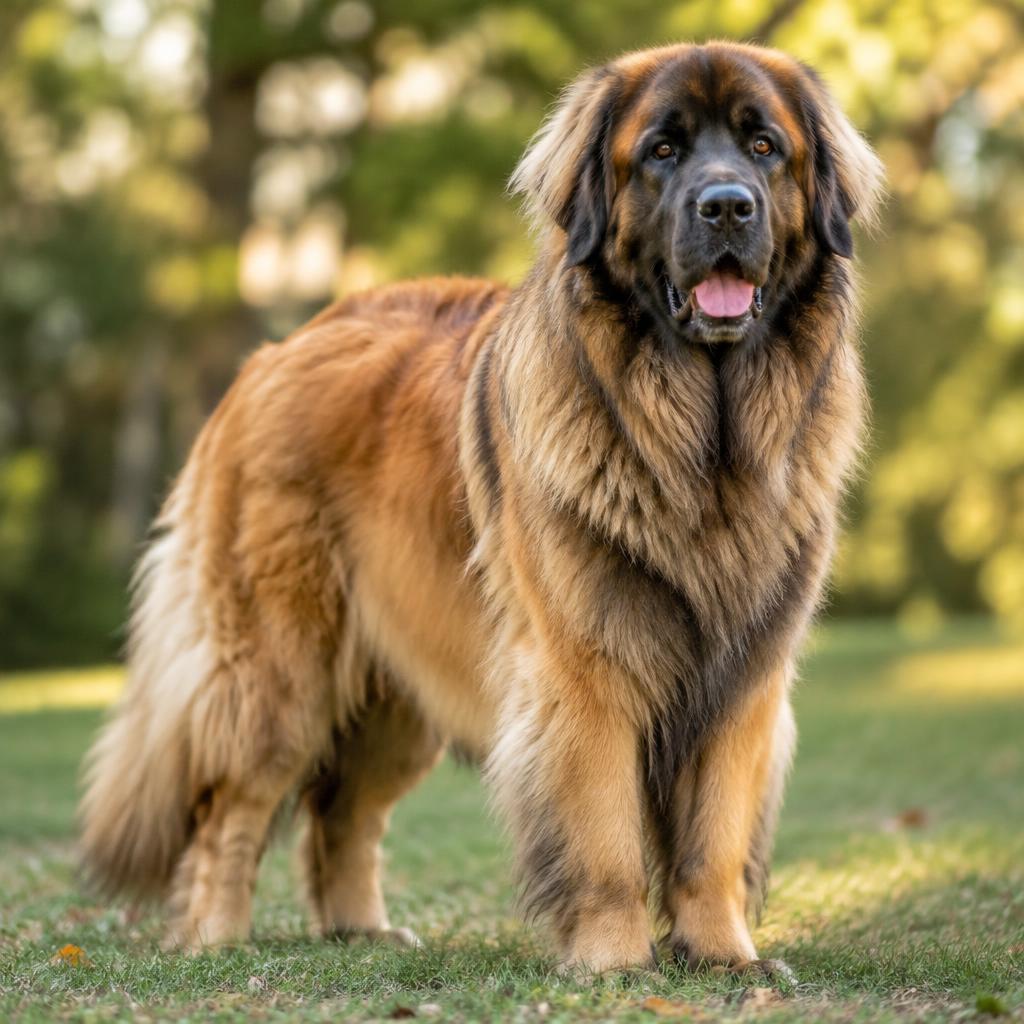
| Leonberger | 45 to 77 kg | 5/10 | 6/10 | €305 |
| Havanese | 4.5 to 7.5 kg | 5/10 | 7/10 | €130 |
Cavalier King Charles Spaniel questions, answered
Are Cavalier King Charles Spaniels good with children?
Yes, Cavaliers are typically gentle, patient and affectionate with children, making them a popular family breed. Their small size means supervision with very young or boisterous children is still wise.
What health problems are Cavalier King Charles Spaniels prone to?
Mitral valve disease is the most significant concern, affecting the majority of the breed with age and sometimes appearing younger. Syringomyelia is another notable condition, so choosing a breeder who cardiac and MRI tests parents is important.
Can Cavalier King Charles Spaniels be left alone?
Cavaliers form very strong attachments to their people and generally cope poorly with being left alone for long periods. Gradual training from puppyhood can help, but this is not a breed suited to households regularly away for full working days.
How much exercise does a Cavalier King Charles Spaniel need?
Around 45 to 60 minutes a day split across walks and play is generally sufficient. This moderate need makes the breed adaptable to flats and less active households, provided daily walks are consistent.
Do Cavalier King Charles Spaniels shed a lot?
They shed moderately year round and need brushing two to three times a week to prevent matting of the silky feathered coat. This is not considered a hypoallergenic breed.
Are Cavalier King Charles Spaniels easy to train?
Yes, Cavaliers are eager to please and food motivated, which generally makes basic training straightforward. Their soft nature responds far better to consistent, positive methods than to firm corrections.
Sources
- Cavalier King Charles Spaniel breed standard, The Kennel Club
- Cavalier King Charles Spaniel breed information, American Kennel Club
- Mitral valve disease in Cavalier King Charles Spaniels, The Kennel Club
- Syringomyelia in dogs, British Veterinary Association
- Cavalier King Charles Spaniel health, PDSA
Put it into practice
Reading that goes with this

Puppies
Crate Training a Puppy: A 14-Day Plan

Behaviour
Introducing a New Dog to Your Dog: A Step-by-Step Plan

Health
Dog Constipation: Causes, Home Remedies and When to Worry

Health
Dog Coughing: Causes, Sounds and When to Worry

Behaviour
Why Do Dogs Eat Grass? What Vets Actually Think
Behaviour
Dog Separation Anxiety: Signs, Causes and a Training Plan

Health
Dog Breathing Fast: Normal Panting, Dreaming and Danger Signs

Health
Dog Ear Infections: Signs, Causes and Treatment
Health
Dog Worms: Types, Symptoms and a Worming Schedule

Nutrition
Can Dogs Eat Oranges? Segments, Peel and Portions

Behaviour
Why Does My Dog Follow Me Everywhere?

Health
Why Do Dogs Scoot? Anal Glands, Worms and Itchy Bottoms

Behaviour
Why Do Dogs Lick You? Affection, Taste and When to Worry

Nutrition
Can Dogs Eat Mango? Stone, Skin and Serving Size

Puppies
How to Socialise a Puppy: The First 16 Weeks

Behaviour
Why Is My Dog Whining? Causes and How to Respond

Nutrition
Can Dogs Eat Popcorn? Plain, Buttered and Kernels