How to Socialise a Puppy: The First 16 Weeks
Between about three and sixteen weeks, puppies decide what is normal and what is scary. Gentle, positive experiences now shape the adult dog for life.
The SniffScroll desk
Dog care editors
Published 9 October 2026
Reviewed against RVC, BSAVA and PDSA guidance
The short version
- The sensitive socialisation period runs from about three to sixteen weeks, and experiences in this window have an outsized effect on adult behaviour.
- Socialisation means positive exposure, not maximum exposure. Let the puppy watch from a distance and choose to approach.
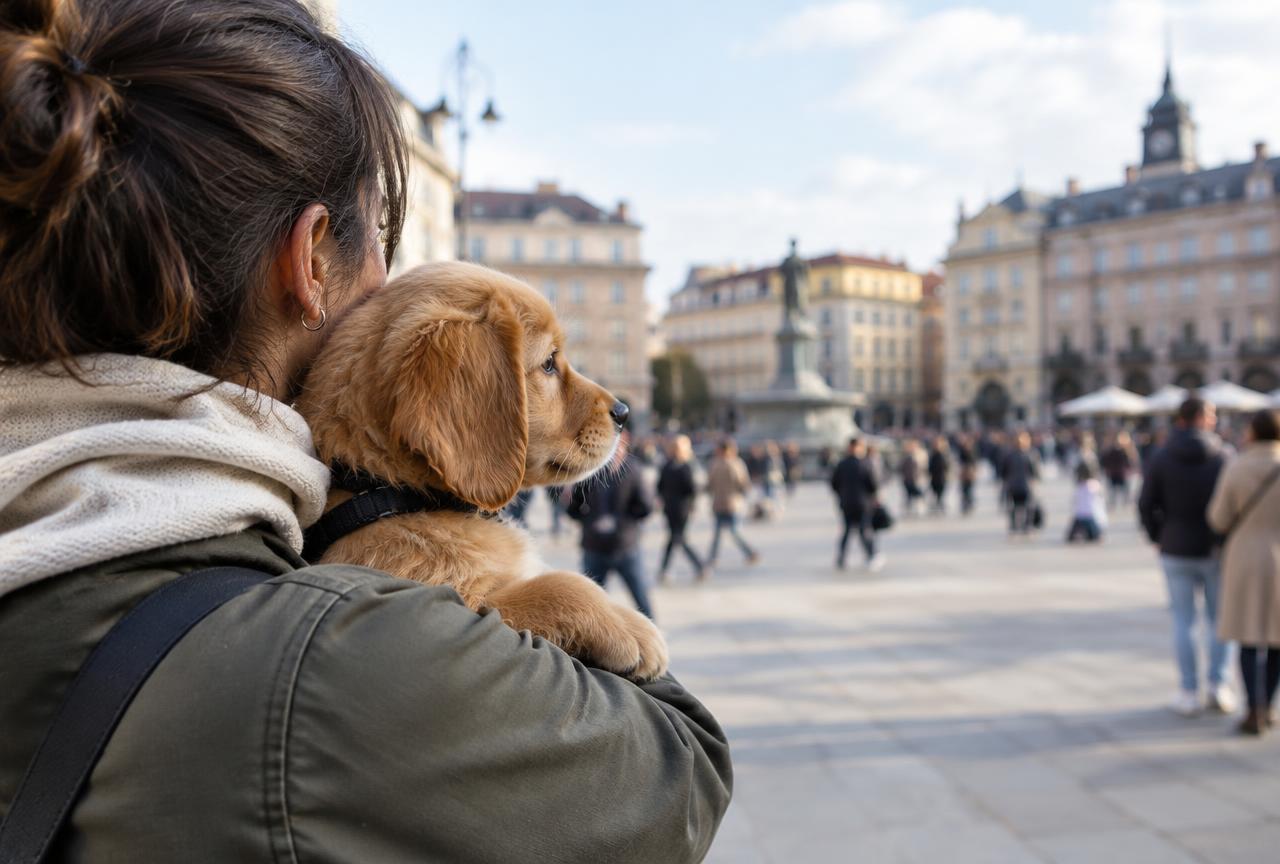
- You can safely socialise before vaccinations are complete by carrying your puppy and meeting healthy, vaccinated dogs in clean places.
- Short, frequent, happy experiences beat long, overwhelming outings.
- Hiding, trembling or freezing means the experience is too much. Add distance and slow down.
Knowing how to socialise a puppy matters more than almost anything else you do in the first months, because what your puppy learns now shapes the adult dog for life. Socialisation is not about meeting as many dogs and people as possible. It is about building positive associations with the sights, sounds, people and situations your dog will meet every day.
What socialisation actually means
Socialisation is teaching your puppy, gently and positively, that the everyday world is safe. During a sensitive period in early life, puppies form lasting impressions of what is normal. Experiences that go well become part of the "safe" list; things they never meet, or meet badly, may be treated with suspicion later.
The goal is a confident adult who can cope with a busy street, a vet visit, visitors at the door and a bus going past, without fear.
The critical window: three to sixteen weeks
The sensitive period for socialisation runs from about three weeks to around twelve to sixteen weeks of age. Puppies are naturally curious early in this window and become more cautious towards the end of it.
Your puppy will usually arrive around eight weeks old, which leaves only a couple of months of this window. That is why socialisation needs to start on day one, not after the vaccination course is finished.
| Age | Stage | Focus |
|---|---|---|
| 3 to 8 weeks | With breeder | Handling, household noise, littermates |
| 8 to 10 weeks | New home | Sounds, surfaces, handling, visitors |
| 10 to 12 weeks | Carried outings | Traffic, people, other calm dogs |
| 12 to 16 weeks | Window closing | Classes, car trips, short alone time |
| 4 to 12 months | Adolescence | Keep revisiting, keep it positive |
Socialising before vaccinations
You can and should socialise your puppy before its vaccination course is complete, as long as you do it carefully. The American Veterinary Society of Animal Behavior notes that behaviour problems are a leading cause of dogs being given up, and that the risk of under-socialising outweighs the small risk of careful outings.
- Carry your puppy in public places such as town centres, station forecourts and school gates.
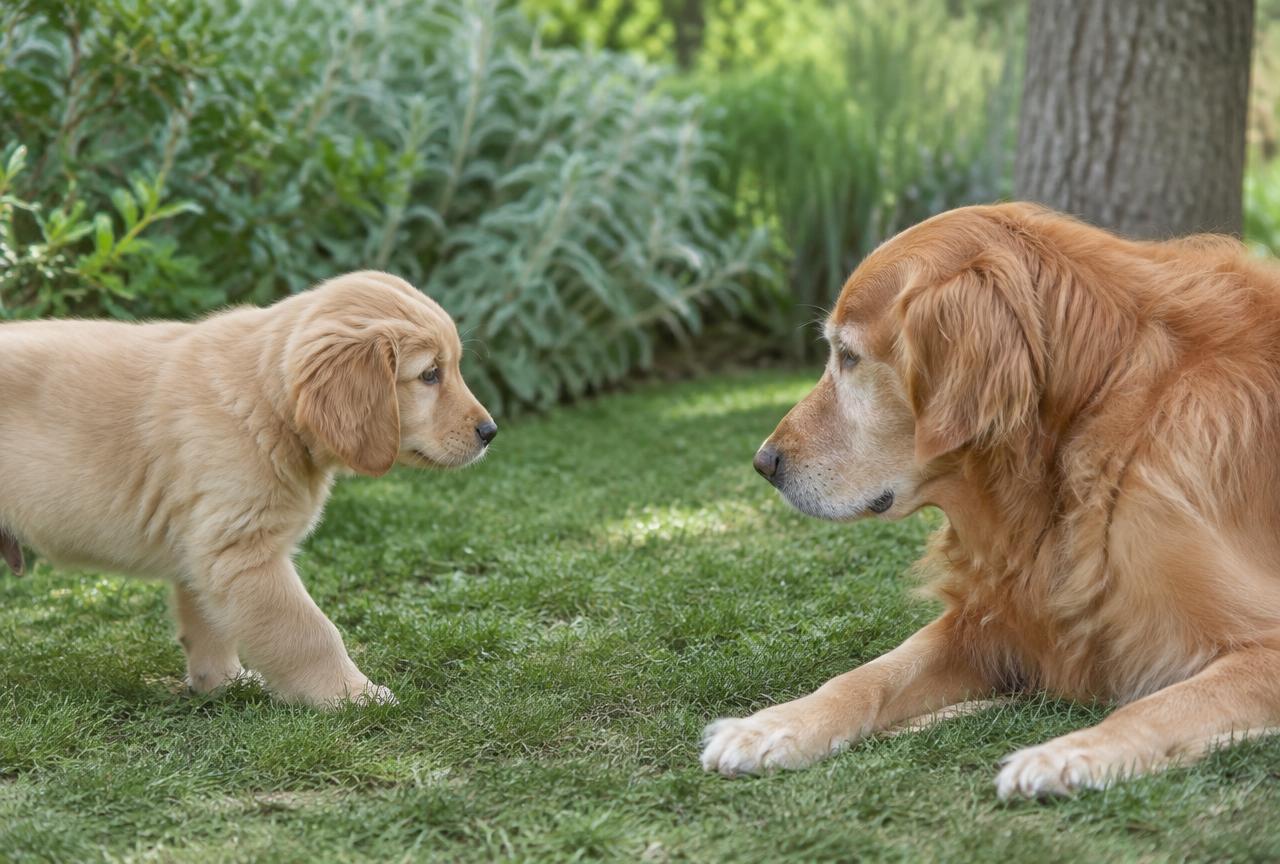
- Invite healthy, fully vaccinated, puppy-friendly adult dogs to your home or garden.
- Avoid parks and paths where unknown dogs toilet.
- Join a puppy class that requires a first vaccination.
The golden rules of good socialisation
Good socialisation is positive, gradual and puppy-led. A frightening experience can teach the opposite of what you intended.
- Let the puppy choose. Allow it to watch from a distance and approach if it wants to.
- Pair new things with treats. Something new appears, a treat follows.
- Keep it short. A few minutes is plenty. Leave while the puppy is still relaxed.
- Watch body language. Loose and curious is good. Hiding, trembling, freezing, yawning or lip licking mean back off.
- Build up slowly. Start sounds at low volume and things at a distance.
Socialisation is positive exposure, not maximum exposure. One calm, happy experience is worth more than ten overwhelming ones.
Your week-by-week checklist
Use the checklist below to see what matters most at your puppy's current age, then work through the steps in order.
Interactive · socialisation checklist
What should your puppy meet this week?
Set your puppy's age to see the experiences that matter most right now.
This week (7 priorities)
- Household sounds at low volume: hoover, washing machine, doorbell, pans
- Gentle handling of paws, ears, mouth and collar, paired with treats
- Different surfaces: tiles, grass, gravel, a wobble cushion
- Carried outings to watch traffic, buses and people from a safe distance
- Calm, vaccinated adult dogs known to be gentle with puppies
- People of different ages, in hats, coats, beards and high-vis
- Short car journeys that end somewhere pleasant
Right in the socialisation window
Aim for a few short, positive experiences a day. Let the puppy choose to approach, and leave before they are overwhelmed.
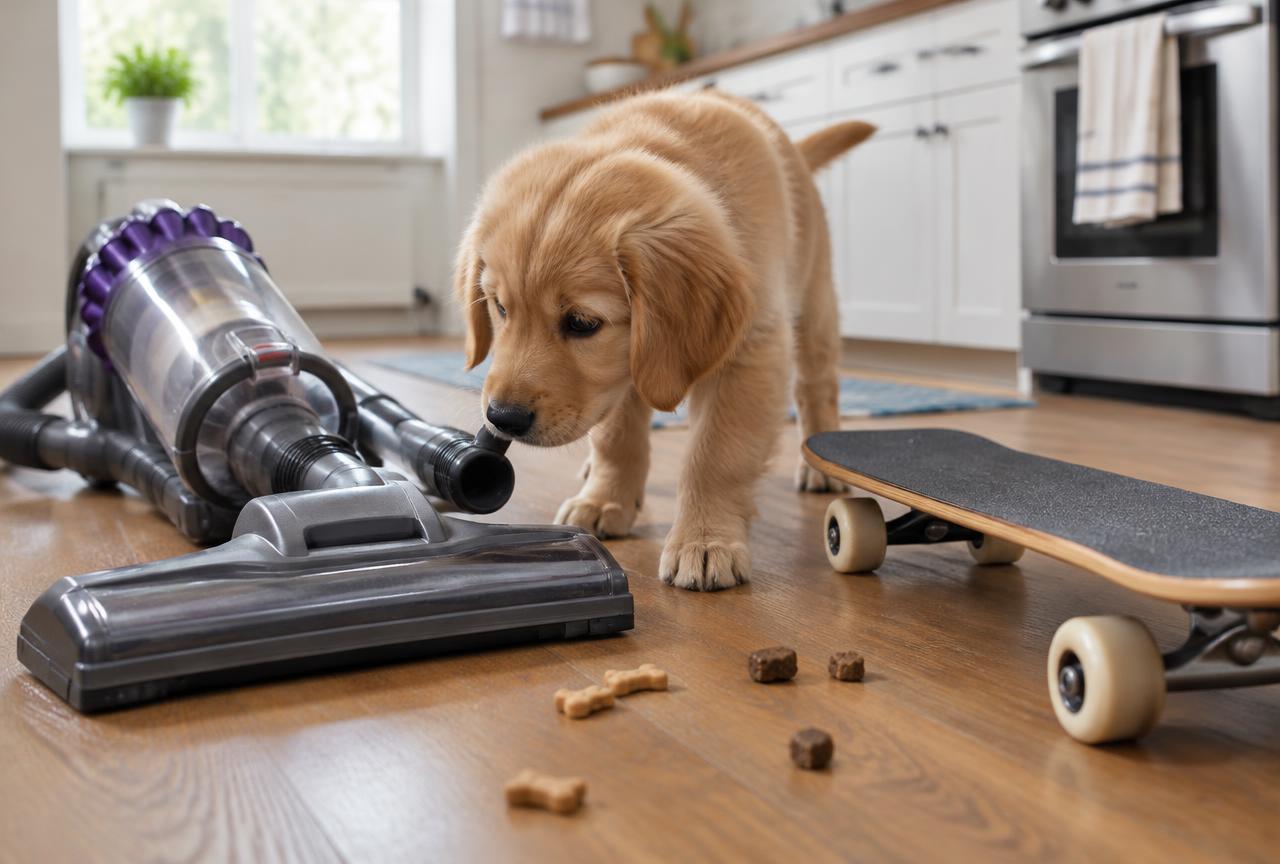
- 1Sounds: hoover, washing machine, doorbell, pans, hairdryer and recorded traffic or fireworks at low volume.
- 2Surfaces: tiles, carpet, grass, gravel, wet ground and a wobbly cushion.
- 3Handling: touch paws, ears, mouth, tail and collar for a second at a time, with a treat after each.
- 4Household objects: bins, umbrellas, bicycles and skateboards, at rest and then moving.
- 5People: different ages, sizes and appearances, including hats, beards, high-vis and walking sticks.
- 6Places: short carried trips to busy streets, cafés and the vet.
- 7Travel: brief car journeys that end somewhere pleasant.
- 8Alone time: short spells in a pen with a chew, building from a few minutes.
Handling and vet visits
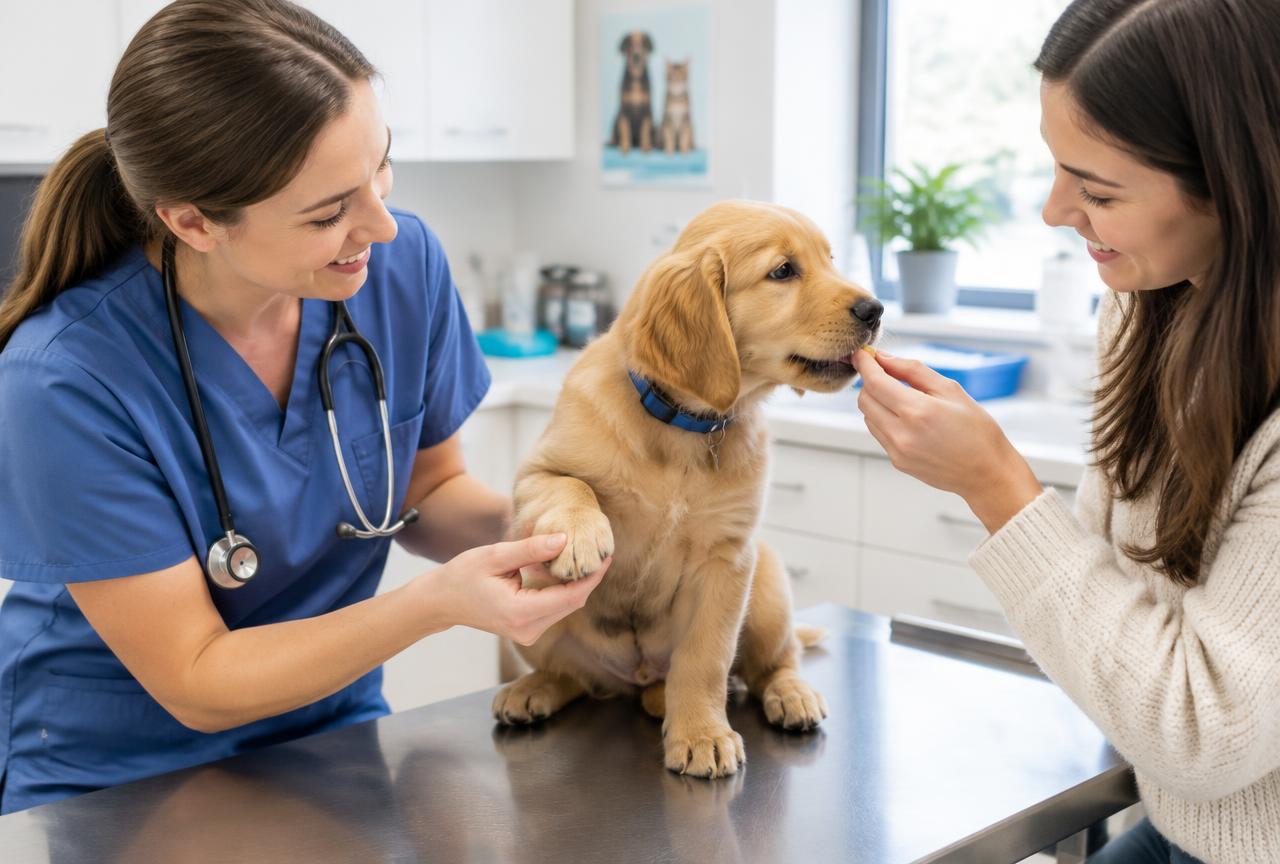
A puppy that enjoys being handled will cope far better with grooming, nail trims and vet examinations throughout its life. Breeds with demanding coats, such as the Cockapoo, or with frequent vet needs, such as the Cavalier King Charles Spaniel, benefit especially.
Ask your vet about "happy visits" where your puppy is weighed, given treats and leaves without any procedures. Our puppy teething guide explains gentle mouth handling during the teething months.
Puppy classes and other dogs
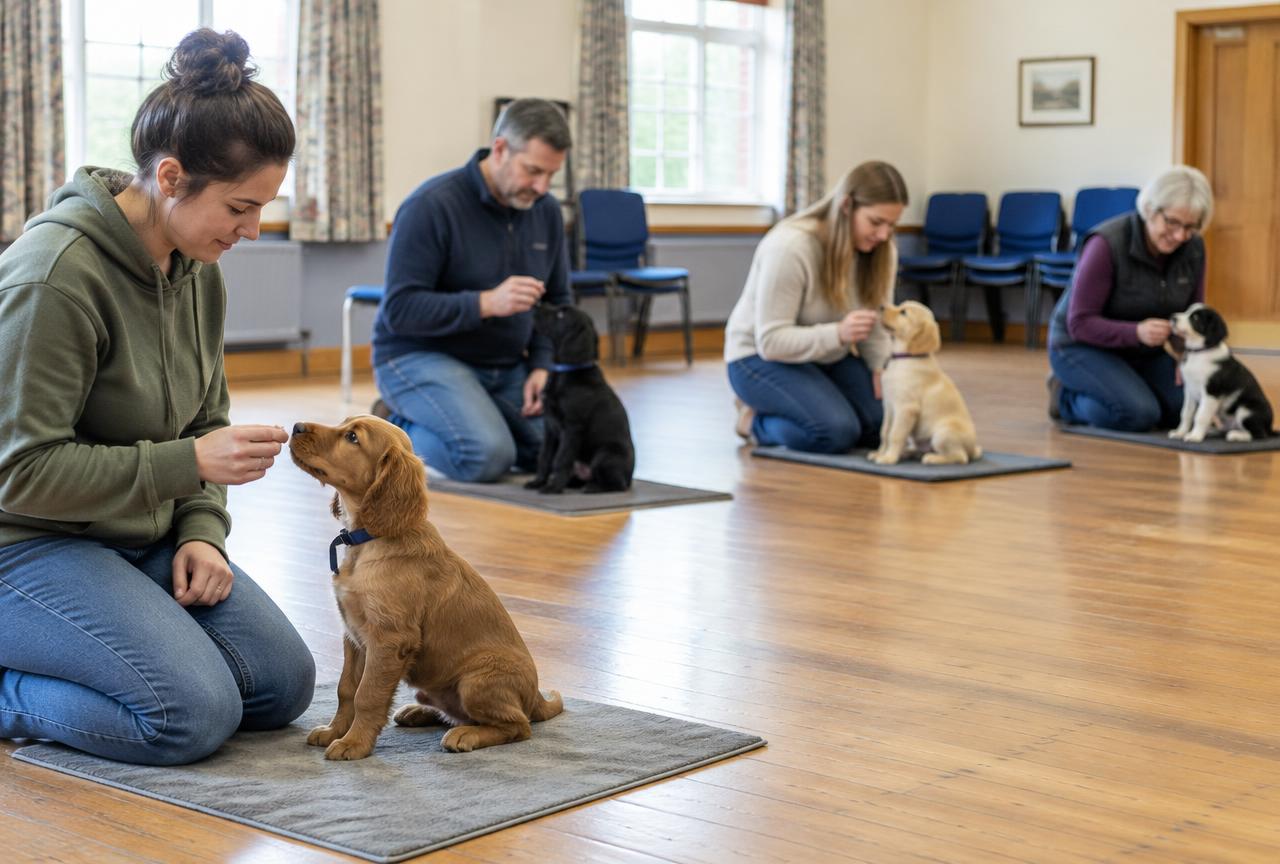
A well-run puppy class is one of the best socialisation tools available. Look for:
- Small groups and a reward-based trainer.
- Clean premises and a vaccination requirement.
- Short, supervised play between suitable puppies, not a free-for-all.
- Training basics such as name response, sit, recall and settling on a mat.
Breeds with a guarding heritage, such as the German Shepherd, particularly benefit from broad, early socialisation with people and dogs.
What if I missed the socialisation window?
Missing part of the early window is common, particularly for puppies bought later, rescued or raised during illness. It is not a lost cause. The sensitive period for socialisation closes gradually, around twelve to sixteen weeks, but dogs continue learning all their lives. What changes is the method. Older puppies and adult dogs often need slower, more careful exposure, at greater distance, with more emphasis on helping them feel safe than on meeting everything.
| Age | Approach | Pace |
|---|---|---|
| --- | --- | --- |
| 8 to 12 weeks | Wide variety, many short positive experiences | Several new things a day |
| 12 to 16 weeks | Continue variety, add repetition | One or two new things a day |
| 4 to 12 months | Revisit key experiences, watch adolescent wobbles | Steady, a few a week |
| Adult or rescue | Desensitisation at a distance, paired with food | Slow, led by the dog |
Socialisation is not about how many things your puppy meets. It is about how each meeting felt.
Reading your puppy: calm, uncertain, overwhelmed
The skill that makes socialisation work is watching your puppy's body language and adjusting before they are overwhelmed.
- Calm and curious: loose body, soft eyes, tail at a natural height, approaching and sniffing. Continue.
- Uncertain: pausing, lip licking, yawning, ears back, weight shifted away. Add distance, offer food, let them watch.
- Overwhelmed: freezing, trembling, tail tucked, trying to hide, refusing food. Leave calmly and try again another day, at a much easier level.
A puppy that refuses a favourite treat is telling you the situation is too much. That is useful information, not stubbornness.
Socialisation for different breeds
All puppies need socialisation, but the emphasis differs. Guardian breeds such as the Rottweiler and German Shepherd benefit from extra positive experiences with visitors and strangers. Herding breeds such as the Border Collie can be sensitive to traffic, bikes and fast movement. Small breeds such as the Cavalier King Charles Spaniel are often handled more than they like; teach children to let them approach.
Your daily socialisation routine
- 1Morning: one handling session of two minutes: paws, ears, mouth, a brush stroke, rewarding throughout.
- 2Mid-morning: one new sound at low volume, such as recorded fireworks or the vacuum in another room, paired with food.
- 3Afternoon: a carried outing or garden session to watch the world: traffic, people, other animals at a distance.
- 4Evening: a calm visitor or household member offers a treat and walks away. No crowding.
- 5Rest: puppies need 18 to 20 hours of sleep. Socialisation without rest leads to overtired, bitey puppies.
Puppy socialisation checklist
- People: different ages, heights, hats, beards, uniforms, wheelchairs and pushchairs
- Surfaces: grass, gravel, wet pavement, metal grates, slippery floors
- Sounds: traffic, doorbells, children playing, thunder, fireworks recordings
- Handling: vet-style examinations, nail trims, grooming and gentle restraint
- Places: car journeys, cafés, quiet town centres, the vet surgery for a treat-only visit
- Animals: calm, vaccinated adult dogs; cats and livestock at a safe distance
- Alone time: short, positive periods away from you from the first week
The dog age calculator shows where your puppy is in their development, and our puppy biting guide helps when overtired evenings arrive.
The verdict, by household
Busy family: keep sessions short and frequent; protect nap times.
Quiet rural home: plan deliberate trips to towns, traffic and people.
City flat: prioritise calm, gradual exposure and quiet retreat time at home.
Rescue or older puppy: slow down, keep distance and consider a qualified trainer.
When to see a vet or behaviourist
Some puppies are naturally more cautious, but a few signs suggest you need professional help early.
- Frequent hiding, trembling or freezing, even in quiet situations.
- Growling or snapping when approached or handled.
- Panic at being left alone for even a short time.
- No improvement after a few weeks of gentle work.
Speak to your vet first to rule out pain or illness, then ask for a referral to a qualified behaviourist. Early help gives the best results.
The short version
Start on day one, keep every experience short and positive, let the puppy choose, and carry it into the world before vaccinations are complete. Keep going through adolescence. A well-socialised puppy grows into a dog who can cope calmly with the world, which is the greatest gift you can give it.
Socialisation myths, checked
| Myth | What the evidence says |
|---|---|
| --- | --- |
| Keep puppies indoors until fully vaccinated | Carefully managed early experiences matter more than the small, manageable risk |
| More exposure is always better | Quality and the puppy's comfort matter more than quantity |
| Puppy parties at the park are ideal | Chaotic, uncontrolled meetings can teach fear or rough play |
| Socialisation finishes at 16 weeks | Ongoing positive experiences maintain confidence into adulthood |
Questions people actually ask
When should I start socialising my puppy?
Straight away. Good breeders begin socialisation in the litter, and the sensitive period continues until about 16 weeks. Start gently on the day your puppy comes home, usually around eight weeks, with household sounds, handling and calm visitors.
Can I socialise my puppy before vaccinations?
Yes, and veterinary behaviour experts recommend it. Carry your puppy in public places, invite healthy vaccinated dogs to your home, and avoid areas with unknown dogs' droppings. The behavioural risk of waiting is greater than the small disease risk of careful outings.
What happens if a puppy is not socialised?
Poorly socialised puppies are more likely to grow into fearful adults, and fear is one of the most common causes of aggression. Socialisation is still possible later, but it takes longer and the results are less predictable.
How many people should my puppy meet?
Quality matters more than numbers, but variety helps. Aim for people of different ages, sizes and appearances, including people with hats, beards, uniforms and walking aids. Each meeting should be calm and end on a good note.
Is it too late to socialise a 6 month old puppy?
No. Socialisation continues to matter through adolescence, though new things may feel scarier now. Keep exposures short and very positive, work at a distance, and consider a reward-based trainer if your puppy is often fearful.
Are puppy classes worth it?
A good puppy class led by a reward-based trainer is one of the best investments you can make. Look for small groups, clean premises, vaccinated puppies and calm, controlled play rather than a free-for-all.
Is it too late to socialise my puppy at 6 months?
No. The most sensitive period closes around twelve to sixteen weeks, but dogs keep learning throughout life. At six months, focus on calm, positive experiences at a comfortable distance, paired with food, and progress slowly. If your puppy shows strong fear, ask a qualified trainer or behaviourist for a tailored plan.
How do I know if my puppy is overwhelmed?
Signs include freezing, trembling, a tucked tail, ears pinned back, trying to hide, yawning or lip licking, and refusing food. When you see them, calmly move further away or leave. Next time, start at an easier level, such as greater distance or a quieter time of day, so your puppy can succeed.
Sources
- Puppy socialisation, The Kennel Club
- Socialising your puppy, Dogs Trust
- Position statement on puppy socialization, AVSAB
- Socialising your puppy, PDSA
- Canine vaccination guidance, BSAVA
- Puppy socialisation, The Kennel Club
Breeds mentioned

Cavalier King Charles Spaniel
An affectionate, adaptable toy spaniel that thrives on human company above almost anything else.

German Shepherd
A loyal, capable working dog that needs a job to do and an owner ready to provide one.

French Bulldog
A comic, affectionate companion built for city life, but with health needs that demand a careful breeder.
Cockapoo
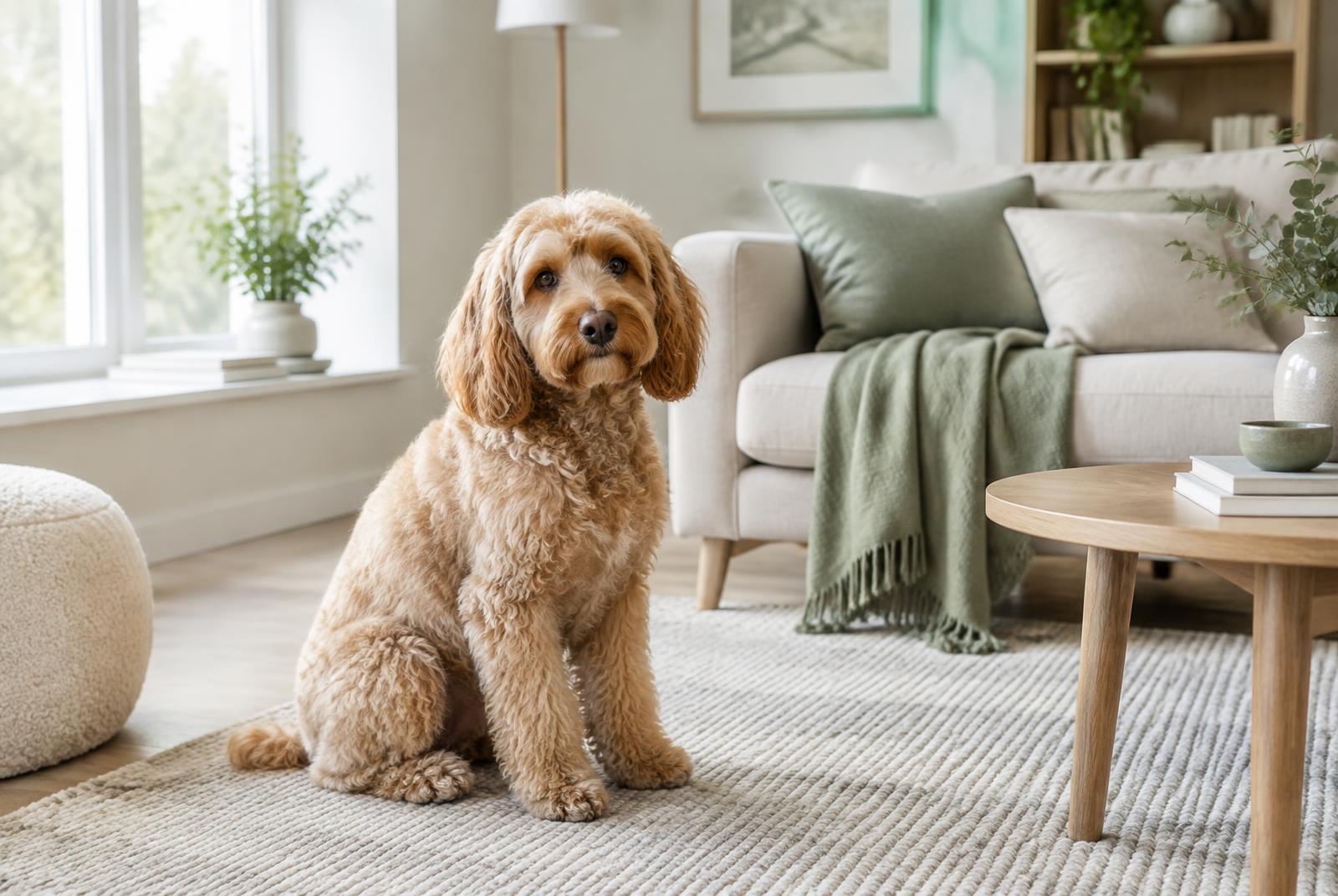
An affectionate Cocker Spaniel and Poodle cross where coat, size and energy vary litter to litter, so no two Cockapoos are quite alike.
Put it into practice
Read next
Puppy Teething: Timeline, Symptoms and Relief
Puppy teething runs from about 12 weeks to 7 months. Learn the timeline, the symptoms, safe relief options, and when retained baby teeth need a vet.