

Pastoral group
Germany
German Shepherd
The German Shepherd is an intelligent, versatile working breed, loyal and protective at home but demanding in exercise, training and mental work.
Reviewed against Kennel Club and breed club health guidance
A loyal, capable working dog that needs a job to do and an owner ready to provide one.
The short version
- German Shepherds are highly intelligent working dogs that need a genuine job or structured activity to thrive.
- Hip and elbow dysplasia are significant health concerns, so parental screening scores matter enormously.
- The breed is naturally watchful and reserved with strangers rather than universally friendly.
- Daily exercise needs are high, typically 60 to 90 minutes of varied physical and mental activity.
- Early, wide socialisation is essential to prevent fearfulness or over-guarding as an adult.
- Weight
- 22 to 40 kg
- Height
- 55 to 65 cm
- Lifespan
- 9 to 13 yrs
- Size
- Large
- Group
- Pastoral
- Coat
- Medium double coat, straight or slightly wavy
- Grown male
- 30 to 40 kg
- Grown female
- 22 to 32 kg
- Years to full size
- about 2
- One-off setup
- €700 to 1400
Get one if…
- Experienced dog owners
- Active families with a secure garden
- Owners wanting a dog sport or working partner
- People able to commit significant daily training time
- Households wanting a naturally protective dog
Think again if…
- First-time owners unwilling to commit to training
- Flat dwellers without garden access
- Households wanting a dog friendly to every stranger
- People with limited time for daily exercise
- Owners hoping to leave the dog alone for long hours
Trait profile
Exceptional trainability and loyalty are paired with high exercise needs and a naturally watchful, sometimes wary temperament with strangers.
Space & setup. Best suited to a house with a secure garden; the breed's size and energy make flat living genuinely difficult.
Allergies. A heavy, seasonal double coat sheds substantially and is a poor choice for allergy sufferers.
Living with a German Shepherd
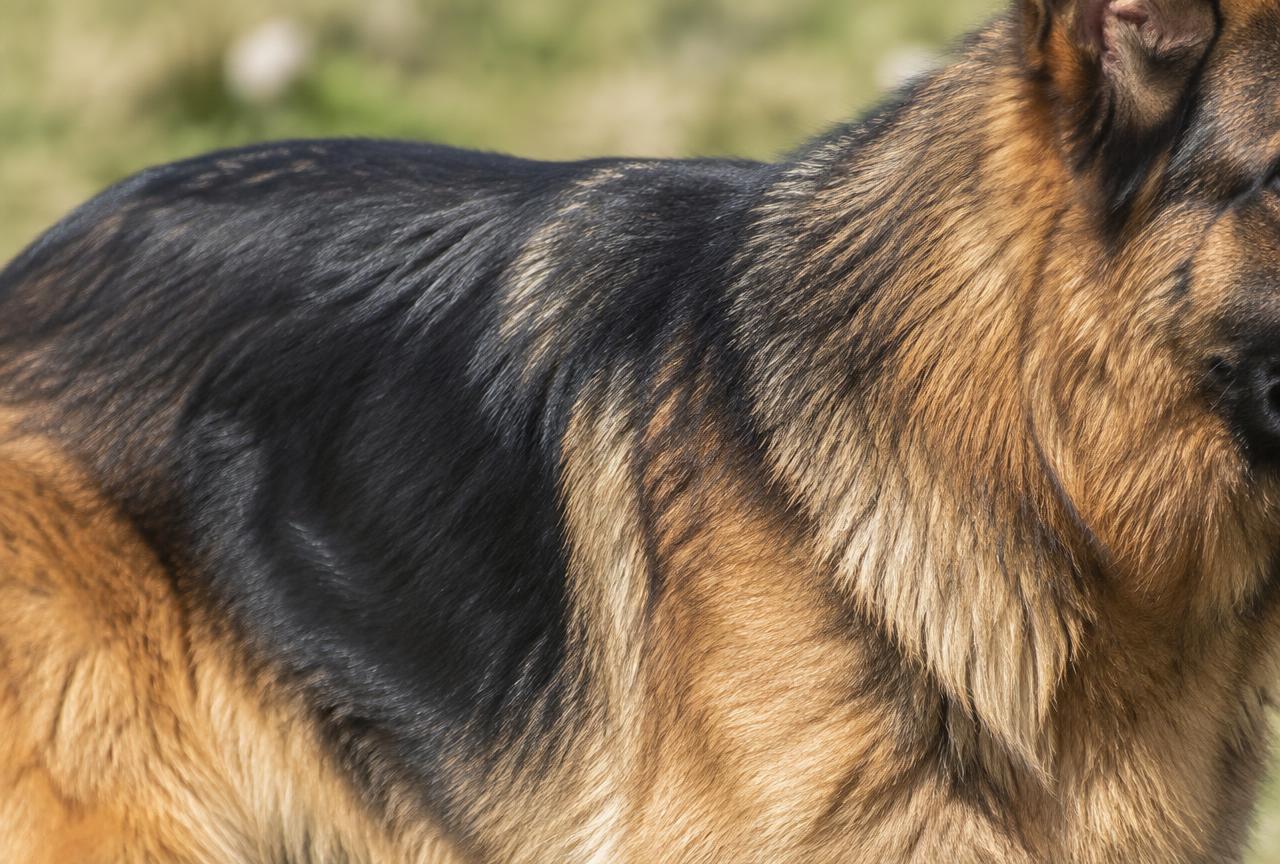
The German Shepherd was developed in the late nineteenth century as the ultimate all-purpose working dog and remains one of the most capable breeds in existence. It suits owners who want a genuine working partner rather than a purely decorative companion.
The German Shepherd was created by Max von Stephanitz in Germany in 1899, who unified various regional herding dogs into a single standardised breed prized for intelligence, structure and trainability. Its herding origins quickly gave way to wider working roles, and the breed became a mainstay of police forces, armed services, search and rescue teams and guide dog programmes around the world. That working heritage sits at the centre of everything the modern German Shepherd is and needs, and buyers drawn purely to its appearance without understanding this history often struggle.
At home, German Shepherds are famously loyal, forming close bonds with their family and often becoming naturally protective without heavy training. Well-bred and well-socialised individuals are typically good with children they have grown up with and can live peaceably with other pets, though their strong guarding instinct means they are usually reserved, sometimes suspicious, with strangers rather than immediately friendly. This wariness makes early, wide-ranging socialisation essential, since an undersocialised German Shepherd can become fearful or reactive rather than simply alert. They are highly vocal when something is amiss and make excellent watchdogs, a trait that needs managing in close-neighbour housing.
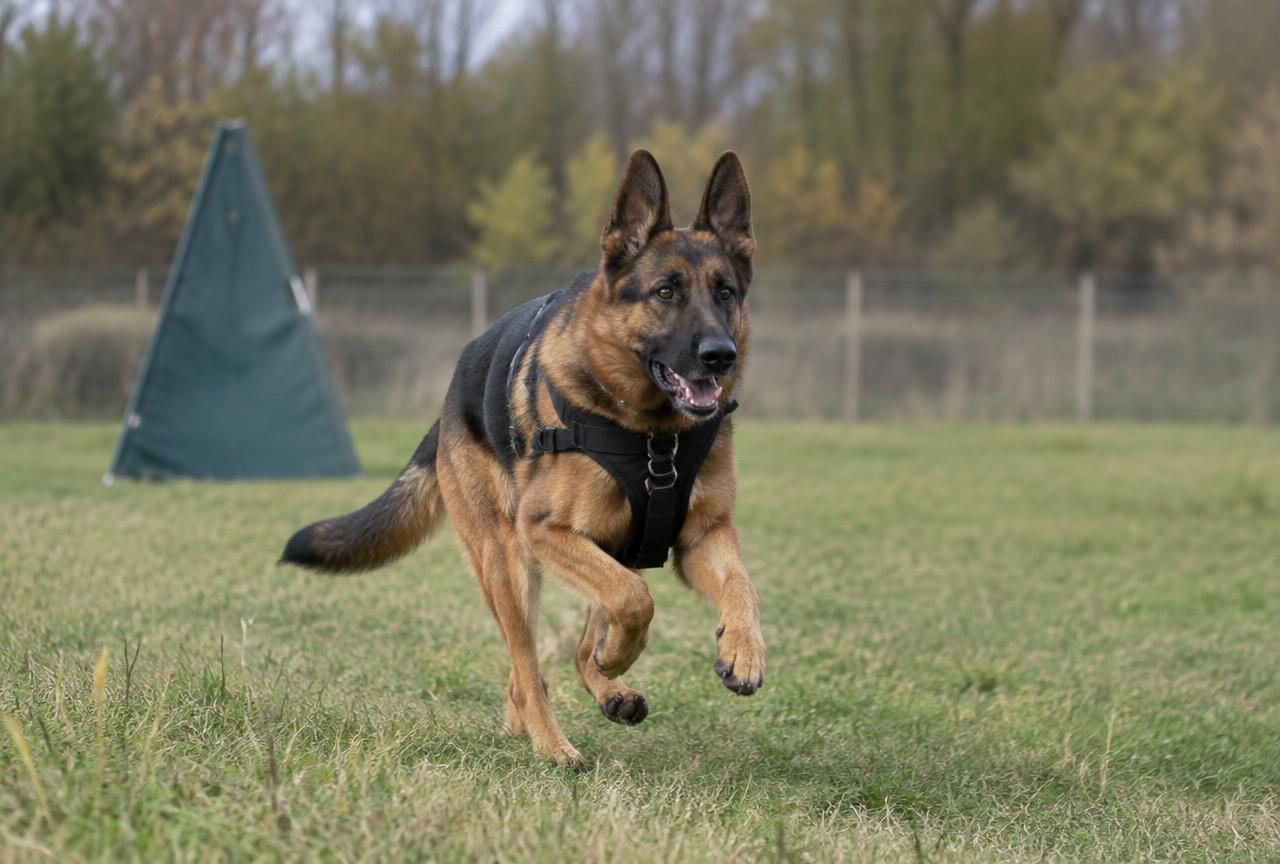
Exercise and mental work are non-negotiable for this breed. A minimum of 60 to 90 minutes of varied physical activity daily is typical, combined with structured training, scent work or a working role such as agility, obedience or protection sport. German Shepherds are quick learners and thrive on having a job, and without one they can become anxious, destructive or develop repetitive behaviours. Training should start early and stay consistent, using positive reinforcement; the breed responds far better to clear, fair leadership than to harsh handling. Growth needs careful management too, since this is a large breed prone to joint problems if over-exercised or allowed to gain excess weight as a puppy.
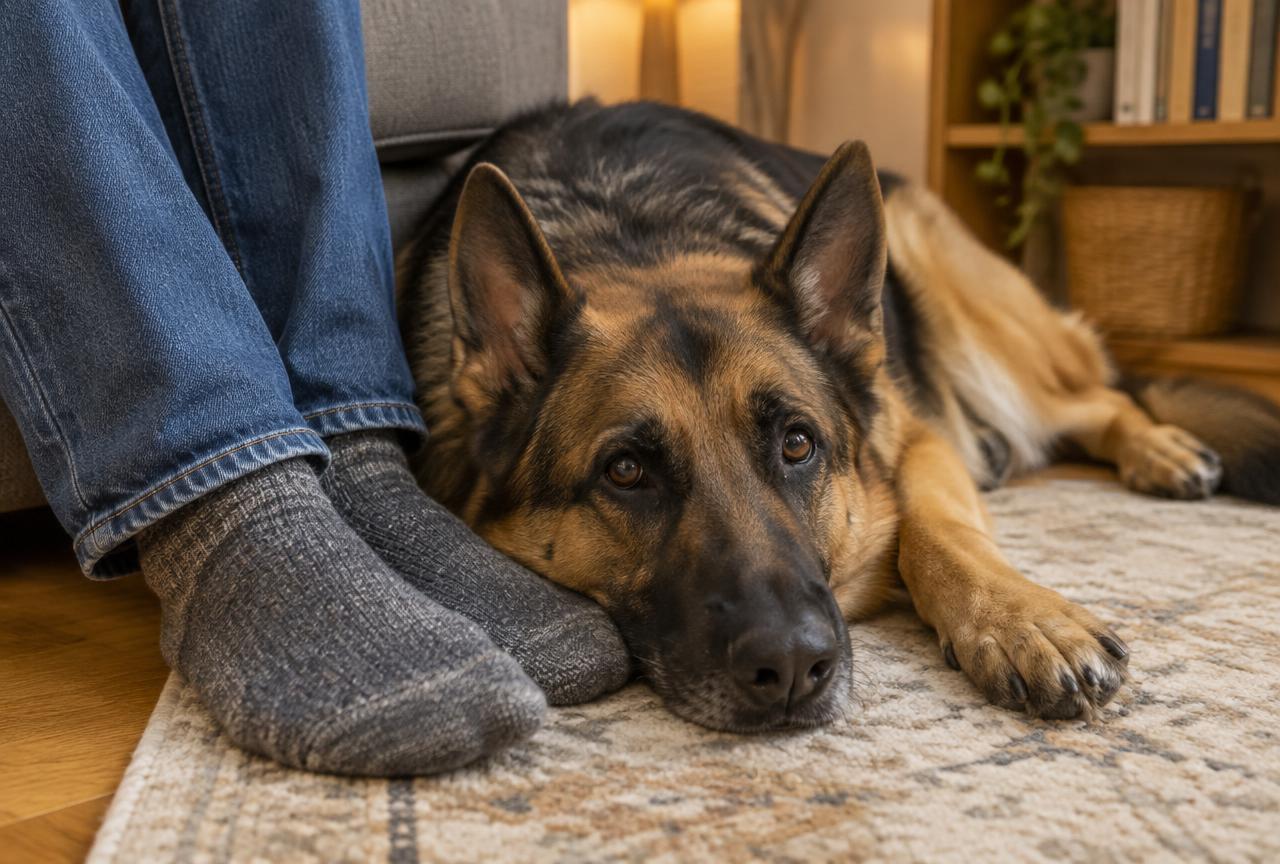
Health is a serious consideration. Hip and elbow dysplasia are well documented in the breed, and buyers should insist on BVA/KC hip and elbow scores for both parents, aiming below the breed median. Degenerative myelopathy, a progressive spinal cord disease, has a genetic test available and reputable breeders screen for it. The breed is also prone to exocrine pancreatic insufficiency and to bloat, given its deep chest, and some lines bred for extreme sloped toplines have faced criticism for exacerbating joint strain, so buyers should look for breeders prioritising sound, level backs and functional structure over exaggerated show type.
The German Shepherd suits experienced owners, or highly committed first-timers, who want an intelligent working partner and can offer daily physical exercise, ongoing training and genuine mental engagement. It is an excellent match for active families, those wanting a dog for a working role, or owners keen on dog sports. It is a poor choice for households wanting a low maintenance companion, anyone unable to commit real time to training and socialisation, or owners hoping for a naturally friendly-to-everyone temperament, since a reserved, watchful nature is a defining and largely fixed breed trait.
A whip-smart working partner that rewards structure and exercise but struggles badly without them.
Exercise, day to day
- 160 to 90 minutes daily split between structured walks, off-lead recall work and play.
- 2Puppies should avoid excessive jumping, stairs or long runs until growth plates close around 18 months.
- 3Include weekly training classes or scent work sessions for mental stimulation.
- 4Consider a working outlet such as agility, obedience or tracking to match the breed's drive.
- 5Rotate exercise types to avoid repetitive strain and keep the dog mentally engaged.
Grooming, realistically
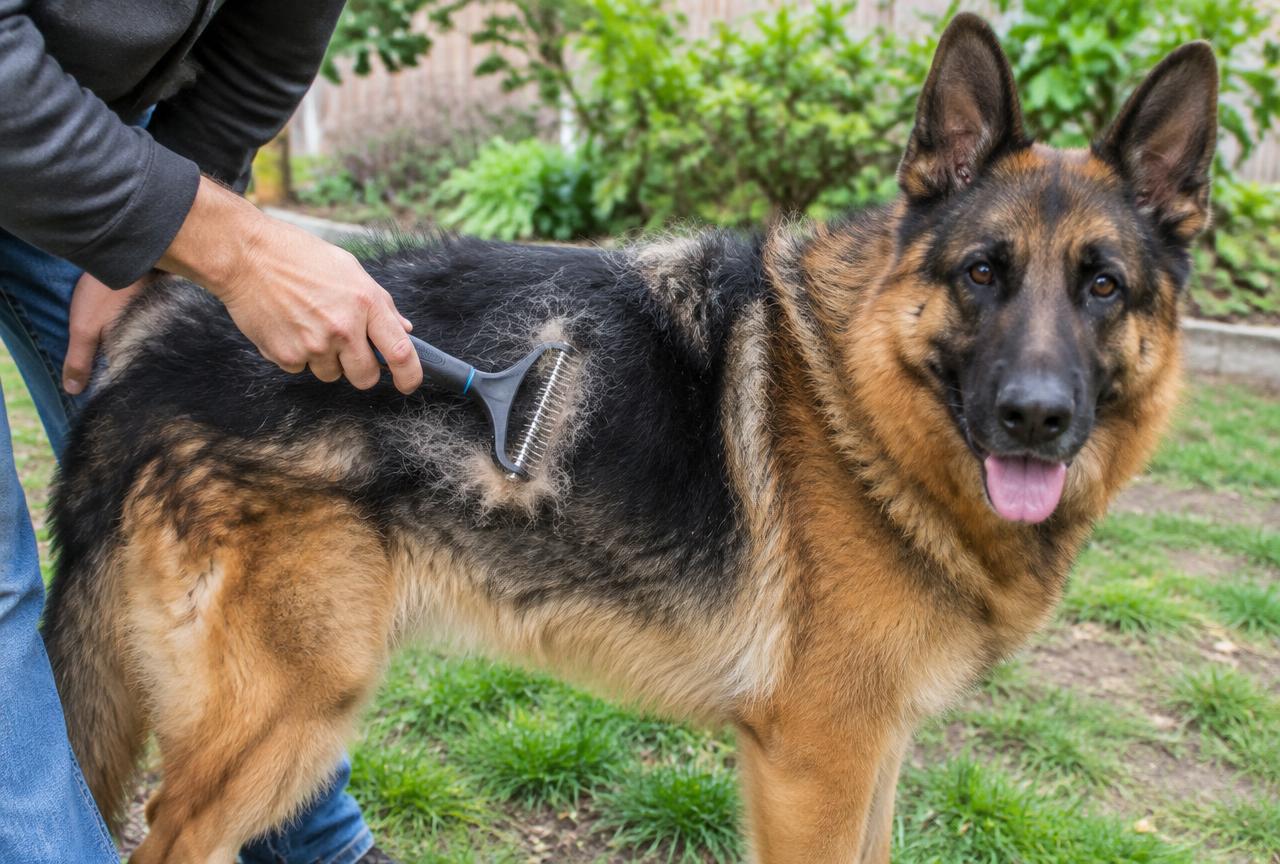
- 1Brush two to three times a week, increasing to daily during the twice-yearly heavy coat blow.
- 2Bathe only as needed to avoid stripping natural coat oils.
- 3Check and clean ears weekly, particularly the erect ears that collect debris easily.
- 4Trim nails every three to four weeks.
- 5Brush teeth several times a week to prevent dental disease.
What you actually need
- Undercoat rake
- Slicker brush
- Deshedding tool
- Ear cleaning solution
- Nail clippers or grinder
- Canine toothbrush and paste
Puppy to adult
| Age | Male | Female | What is happening |
|---|---|---|---|
| 8 weeks | 7 to 9 kg | 6 to 8 kg | Rapid early growth begins. |
| 3 months | 13 to 17 kg | 11 to 15 kg | Noticeable gangly growth phase. |
| 6 months | 20 to 27 kg | 18 to 23 kg | Height gains outpace muscle fill. |
| 9 months | 25 to 33 kg | 20 to 27 kg | Approaching adult height, filling out. |
| 12 months | 28 to 36 kg | 22 to 29 kg | Near adult weight, structure still maturing. |
| 24 months | 30 to 40 kg | 22 to 32 kg | Fully mature muscle and bone density. |
Ranges are typical, not targets. Judge condition by ribs and waist, and check with the ideal weight checker.
What to ask a breeder
- Can I see BVA/KC hip and elbow scores for both parents?
- Has this line been DNA tested for degenerative myelopathy and exocrine pancreatic insufficiency?
- What working lines or show lines is this litter bred from, and what structure do the parents have?
- How have the puppies been socialised with people, other animals and everyday noises so far?
- What temperament traits have you observed in this particular litter?
- What ongoing support do you offer if training or behaviour questions come up?
Health tests to ask for
Ask to see results for both parents before you put down a deposit.
- Hip score (BVA/KC scheme), aim below breed median
- Elbow score (BVA/KC scheme)
- DNA test for degenerative myelopathy
- DNA test for exocrine pancreatic insufficiency
- Cardiac examination for breeding stock
Health watch-list
What to ask a breeder about, and what to watch for over a lifetime. This is orientation, not veterinary advice, anything you notice belongs in front of a vet.
Hip dysplasia
NotableA common structural condition in the breed; parental hip scoring significantly reduces risk in puppies.
Elbow dysplasia
NotableJoint malformation that can cause lameness and early arthritis; elbow scoring of parents is recommended.
Degenerative myelopathy
UncommonA progressive spinal cord disease causing hind limb weakness in older dogs; a DNA test identifies carriers.
Exocrine pancreatic insufficiency
UncommonA digestive disorder more common in this breed, causing weight loss despite normal appetite; manageable with enzyme supplements.
Gastric dilatation volvulus (bloat)
NotableA life-threatening emergency more likely in deep-chested large breeds; feeding smaller meals reduces risk.
Skin allergies
CommonEnvironmental and food allergies are relatively frequent, often presenting as itchy skin or recurrent ear infections.
What it costs to keep one
Realistic running cost
€153 / month
About €1,836 a year, or roughly €20,196 across a 11-year life, before purchase price, neutering and one-off vet events.
Before the puppy arrives. Budget roughly €700 to 1400 for a crate, bed, lead and harness, bowls, puppy classes, first vaccinations and grooming kit sized for this breed. Figures throughout are indicative and vary a good deal between countries.
Interactive · built for this breed
Is a German Shepherd right for your home?
Seven honest questions about your space, time and household, checked against this breed's exercise need, coat, sociability and tolerance for time alone.
Fit with your routine
89%
A strong fit
Your routine suits a German Shepherd well. Meet adult dogs of the line before you commit.
What to sort out first
- Needs more daily exercise than you have pencilled in.
Working in your favour
- Coat care fits the grooming time you offered.
Compare more breeds in the matchmaker, or plan meals with the portion calculator.
The verdict, by household
First-time owner
Only for the committed
Trainability is a major asset, but the exercise, training and socialisation demands are high for an inexperienced owner.
Family with young children
A good match with structure
Loyal and protective with its own family, provided socialisation is thorough and the dog has an outlet for its energy.
Active outdoor household
An excellent choice
This breed thrives with hiking, running and structured training, making it an ideal match for active owners.
Flat dweller in a city
Not recommended
Size, exercise needs and vocal watchfulness make flat living a poor fit for this breed.
When to call your vet
- Reluctance to rise, climb stairs or jump, which may indicate hip or elbow dysplasia
- Hind limb weakness or dragging paws, which can signal degenerative myelopathy
- Chronic weight loss despite a good appetite, which may point to exocrine pancreatic insufficiency
- Unproductive retching or a distended abdomen, which can indicate bloat and needs emergency care
- Excessive licking of paws or recurring skin infections, which may suggest allergies
Nothing here is a diagnosis. A swollen, hard belly with retching, collapse, breathing difficulty and sudden hind-leg weakness are emergencies: go straight away.
German Shepherd vs the closest alternatives
| Breed | Weight | Energy | Grooming | € / month |
|---|---|---|---|---|
| German Shepherd | 22 to 40 kg | 9/10 | 5/10 | €153 |
| Siberian Husky | 16 to 27 kg | 9/10 | 5/10 | €119 |
| Miniature American Shepherd | 9 to 18 kg | 8/10 | 5/10 | €74 |
| Australian Shepherd | 14 to 30 kg | 9/10 | 6/10 | €130 |
German Shepherd questions, answered
Are German Shepherds good family dogs?
Yes, when well socialised, they are loyal and protective of their own family, though they are typically reserved rather than instantly friendly with strangers.
How much exercise does a German Shepherd need?
This breed needs 60 to 90 minutes of varied daily exercise plus regular mental stimulation such as training or scent work to stay content.
Do German Shepherds shed a lot?
Yes, they have a dense double coat that sheds year round and heavily during two seasonal coat blows, requiring frequent brushing.
Are German Shepherds easy to train?
They are among the most trainable breeds, learning quickly with positive reinforcement, though they need consistent structure and an experienced hand.
What health problems are common in German Shepherds?
Hip and elbow dysplasia are the best known concerns, alongside degenerative myelopathy and exocrine pancreatic insufficiency, all of which reputable breeders screen for.
Are German Shepherds aggressive?
Not inherently; they are naturally watchful and protective, but aggression is usually the result of poor socialisation or breeding rather than a fixed breed trait.
Sources
- German Shepherd Dog breed standard, The Kennel Club
- German Shepherd Dog breed standard, American Kennel Club
- Hip dysplasia scheme, British Veterinary Association
- Degenerative myelopathy testing, Orthopedic Foundation for Animals
- German Shepherd Dog health survey, German Shepherd Dog Club
Put it into practice
Reading that goes with this
Training
How to Stop a Dog Pulling on the Lead

Puppies
How to Socialise a Puppy: The First 16 Weeks
Care
Dog Shedding: What Is Normal and How to Manage It

Training
How to Stop a Dog Barking: A Practical Guide
Health
Why Is My Dog Limping? Causes, First Aid and When to Worry
Health
Dog Losing Weight: Causes and When to Worry
Health
Dog Throwing Up White Foam: Causes and When to Worry
Nutrition
Can Dogs Eat Rice? White vs Brown and When It Helps
Behaviour
Dog Barking at Night: Causes and How to Stop It

Behaviour
Why Does My Dog Stare at Me? What the Look Means

Health
Dog Dry Heaving: Causes and When It Is an Emergency
Breeds people compare with this
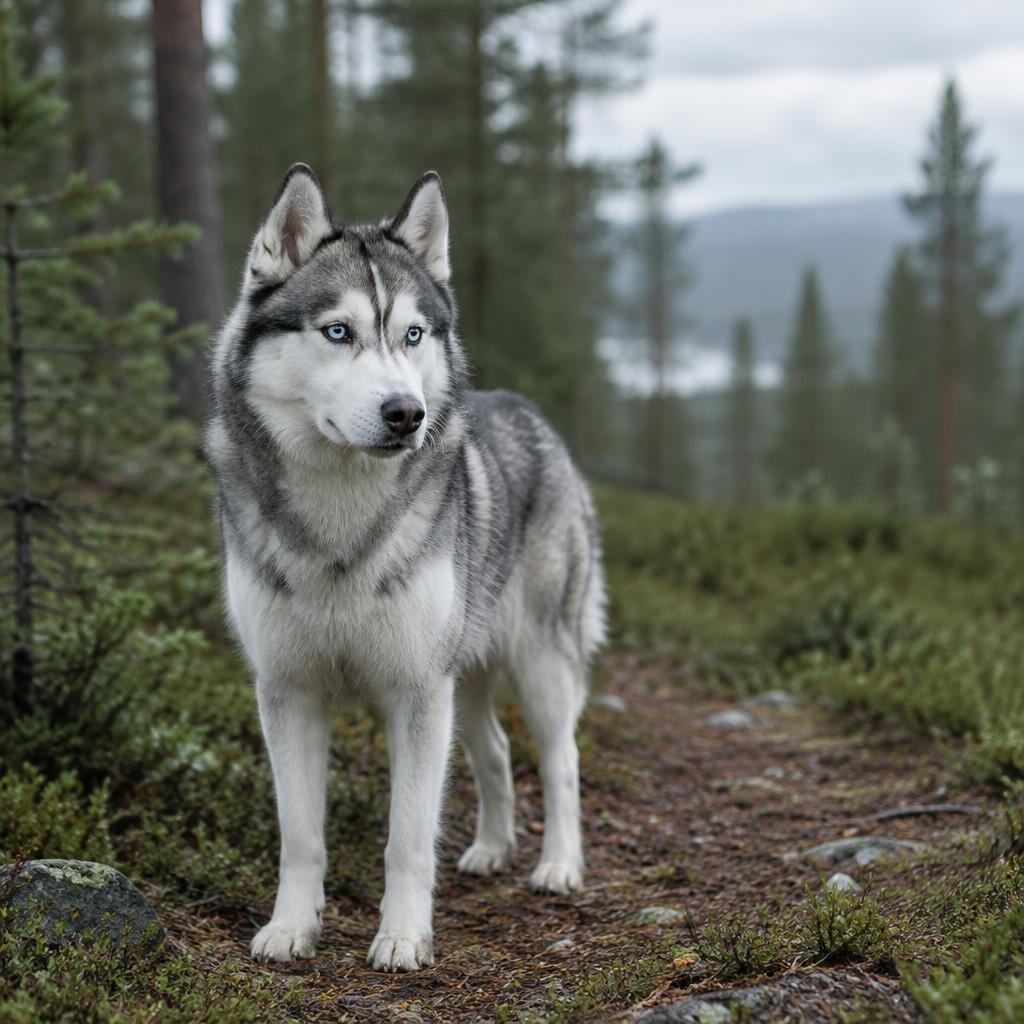
Siberian Husky
A striking, athletic sled dog built for distance running and ill suited to a quiet life in the garden.
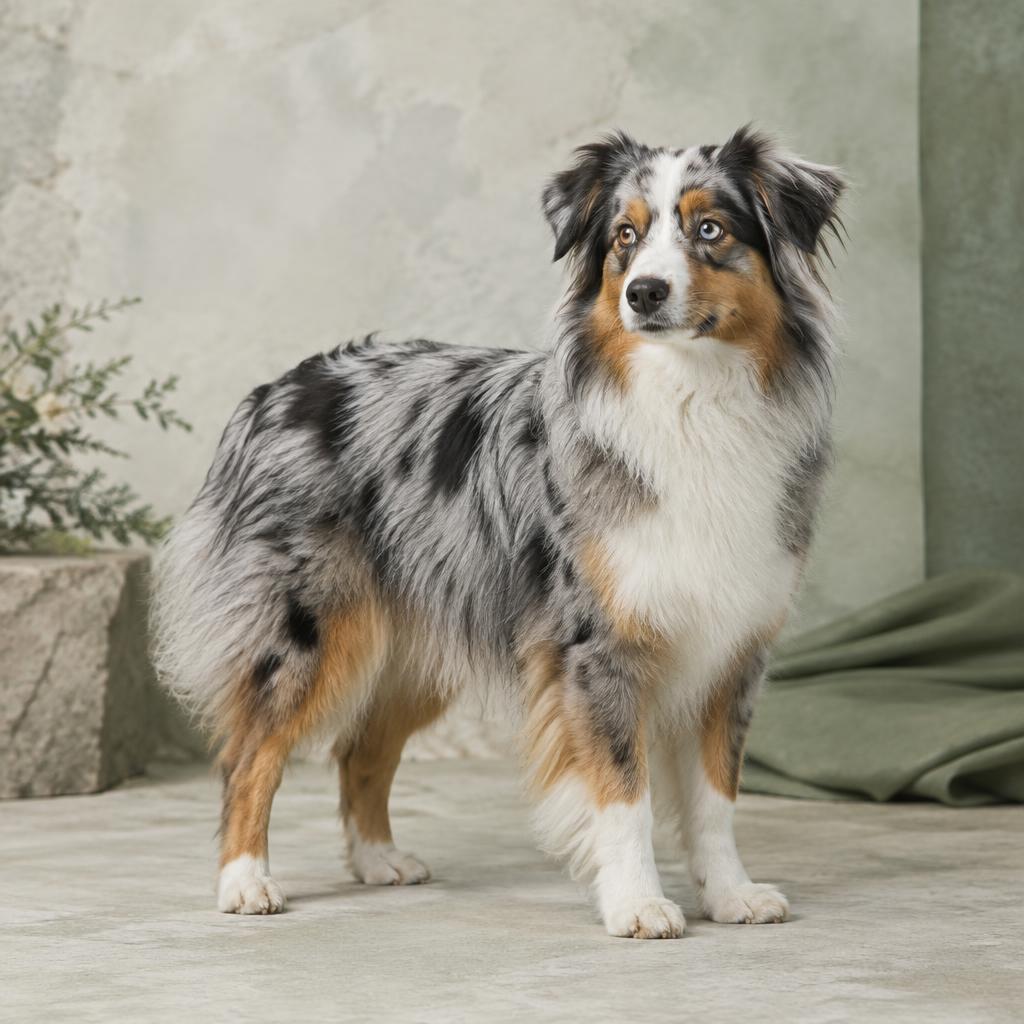
Miniature American Shepherd
A pocket herding dog with a full-size brain and work ethic.
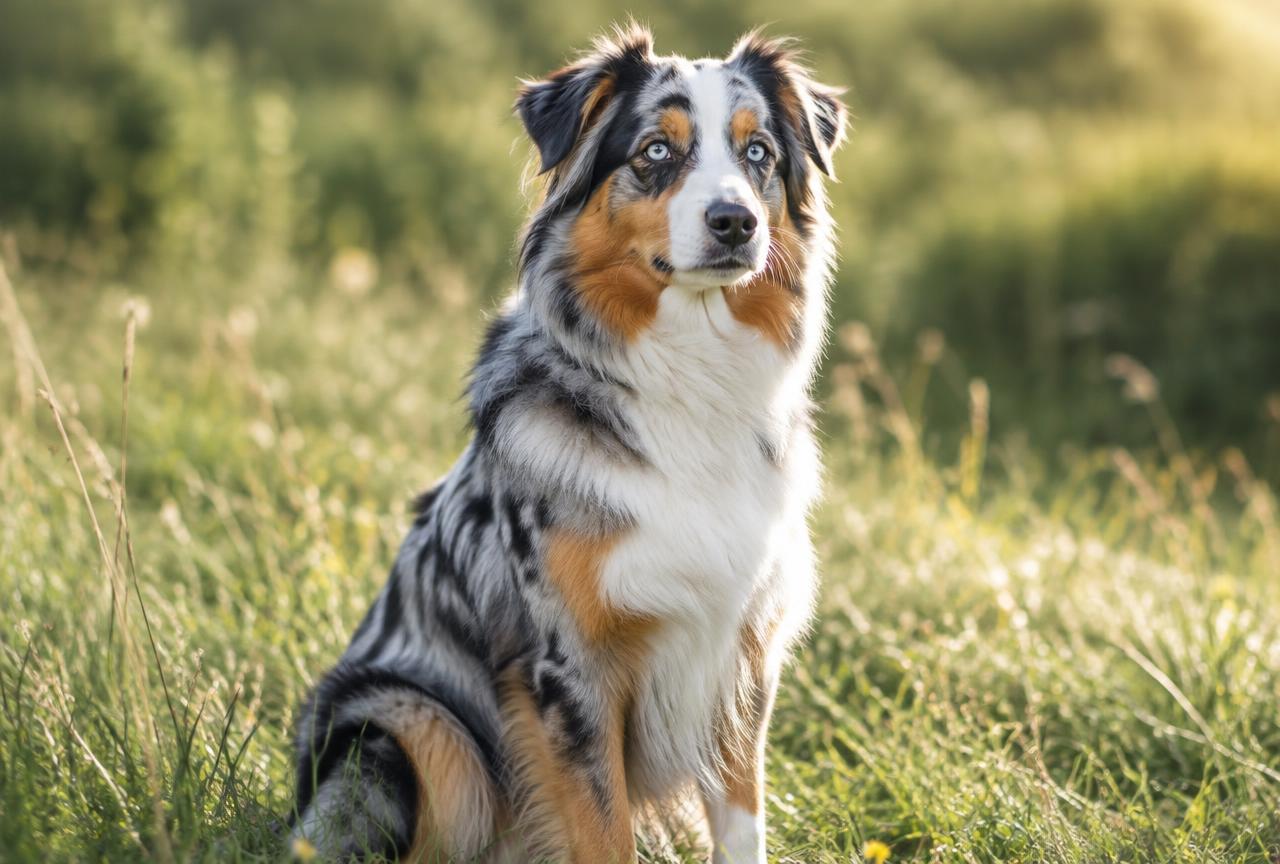
Australian Shepherd
An intelligent, high energy pastoral dog that requires a dedicated job to thrive.