
Dog Losing Weight: Causes and When to Worry
A dog getting thinner without a diet plan behind it is never something to watch for long. Here is how to read the pattern and how fast to act.
The SniffScroll desk
Published 10 October 2026
Dr Emma Whitfield, MRCVS
The short version
- Confirm weight loss with weekly weigh-ins and a hands-on rib check; coats deceive the eye.
- Appetite is the key clue: eating more, eating normally and eating less point in different directions.
- More than about two percent of body weight lost in a month, unplanned, deserves a vet visit.
- Ravenous appetite plus weight loss is a red-flag combination: think diabetes, absorption or parasites.
- Senior dogs losing weight always earn a blood panel, even when the cause looks obvious.
Weight loss in a dog divides cleanly into two stories. The first is deliberate: you cut the portions, the dog slims down, everyone is pleased. The second is everything else, and it is the story this guide is about, because unplanned weight loss is one of the most reliable early warnings in dog health. Dogs do not accidentally slim down the way busy people sometimes do; when the weight comes off without a reason, there is a reason.
The good news is that the pattern around the loss, appetite, speed and accompanying signs, tells you a great deal about urgency before anyone runs a test. This guide covers how to confirm the loss is real, what the common causes are, and how fast to move.
How to tell if your dog is actually losing weight
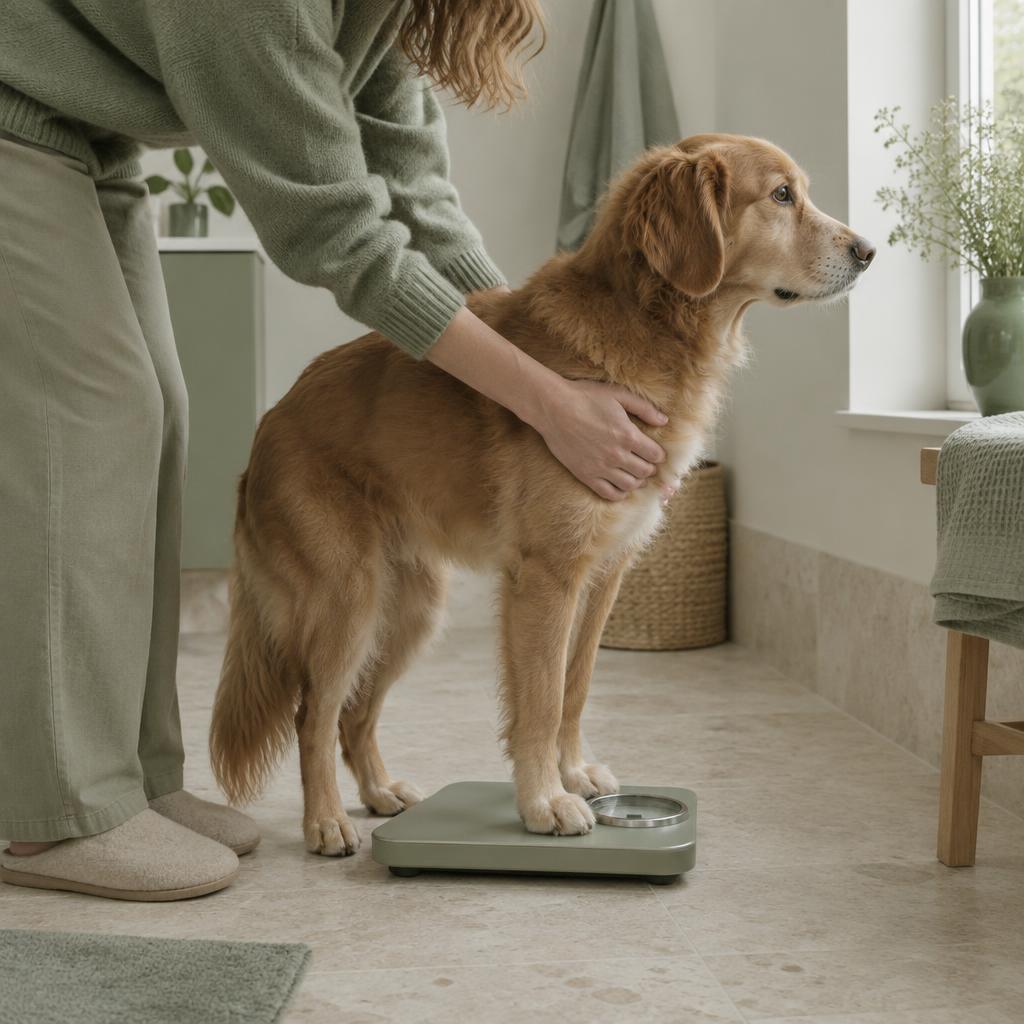
Confirm weight loss with the scales, not the eye: weigh weekly at the same time, and back it up with a hands-on body condition check of ribs, waist and spine.
Coats lie. A fluffy dog can lose a kilo without anyone noticing, and a short-coated dog can look ribby after a growth spurt while being perfectly healthy. The two checks that matter:
- The scales. For small dogs, hold them on bathroom scales and subtract your own weight. For big dogs, most vet practices will let you pop in and use their walk-on scales for free. Weekly, same time of day, written down.
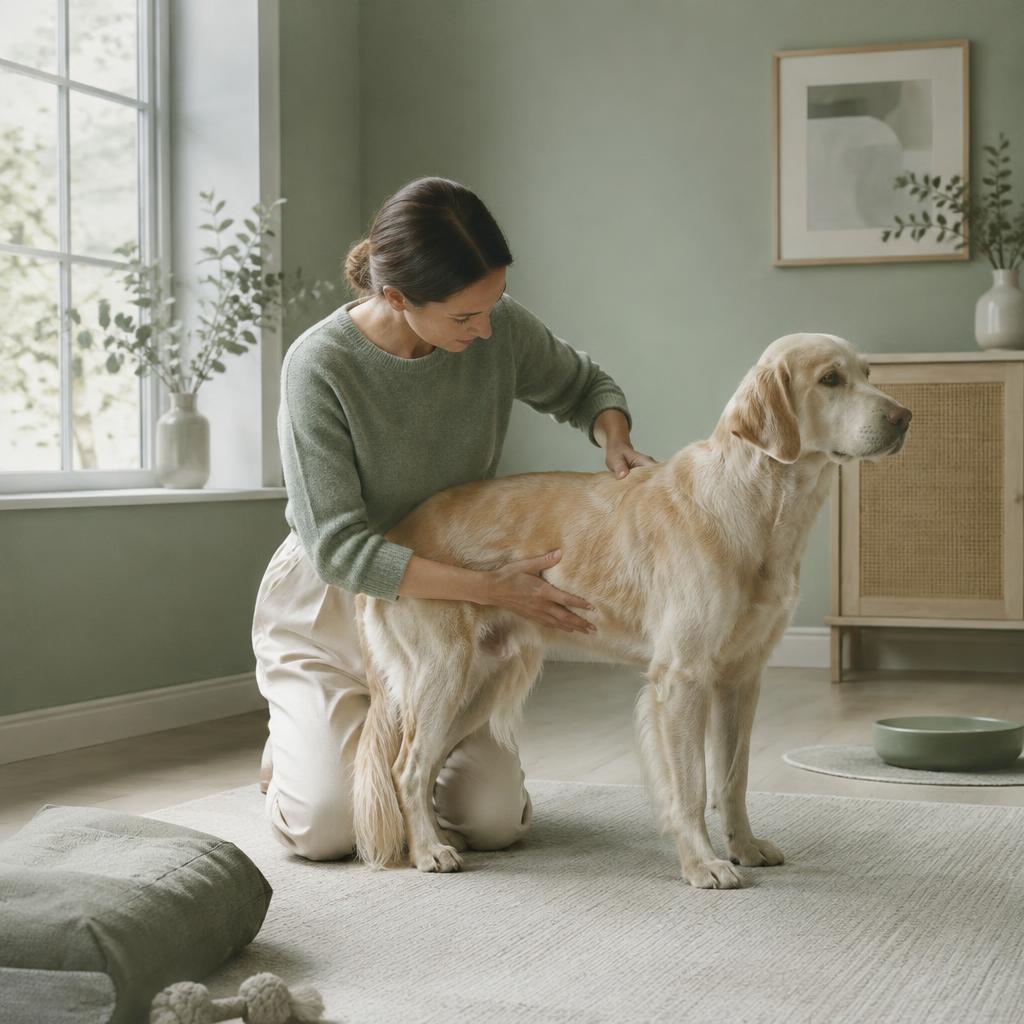
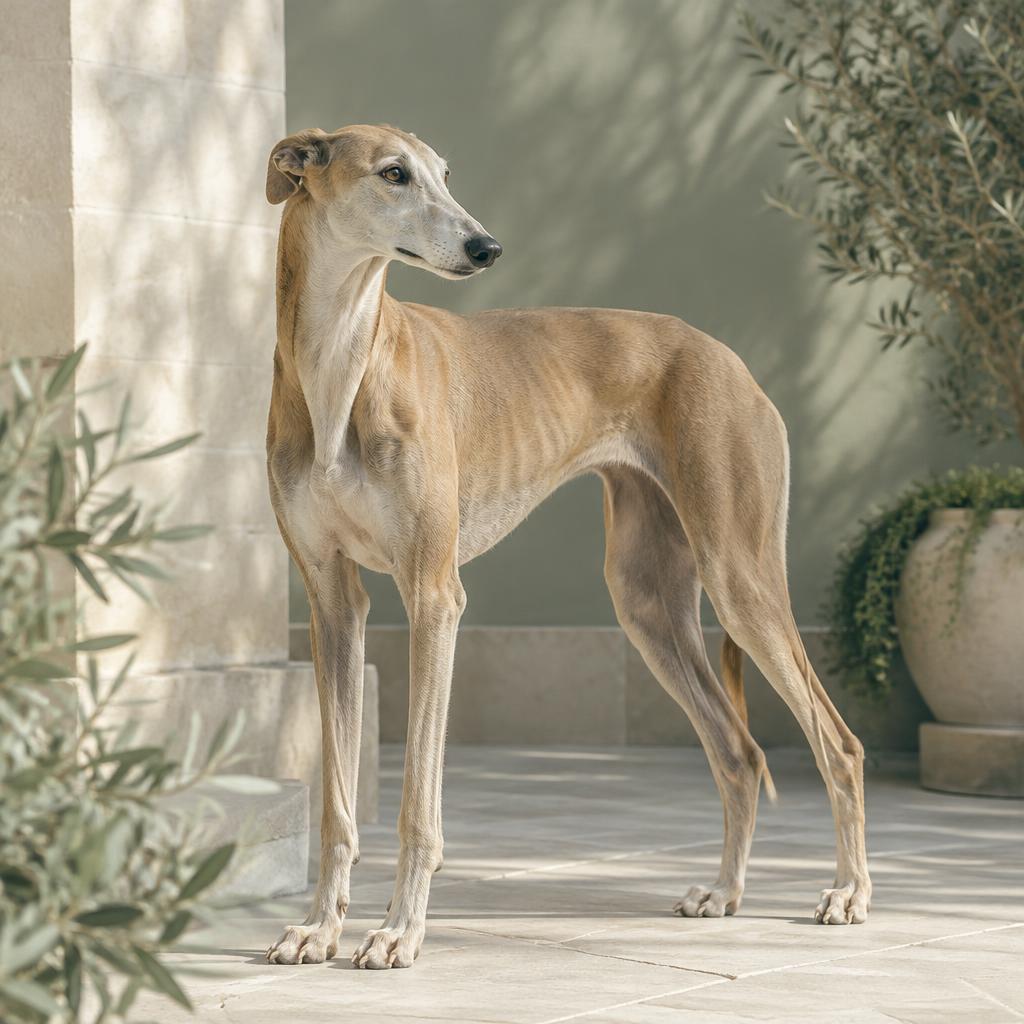
- The hands. Run your palms along the ribcage: you should feel individual ribs under a thin layer of fat, like the back of your hand. Look from above for a waist behind the ribs, and from the side for a tummy tuck. Ribs you can see, a sharply tucked belly and a prominent spine mean the dog is genuinely thin.
As a rule of thumb, losing more than about two percent of body weight in a month without a plan behind it deserves attention, and any rapid drop over days to weeks deserves urgency.
The appetite clue: eating normally, eating more, or eating less
The single most informative question is what the appetite is doing, because weight loss with a good appetite, a huge appetite and a poor appetite point in three different diagnostic directions.
| Appetite | What it suggests | Common culprits |
|---|---|---|
| --- | --- | --- |
| Eating normally or more | Calories are going in but not being kept or used | Diabetes, poor absorption, parasites, overactive thyroid (rare in dogs), cancer |
| Eating less | Something is suppressing appetite or making eating hurt | Dental disease, nausea, kidney or liver disease, pain, stress |
| Ravenous but thin | The classic red-flag combination | Diabetes, malabsorption, heavy worm burden |
A dog who is thin despite eating enthusiastically is not a dog who needs more food; they are a dog whose body is failing to use the food, and that is a blood-test problem. A dog who has gone off their food is telling you eating has become unpleasant or pointless, and our guide to dogs not eating covers that side in detail.
The common medical causes
The commonest medical causes of unplanned weight loss in dogs are dental pain, gastrointestinal disease, diabetes, kidney disease, parasites and cancer, roughly in that order of frequency across all ages.
- Dental disease. A sore mouth makes eating hurt, and dogs would rather not eat than eat in pain. Look for bad breath, dropped food and chewing on one side; our bad breath guide covers the dental picture.
- Gut disease. Inflammatory bowel disease, chronic gastritis and malabsorption conditions mean food passes through without nourishing. Usually comes with soft stools, wind or intermittent vomiting.
- Diabetes. The body cannot use glucose, so it burns fat and muscle instead. The classic trio is weight loss, ravenous appetite and drinking and weeing more.
- Kidney and liver disease. Both cause nausea and appetite loss, usually in middle-aged and older dogs, usually with increased thirst.
- Parasites. A heavy worm burden steals calories directly; common in puppies and in adults whose worming has lapsed. Our worming guide covers schedules.
- Cancer. Not the commonest cause, but the one everyone fears, and the reason unexplained weight loss should never be watched for months. Many cancers are very treatable when caught at the weight-loss stage.
- Pain and stress. Chronic pain, a new baby, a house move or a grieving dog can all suppress appetite and condition.
Puppies, adults and seniors: how age changes the picture
In puppies, weight loss usually means worms or too few calories for a growing body; in adults, dental and gut disease lead; in seniors, kidney disease, diabetes, cancer and simple muscle loss all enter the frame.
A puppy who is thin or failing to gain needs a worming check and a portion review first, since growing dogs need two to three times the calories per kilo of an adult, and our feeding guide has the numbers. An adult dog losing weight with a normal mouth and normal stools is heading for blood tests. And a senior dog losing weight deserves a full senior panel even when the cause looks obvious, because older dogs often have two or three things running at once.
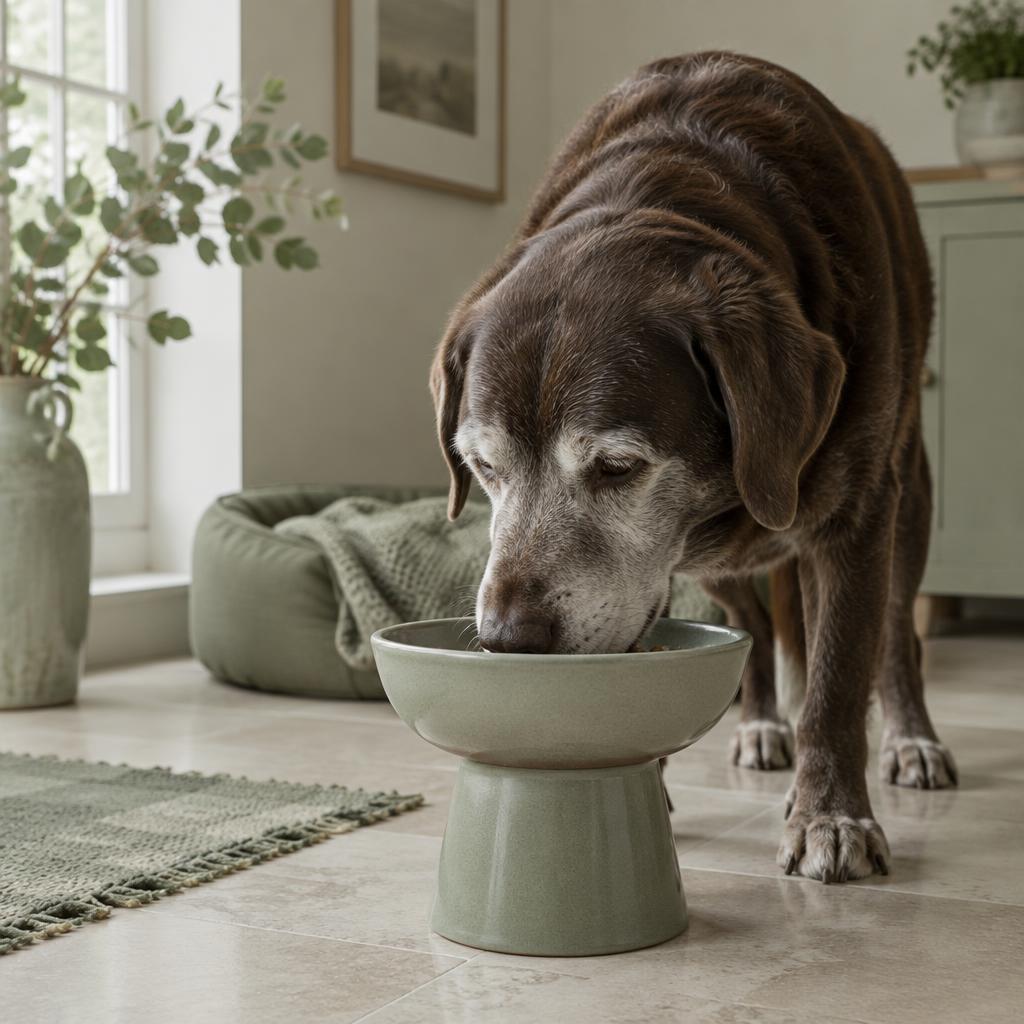
Note too that seniors lose muscle with age even at a stable weight, a process called sarcopenia. A dog whose hindquarters are wasting while the scales hold steady still deserves a conversation about joint pain, exercise and protein.
What to do at home while you arrange the vet
While you wait for an appointment, weigh weekly, photograph the dog from above and the side, keep a food and symptom diary, and do not simply increase portions.
The diary earns its keep at the consultation: what is offered, what is eaten, stool quality, vomiting, thirst, energy. Vets can work with that. What does not help is free-feeding extra food to see if it fixes things, because it muddies the picture, and if the problem is absorption or nausea, more food changes nothing except the washing up.

Unplanned weight loss is never a diagnosis on its own, but the pattern around it, appetite, speed and other signs, tells you how fast to move.
When to see a vet
See the vet within days for any unplanned weight loss over about two percent of body weight in a month, and urgently if the loss is rapid, the dog is a puppy or senior, or anything else is wrong alongside.
The urgent combinations: weight loss plus vomiting or diarrhoea, plus increased thirst, plus lethargy, plus a ravenous appetite, or plus any lump you can feel. A dog who is thin and fading in front of you over a couple of weeks is not a wait-and-see case. Bring your weight log, your diary and a fresh stool sample if you can; you will have done half the diagnostic work before the consultation starts.
When the weight loss is the plan: doing it safely
Worth a mention, because it is the other side of the coin: deliberate weight loss in an overweight dog should look very different from everything described above, and knowing the difference protects you in both directions.
A planned loss is slow by design. The target is roughly one to two percent of body weight per week at most, achieved with a measured calorie reduction of around fifteen to twenty percent, not a crash diet. Faster loss in a dieting dog risks muscle loss and, in severely restricted dogs, genuine metabolic problems. Weigh fortnightly, adjust portions by small amounts, and expect a 10 kg-overweight dog to take the better part of a year to reach target. Slow is not failure; slow is the method.
The two rules that keep a planned loss safe are measurement and satiety. Measure food with scales rather than a scoop, because scoops lie by up to a third. And keep the dog feeling reasonably full with volume that does not cost calories: green beans, carrot batons and a portion of the daily ration soaked in water all stretch the stomach without stretching the waistline. A constantly ravenous dieting dog is a dog whose plan needs adjusting, not a test of anyone's willpower.
If you are actively dieting your dog and the loss suddenly accelerates beyond the plan, or the dog goes off the reduced food entirely, that is no longer the diet talking. Apply the same urgency rules as any unplanned loss and book the check.
Interactive · weight tracker
How worrying is the weight loss?
Answer four questions about your dog's weight, appetite and other signs. We will tell you whether to monitor at home or book in.
What to do
- Weigh weekly at the same time of day, same scales, and write it down; trends matter more than single readings.
- Check body condition by feel: you should feel ribs under a thin fat layer and see a waist from above.
Monitor closely and weigh weekly
Unplanned weight loss is never a diagnosis on its own, but the pattern around it, appetite, speed and other signs, tells you how fast to move.
Frequently asked questions
Why is my dog losing weight but still eating? Weight loss with a normal or increased appetite means calories are going in but not being used or kept: the classic causes are diabetes, malabsorption, parasites and, more rarely, overactive thyroid or cancer. This combination always deserves blood tests rather than bigger portions.
How much weight loss is concerning in a dog? More than about two percent of body weight in a month without a deliberate diet, or any rapid drop over days to weeks. For a 20 kg dog, that is 400 g in a month. Trends matter more than single readings, which is why weekly weigh-ins help.
Is it normal for old dogs to get skinny? Some muscle loss with age is normal, but genuine weight loss in a senior is not something to attribute to age without checking. Kidney disease, diabetes, dental pain and cancer all become more common with age, and a senior blood panel is a sensible first step.
Can stress cause weight loss in dogs? Yes. A house move, a new pet or baby, bereavement or a change in routine can suppress appetite and condition, usually mildly and temporarily. Stress-related loss should improve as the dog settles; if it does not, look for a medical cause.
Should I just feed my dog more if they are losing weight? No. If the problem is nausea, pain, poor absorption or disease, extra food changes nothing and can muddy the diagnostic picture. Confirm the loss with weekly weighing, note the appetite and other signs, and let the vet work from clean data.
What will the vet do for a dog losing weight? Typically a full physical exam including the mouth, a weight history, blood and urine tests, and often a stool check for parasites. Depending on findings, imaging or gut-specific tests may follow. Your weight log and symptom diary genuinely speed this up.
Questions people actually ask
Why is my dog losing weight but still eating?
Calories are going in but not being used or kept: the classic causes are diabetes, malabsorption, parasites and, more rarely, thyroid disease or cancer. This combination always deserves blood tests rather than bigger portions.
How much weight loss is concerning in a dog?
More than about two percent of body weight in a month without a deliberate diet, or any rapid drop over days to weeks. Trends matter more than single readings, so weigh weekly.
Is it normal for old dogs to get skinny?
Some muscle loss with age is normal, but genuine weight loss in a senior should not be attributed to age without checking. Kidney disease, diabetes, dental pain and cancer all become commoner, and a senior blood panel is a sensible first step.
Can stress cause weight loss in dogs?
Yes. A house move, a new pet or baby, bereavement or routine changes can suppress appetite, usually mildly and temporarily. If the loss does not reverse as the dog settles, look for a medical cause.
Should I just feed my dog more if they are losing weight?
No. If the problem is nausea, pain, poor absorption or disease, extra food changes nothing and muddies the picture. Confirm the loss with weekly weighing, note appetite and other signs, and let the vet work from clean data.
What will the vet do for a dog losing weight?
Typically a full physical exam including the mouth, a weight history, blood and urine tests, and often a stool check. Imaging or gut-specific tests may follow. A weight log and symptom diary genuinely speed this up.
Sources
Breeds mentioned


Put it into practice
Read next
Dog Dry Heaving: Causes and When It Is an Emergency
Dog dry heaving is usually throat irritation or mild nausea, but repeated unproductive retching with a swollen, tight belly can be bloat (GDV), a life-threatening emergency.


