
Why Is My Dog Not Eating? Causes and When to Act
The full bowl nobody wants is one of the most worrying sights in dog ownership. Most of the time the fix is simple. Sometimes it is not.
The SniffScroll desk
Published 9 October 2026
Reviewed against current veterinary guidance
The short version
- One missed meal in a bright, drinking adult dog is usually harmless: heat, treats, routine change or mild stomach upset.
- Count the extras first: chews, treats and scraps often add up to a whole meal.
- Warm the food, add a plain topper, lift the bowl after 15 minutes and cut treats to zero for 48 hours.
- Two days without food, vomiting, lethargy, not drinking or a swollen abdomen means call the vet the same day.
- Puppies under six months should never skip more than a meal; their reserves are too small.
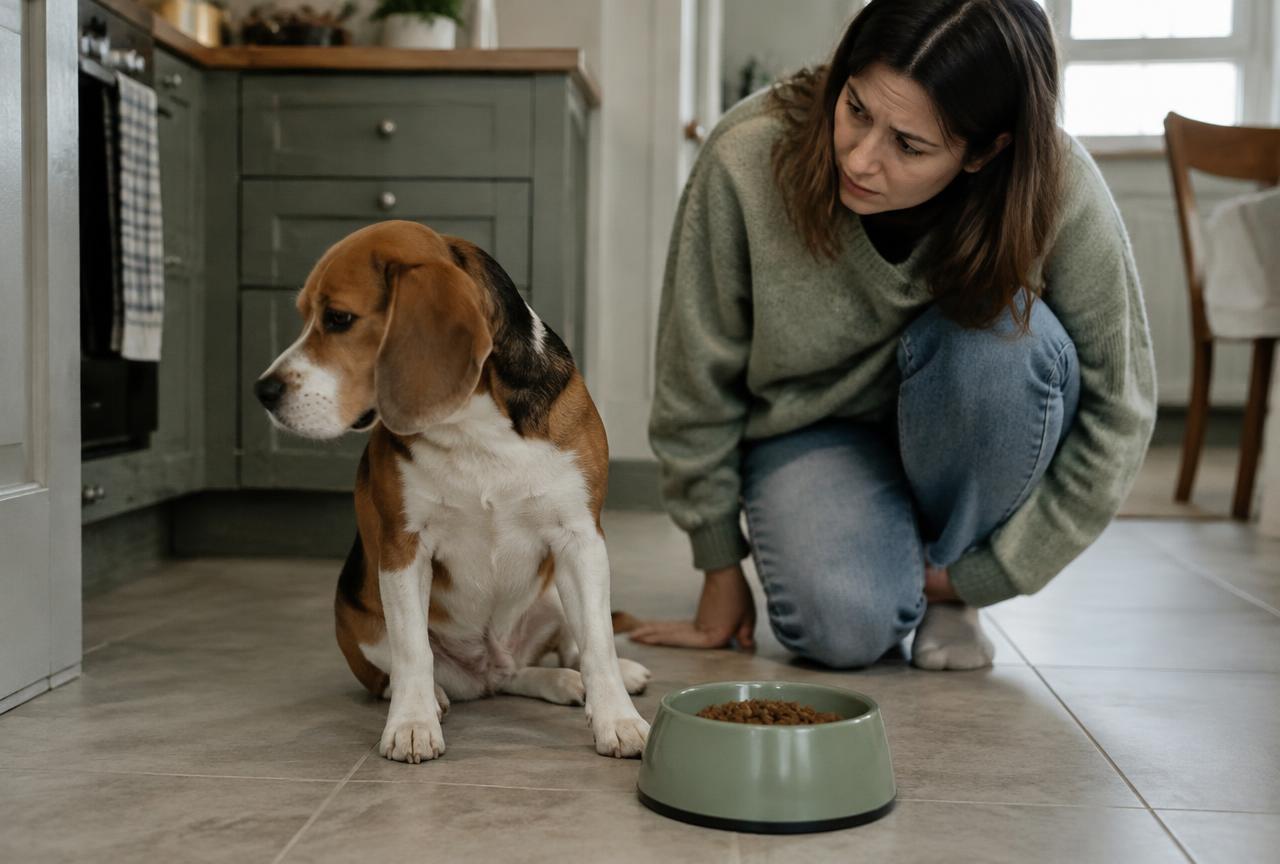
Few things worry a dog owner faster than a full food bowl at six in the evening. Dogs are supposed to be enthusiastic eaters, and when yours walks past dinner, the mind goes straight to the worst case. Take a breath. The honest truth is that most appetite dips in dogs are short-lived and harmless: a hot day, a rich treat, a change of routine. But appetite is also one of the body''s earliest warning lights, and the skill worth learning is telling the ordinary blip from the genuine alarm.
This guide walks through the common causes in order of likelihood, the home checks worth doing, the tricks that safely tempt a fussy eater, and the specific combinations that mean you stop reading and ring the vet.
Why is my dog not eating? The short answer
Most dogs skip a meal occasionally for harmless reasons: heat, a change of routine, too many treats, or mild stomach upset that passes in a day. A healthy adult dog that misses one meal but is drinking, bright and behaving normally can be watched at home. Call the vet the same day if the dog has not eaten for two days, is also vomiting or lethargic, is not drinking, is a puppy, or has a swollen or painful abdomen. Those combinations are never wait-and-see.
The harmless reasons first
Start with the boring explanations, because they account for most cases.
Hot weather. Dogs eat less in warm weather, sometimes noticeably less. A dog that picks at dinner during a heatwave but is otherwise bouncy is usually just following its thermostat.
Too many treats and scraps. This is the most common cause of all. A dog that has had a chew, three training treats, half a crust and a dentastick has had lunch, whatever the bowl says. Add up the extras honestly before worrying.
Routine change. Dogs are creatures of schedule. A house move, visitors, a new baby, building work, a change in your working hours or even a new bowl location can put a sensitive dog off its food for a day or two.
Food fatigue or a stale bag. Kibble goes off. Fats in dry food oxidise once the bag is open, and a bag more than about six weeks old can taste rancid to a dog while smelling fine to you. Similarly, a dog fed one food for years sometimes simply goes off it.
Mild stomach upset. Dogs scavenge. A dog that ate something questionable on yesterday''s walk may feel quietly nauseous for twelve to twenty-four hours and then be completely fine.
The medical causes worth knowing
If the appetite dip is not explained by the list above, the medical possibilities sort into a few groups.
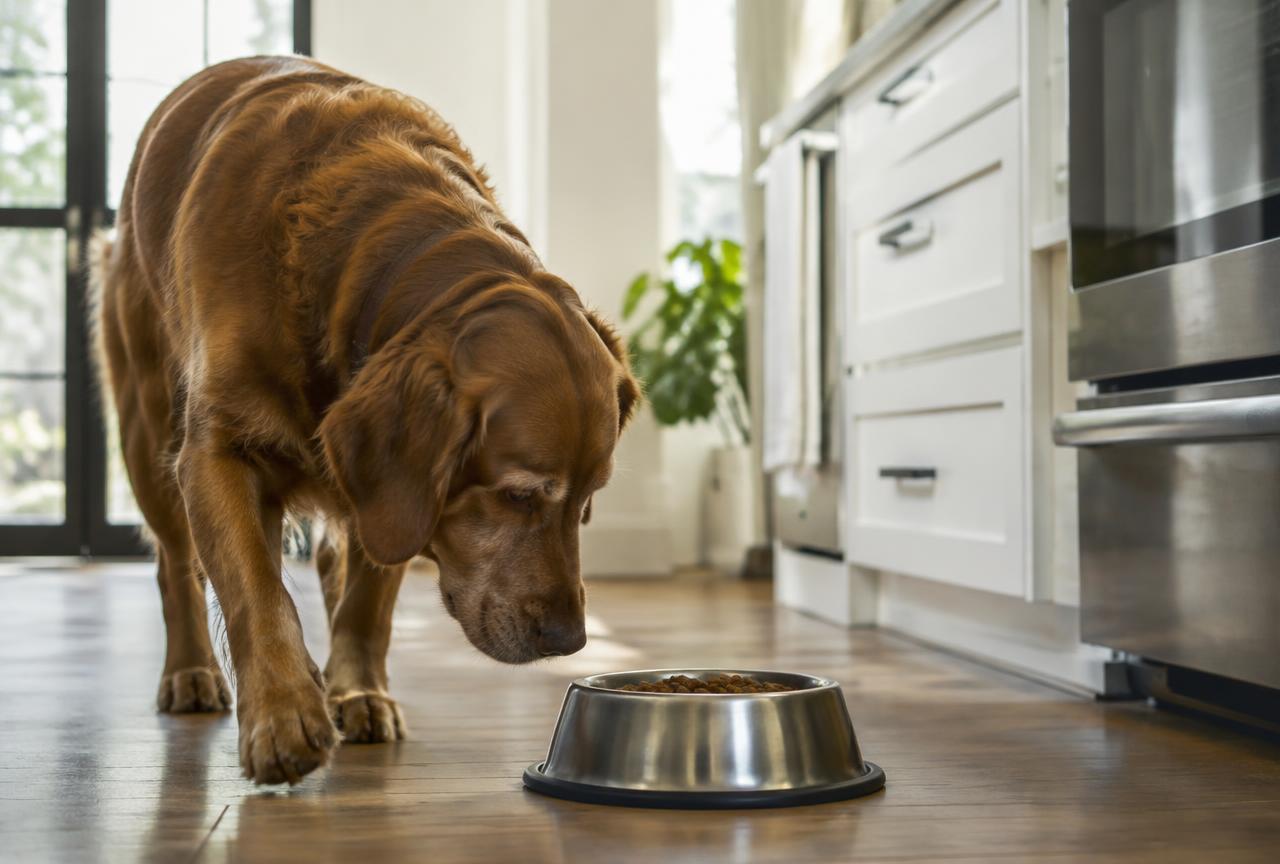
Dental pain. A broken tooth, sore gums or something wedged across the roof of the mouth makes eating hurt. The tell is a dog that approaches the bowl hungrily, then backs off, drops food, chews on one side, or suddenly prefers soft food. Dental disease affects most dogs over three to some degree, and it hurts more than they show.
Nausea and gut problems. Gastritis, pancreatitis, worms, food intolerance and swallowed foreign objects all suppress appetite. Nauseous dogs often lick their lips, swallow repeatedly, eat grass or drool before they refuse food entirely.
Pain elsewhere. Arthritis can make standing at a floor-level bowl uncomfortable, especially for large seniors. A raised bowl is a cheap experiment that sometimes fixes "fussiness" overnight.
Organ disease and infection. Kidney disease, liver problems, infections and, in older dogs, cancer commonly announce themselves through appetite first. This is why a persistent appetite change in a middle-aged or senior dog always deserves blood tests rather than another brand of food.
Medication and vaccination. Some drugs suppress appetite, and a day of quiet off-food behaviour after vaccination is common and expected.
The home checks worth doing
Before you either panic or experiment with toppings, spend five minutes on a calm once-over.
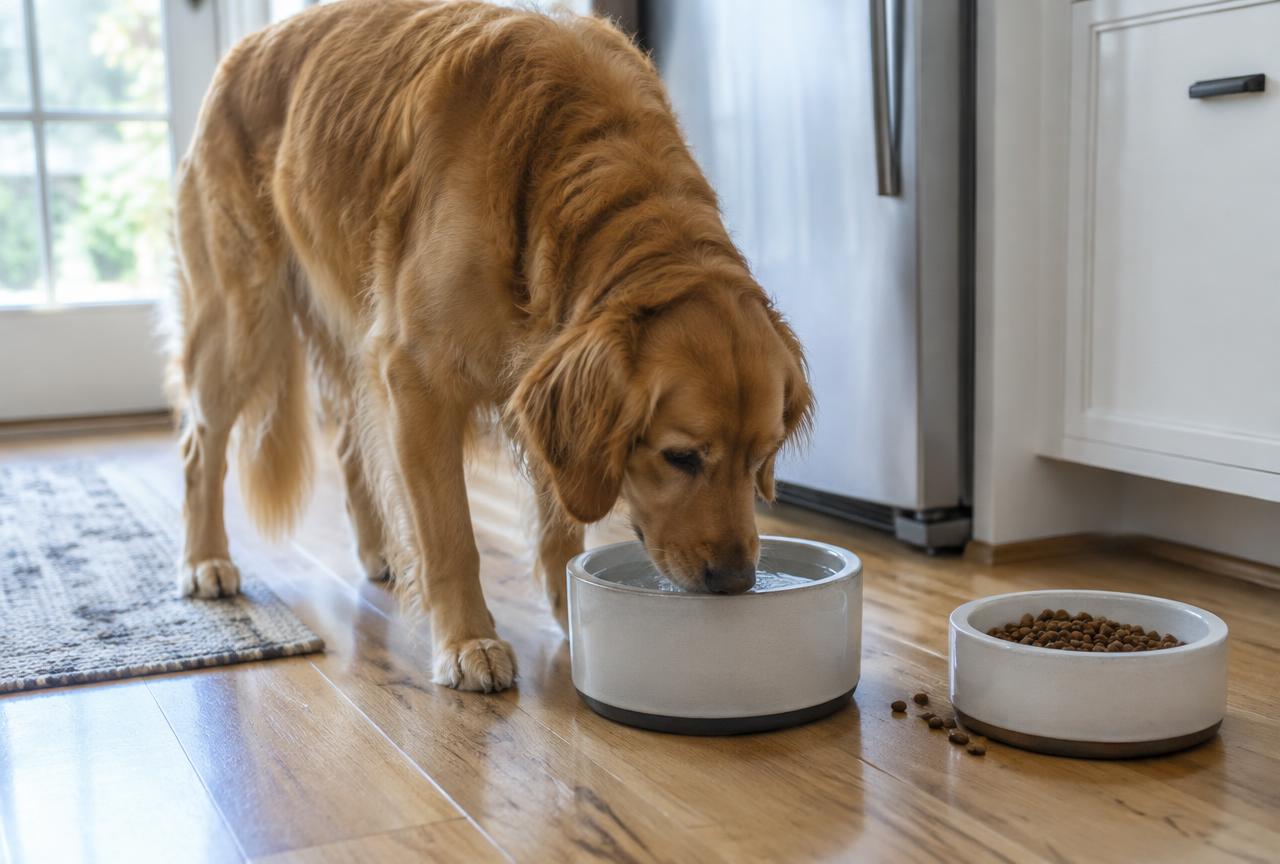
Look in the mouth if your dog allows it: check for a broken or discoloured tooth, red gums, or anything stuck across the palate. Feel the body for tender spots and check the abdomen for swelling or tension. Check the gums: they should be pink and moist, not pale, yellow or tacky. Take the temperature if you can; a normal dog runs 38.0 to 39.2 degrees. And watch the water bowl, because a dog that stops drinking is in a different category from one that merely stops eating.
How to tempt a reluctant eater safely
If your dog is bright, drinking and has only missed a meal or two, these are the safe ways to encourage eating.
- 1Lift the bowl after 15 minutes. Leaving food down all day teaches grazing and makes appetite impossible to track. Offer meals, lift what is uneaten, offer the next one on schedule.
- 2Warm the food. Thirty seconds of warming, or a splash of warm water, releases aroma and makes food far more interesting. Smell drives appetite in dogs.
- 3Add a safe topper. A spoonful of plain boiled chicken, a little scrambled egg, or a tablespoon of the wet version of the same food. Avoid rich, fatty or seasoned extras, which risk pancreatitis and teach the dog to hold out for better.
- 4Cut the extras to zero. No treats, no chews, no scraps for 48 hours. A genuinely hungry dog will eat its dinner.
- 5Change the scene. A quiet feeding spot away from other pets, a raised bowl for a stiff senior, or a puzzle feeder for a bored dog can each unlock appetite.
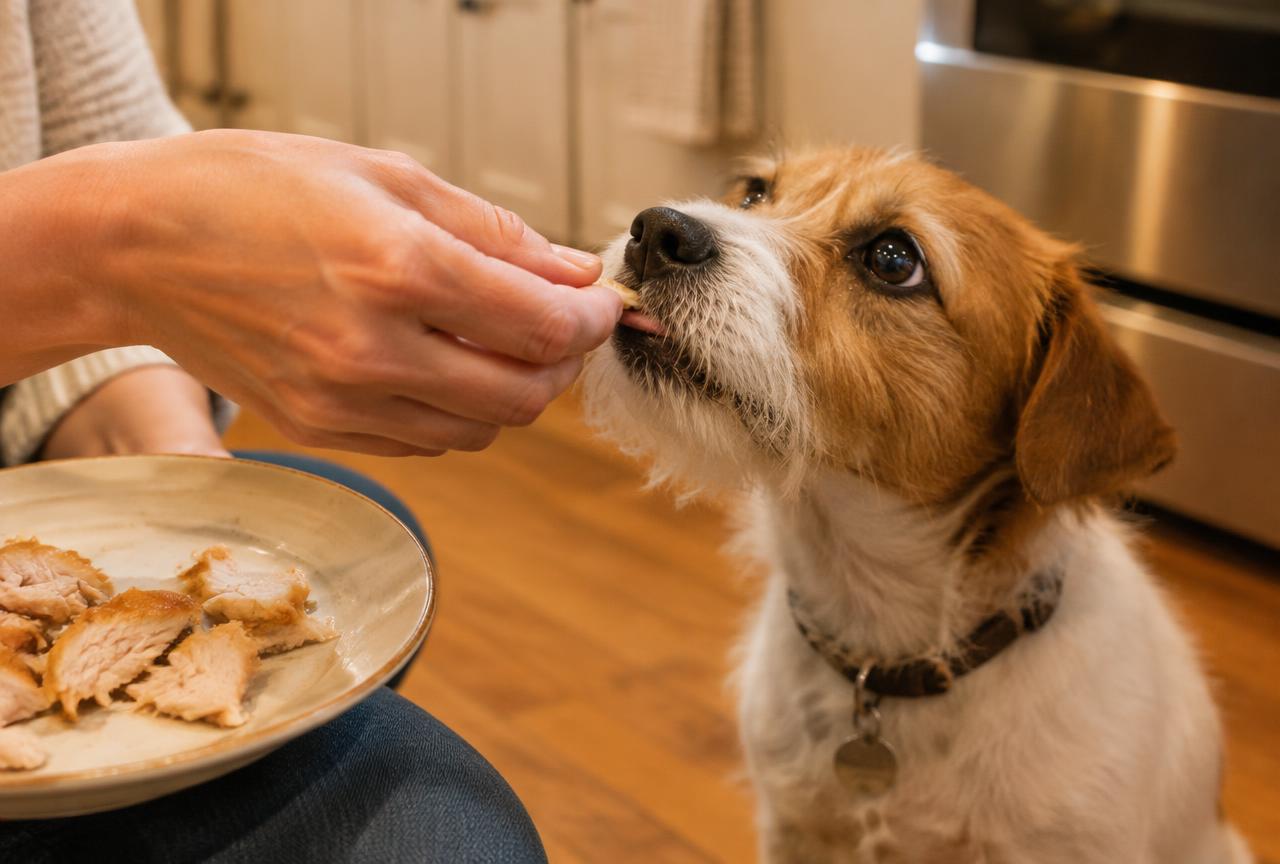
Do not fall into the topper spiral, where every meal needs something more exciting than the last. That road ends with a dog that eats only roast chicken and a very worried owner. Use toppers to bridge a day or two, then return to the normal food.
When to call the vet
Same day, without exception, if any of these apply: no food for two full days; vomiting or diarrhoea alongside the appetite loss; lethargy, weakness or a dog that is "just not right"; not drinking; a swollen, hard or painful abdomen, especially in a large deep-chested breed, where bloat is an emergency measured in minutes; pale or yellow gums; known access to something toxic or a swallowed object; or a puppy under six months, whose small reserves make even one missed day significant.
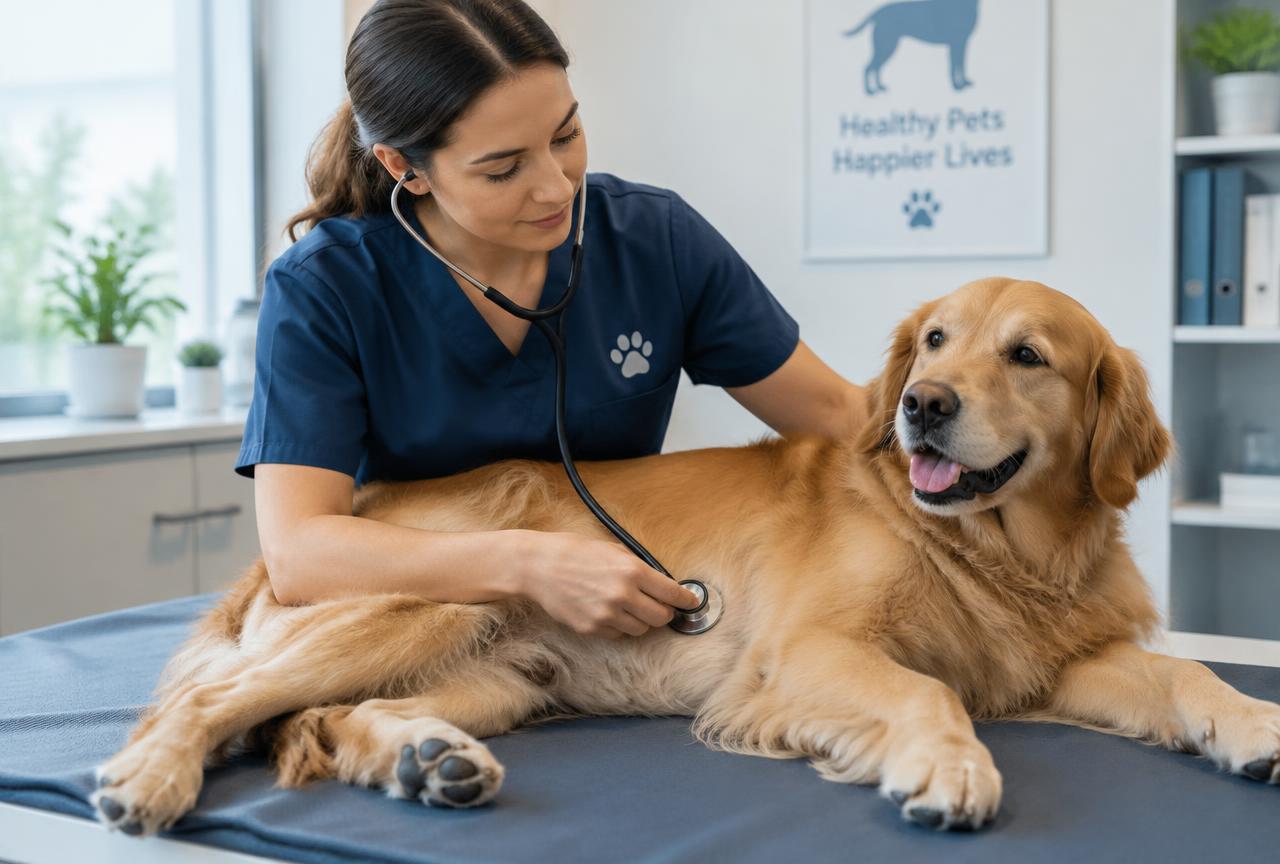
When you ring, have the facts ready: when the dog last ate and drank normally, whether it is toileting, any vomiting, any scavenging or new foods, and any medication. That history shapes the vet''s first decisions more than anything they can see in the waiting room.
Interactive · appetite triage
Should you worry about the missed meals?
Answer a few questions about your dog and we will suggest whether to monitor or call the vet.
Next steps
- Remove the uneaten meal after 15 minutes rather than topping it up or adding extras.
- Offer the next scheduled meal as usual; routine beats coaxing.
- Check the mouth for a broken tooth or something stuck, and think about any recent treats or scavenging.
Monitor at home
One missed meal in an otherwise bright, drinking dog is usually fine. Offer the next meal as normal and watch.
The bottom line
A missed meal is data, not disaster. Watch the whole dog, not the bowl: bright, drinking and playful means monitor; flat, vomiting or two days hungry means the vet. Most appetite blips resolve on their own within a day, and the calm owner who tracks the pattern is far more useful to their dog than the anxious one who panics at the first untouched dinner.
Questions people actually ask
How long can a dog go without eating?
A healthy adult dog can physically manage two to three days without food, but you should call the vet at the two-day mark, or immediately if there is vomiting, lethargy or no drinking. Puppies need same-day advice after one missed day.
My dog is not eating but drinking water. Is that OK?
Drinking is reassuring. A dog that skips food but drinks, plays and toilets normally can be watched for 24 to 48 hours. If the appetite does not return, or drinking also drops, call the vet.
Why is my dog not eating but acting normal?
The commonest causes are too many treats, hot weather, a change of routine, a stale bag of food or simple food fatigue. Cut extras, warm the food and offer meals on a schedule for a couple of days.
Should I hand-feed my dog if it will not eat?
Hand-feeding a small amount of something bland like plain boiled chicken is fine as a short bridge, but do not let it become the only way your dog eats, or you will train a very fussy eater.
Can stress make a dog stop eating?
Yes. House moves, visitors, fireworks, boarding and changes in your schedule commonly suppress appetite for a day or two in sensitive dogs. It resolves as the dog settles; if it does not, look deeper.
What can I add to my dog's food to make it eat?
Warm water, a spoonful of plain boiled chicken, a little scrambled egg, or a tablespoon of the wet version of the same food. Avoid fatty, seasoned or rich extras, which can cause pancreatitis.
Sources
Breeds mentioned

Labrador Retriever
Britain's most popular family dog: biddable, food driven and built for an active household.

Beagle
A merry, sociable scenthound with a powerful nose and a mind of its own outdoors.

Golden Retriever
A gentle, biddable gundog famed for its patience with children and its glossy golden coat.
Put it into practice
Read next
Dog Dry Heaving: Causes and When It Is an Emergency
Dog dry heaving is usually throat irritation or mild nausea, but repeated unproductive retching with a swollen, tight belly can be bloat (GDV), a life-threatening emergency.


