

Hound group
England
Beagle
The Beagle is a friendly, food motivated English scenthound needing secure fencing, daily nose work and firm portion control to thrive.
Reviewed against Kennel Club and breed club health guidance
A merry, sociable scenthound with a powerful nose and a mind of its own outdoors.
The short version
- Beagles are friendly, pack oriented scenthounds that generally get on well with people, children and other dogs.
- Their powerful nose can override recall, so secure fencing and a long line are essential for outdoor exercise.
- The breed is notably vocal, using a distinctive bay to communicate, which matters for close neighbours.
- Beagles are highly food motivated, making training easier but also creating a strong tendency toward obesity.
- Daily exercise needs are considerable, around 60 minutes, ideally including scent based games and nose work.
- Weight
- 9 to 16 kg
- Height
- 33 to 40 cm
- Lifespan
- 12 to 15 yrs
- Size
- Medium
- Group
- Hound
- Coat
- Short, dense, weatherproof coat
- Grown male
- 10 to 16 kg
- Grown female
- 9 to 15 kg
- Years to full size
- about 1
- One-off setup
- €400 to 800

Get one if…
- Active families with a securely fenced garden
- Owners who enjoy scent work or tracking games
- Households wanting a sociable, dog friendly companion
- People able to commit to careful portion control
- Owners with realistic expectations about recall and barking
Think again if…
- Owners wanting reliable off lead recall in open spaces
- Households with close neighbours sensitive to noise
- Flats without secure outdoor access
- People unable to manage food intake and weight
- Owners wanting a quiet, low exercise companion
Trait profile
Beagles combine high sociability and playfulness with a powerful independent nose, so secure containment and scent based mental work matter as much as basic obedience training.
Space & setup. A house with a securely fenced garden works far better than a flat, since Beagles are persistent diggers and escape artists when following a scent.
Allergies. The short coat sheds moderately year round, so it is not well suited to households with significant allergy concerns.
Living with a Beagle
The Beagle is a compact, sociable scenthound bred in England to hunt hare in packs, prized for its powerful nose, stamina and cheerful nature. It is affectionate with people and other dogs but famously independent minded once it catches an interesting scent.
The Beagle was developed in England over centuries as a scenthound for hunting hare and rabbit in packs, prized for its powerful nose, stamina and cheerful, sociable temperament that let many dogs work together happily. Small enough to follow on foot, it became a favourite of hunters without horses, and its friendly, food driven nature later made it one of the most popular family breeds and detection dogs worldwide.
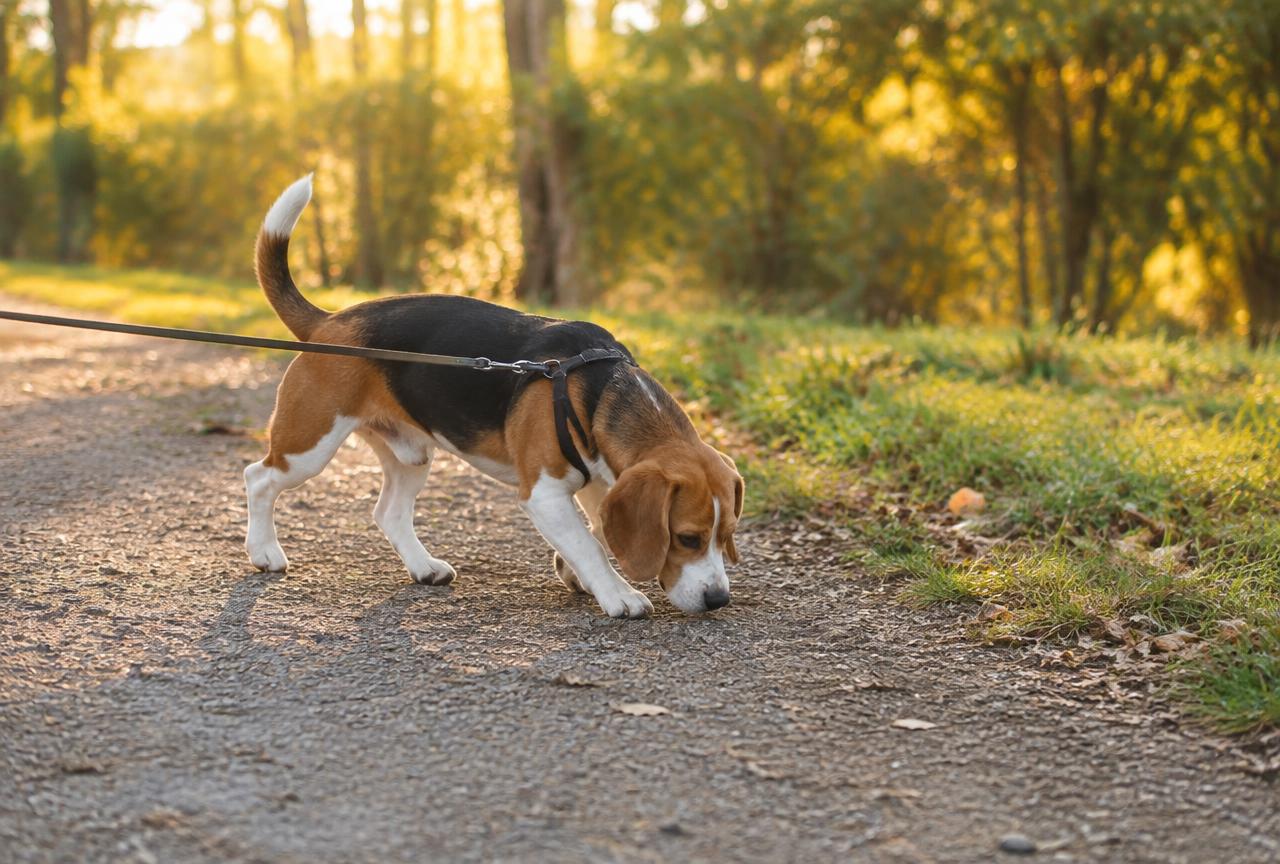
At home, Beagles are merry, sociable and rarely aggressive, generally getting on well with people, children and other dogs thanks to their pack hunting heritage. That same heritage brings a formidable nose and a tendency to follow interesting scents regardless of instructions, which means recall can be genuinely unreliable even in well trained adults; secure fencing and a long line for outdoor exercise are essential rather than optional. Beagles are also famously vocal, using a distinctive bay or howl to communicate, which can be a real consideration for close neighbours.
Exercise needs are considerable for the size of dog, around 60 minutes a day split across walks and scent based activities such as nose work or tracking, which channel the hunting instinct constructively. Training requires patience and high value rewards, since food motivation is strong but so is the pull of an interesting smell; consistent, positive methods work far better than corrections, and recall training should always happen in securely enclosed areas first.
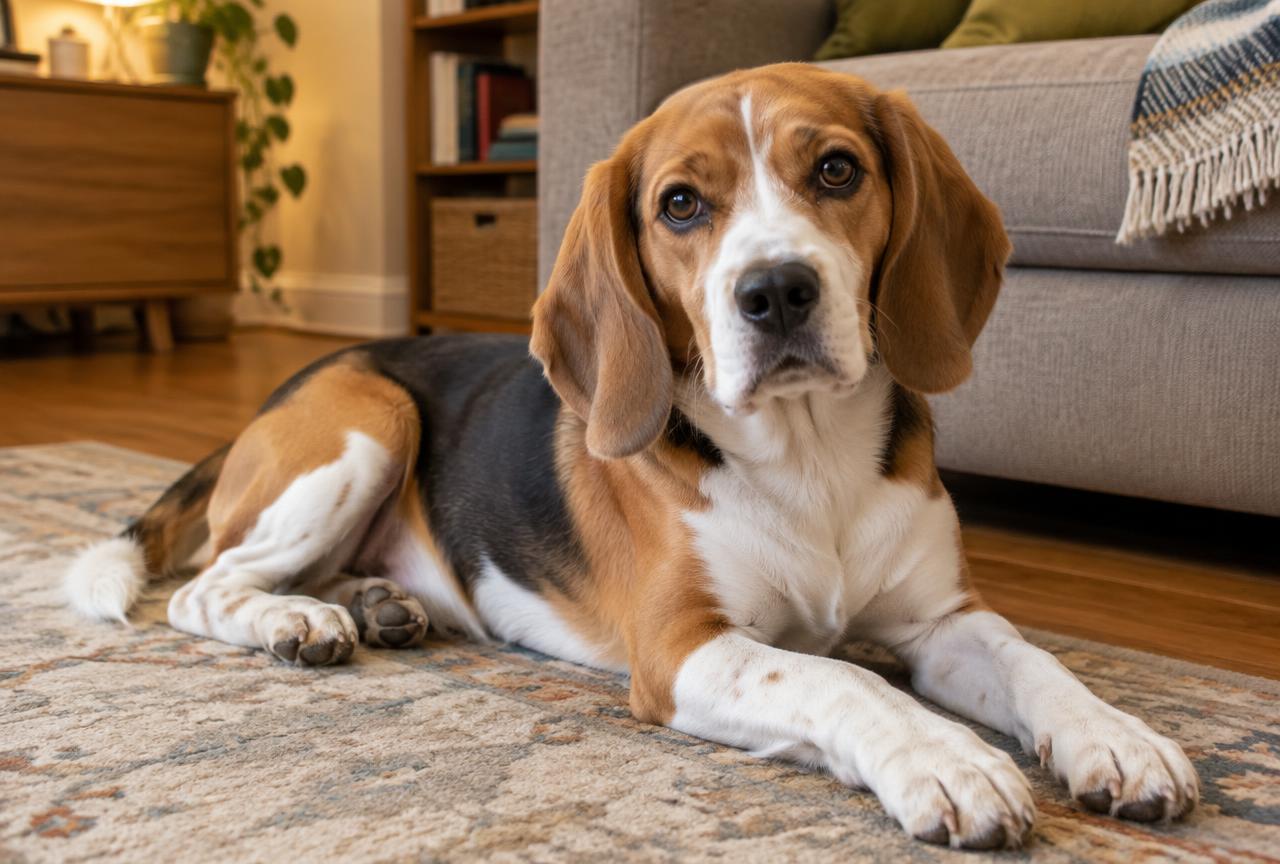
Health wise, Beagles are a generally robust breed, though hip dysplasia, some eye conditions and a strong tendency toward obesity are worth watching. That food drive that makes training easy also makes Beagles prone to weight gain, so measured meals and resisting the urge to overfeed for those famously persuasive eyes matter for long term joint and heart health. Ear infections are also more common given the long, low set ears, so weekly checks are a sensible habit.
Grooming is straightforward: a short, dense coat needs weekly brushing and sheds moderately year round. The Beagle suits families and active owners who can commit to secure exercise areas, consistent training and firm portion control, and who do not mind a vocal dog. It is a poor match for owners wanting an off lead hiking companion with reliable recall in open spaces, households with very close neighbours sensitive to barking or baying, or anyone unable to manage food intake carefully. In the right home, it is a joyful, sociable and endlessly curious companion.
A joyful, nose led companion that needs secure boundaries and patient, food based training.
Exercise, day to day
- 1Puppies (8 to 20 weeks): short, gentle walks of 5 minutes per month of age, focusing on positive experiences over distance.
- 2Adults: around 60 minutes a day split across two walks, always on lead or long line in unenclosed areas.
- 3Scent work: hide treats or use snuffle mats and tracking games several times a week to satisfy the hunting nose safely.
- 4Recall training: practise consistently in securely fenced areas, since scent driven distraction can override even well trained recall.
- 5Provide puzzle feeders to slow eating and add mental stimulation alongside physical exercise.
Grooming, realistically
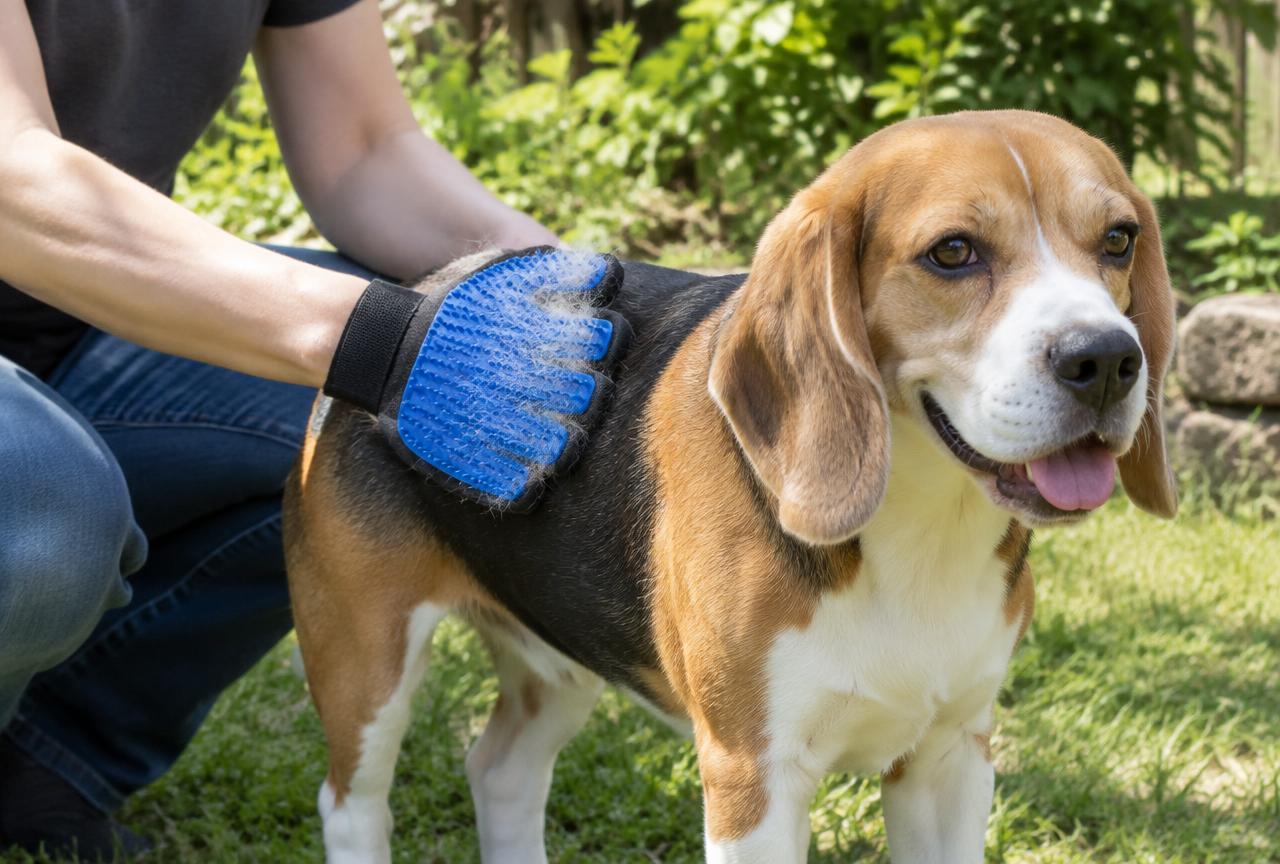
- 1Brush weekly with a rubber curry brush or hound mitt to remove loose hair.
- 2Bathe every 6 to 8 weeks or when dirty, since the coat carries a naturally strong hound odour if left too long.
- 3Check and clean the long, low set ears weekly to prevent infections.
- 4Trim nails every 3 to 4 weeks.
- 5Brush teeth several times a week to reduce tartar build up.
What you actually need
- Rubber curry brush or hound mitt
- Dog nail clippers
- Ear cleaning solution
- Enzymatic dog toothpaste and brush
- Gentle dog shampoo
- Snuffle mat or puzzle feeder
Puppy to adult
| Age | Male | Female | What is happening |
|---|---|---|---|
| 8 weeks | 2.5 to 3.5 kg | 2.2 to 3.2 kg | Small, sturdy puppy build with a naturally strong appetite. |
| 3 months | 4.5 to 6 kg | 4 to 5.5 kg | Steady growth, portion control habits worth establishing early. |
| 6 months | 7 to 10 kg | 6.5 to 9 kg | Adolescent stage with increasing independence and distraction. |
| 9 months | 8.5 to 13 kg | 8 to 12 kg | Approaching adult size, appetite remains strong. |
| 12 months | 10 to 15 kg | 9 to 14 kg | Close to adult weight, portion control now key to lifelong health. |
| 18 months | 10 to 16 kg | 9 to 15 kg | Full adult size and weight reached. |
Ranges are typical, not targets. Judge condition by ribs and waist, and check with the ideal weight checker.
What to ask a breeder
- Can I see hip and eye health screening results for both parents?
- How do you begin recall and scent based training with the puppies?
- What is the temperament of the parents, particularly around noise and vocalisation?
- How do the puppies react to other dogs and to being handled?
- What feeding guidance do you give to help prevent obesity in this breed?
- Can I meet both parents and see the environment the puppies were raised in?
Health tests to ask for
Ask to see results for both parents before you put down a deposit.
- Hip score (BVA/KC scheme)
- Eye examination for progressive retinal atrophy and cherry eye
- Thyroid function testing
- MLS (musladin-lueke syndrome) DNA test where relevant to line
- Weight and body condition monitoring throughout life
Health watch-list
What to ask a breeder about, and what to watch for over a lifetime. This is orientation, not veterinary advice, anything you notice belongs in front of a vet.
Obesity
CommonStrong food motivation makes Beagles prone to weight gain, which increases risk of joint and heart problems; measured portions are important.
Hip dysplasia
NotableMalformed hip joints can cause discomfort and arthritis; hip scoring of breeding stock helps reduce incidence.
Ear infections
CommonLong, low set ears trap moisture and debris, making regular checking and cleaning important.
Progressive retinal atrophy
UncommonAn inherited condition causing gradual vision loss; eye testing of breeding stock reduces risk.
Epilepsy
UncommonSome lines show an inherited tendency to seizures; a vet should be consulted promptly if seizures occur.
Cherry eye
RareProlapse of the third eyelid gland, usually corrected surgically if it occurs.
What it costs to keep one
Realistic running cost
€90 / month
About €1,080 a year, or roughly €15,120 across a 14-year life, before purchase price, neutering and one-off vet events.
Before the puppy arrives. Budget roughly €400 to 800 for a crate, bed, lead and harness, bowls, puppy classes, first vaccinations and grooming kit sized for this breed. Figures throughout are indicative and vary a good deal between countries.
Interactive · built for this breed
Is a Beagle right for your home?
Seven honest questions about your space, time and household, checked against this breed's exercise need, coat, sociability and tolerance for time alone.
Fit with your routine
93%
A strong fit
Your routine suits a Beagle well. Meet adult dogs of the line before you commit.
What to sort out first
- Needs more daily exercise than you have pencilled in.
Working in your favour
- Coat care fits the grooming time you offered.
Compare more breeds in the matchmaker, or plan meals with the portion calculator.
The verdict, by household
First-time owner
A good choice with realistic expectations
Friendly and sociable, but new owners must accept limited off lead recall and a vocal nature.
Family with children
An excellent match
Sociable, playful and generally patient with children, making it a popular family hound.
Active single or couple
A strong choice
Enjoys company and daily exercise, though secure fencing and scent games are essential.
Owner in a flat with close neighbours
Not recommended
The breed's vocal nature and exercise needs are a poor match for close quarter flat living.
When to call your vet
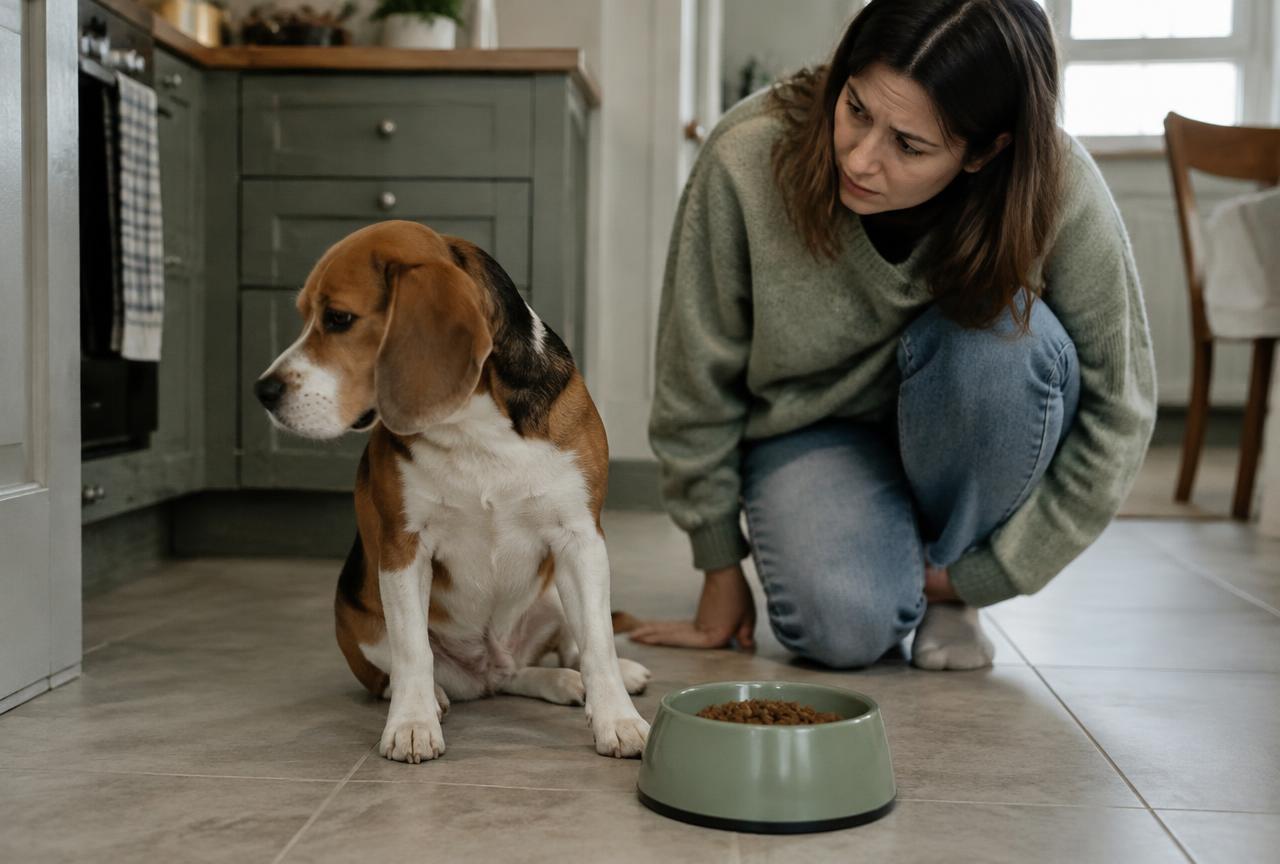
- Sudden or gradual weight gain, which can quickly strain joints and the heart in this food motivated breed
- Persistent head shaking or ear odour, which may indicate an ear infection
- Cloudy eyes or reduced vision, which can suggest an inherited eye condition
- Reluctance to rise or exercise intolerance, which may point to hip dysplasia
- Excessive licking or scratching, which can indicate skin or allergy issues
Nothing here is a diagnosis. A swollen, hard belly with retching, collapse, breathing difficulty and sudden hind-leg weakness are emergencies: go straight away.
Beagle vs the closest alternatives
| Breed | Weight | Energy | Grooming | € / month |
|---|---|---|---|---|
| Beagle | 9 to 16 kg | 8/10 | 2/10 | €90 |
| Treeing Walker Coonhound | 23 to 32 kg | 8/10 | 3/10 | €88 |
| Labrador Retriever | 25 to 36 kg | 8/10 | 3/10 | €215 |
| Basset Hound | 18 to 29 kg | 5/10 | 3/10 | €102 |
Beagle questions, answered
Are Beagles good with children?
Yes, Beagles are typically playful, patient and sociable with children, making them a popular family breed. Their sturdy build and tolerant nature suit lively households well.
Why do Beagles run away so much?
Beagles were bred to follow scent independently over long distances, and this powerful nose can easily override training and recall. Secure fencing and use of a long line for outdoor exercise are essential rather than optional for this breed.
Do Beagles bark a lot?
Beagles are known for being vocal, often using a distinctive bay or howl rather than a typical bark to communicate, particularly when they catch an interesting scent. This is worth considering carefully for households with close neighbours.
How much exercise does a Beagle need?
Beagles generally need around 60 minutes of exercise a day, ideally combining walks with scent based games such as nose work or tracking. Without enough mental and physical stimulation, they can become destructive or vocal.
Are Beagles prone to weight gain?
Yes, Beagles are highly food motivated and have a strong tendency toward obesity if portions are not carefully controlled. Measured meals, limited treats and regular exercise are important for long term joint and heart health.
Are Beagles easy to train?
Beagles are intelligent and food motivated, which helps with basic training, but their independent scenthound instincts mean recall and impulse control require particular patience. Positive, reward based methods practised consistently in secure areas work best.
Sources
- Beagle breed standard, The Kennel Club
- Beagle breed information, American Kennel Club
- Beagle health survey, The Kennel Club
- Hip dysplasia scheme, British Veterinary Association
- Obesity in dogs, PDSA
Put it into practice
Reading that goes with this

Care
How Often Should You Bathe a Dog? By Coat and Lifestyle
Health
Why Is My Dog Not Eating? Causes and When to Act

Puppies
Crate Training a Puppy: A 14-Day Plan

Health
Dog Reverse Sneezing: Causes and What to Do

Health
Why Is My Dog Shaking? Causes and When to Worry
Training
How to Stop a Dog Pulling on the Lead
Nutrition
Can Dogs Eat Pineapple? Fresh, Canned and Dried
Health
Foods Dogs Must Never Eat: The Toxic List
Health
Why Is My Dog Drinking a Lot of Water? Causes and When to Test
Nutrition
Can Dogs Eat Carrots? Raw, Cooked and Portion Guide
Behaviour
Why Do Dogs Howl at Sirens? The Instinct Explained
Nutrition
Can Dogs Eat Broccoli? Florets, Stems and Portions
Behaviour
Why Do Dogs Eat Grass? What Vets Actually Think

Nutrition
Can Dogs Eat Cucumbers? A Crunchy Low-Calorie Treat
Nutrition
Can Dogs Eat Corn? On the Cob, Kernels and Popcorn
Nutrition
Can Dogs Eat Tomatoes? Ripe, Green and the Plant
Nutrition
Can Dogs Eat Cheese? Safe Types, Portions and When to Avoid It

Health
Dog Sneezing: Play, Allergies and When It Means More
Nutrition
What Human Foods Can Dogs Eat? The Safe List

Training
How to Stop a Dog Barking: A Practical Guide

Health
Dog Ear Infections: Signs, Causes and Treatment
Health
Dog Worms: Types, Symptoms and a Worming Schedule
Nutrition
Can Dogs Eat Rice? White vs Brown and When It Helps
Behaviour
Why Is My Dog Licking the Floor? Causes and When It Matters

Behaviour
Why Do Dogs Roll in Poop? The Instinct Explained

Nutrition
Can Dogs Eat Oranges? Segments, Peel and Portions

Health
Can Dogs Eat Grapes? Why Even One Is an Emergency
Nutrition
Can Dogs Eat Eggs? Cooked, Raw and Portion Guidance
Nutrition
Can Dogs Eat Blueberries? Portions, Benefits and Serving Ideas

Nutrition
Can Dogs Eat Fruit? A Vet-Informed Guide
Behaviour
Why Do Dogs Eat Dirt? Causes and When It Matters

Nutrition
Can Dogs Eat Strawberries? Portions, Sugar and Serving Ideas
Behaviour
Why Do Dogs Howl? Sirens, Night and What It Means

Health
Why Do Dogs Scoot? Anal Glands, Worms and Itchy Bottoms

Behaviour
Dog Barking at Night: Causes and How to Stop It
Health
My Dog Ate Chocolate: What To Do Now

Health
My Dog Ate a Chicken Bone: What To Do Now
Health
Dog Swollen Face: Causes and When It Is an Emergency

Nutrition
Can Dogs Eat Cherries? Pits, Stems and the Real Risk

Nutrition
Can Dogs Eat Popcorn? Plain, Buttered and Kernels

Nutrition
Can Dogs Eat Honey? Benefits, Risks and Serving Size
Breeds people compare with this
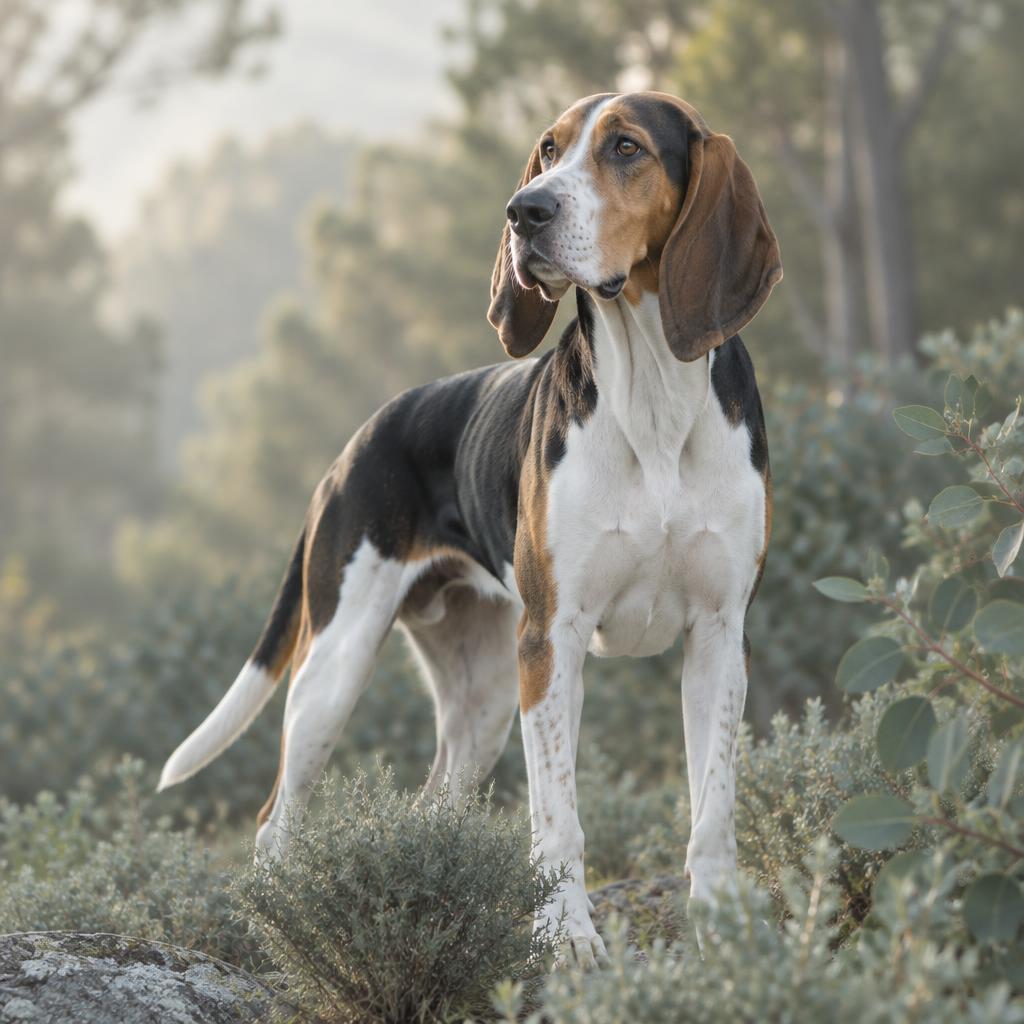
Treeing Walker Coonhound
The people's coonhound: fast, friendly and gloriously loud.

Labrador Retriever
Britain's most popular family dog: biddable, food driven and built for an active household.
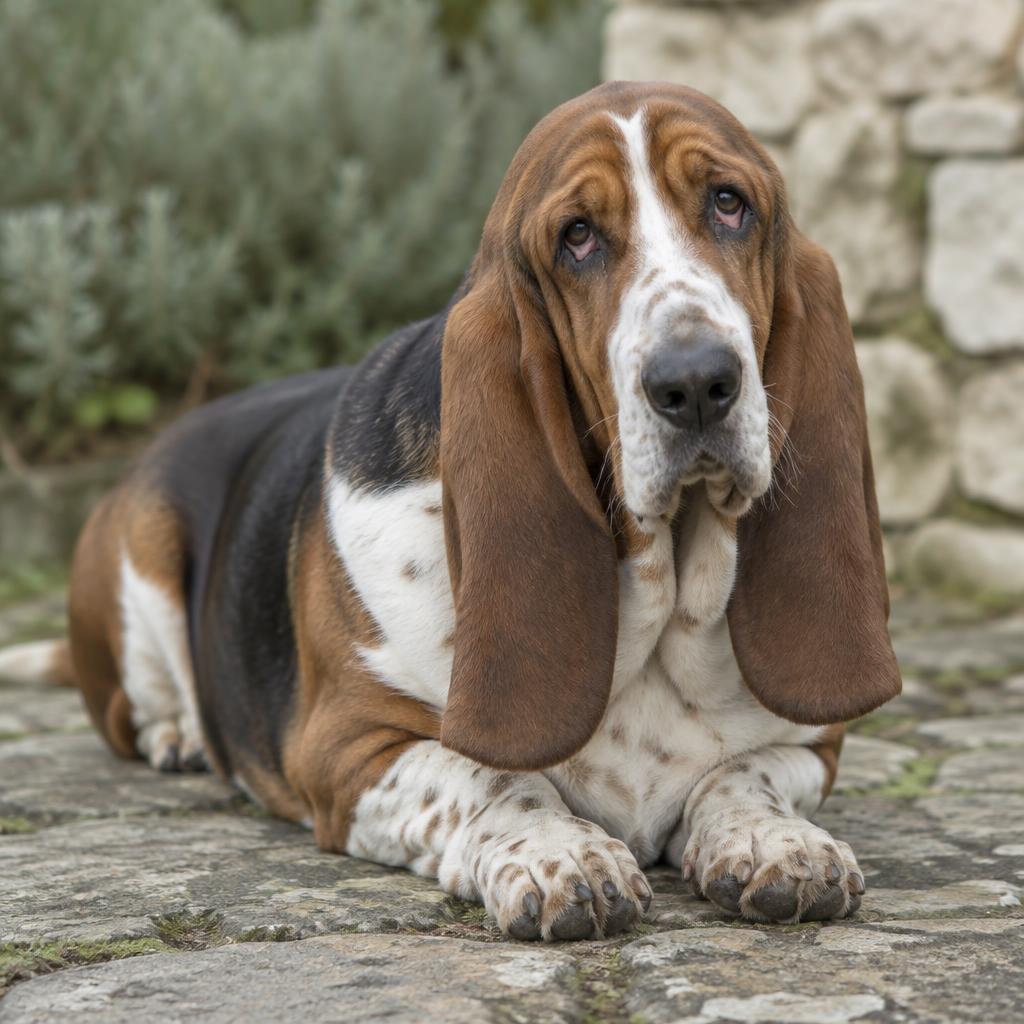
Basset Hound
A short legged French scenthound with a powerful nose, a deep bay and a stubborn streak worth respecting.