
Why Do Dogs Eat Dirt? Causes and When It Matters
Most dirt eating is normal canine curiosity, but a persistent appetite for soil can signal a dietary gap or illness. Here is how to tell which you are looking at.
The SniffScroll desk
Published 10 October 2026
Reviewed by the SniffScroll editorial team
The short version
- Occasional dirt eating is normal exploration, especially in puppies; the pattern, not the single incident, is what matters.
- Boredom, interesting smells in the soil and habit account for most cases.
- Persistent, compulsive dirt eating can signal a nutritional deficiency, anaemia or gut disease and deserves a vet check.
- Management, enrichment and a solid leave it break the habit in most dogs within a fortnight.
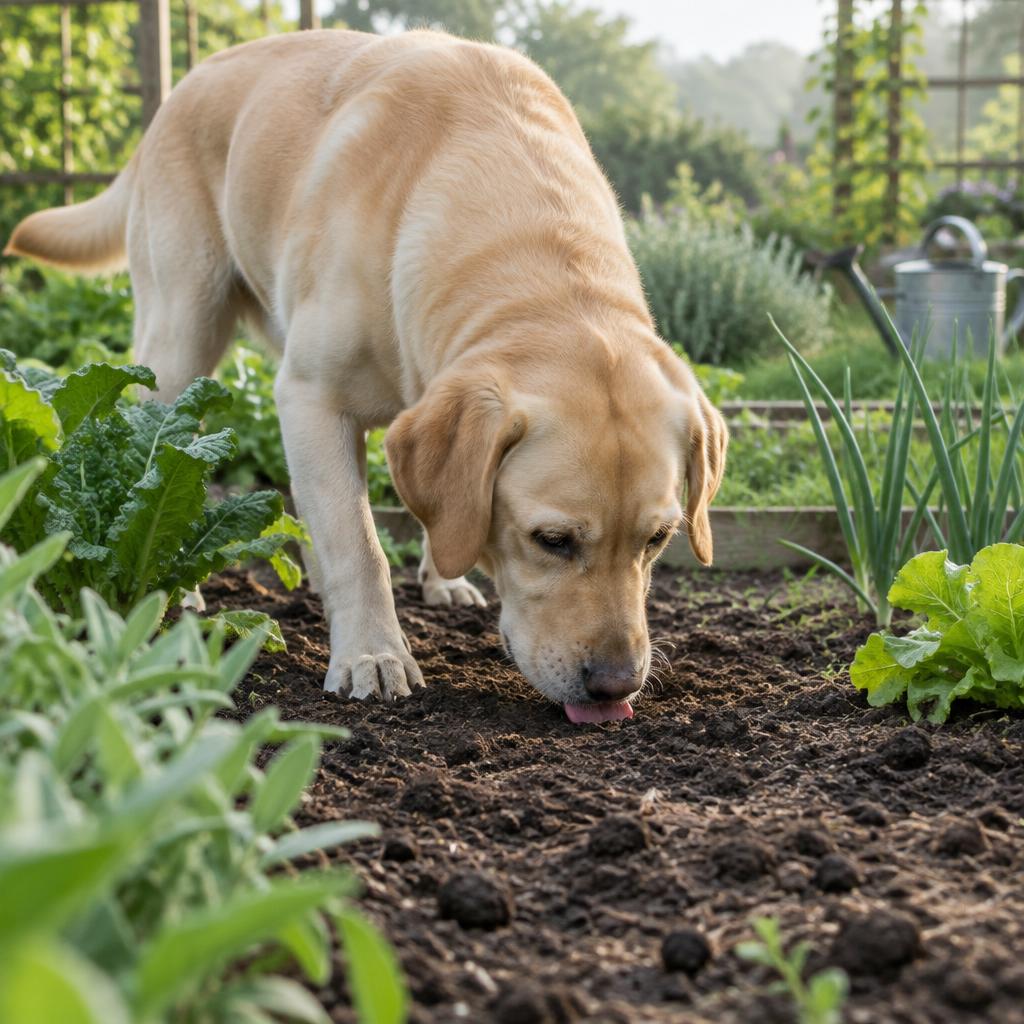
Catching your dog hoovering up soil from the flower bed is one of those moments that is equal parts baffling and faintly alarming. The short answer is that most dirt eating is normal canine behaviour, rooted in exploration, scent and boredom, but a persistent appetite for soil can signal a dietary gap or an underlying medical problem, and it pays to know which you are looking at.
This guide covers why dogs do it, when it is harmless, when it is a symptom, and how to stop it becoming a habit.
Is eating dirt normal for dogs?
Occasional dirt eating is normal dog behaviour, especially in puppies; eating soil compulsively, daily, or alongside other symptoms is not, and deserves a closer look.
Dogs experience the world through their mouths and noses, and soil is a rich sensory product: it smells of everything that has passed through it, and it tastes of minerals, roots, decaying leaves and the remains of whatever a fox buried last week. A dog who licks at a molehill or nibbles a freshly dug bed is usually just reading the news.
The behaviour has a medical name when it becomes a pattern: pica, the eating of non-food items. Dirt eating specifically is sometimes called geophagia. Pica is a symptom, not a diagnosis, and the work is in finding what sits behind it.
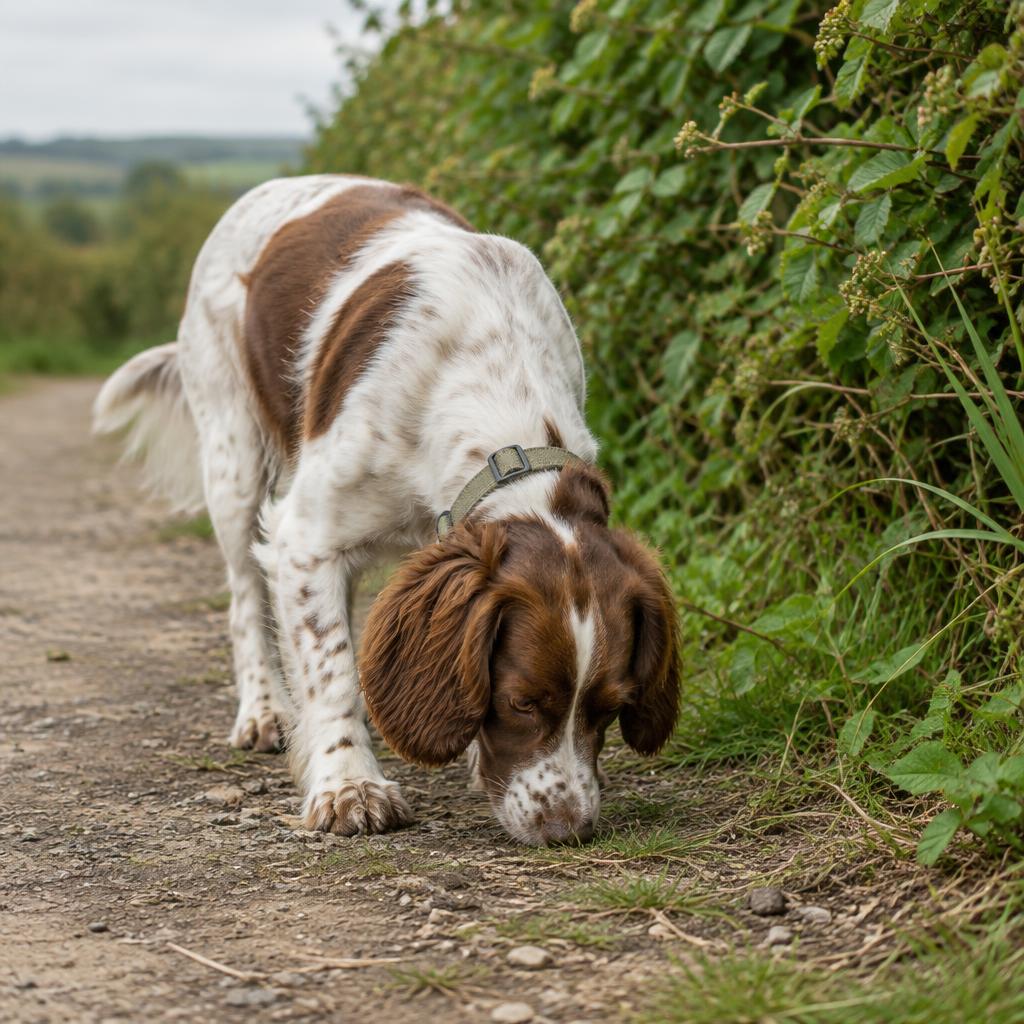
The everyday reasons dogs eat dirt
The commonest reasons dogs eat dirt are boredom, curiosity, the smell of something tasty in the soil, and simple habit, none of which are medical problems.
Run through the everyday explanations first, because they account for most cases:
- Boredom and under-stimulation. A dog left alone in a garden with nothing to do will make their own entertainment, and digging and tasting the results is a classic. Our guide to why dogs dig covers the close cousin of this behaviour.
- Something smells good. Manure, compost, blood-and-bone fertiliser and buried food all make soil genuinely appetising. Freshly fertilised beds are the commonest target.
- Puppy exploration. Puppies mouth everything, and soil is no exception. Most grow out of it by adulthood.
- Habit and attention. If eating dirt reliably gets a big reaction from you, some dogs learn to do it for the show.
- Hunger. A dog on too little food, or a diet that does not suit them, may simply be looking for more.
When it points to a health problem
Persistent, compulsive dirt eating can signal a nutritional deficiency, anaemia, gastrointestinal disease or nausea, and it is the pattern, not the single incident, that matters.
The medical explanations worth knowing:
- Nutritional deficiency. A diet short on minerals or overall nutrition can drive soil seeking. This is rare in dogs on complete commercial foods but worth considering in dogs on home-made diets that have not been properly balanced.
- Anaemia. Dogs with low red blood cells sometimes eat soil, and the mechanism is thought to mirror the iron-seeking seen in people with anaemia.
- Gut upset and nausea. Some dogs eat dirt (and grass) when their stomach is unsettled, though whether it soothes or simply accompanies the nausea is debated. If your dog also eats grass frantically, see why dogs eat grass.
- Malabsorption and bowel disease. Conditions that stop the gut absorbing nutrients properly can leave a dog effectively hungry despite eating.
Clues that the cause is medical rather than behavioural: the behaviour is new in an adult dog, it is frequent and intense, your dog is also off their food, losing weight, vomiting, or has pale gums, or the stools have changed.
Interactive · dirt decoder
Why is your dog eating dirt?
Answer four questions about the habit. We will point you towards the likely explanation and the first steps to take.
First steps
- Interrupt calmly and redirect to a toy; avoid turning it into a chase game.
- Fence off freshly fertilised beds and avoid blood-and-bone products.
Probably normal exploration
Occasional dirt tasting is normal canine curiosity. It is the pattern, new, frequent or intense, that decides whether a vet should look closer.
Is eating dirt dangerous?
Small amounts of clean soil are usually harmless, but dirt can carry parasites, pesticides, fertiliser chemicals, sharp debris and the odd stone, so the habit is worth interrupting even when the cause is innocent.
The real risks:
- Fertilisers and pesticides. Treated beds and lawns are the biggest hazard. Blood, fish and bone fertiliser is delicious to dogs and can cause vomiting and obstruction in quantity.
- Parasites and bacteria. Soil contaminated by other animals carries worm eggs and bacteria.
- Stones and foreign material. Swallowed gravel can obstruct the gut; a dog who eats stones as well as soil needs a vet and a management plan.
- Dental damage. Grit is abrasive, and habitual soil chewers can wear their teeth.
This is why "it is probably just boredom" should still end with "so let's stop it anyway".
How to stop the habit
Stopping dirt eating combines management, supervision and enrichment: restrict access to tempting beds, exercise the dog properly, give them better things to do, and teach a solid "leave it".
A practical plan:
- 1Manage the environment. Fence off vegetable beds, avoid blood-and-bone fertiliser, and pick up after garden work. A dog cannot eat what it cannot reach.
- 2Supervise and interrupt. Watch garden time for a fortnight. Interrupt calmly, redirect to a toy, and praise the swap.
- 3Teach "leave it". Start indoors with treats, then generalise to the garden. It is the most useful cue in the book for this and dozens of other situations.
- 4Tire them out properly. A dog who has had a real walk and ten minutes of training has much less interest in landscaping. Sniffing games and food puzzles give the nose a job that is not the flower bed.
- 5Review the food. Make sure the diet is complete, the portion is right for their weight (our portion calculator helps), and meals are satisfying.
- 6Rule out the medical side. If the habit persists despite all of the above, book the vet.
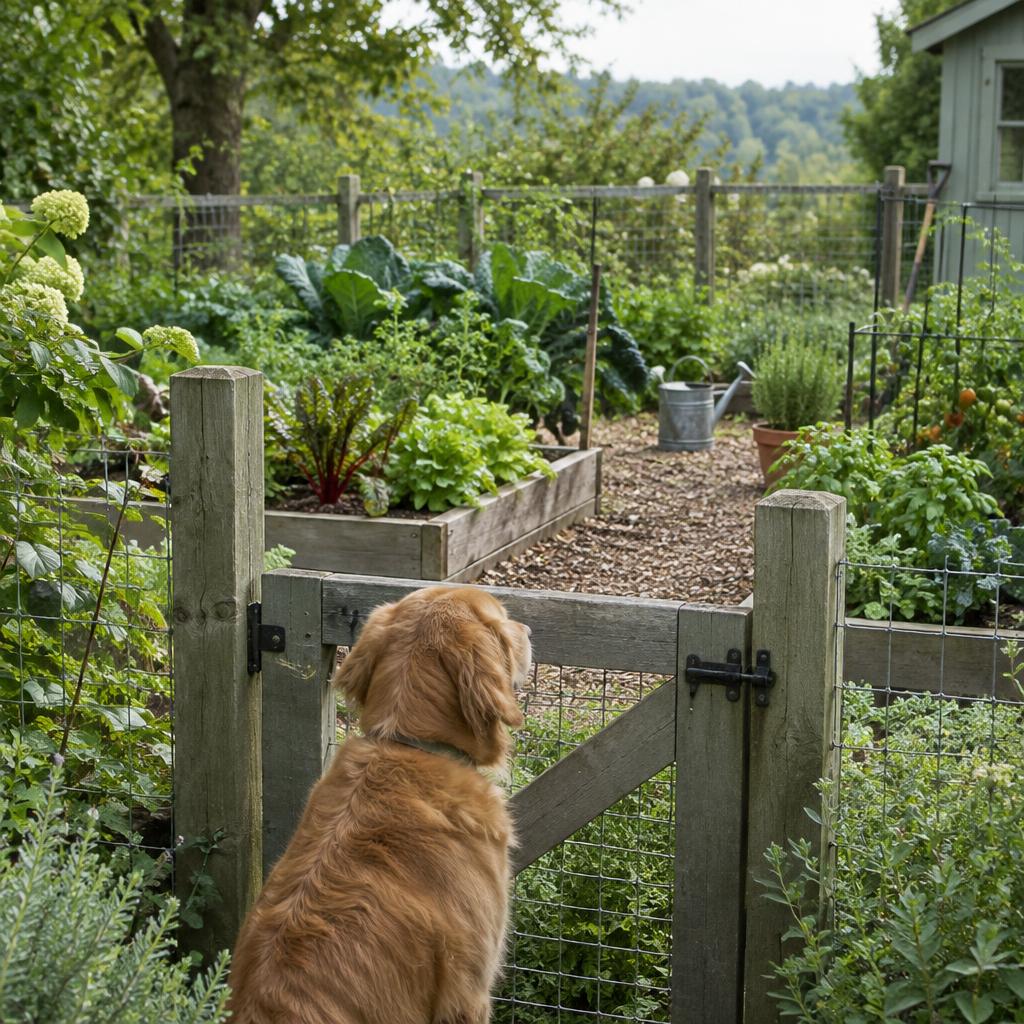
Puppies and dirt: a phase, mostly
Puppies eat dirt as part of normal exploration, and most grow out of it by their first birthday, provided the habit is gently interrupted rather than rewarded with drama.
With puppies the priorities are safety and calm consistency. Supervise garden time, interrupt with a cheerful noise and a redirect, and keep the garden free of anything genuinely dangerous, including fertiliser, slug pellets and cocoa mulch, which is toxic to dogs. Do not turn every mouthful into a chase game, because that teaches the opposite lesson.
A puppy who is still compulsively eating soil at six months, or who is also eating stones, fabric or faeces (see why dogs eat poop for that particular joy), deserves a vet conversation sooner rather than later.
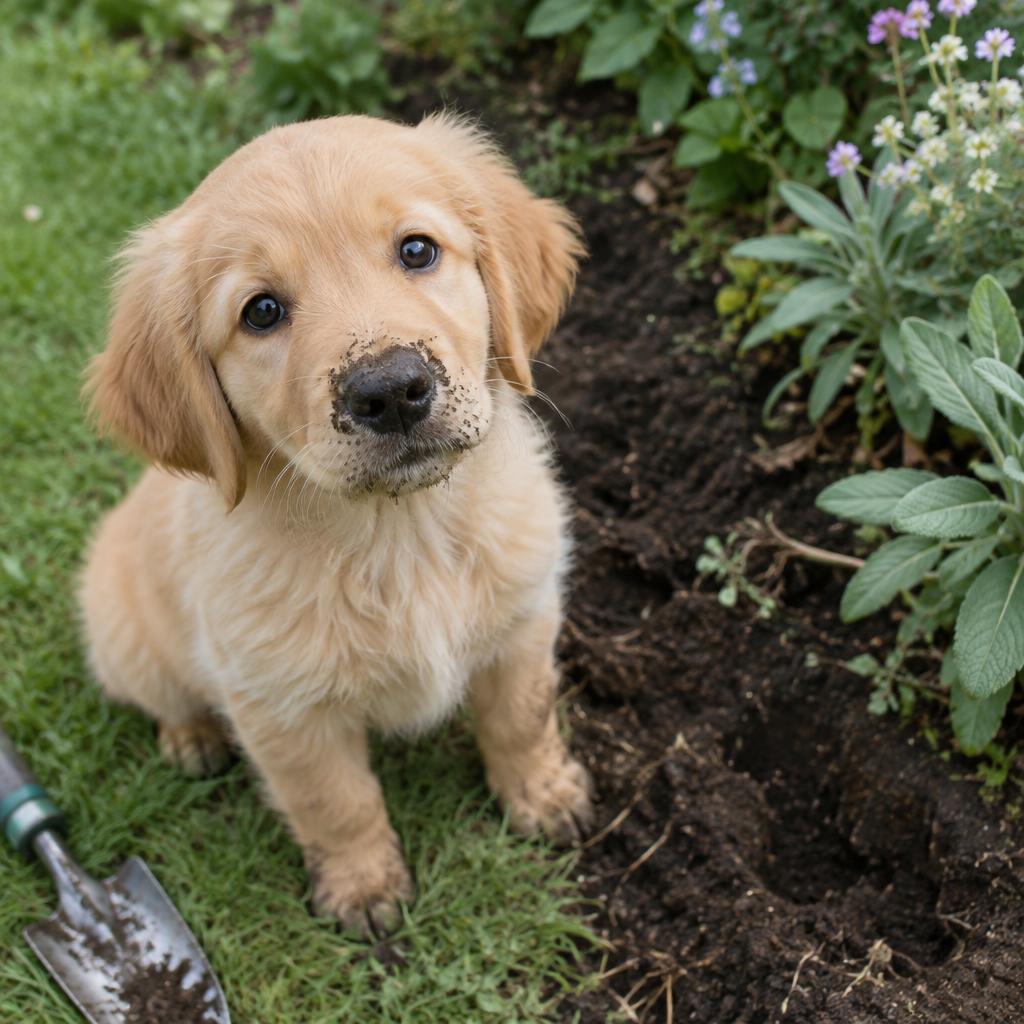
Dirt, mud, sand and cat litter: the whole non-food menu
Dirt rarely travels alone. Dogs who eat soil often sample the rest of the non-food menu, and each item carries its own particular hazard.
Mud and puddle water can carry leptospirosis and other nasties, so discourage drinking from stagnant water and keep vaccinations current. Sand is a real risk at the beach: dogs who repeatedly snap at sand while playing fetch can accumulate enough of it to form a sand impaction, a serious and painful obstruction. If your dog plays ball on the beach, use a toy that stays clean, and watch for vomiting and constipation after sandy days.
Cat litter, and what is buried in it, is irresistible to many dogs and is best managed by simply putting the tray where the dog cannot reach it. And stones deserve a special mention: a dog who deliberately swallows stones is in a different category entirely, because stones do not pass reliably and surgery is a real risk. Stone swallowing always warrants a vet visit and a management plan, usually including a muzzle for walks.
A two-week reset plan
If the habit has taken hold, a structured fortnight breaks it more reliably than occasional scolding.
Days one to three: restrict access. Fence the beds, keep the dog on a lead in the garden, and remove fertiliser and mulch from reach. Days four to seven: introduce the "leave it" training indoors with food, twice a day, five minutes at a time. Days eight to ten: take the training to the garden, rewarding the dog for choosing you over the soil. Days eleven to fourteen: allow supervised off-lead garden time, interrupting any soil interest calmly and redirecting to a toy or a sniffing game.
By the end of the fortnight most dogs have a noticeably weaker habit, and you have a clearer picture of whether the drive was behavioural, and fading, or intense enough to warrant the vet workup.
Keeping the garden dog-safe
Since the garden is where most dirt eating happens, it is worth a quick safety audit. Avoid cocoa mulch entirely, as it is toxic to dogs. Use pet-safe fertilisers and keep the dog off treated areas until they are watered in and dry. Check for slug pellets, which are dangerous, and for mouldy compost, which can cause tremors if eaten. If you grow vegetables, a low fence pays for itself in one season, both for the plants and for the dog. A safe garden turns the whole problem from constant supervision into occasional supervision, which is a much easier habit to sustain.
One last reassurance: owners often worry that dirt eating means they are doing something wrong. Usually they are not. Dogs are scavengers by ancestry, and an interest in soil is written into the species. Your job is simply to keep the environment safe, the diet complete and the days interesting, and to know when the pattern deserves a professional eye.
When to see a vet
See a vet if the dirt eating is new, frequent or compulsive, if your dog is also unwell in any way, or if they are eating stones and other objects as well as soil.
The vet will typically run blood tests to check for anaemia and organ function, examine the gut, and ask about the diet in detail. It is a straightforward workup, and it either finds a fixable problem or gives you confidence to treat the habit as purely behavioural.

The bottom line
Most dirt eating is a dog being a dog: curious, bored, or following a smell you cannot detect. Interrupt it, manage the garden, feed a complete diet and teach "leave it", and the habit usually fades. When the pattern is intense, new or accompanied by other symptoms, treat it as the symptom it may be and let your vet check the foundations.
Questions people actually ask
Is it normal for dogs to eat dirt?
Yes, in moderation. Dogs explore the world with their mouths, and soil smells and tastes interesting. Occasional nibbling, especially in puppies, is normal. Daily or compulsive soil eating is not, and deserves a closer look.
What deficiency causes a dog to eat dirt?
Mineral deficiencies and anaemia are the classic medical explanations, though they are rare in dogs on complete commercial foods. Home-made diets that have not been properly balanced are the usual dietary culprit.
Is eating dirt dangerous for dogs?
Small amounts of clean soil are usually harmless, but dirt can carry parasites, pesticides, fertiliser chemicals and sharp debris. Fertilised beds, especially those treated with blood, fish and bone, are the biggest hazard.
How do I stop my dog eating dirt?
Restrict access to tempting beds, supervise garden time, interrupt calmly and redirect, teach a solid leave it, and make sure your dog gets enough exercise and mental stimulation. Most habits fade within a couple of weeks.
Why is my puppy eating dirt?
Puppies mouth everything as part of normal exploration, and soil is no exception. Most grow out of it by their first birthday. Interrupt gently, keep the garden free of toxic mulch and fertiliser, and avoid turning it into a chase game.
When should I worry about my dog eating dirt?
Worry when the behaviour is new in an adult dog, frequent or compulsive, paired with appetite changes, weight loss, vomiting or pale gums, or when your dog also eats stones or other objects. That combination needs a vet.
Sources
Breeds mentioned


Put it into practice
Read next
Why Do Dogs Roll in Poop? The Instinct Explained
Why dogs roll in the worst smells they can find, what the behaviour is really about, and how to prevent it or at least clean up well afterwards.


