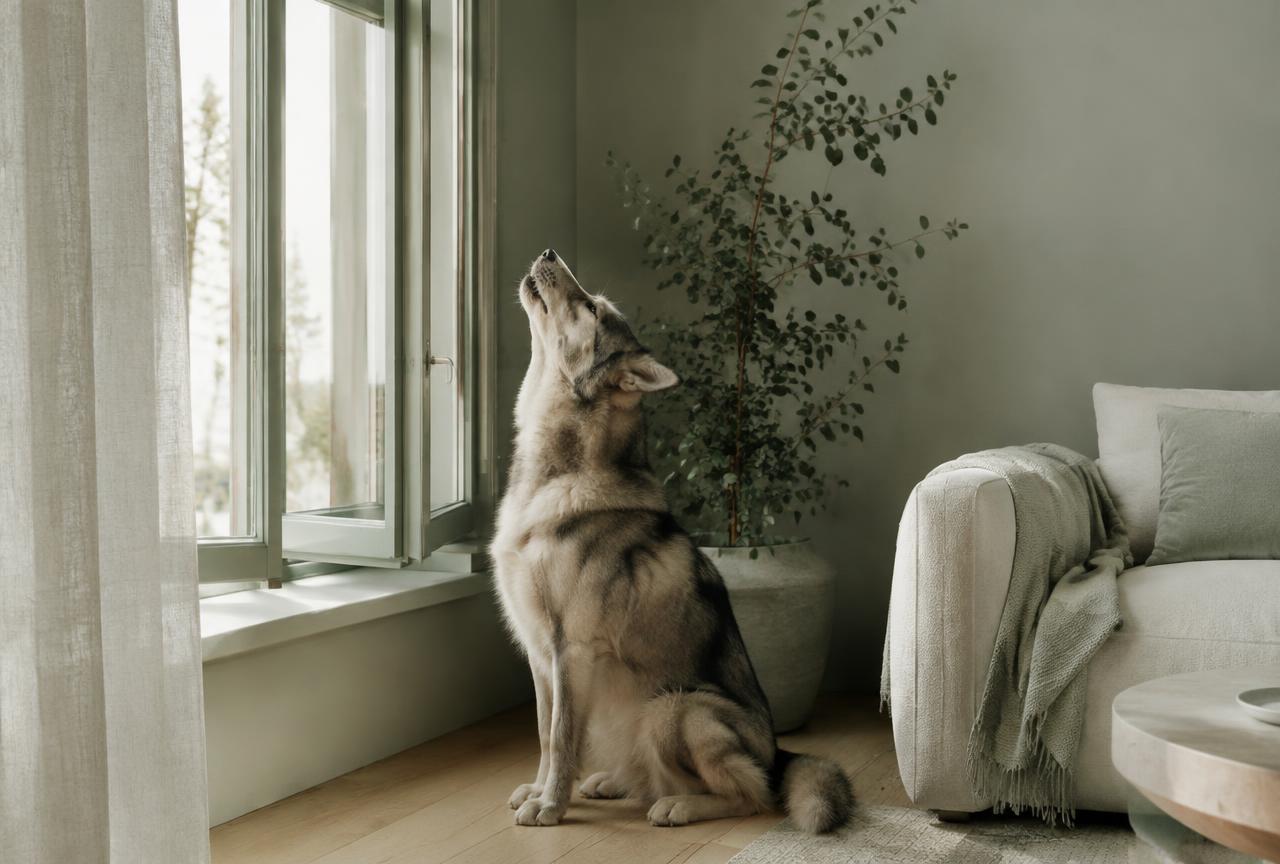
Why Does My Dog Stare at Me? What the Look Means
Most staring is love, learned asking or simple curiosity. The meaning lives in the rest of the body, and occasionally a hard stare is a warning worth respecting.
The SniffScroll desk
Published 11 October 2026

The SniffScroll editorial team
The short version
- Most staring is bonding: mutual gazing between dogs and their people is linked to oxytocin release in both.
- Dogs also stare to ask for things, because it works: we respond, so they keep doing it.
- Read the whole body: soft eyes and a loose wag mean affection, a stiff frozen body means something else.
- A hard, unblinking stare over food, toys or a resting spot is a warning: give space, never punish it.
- New staring with pacing, panting or confusion in an older dog is worth a vet visit.
Few things are as familiar to a dog owner as looking up from a book and meeting a pair of eyes that have clearly been on you for some time. Dogs stare at us a lot, and most of the time it is a compliment. But staring is a behaviour with several meanings, and the difference between a soft gaze and a hard stare matters.
Why do dogs stare at you?
Most of the time, dogs stare at you for one of four reasons: bonding, asking, reading you, or simply because you are interesting. You are the source of food, walks, play and comfort, so paying attention to you is the most rational thing a dog can do.
The meaning is never in the eyes alone. It is in the whole picture: the softness of the face, the set of the ears, the tail, the body posture and, above all, the context. A stare by the treat cupboard and a stare over a bone are two entirely different conversations.
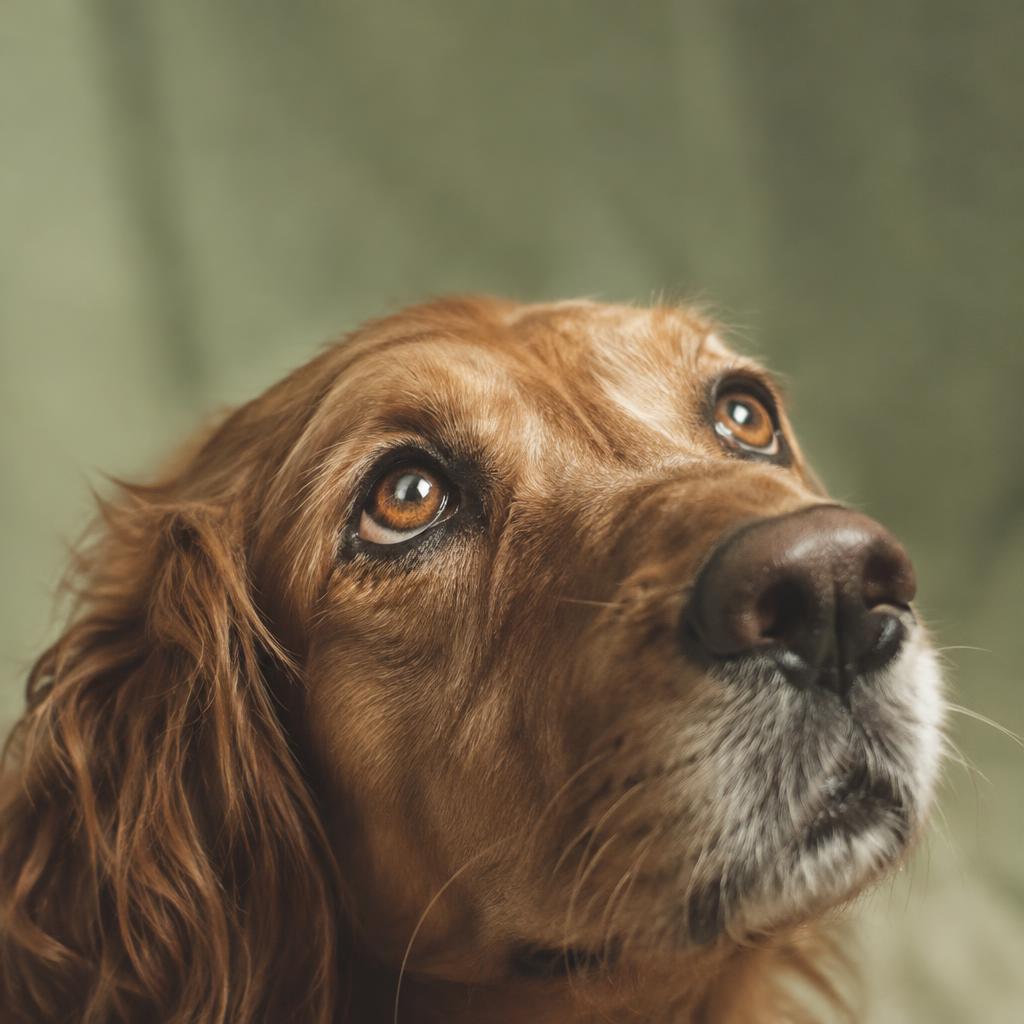
The bonding stare
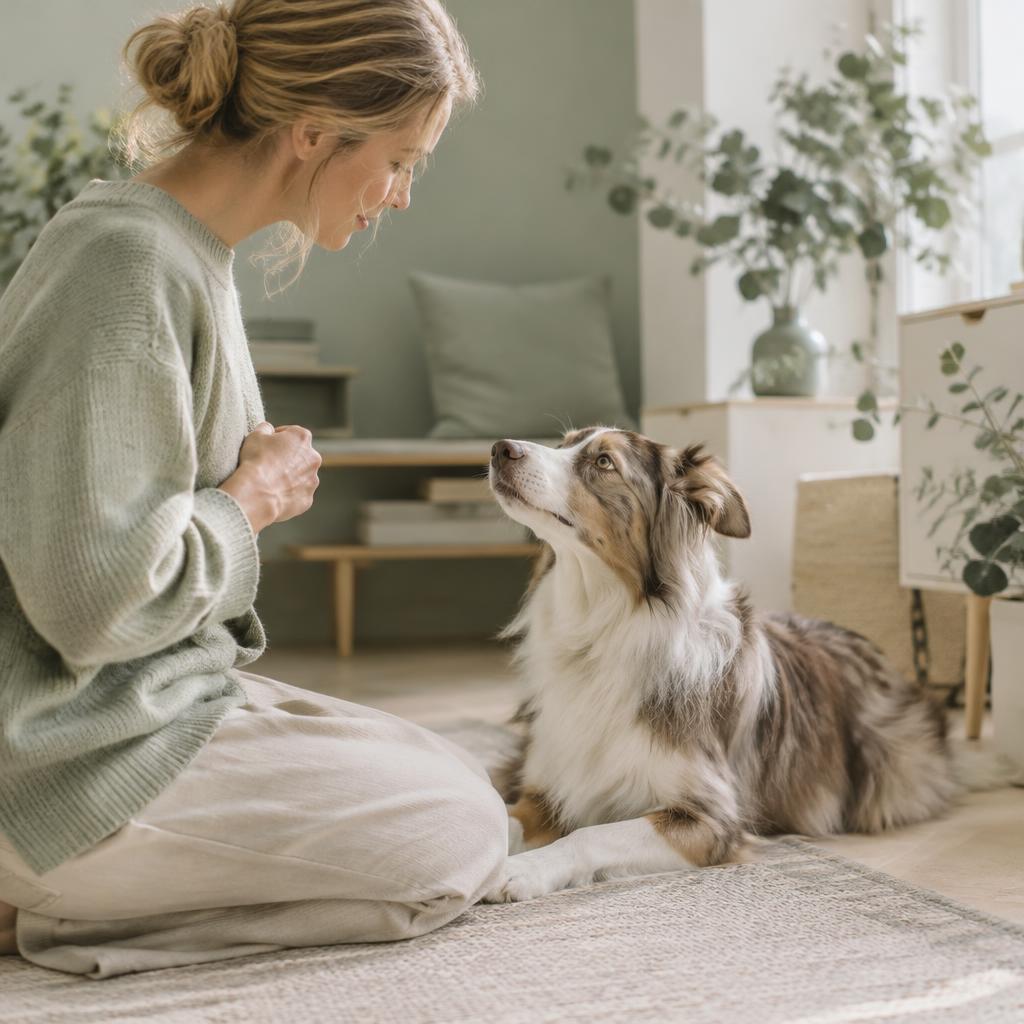
The loveliest explanation is also the best evidenced. Research published in Science found that when dogs and their owners gaze at each other softly, both experience a rise in oxytocin, the hormone involved in bonding between parents and infants. The study described a positive loop: your dog looks at you, you feel the pull, you respond warmly, and the bond deepens on both sides.
This is the stare you see on the sofa in the evening: soft eyes, relaxed face, loose body, maybe a slow wag. It is your dog checking in with their favourite person, and it is one of the quiet privileges of living with a dog. You can lean into it: calm attention, a gentle word, a scratch behind the ears.
The asking stare
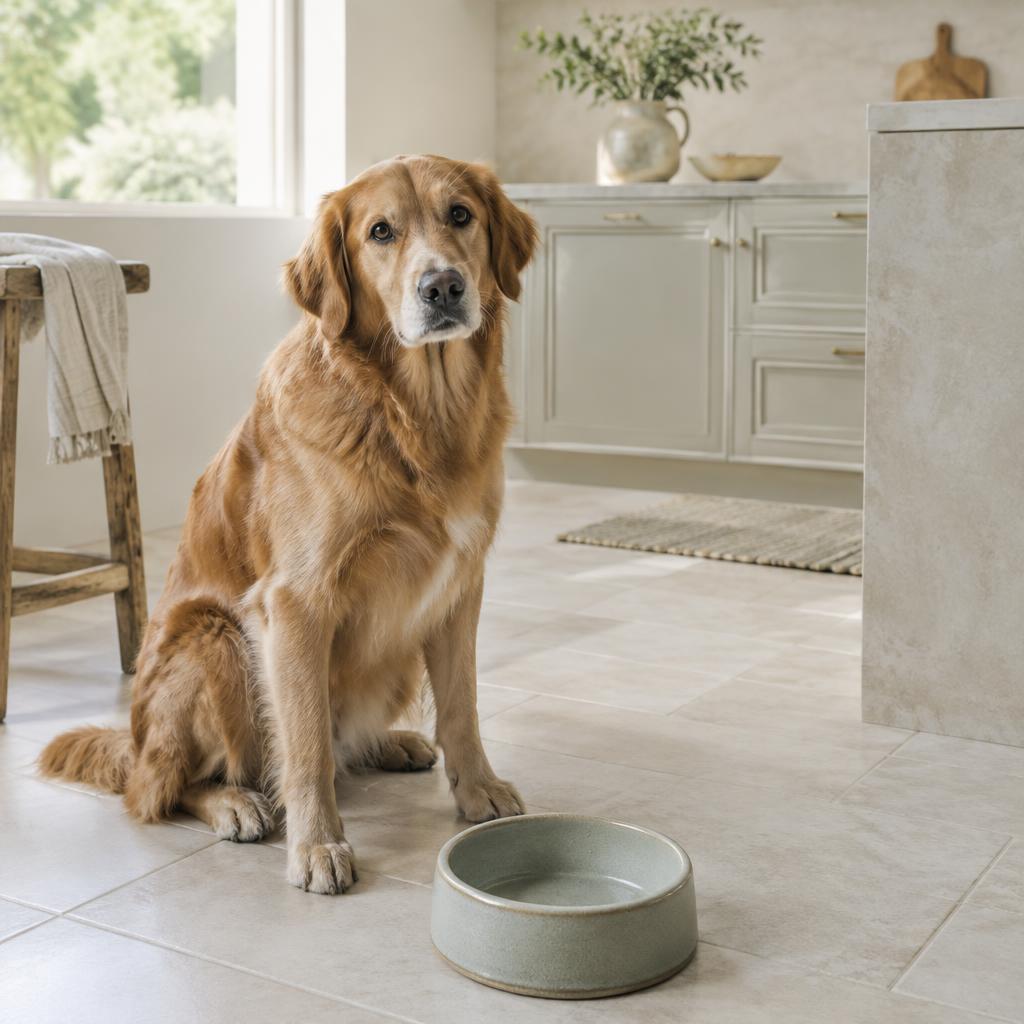
Dogs are outstanding students of cause and effect, and staring at you works. If a fixed gaze at the door has ever produced a walk, or a stare at the bowl has ever produced dinner, the behaviour has been paid, and paid behaviours repeat.
This is not manipulation in any sinister sense; it is simply learning. The practical question is whether you want to keep reinforcing it. If you do not mind the dinner-time audience, carry on. If you would rather eat in peace, the fix is consistency: never reward the stare, and generously reward an alternative, like settling on a mat, until that becomes the behaviour that pays.
The herding eye
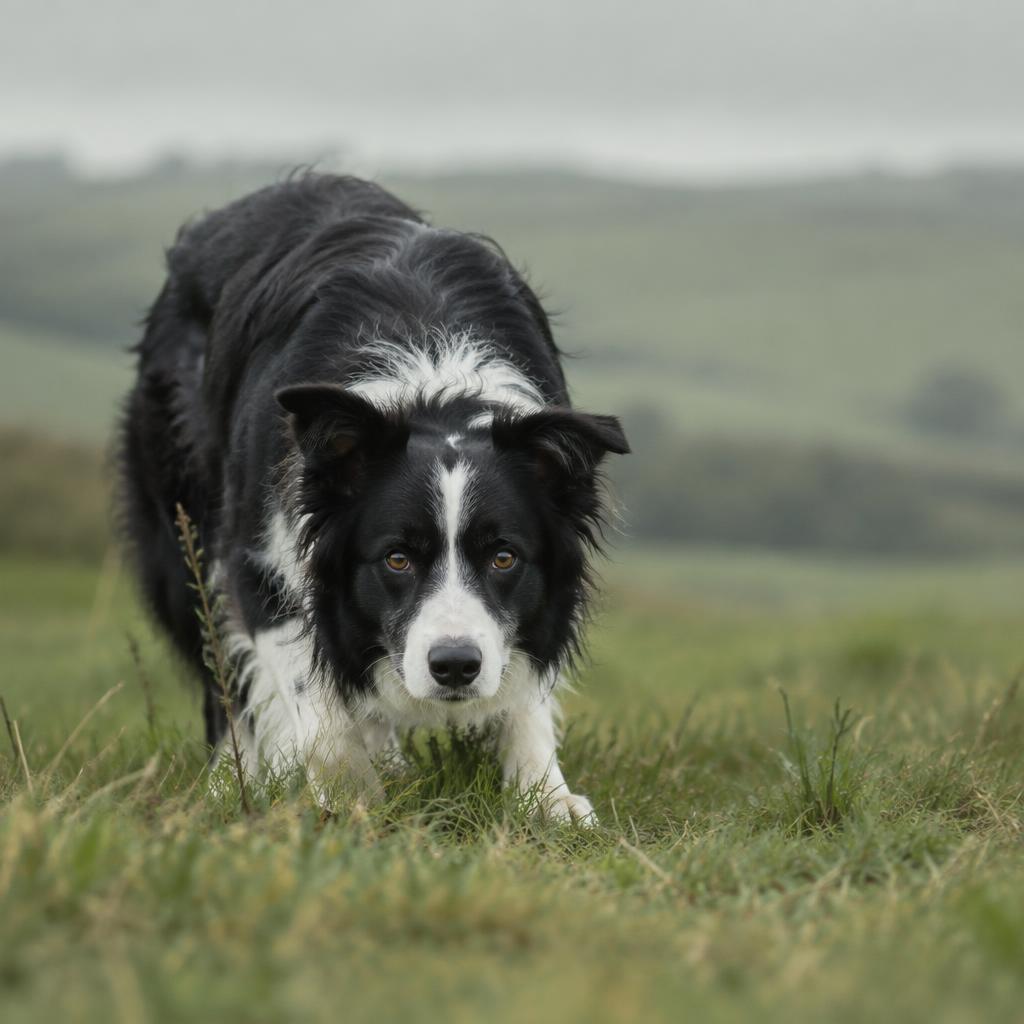
If you share your life with a Border Collie or another herding breed, you already know the other kind of stare: low, still, intense and locked on. Herding dogs were bred to move livestock with their gaze, a behaviour shepherds call eye, and it is as hardwired as a retriever's love of carrying things.
At home, that focus gets pointed at you, the children, the cat and anything else that moves. It is normal for the breed, but a dog with that much focus needs appropriate outlets: training, herding-style games, agility, flyball or scent work. An under-employed herding dog will find its own work, and you may not like its choices.
When a stare is a warning
This is the section to take seriously. A hard, unblinking, fixed stare with a stiff, frozen body is not affection. In dog body language it is a threat signal, and it most often appears around resources: food, a chew, a toy, a favourite resting spot, sometimes a favourite person. It is called resource guarding, and the stare is the early, polite rung on the ladder before growling, snapping or biting.
The response matters more than anything else in this article. Do not stare back, do not reach in, and never punish the stare or the growl that follows it: punishment suppresses the warning without changing the feeling, which creates a dog who bites without warning. Instead, give space, trade calmly with high-value treats tossed away from the item, and book help from a qualified, reward-based behaviourist. Guarding caught early responds very well to professional help.
Interactive tool
Stare decoder
Context and body posture in, what the look probably means out.
Your plan
- Read the whole body, not just the eyes: soft face, loose wag and relaxed ears mean the stare is friendly.
- If the stare is asking behaviour you do not want, ignore it and reward a calmer behaviour instead, like settling on a mat.
- If the stare comes with pacing, panting or restlessness at odd hours, note when it happens and mention it to the vet: it can signal discomfort or, in older dogs, cognitive change.
- Enjoy the soft stares: they are part of the bond, and you can reinforce them with calm attention.
Bonding or affection
A soft, relaxed stare with a loose body is the classic bonding look: your dog is checking in with you, and mutual gazing like this is linked to oxytocin release in both of you.
Staring and children
The staring conversation changes when children are in the house, because children stare back. A direct, unblinking gaze from a child at dog height can read as a challenge to a dog, and most bites to children are preceded by exactly this kind of misunderstanding, often over food, a toy or a resting spot. The teaching is simple and worth repeating until it sticks: children never stare into a dog's face, never approach a dog who is eating, chewing or asleep, and always give a stiff, still dog a wide berth.
Equally, watch for the dog who stares at visiting children with a hard, fixed focus. That is not fascination; it can be uncertainty or predatory interest, and it is your cue to calmly separate, give the dog a break somewhere quiet, and manage introductions more carefully next time. Soft, wiggly staring at the kids is fine. Stillness is the signal.
Teaching a check-in instead
If your dog's staring tips into pestering, the elegant fix is to put the behaviour on your terms. A check-in is a trained glance: the dog looks at you, you mark it with a word or a click, and reward it. Practised on walks and at home, it channels the staring into a behaviour you both control, and it builds the habit of your dog referencing you when uncertain, which pays off everywhere from the park to the vet's waiting room.
Start easy: wait for a natural glance, mark and reward, repeat in short sessions. Within a couple of weeks most dogs offer eye contact freely, and the demanding, endless stare at the dinner table fades because there is now a behaviour that pays better and more predictably.
Staring at nothing, and staring in seniors
Two more scenarios deserve a mention. First, the dog who stares at a wall or into space. Dogs hear and smell a world we cannot, so most of this is normal. But frequent vacant staring in an older dog, especially alongside night-time restlessness, getting stuck in corners, house-training slips or changed interaction, can be a sign of canine cognitive dysfunction, the dog equivalent of dementia. It is worth a vet visit, because there are diets, supplements and medications that can slow it down.
Second, rare but real: a fixed, trance-like stare with twitching or unresponsiveness can be a focal seizure. If the staring comes with any unusual movements or your dog cannot be snapped out of it, video an episode and show your vet.
How to read the whole picture
Use this quick framework whenever the eyes are on you:
- 1Check the context: where are you, what is nearby, what usually happens next?
- 2Read the body: soft face, loose wag and relaxed ears mean friendly; stiff, frozen and unblinking means give space.
- 3Note the pattern: is this a daily habit, or new?
- 4Decide what it is paying: if staring gets a reward, it will keep happening.
- 5Respond to what you actually see, not to the eyes alone.
A dog's stare is a sentence, not a word. The eyes start it, but the body finishes it.
Common staring scenarios, decoded
A few everyday scenes, translated:
- Staring while you eat: learned begging. It has worked before, so it continues. Consistency ends it.
- Staring at the door or the lead: a request. Your dog has connected the object with the outcome.
- Staring then sighing and lying down: boredom, or a hint that the evening walk is overdue.
- Staring at you on the sofa, then at the toy box: an invitation to play, and a charming one.
- Staring from a distance with a low, still body: uncertainty. Something in the situation feels off to your dog; give them space and time.
- Staring at a guest who is ignoring them: often just curiosity about the new person, especially from a confident dog.
The habit of asking "what usually happens next?" decodes most of these in seconds. Dogs are creatures of pattern, and their stares usually point at the next event in the pattern they are hoping for.
The stare back: what you should do
Owners often ask what the right response to a soft stare actually is. The answer is refreshingly simple: soften back. Relax your face, speak gently, offer a slow blink (dogs read soft, squinty eyes as friendly, much as cats do), and if the moment allows, give a calm stroke or a scratch in a favourite spot. You do not need to hold a long gaze; a few seconds of warm attention answers the question your dog was asking.
What you should not do is turn every stare into excitement. If every glance earns a squeaky voice and a game, you will build a dog who stares constantly to start the party. Match your dog's energy: calm stare, calm response. Save the big reactions for the moments you actually want more of, like a check-in on a walk or a recall at the park.
When to see a vet
Most staring needs no vet at all. Book a visit if the staring is new and frequent in a senior dog, comes with night-time restlessness, confusion or house-training changes, arrives with twitching or unresponsiveness, or is part of a wider change in behaviour. And if the stare is the hard, guarding kind, the right professional is a qualified behaviourist, working alongside your vet to rule out pain, which is a common and overlooked driver of guarding.
The bottom line
Why does your dog stare at you? Almost always because you matter: you are the provider, the playmate and the safe place, and watching you is both bonding and good strategy. Read the body around the eyes, respect the rare hard stare as the warning it is, keep an eye on new staring in old dogs, and enjoy the soft ones. They are, quite literally, chemistry.
For more on reading what your dog is telling you, see our guides to why dogs wag their tails and why dogs follow you everywhere, or try the breed matchmaker if you are still choosing a companion. High-focus breeds like the Border Collie and the German Shepherd will always give you more to read than most.
Questions people actually ask
Why does my dog stare at me all the time?
Usually because you are the centre of their world: you provide food, walks, play and comfort, so watching you pays. Most constant staring is a mix of bonding and learned asking. If it comes with restlessness, pacing or other changes, mention it to your vet.
Why do dogs stare at you when they poop?
Toileting is a vulnerable moment, and many dogs look to their person as a lookout, a behaviour rooted in pack instinct. It is a sign of trust. Some dogs also watch for a reaction because they were once told off for accidents, so keep your response neutral.
Is it bad to stare back at my dog?
With your own dog, soft mutual gazing is fine and even strengthens your bond. A hard, direct, unblinking stare is different: in dog language it is confrontational, so avoid locking eyes with unfamiliar dogs or with a dog who is stiff and guarding something.
Why does my dog stare at me while I eat?
Because it works. If staring at the dinner table has ever produced a scrap, your dog has learned it is worth doing. It is pure learned begging, and the fix is consistency: never feed from the table, and reward settling elsewhere instead.
Should I be worried if my dog stares at nothing?
Occasional staring into space is normal: dogs hear and smell things we cannot. But frequent vacant staring, especially in a senior dog, can be a sign of cognitive dysfunction (canine dementia) or, rarely, focal seizures. If it is new, frequent or comes with other changes, see the vet.
Why does my herding dog stare so intensely?
Breeds like Border Collies were developed to control livestock with their gaze, known as eye. That intense, low, fixed stare is hardwired working behaviour. It is normal for the breed, but these dogs need appropriate outlets for that focus, like herding-style games, training and sport.
Sources
Breeds mentioned

Border Collie
The world's most capable herding mind, needing an equally capable owner to match it.

Golden Retriever
A gentle, biddable gundog famed for its patience with children and its glossy golden coat.

German Shepherd
A loyal, capable working dog that needs a job to do and an owner ready to provide one.
Put it into practice
Read next
Why Do Dogs Roll in Poop? The Instinct Explained
Why dogs roll in the worst smells they can find, what the behaviour is really about, and how to prevent it or at least clean up well afterwards.