Why Do Dogs Roll in Poop? The Instinct Explained
Rolling in fox poo and other strong smells is an ancient instinct, probably linked to scent. It is normal, harmless in itself, and manageable with recall, route choices and a good shampoo.
The SniffScroll desk
Published 11 October 2026

Reviewed by the SniffScroll editorial team
The short version
- Rolling in strong smells is normal, instinctive behaviour, not misbehaviour or a health problem.
- The leading theories are scent masking from hunting ancestry and scent sharing with the social group.
- Fox poo is the classic target in the UK because it is pungent, common and at perfect dog height.
- Prevention beats punishment: recall, a long line in hotspots and a solid 'leave it' cue do most of the work.
- Clean up with gloves and a dog shampoo, and keep worming up to date.
Why do dogs roll in poop?
The short answer: because their ancestors found it useful, and because they find it wonderful. Rolling in fox poo, dead things and other strong smells is an ancient, instinctive behaviour that almost certainly relates to scent, either masking their own or carrying information back to the group. It is not misbehaviour, defiance or a sign that something is wrong.
That does not mean you have to accept a dog that smells like a hedgerow. Understanding the instinct makes the prevention much easier, and it connects to the same scent-driven world behind why dogs eat poop and much of the sniffing on every walk.
The leading theories
Nobody has settled this definitively, but three explanations dominate.
Scent masking. Wolves and wild canids may roll in strong smells to disguise their own scent from prey. Your spaniel is not hunting dinner, but the circuitry is still there.
Scent sharing. Rolling may be a way to pick up an interesting smell and carry it home, a kind of olfactory news bulletin for the rest of the group. Watch how interested other dogs are in a freshly rolled dog: they sniff the carrier intently, which supports this idea.
Simple pleasure. Dogs experience smell the way we experience music. It is entirely possible that part of the answer is that they simply enjoy it.
Why fox poo is the favourite
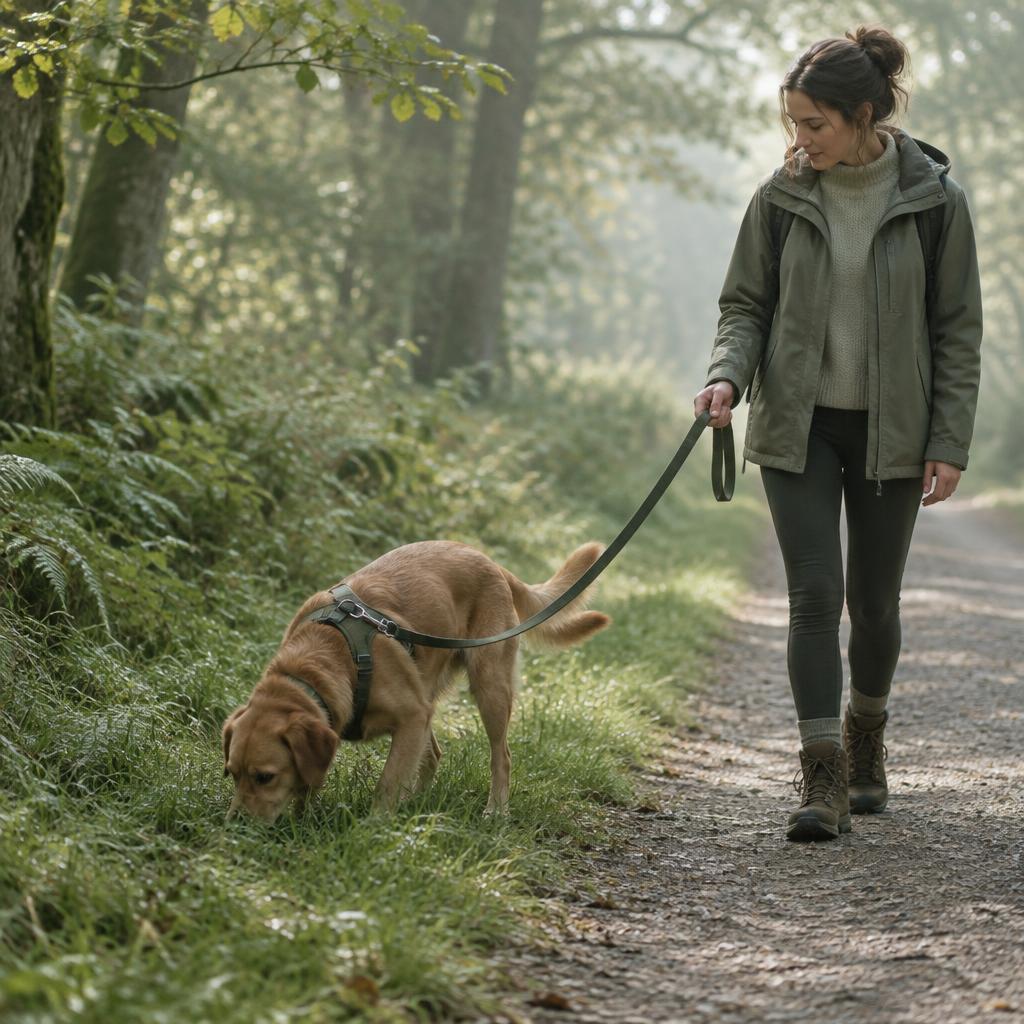
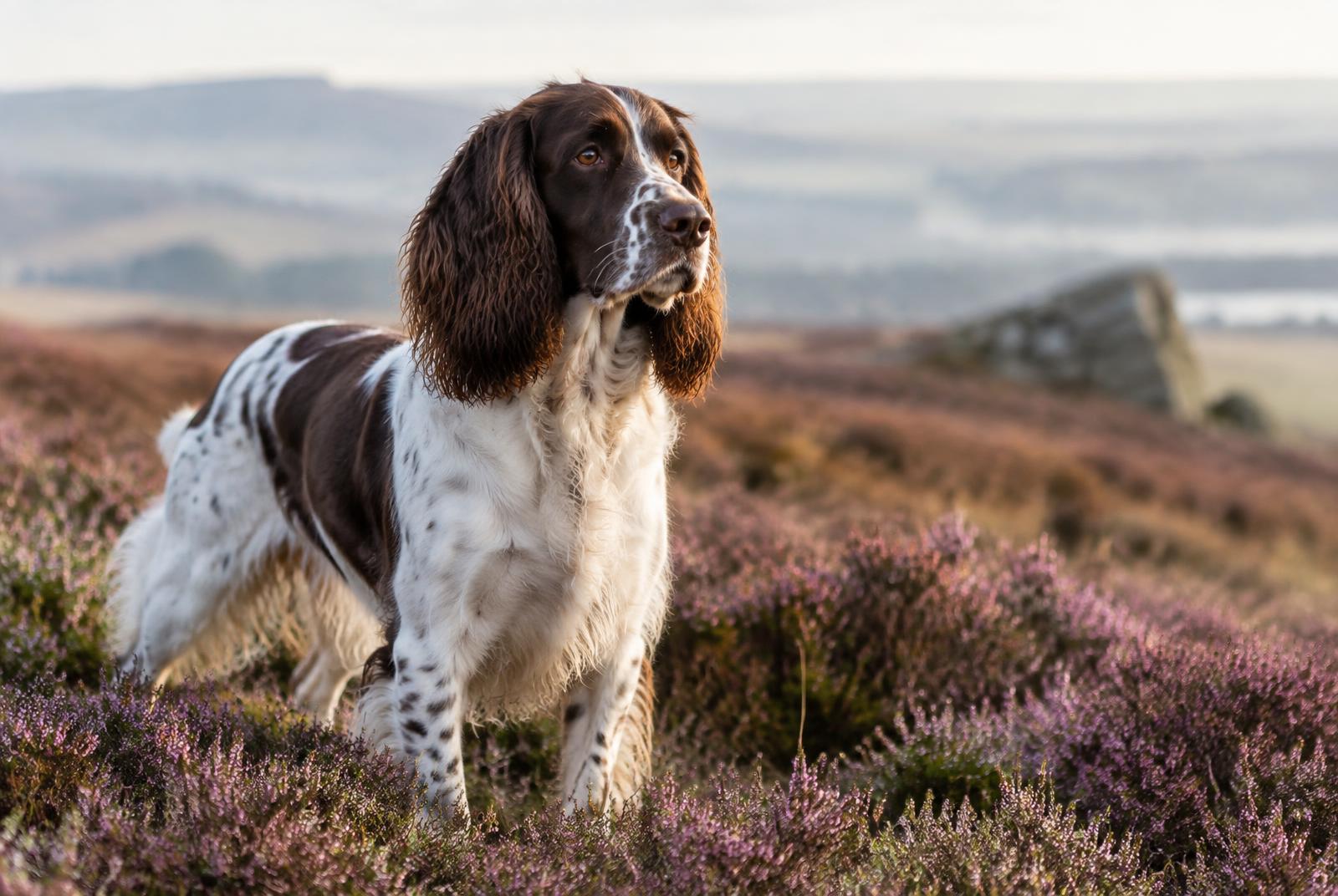
In the UK, fox poo is the classic target for practical reasons. It is pungent beyond almost anything else in the landscape, it is deposited deliberately in visible spots along paths and field edges, and it sits at exactly dog height. Rural and suburban dogs encounter it constantly. Scent hounds such as Beagles and working gundogs such as Springer Spaniels are famously committed rollers, though any dog can take up the hobby.
How to prevent the roll
The roll has a predictable wind-up: a sudden stop, an intense, locked-in sniff, sometimes a slow circle, then the shoulder drops. Your window is the sniff. Once the shoulder goes down, the roll is happening.
- 1Learn your local hotspots: field edges, hedgerows, the corners of recreation grounds.
- 2In hotspots, keep your dog on a lead or long line and walk briskly past.
- 3Build a rock-solid recall away from distractions before relying on it near fox poo.
- 4Teach a 'leave it' cue at home with low-value items, then proof it outdoors.
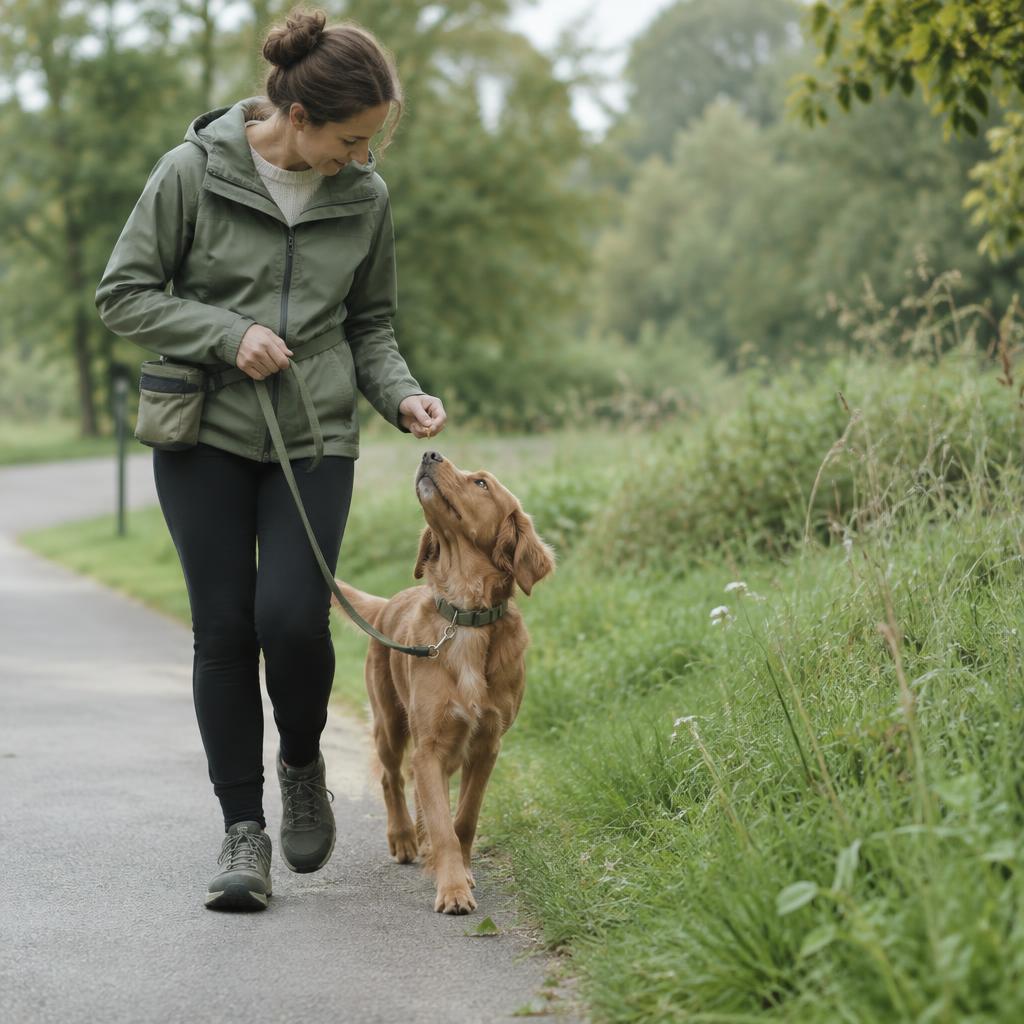
- 5Interrupt the sniff cheerfully, call your dog away, and pay well: a high-value treat or a toy.
- 6If the habit is entrenched, change routes for a few weeks to break the pattern.
Punishment does not work here. The roll is instantly self-rewarding, and telling a dog off afterwards teaches them nothing except that you are unpredictable.
The clean-up protocol
When prevention fails, and it will, clean up properly:
- Keep your dog outside or in a utility room until you are ready; do not let them rub on furniture.
- Wear gloves. Fox poo can carry bacteria and parasite eggs.
- Pick off the worst of the solids with kitchen roll before wetting the coat.
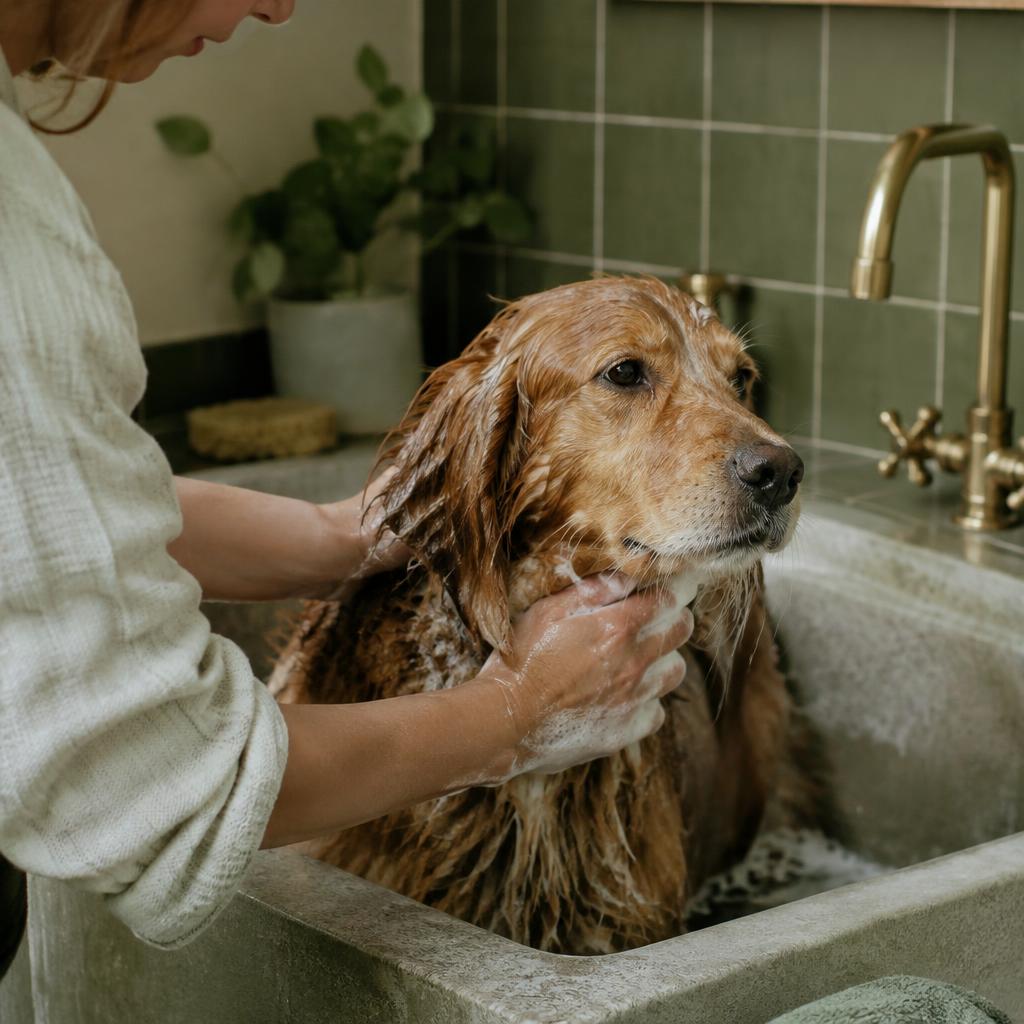
- Use a dog shampoo, working it well into the neck, shoulders and cheeks, the usual impact zones. Dedicated fox poo shampoos exist and genuinely help with the smell.
- Rinse thoroughly, towel dry, and wash your own hands and any contaminated lead or harness.
Avoid human shampoos and washing-up liquid as a routine: they strip the coat's oils. If your dog rolls constantly, our guide to how often to bathe a dog explains how to keep them clean without wrecking their skin.
Is it ever a health worry?
The behaviour itself is harmless. The material is the issue. Faeces and carcasses can carry bacteria and parasites, so keep worming and flea treatment up to date, and check the skin for cuts or irritation after a roll. If your dog seems unwell in the days after a roll, vomiting, diarrhoea, lethargy or going off food, mention the roll to your vet. And if the rolling is accompanied by eating the material as well, that is a slightly different habit with its own hygiene considerations.
Your dog is not being disgusting to spite you. They are reading the landscape the only way they know how.
The roll, frame by frame
Once you can read the sequence, you can interrupt it. A roll almost never comes out of nowhere. First comes the find: your dog's pace changes and the nose locks onto a spot. Then comes the assessment: intense, motionless sniffing, sometimes with a slow circle around the site. Then the commitment: the dog lowers the front end, drops a shoulder, and goes over, rubbing the neck, cheek and shoulder into the source. The whole thing from first sniff to full roll can take three seconds, which is why the recall has to fire at the sniff, not at the drop.
Watching for that sequence on a few walks teaches you your own dog's version of it. Some dogs add a telltale glance back at you first, which is as close as a dog gets to checking whether the coast is clear.
Why some dogs never do it
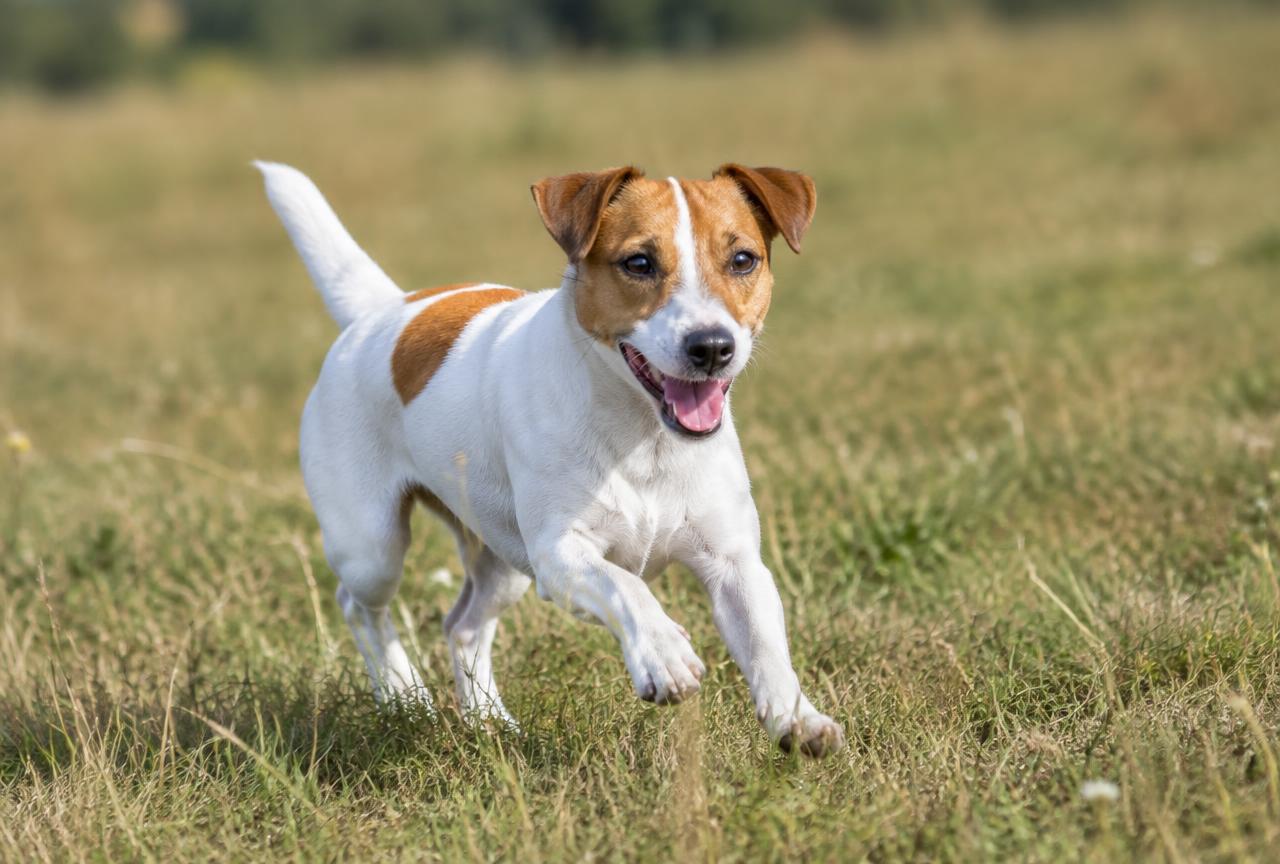
If your dog has never rolled in anything, nothing is missing. The behaviour varies enormously between individuals, and there is no evidence that non-rollers are less healthy or less happy. Breed tendencies play a part: dogs bred to work scent, hounds, spaniels and terriers such as the Jack Russell, are over-represented among dedicated rollers, while many companion breeds rarely bother. Age matters too; many dogs roll most enthusiastically in their first few years and quieten down later.
Smell is not a bad habit, it is a sense
It helps to remember that your dog experiences the walk primarily through the nose. The patch of grass you see as a verge is, to them, a detailed record of everything that passed through: who, when, what they ate, how they felt. Rolling in the strongest entry in that record is strange to us, but it comes from the same sensory world that makes sniffing the highlight of your dog's day. Letting your dog sniff generously on walks, while redirecting the roll itself, gives them the information without the laundry.
When rolling is not about smell
Occasionally, rolling on the back has nothing to do with scent. Dogs roll to scratch an itchy back, to cool off on cold ground, and simply out of joy, and the context usually tells you which you are looking at. A dog rolling on a clean lawn in the sun, wriggling happily with no particular spot, is just enjoying themselves. A dog that suddenly starts rubbing and rolling frantically, especially with skin redness, hair loss or a smell coming from the skin itself rather than the environment, may have a skin problem worth a vet visit. The distinction is usually obvious: scent rolling targets a specific, smelly spot; itch rolling is everywhere and frantic.
Building the recall that actually works in the field
The recall that saves you from a fox poo roll is not the one your dog does in the kitchen. It is the one that works when the alternative is the best smell in the world. Build it in stages. Start indoors with a cheerful cue and an excellent reward, every single time. Move to the garden, then to quiet outdoor spaces on a long line, then to busier places. Only when your dog turns away from mild distractions should you test it near real temptation, and even then, keep the long line on in known hotspots for months.
Two rules make or break it. Never call your dog to end their fun: if the recall always means the lead goes on and the walk ends, the cue weakens. Call, reward, release back to sniffing. And never punish a dog that eventually comes back after ignoring you; you are rewarding the return, not the delay.
The equipment that helps
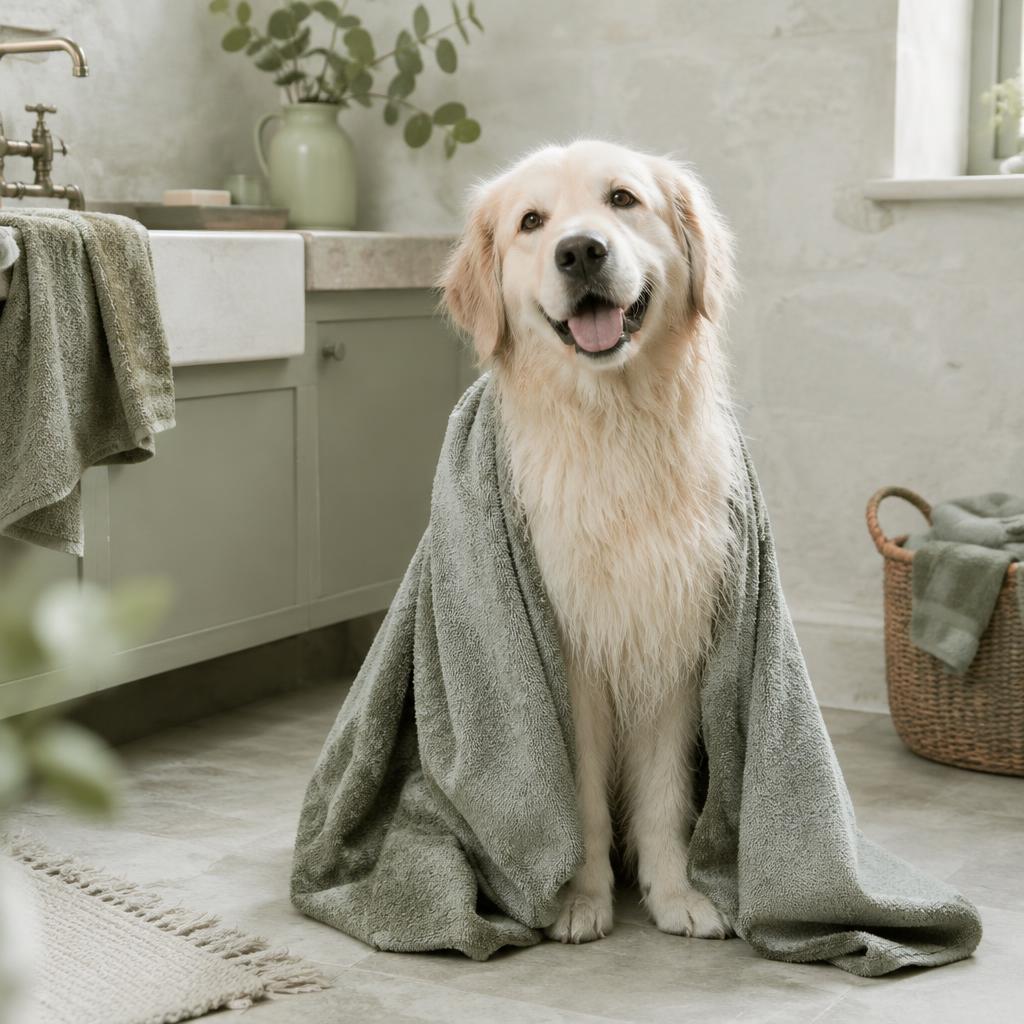
A few bits of kit earn their place in a rolling household. A long training line, five to ten metres, gives off-lead freedom with a safety net in hotspots. A harness rather than a collar protects the neck if you need to reel in quickly. A bottle of water and a pack of dog wipes in the car handle minor incidents on the spot. And a dedicated "dog towel" by the back door means a rolled dog never makes it past the threshold. None of this is elaborate; it is just the difference between a five-minute cleanup and a full emergency bath at nine in the evening.
Living with a committed roller
Some dogs, particularly scent hounds, will never fully give up the habit, and managing expectations is part of the answer. The realistic goal is not a dog that never rolls; it is a dog whose rolls are rare, interrupted early, and cleaned up easily. Choose routes with fewer hotspots in the seasons when foxes are most active, keep the long line on in problem areas, keep worming current, and accept that a dog who occasionally smells terrible is a dog being a dog. The instinct is millions of years old. Your shampoo is not going to win every time, and that is all right.
A walk-time checklist for rolling households
- You know today's route and its usual hotspots.
- The long line is on, or ready, for the risky sections.
- You are watching for the tell: the sudden stop and the locked-in sniff.
- Your recall cue has been warmed up with an easy success early in the walk.
- High-value treats are in your pocket, not at home.
- Wipes or a towel are in the car, and the dog towel is by the back door.
Do this consistently for a few months and most dogs roll dramatically less, not because the instinct disappears, but because the opportunity does.
What the behaviour tells you about your dog
A dog that rolls is telling you something useful: their nose is driving their decisions, and training that works with the nose will beat training that fights it. Scent-led dogs respond brilliantly to sniff-based rewards, scatter feeding, scent games and tracking-style activities, and a dog whose sniffing needs are met on purpose is often less desperate to meet them by accident. If your dog is a committed roller, consider channelling the instinct: hide treats in the garden, lay simple scent trails, or try a mantrailing or scentwork class. You will not remove the instinct, but you can give it a job that does not end in the bath.
When to see a vet
Rolling needs no vet visit in itself. Call the vet if your dog develops vomiting, diarrhoea, lethargy or loss of appetite in the days after a roll, if they have rolled in a carcass and seem unwell, or if you notice skin irritation that does not settle after a bath. Otherwise, this is a training and laundry problem, not a medical one. Use the planner below to build your prevention routine.
Interactive tool
Rolling redirect planner
The smell, how often and where, in. A prevention and clean-up plan out.
Your plan
- Fox poo is the classic target. Learn your local hotspots, usually field edges and hedgerows, and keep your dog on a long line there.
- Interrupt at the sniff, before the shoulder goes down: a cheerful recall cue and a high-value treat or toy when they come away.
- Practise recall away from distractions until it is reliable, then use a long line in rolling hotspots rather than full freedom.
- Occasional rolling: keep the plan light, reward good choices, and carry wipes or a towel just in case.
- Clean-up: wear gloves, use a dog shampoo or a dedicated fox poo shampoo, work it into the neck and shoulders, and rinse thoroughly. Avoid human products.
- Keep worming and flea treatment up to date, and check skin for redness or sores after a roll.
Normal instinct, manageable habit
Rolling is natural dog behaviour, not misbehaviour. Prevention beats punishment, and a reliable recall does most of the work.
Questions people actually ask
Why do dogs roll in fox poo specifically?
Fox poo is intensely smelly, common along field edges and hedgerows, and sits at exactly dog nose height. Whatever the underlying instinct, scent masking or scent sharing, fox poo simply delivers the strongest, most available version of it on a typical walk.
Is rolling in poop dangerous for my dog?
The behaviour itself is harmless, but the material can carry bacteria and parasites, and carcasses can carry more serious risks. Keep worming and flea treatment current, wash your dog promptly, and mention it to your vet if your dog seems unwell after a roll.
How do I stop my dog rolling in poop?
Interrupt at the sniff, before the shoulder drops: call your dog away and reward generously. Practise recall away from distractions, use a long line in known hotspots, and teach a 'leave it' cue at home first. Punishment after the fact does not work because the roll is already its own reward.
Why does my dog roll in poop right after a bath?
Possibly because they now smell wrong, to them. One theory holds that dogs prefer their own scent signature to shampoo. Using a milder, unscented dog shampoo and letting your dog dry and settle before walks can reduce the immediate re-roll.
Do all dogs roll in smelly things?
No. It varies hugely by individual and somewhat by breed. Scent hounds and gundogs, bred to work with their noses, are over-represented, while some dogs never show the behaviour at all. Both are normal.
Sources
Breeds mentioned

Read next
Dog Sleeping Positions: What Each One Means
What your dog's sleeping position really means, from the curled donut to the belly-up sprawl, plus how age and temperature change things and when sleep changes need a vet.