Terrier group
England
Jack Russell Terrier
The Jack Russell Terrier is a fearless, high energy English terrier best suited to active owners who enjoy training and secure outdoor spaces.
Reviewed against Kennel Club and breed club health guidance
A bold, tireless working terrier with huge personality packed into a small frame.
The short version
- Jack Russells are bold, intelligent working terriers bred to go to ground after foxes, and this heritage shapes their whole personality.
- Prey drive is very strong, putting small pets at real risk and demanding secure fencing to prevent escape and digging.
- The breed needs around 60 minutes of exercise a day plus mental stimulation to avoid destructive or vocal behaviour.
- Training suits an experienced, consistent owner, since the breed is highly intelligent but independent minded.
- Sociability with other dogs can be limited, particularly with unfamiliar dogs of the same sex, so careful introductions matter.
- Weight
- 5 to 8 kg
- Height
- 25 to 30 cm
- Lifespan
- 13 to 16 yrs
- Size
- Small
- Group
- Terrier
- Coat
- Smooth or broken, weatherproof double coat
- Grown male
- 6 to 8 kg
- Grown female
- 5 to 7 kg
- Years to full size
- about 1
- One-off setup
- €350 to 700

Get one if…
- Active, experienced owners who enjoy training and dog sports
- Households with a securely fenced garden
- Owners without small pets such as rabbits or guinea pigs
- People wanting a characterful, engaging working terrier
- Owners committed to daily physical and mental exercise
Think again if…
- Households with small pets like rabbits, guinea pigs or cats
- Flats or homes without secure outdoor access
- Owners wanting a placid, low energy lapdog
- First-time owners unprepared for a strong willed terrier
- Homes with very young children unable to respect a small dog's space
Trait profile
Jack Russells combine very high energy and prey drive with real intelligence, so they need owners who can provide consistent training and secure, active outlets rather than a quiet lapdog lifestyle.
Space & setup. A house with a securely fenced garden suits this breed far better than a flat, since Jack Russells dig, jump and climb with real determination.
Allergies. The short coat sheds moderately year round, so it is not well suited to households with significant allergy concerns.
Living with a Jack Russell Terrier
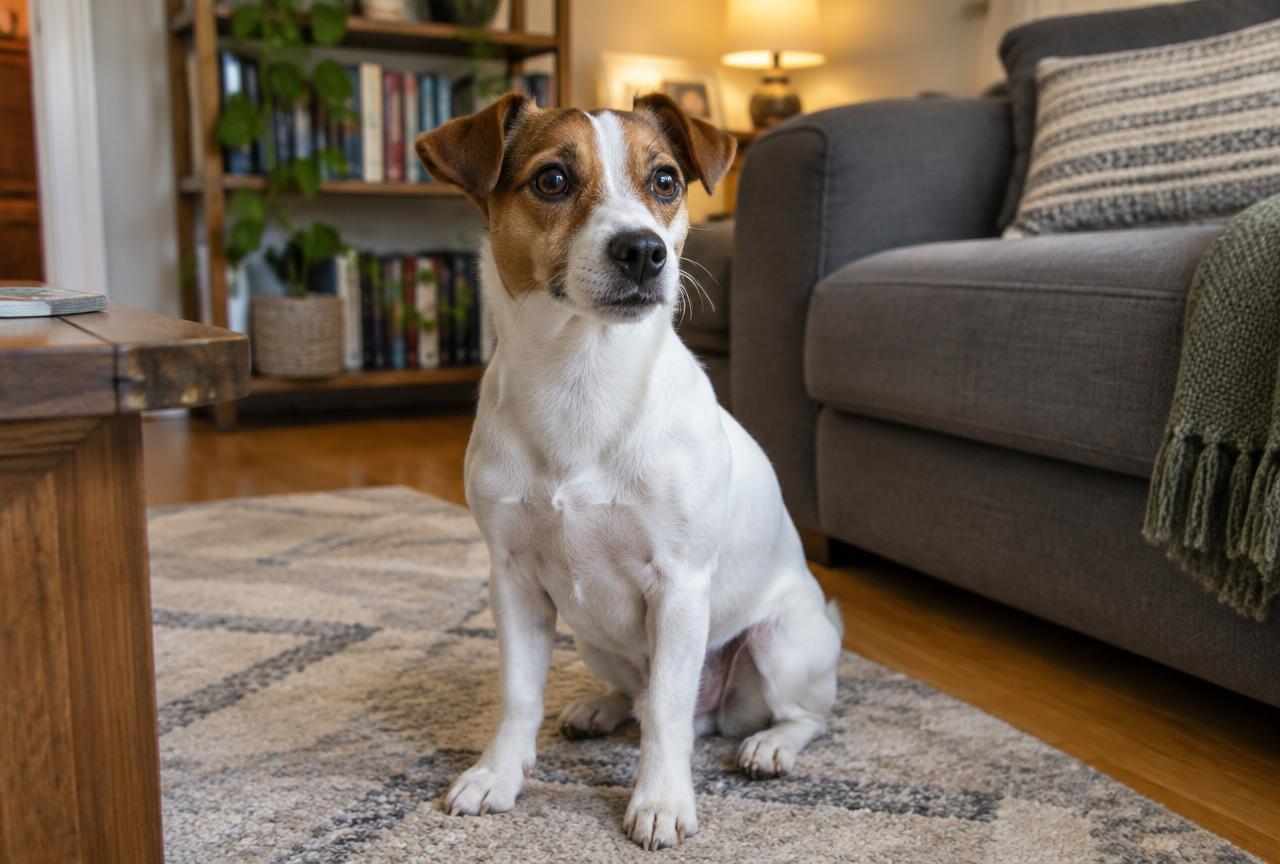
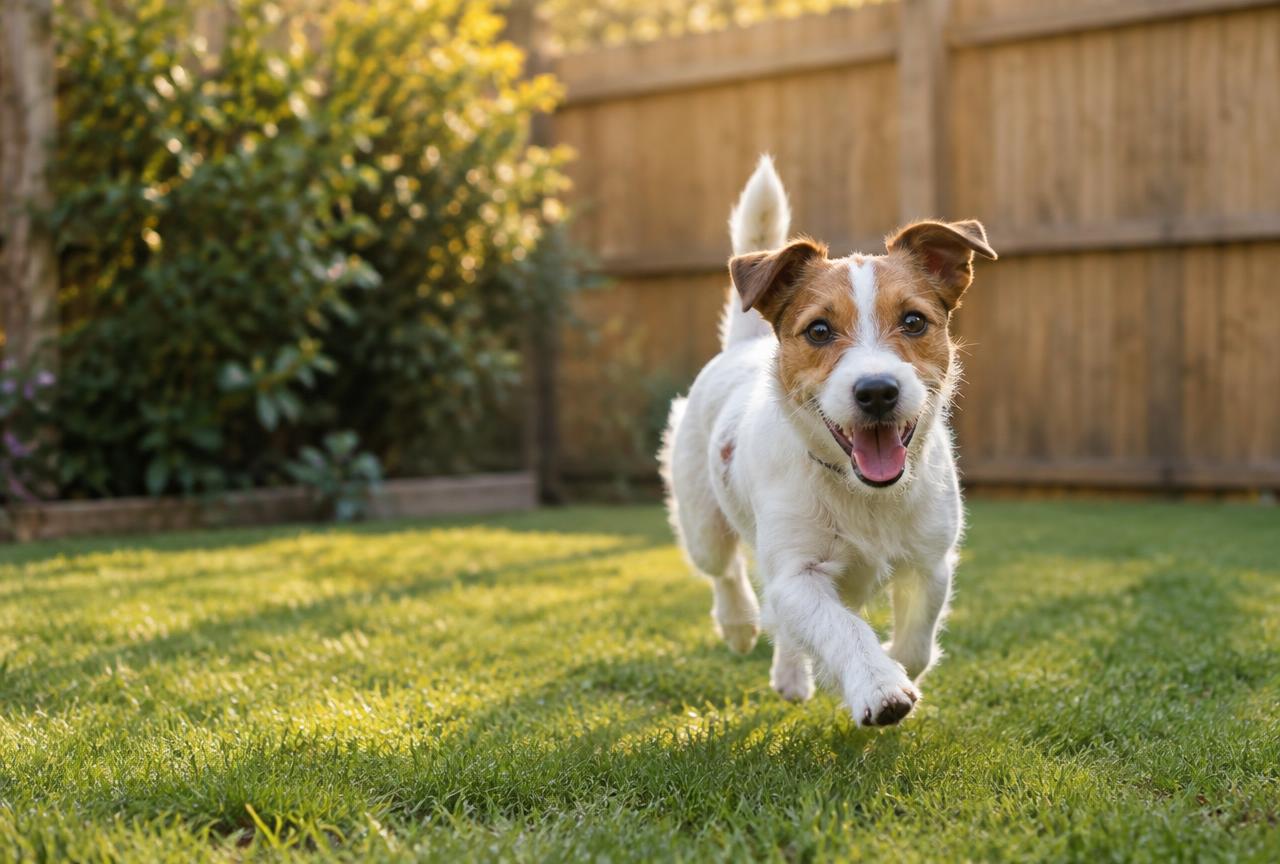
The Jack Russell Terrier is a small, energetic working terrier developed in England to hunt fox by going to ground. It is intelligent, bold and endlessly busy, thriving with owners who can match its exercise needs and channel its strong prey drive constructively.
The Jack Russell Terrier was developed in nineteenth century England by the Reverend John Russell, who bred small, fast terriers able to go to ground and bolt foxes during a hunt without harming them. This working origin shaped a dog built for stamina, courage and independent decision making underground, traits that remain vividly present in the breed today, whether or not a given dog ever hunts.
At home, Jack Russells are lively, affectionate and deeply loyal to their families, often forming close bonds and enjoying being involved in daily activities. They are also famously bold and can be scrappy with unfamiliar dogs, particularly of the same sex, so careful socialisation from puppyhood and thoughtful introductions matter throughout life. Their strong prey drive means small pets such as rabbits, guinea pigs and even cats can be at risk, and secure fencing is essential since Jack Russells dig and climb with impressive determination.
Exercise needs are considerable for such a small dog, around 60 minutes a day combined with mental stimulation, since an under-exercised Jack Russell readily becomes destructive, vocal or escape minded. Training benefits enormously from an experienced, consistent hand: this is a genuinely intelligent breed capable of excellent obedience and agility work, but its independent streak and strong prey drive mean recall around wildlife or small animals should never be fully trusted. Early, structured training and plenty of physical and mental outlets bring out the best in the breed's considerable working intelligence.
Health wise, Jack Russells are a generally robust and long lived breed, though patella luxation, some inherited eye conditions and lens luxation are worth screening for in breeding stock. Their fearless nature can also lead to injuries from jumping, digging or confrontations with larger animals, so supervision around hazards matters more than for many other breeds of similar size. Dental care is worthwhile given a tendency toward tartar build up in small breeds generally.
Grooming is minimal: both the smooth and broken coated varieties need only weekly brushing and shed moderately. The Jack Russell suits active, experienced owners with secure gardens who enjoy training, agility or other dog sports, and who are realistic about prey drive around smaller animals. It is a poor match for households with small pets, owners wanting a placid lapdog, or anyone unable to provide daily physical and mental exercise. In the right home, it is a courageous, characterful and endlessly entertaining companion.
A fearless, brilliant little worker that needs an active, experienced owner and secure boundaries.
Exercise, day to day
- 1Puppies (8 to 20 weeks): short, gentle play sessions and brief walks, avoiding excessive jumping while joints develop.
- 2Adults: around 60 minutes a day combining walks, off lead time in secure areas, and active play.
- 3Mental stimulation: training games, puzzle feeders and scent based activities to occupy a busy mind.
- 4Structured training: agility, flyball or earth dog trials channel working instincts constructively.
- 5Always supervise around small animals and use secure fencing rather than relying on recall alone.
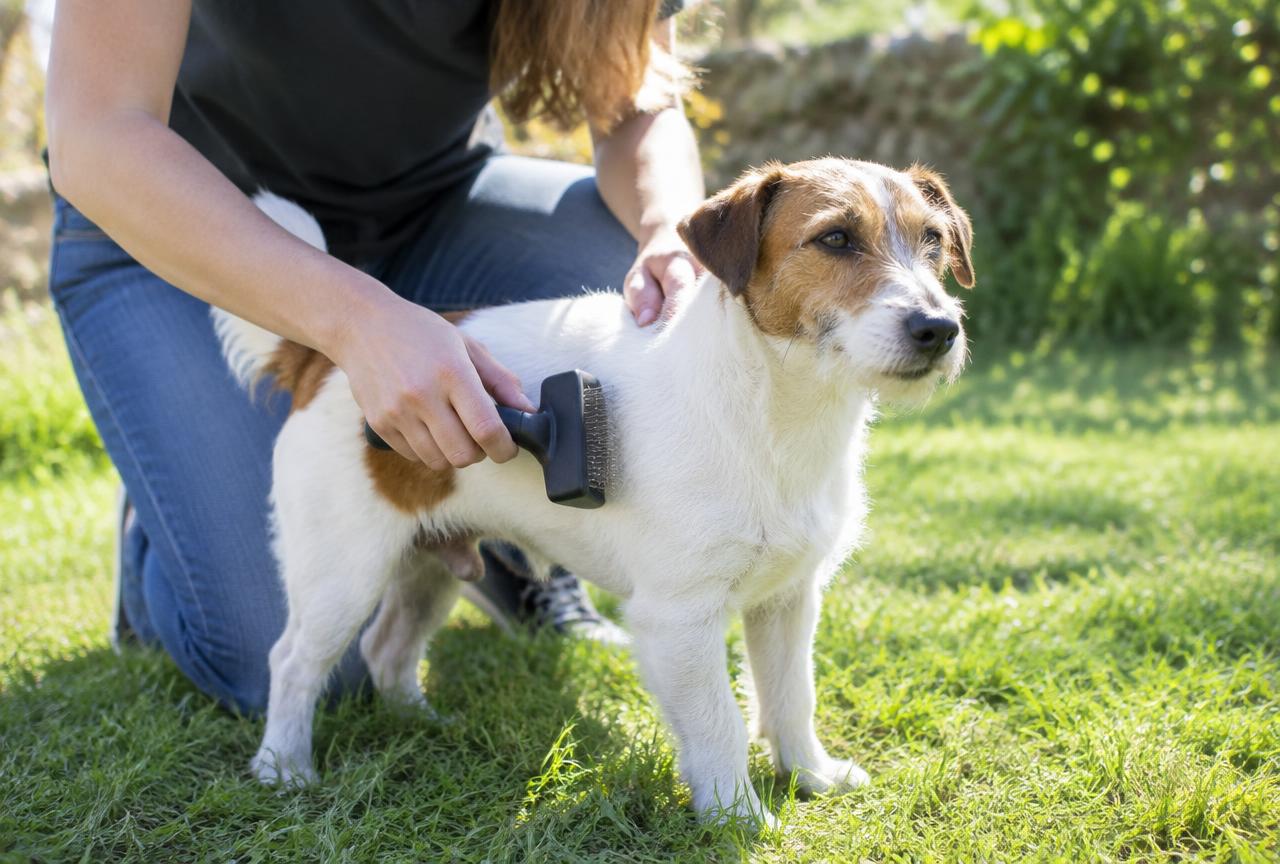
Grooming, realistically
- 1Brush weekly with a bristle brush or hound glove to remove loose hair, more often for broken coated dogs.
- 2Bathe only when dirty, since frequent bathing can strip natural coat oils.
- 3Check and clean ears weekly to prevent infections.
- 4Trim nails every 3 to 4 weeks, especially for less active dogs.
- 5Brush teeth several times a week to reduce tartar build up.
What you actually need
- Bristle brush or hound glove
- Dog nail clippers
- Ear cleaning solution
- Enzymatic dog toothpaste and brush
- Gentle dog shampoo
- Puzzle feeder or snuffle mat
Puppy to adult
| Age | Male | Female | What is happening |
|---|---|---|---|
| 8 weeks | 1.2 to 1.8 kg | 1 to 1.6 kg | Compact, sturdy puppy build with an already busy temperament. |
| 3 months | 2 to 3 kg | 1.8 to 2.7 kg | Steady growth, early socialisation with people and dogs important now. |
| 6 months | 3.5 to 5 kg | 3 to 4.5 kg | Adolescent stage, testing boundaries and increasing independence. |
| 9 months | 4.5 to 6.5 kg | 4 to 6 kg | Approaching adult size, energy levels remain very high. |
| 12 months | 5.5 to 7.5 kg | 5 to 6.5 kg | Close to adult weight, structured training should be well established. |
| 18 months | 6 to 8 kg | 5 to 7 kg | Full adult size and temperament settled. |
Ranges are typical, not targets. Judge condition by ribs and waist, and check with the ideal weight checker.
What to ask a breeder
- Can I see eye and patella health screening results for both parents?
- Has either parent been DNA tested for primary lens luxation?
- How do the puppies react to other dogs and to small animals?
- What early socialisation and handling have the puppies received?
- What is the temperament of the parents, particularly around prey drive and boldness?
- Can I meet both parents and see the environment the puppies were raised in?
Health tests to ask for
Ask to see results for both parents before you put down a deposit.
- Patella luxation check
- Eye examination for primary lens luxation and hereditary cataract
- DNA test for primary lens luxation
- Hip and elbow assessment where relevant to line
- General cardiac auscultation
Health watch-list
What to ask a breeder about, and what to watch for over a lifetime. This is orientation, not veterinary advice, anything you notice belongs in front of a vet.
Patella luxation
NotableA kneecap that slips out of place, causing intermittent lameness; breeding stock should be checked and mild cases can be managed conservatively.
Primary lens luxation
NotableAn inherited condition where the eye's lens dislocates, causing pain and potential blindness if untreated; DNA testing of breeding stock is important.
Hereditary cataract
UncommonCan cause progressive cloudiness of the eye and reduced vision; eye testing of breeding stock reduces risk.
Deafness
UncommonMore common in predominantly white coated dogs; hearing (BAER) testing is worthwhile in affected lines.
Dental disease
Common with ageSmall breeds are prone to tartar build up; regular brushing and dental checks help prevent problems.
Legg-Calve-Perthes disease
RareA hip joint condition seen occasionally in small breeds, usually diagnosed in young dogs and treatable with surgery.
What it costs to keep one
Realistic running cost
€73 / month
About €876 a year, or roughly €13,140 across a 15-year life, before purchase price, neutering and one-off vet events.
Before the puppy arrives. Budget roughly €350 to 700 for a crate, bed, lead and harness, bowls, puppy classes, first vaccinations and grooming kit sized for this breed. Figures throughout are indicative and vary a good deal between countries.
Interactive · built for this breed
Is a Jack Russell Terrier right for your home?
Seven honest questions about your space, time and household, checked against this breed's exercise need, coat, sociability and tolerance for time alone.
Fit with your routine
91%
A strong fit
Your routine suits a Jack Russell Terrier well. Meet adult dogs of the line before you commit.
What to sort out first
- Needs more daily exercise than you have pencilled in.
Working in your favour
- Coat care fits the grooming time you offered.
Compare more breeds in the matchmaker, or plan meals with the portion calculator.
The verdict, by household
First-time owner
Approach with caution
Intelligent and characterful, but the strong will and high exercise needs suit an experienced owner better.
Family with children
A good choice with supervision
Loyal and playful with respectful older children, though small size and boldness need careful management around younger ones.
Active single or couple
An excellent match
Thrives with owners who enjoy daily exercise, training and dog sports.
Household with small pets
Not recommended
Very strong prey drive makes coexistence with rabbits, guinea pigs or similar animals genuinely risky.
When to call your vet
- Sudden lameness or a skipping gait, which may point to patella luxation
- Sudden eye pain, redness or cloudiness, which can indicate lens luxation and needs urgent attention
- Persistent head shaking or ear odour, which may indicate an ear infection
- Reluctance to rise or exercise intolerance, which may point to joint discomfort
- Excessive licking or scratching, which can indicate skin or allergy issues
Nothing here is a diagnosis. A swollen, hard belly with retching, collapse, breathing difficulty and sudden hind-leg weakness are emergencies: go straight away.
Jack Russell Terrier vs the closest alternatives
| Breed | Weight | Energy | Grooming | € / month |
|---|---|---|---|---|
| Jack Russell Terrier | 5 to 8 kg | 9/10 | 2/10 | €73 |
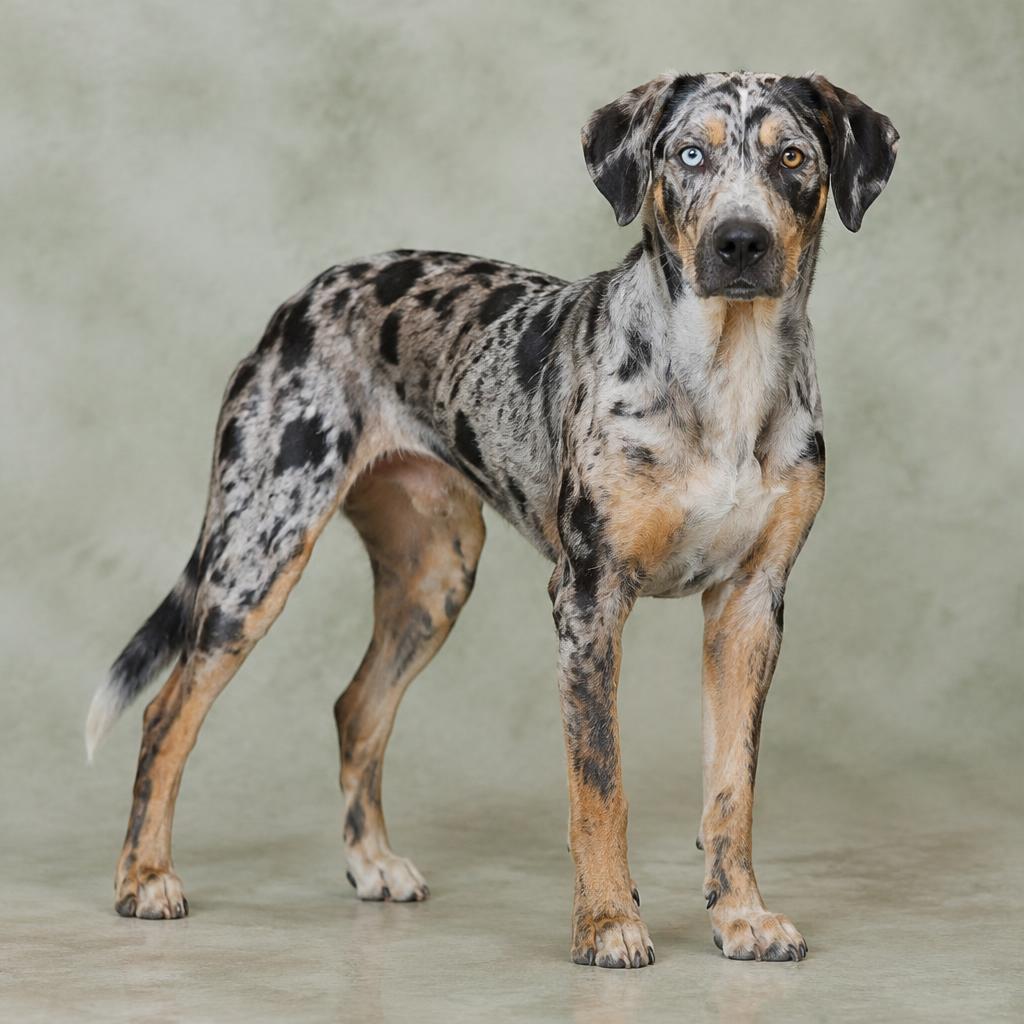
| Catahoula Leopard Dog | 20 to 34 kg | 9/10 | 2/10 | €98 |
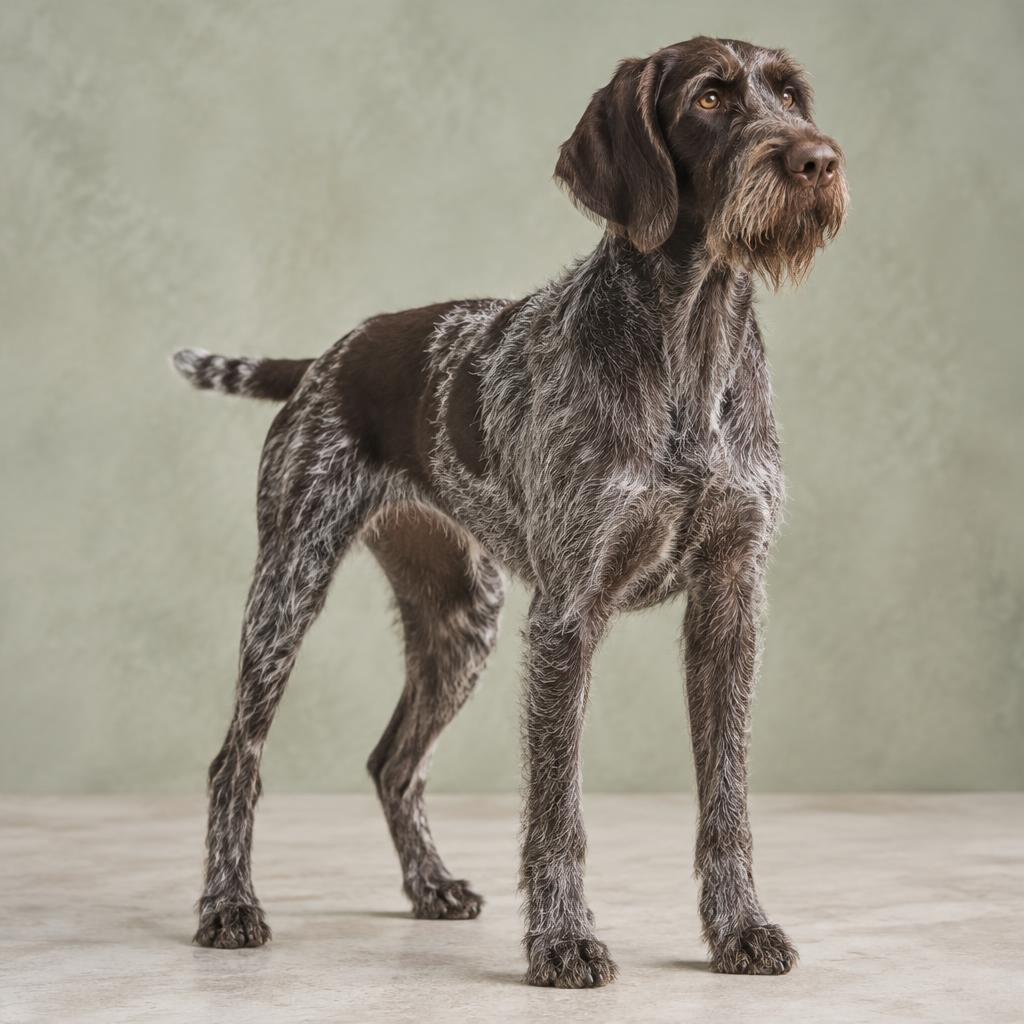
| German Wirehaired Pointer | 25 to 32 kg | 9/10 | 4/10 | €103 |
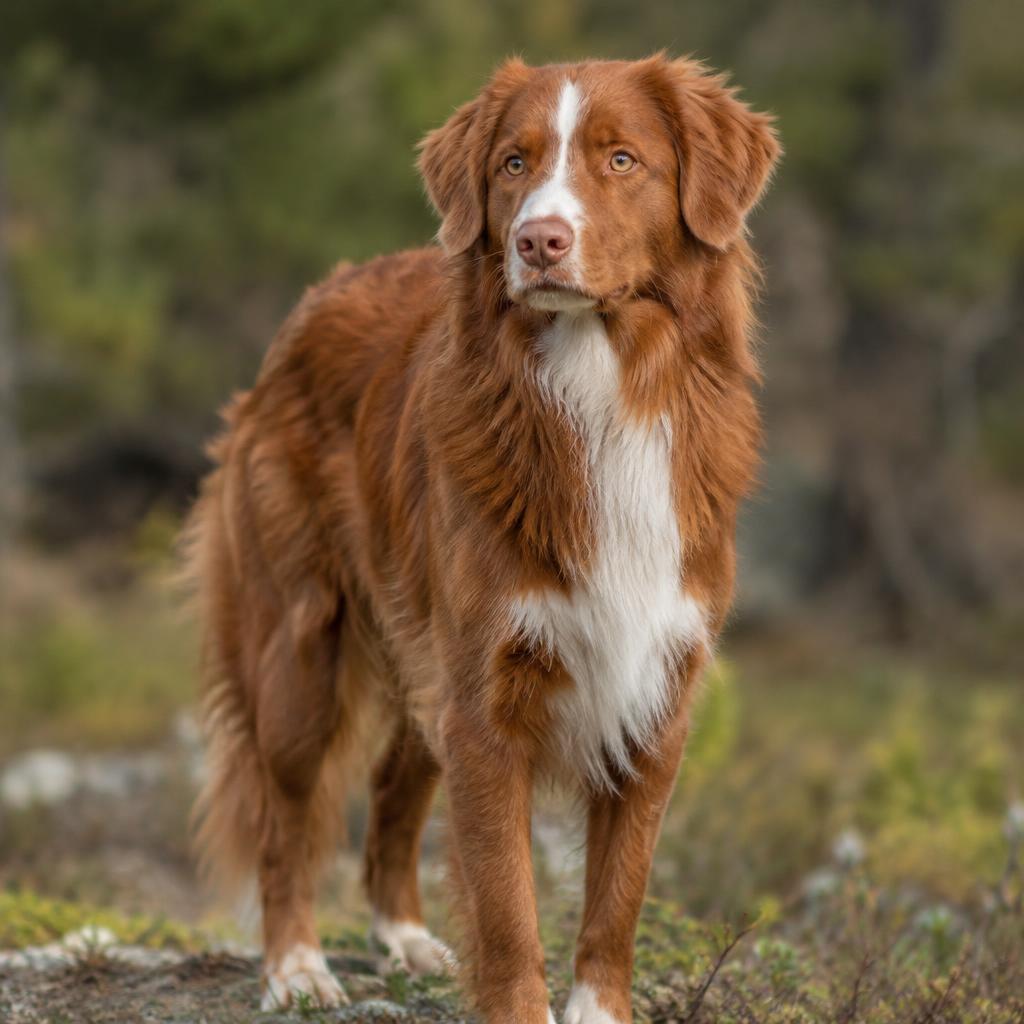
| Nova Scotia Duck Tolling Retriever | 17 to 23 kg | 9/10 | 5/10 | €175 |
Jack Russell Terrier questions, answered
Are Jack Russell Terriers good with children?
They can be loyal and playful with older, respectful children, but their boldness and low tolerance for rough handling mean supervision with younger children is important. Their small size also means they can be injured by overly boisterous play.
Do Jack Russell Terriers get along with other pets?
Their very strong prey drive puts small pets such as rabbits, guinea pigs and sometimes cats at real risk, so coexistence needs great caution or is best avoided. Sociability with other dogs can also be limited, particularly with unfamiliar dogs of the same sex.
How much exercise does a Jack Russell Terrier need?
Around 60 minutes a day combining walks, off lead time in secure areas and mental stimulation is generally needed. Without enough exercise, this breed readily becomes destructive, vocal or prone to escaping.
Are Jack Russell Terriers easy to train?
They are highly intelligent and capable of excellent obedience and agility work, but their independent streak means training suits an experienced, consistent owner best. Positive, engaging methods work far better than repetitive drilling.
Do Jack Russell Terriers bark a lot?
Yes, they can be quite vocal, particularly when under-exercised, bored, or alerting to something of interest. Sufficient daily exercise and mental stimulation help reduce excessive barking.
What health problems are Jack Russell Terriers prone to?
Patella luxation and primary lens luxation are the most notable concerns, so choosing a breeder who screens breeding stock for both matters. The breed is otherwise generally robust and often long lived.
Sources
- Jack Russell Terrier breed information, The Kennel Club
- Jack Russell Terrier breed information, American Kennel Club
- Primary lens luxation in terriers, British Veterinary Association
- Patella luxation in dogs, PDSA
- Jack Russell Terrier Club of Great Britain, Jack Russell Terrier Club of Great Britain
Put it into practice
Reading that goes with this
Behaviour
Introducing a New Dog to Your Dog: A Step-by-Step Plan
Lifestyle
Travelling With a Dog: Car, Train and Plane

Training
How to Stop a Dog Barking: A Practical Guide
Behaviour
Why Do Dogs Have Zoomies? Frenetic Energy Explained

Health
Dog Reverse Sneezing: Causes and What to Do

Behaviour
Dog Scared of Fireworks: A Calm Preparation and Recovery Plan
Health
Dog Worms: Types, Symptoms and a Worming Schedule

Health
Why Is My Dog Shaking? Causes and When to Worry

Health
How Long Do Dogs Live? Lifespan by Size and Breed

Health
Foods Dogs Must Never Eat: The Toxic List

Behaviour
Why Do Dogs Roll in Poop? The Instinct Explained

Training
How to Stop a Puppy Biting: A Week-by-Week Plan

Health
Dog Bee Sting: What to Do in the First Hour

Care
Dog Years to Human Years: The Real Science