
Dog Bee Sting: What to Do in the First Hour
Stung on the paw, the muzzle or, worse, inside the mouth? Here is the calm, correct first aid for a bee or wasp sting, and the red flags that mean the emergency vet.
The SniffScroll desk
Published 10 October 2026
Reviewed by the SniffScroll editorial team
The short version
- Scrape the stinger out sideways with a card edge; never squeeze it with tweezers, as that injects more venom.
- A cold compress and preventing licking is all most stings need; swelling peaks within hours and fades over a day or two.
- Stings inside the mouth or throat, spreading swelling, breathing changes or collapse mean the emergency vet, immediately.
- Only give antihistamines on your vet's specific advice; some human formulations are toxic to dogs.
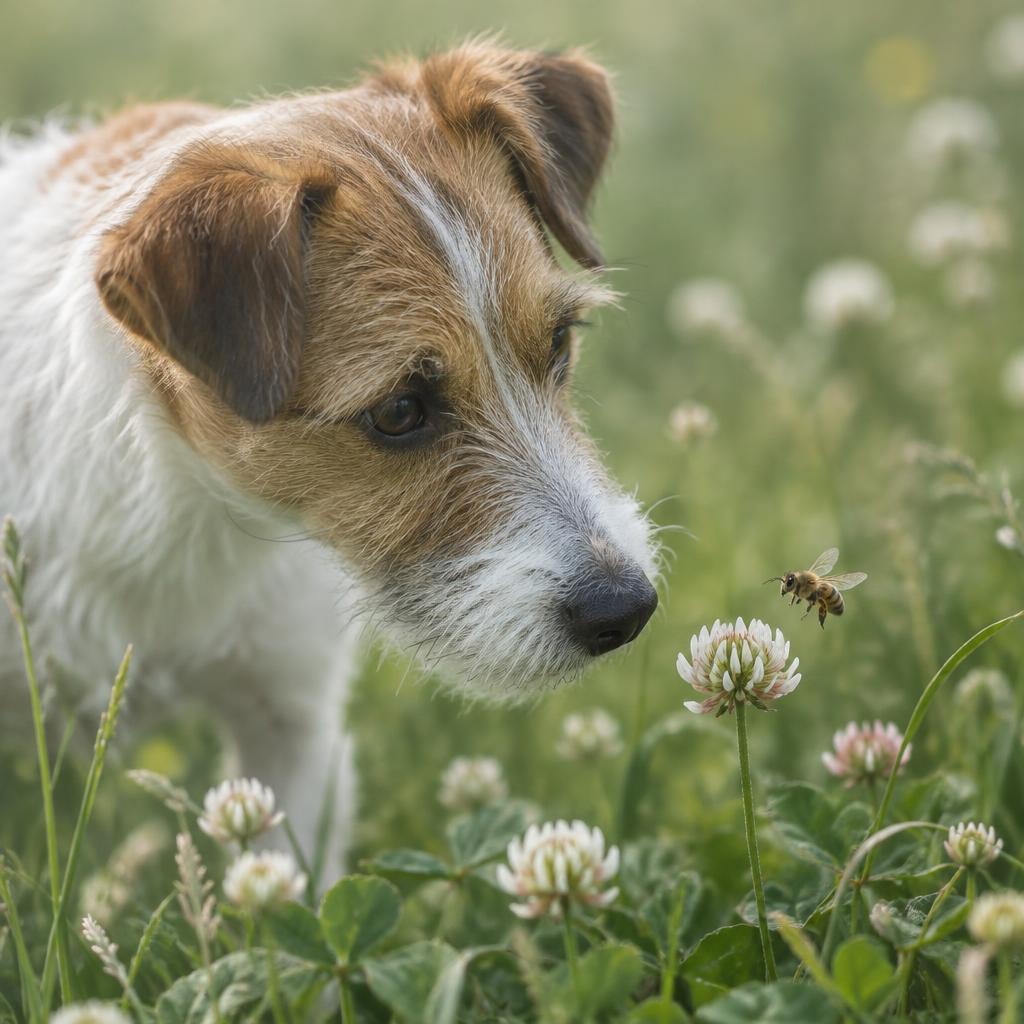
Dogs meet bees nose-first, so stings on the muzzle, lips and paws are a rite of summer for curious dogs. Most stings are painful but harmless, settling within hours with simple first aid. A minority, particularly stings in the mouth or throat, or stings in dogs allergic to venom, become emergencies within minutes, and knowing the difference is the whole game.
This guide covers exactly what to do in the first hour, what is normal, what is not, and when a sting means a dash to the vet.
Stung: what to do in the first ten minutes
For a straightforward sting, remove the stinger by scraping it sideways, apply a cold compress, and watch your dog closely for the next few hours.
Work through these steps calmly:
- 1Move away from the area. A crushed or threatening bee releases alarm pheromones that attract others. Get indoors or away from the flowers.
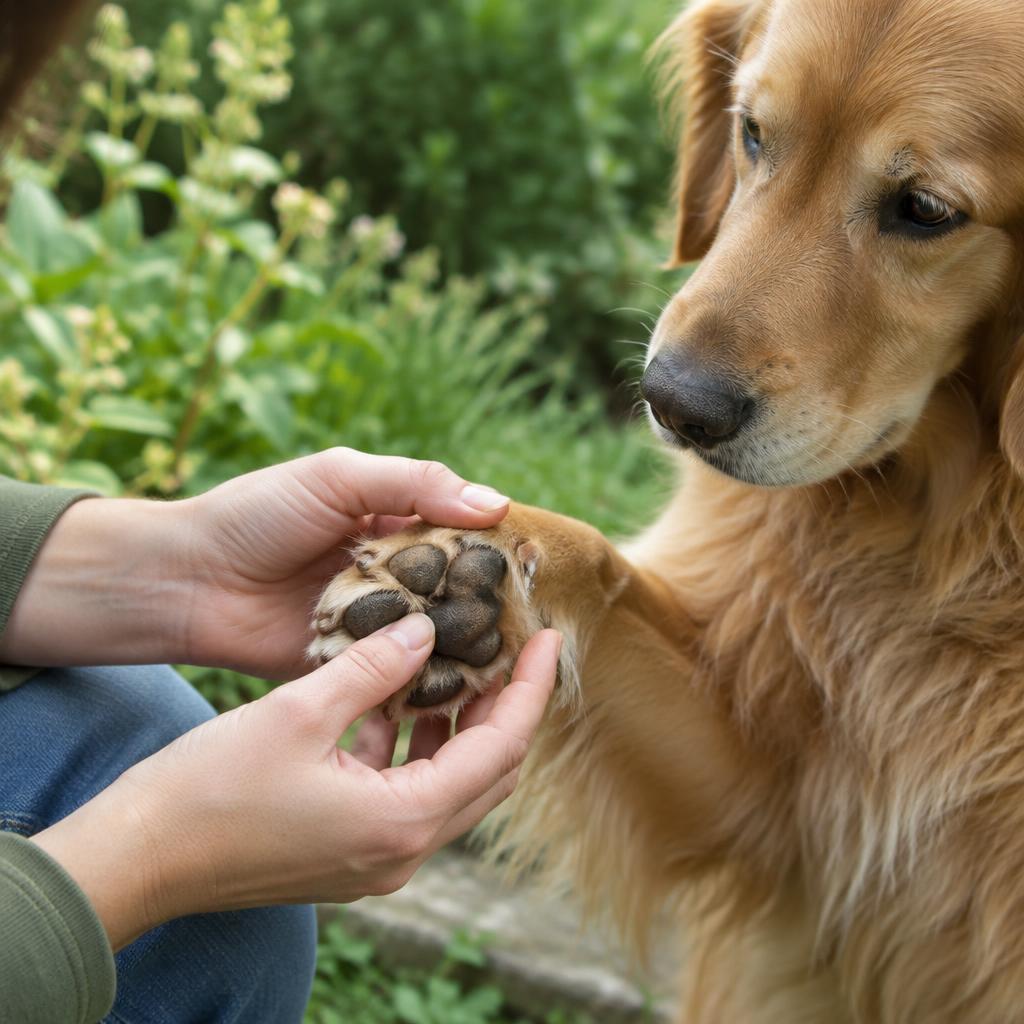
- 2Find the sting site. Paws, muzzle, lips and nose are the usual spots. A sudden yelp followed by frantic paw licking or face rubbing is the classic story.
- 3Remove the stinger if you can see it. Honeybees leave a barbed stinger that keeps pumping venom. Scrape it out sideways with a credit card edge or your fingernail. Do not squeeze it with tweezers; that injects more venom. Wasps do not leave a stinger.
- 4Cold compress. A cloth wrung out in cold water, or a wrapped ice pack, held on the area for ten minutes reduces swelling and pain.
- 5Stop the worrying. Prevent licking and scratching as best you can; a buster collar or a sock over a paw helps.
- 6Settle in to watch. Most of the risk is in the first few hours, so keep your dog with you rather than shutting them away alone.
What is normal after a sting?
A normal sting reaction is a painful, swollen, itchy lump at the sting site that peaks within a few hours and settles over a day or two.
Expect some combination of:
- A raised, warm, tender bump
- Swelling around the site, which can look dramatic on the face and muzzle
- Limping if a paw was stung
- Licking, nibbling or rubbing at the area
- Mild grumpiness or clinginess
A swollen muzzle can look alarming, with one side of the face puffing up like a chipmunk, but if your dog is breathing normally, bright and otherwise themselves, this is usually just a vigorous local reaction and still settles on its own. Antihistamines are sometimes suggested for this, but only give one on your vet's specific advice and dosing; several human formulations contain decongestants that are toxic to dogs.

The red flags: when a sting is an emergency
A bee sting becomes an emergency when swelling affects the mouth or throat, when the reaction is generalised rather than local, or when the dog has been stung many times.
Go straight to the vet, without waiting, if you see any of these:
- Sting inside the mouth or throat. Swelling here can block the airway. A dog stung while snapping at a bee is always a vet trip.
- Facial swelling plus breathing changes. Noisy breathing, wheezing, or obvious effort to breathe.
- Generalised reaction. Hives or swelling spreading over the body, not just at the sting site.
- Vomiting or diarrhoea shortly after the sting.
- Weakness, wobbliness, pale gums or collapse.
- Multiple stings. A swarm event delivers a dangerous venom load even without allergy.
- A known previous bad reaction. Dogs, like people, can react worse to each subsequent sting.
These signs point to anaphylaxis, a full-body allergic reaction, which is treatable but genuinely time-critical. Vets treat it with injectable antihistamines, steroids and adrenaline where needed, and outcomes are excellent when treatment is fast.
Interactive · sting triage
Bee or wasp sting: how serious is it?
Tell us where your dog was stung and what you are seeing. We will tell you whether home care is enough or how fast to move.
What to do
- Scrape the stinger out sideways with a card edge or fingernail; do not squeeze it with tweezers.
- Hold a cold, damp cloth or wrapped ice pack on the area for ten minutes.
- Prevent licking and watch your dog closely for the next few hours.
Simple sting: home first aid is fine
Only give antihistamines on your vet's specific advice and dosing; some human formulations are toxic to dogs.
Bee, wasp or something else?
Bees sting once and leave a barbed stinger behind; wasps can sting repeatedly and leave nothing; both cause similar local reactions, but wasp stings tend to burn more and bees swarm more.
The practical differences:
| Bee | Wasp | |
|---|---|---|
| --- | --- | --- |
| Stinger left behind | Yes, scrape it out | No |
| Can sting repeatedly | No | Yes |
| Typical encounter | Sniffing clover, stepping on one | Raiding picnics, disturbing nests |
| Venom | Similar potency | Similar potency |
The management at home is the same either way. What matters more is the location of the sting and how your dog's body responds, not which insect delivered it. If your dog disturbed a nest and was stung repeatedly, skip the home care and go straight in.
Aftercare: the next 24 hours
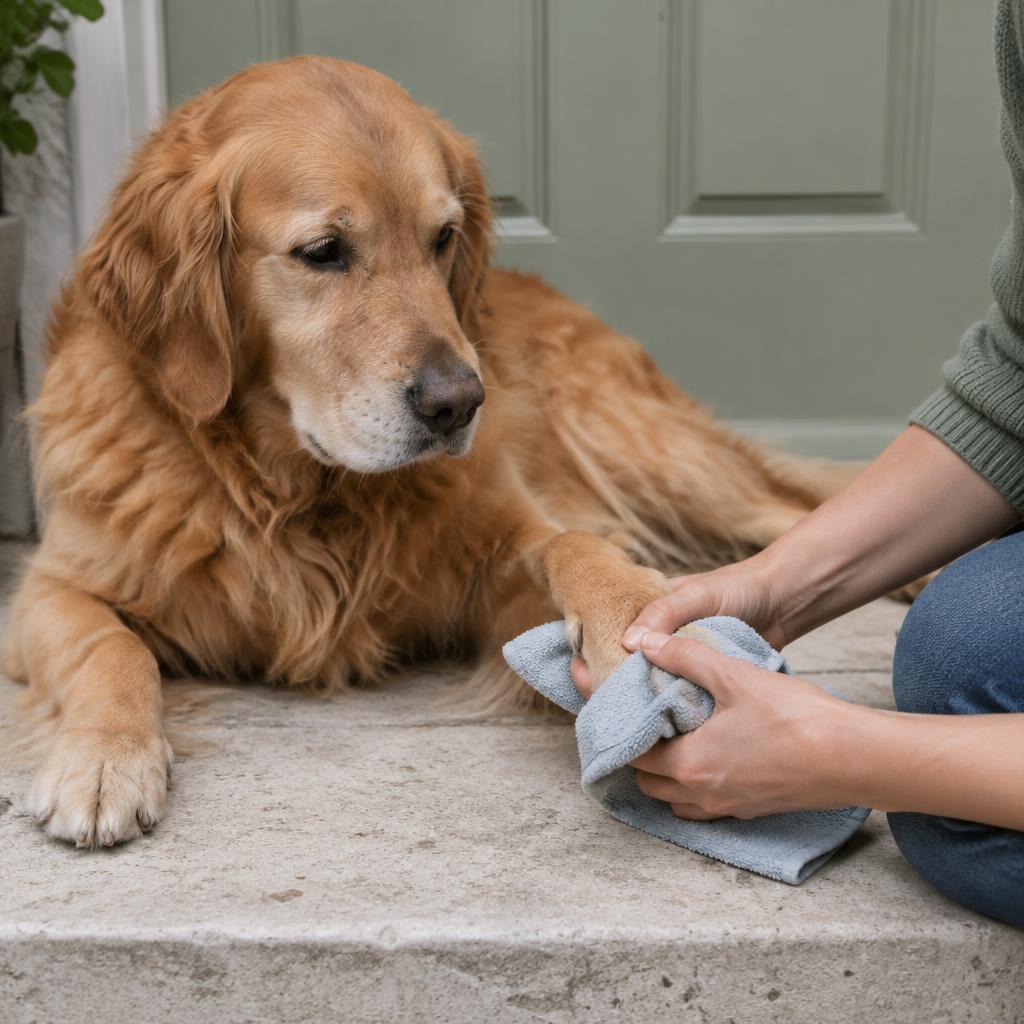
After a simple sting, keep the area cool and clean, prevent licking, and expect the swelling to peak within hours and fade over a day or two.
A simple aftercare routine:
- Cold compresses for ten minutes at a time, a few times over the first evening
- A buster collar or light dressing if the licking will not stop
- Normal food and water; a sting on the muzzle may make eating sore, so soften the food if needed
- A quiet evening; skip the long walk if a paw is sore
- Check the site morning and evening for spreading redness, heat or discharge, which would suggest infection
Most stings are a memory within 48 hours. If the swelling is still getting worse after 24 hours rather than better, or the area becomes hot, oozing or smelly, see the vet; the sting site can become infected, and occasionally a retained stinger needs removing properly.
Prevention: lowering the odds next summer
You cannot stop a curious dog investigating bees, but you can cut the risk with a reliable "leave it", smart timing and a garden check.
Worth doing:
- Teach a solid "leave it". It is the single most useful cue for bee season and for life in general. Our training guides cover the foundations if you are starting from scratch.
- Walk early or late on hot days when bees are less active, and keep to paths through clover-heavy meadows.
- Check the garden for nests in sheds, wall cavities and compost heaps, and have wasp nests dealt with professionally.
- Watch the snappers. Some dogs make a sport of catching flying insects. These are the dogs most likely to take a sting inside the mouth, so interrupt the game when you can.
- Know your dog's history. A dog who has reacted badly once should be discussed with your vet before the next summer; some owners of allergic dogs carry a vet-prescribed plan.
Stings on paws versus stings on the face
Where the sting lands changes both the experience and the risk, and it is worth knowing the difference.
Paw stings are the commonest. The dog trods on a bee, yelps, and starts licking the foot. These are painful but low risk: scrape out the stinger, cold compress, stop the licking, and expect a limp for a day. Check between the pads and toes carefully, because the stinger often hides in the fur.
Muzzle and lip stings look far worse than they usually are. The loose skin of the face swells dramatically, sometimes closing an eye or giving the dog a lopsided, chipmunk look. As alarming as this appears, if the dog is breathing normally and otherwise bright, it is still a local reaction and usually settles over 24 to 48 hours.
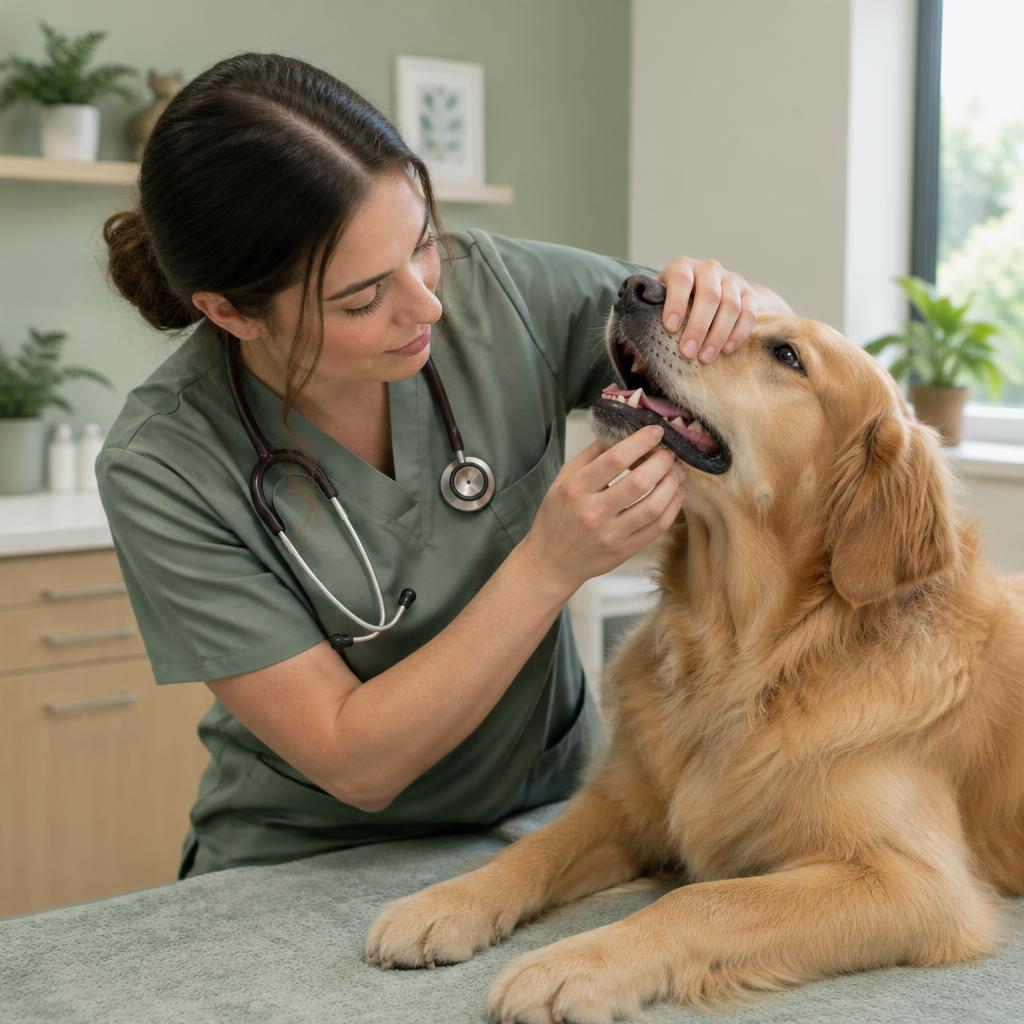
Mouth and throat stings are the dangerous ones. A dog who snaps at a bee and catches it can be stung on the tongue, gums or the back of the throat, and swelling there can compromise the airway. These dogs need a vet immediately, even if they currently look fine, because the swelling can progress over the following hour. The rule is simple: outside the mouth, watch at home; inside the mouth, go in.
Bee stings in puppies and small dogs
Small dogs and puppies get the same venom dose as a big dog from the same sting, so their reactions can be proportionally stronger, and the threshold for phoning the vet should be lower.
A single sting in a toy breed or a young puppy is still usually a local problem, but watch them more closely and for longer. Multiple stings in a small dog are a genuine emergency at much lower numbers than in a Labrador. And because puppies explore with their mouths, they are over-represented in the mouth-sting group, which is the group that always needs the vet.
Wasps, nests and the late-summer problem
Late summer brings a particular risk: wasps become more numerous and more irritable as their colonies wind down, and they are drawn to picnics, fallen fruit and outdoor dog bowls. A dog who snaps at one wasp near a nest can provoke several, and multiple stings are a vet emergency regardless of where they land. If you find a nest in the garden, keep the dog away from that area entirely and have the nest dealt with professionally; do not attempt it yourself with the dog anywhere nearby. Picking up fallen fruit promptly and not leaving food bowls outside removes most of the attraction.
Finally, keep your vet's number and the out-of-hours number saved in your phone before you need them. Stings happen on summer evenings and weekends, and knowing exactly who to call removes one decision from a moment when you would rather be watching your dog.
When to see a vet
Go immediately for mouth or throat stings, spreading swelling, breathing changes, vomiting, weakness or multiple stings; phone for advice if the swelling is dramatic but your dog is bright and breathing normally.
When in doubt, phone the practice. Describing the sting site, the time it happened and what your dog is doing now takes two minutes, and the answer is usually either "come in now" or "do exactly what you are doing and call back if anything changes". Both are good outcomes.
The bottom line
Most bee stings are a sore paw, a puffy nose and a sorry-looking evening, and they heal with a cold compress and a watchful eye. The exceptions, mouth and throat stings, spreading reactions and swarm events, declare themselves quickly and need a vet equally quickly. Learn the red flags once, and every summer after that gets calmer.
Questions people actually ask
What should I do if my dog is stung by a bee?
Move away from the area, scrape the stinger out sideways with a card edge or fingernail, apply a cold compress for ten minutes, prevent licking, and watch your dog closely for the next few hours.
How long does a bee sting last on a dog?
Swelling and soreness usually peak within a few hours and settle over 24 to 48 hours. If the area is still getting worse after 24 hours, or becomes hot, oozing or smelly, see the vet.
Can I give my dog antihistamines for a bee sting?
Only on your vet's specific advice and dosing. Several human antihistamine products contain decongestants and other ingredients that are toxic to dogs, so never guess the product or the dose.
Is a bee sting on the mouth dangerous for dogs?
Yes. Stings inside the mouth or throat can swell enough to block the airway, so a dog stung while snapping at a bee should go straight to the vet, even if they currently look fine.
What does an allergic reaction to a bee sting look like in dogs?
Hives or swelling spreading beyond the sting site, vomiting or diarrhoea, weakness, wobbliness, pale gums, breathing changes or collapse. This is anaphylaxis and needs emergency treatment.
Are wasp stings worse than bee stings for dogs?
The venom is similar, but wasps can sting repeatedly and leave no stinger behind, while bees sting once and leave a barbed stinger that should be scraped out. Management at home is otherwise the same.
Sources
Breeds mentioned


Read next
Dog Dry Heaving: Causes and When It Is an Emergency
Dog dry heaving is usually throat irritation or mild nausea, but repeated unproductive retching with a swollen, tight belly can be bloat (GDV), a life-threatening emergency.


