
Introducing a New Dog to Your Dog: A Step-by-Step Plan
First impressions matter between dogs. A slow, neutral-ground introduction and a quiet first fortnight give two dogs the best chance of becoming friends.
The SniffScroll desk
Dog care editors
Published 9 October 2026
Reviewed against RVC, BSAVA and PDSA guidance
The short version
- Introduce dogs on neutral ground first, never at the front door or in the resident dog's territory.
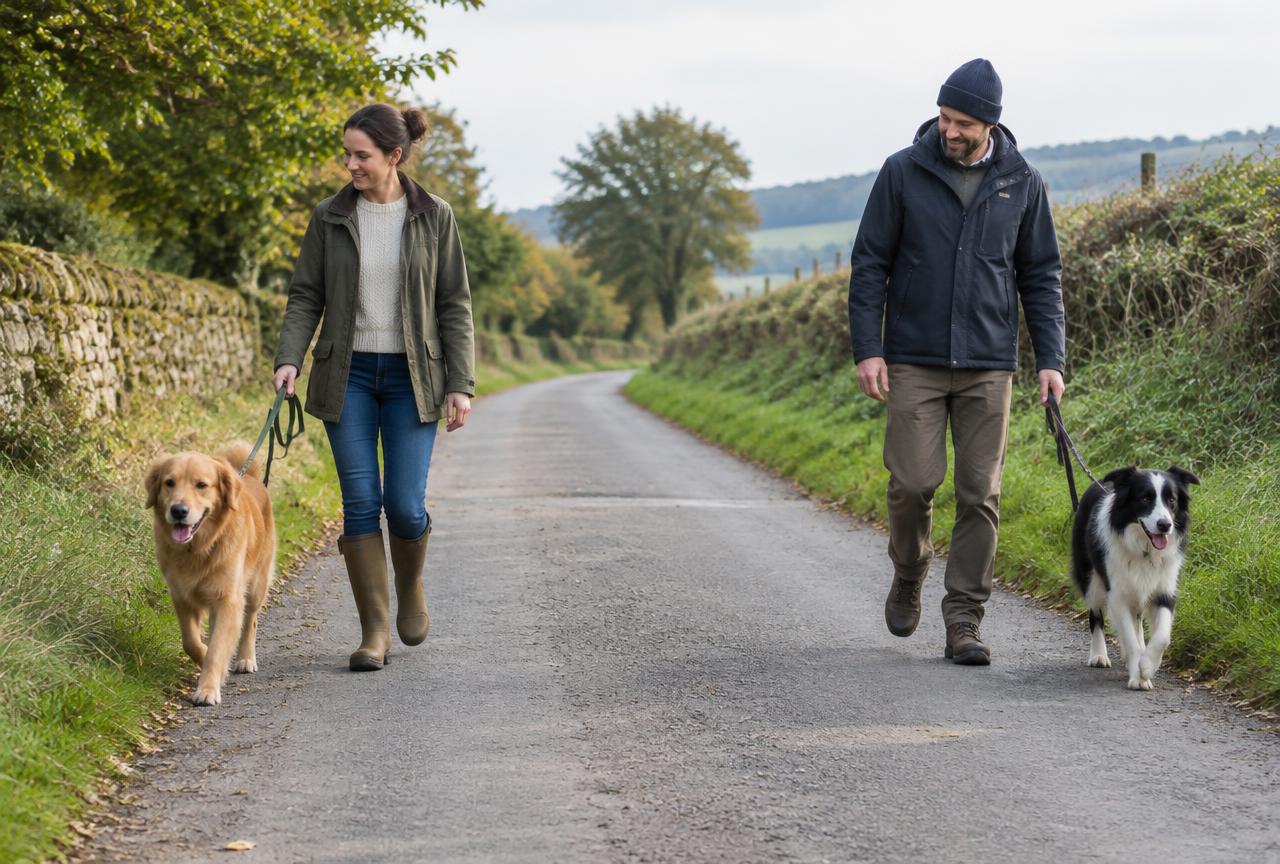
- Parallel walks let dogs get used to each other before any face-to-face greeting.
- Keep first greetings to about three seconds on loose leads, then call the dogs apart and reward.
- Manage the first two weeks at home with baby gates, separate rest areas and no shared toys or bowls.
- A resident dog with a history of fights needs a professional assessment before a new dog arrives.
Knowing how to introduce dogs properly can decide whether two dogs become lifelong friends or uneasy housemates. A rushed first meeting at the front door, with toys on the floor and everyone excited, is how many problems start. A slow, structured introduction gives both dogs the space they need to decide the other is not a threat.
This guide covers choosing a good match, the first meeting, the first two weeks at home and the signs that you need help.
Start with a good match
The easiest introduction is the one between two well-matched dogs. Before you bring a new dog home, think about your resident dog's personality and needs.
- Energy level: a sleepy senior and a boisterous young Border Collie may struggle.
- Play style: some dogs love wrestling, others prefer chase or gentle sniffing.
- Size: big size gaps need careful play supervision.
- Social history: a dog who has always enjoyed other dogs is a safer bet than one who is selective.
Our breed matchmaker can help you think through energy and temperament before choosing.
| Pairing | Usual ease | Watch for |
|---|---|---|
| Two sociable adults | Easy | Resource guarding of toys |
| Puppy and tolerant adult | Moderate | Adult needs regular breaks |
| Puppy and senior | Harder | Pain, fatigue, pestering |
| Selective resident dog | Harder | Slow everything down |
| Big size difference | Moderate | Accidental injury in play |
Meet on neutral ground
The first meeting should happen somewhere neither dog considers its own territory. A quiet park, lane or field works well, with one person handling each dog.
Avoid the front door, the garden and the car. These are places where the resident dog is most likely to feel it needs to defend its space.
The step-by-step introduction
A calm, gradual introduction lets the dogs get used to each other before they are face to face. Use the planner below to adjust the steps for your dogs.
Interactive · introduction planner
Plan the first meeting
Tell us about both dogs and we will lay out the introduction step by step.
Your introduction plan
- Meet on neutral ground first, never at your front door.
- Walk parallel, a few metres apart, until both dogs can sniff the ground and ignore each other.
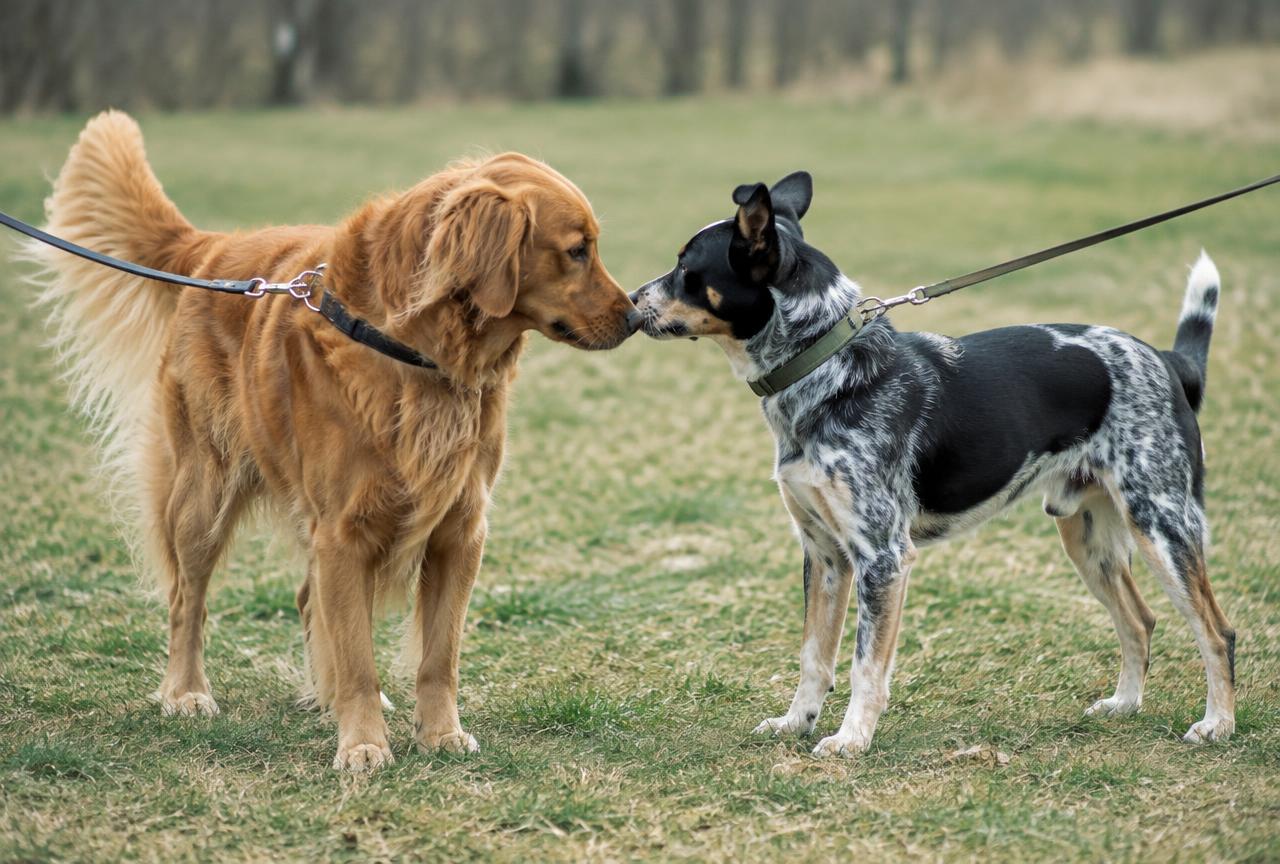
- Allow a brief 3-second greeting on loose leads, then call apart and reward.
- Arrive home together, with toys, chews and bowls already put away.
- Use baby gates and separate rest areas for the first one to two weeks.
A gradual introduction should go well
Most dogs settle into a working relationship within two to four weeks, and many become firm friends within a few months.
- 1Parallel walk: walk the dogs side by side, several metres apart, until both can sniff the ground and ignore each other.
- 2Close the gap slowly: move a little closer over several minutes, rewarding calm behaviour.
- 3Brief greeting: allow a three-second sniff on loose leads. Tight leads create tension.
- 4Call apart and reward: walk away together, praise both dogs, and repeat if all is well.
- 5Arrive home together: ideally after a walk, with toys, chews and food bowls already put away.
- 6Short supervised time: let the dogs explore the house or garden together briefly, then give them separate rest.
Most fights between new housemates are not about the first meeting. They happen days later, over a bone, a bed or a doorway.
Read the body language
Watching body language closely lets you step in before tension turns into a scuffle.
Good signs: loose, wiggly bodies, curved approaches, play bows, sniffing and moving away, taking turns in games.
Signs to slow down: stiff bodies, hard staring, raised hackles, freezing, lip curling, growling, or one dog repeatedly trying to escape.
When you see tension, calmly call one dog away and give them more distance. Never punish growling, which is an important warning signal.
The first two weeks at home
Management in the first two weeks prevents the small conflicts that can sour a relationship.
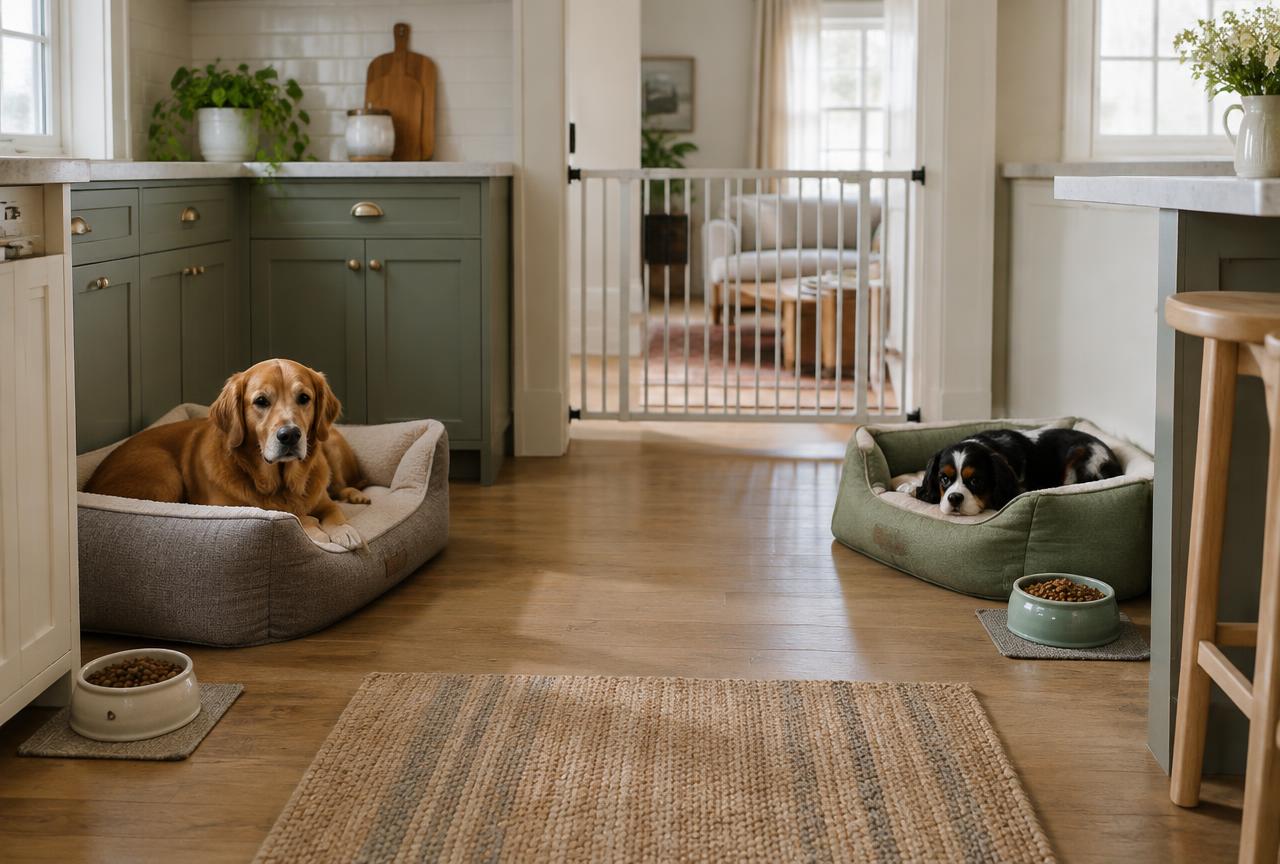
- Use baby gates so each dog can rest without being disturbed.
- Feed in separate rooms or well apart, and pick up bowls afterwards.
- Remove high-value toys and chews when the dogs are together.
- Give the resident dog plenty of one-to-one time and its usual routine.
- Keep walks together short and positive, and give each dog a solo walk too.
Introducing a puppy to an older dog
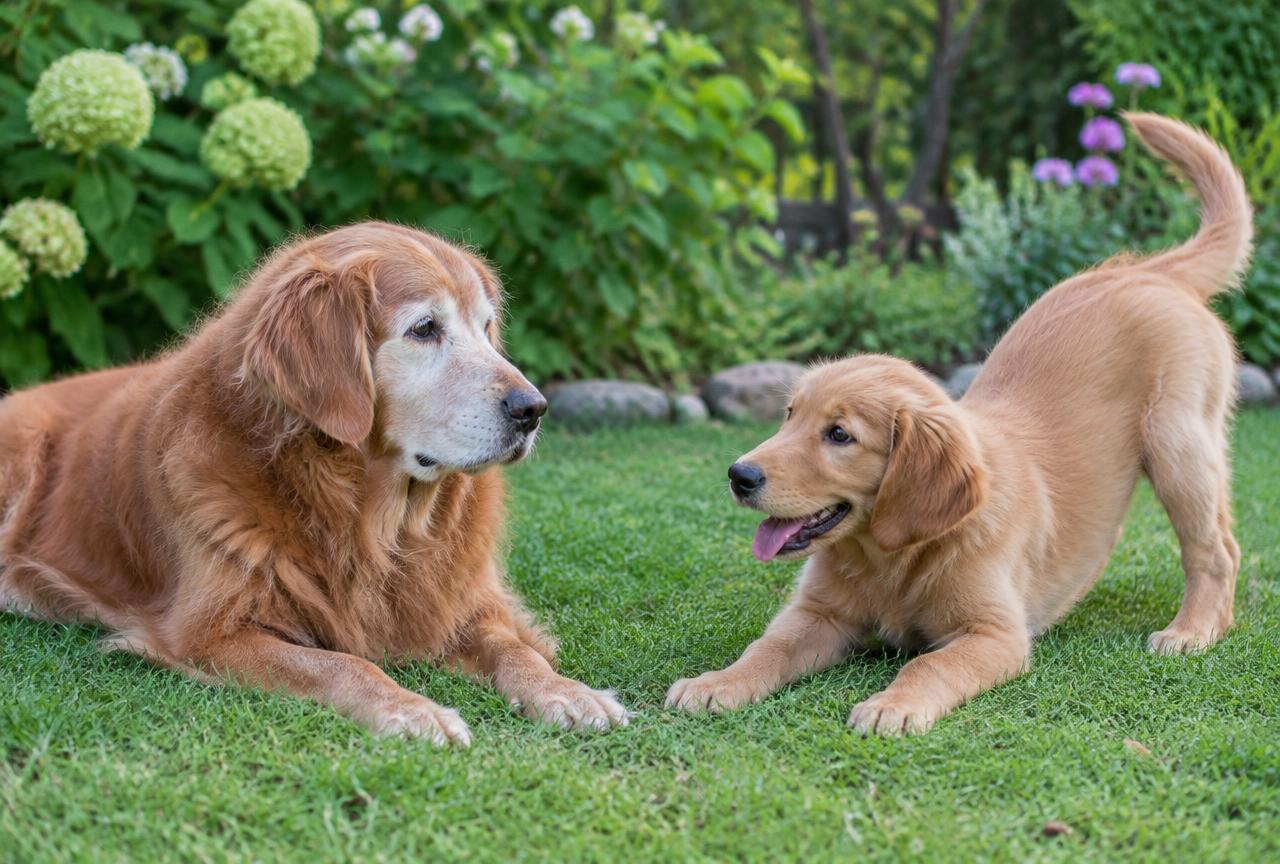
Puppies have no manners and endless energy, and even tolerant adults run out of patience. An older Cavalier King Charles Spaniel may enjoy a puppy for ten minutes, then need peace.
- Give the adult puppy-free time several times a day.
- Interrupt the puppy before it pesters, and redirect it to a toy.
- Allow the adult to give a warning growl; this is normal communication.
- Watch for signs of pain in older dogs, which lowers tolerance. Our dog years guide explains how quickly dogs age by size.
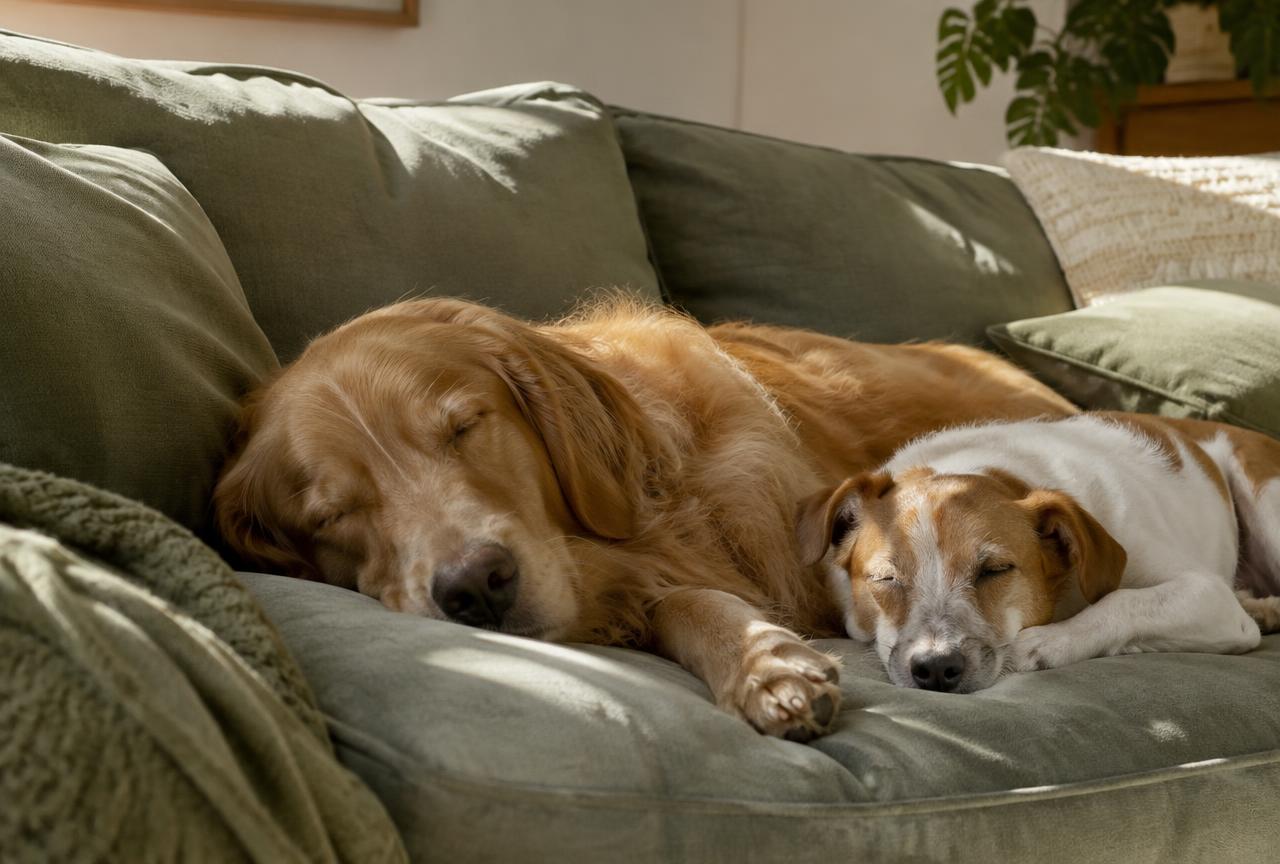
How long does it take for two dogs to get along?
Most pairs of well-matched dogs reach a comfortable truce within the first two to four weeks and a genuine relationship within two to three months. Some take longer, and a small minority never become friends, though they can still live together safely with good management. The calmer you keep the early weeks, the faster things usually go.
| Timeframe | What is typical | What to watch for |
|---|---|---|
| --- | --- | --- |
| Day 1 to 3 | Polite avoidance, lots of sniffing, some stiffness | Freezing, hard stares, raised hackles |
| Week 1 to 2 | Short play bouts, sharing a room under supervision | Guarding of food, toys or the sofa |
| Week 3 to 6 | Relaxed resting in the same space, longer play | Repeated growling at one trigger |
| Month 2 to 3 | Settled routines, shared walks, sometimes sleeping together | Any escalation rather than improvement |
Dogs do not need to be best friends. They need to feel safe around each other.
The resource guarding problem
Most early conflict between dogs is not about dominance. It is about resources: food, chews, beds, a favourite person or a doorway. The resident dog has every reason to feel protective of things that were theirs alone yesterday. Prevention is simple and works.
- Feed in separate rooms or behind a baby gate, and pick up bowls afterwards
- Give high-value chews only when dogs are separated
- Provide more beds than dogs, in different places
- Put away toys that either dog guards, and bring them out one at a time during supervised play
- Give the resident dog one-to-one time every day so their routine does not vanish
Your first-fortnight plan
- 1Before arrival: set up a separate base for the new dog with bed, water and a baby gate. Pick up toys and chews.
- 2Day 1: introduce on neutral ground with a parallel walk, then walk home together. Let the resident dog enter first.
- 3Days 1 to 3: keep interactions short and supervised. Use gates so dogs can see each other without pressure. Give each dog rest breaks alone.
- 4Days 4 to 7: add short sessions of free time in one room, both trailing a light house line so you can separate them calmly.
- 5Week 2: extend shared time, keep feeding separate, walk together daily and reward calm behaviour near each other.
- 6Ongoing: keep separate rest areas for the long term. Every dog benefits from a place to retreat.
Introduction checklist
- Both dogs healthy, vaccinated and treated for parasites
- Neutral meeting spot, two handlers, loose leads
- High-value treats in both handlers' pockets
- Separate bowls, beds and rest areas set up at home
- Baby gates or a crate for supervised separation
- A plan for who walks whom if things go badly
- Patience for a minimum of two weeks before judging the match
The verdict, by household
Adult dog meeting adult dog: a parallel walk, gates at home and separate feeding solve most early friction.
Senior resident with a new puppy: protect the older dog's rest. Our guide to how to socialise a puppy explains how to channel puppy energy elsewhere.
Two dogs of the same sex and similar age: be extra watchful; these pairings carry a slightly higher risk of conflict, particularly among some terrier and guardian breeds.
Very different sizes, such as a [Chihuahua](/breeds/chihuahua) and a [Labrador Retriever](/breeds/labrador-retriever): supervise play closely; an enthusiastic big dog can hurt a small one by accident.
Unsure which breed to add? The breed matchmaker includes sociability with other dogs.
When to see a vet or behaviourist
Some introductions need professional support, and it is better to get it early.
- Your resident dog has fought with or bitten another dog before.
- There is a fight that causes injury, or repeated scuffles.
- One dog stops eating, hides constantly or seems withdrawn.
- A dog becomes suddenly irritable, which may mean pain. See your vet.
A qualified behaviourist, such as one registered with the Animal Behaviour and Training Council, can assess both dogs and plan a safe introduction.
The short version
Choose a good match, meet on neutral ground, walk in parallel, keep the first greeting short, and manage the first two weeks carefully. Most dogs settle within a few weeks, and many become inseparable companions.
Introduction myths, checked
| Myth | What the evidence says |
|---|---|
| --- | --- |
| Let them sort out the hierarchy | Conflict is usually about resources, and fighting it out risks injury |
| Meeting at home is easiest | Neutral ground lowers territorial pressure for the resident dog |
| A growl means the match has failed | A growl is communication; respect it and add space |
| Puppies always get a free pass | Many adult dogs find puppies tiring; protect their rest |
| Two weeks is long enough to judge | Many pairs need two to three months to settle |
Patience is the hidden ingredient. Pairs that start slowly usually end up living together more happily than pairs that were rushed.
Questions people actually ask
How do you introduce two dogs for the first time?
Meet on neutral ground, such as a quiet park or lane, with each dog handled by a different person. Walk them in parallel a few metres apart until both are relaxed, then allow a brief, loose-lead greeting of about three seconds. Call them apart, reward, and repeat.
How long does it take for dogs to get used to each other?
Most dogs settle into a working relationship within two to four weeks, and many become firm friends within a few months. Some pairs take longer, especially when one dog is older, anxious or selective with other dogs.
How do I introduce a puppy to an older dog?
Use the same neutral-ground start, then protect the older dog at home with baby gates and puppy-free breaks several times a day. Interrupt the puppy before it pesters, and reward the older dog for tolerating it. Never punish the older dog for growling a warning.
Should I let the dogs fight it out?
No. Letting dogs fight it out risks injury and can create lasting fear between them. Interrupt tense moments early, separate the dogs calmly and give them more time apart before trying again.
What are signs dogs are getting along?
Loose, wiggly bodies, play bows, taking turns in chase or wrestling, voluntary pauses and choosing to rest near each other are all good signs. Stiffness, hard staring, raised hackles or one dog constantly trying to escape are signs to slow down.
Is it better to get a male or female second dog?
Opposite-sex pairs are often said to get along most easily, but individual temperament matters more than sex. Matching energy levels, age and play style is the best predictor of a happy pairing.
How long does it take for two dogs to get along?
Many well-matched dogs settle into a calm routine within two to four weeks and form a relaxed relationship within two to three months. Some pairs take longer. Keep early interactions short and supervised, feed separately and give each dog a retreat space. If tension is increasing rather than fading, ask a qualified behaviourist for help.
Should I let my dogs fight it out?
No. Letting dogs fight it out can cause injuries and teaches both dogs that conflict works, which often makes things worse. Prevent flashpoints by separating food, chews and beds, interrupt tension calmly before it escalates, and contact your vet or an accredited behaviourist if either dog shows serious aggression.
Sources
- Introducing dogs to each other, Dogs Trust
- Introducing a new dog to your dog, Blue Cross
- Introducing dogs, RSPCA
- Getting a second dog, The Kennel Club
- Position statements on behaviour, AVSAB
- Introducing a new dog to your dog, RSPCA
Breeds mentioned

Golden Retriever
A gentle, biddable gundog famed for its patience with children and its glossy golden coat.

Border Collie
The world's most capable herding mind, needing an equally capable owner to match it.

Cavalier King Charles Spaniel
An affectionate, adaptable toy spaniel that thrives on human company above almost anything else.
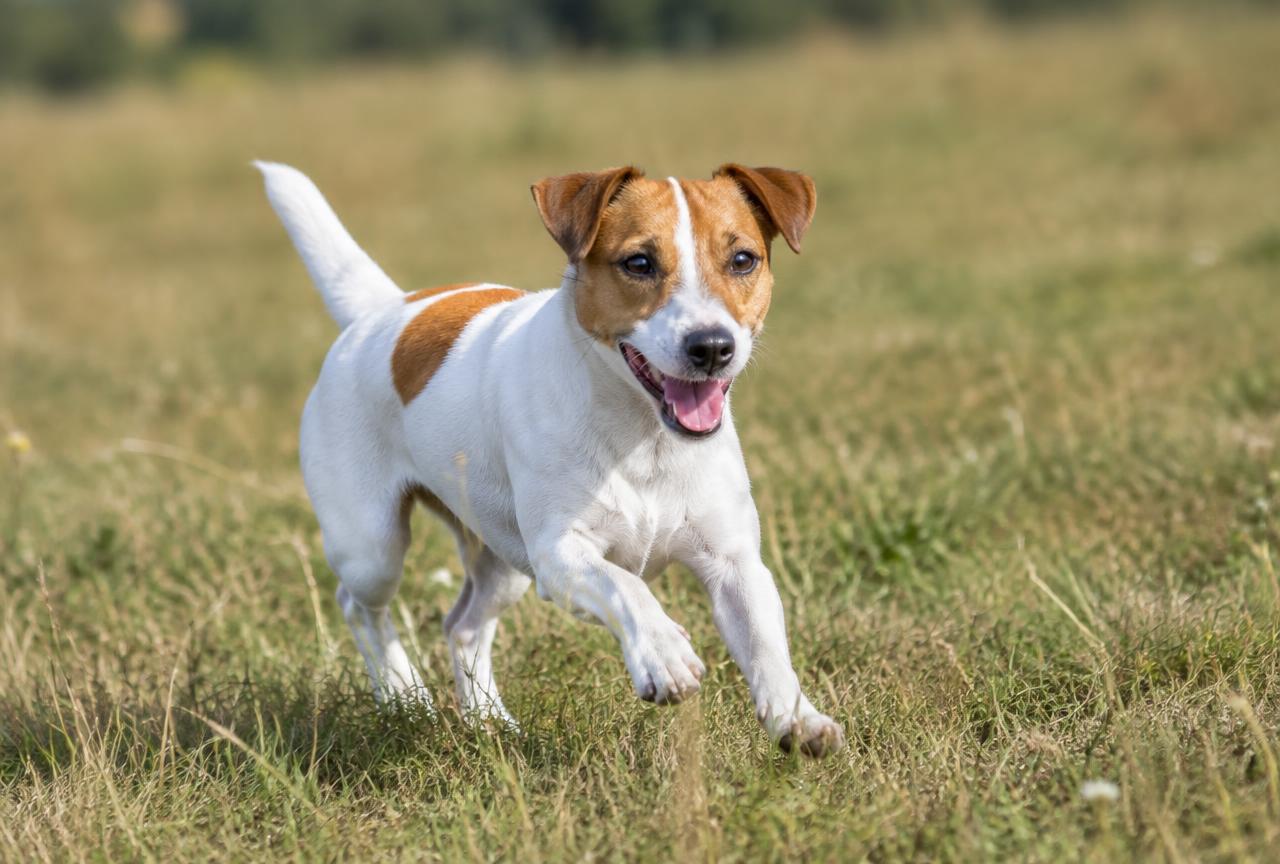
Jack Russell Terrier
A bold, tireless working terrier with huge personality packed into a small frame.
Put it into practice
Read next
Why Do Dogs Roll in Poop? The Instinct Explained
Why dogs roll in the worst smells they can find, what the behaviour is really about, and how to prevent it or at least clean up well afterwards.


