Pastoral group
United Kingdom (England-Scotland border)
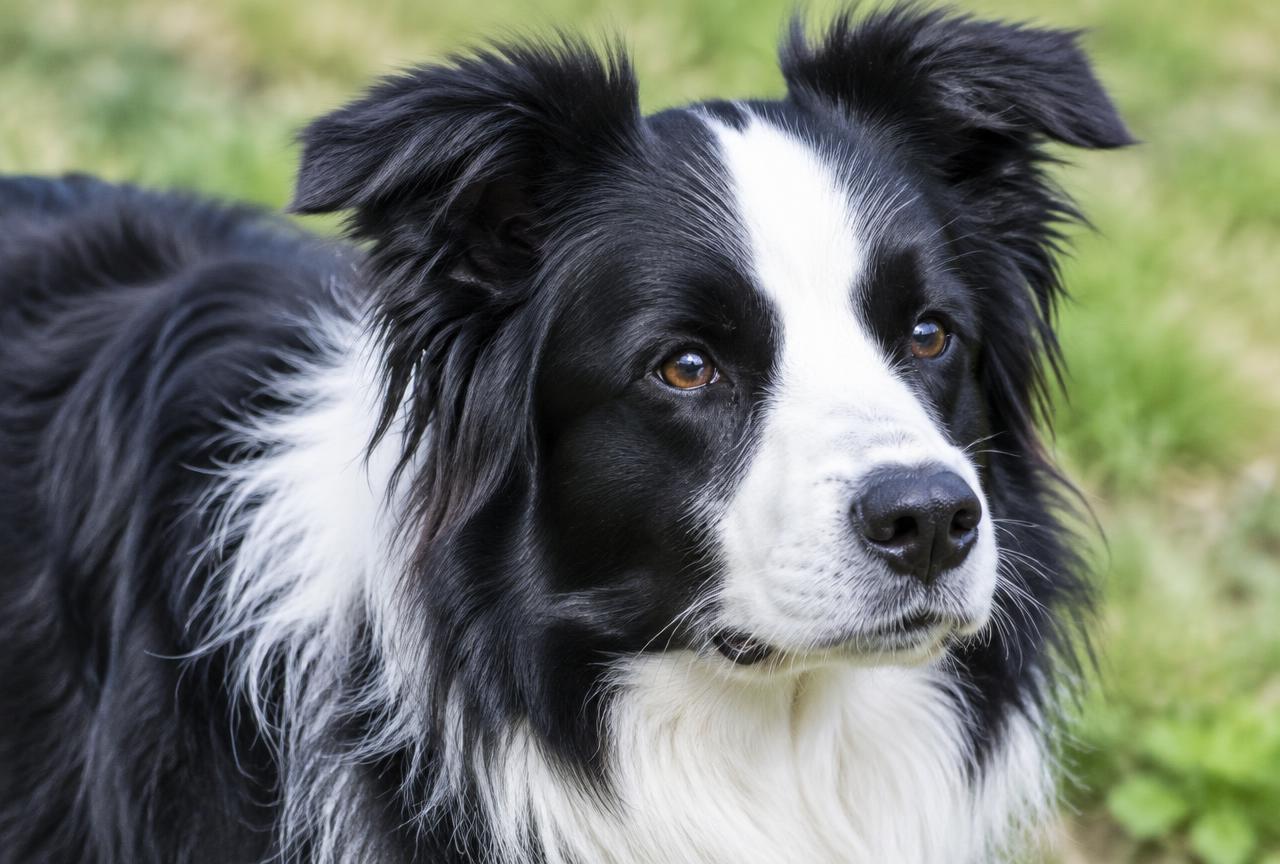
Border Collie
The Border Collie is widely considered the most intelligent dog breed, bred for relentless working stamina and demanding serious daily mental and physical exercise.
Reviewed against Kennel Club and breed club health guidance
The world's most capable herding mind, needing an equally capable owner to match it.
The short version
- Border Collies are widely regarded as the most intelligent dog breed and need serious daily mental and physical work.
- Without adequate stimulation, this breed commonly develops obsessive or anxious behaviours.
- Herding instinct can lead to nipping at heels or chasing joggers and cyclists if not redirected through training.
- The MDR1 gene mutation affects a notable proportion of the breed and should be DNA tested before certain medications are given.
- This breed excels in dog sports such as agility, flyball and sheepdog trials, which suit its working drive well.
- Weight
- 12 to 24 kg
- Height
- 46 to 56 cm
- Lifespan
- 12 to 15 yrs
- Size
- Medium
- Group
- Pastoral
- Coat
- Medium double coat, smooth or rough
- Grown male
- 14 to 24 kg
- Grown female
- 12 to 19 kg
- Years to full size
- about 1.5
- One-off setup
- €500 to 1000
Get one if…
- Experienced, highly active owners
- Households involved in dog sports such as agility or flyball
- Working farms or smallholdings needing a stockdog
- Owners with hours of daily time to commit to training
- People wanting a highly responsive, biddable dog
Think again if…
- First-time or sedentary owners
- Flat dwellers without garden or open space access
- Households with very young children and cyclists nearby unmanaged
- Owners wanting a dog content to be left alone for long periods
- People wanting a low key, easygoing companion
Trait profile
Unmatched trainability and drive are paired with the highest exercise needs of almost any breed and a low tolerance for boredom or solitude.
Space & setup. Needs a securely fenced garden and regular access to open space for running; flat living is rarely suitable.
Allergies. Moderate seasonal shedding from the double coat; not a good choice for allergy sufferers.
Living with a Border Collie
The Border Collie was developed along the England-Scotland border to herd sheep across demanding terrain, and its intense working drive remains fully intact in the modern pet. It is an outstanding match for active, engaged owners and a genuinely poor fit for anyone wanting a relaxed companion.
The Border Collie takes its name from the border country between England and Scotland, where it was refined over centuries specifically for the intense, independent stockwork of gathering and moving sheep across open hill country. Unlike breeds developed primarily for companionship, every element of the Border Collie, from its famous 'eye' stalking crouch to its stamina and problem solving ability, was selected purely for working performance. This is arguably the most intelligent dog breed by working and obedience measures, and that intelligence is not a passive trait; it demands an active outlet or it turns inward on the household.
At home, Border Collies are typically affectionate and deeply bonded to their owner, often described as almost telepathic in reading human body language and mood. They can be wonderful with children in active families, though their instinct to herd means they may nip at heels or chase running children and cyclists if that drive is not redirected through training. They are usually reserved rather than unfriendly with strangers and often watchful, making them decent natural alert barkers, though excessive barking is common if the dog is understimulated. Their relationship with other dogs is generally fine, though their intense stare and herding behaviour can unsettle some other breeds during play.
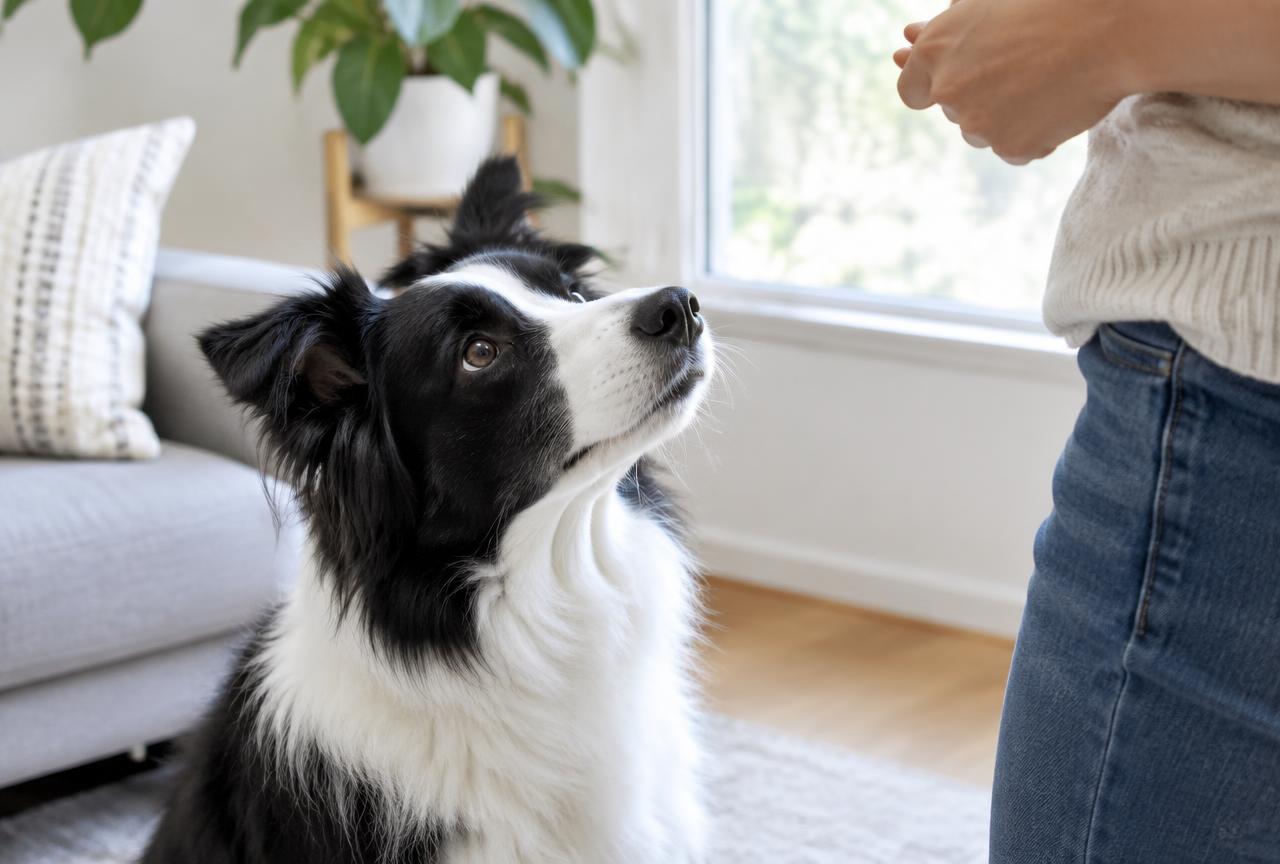
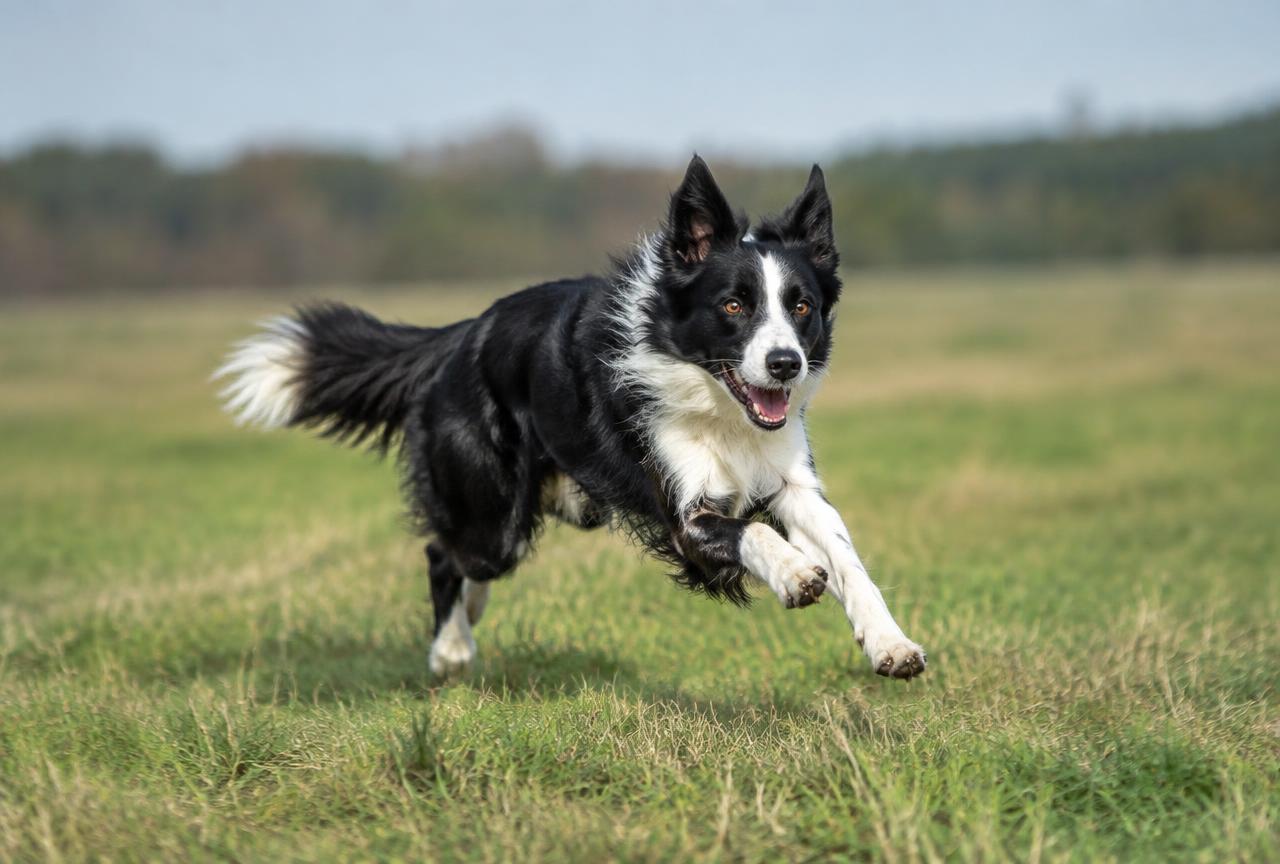
Exercise is the defining challenge of Border Collie ownership. This breed needs well over an hour of vigorous physical activity daily, combined with genuine mental work such as training, agility, flyball or herding trials, and a simple walk around the block will never be enough. Without this outlet, Border Collies commonly develop obsessive behaviours such as shadow or light chasing, excessive barking, destructive chewing or acute anxiety. They are extraordinarily quick learners, often mastering new commands within a handful of repetitions, which makes them brilliant sport dogs but also means training must be varied and consistently challenging to hold their attention. Puppy exercise needs firm limits despite the breed's apparent energy, since growth plates are vulnerable to damage from excessive jumping or long runs before 12 to 18 months.
Health in the breed centres on a handful of well studied conditions. Collie Eye Anomaly is a hereditary condition specific to herding breeds and should be tested for by an ophthalmologist in puppies before sale. Hip dysplasia, though less prevalent than in some large breeds, still warrants BVA/KC hip scoring of parents. A significant minority of Border Collies carry the MDR1 gene mutation, which causes dangerous sensitivity to certain common drugs including some wormers and anaesthetics, and DNA testing for this is inexpensive and important. Epilepsy also appears at a higher rate than average, and responsible breeders track seizure history through their lines.
The Border Collie suits experienced, highly active owners who genuinely want a working partnership, whether that means competitive dog sport, hill walking, running, or real stockwork. It is an outstanding match for people with the time and commitment to provide daily mental challenge, but a poor choice for first-time owners, sedentary households, or anyone hoping a bit of garden space will substitute for genuine engagement. Anyone considering this breed should honestly assess whether they can provide two hours of combined physical and mental work every single day for the next decade or more, because a bored Border Collie is one of the most challenging dogs to live with.
A brilliant working mind trapped without purpose becomes a handful; given a job, this is one of the most rewarding breeds alive.
Exercise, day to day
- 1At least 90 to 120 minutes of vigorous physical exercise daily, ideally including off-lead running.
- 2Add structured training, agility or herding-style games for genuine mental engagement every day.
- 3Puppies should have exercise limited to short sessions until growth plates close around 12 to 18 months.
- 4Rotate activities to avoid obsessive fixation on a single game such as ball chasing.
- 5Consider a dog sport club such as agility or flyball to channel drive constructively.
Grooming, realistically
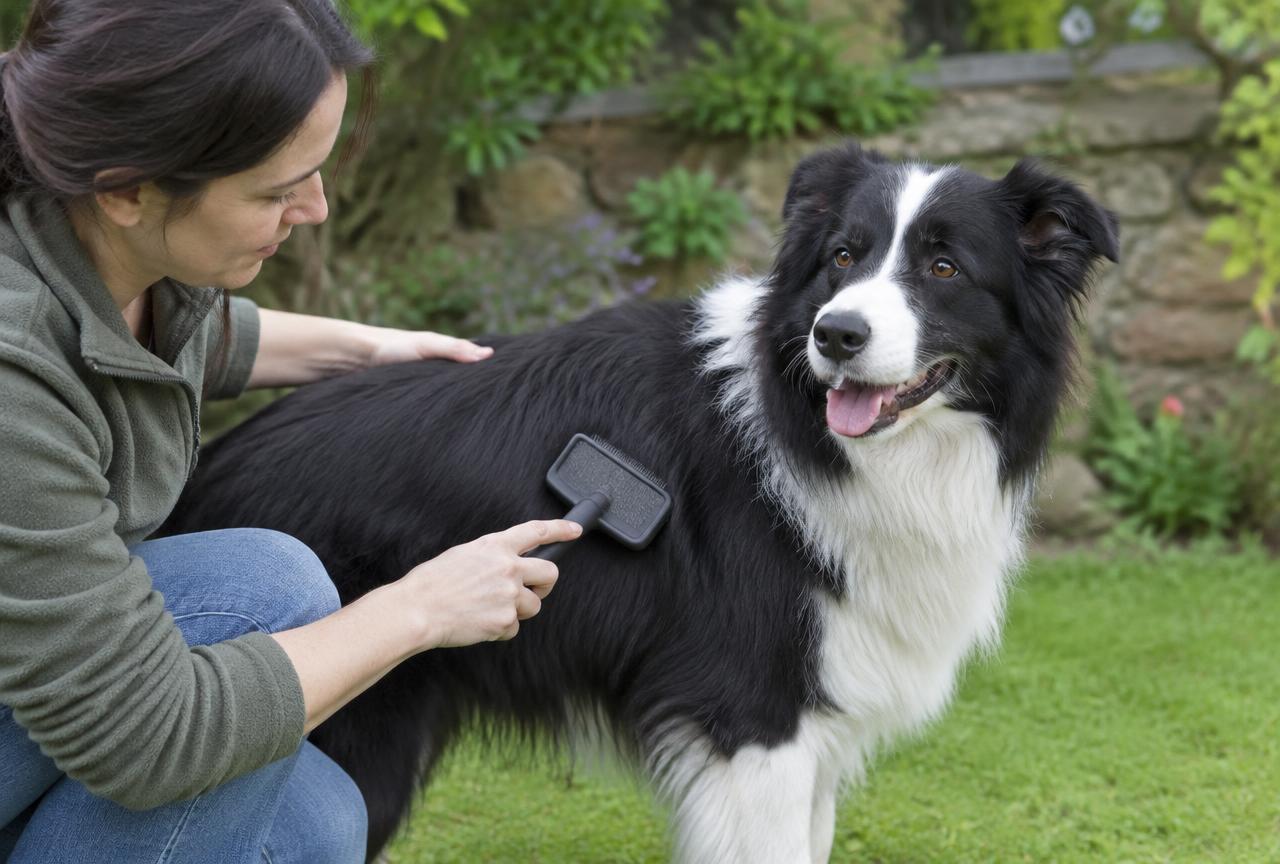
- 1Brush two to three times a week, more often during the twice-yearly coat blow.
- 2Check for matting behind the ears and on the legs, especially in rough-coated individuals.
- 3Trim nails every three to four weeks.
- 4Check ears weekly and clean as needed.
- 5Brush teeth several times a week to maintain dental health.
What you actually need
- Slicker brush
- Undercoat rake
- Metal comb
- Nail clippers or grinder
- Ear cleaning solution
- Canine toothbrush and paste
Puppy to adult
| Age | Male | Female | What is happening |
|---|---|---|---|
| 8 weeks | 3 to 4.5 kg | 2.8 to 4 kg | Small, energetic puppy stage already showing high alertness. |
| 3 months | 6 to 9 kg | 5.5 to 8 kg | Rapid lean growth typical of the breed. |
| 6 months | 10 to 15 kg | 9 to 13 kg | Most height gained, frame still lean. |
| 9 months | 13 to 19 kg | 11 to 16 kg | Approaching adult proportions. |
| 12 months | 14 to 22 kg | 12 to 18 kg | Close to adult weight, though muscle tone still developing. |
| 18 months | 14 to 24 kg | 12 to 19 kg | Fully mature, athletic build established. |
Ranges are typical, not targets. Judge condition by ribs and waist, and check with the ideal weight checker.
What to ask a breeder
- Can I see eye testing for Collie Eye Anomaly for this litter and its parents?
- Have the parents been hip scored, and what were the results?
- Has the line been DNA tested for the MDR1 gene mutation?
- Is there any history of epilepsy in this breeding line?
- Are these working lines, sport lines or show lines, and how does that affect energy and drive?
- What early exposure to livestock, other animals or busy environments have the puppies had?
Health tests to ask for
Ask to see results for both parents before you put down a deposit.
- Hip score (BVA/KC scheme)
- Eye examination for Collie Eye Anomaly, ideally done in the litter before eight weeks
- DNA test for MDR1 gene mutation
- DNA test for Trapped Neutrophil Syndrome and Collie Eye Anomaly
- Discussion of epilepsy history in the breeding line
Health watch-list
What to ask a breeder about, and what to watch for over a lifetime. This is orientation, not veterinary advice, anything you notice belongs in front of a vet.
Collie Eye Anomaly
NotableA hereditary eye condition specific to herding breeds; ophthalmologist testing in the litter identifies affected puppies.
Hip dysplasia
UncommonLess prevalent than in some large breeds but still present; hip scoring of parents reduces risk.
MDR1 gene mutation
NotableA significant proportion of the breed carries this mutation, causing dangerous sensitivity to certain drugs; DNA testing is inexpensive and recommended.
Epilepsy
UncommonAppears at a higher rate than average in the breed; responsible breeders track seizure history in their lines.
Trapped Neutrophil Syndrome
RareA hereditary immune disorder found in some working lines; DNA testing identifies carriers.
Obsessive compulsive behaviours
CommonBehavioural rather than physical, these arise from insufficient mental and physical stimulation rather than genetics alone.
What it costs to keep one
Realistic running cost
€106 / month
About €1,272 a year, or roughly €17,808 across a 14-year life, before purchase price, neutering and one-off vet events.
Before the puppy arrives. Budget roughly €500 to 1000 for a crate, bed, lead and harness, bowls, puppy classes, first vaccinations and grooming kit sized for this breed. Figures throughout are indicative and vary a good deal between countries.
Interactive · built for this breed
Is a Border Collie right for your home?
Seven honest questions about your space, time and household, checked against this breed's exercise need, coat, sociability and tolerance for time alone.
Fit with your routine
89%
A strong fit
Your routine suits a Border Collie well. Meet adult dogs of the line before you commit.
What to sort out first
- Needs more daily exercise than you have pencilled in.
Working in your favour
- Coat care fits the grooming time you offered.
Compare more breeds in the matchmaker, or plan meals with the portion calculator.
The verdict, by household
First-time owner
Not recommended
The exercise and mental stimulation demands are too high for most new owners to sustain long term.
Family with young children
A good match if very active
Works well in families with older, active children who can join in training and exercise; herding nips need managing with younger children.
Active outdoor household
An outstanding choice
Few breeds match the Border Collie for hiking, running and dog sport partnership when given the time it needs.
Flat dweller in a city
Not recommended
The breed's exercise needs and sensitivity to boredom make flat living without a serious sport or work routine unsuitable.
When to call your vet
- Obsessive shadow, light or tail chasing, which can indicate understimulation or a compulsive disorder
- Sudden seizures or collapse, which need prompt veterinary assessment for epilepsy
- Cloudy or unusually structured eyes noticed early in puppyhood, which may indicate Collie Eye Anomaly
- Adverse reactions to routine medication, which may indicate an undetected MDR1 mutation
- Persistent lameness or reluctance to run, which may suggest hip dysplasia or a soft tissue injury
Nothing here is a diagnosis. A swollen, hard belly with retching, collapse, breathing difficulty and sudden hind-leg weakness are emergencies: go straight away.
Border Collie vs the closest alternatives
| Breed | Weight | Energy | Grooming | € / month |
|---|---|---|---|---|
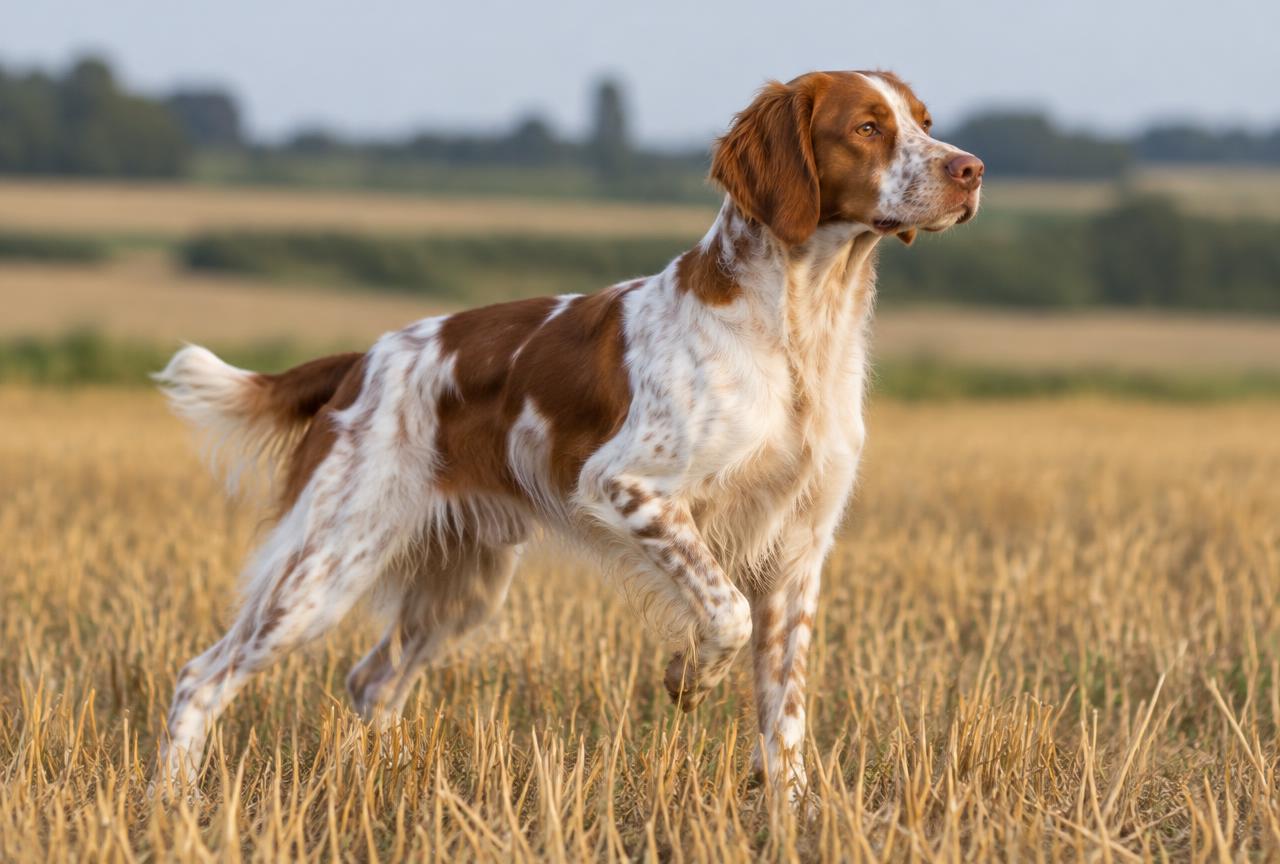
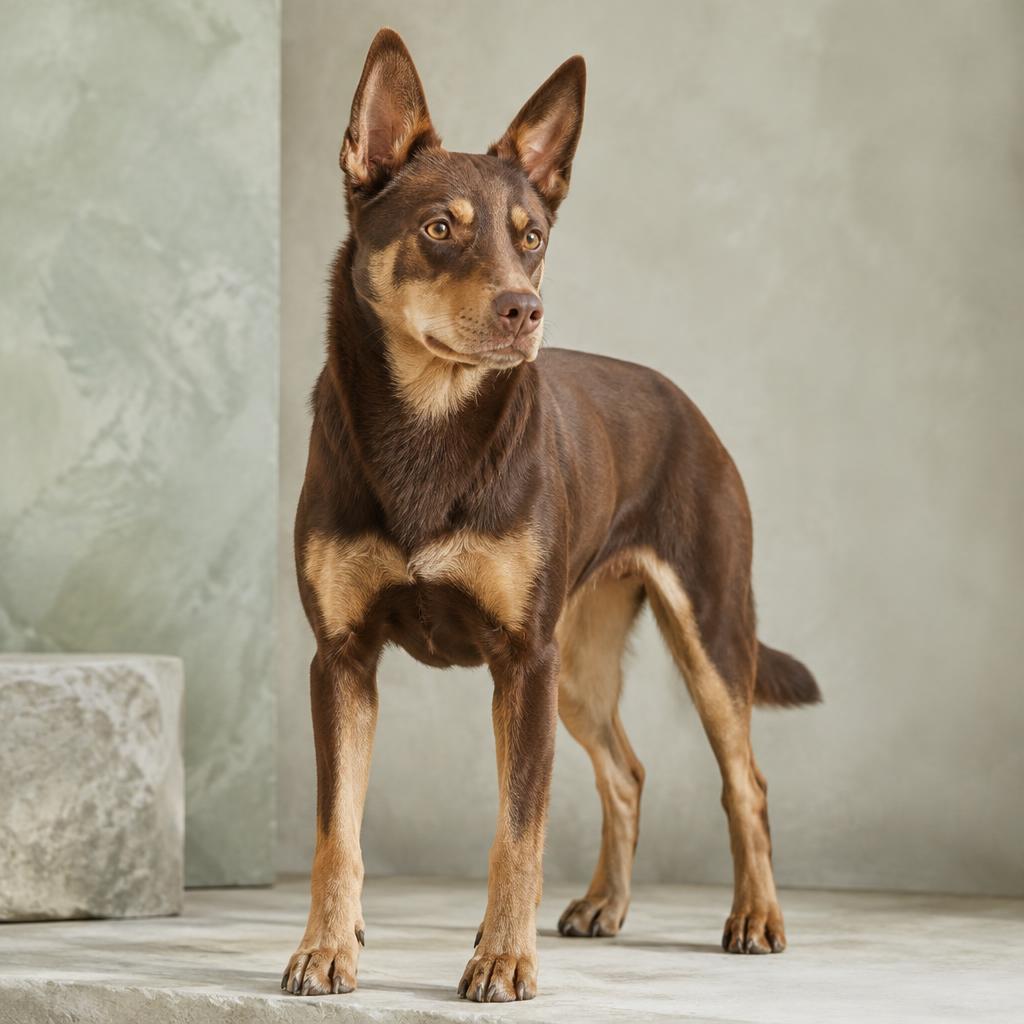
| Border Collie | 12 to 24 kg | 10/10 | 4/10 | €106 |
| Brittany | 14 to 20 kg | 9/10 | 4/10 | €143 |
| Australian Kelpie | 11 to 20 kg | 10/10 | 2/10 | €79 |
| German Shepherd | 22 to 40 kg | 9/10 | 5/10 | €153 |
Border Collie questions, answered
Are Border Collies good family pets?
They can be, especially in active families, but their herding instinct means they may nip at running children unless this behaviour is redirected through training from an early age.
How much exercise does a Border Collie need?
Around 90 to 120 minutes of vigorous physical exercise daily, combined with genuine mental work such as training or agility, is typical for this breed.
Are Border Collies easy to train?
Yes, they are widely considered the most trainable breed, often learning new commands within a handful of repetitions, though sessions need to stay varied and challenging.
What is the MDR1 mutation in Border Collies?
It is a gene mutation carried by a notable proportion of the breed that causes dangerous sensitivity to certain drugs, so DNA testing before administering some medications is recommended.
Can Border Collies live in a flat?
It is rarely a good fit, since this breed needs extensive daily exercise and space to run that most flats and city living cannot easily provide.
Why do Border Collies chase cars, joggers or cyclists?
This stems directly from the breed's herding instinct to gather moving things, and it needs to be managed through training and redirection to safer outlets like fetch or agility.
Sources
- Border Collie breed standard, The Kennel Club
- Border Collie breed standard, American Kennel Club
- Collie Eye Anomaly information, Animal Health Trust / BVA Eye Scheme
- MDR1 drug sensitivity in herding breeds, Washington State University College of Veterinary Medicine
- Border Collie health survey, Border Collie Club of Great Britain
Put it into practice
Reading that goes with this
Nutrition
Can Dogs Eat Apples? Pips, Cores and Portions
Behaviour
Dog Separation Anxiety: Signs, Causes and a Training Plan

Care
Dog Years to Human Years: The Real Science
Behaviour
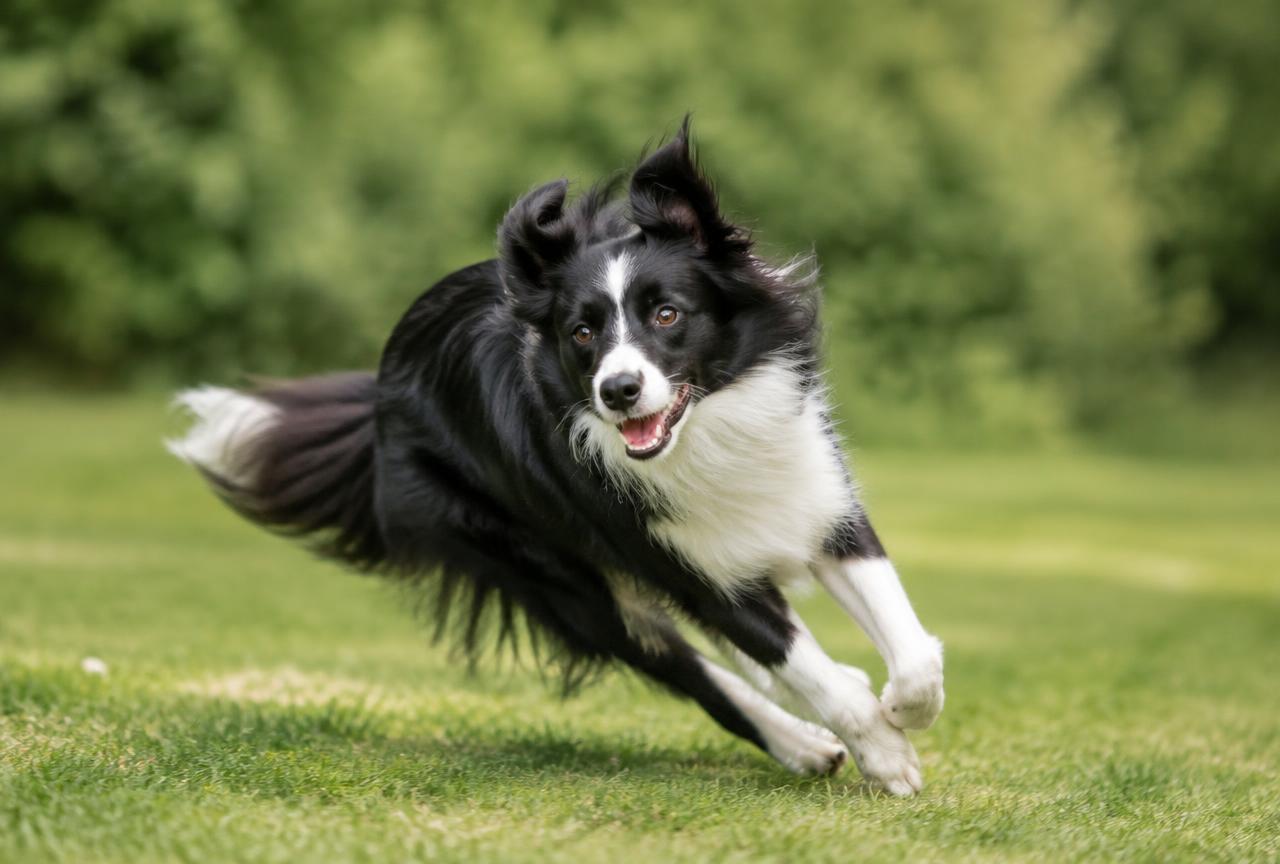
Why Do Dogs Have Zoomies? Frenetic Energy Explained
Nutrition
How Much Should I Feed My Dog? Portions by Weight and Age

Training
How to Stop a Dog Barking: A Practical Guide
Training
How to Stop a Dog Pulling on the Lead

Training
How to Stop a Puppy Biting: A Week-by-Week Plan
Behaviour
Introducing a New Dog to Your Dog: A Step-by-Step Plan
Lifestyle
Travelling With a Dog: Car, Train and Plane
Behaviour
Why Do Dogs Eat Grass? What Vets Actually Think

Health
Why Do Dogs Lick Their Paws? Causes and Fixes
Behaviour
Why Do Dogs Wag Their Tails? Reading the Signals
Behaviour
Why Does My Dog Follow Me Everywhere?
Health
Why Is My Dog Drinking a Lot of Water? Causes and When to Test
Behaviour
Dog Pacing at Night: Causes and How to Settle Them
Behaviour
Dog Scared of Fireworks: A Calm Preparation and Recovery Plan
Health
Dog First Aid: The Kit and Skills Every Owner Needs
Behaviour
Dog Barking at Night: Causes and How to Stop It
Nutrition
Can Dogs Eat Carrots? Raw, Cooked and Portion Guide
Behaviour
Why Do Dogs Hump? Causes and How to Stop It

Behaviour
Why Does My Dog Stare at Me? What the Look Means