
Why Do Dogs Lick Their Paws? Causes and Fixes
A dog fixated on licking one paw is trying to tell you something, whether it is an itch, an injury, or simple boredom.
The SniffScroll desk
Dog care editors
Published 30 September 2026 · Updated 9 October 2026

Reviewed against RVC, BSAVA and PDSA guidance
The short version
- Occasional paw licking is normal grooming, but constant or focused licking usually has a cause.
- Allergies are one of the most common reasons for ongoing paw licking in dogs.
- Injuries, foreign objects and infections often cause sudden, focused licking at one paw.
- Anxiety and boredom can also drive repetitive paw licking as a self-soothing habit.
- Persistent licking that causes hair loss, sores or swelling needs a vet check.
Why do dogs lick their paws?
Occasional paw licking is normal grooming behaviour, but frequent, prolonged or obsessive licking usually signals irritation, allergies, pain or anxiety that is worth investigating. Dogs use their tongue the way people might scratch an itch, so a paw that feels uncomfortable, whether from a skin problem, a small injury or something stuck between the toes, quickly becomes a target for licking. When the behaviour becomes a repeated habit rather than a brief clean-up, it can point to an underlying medical or behavioural issue that benefits from a proper look, since ongoing licking can itself cause skin damage and infection over time.
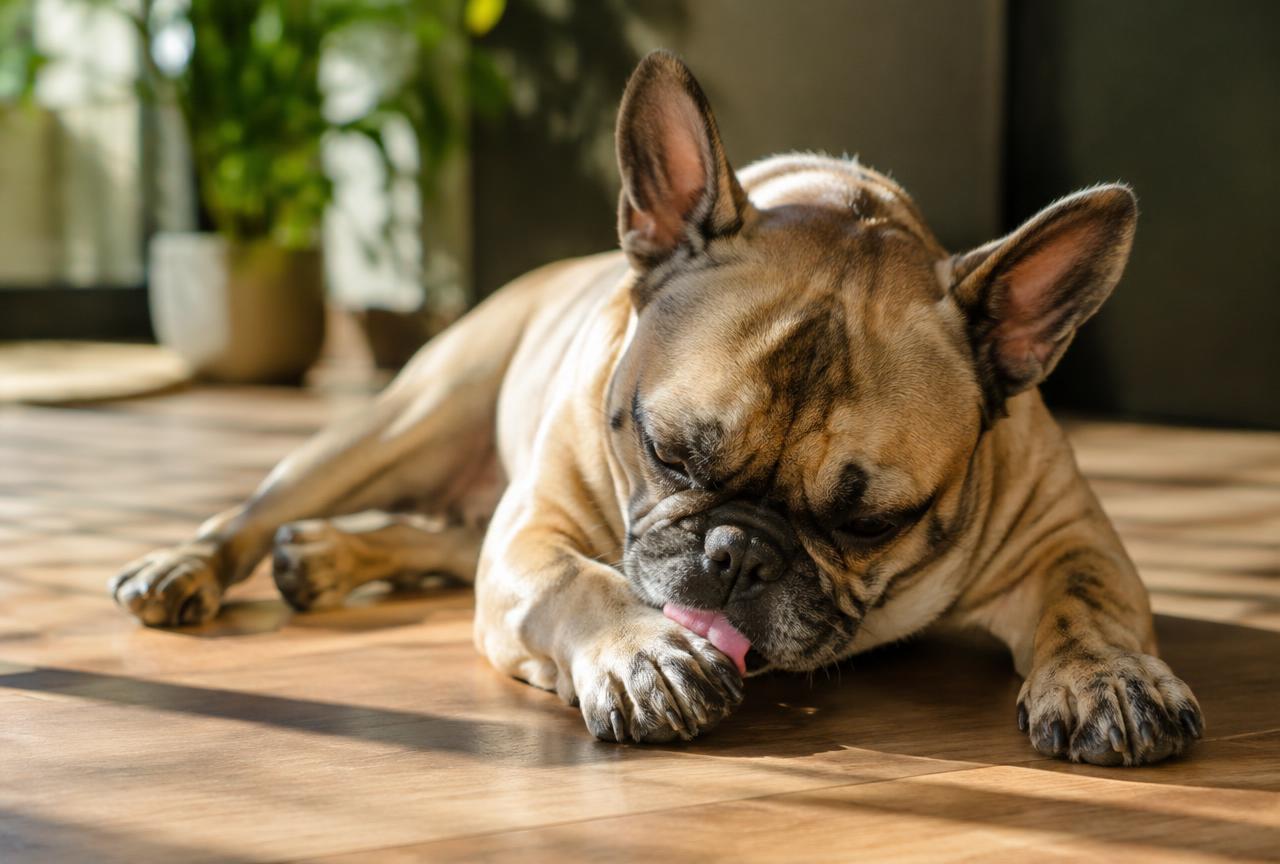
Common medical causes
Allergies
Environmental allergies to pollen, dust mites or mould, and food allergies to specific proteins, are among the most frequent causes of itchy paws in dogs. Allergic skin tends to be generally itchy, so owners often notice licking at the paws alongside rubbing the face, scratching the body, or recurrent ear infections.
Skin infections
Bacterial or yeast infections can develop on and between the toes, often as a secondary problem following allergies or moisture trapped after a walk in wet grass. Affected paws may look red, feel warm, or have a noticeable odour, and licking tends to worsen as the infection progresses.
Parasites
Fleas, mites and other parasites can cause intense itching that leads to paw licking as part of a wider pattern of scratching. Even a low-level flea burden that is not obvious to the eye can trigger significant discomfort in a sensitive dog.
Injuries and foreign objects
Grass seeds, small cuts, cracked pads, broken nails and splinters are all common causes of sudden, focused licking at one particular paw. A limp or reluctance to bear weight alongside licking is a strong clue that something physical is bothering the paw.
Joint pain
Dogs with arthritis or joint discomfort sometimes lick at the paw or leg nearest the affected joint, using licking as a self-soothing response to ongoing pain rather than a skin problem itself.
| Cause | Typical pattern | Other signs | Usual approach |
|---|
| Allergies | Ongoing, affects multiple paws | Face rubbing, ear infections, red skin | Vet-guided allergy management, elimination diet |
|---|
| Skin infection | Localised, worsening over days | Odour, redness, discharge | Vet-prescribed antibacterial or antifungal treatment |
|---|
| Parasites | Widespread itching, not just paws | Visible fleas or flea dirt, hair loss | Vet-recommended parasite treatment |
|---|
| Injury or foreign object | Sudden, one paw, focused | Limping, swelling, visible wound | Careful inspection, vet check if not resolved quickly |
|---|
Interactive · cause finder
Why does your dog keep licking their paws?
Answer a few questions and we will rank the most likely causes, from allergies to boredom to injury.
Most likely causes
- Mild, everyday grooming with no clear cause yet
Try a wash and watch
Rinse paws after walks, check between the toes for debris, and see a vet if licking does not ease within a week or two.
Behavioural causes of paw licking
Anxiety and stress
Some dogs lick their paws as a self-soothing habit during periods of stress, boredom or separation anxiety, similar to how some people bite their nails when anxious. This type of licking often happens during quiet, low-stimulation moments such as when left alone or settling in the evening.
Boredom
Dogs that are under-stimulated, physically or mentally, sometimes develop repetitive habits including paw licking simply because they lack another outlet for their energy and attention. Increasing exercise, enrichment and mental stimulation can reduce this significantly in many cases.
Learned habit
Once a licking habit starts, whether from an old injury or an allergy that has since resolved, some dogs continue the behaviour out of habit alone. This can make it harder to identify a single ongoing cause, and a vet or behaviourist may need to help separate a physical trigger from a learned pattern.
Step by step: working out why your dog is licking
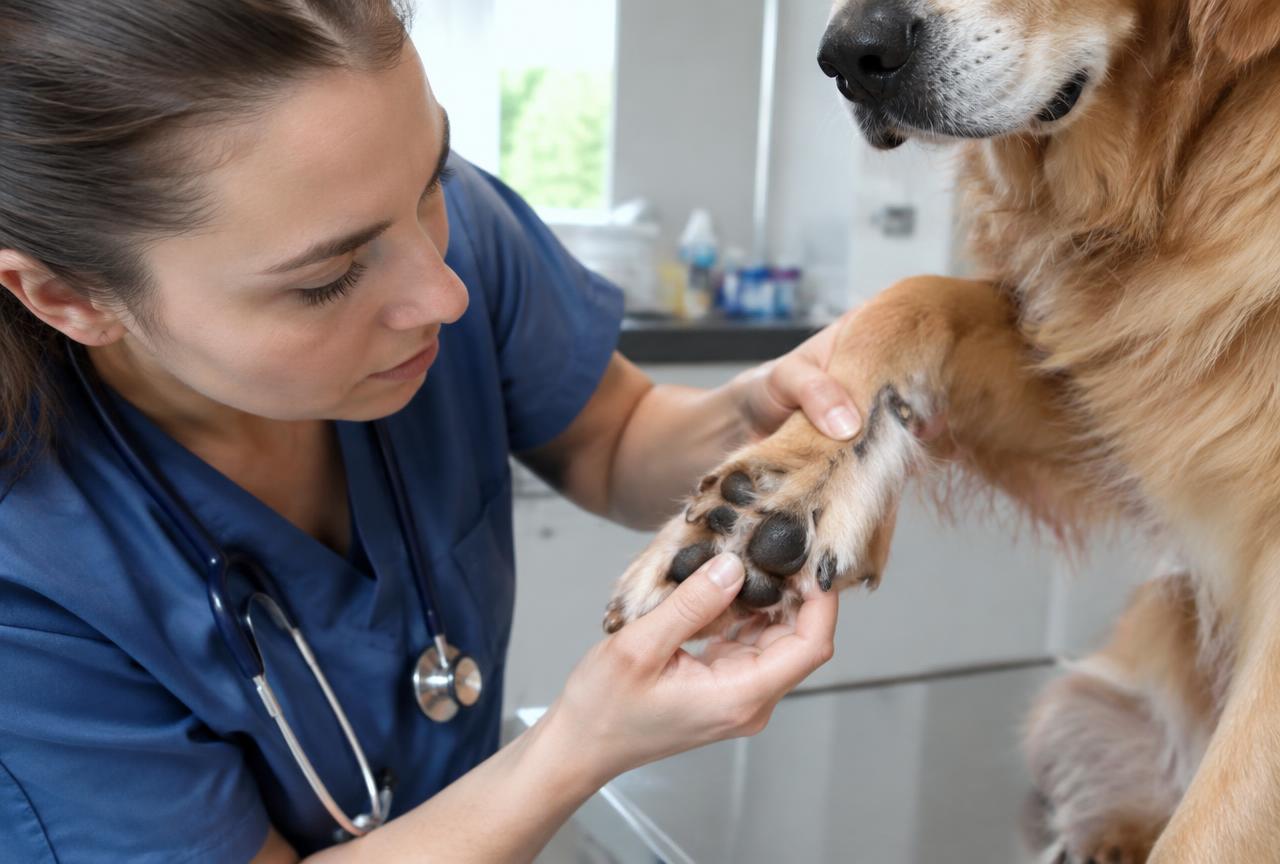
Step 1: Check the paw closely
Look between the toes and pads for redness, swelling, discharge, grass seeds, cracked pads or anything stuck in the fur. Compare the affected paw with the others to spot differences.
Step 2: Note the pattern
Is it one paw or several? Does it happen at a particular time of day, after walks, or when your dog is left alone? Patterns like this offer valuable clues about whether the cause is medical or behavioural.
Step 3: Rule out parasites
Check your dog's coat for fleas or flea dirt, and consider whether their parasite prevention is up to date, since even dogs on a routine schedule can occasionally pick up a light burden.
Step 4: See a vet if it persists
If licking continues for more than a few days, is focused intensely on one area, or is accompanied by hair loss, swelling, or a wound, book a vet appointment. A vet can examine the paw closely, take samples if needed, and identify whether allergies, infection or another cause is responsible.
Breeds more prone to paw licking
Breeds prone to skin allergies, such as the french-bulldog and labrador-retriever, often show paw licking as one of the first visible signs of an allergic flare. Anxious or high-energy breeds, including working types like the border-collie, can also develop licking as a stress or boredom related habit if their exercise and enrichment needs are not fully met.
When to see a vet
See a vet if paw licking is constant, focused intensely on one spot, causing hair loss, redness, swelling or a sore, or if it is paired with limping, an unpleasant smell, or visible discharge. Sudden, intense licking at a single paw can indicate a foreign object such as a grass seed that has worked its way into the skin and needs prompt removal.
Managing paw licking linked to allergies
Allergy-driven paw licking is one of the most common long-term challenges owners face, because allergies are rarely cured outright and instead need ongoing management. A vet may suggest a food trial using a novel protein or hydrolysed diet to rule out a food allergy, alongside strategies to reduce environmental exposure, such as wiping paws after walks and washing bedding regularly to reduce dust mites and pollen. Some dogs benefit from prescribed medication to manage itching during flare-ups, while others do well with a combination of dietary changes and a consistent grooming and cleaning routine. Because allergies tend to worsen seasonally for many dogs, keeping a simple diary noting when licking increases, alongside pollen counts or recent diet changes, can help a vet build a clearer picture of your dog's specific triggers over time.
Building a paw care routine
A simple daily or post-walk routine can reduce irritation significantly for dogs prone to licking. Wiping paws with a clean, damp cloth after walks removes pollen, dust and allergens before they have a chance to cause irritation. Drying thoroughly between the toes after wet walks helps prevent the warm, moist environment that yeast and bacteria thrive in. Regular nail trims and keeping the fur between the pads tidy also reduce the chance of debris becoming trapped. Checking paws as part of a weekly grooming session, rather than only when a problem is already visible, means small issues like early redness or a hidden grass seed get caught before they escalate into a bigger problem needing veterinary treatment.
Supporting a dog with anxiety-related licking
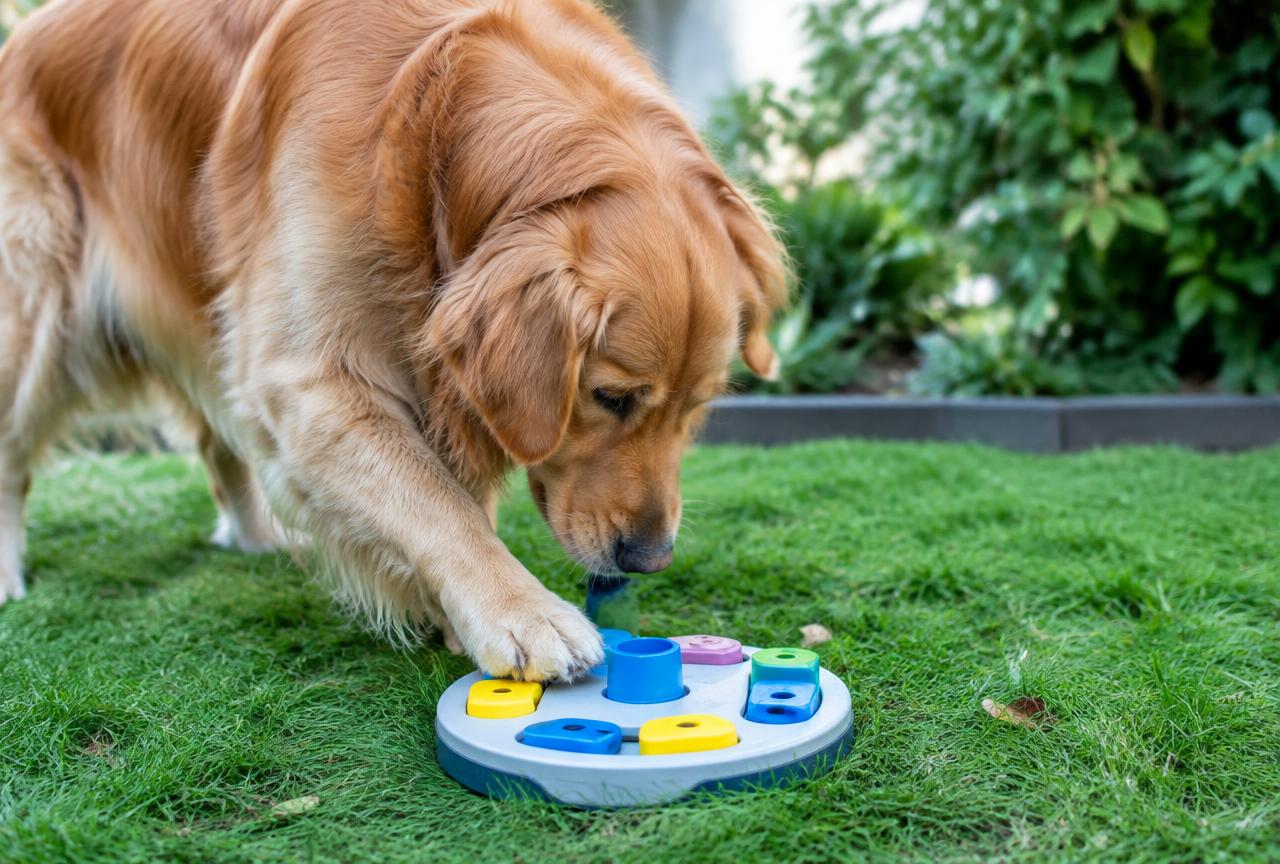
If stress or boredom seems to be the main driver, increasing physical exercise and mental enrichment, such as puzzle feeders, scent games and varied walks, often reduces the behaviour meaningfully within a few weeks. Establishing a predictable daily routine helps many anxious dogs feel more secure, and in some cases, working with a qualified behaviourist alongside your vet gives the best long-term results, particularly for dogs whose licking has become a deeply ingrained habit. It is worth remembering that punishing a dog for licking rarely helps and can increase overall anxiety, making the behaviour more likely rather than less. Positive, patient approaches that address the root cause tend to produce far more lasting improvement than trying to simply stop the visible symptom.
Keeping your dog at a healthy weight and on an appropriate feeding plan, checked using the portion calculator, also supports overall skin health, since excess weight can worsen skin fold irritation and general inflammation in some dogs. For owners noticing skin issues alongside ear problems, our guide on dog ear infection covers a closely related allergy pattern that often appears alongside itchy paws.
Most cases of paw licking, once properly understood, respond well to a combination of medical treatment where needed and simple changes at home. Patience is important, since resolving allergy-driven licking especially can take weeks of consistent management rather than an overnight fix, but most dogs see a genuine and lasting improvement once the right cause has been identified and addressed.
Paw licking in puppies versus older dogs
Puppies often mouth and lick their paws simply while exploring new textures or teething, and this usually settles as they mature and gain other outlets for chewing. Persistent puppy licking is still worth checking, since young dogs can pick up mild skin infections or parasites easily. Older dogs are more likely to lick at a paw due to arthritis, age-related skin changes, or slower wound healing, so a new licking habit in a senior dog deserves a proper look rather than being dismissed as simply a quirk of old age. Age-related joint pain in particular is easy to overlook because the licking can appear unrelated to the joint itself, especially when a dog licks at a paw on the same side as a sore hip or elbow.
How vets diagnose the underlying cause
A vet investigating paw licking will typically start with a close physical examination of the paw and surrounding skin, checking between the toes, the pads, and the nail beds for signs of infection, injury or parasites. Skin scrapes, swabs or cytology samples are common next steps to identify whether bacteria, yeast or mites are involved. If allergies are suspected, a vet may discuss a structured food trial or, in some cases, referral to a veterinary dermatologist for allergy testing. Blood tests and joint examinations may be recommended if pain or a systemic condition seems more likely than a primary skin problem. Bringing a clear history, including when the licking started, how it has progressed and what has already been tried, helps a vet reach an accurate diagnosis more quickly.
A note on seasonal flare-ups
Many allergy-driven cases of paw licking follow a seasonal pattern, worsening in spring and summer when pollen counts rise, or flaring after walks through damp grass and puddles in autumn. Recognising this pattern helps owners anticipate flare-ups and start protective measures, such as more frequent paw washing, earlier in the season rather than waiting until licking becomes severe. Keeping a simple year on year record of when symptoms typically appear can also make future vet conversations far more productive, since it turns a vague sense of "it gets worse sometimes" into useful, specific information a vet can act on.
Frequently asked questions
The following questions cover what owners most often want to know about paw licking in dogs.
Questions people actually ask
Why does my dog lick one paw more than the others?
Focused licking on a single paw usually points to a localised problem such as an injury, a foreign object like a grass seed, a cracked pad or a small infection. Check the paw closely for redness, swelling or debris between the toes, and see a vet if you cannot identify a clear cause quickly.
Can food allergies cause paw licking?
Yes, food allergies are a recognised cause of itchy skin, including the paws, and often appear alongside other signs like ear infections or a generally itchy coat. A vet-guided elimination diet trial is usually needed to confirm whether food is the underlying trigger.
Is it normal for dogs to lick their paws after a walk?
A brief clean after a walk, especially in wet or muddy conditions, is normal grooming behaviour. It becomes a concern if the licking is prolonged, focused intensely, or happens after every single walk regardless of conditions, which suggests an irritant or allergy trigger.
How do I stop my dog licking their paws from anxiety?
Increase physical exercise and mental enrichment, establish a predictable daily routine, and avoid punishing the behaviour, which can increase anxiety further. For persistent cases, a vet or qualified behaviourist can help identify triggers and build a structured management plan.
Can paw licking cause an infection?
Yes, prolonged licking keeps the skin moist and can break down its natural barrier, making it easier for bacteria or yeast to take hold. This can create a frustrating cycle where the original itch causes licking, and the licking itself then causes further irritation and infection.
When should I take my dog to the vet for paw licking?
See a vet if licking is constant, causes hair loss, redness, swelling or a sore, is paired with limping, or has lasted more than a few days without an obvious explanation. Sudden intense licking at one paw can indicate something stuck in the skin needing prompt removal.
Sources
Breeds mentioned

French Bulldog
A comic, affectionate companion built for city life, but with health needs that demand a careful breeder.

Labrador Retriever
Britain's most popular family dog: biddable, food driven and built for an active household.

Border Collie
The world's most capable herding mind, needing an equally capable owner to match it.

Golden Retriever
A gentle, biddable gundog famed for its patience with children and its glossy golden coat.
Put it into practice
Read next
Dog Dry Heaving: Causes and When It Is an Emergency
Dog dry heaving is usually throat irritation or mild nausea, but repeated unproductive retching with a swollen, tight belly can be bloat (GDV), a life-threatening emergency.


