
Dog Ear Infections: Signs, Causes and Treatment
Head shaking, scratching and a bad smell from the ear are the classic warning signs owners should never ignore.
The SniffScroll desk
Dog care editors
Published 30 September 2026 · Updated 9 October 2026

Reviewed against RVC, BSAVA and PDSA guidance
The short version
- Head shaking, scratching and a bad smell are the most common early signs of an ear infection.
- Moisture and allergies are the two biggest underlying causes in dogs.
- Never insert cotton buds or objects into a dog's ear canal.
- A vet swab is often needed to tell bacterial, yeast and mite infections apart.
- Recurrent infections usually point to an underlying issue that needs long-term management.
What is a dog ear infection?
A dog ear infection, known medically as otitis, is inflammation of the ear canal usually caused by bacteria, yeast, or a combination of both. It is one of the most common reasons owners visit a vet, and breeds with floppy ears or narrow ear canals are especially prone. The condition can affect the outer ear (otitis externa), the middle ear (otitis media) or, less often, the inner ear (otitis interna). Left untreated, a simple infection can become chronic, painful and much harder to resolve, so early recognition matters.
Common signs to watch for
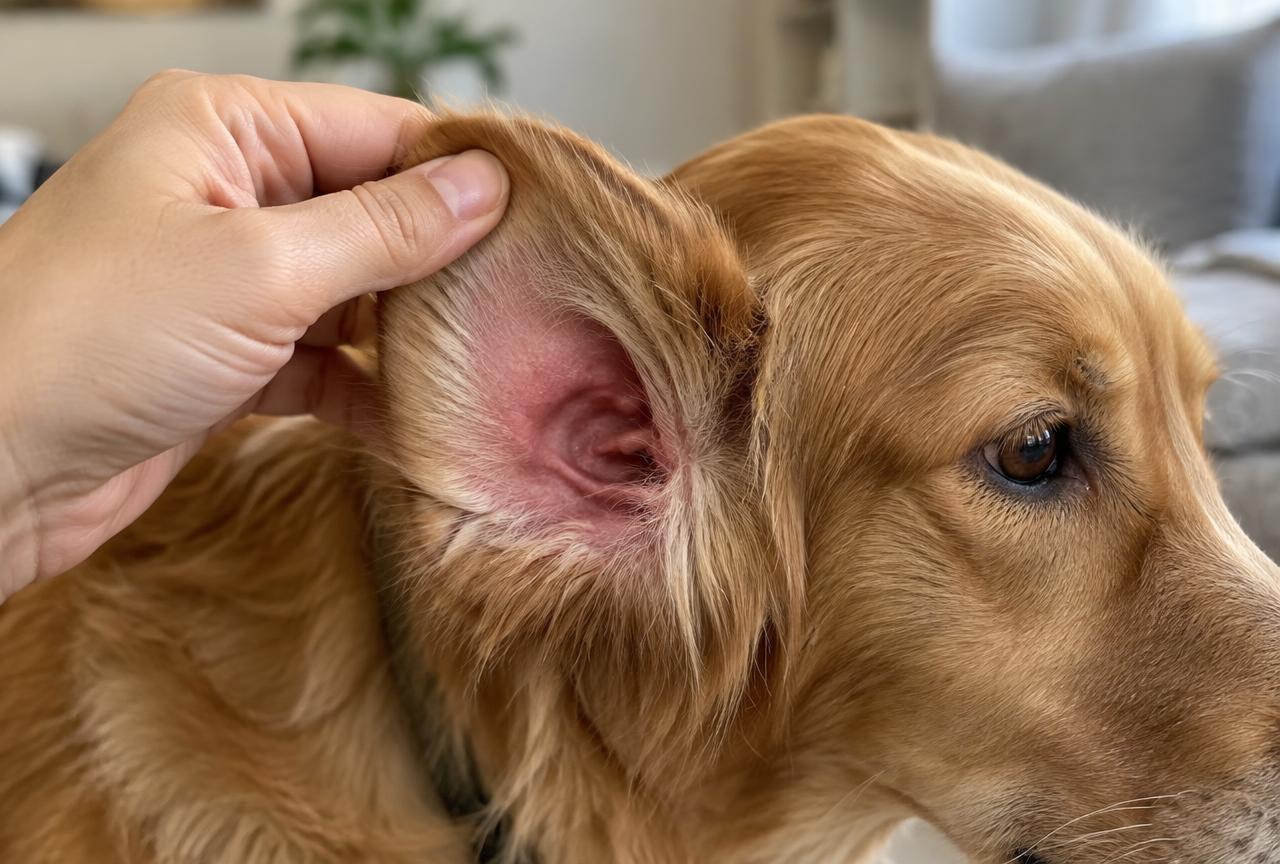
The clearest early sign is a dog shaking its head or tilting it to one side more than usual. Many dogs also scratch persistently at the affected ear, rub their head along furniture or carpets, and show visible discomfort when the ear is touched. A strong, yeasty or foul odour is a strong clue that infection is present, as is discharge that may be brown, yellow, or bloody. The skin inside the ear flap often looks red, swollen or crusty. Some dogs become quieter or more irritable than normal because the ear is painful, and in more advanced cases they may hold the affected ear lower than the other.
- Frequent head shaking or tilting
- Scratching at the ear or the side of the face
- Unpleasant smell coming from the ear canal
- Redness, swelling or crusting on the inner ear flap
- Dark, waxy, yellow or bloody discharge
- Sensitivity or pain when the ear or head is touched
Interactive · ear symptom checker
What is going on with your dog's ear?
Answer honestly about what you are seeing, and we will suggest whether this is something to watch, book in for, or treat as urgent.
Home care for now
Keep the ear dry, check again tomorrow, and use a vet-approved ear cleaner if it looks a little waxy.
What causes ear infections in dogs?
Most infections start with an imbalance of the normal bacteria and yeast that live in every dog's ear canal. Moisture is the biggest trigger, so dogs that swim regularly or are bathed often without thorough drying are at higher risk. Allergies, whether to food or environmental substances like pollen and dust mites, are also a leading underlying cause because they change the skin environment inside the ear and make infection more likely to take hold. Other contributing factors include ear mites, foreign objects such as grass seeds, excessive wax build-up, hormonal conditions like hypothyroidism, and simply having ears that trap heat and humidity. According to the Merck Veterinary Manual, otitis externa is rarely a standalone disease and is often a symptom of an underlying problem that needs to be identified for treatment to succeed long term.
Breeds most at risk
Dogs with long, floppy ears that restrict airflow are particularly susceptible, including the cavalier-king-charles-spaniel and the english-cocker-spaniel. Breeds with narrow or hairy ear canals, such as poodles, can also trap moisture and debris more easily. That said, any dog can develop an ear infection, particularly if they have allergies or spend a lot of time in water.
Comparing the main types of ear infection
| Type | Common cause | Typical discharge | Usual approach |
|---|
| Bacterial | Moisture, allergies, injury | Yellow or greenish, often smelly | Vet-prescribed antibiotic ear drops |
|---|
| Yeast (Malassezia) | Allergies, humidity, hormonal changes | Brown, waxy, yeasty smell | Antifungal ear cleaner or drops |
|---|
| Ear mites | Parasites, usually in puppies | Dark, crumbly, coffee-ground like | Vet-prescribed parasiticide treatment |
|---|
| Chronic or recurrent | Untreated allergies, anatomy, hypothyroidism | Varies, often thickened skin | Long-term management plan with a vet |
|---|
Allergy-driven ear infections are especially frustrating because the ear symptoms are often just one piece of a wider picture that may also include itchy paws, red skin folds, or recurrent skin infections elsewhere on the body. Food allergies and environmental allergies such as pollen, dust mites, or mould can all present this way, and it can take a structured elimination process, guided by a vet, to pin down the exact trigger. In the meantime, keeping the ears clean and dry with a vet-approved routine reduces the chance that an allergy flare turns into a full infection. Owners sometimes assume a smelly ear is 'just how their dog smells', but a genuinely healthy ear should have very little odour, so any noticeable change is worth investigating rather than dismissing.
Step by step: what to do if you suspect an infection
Step 1: Look but do not probe
Gently lift the ear flap and look inside using good light. Check for redness, discharge, swelling or an unusual smell. Never insert cotton buds or any object into the ear canal, as this can push debris further in or damage the eardrum.
Step 2: Book a vet appointment
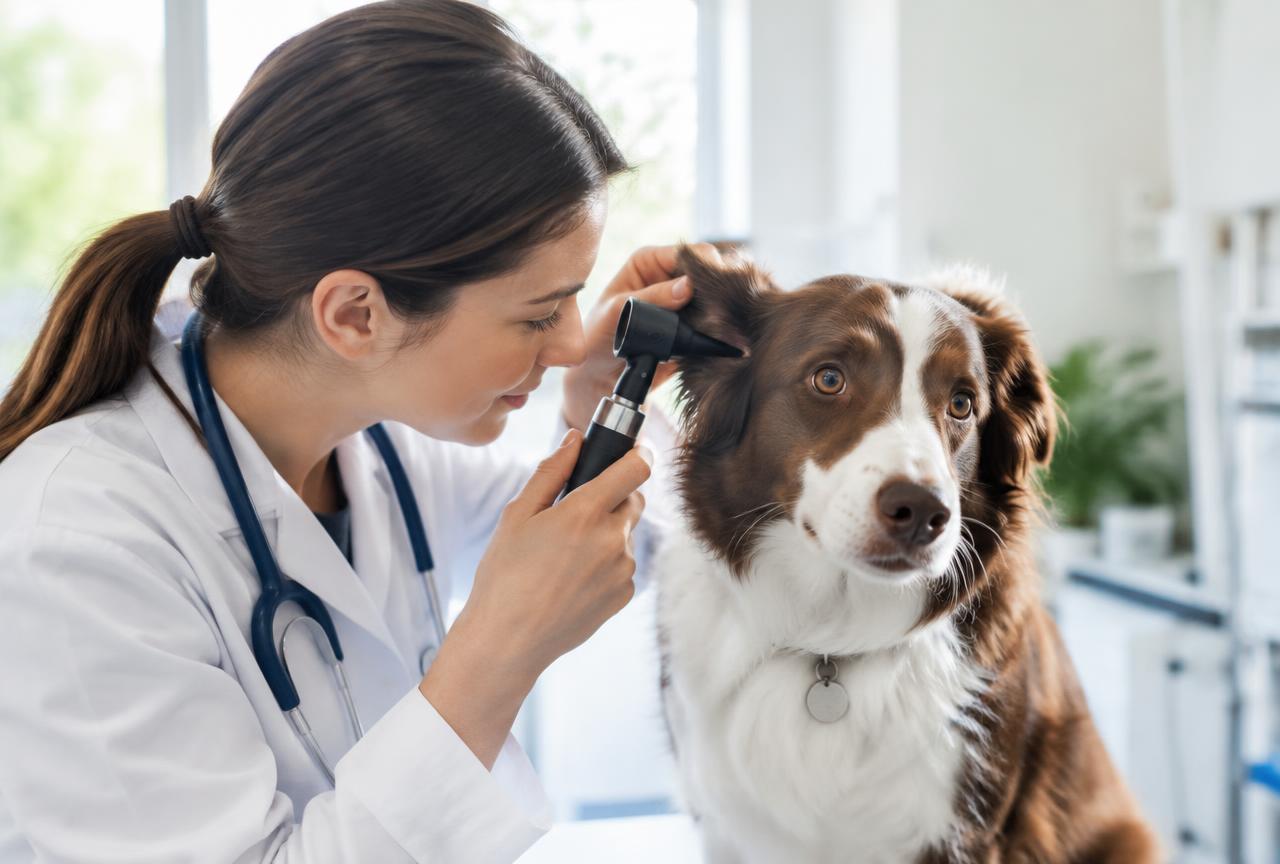
Ear infections rarely resolve on their own and typically need a proper diagnosis. A vet will examine the ear with an otoscope and may take a swab to identify whether bacteria, yeast or mites are responsible, since the treatment differs for each.
Step 3: Follow the treatment plan fully
Most infections are treated with prescribed ear drops or cleaning solutions used over one to four weeks. It is important to complete the full course even if symptoms improve quickly, as stopping early is a common reason infections come back.
Step 4: Address the underlying cause
If allergies, excess hair, or a particular ear shape are contributing to repeated infections, your vet may suggest a longer-term plan, such as a dietary trial, regular ear cleaning routine, or, in some cases, referral to a veterinary dermatologist.
Can I treat a dog ear infection at home?
Mild cases can sometimes be supported at home with a vet-approved ear cleaner, but home treatment alone is not a substitute for diagnosis. Over-the-counter products are not suitable for every type of infection, and using the wrong one, or using any product when the eardrum is damaged, can make things worse. The PDSA advises that owners should always have a vet check an ear before starting any treatment, particularly if there is pain, swelling or a strong odour. Routine preventative cleaning after swimming or bathing, using a product recommended by your vet, is a reasonable and safe habit for dogs prone to build-up of moisture or wax.
It is worth understanding why self-treating can sometimes backfire. Many over-the-counter ear products are formulated for general maintenance rather than active infection, and using them on inflamed or ulcerated skin can sting badly and delay healing. If the eardrum has been damaged by a severe or long-standing infection, certain ingredients commonly found in ear cleaners can be harmful if they reach the middle ear. This is one of the main reasons vets prefer to examine the ear with an otoscope before recommending any product, since they can confirm the eardrum is intact and choose a treatment suited to the specific type of infection found on the swab. Trying to guess the cause from smell or appearance alone is unreliable, since bacterial and yeast infections can look remarkably similar to an untrained eye.
Prevention tips for future infections
- Dry your dog's ears thoroughly after swimming or bathing
- Check ears weekly, especially for floppy-eared breeds
- Use a vet-recommended ear cleaner regularly if your dog is prone to build-up
- Manage underlying allergies with your vet's guidance
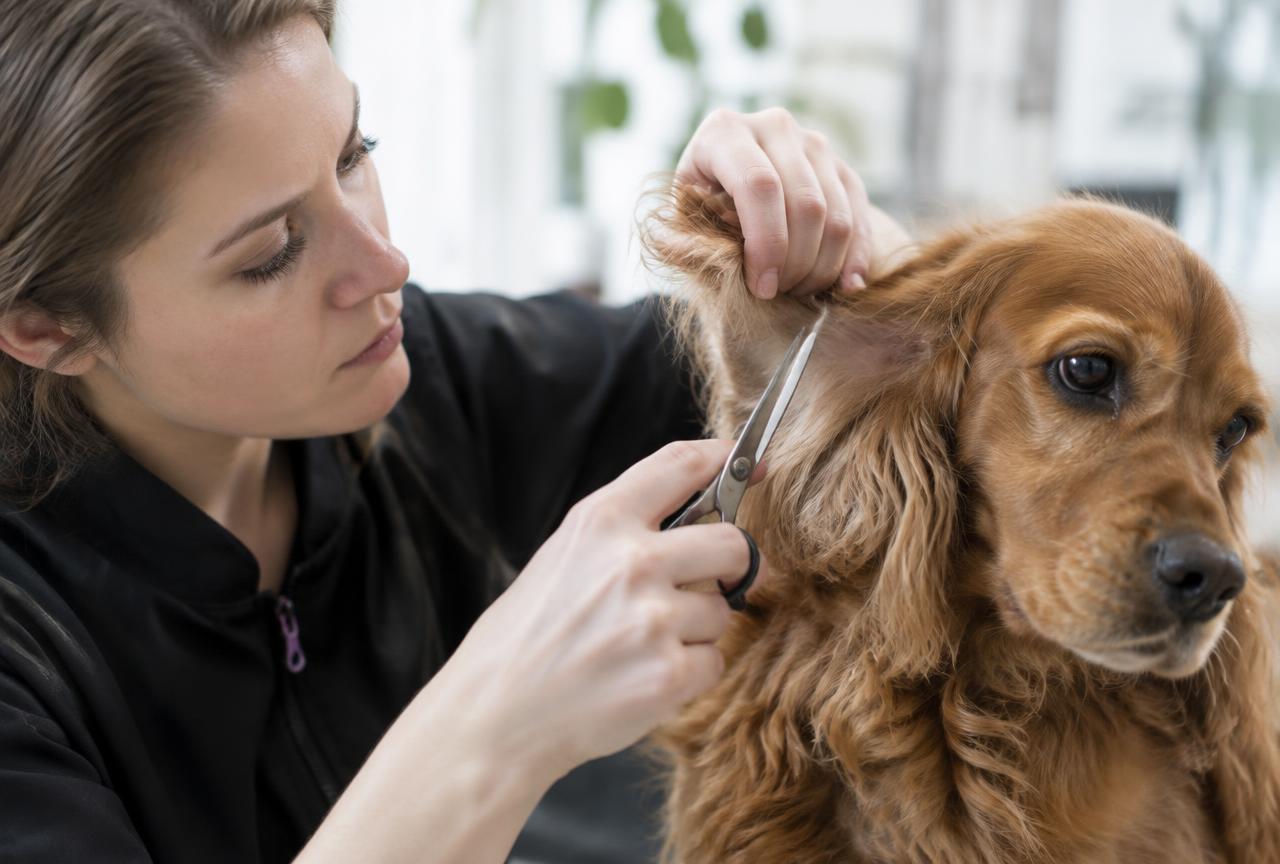
- Keep hair around the ear opening trimmed if your vet advises it
- Avoid inserting cotton buds or other objects into the canal
When to see a vet
See a vet promptly if your dog is shaking their head repeatedly, scratching at an ear until it bleeds, showing signs of pain, tilting their head persistently, or if you notice discharge or a strong smell. Sudden loss of balance, circling, or unusual eye movements alongside ear symptoms can indicate a middle or inner ear infection and need urgent veterinary attention.
Living with a dog prone to ear infections
The role of diet and general health
While diet is not usually the direct cause of an ear infection, a dog with poor overall condition, unmanaged obesity or an underlying hormonal imbalance may be more prone to skin and ear problems generally. Keeping your dog at a healthy weight, feeding a diet appropriate to their life stage, and staying on top of routine vet checks all support the skin's natural defences. If you suspect weight might be playing a role in your dog's overall health, the ideal weight tool offers a simple starting point before a full veterinary assessment. Grooming routines matter too. Regular brushing helps circulate air around the head and ears in long haired or floppy eared breeds, and bathing on a sensible schedule, rather than too frequently, helps avoid disrupting the ear's natural balance of oils and flora.
Building a simple home routine
A consistent, low effort routine at home makes a real difference for dogs prone to ear trouble. Once a week, lift each ear and take a quick look and sniff, noting any change from the norm. After swimming or a bath, gently dry the visible part of the ear with a soft towel and, if your vet has recommended it, use a drying or cleaning solution designed for dogs. Keep a simple note of any previous infections, including what treatment worked, since this history is genuinely useful information for your vet at future appointments. Consistency matters far more than intensity here. A few minutes of attention each week is usually enough to catch problems early, well before they become painful or require a lengthy course of treatment.
Some dogs, particularly those with allergies or certain ear shapes, will experience infections more than once despite good care. This does not mean something has been done wrong. Working with your vet on a consistent cleaning routine, keeping a symptom diary, and reviewing diet or environmental triggers can significantly reduce how often flare-ups happen. Many owners find that once an underlying allergy is properly managed, recurrent ear problems become far less frequent. Pairing regular grooming with sensible portion control from a tool like the portion calculator can also support overall skin and coat health, which plays a role in ear health too. If you are researching a new dog and want a breed less prone to ear problems, our guide on why is my dog panting also covers related everyday health checks worth knowing.
Owners who have been through the process of resolving a chronic ear problem often say the biggest lesson is patience. Skin and ear conditions rarely improve overnight, and switching treatments too quickly, before giving one approach a fair trial, can make it harder to work out what is actually helping. Sticking with your vet's plan, attending recheck appointments, and reporting changes honestly, even if progress feels slow, gives the best chance of a lasting resolution rather than a short term fix that returns within weeks.
Frequently asked questions
The questions below cover the details owners most often ask about ear infections in dogs.
Questions people actually ask
How do I know if my dog has an ear infection?
Look for head shaking, scratching at the ear, an unpleasant smell, redness inside the ear flap, or discharge. If you notice several of these signs together, book a vet appointment, since a proper examination is the only way to confirm an infection and identify its cause.
Can I clean my dog's ears myself?
Yes, but only with a product your vet has recommended and only when the ear is not already inflamed or painful. Routine cleaning after swimming can help prevent problems, but treating an active infection needs a vet's diagnosis first.
Are ear infections in dogs contagious?
Bacterial and yeast infections are not usually contagious between dogs, but ear mites are highly contagious and can spread easily between pets sharing bedding or close contact, so other animals in the household may need checking too.
Why does my dog keep getting ear infections?
Recurrent infections usually point to an underlying cause such as allergies, excess ear hair, unusual anatomy, or a hormonal condition. Your vet can help investigate the root cause so a long-term management plan can be put in place.
Is a dog ear infection painful?
Yes, ear infections can be quite painful, especially once swelling develops in the canal. Dogs may become head-shy, reluctant to be touched near the ear, or generally more irritable while the infection is active.
How long does it take for a dog ear infection to clear up?
Most straightforward infections improve within one to two weeks of starting the correct treatment, though a full course of drops may run for up to four weeks. Chronic or severe cases can take longer and may need repeat vet visits.
Sources
Breeds mentioned

Cavalier King Charles Spaniel
An affectionate, adaptable toy spaniel that thrives on human company above almost anything else.

English Cocker Spaniel
A merry, affectionate gundog with a soft, silky coat and a nose that never switches off.
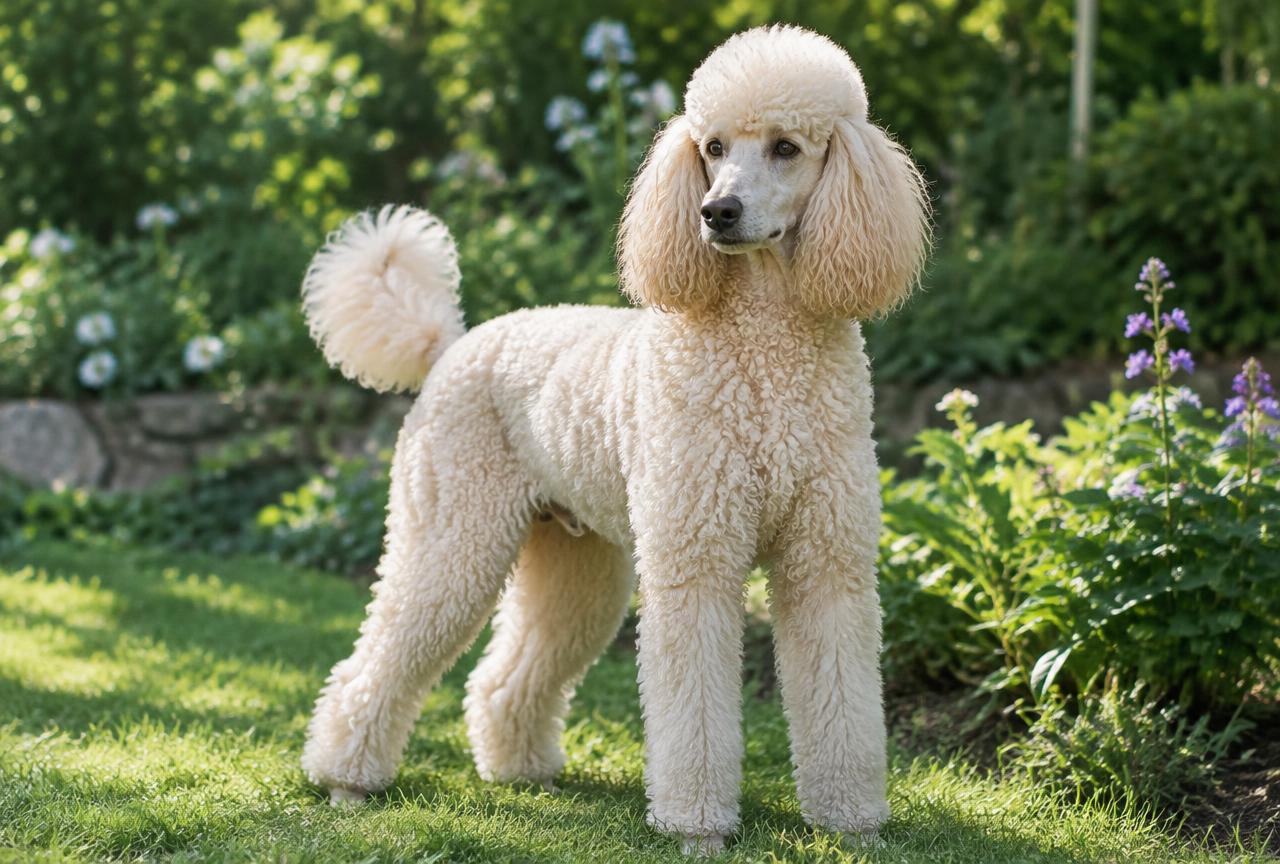
Poodle
A brilliant, low shedding companion that comes in three sizes but one sharp mind.

Beagle
A merry, sociable scenthound with a powerful nose and a mind of its own outdoors.
Put it into practice
Read next
Dog Dry Heaving: Causes and When It Is an Emergency
Dog dry heaving is usually throat irritation or mild nausea, but repeated unproductive retching with a swollen, tight belly can be bloat (GDV), a life-threatening emergency.


