
Dog Scared of Fireworks: A Calm Preparation and Recovery Plan
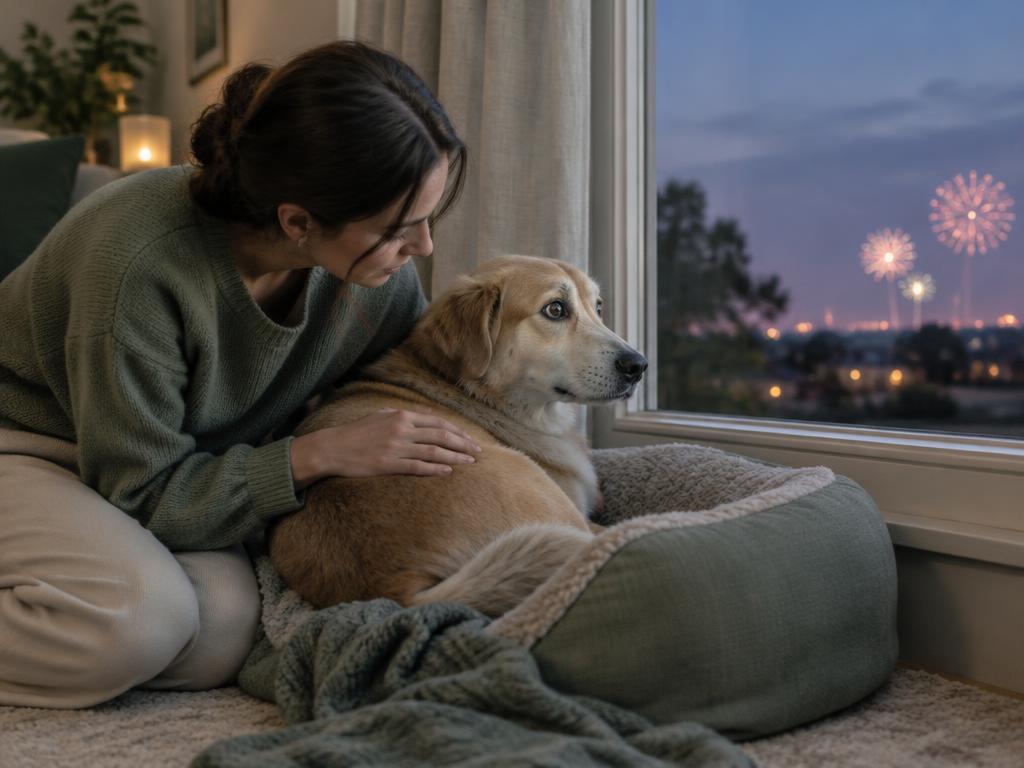
Around half of dogs show some fear of fireworks, but the nights around Bonfire Night and New Year do not have to be miserable. Preparation in the weeks before, and calm management on the night, change everything.
The SniffScroll desk
Published 10 October 2026
Reviewed by the SniffScroll editorial team
The short version
- Firework fear is common, and it tends to worsen each year without intervention.
- Desensitisation with recorded sounds in the weeks before is the most effective long-term fix.
- On the night: walk before dark, close curtains, add background sound, stay home, stay calm.
- Comforting a frightened dog does not reward the fear, so comfort away.
- Panic-level fear deserves a vet conversation about medication well before the date.
If your dog trembles, hides or panics when the bangs start, you are far from alone: surveys suggest around half of dogs show some fear of fireworks. The important things to know are that it is a genuine fear response, not bad behaviour, that it tends to get worse each year without help, and that a calm, prepared household can transform the experience. This guide gives you a plan for the weeks before, the night itself, and the days after.
Why fireworks are so hard for dogs
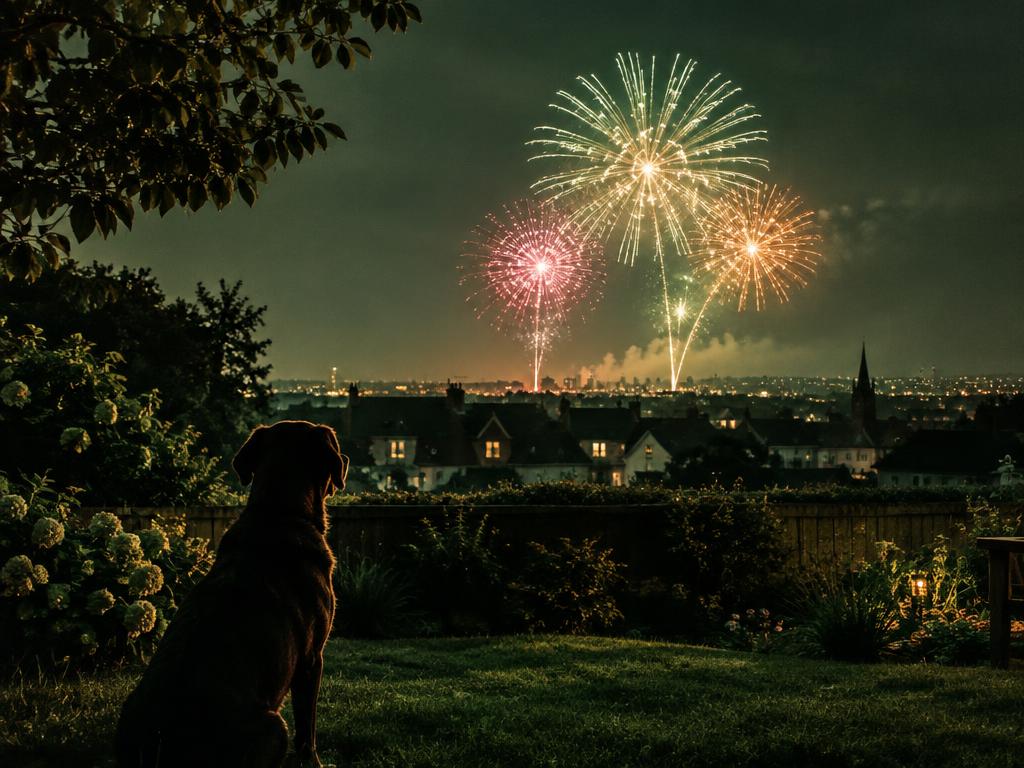
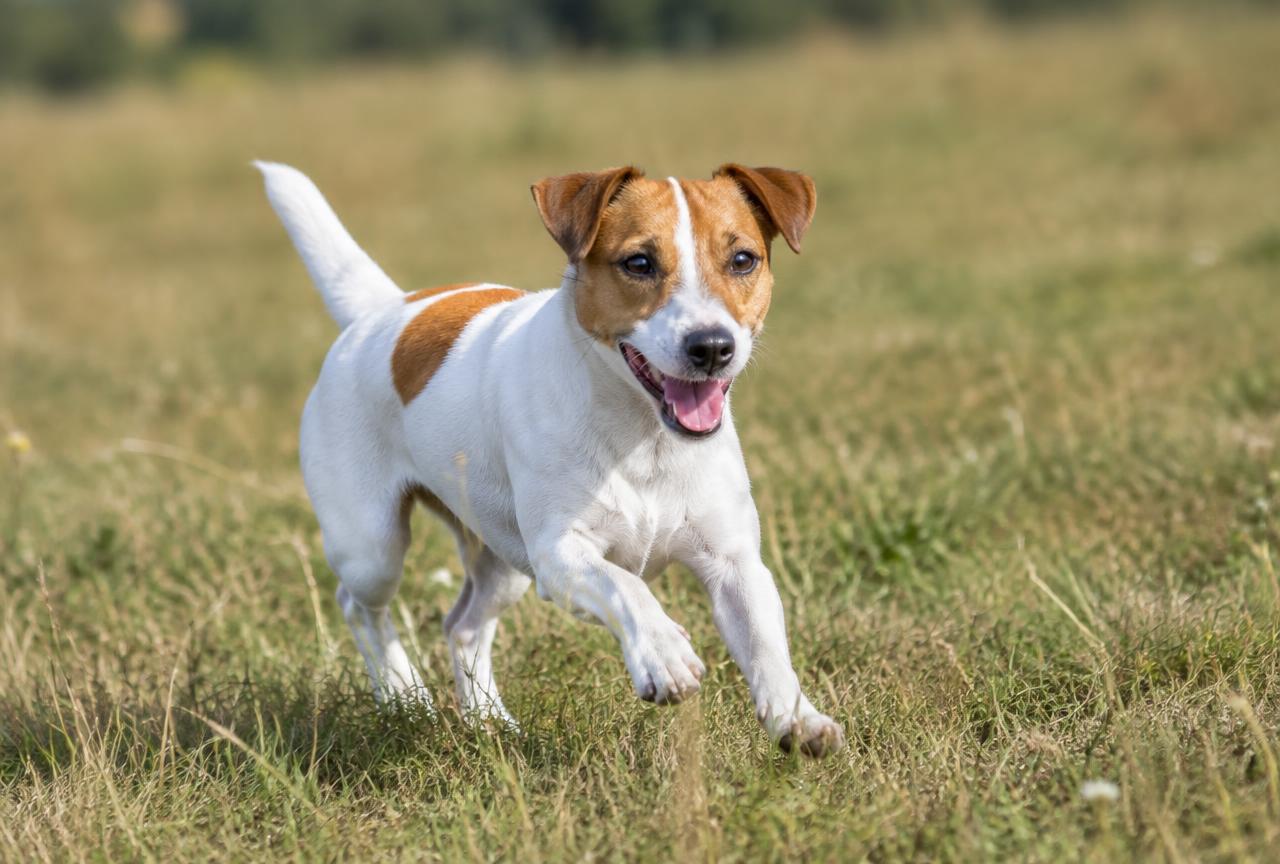
Dogs hear frequencies far beyond ours, and fireworks arrive as unpredictable explosions of sound, light, vibration and smell from a source the dog cannot see or escape. There is no pattern to learn and nowhere to run. Sensitive, sound-aware breeds such as the Border Collie and alert terriers such as the Jack Russell are often among the worst affected, though any dog can develop the fear at any age.
Weeks before: the work that changes everything
The single most effective intervention is desensitisation, and it needs lead time. Play recorded firework sounds (several charities publish free tracks) at a very low volume during meals or play, keeping your dog completely relaxed. Over days and weeks, raise the volume in tiny steps. If you see any sign of worry, drop back. Done well, the bangs become background noise before the real season arrives.
This is also the time to build the den and to see your vet if last year was severe. Situational anti-anxiety medication works well for many dogs, but it needs a prescription and sometimes a trial dose, so that conversation belongs in October, not on 4 November.
Building a safe space
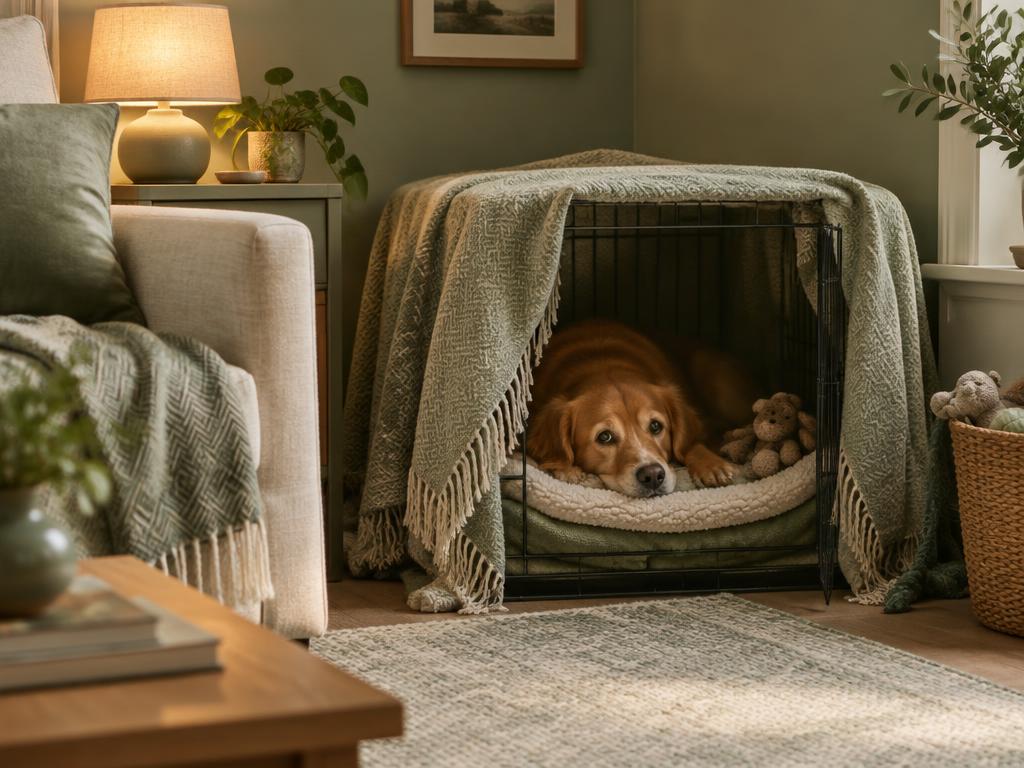
A good den is a small, dark, enclosed spot in a quiet room: a crate or table covered with heavy blankets works well. Add familiar bedding and something that smells of you, and leave the door open so your dog chooses it freely. Introduce it weeks early by feeding meals nearby and hiding treats inside, so that on the night it is already a trusted refuge rather than a strange new box.
Interactive tool
Fireworks planner
Severity, time left and safe space in, a practical preparation plan out.
Your plan
- Weeks out: start playing firework sounds quietly during meals or play, turning them up slowly over days.
- Build a den: a crate or table covered with blankets in a quiet room, with the door always open.
- On the day: walk before dark, feed early, close curtains, put on the radio or a fan, and stay with them.
- Never force them out of hiding and never punish trembling: comfort is fine, it does not reward fear.
A simple plan will do
Firework fear responds best to preparation. Management on the night helps; desensitisation in the weeks before changes the dog.
On the night: the management checklist
- 1Walk before dark. A tired, toileted dog copes better, and you avoid being outside when the bangs start.
- 2Feed early, before the noise, since worried dogs often will not eat.
- 3Close curtains and windows to muffle sound and block flashes.
- 4Add steady background sound: radio, television or a fan, at a volume that blurs the bangs.
- 5Stay home and stay calm. Your dog reads you constantly; be warm, quiet and boring.
- 6Let them hide. Never drag a dog out of their chosen spot, and never punish trembling or pacing.
- 7Keep doors and gates secured. Panicked dogs bolt, and fireworks nights are peak season for lost dogs. Check microchip details are up to date beforehand.
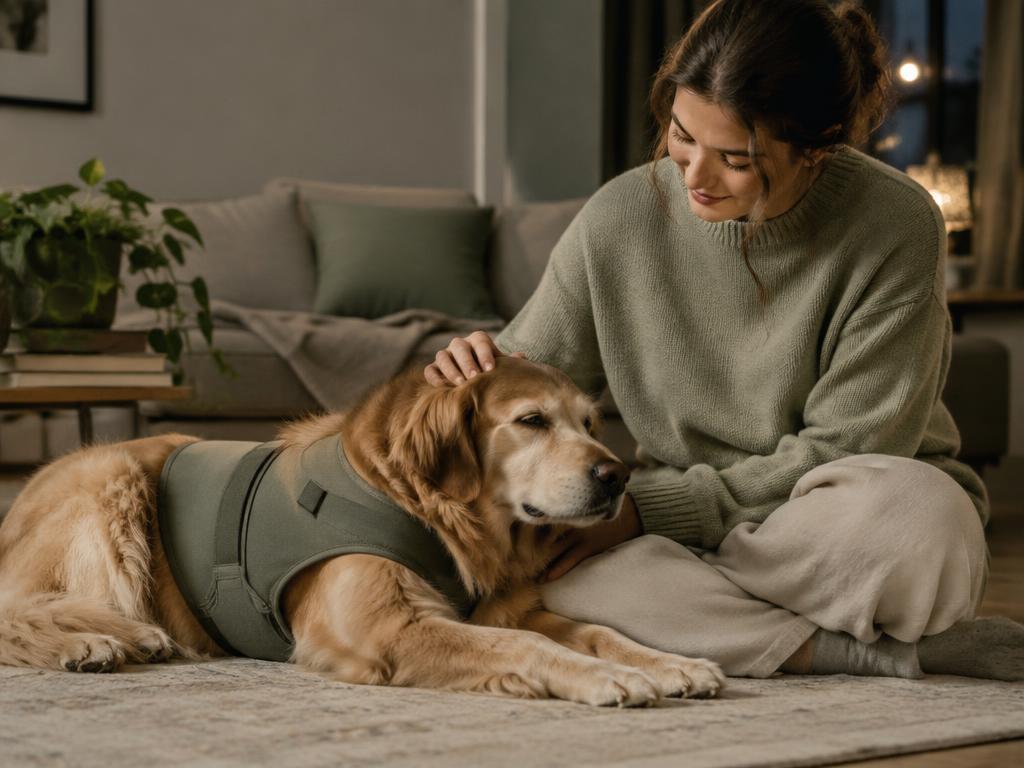
Comforting is allowed, despite the persistent myth. Fear is an emotion, and you cannot reinforce an emotion by being kind. What helps is calm presence; what does not is frantic, high-pitched fussing, which can confirm to the dog that panic is the correct response.
Why the fear can appear later in life
Owners are often baffled when a dog who slept through fireworks for years suddenly falls apart at seven or eight. There are several reasons. Hearing changes with age can make sounds more startling rather than less. Painful conditions such as arthritis lower a dog's resilience to everything, noise included. Cognitive change can erode the ability to make sense of the world. And each frightening experience can sensitise rather than habituate: the dog does not get used to it, they get worse. A new noise fear in an older dog is always worth mentioning to the vet, because treating the pain or the cognitive change often lifts the fear with it.
Desensitisation, step by step
The principle is simple: pair very quiet firework sounds with things the dog loves, and raise the volume so slowly that worry never appears. In practice:
- 1Choose a recorded firework soundtrack (charities such as Dogs Trust publish free ones) and a time when your dog is relaxed and hungry.
- 2Play the sounds at a volume so low your dog does not react at all, during dinner or a play session.
- 3Keep sessions short, five to ten minutes, once or twice a day.
- 4Raise the volume a notch every few sessions, only while the dog stays completely relaxed.
- 5If you see any tension, a paused chew, a raised head, pinned ears, drop back two notches and go slower.
- 6Over weeks, work towards realistic volume, varying the times of day and the rooms.
The whole programme takes weeks to months, which is why it belongs to the quiet part of the year. Rushing it is the one way to make things worse.
If you are caught unprepared tonight
No lead time, bangs already forecast, dog already worried? Management still helps enormously. Walk and feed early. Close everything, curtains included. Pick the quietest room, build a quick den from blankets over a table, and put the radio or a fan on. Stay with your dog, stay calm, and let them hide wherever they choose. Skip the sound training entirely: starting it on the day, at real volumes, risks sensitising the dog further. Then, once the season is over, do the preparation properly for next time.
Reading the signs of fear
Firework fear is not always the dramatic shaking under the bed. The quieter signs are easy to miss: yawning, lip licking, panting when it is not hot, pinned-back ears, a tucked tail, refusing food, or following you from room to room. Catching the fear at this mild end matters, because early, calm intervention works far better than waiting for full panic. A dog showing mild signs this year is a dog to start sound training with now, not after a bad night next year.
The season map
In Britain the fireworks calendar is predictable enough to plan around: Bonfire Night and the weekends either side of it, Diwali, New Year's Eve, and scattered summer displays and weddings. Mark the known dates, ask neighbours if they are planning anything, and watch local noticeboards and social media in the weeks before. A dog walked early and settled into their den before the first bang copes measurably better than one caught mid-walk by a surprise display.
Products: what helps and what does not
Calming wraps that apply gentle, steady pressure help a good number of mild to moderate dogs, and they are safe to try. Pheromone diffusers have mixed but generally positive evidence and do no harm. Herbal and supplement calming products vary wildly in evidence; ask your vet before spending. What does not help is a sedative that immobilises the dog while leaving the fear intact, which is why modern veterinary medication for noise fear targets anxiety rather than sedation. Whatever you use, introduce it before the night so nothing about it is new or strange when the bangs start.
The morning after and the year ahead
Once the season passes, most owners relax, and that is exactly when next year's success is decided. Noise fears sensitise: each frightening night makes the next one worse. If this year was hard, start a proper desensitisation programme in the quiet months, ideally with a qualified behaviourist, and keep the den as a permanent, positive feature of the house. If shaking and panic were severe, our guide to why dogs shake helps you read those signs, and your vet can advise on medication for next time.
Thunder, traffic and the generalising fear
Fireworks rarely stay the only trigger for a sensitised dog. The fear tends to spread to sounds that resemble it: thunder first, then gunshots, then bangs from building sites, lorries or even doors slamming. Catching and treating the firework fear early is partly about preventing that spread. If your dog has already generalised, the same desensitisation principles apply, but the programme needs to cover each sound family separately, and professional help becomes more valuable, because the plan has to be sequenced carefully to avoid overwhelming the dog.
Cats, rabbits and the rest of the household
Dogs are not the only animals who hear the bangs. If you share your home with cats, rabbits or small pets, extend the same preparation to them: cats brought in before dark with curtains closed, outdoor rabbits and guinea pigs given extra bedding and a covered, quiet hutch, and indoor cages moved away from windows. A household-wide plan means you are not trying to soothe the dog while a spooked cat bolts through the cat flap.
Looking after yourself on the night
One thing the guides rarely mention: a frightened dog on fireworks night is stressful for the humans too. You may miss the display, cancel plans or spend the evening sitting on a bathroom floor. That is normal, temporary, and genuinely helpful to your dog. Share the load between household members where you can, keep your own plans flexible for the peak nights, and remember that a calm, bored human is exactly the right medicine. The season passes, and the work you put in now compounds year after year.
Helping a rescue dog with an unknown history
Rescue dogs arrive without a noise history, and the first fireworks season can be a revelation. The safe assumption is to prepare as if the dog will be frightened: build the den early, keep the first season quiet and managed, and watch the mild signs closely. Some rescues turn out to be unbothered; others have clearly met fireworks before. Either way, you will know by the end of the first season, and you will not have gambled the dog's welfare on finding out the hard way.
When to see a vet
Book an appointment if your dog's fear is severe (harming themselves, escaping, inconsolable for hours), if it is getting worse year on year, or if the fear generalises to other sounds such as thunder or traffic. Medication plus behaviour work is genuinely effective, and no dog should have to white-knuckle through every November. For long-term change, ask about a referral to a qualified clinical animal behaviourist, who can build a desensitisation programme tailored to your dog.
Questions people actually ask
Why are dogs scared of fireworks?
Fireworks combine everything dogs are wired to fear: sudden loud bangs with no warning, flashes of light, vibrations and strange smells, all from an invisible source. Dogs hear far higher frequencies than we do, so the whistles and crackles are even more intense for them.
Should I comfort my dog during fireworks?
Yes. The idea that comforting rewards fear is a myth: fear is an emotion, not a behaviour you can reinforce. Calm, warm reassurance helps. What to avoid is frantic fussing, which can signal that there really is something to panic about. Be calm, be present, be boring.
What can I give my dog for fireworks anxiety?
For mild cases, a calming wrap, a den, background noise and your company are usually enough. For moderate to severe fear, your vet can prescribe situational medication that takes the edge off for the night. Book that conversation weeks ahead, not the day before.
How do I build a den for my dog?
Choose a quiet room away from windows, use a crate or table covered with heavy blankets, add familiar bedding and a worn t-shirt of yours, and leave the door open so the dog can come and go. Introduce it weeks early by feeding meals and hiding treats there, so it is a happy place before it is needed.
Can I use sound training for fireworks?
Yes, and it is the most effective long-term approach. Play recorded firework sounds very quietly during meals or play, keeping the dog relaxed, and raise the volume gradually over days and weeks. If the dog shows any worry, drop back a level. Start months before the season, not days.
My dog was fine last year but terrified this year. Why?
Noise fears commonly develop or worsen with age, and each frightening experience can sensitise a dog further. A single bad night can tip a dog from tolerant to fearful. Treat the new fear seriously and start a desensitisation plan, because it rarely improves on its own.
Sources
Breeds mentioned

Read next
Why Do Dogs Roll in Poop? The Instinct Explained
Why dogs roll in the worst smells they can find, what the behaviour is really about, and how to prevent it or at least clean up well afterwards.


