
Why Is My Dog Drinking a Lot of Water? Causes and When to Test
Thirst is one of the most useful early signals a dog gives. Measuring it turns a vague worry into a number your vet can use.
The SniffScroll desk
Published 10 October 2026
Dr Emma Whitfield, BVSc MRCVS
The short version
- Dogs drink roughly 50 to 60 ml per kilo of body weight a day; sustained doubling of that is worth investigating.
- Measure intake for 24 hours before the vet visit: fill the bowl with a known amount and track top-ups.
- Drinking more and weeing more travel together and are called polydipsia and polyuria.
- Common causes include kidney disease, diabetes and Cushing's, all found with simple blood and urine tests.
- Never restrict water to test the theory; a genuinely thirsty dog needs the water.
First, know what normal looks like
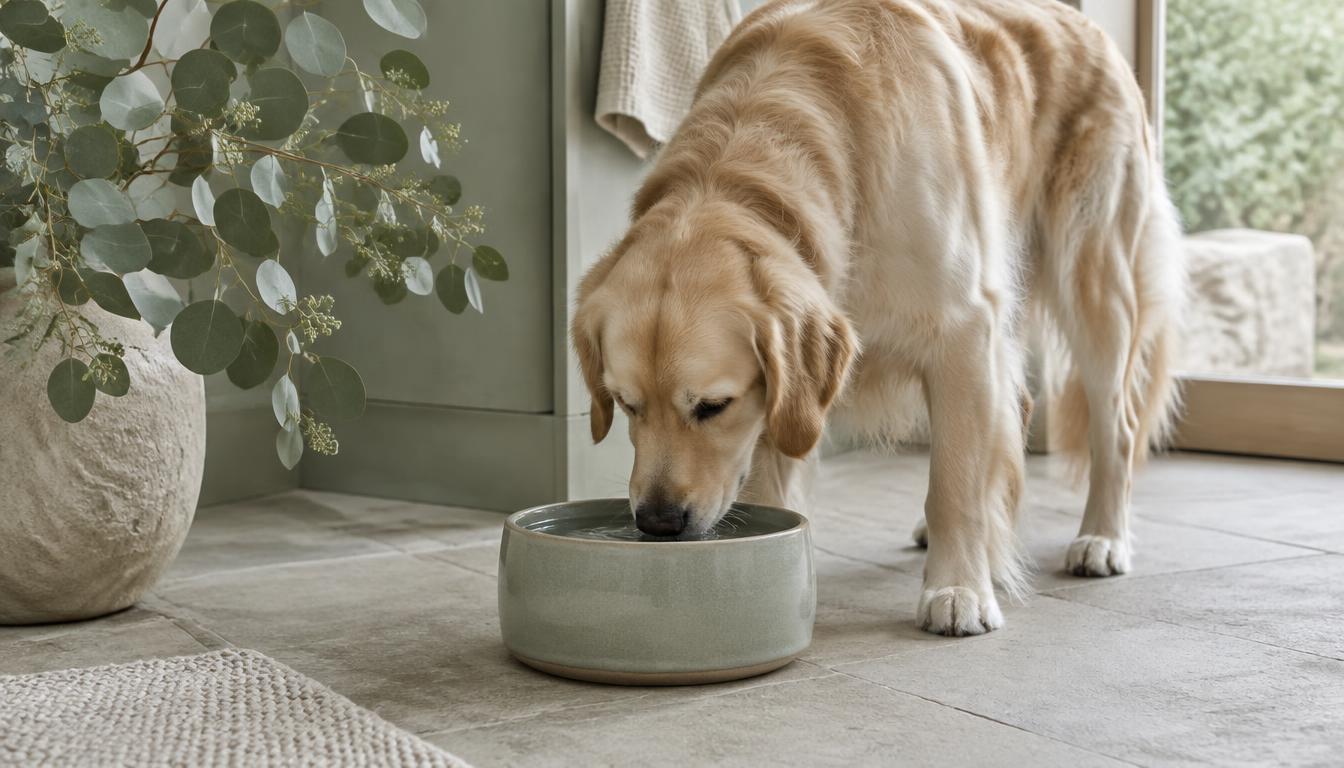
Before worrying about extra thirst, anchor yourself in the normal range. A healthy dog drinks roughly 50 to 60 ml of water per kilo of body weight each day. A 10 kg dog manages on about half a litre; a 30 kg dog on a litre and a half or so. Hot days, hard exercise and dry kibble all push the number up legitimately.
The signal that matters is not a single thirsty day but a sustained change: the bowl emptying faster than it used to, refills you never needed before, a dog visiting the water at midnight who never did. That pattern, held for a week or more, is worth a number rather than a feeling.
How to measure intake properly
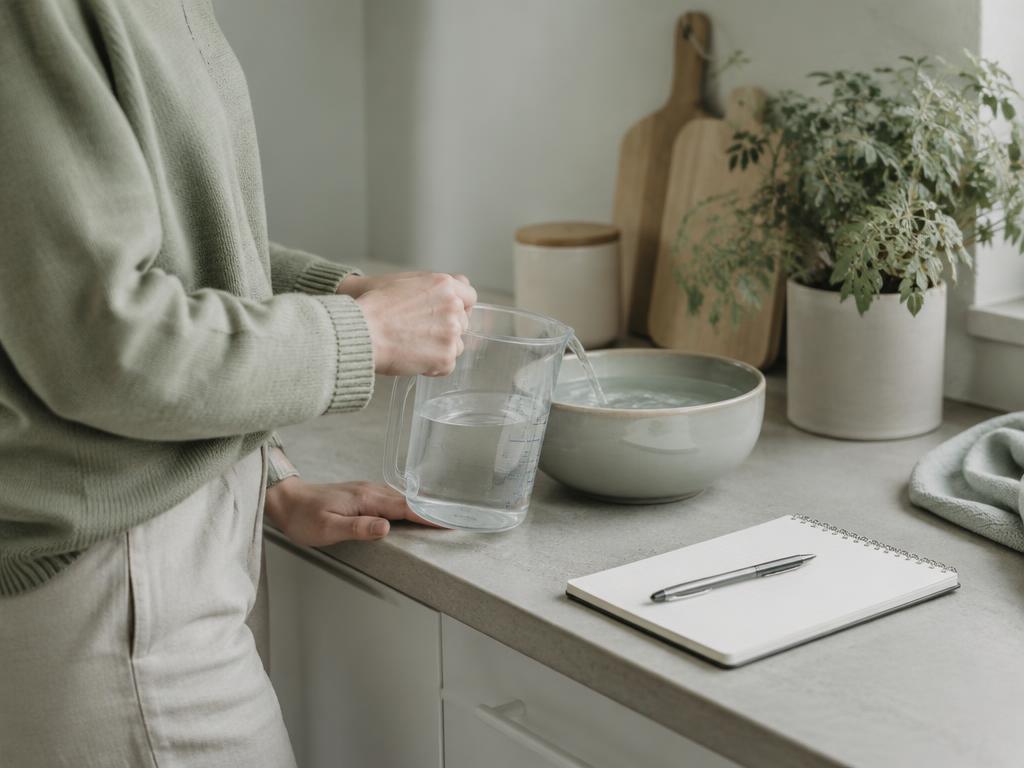
Vets love an owner who arrives with a measurement, because drank more is a feeling and 2.4 litres is a fact. The method takes one day:
- 1In the morning, fill the bowl with a measured amount and write it down.
- 2Top up only from a measured jug, and note every top-up.
- 3If you have several dogs, separate them for the day or measure each bowl individually.
- 4Include water from walks, puddles excluded, and anything added to food.
- 5Next morning, measure what is left and do the subtraction.
- 6Divide by your dog's weight in kilos to get ml per kilo per day.
Under about 60 ml per kilo is normal. Between 60 and 100, keep measuring for a few days and watch the trend. Sustained intake over 100 ml per kilo per day is polydipsia, and it has earned a vet visit with your numbers in hand.
The food bowl's role in the water bowl
What a dog eats quietly sets how much they drink. A dog on dry kibble gets almost no moisture from meals and must drink nearly everything they need; the same dog on wet or fresh food may drink a third less, because the food arrives with its water built in. This is why a food switch is one of the first things to check when thirst changes: a move from wet to dry food produces a dramatic, perfectly healthy rise in bowl visits that alarms owners who were not expecting it.
Salt works the same lever. A dog who scavenges crisps, cheese rinds and cured-meat scraps, or who gets regular human titbits, drinks more to balance the load, and the fix is the extras rather than the water. If you are reviewing the diet anyway, our portion calculator keeps the main meals honest while you tidy up what happens between them. The rule of thumb is simple: before the thirst is a symptom, make sure it is not just the menu.
The medicines question
One of the commonest and most missed causes of extra drinking is the medicine cabinet. Steroids such as prednisolone, widely prescribed for skin disease, allergies and inflammation, cause marked thirst and weeing in most dogs who take them. Some anti-seizure medicines and diuretics do the same. If the extra drinking started within days of a new prescription, the prescription is the likely answer, and the right move is a conversation with the vet, not a panic and never a decision to stop the drug yourself. Steroids in particular must be tapered, not stopped.
This is why the timeline matters so much. When you notice the thirst, think back two weeks: new food, new treats, new medicine, hot spell, more exercise. Most cases explain themselves in that list, and the ones that do not are the ones that earn the tests.
The causes, from boring to important
Most extra thirst has a boring explanation, and the list is worth ruling through before worrying:
| Cause | Clues | Action |
|---|---|---|
| --- | --- | --- |
| Hot weather, more exercise | Tracks the temperature and the walks | None, it settles |
| Switch to dry food | Started with the new bag | Add water to meals, watch |
| Steroids or some other medicines | Started with the prescription | Ask the vet, do not stop the drug |
| Salty diet or treats | New treats, scavenging | Review the extras |
| Kidney disease | Older dog, weeing more, sometimes weight loss | Blood and urine tests |
| Diabetes | Drinking, weeing, weight loss despite eating | Blood and urine tests |
| Cushing's disease | Middle-aged or older, pot belly, panting, hair loss | Blood tests |
| Liver or uterine infection | Off colour, off food, sometimes fever | Prompt vet visit |
The medical causes share a feature: they are all found with a basic blood panel and a urine sample, and all of them are more manageable the earlier they are caught. This is why thirst is such a useful symptom. It is early, it is honest, and it is measurable.
Puppies, adults and seniors: how the baseline shifts
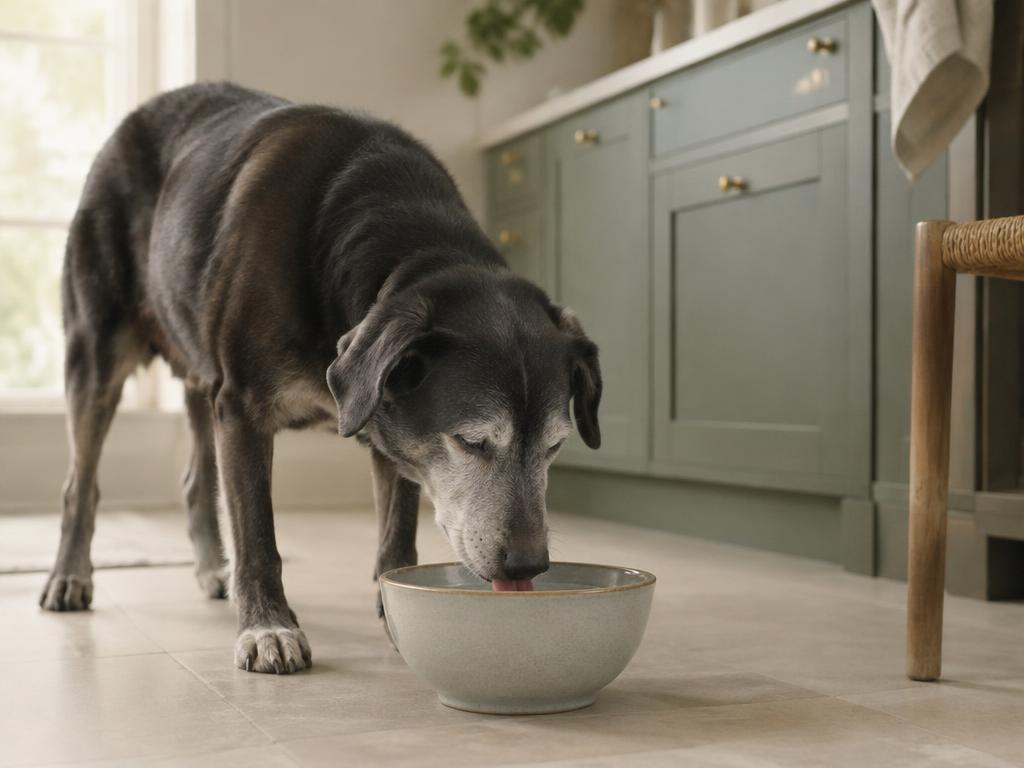
Age reframes this symptom. Puppies drink plenty relative to their size and wee constantly because their bladders are small and their concentration is worse; a thirsty puppy is usually just a puppy, and the red flags there are dullness and poor growth rather than the water bowl. Healthy adults are the stable group, where a sustained change from the dog's own normal is the meaningful signal and measurement settles the question quickly.
Seniors are where thirst earns the most respect. Kidney function declines gradually with age in most dogs, and rising thirst is often the first household-visible sign, arriving months or years before anything else. This is the argument for annual senior blood and urine screening: it catches the change before the bowl does, and early kidney management genuinely slows the disease. In a dog over eight, treat new sustained thirst as a prompt for a screen rather than a puzzle to watch.
Drinking and weeing travel together
What goes in comes out, so extra thirst almost always means extra weeing: bigger puddles, more frequent trips, sometimes accidents in a previously reliable dog. The pair, polydipsia with polyuria, is the combination vets think in, and mentioning both makes the consultation faster.
If you can, bring a fresh urine sample to the appointment. Catch it mid-stream in a clean, dry container, keep it cool, and take it in within a few hours. It saves a step and often answers the first question on the spot: dilute urine with glucose in it points one way, dilute urine without points another.
Never restrict water to test the theory. The thirst is the messenger; the message is what needs reading.
Water on walks and away from home
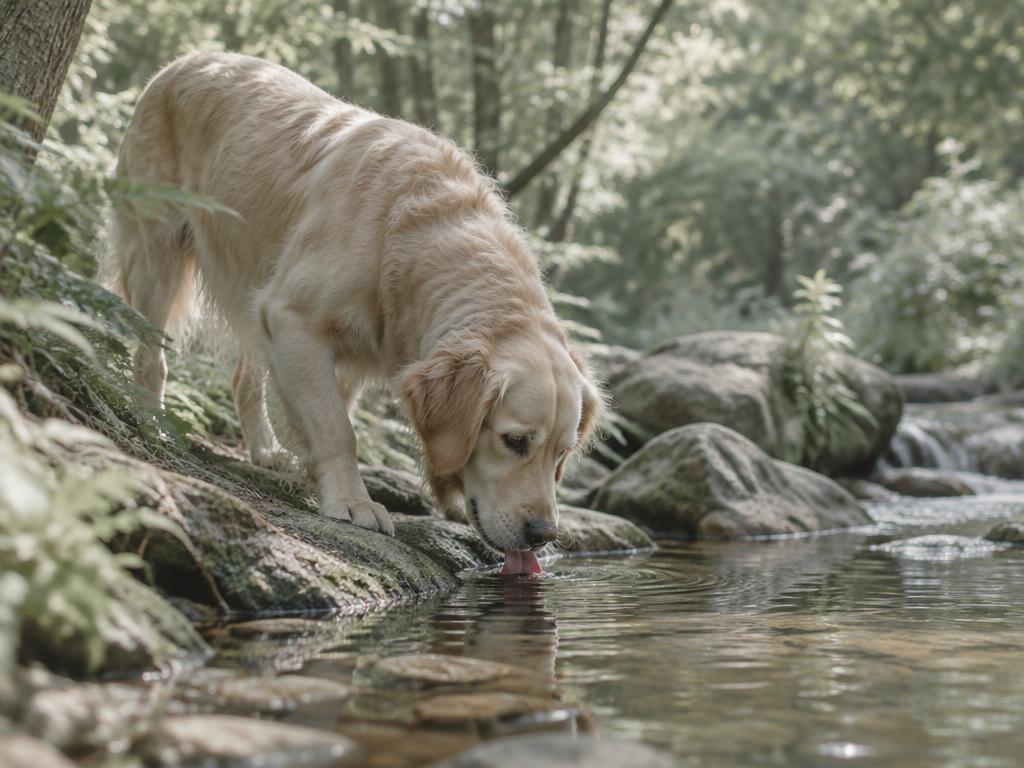
Thirst management is not only a home topic. Dogs drink opportunistically, and a dog who drains puddles, streams and every bowl they pass may simply be a keen drinker rather than a sick one, but the habit carries its own risks. Stagnant water can harbour leptospirosis and blue-green algae, the latter genuinely dangerous in warm months. Carry water and a collapsible bowl on long walks, offer it little and often, and steer away from still, scummy water entirely.
Travel changes intake too. Dogs often drink less than usual on the first day somewhere new, then catch up. What should not happen on any trip is a dog who cannot settle and drinks obsessively from every source; that pattern, away from home and out of routine, deserves the same measurement and the same vet conversation it would get in your own kitchen.
What the tests actually involve
Owners sometimes delay the vet visit because they imagine the workup is elaborate. It is not. The first round is a physical examination, a blood panel and a urine test, often all done in one visit, and that combination answers most cases: kidney values, blood sugar, liver markers, calcium and urine concentration between them point to or away from every common cause. If that first round is normal but the thirst is real, the second round looks at hormonal conditions such as Cushing's with more specific blood tests. Very few dogs need anything more invasive. The earlier the first round happens, the more options every diagnosis offers.
When to see the vet
Book a routine appointment if raised thirst has persisted for a week or more without an obvious explanation, or if your measured intake is sustained above 100 ml per kilo. Book sooner, within days, if the thirst comes with weight loss, poor appetite, vomiting, low energy or a pot-bellied shape. Our guide to dog losing weight is worth reading alongside this one if the scales are moving too.
Interactive · thirst tracker
How much is too much?
Estimate your dog's drinking and tell us what else has changed. We will tell you when to measure at home and when to book in.
What to do
- Measure actual intake for 24 hours: fill the bowl with a known amount, top up from a measured jug, and note what is left.
- As a guide, dogs drink roughly 50 to 60 ml per kilo a day; double that or more, sustained, is worth investigating.
- Never restrict water to test the theory; a genuinely thirsty dog needs the water, and restricting it can be dangerous.
Measure first, worry second
Thirst is one of the most useful early signals a dog gives. Measuring it turns a vague worry into a number your vet can use.
For senior dogs, do not wait for symptoms at all: an annual blood and urine screen catches kidney change and diabetes long before the bowl tells you. A Labrador or Beagle entering their later years earns that panel the way they earn their walks.
The questions your vet will ask
Arrive ready and the consultation moves fast. Expect to be asked how long the thirst has been up, whether weeing has increased or accidents have appeared, whether appetite and weight have changed, whether there has been any vomiting or low energy, and what medicines or supplements your dog takes. The 24-hour measurement covers the first question better than any description; a fresh urine sample in a clean container covers the second round of tests before they are ordered.
It also helps to know the dog's weight, because intake is judged per kilo. If you have not weighed your dog recently, most practices will do it on the way in, and our ideal weight tool gives you a sensible target range to discuss while you are there. Thirst, weight and appetite together form the triangle that points at most of the causes on the list, and you can bring all three measured rather than guessed.
Living with the answer
Whatever the cause turns out to be, the practical rules stay the same. Keep fresh water constantly available, never ration it. Feed the diet the vet recommends and measure the extras with our portion calculator if weight is part of the picture. And keep measuring intake now and then: in a dog being treated for kidney disease or diabetes, the water bowl becomes one of the best monitoring tools you own, quietly reporting how things are going between appointments.
Questions people actually ask
How much water should a dog drink a day?
A useful guide is 50 to 60 ml per kilo of body weight daily, so a 20 kg dog drinks around a litre. Hot weather, exercise and dry food push it up. Sustained intake at double the guide amount warrants a vet check.
Why is my dog suddenly drinking so much water?
Sudden increases follow heat, exercise, a switch to dry food, or medicines such as steroids. If none of those apply and the thirst persists beyond a few days, book a check, as kidney disease, diabetes and hormonal conditions all announce themselves through thirst.
Is drinking a lot of water a sign of diabetes in dogs?
It is one of the classic signs, alongside increased weeing, weight loss despite a good appetite, and sometimes cloudy eyes. A urine and blood test confirms or rules it out quickly.
Why is my old dog drinking more water?
Kidney function declines with age, and the kidneys compensate by asking for more water. It is common, manageable when caught early, and exactly the kind of thing a senior blood panel screens for.
Should I limit my dog's water if they drink too much?
No. Restricting water from a genuinely thirsty dog is dangerous and can cause dehydration fast. The thirst is a symptom; the answer is finding the cause, not removing the bowl.
Can anxiety make a dog drink more?
Yes, stress and boredom can both drive extra drinking, as can a salty diet. These causes are benign, but they are diagnoses of exclusion: the medical causes need ruling out first.
Sources
Breeds mentioned

Labrador Retriever
Britain's most popular family dog: biddable, food driven and built for an active household.

Golden Retriever
A gentle, biddable gundog famed for its patience with children and its glossy golden coat.

Beagle
A merry, sociable scenthound with a powerful nose and a mind of its own outdoors.

Border Collie
The world's most capable herding mind, needing an equally capable owner to match it.
Put it into practice
Read next
Dog Dry Heaving: Causes and When It Is an Emergency
Dog dry heaving is usually throat irritation or mild nausea, but repeated unproductive retching with a swollen, tight belly can be bloat (GDV), a life-threatening emergency.


