
Why Do Dogs Eat Grass? What Vets Actually Think
A calm, evidence-based look at one of the most common dog behaviours owners worry about.
The SniffScroll desk
Dog care editors
Published 30 September 2026 · Updated 9 October 2026
Reviewed against RVC, BSAVA and PDSA guidance
The short version
- Most dogs who eat grass show no signs of illness beforehand and do not vomit afterwards.
- Grass eating is likely a mix of foraging instinct, taste preference and boredom.
- Only a minority of grass-eating episodes are linked to an upset stomach.
- Watch out for grass treated with pesticides and grass seeds lodging in paws or ears.
- Frequent, frantic or compulsive grass eating paired with other symptoms warrants a vet visit.
Why dogs eat grass
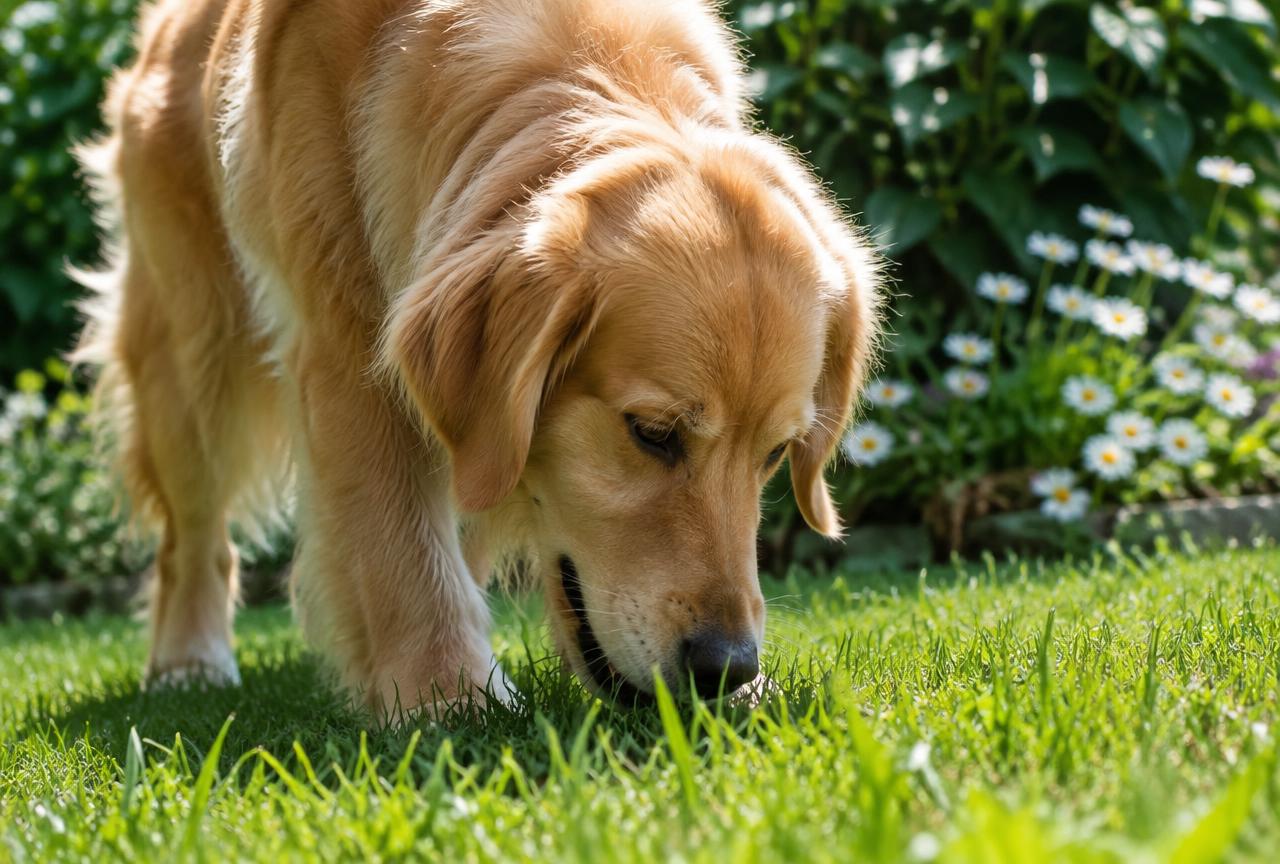
Eating grass is normal, common behaviour in dogs and is usually not a sign that anything is wrong. Surveys of dog owners suggest the majority of dogs eat grass at some point, and most of them show no signs of illness beforehand and do not vomit afterwards, which contradicts the popular idea that dogs only eat grass to make themselves sick. Vets and behaviourists now think grass eating is a mix of normal foraging instinct, taste preference, boredom, and occasionally a response to mild stomach discomfort. Understanding the likely reasons, and knowing when grass eating signals something more serious, can help you respond calmly rather than worry every time your dog snacks on the lawn.
The main reasons dogs eat grass
It is a normal foraging behaviour
Dogs are scavengers by nature, and wild canids are known to eat plant matter as part of a varied diet, so nibbling grass may simply be an instinctive behaviour carried over from their ancestors. Puppies in particular often explore the world by mouthing and tasting whatever is around them, including grass, sticks and leaves, as part of normal development.
Some dogs simply like the taste or texture
Fresh, dewy grass in spring seems to be particularly appealing to many dogs, and some individuals show a clear, repeated preference for grazing during walks regardless of whether they seem unwell. This is comparable to how some dogs enjoy chewing on certain textures of toy or stick purely because they find it satisfying.
Boredom and lack of stimulation
Dogs left in a garden with little else to do, or those not getting enough physical and mental exercise, sometimes turn to grass eating as a way to pass the time. If grass eating is frequent and paired with other signs of an under-stimulated dog, such as digging or excessive barking as discussed in our guide to stopping a dog barking, increasing enrichment and exercise may reduce the behaviour.
Mild stomach upset
A minority of dogs do appear to eat grass, sometimes quickly and with a stretched-out neck, shortly before vomiting, which suggests that in some cases dogs may be using grass to help settle or clear an upset stomach. However, studies suggest this pattern applies to a smaller proportion of grass-eating episodes than commonly assumed, and most dogs who eat grass do not vomit at all.

Is grass eating dangerous?
For most dogs, occasional grass eating on their own lawn or during a walk on unsprayed ground is harmless. The main risks come from what might be on or near the grass rather than the grass itself: lawns and verges treated with pesticides, herbicides or fertilisers can be toxic if ingested, and grass seeds and awns can become lodged in a dog's paws, ears, nose or throat, sometimes requiring veterinary removal. Always be cautious about letting your dog graze in areas you know have been recently treated with chemicals, and check your dog over after walks through long grass, particularly breeds with fine or curly coats where seeds can get trapped, such as some poodle and spaniel types.
When grass eating is a sign of something else
Frequent, frantic or compulsive grass eating, especially when paired with other symptoms, can be a signal worth discussing with your vet rather than dismissing as normal quirkiness. Some conditions that can increase grass-eating behaviour include gastrointestinal disease, dietary deficiencies, parasites, or anxiety-related compulsive behaviours. If your dog's grass eating has changed noticeably in frequency or intensity, or if it is consistently followed by vomiting, diarrhoea, lethargy or loss of appetite, it is worth a veterinary check to rule out an underlying issue.
Interactive · grass eating checker
Is grass eating normal for your dog?
Most dogs nibble grass now and then. A few extra details help tell ordinary behaviour apart from something to watch.
Normal behaviour
Occasional grass eating is common and usually not a sign of anything wrong.
What to do if you are concerned
Step 1: Track the pattern
Note how often your dog eats grass, whether it is followed by vomiting, and whether it coincides with changes in appetite, energy or toileting. A short diary over a week or two can help your vet spot patterns that are hard to notice day to day.
Step 2: Rule out treated or unsafe areas
Check whether the grass your dog has access to, at home or on regular walks, has been treated with pesticides or fertiliser recently, and restrict access if so.
Step 3: Add enrichment if boredom seems to be a factor
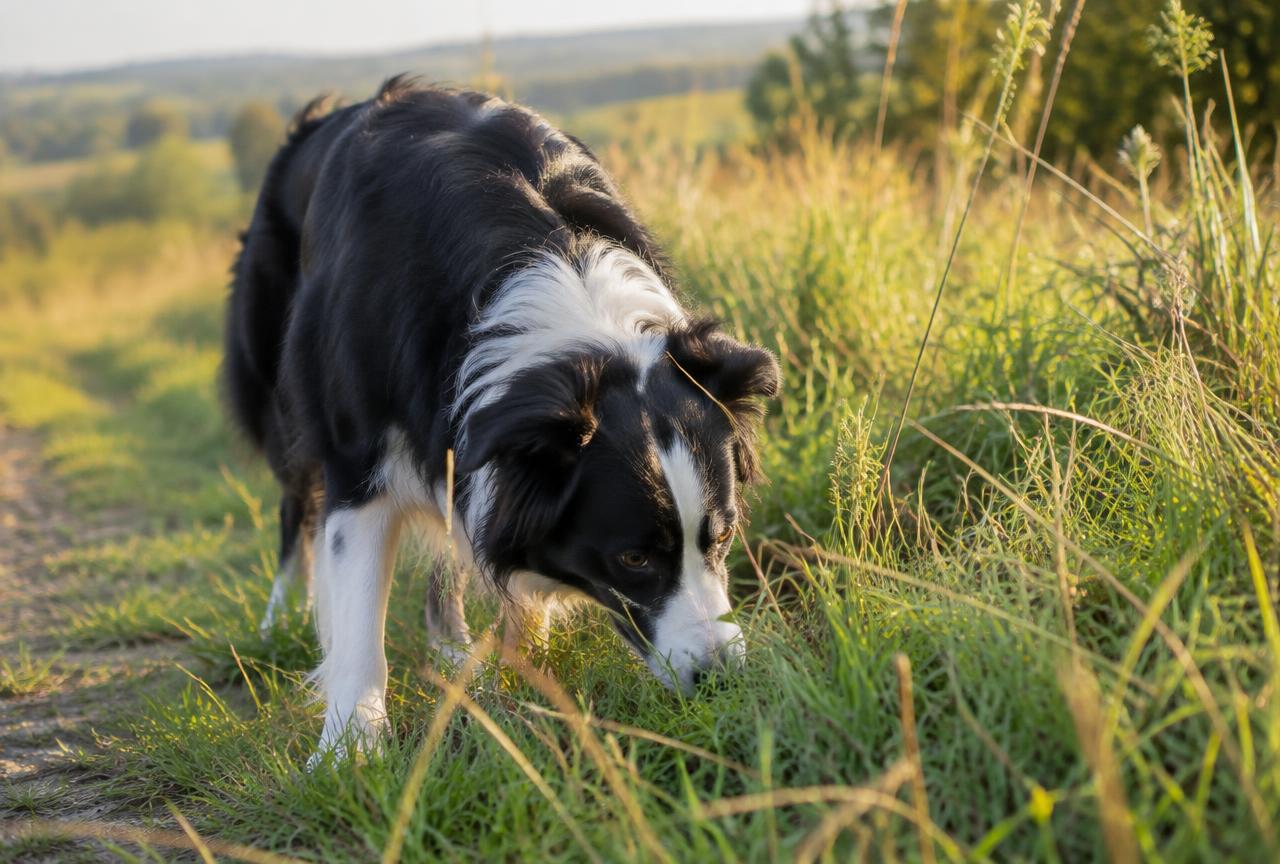
Rotating toys, adding sniffing games, and increasing structured exercise can reduce grass eating that is linked to under-stimulation, particularly in high-energy breeds like the border collie.
Step 4: Speak to your vet about persistent or worsening grass eating
If the behaviour is frequent, sudden in onset, or paired with other symptoms, a veterinary check can rule out gastrointestinal disease, parasites or dietary issues.
Grass eating causes at a glance
| Possible cause | How common | What to do |
|---|
| Normal foraging instinct | Very common | No action needed |
|---|
| Taste or texture preference | Common | No action needed |
|---|
| Boredom or under-stimulation | Fairly common | Increase exercise and enrichment |
|---|
| Mild stomach upset | Less common than believed | Monitor, mention to vet if frequent |
|---|
| Underlying illness or parasites | Uncommon | Veterinary check recommended |
|---|

When to see a vet
Common myths about grass eating
- Myth: dogs only eat grass to make themselves vomit. Research suggests most grass-eating episodes are not preceded by illness and are not followed by vomiting, so this popular explanation covers only a minority of cases.
- Myth: grass eating means a dog is missing something from their diet. There is little evidence that dogs eating a complete, balanced diet are seeking specific nutrients from grass, though the idea persists as a common explanation among owners.
- Myth: grass eating is always harmless and never needs attention. While usually harmless, grass treated with chemicals or containing seeds and awns can cause real problems, so context matters.
- Myth: only bored or under-exercised dogs eat grass. Plenty of active, well-exercised dogs with plenty of enrichment still enjoy grazing on grass occasionally, suggesting taste and instinct play a role independent of activity levels.
A closer look at the research
Surveys of dog owners, including a well-known study out of the University of California, have found that a large majority of dogs eat plants, most commonly grass, at some point, and that illness before grazing was reported in only a small minority of observed episodes. Vomiting after grass eating was also reported infrequently, which challenges the assumption that grass is primarily a self-medicating behaviour. Younger dogs were reported to eat plants more frequently than older dogs in some of this research, which fits with the idea that mouthing and tasting the environment is part of normal exploratory behaviour that can settle somewhat with age.
Grass eating in different situations
On a walk versus in the garden
Grass eating during a walk may be linked to novelty and the wider range of scents and textures encountered outside the home, while garden grazing is often more habitual and linked to a familiar, comfortable routine.
Before or after meals
Some owners notice their dog grazing before a meal, which may simply reflect general foraging interest rather than hunger specifically, since most dogs on a complete diet are not nutritionally driven to seek out grass.
In multi-dog households
Grass eating can sometimes become a bit of a learned or copied behaviour between dogs sharing a garden, similar to how dogs can pick up other habits from housemates, without this indicating any medical concern in either dog.
Troubleshooting grass-related concerns
My dog eats grass and then coughs or gags
This can suggest a blade of grass or seed has become lodged in the throat rather than being swallowed cleanly. If gagging or coughing persists beyond a few minutes, or your dog seems distressed, contact your vet.
My dog has been limping after a walk in long grass
Check between the toes and paw pads carefully for grass seeds or awns, which can burrow into the skin and cause painful swelling or infection if not removed. Persistent limping after a grass seed check warrants a vet visit, since seeds can migrate under the skin.
My dog seems to seek out grass obsessively, more than usual
A noticeable increase in grass-seeking behaviour, especially if paired with changes in appetite or stool, is worth mentioning to your vet, since it occasionally points to gastrointestinal irritation, dietary insufficiency or a compulsive behaviour pattern needing assessment.
My puppy eats everything in the garden, not just grass
This is common during the exploratory mouthing phase of puppyhood. Supervise garden time closely, remove anything toxic such as certain plants, mulch or chemicals, and redirect chewing toward appropriate toys as part of normal puppy development.
Keeping garden time low-risk
- Avoid treating any area your dog has access to with pesticides, herbicides or fertilisers, or fence it off securely if treatment is unavoidable
- Check your dog's coat and paws after walks through long or seeded grass, particularly in late spring and summer when grass seeds are more prevalent
- Remove any known toxic plants from gardens your dog has unsupervised access to
- Keep an eye on puppies and highly food-motivated dogs who may eat plant matter indiscriminately rather than selectively grazing
Grass eating across the seasons
Spring and summer
Fresh new grass growth tends to be softer and more appealing, which is likely part of why many owners notice increased grazing during warmer months, alongside more time spent outdoors overall.
Autumn and winter
Grass eating often decreases as growth slows and dogs spend less time outdoors, though some dogs continue grazing year round regardless of season, suggesting a fairly stable individual preference rather than a purely weather-driven habit.
A note on lawn care around dogs
If you manage your own garden, choosing pet-safe products and keeping dogs off treated areas for the manufacturer's recommended period reduces risk considerably. Many councils and public spaces also post notices when verges or parks have been recently treated, so it is worth glancing at signage before letting your dog graze freely in unfamiliar areas.
A quick summary for busy owners
Occasional grass eating on safe, untreated ground is normal and rarely a cause for concern, so the priority for most owners is simply keeping an eye on where their dog grazes and watching for any accompanying symptoms rather than trying to stop the habit altogether.
See your vet if grass eating becomes sudden, frantic or compulsive, is paired with vomiting, diarrhoea, weight loss or lethargy, or if your dog seems distressed rather than casually grazing. These signs can point to gastrointestinal disease, parasites or another underlying condition that deserves proper investigation rather than being written off as normal grass eating.
Questions people actually ask
Does eating grass mean my dog has an upset stomach?
Not usually. Research suggests only a minority of grass-eating episodes are linked to sickness beforehand, and most dogs who eat grass do not vomit afterwards. It is more often normal foraging or taste-driven behaviour rather than a sign of illness.
Should I stop my dog eating grass?
You do not need to stop occasional grass eating on safe, untreated ground. It is only worth intervening if the grass may have been treated with chemicals, if your dog eats it frantically or excessively, or if it is paired with other symptoms.
Can grass eating hurt my dog?
Plain grass itself rarely causes harm, but grass treated with pesticides or fertiliser can be toxic, and grass seeds or awns can become lodged in paws, ears or the throat. Check your dog after walks through long or seeded grass.
Is grass eating more common in puppies?
Puppies often explore the world by mouthing objects including grass, so it can be common during this developmental stage. It usually settles as they mature, though many adult dogs continue to graze occasionally out of habit or preference.
Why does my dog eat grass and then vomit?
Some dogs do eat grass quickly, often with an outstretched neck, shortly before vomiting, which suggests it may occasionally help clear mild stomach discomfort. If this pattern happens often, it is worth mentioning to your vet to rule out an underlying digestive issue.
Can boredom cause grass eating?
Yes, dogs who are under-stimulated or left with little to do in a garden sometimes turn to grass eating as an activity. Increasing exercise, mental enrichment and interactive play can reduce grass eating linked to boredom.
Sources
Breeds mentioned

Border Collie
The world's most capable herding mind, needing an equally capable owner to match it.

Poodle
A brilliant, low shedding companion that comes in three sizes but one sharp mind.

Beagle
A merry, sociable scenthound with a powerful nose and a mind of its own outdoors.

Cavalier King Charles Spaniel
An affectionate, adaptable toy spaniel that thrives on human company above almost anything else.
Put it into practice
Read next
Why Do Dogs Roll in Poop? The Instinct Explained
Why dogs roll in the worst smells they can find, what the behaviour is really about, and how to prevent it or at least clean up well afterwards.


