
Dog Pacing at Night: Causes and How to Settle Them
A dog that paces at night is telling you something: too much energy, a loose routine, a full bladder, or, in older dogs, sometimes a medical change. Here is how to work out which, and how to get everyone sleeping again.
The SniffScroll desk
Published 10 October 2026
Reviewed by the SniffScroll editorial team
The short version
- The most common cause of night pacing is a dog who simply is not tired enough.
- A consistent evening routine, last toilet trip and calm final hour solve most cases.
- Pain, needing the toilet and anxiety are the next causes to rule out.
- New all-night pacing in a senior dog can signal cognitive change and needs a vet.
- Never punish night pacing: it is a symptom, not naughtiness.
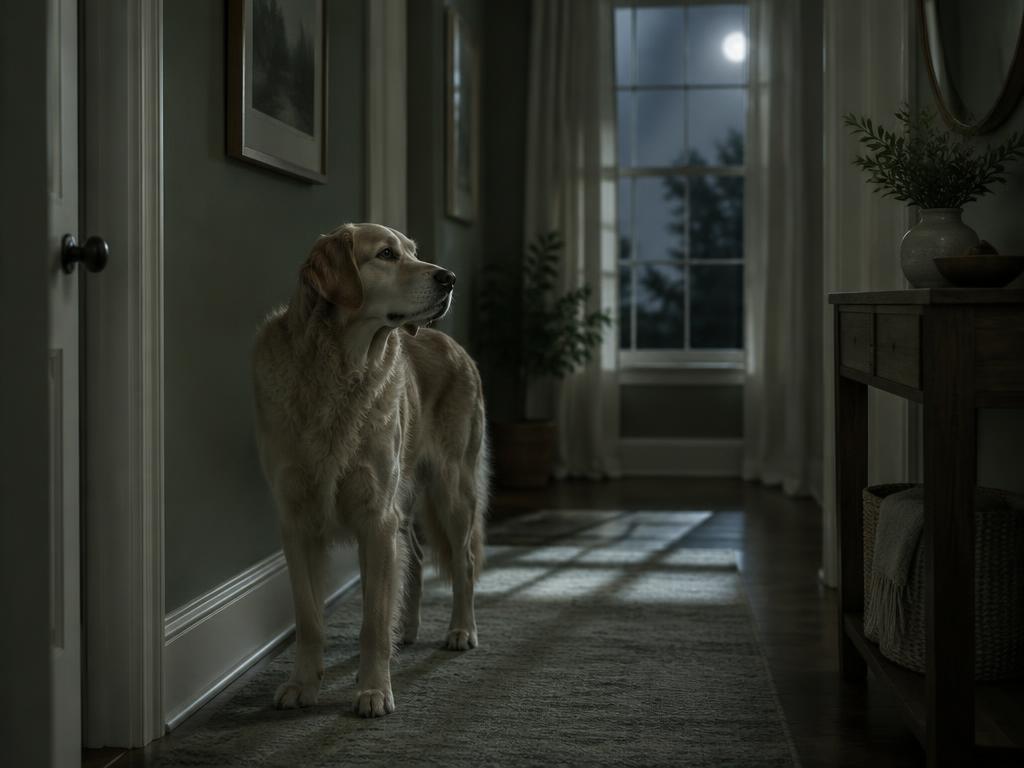
Few things unravel a household's sleep like the click of claws on the floor at 2am. A dog that paces at night is not being awkward: pacing is a symptom, and it always has a cause. The good news is that the common causes are fixable, and even the medical ones in older dogs respond well to treatment. This guide works through the causes in order of likelihood and gives you a plan for tonight.
The most common cause: not tired enough
A dog that has slept most of the day and had one short walk has a full battery at bedtime. Young adults and working breeds such as the Border Collie are the classic night pacers, because their need for both physical and mental exercise is easy to underestimate.
The fix is not just more walking. Ten minutes of sniffing, training or a puzzle feeder tires a dog's brain far more efficiently than another lap of the block. Aim for a proper evening walk, then a short training or scent game, then a calm wind-down.

The routine problem
Dogs run on rhythm. When bedtime drifts, dinner moves around and the household is loud until lights-out, many dogs simply cannot switch off. A consistent pattern, the same dinner time, the same last walk, the same calm final hour, teaches the body when sleep is coming. Keep the last hour dim and quiet, and save the exciting games for earlier.
Physical causes to rule out
If the energy and routine boxes are ticked, look at the body:
- Needing the toilet. Puppies, seniors and dogs on certain medications genuinely cannot last the night. A final toilet trip right before bed, and picking the water bowl up an hour before (without restricting daily intake), helps many.
- Pain. Arthritis and other aches make lying still uncomfortable, so the dog keeps getting up and moving. Look for stiffness when they first rise, or reluctance to jump on the sofa.
- Tummy trouble. Mild nausea or gas can make a dog restless. If the pacing comes with lip licking or grass eating, our guide to dogs not eating covers the nausea angle.
- Itch or skin irritation. A dog that keeps getting up to scratch or chew is dealing with a different problem entirely.
Interactive tool
Night pacing decoder
Age, pattern and other signs in, settling plan versus vet visit out.
Tonight's plan
- Add a proper evening walk and a short training or sniffing session so the dog is genuinely tired.
- Keep the last hour quiet: dim lights, calm voices, a chew or lick mat.
- Keep bedtime and wake time consistent, even at weekends.
- If the pacing continues for two weeks despite the routine, mention it to your vet.
A routine tweak should help
Most night pacing is an under-tired dog or a loose routine. In seniors, new all-night pacing is a medical question first.
Anxiety and the quiet house
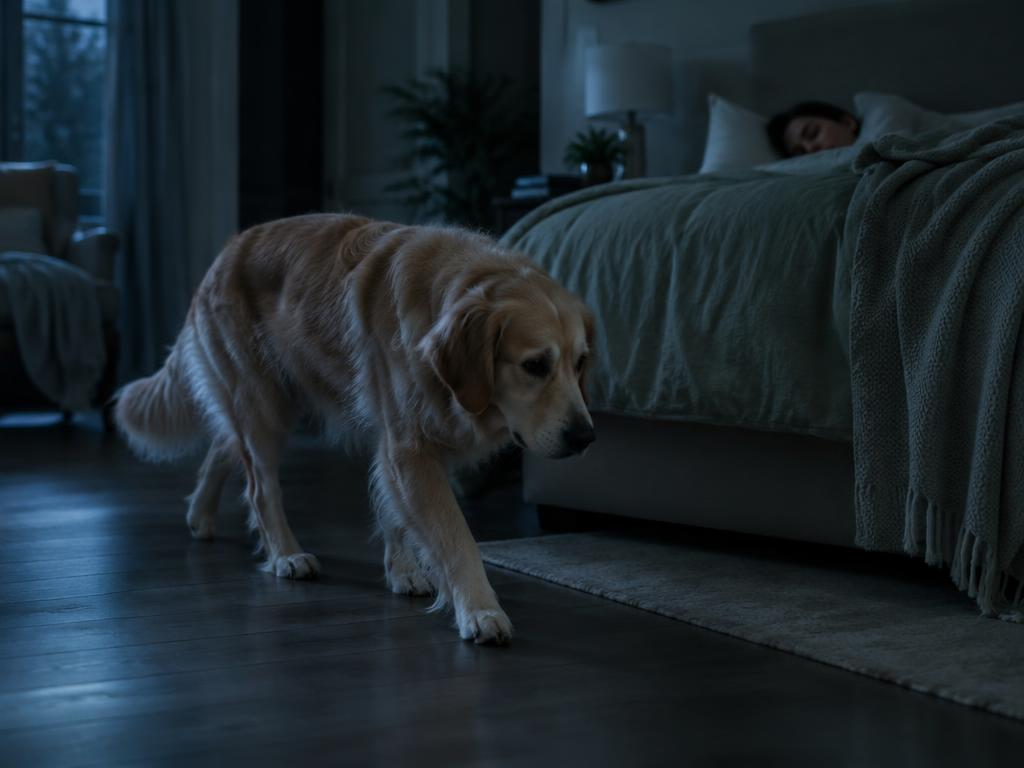
Night strips away the daytime noise that masks the sounds dogs worry about. Foxes in the garden, a boiler clicking on, a neighbour's late car: an anxious dog hears all of it. Dogs with separation struggles often find nights hardest of all. Comfort helps here, and despite the old myth, comforting a frightened dog does not reward the fear. A bed in your room, a night light, or a radio on low can all take the edge off.
Puppies, adults and seniors: different pacing, different answers
Age changes the interpretation. A pacing puppy is usually a toilet need or a routine that has not bedded in yet; the answer is a last trip outside, a calm crate or pen, and consistency for a few weeks. A pacing adult is most often under-exercised, over-napped in the day, or reacting to a change in the household. A pacing senior moves medical causes up the list: pain, bladder capacity and cognitive change all become more likely, and the threshold for a vet visit drops accordingly. Our dog age tool can help you place where your dog sits on that curve.
The diary that helps your vet
If the pacing lasts more than a few nights, start a simple log before you do anything else. Note when the dog settles, when they wake, what they do (pacing, whining, asking to go out, drinking), and what, if anything, settles them again. Add anything different about the day: a missed walk, visitors, a storm. Two weeks of notes often reveals a pattern you could not see from inside a broken night's sleep, and it gives your vet something concrete to work from.
What not to do
Do not punish the pacing, including shutting the dog away or telling them off: the behaviour is a symptom, and adding stress makes every cause of it worse. Do not feed or play with the dog at 2am, which teaches them that waking you pays. And do not reach for sedating remedies without veterinary advice: over-the-counter calming products vary enormously in evidence, and sedation can mask a medical problem that needed finding.
The exercise equation
It is worth being honest about how much exercise the pacing dog actually gets. Many adult dogs need an hour to two of proper activity a day, and a lead walk round the same block twice is at the low end of that. What counts is variety and engagement: off-lead running where safe, sniffing time (which is genuinely tiring), training, play, and social contact with other dogs if yours enjoys it. A dog whose day contains real output rarely paces at night; a dog whose day is a garden and two short walks often does. High-energy breeds may also need a job: fetch, scent work, or a sport, to be truly settled.
Feeding times and the night
When a dog eats affects how they sleep. A meal immediately before bed can mean a full, active gut at midnight and a toilet request at 3am; feeding the main meal at least two to three hours before bedtime gives digestion time to settle. Conversely, a dog fed only once, early in the day, can be genuinely hungry by the small hours, and hunger pacing looks exactly like anxiety pacing. Splitting the ration into two or three meals, with the last one a few hours before bed, suits most dogs best.
Crate, bed or your room
Where the dog sleeps is less important than that it is consistent and that the dog feels safe there. Some dogs settle best in a covered crate that feels like a den; others sprawl on an open bed; many anxious dogs simply need to be near their person. Changing the arrangement nightly to experiment tends to backfire, because novelty itself is arousing. Pick the arrangement that has produced the best nights so far, hold it steady for two weeks, and only then judge it.
Senior dogs and cognitive change
New, persistent night pacing in an older dog is the pattern to take most seriously. Canine cognitive dysfunction, the dog equivalent of dementia, very often announces itself as a reversed sleep-wake cycle: sleeping deeply all day, then pacing, staring or vocalising at night. Other early signs include getting stuck behind furniture, forgetting house training and seeming briefly lost in familiar rooms.
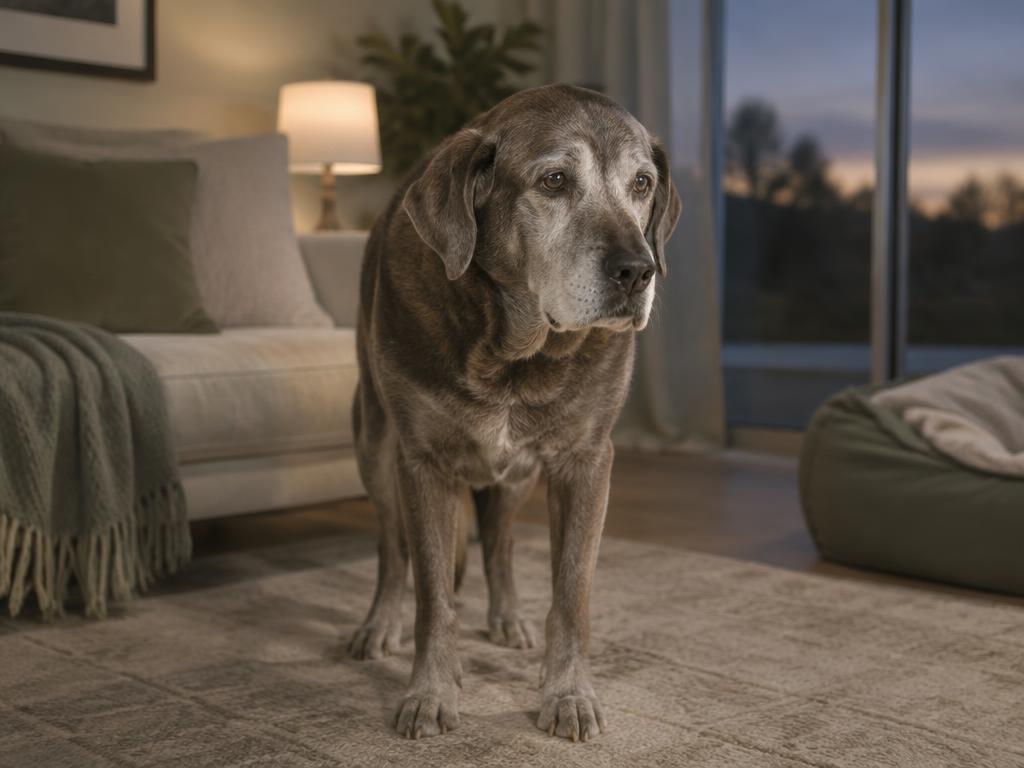
This is not a sentence to broken nights. Vets can offer medications, supplements and diets that genuinely help, and simple changes such as night lights and predictable layouts reduce confusion.
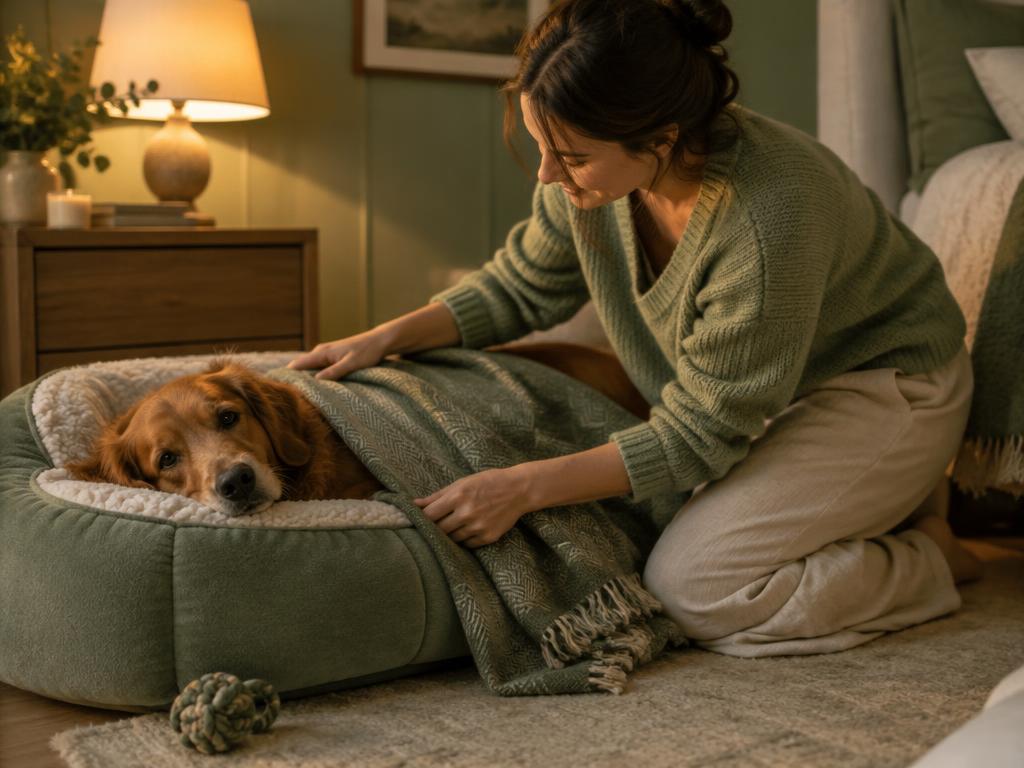
Your settling plan for tonight
- 1Give a proper evening walk, then five to ten minutes of training or a sniff game.
- 2Feed dinner at the usual time, at least two hours before bed.
- 3Keep the last hour dim, calm and boring, with a chew or lick mat if your dog likes one.
- 4Offer a final toilet trip right before bed.
- 5Keep the sleeping spot, temperature and lighting consistent, and go to bed at the same time.
- 6If they stir, keep interactions quiet and brief: a calm toilet trip if needed, then straight back.
The two-week experiment
If your dog is healthy and the likely cause is routine or energy, give the settling plan a proper trial before concluding it has failed. Two weeks is the honest timeframe, because dogs take time to learn a new rhythm. Keep everything as consistent as you can: the same walk times, the same dinner time, the same calm final hour, the same bedtime, weekends included. Most owners see the first full nights within the first week and a settled pattern by the second. If two genuinely consistent weeks change nothing, that is useful information in itself, and it is the moment to take your diary to the vet.
When the house itself is the problem
Sometimes the answer is environmental rather than medical or behavioural. A bed in a draughty hallway, a room that overheats when the heating clicks on, a new neighbour's dog barking through a thin wall, or even a smoke alarm with a dying battery chirping at frequencies you barely register: all of these can produce a dog that cannot settle. If the pacing started abruptly with no other change, walk the dog's night route yourself at night and listen. Dogs hear the house differently from us, and the fix is occasionally as simple as moving the bed or changing a battery.
A note on sleeping arrangements and guilt
Many owners lie awake wondering whether they caused the problem by letting the dog sleep in the bedroom, or by not letting them. The evidence says otherwise: dogs sleep where they feel safest, and that varies by dog. What predicts night problems is not the location but the consistency and the dog's underlying comfort. So set the arrangement up deliberately, hold it steady, and let go of the guilt either way.
Living with a night wanderer
While you work through the cause, protect your own sleep where you can. A dog gate that keeps the wanderer in one comfortable room, a white noise machine, and a strict no-2am-party policy all reduce the toll on the household. Broken sleep makes everyone, human and dog, more irritable and less patient, and patience is exactly what solving this takes. Most night pacing has a findable cause and a workable fix; the dogs who pace longest are usually the ones whose households gave up on a pattern too early.
When to see a vet
Book an appointment if the pacing is new and lasts more than a few nights despite a solid routine, if your dog is a senior with any change in night behaviour, or if pacing comes with pain signs, accidents, appetite change, confusion or anything else new. Bring a short diary of when it happens and what settles it: patterns on paper are often what turn a vague worry into a diagnosis. And trust your instincts: you know what your dog's normal nights look like, and a clear change from that normal is always worth a conversation.
Questions people actually ask
Why is my dog restless at night all of a sudden?
Sudden restlessness usually has a trigger: a routine change, a missed walk, a new noise outside, a mild tummy upset, or pain. Think about what changed in the last few days. If nothing fits and it continues for more than a few nights, book a vet check to rule out a physical cause.
Why does my old dog pace at night?
Senior dogs pace at night for several reasons: joint pain that makes lying still uncomfortable, needing the toilet more often, or canine cognitive dysfunction, which disrupts the sleep-wake cycle. New night pacing in an older dog always deserves a vet visit, because the treatable causes are genuinely treatable.
How do I get my dog to settle at night?
Tire them properly in the evening with a walk plus some sniffing or training, keep the last hour calm and dim, offer a final toilet trip right before bed, and keep sleep and wake times consistent. A chew or lick mat in their bed helps many dogs switch off.
Is night pacing a sign of dementia in dogs?
It can be. Canine cognitive dysfunction often shows first as a reversed sleep pattern: sleeping all day, pacing or vocalising at night. Other signs include getting stuck in corners, staring at walls and house-training lapses. Your vet can assess this and there are medications and supplements that help.
Should I let my dog sleep in my room if they pace?
If it helps everyone sleep and your dog is otherwise healthy, there is nothing wrong with it. Many anxious dogs settle simply by being near their person. It does not fix an underlying medical cause, though, so use it as comfort, not as a substitute for a diagnosis.
Can anxiety cause night pacing?
Yes. Dogs with general anxiety or separation struggles often find nights hardest because the house goes quiet and dark. Noises outside, such as foxes or late traffic, can also set them off. Our guide to [separation anxiety](/articles/dog-separation-anxiety) covers the broader picture if nights are part of a bigger pattern.
Sources
Breeds mentioned


Put it into practice
Read next
Why Do Dogs Roll in Poop? The Instinct Explained
Why dogs roll in the worst smells they can find, what the behaviour is really about, and how to prevent it or at least clean up well afterwards.


