Pastoral group
Australia
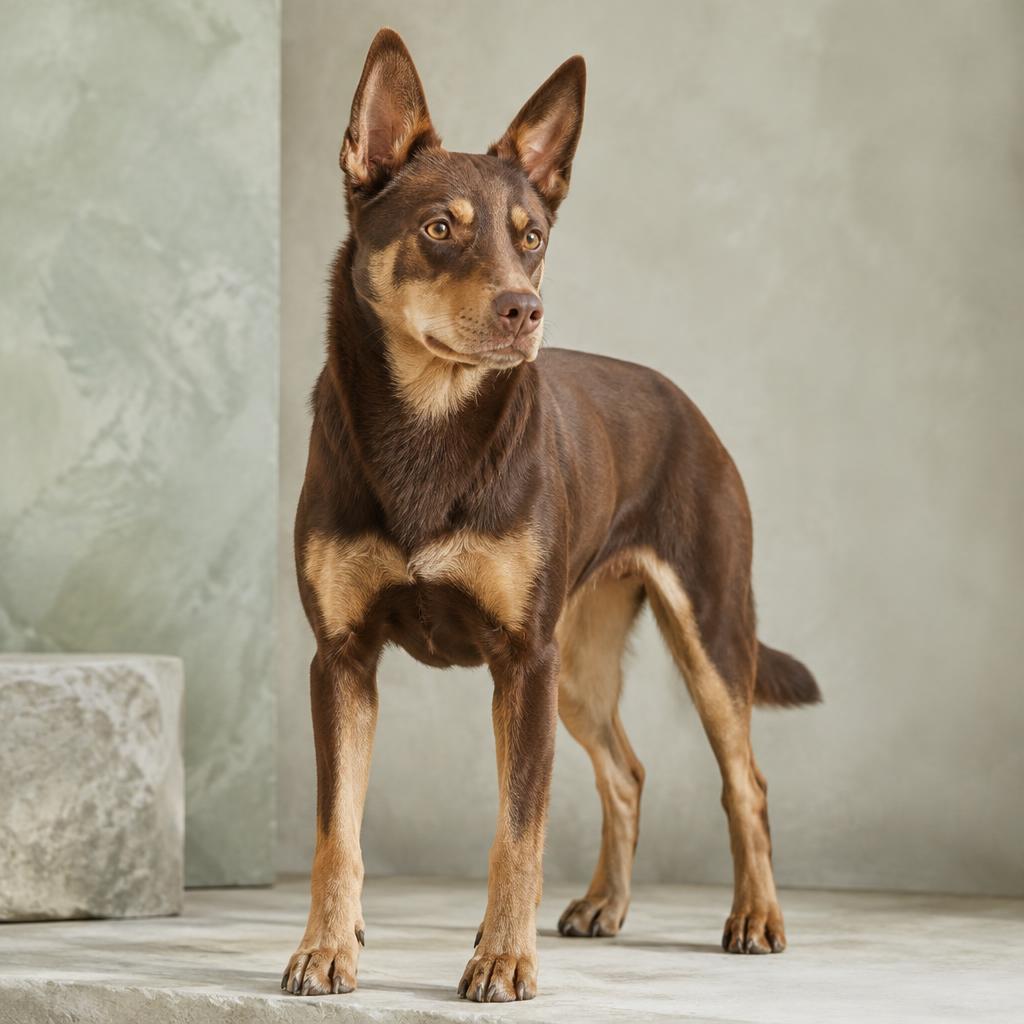
Australian Kelpie
A tireless, brilliant herding dog with an easy coat and a long life, but it needs a genuine job and very active owners.
The SniffScroll editorial desk
The endless worker: a brilliant herding dog that needs a job, not a flat.
The short version
- One of the highest-energy breeds: two hours or more of activity daily
- Needs mental work too: herding, dog sports or structured training
- Easy coat and generally robust health with a long lifespan
- Secure fencing essential: Kelpies jump, climb and escape when bored
- Weight
- 11 to 20 kg
- Height
- 43 to 51 cm
- Lifespan
- 12 to 15 yrs
- Size
- Medium
- Group
- Pastoral
- Coat
- Short, dense, weather-resistant double coat
- Grown male
- 14 to 20 kg
- Grown female
- 11 to 17 kg
- Years to full size
- about 1.5
- One-off setup
- €300 to 700
Get one if…
- Farms and smallholdings with livestock
- Agility, flyball, herding and canicross enthusiasts
- Very active owners who run or hike daily
- Experienced trainers who enjoy a thinking dog
Think again if…
- Flats and small gardens
- Households out at work all day
- Families wanting a calm, cuddly pet
- Homes with very young children and no time to manage herding
Trait profile
Working lines are considerably more driven than pet-bred Kelpies; ask the breeder exactly what the parents do.
Space & setup. Needs a house with a large, securely fenced garden and daily access to open space; farms are ideal.
Allergies. Not suitable for allergy sufferers; the short double coat sheds seasonally.
Living with a Australian Kelpie
The Australian Kelpie was developed to move huge flocks of sheep across hot, vast stations, often working all day with little direction. It is one of the hardest-working dogs in the world: tireless, quick-thinking and intensely focused. That makes it a wonderful partner for farms, dog sports and very active owners, and a genuinely poor fit for most suburban pet homes. A bored Kelpie will invent its own work, and owners rarely like what it chooses.
The Australian Kelpie may be the most honest test of whether someone truly wants a working dog. On paper it is ideal: medium-sized, easy coat, long-lived, healthy and brilliantly trainable. In practice it needs more physical and mental work than almost any other breed in the library.
Working Kelpies cover dozens of kilometres a day and make their own decisions out on the paddock. Pet-bred Kelpies are a little calmer, but the engine is still there. A walk round the block does not touch it. They need long runs, structured training, herding or dog sports such as agility and flyball, and a job to think about. Given that, they are focused, loyal, responsive and a joy to train.
Without it, the problems are predictable: herding children and cars, nipping at heels, barking, escaping, digging and chewing. Kelpies are agile climbers and jumpers, so secure fencing matters. They can be reserved with strangers and are not typically cuddly lap dogs, though they bond tightly to their people.
The practical side is easy. The short double coat needs only weekly brushing, plus extra during seasonal sheds. The breed is generally healthy, with cerebellar abiotrophy (DNA testable) and hip dysplasia the main screening points.
For farms, keen dog-sport competitors and very active outdoor households, the Kelpie is outstanding. For a typical family pet, a calmer breed will be kinder to everyone, including the dog.
Extraordinary for farms, agility and very active owners, with minimal grooming and a long healthy life. In an ordinary pet home without a job, often a frustrated, inventive handful.
Exercise, day to day
- 1Two hours or more of vigorous activity daily
- 2Herding, agility, flyball or canicross several times a week
- 3Daily training or puzzle sessions for the mind
Grooming, realistically
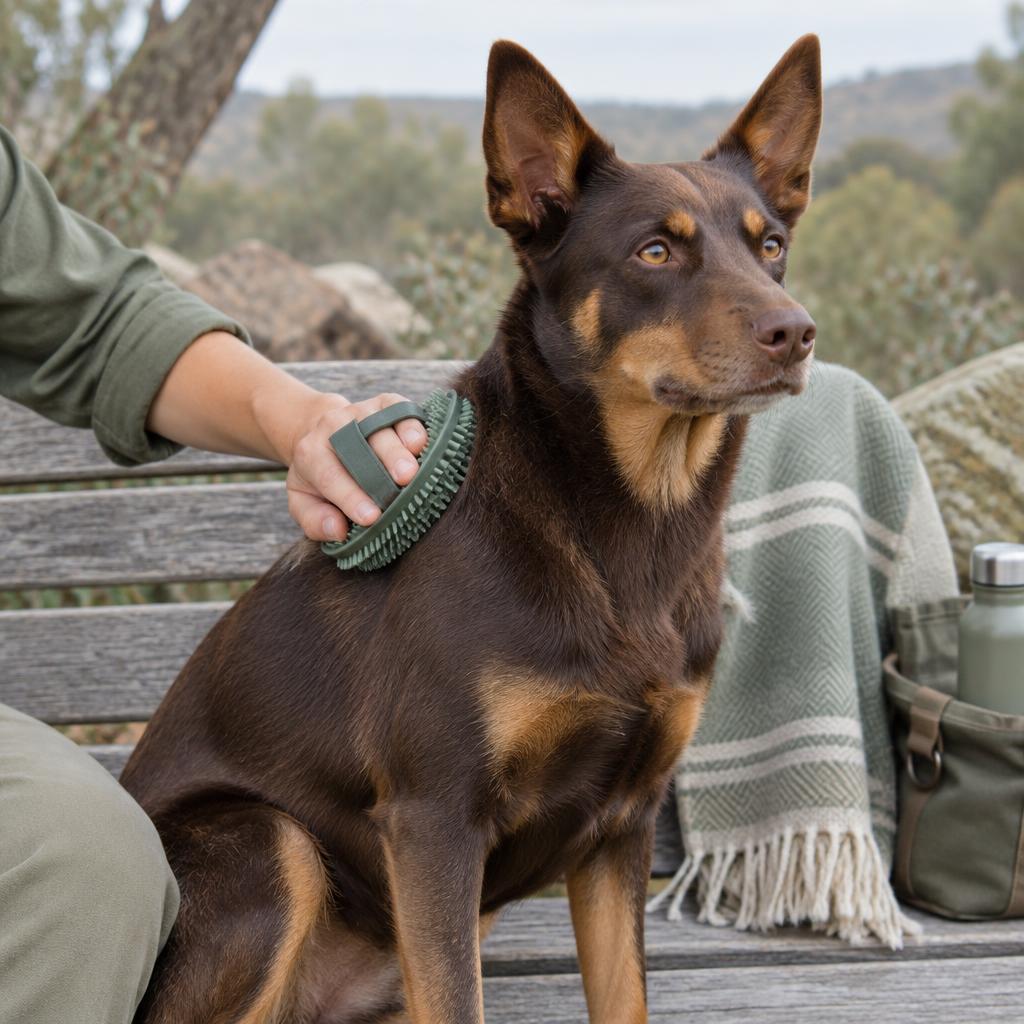
- 1Brush weekly with a rubber curry brush
- 2Daily brushing during seasonal sheds
- 3Check paws and pads after rough terrain
- 4Trim nails every few weeks if not worn down naturally
What you actually need
- Rubber curry brush
- Undercoat rake
- Nail clippers
- Paw balm for working dogs
Puppy to adult
| Age | Male | Female | What is happening |
|---|---|---|---|
| 8 weeks | |||
| 4 months | |||
| 6 months | |||
| 12 months | |||
| 18 months |
Ranges are typical, not targets. Judge condition by ribs and waist, and check with the ideal weight checker.
What to ask a breeder
- Is this a working or pet-bred line, and what do the parents do day to day?
- Are both parents DNA tested for cerebellar abiotrophy?
- What are the parents' hip scores?
- Can I see the parents working or training?
- How do you match puppies to homes by energy level?
Health tests to ask for
Ask to see results for both parents before you put down a deposit.
- Cerebellar abiotrophy DNA test
- Hip scoring for both parents
- Eye examinations
Health watch-list
What to ask a breeder about, and what to watch for over a lifetime. This is orientation, not veterinary advice, anything you notice belongs in front of a vet.
Cerebellar abiotrophy
RareA neurological condition causing loss of coordination in young dogs; a DNA test exists and should be used.
Hip dysplasia
UncommonAsk for hip scores on both parents, especially in active working homes.
Progressive retinal atrophy
RareEye examinations help catch inherited eye disease early.
Cryptorchidism
UncommonRetained testicles in males; your vet will check at puppy appointments.
Pad and nail injuries
CommonWorking dogs on rough ground often tear pads or split nails; check feet after every outing.
Collie eye anomaly
RareAn inherited eye condition seen in some herding breeds; eye screening detects it.
What it costs to keep one
Realistic running cost
€79 / month
About €948 a year, or roughly €13,272 across a 14-year life, before purchase price, neutering and one-off vet events.
Before the puppy arrives. Budget roughly €300 to 700 for a crate, bed, lead and harness, bowls, puppy classes, first vaccinations and grooming kit sized for this breed. Figures throughout are indicative and vary a good deal between countries.
Interactive · built for this breed
Is a Australian Kelpie right for your home?
Seven honest questions about your space, time and household, checked against this breed's exercise need, coat, sociability and tolerance for time alone.
Fit with your routine
89%
A strong fit
Your routine suits a Australian Kelpie well. Meet adult dogs of the line before you commit.
What to sort out first
- Needs more daily exercise than you have pencilled in.
Working in your favour
- Coat care fits the grooming time you offered.
Compare more breeds in the matchmaker, or plan meals with the portion calculator.
The verdict, by household
When to call your vet
- Wobbly gait, poor coordination or head tremors in a young dog
- Limping or stiffness after exercise
- Torn pads or split nails after work
- Heat exhaustion signs: heavy panting, drooling, weakness on hot days
Nothing here is a diagnosis. A swollen, hard belly with retching, collapse, breathing difficulty and sudden hind-leg weakness are emergencies: go straight away.
Australian Kelpie vs the closest alternatives
| Breed | Weight | Energy | Grooming | € / month |
|---|---|---|---|---|
| Australian Kelpie | 11 to 20 kg | 10/10 | 2/10 | €79 |
| Border Collie | 12 to 24 kg | 10/10 | 4/10 | €106 |
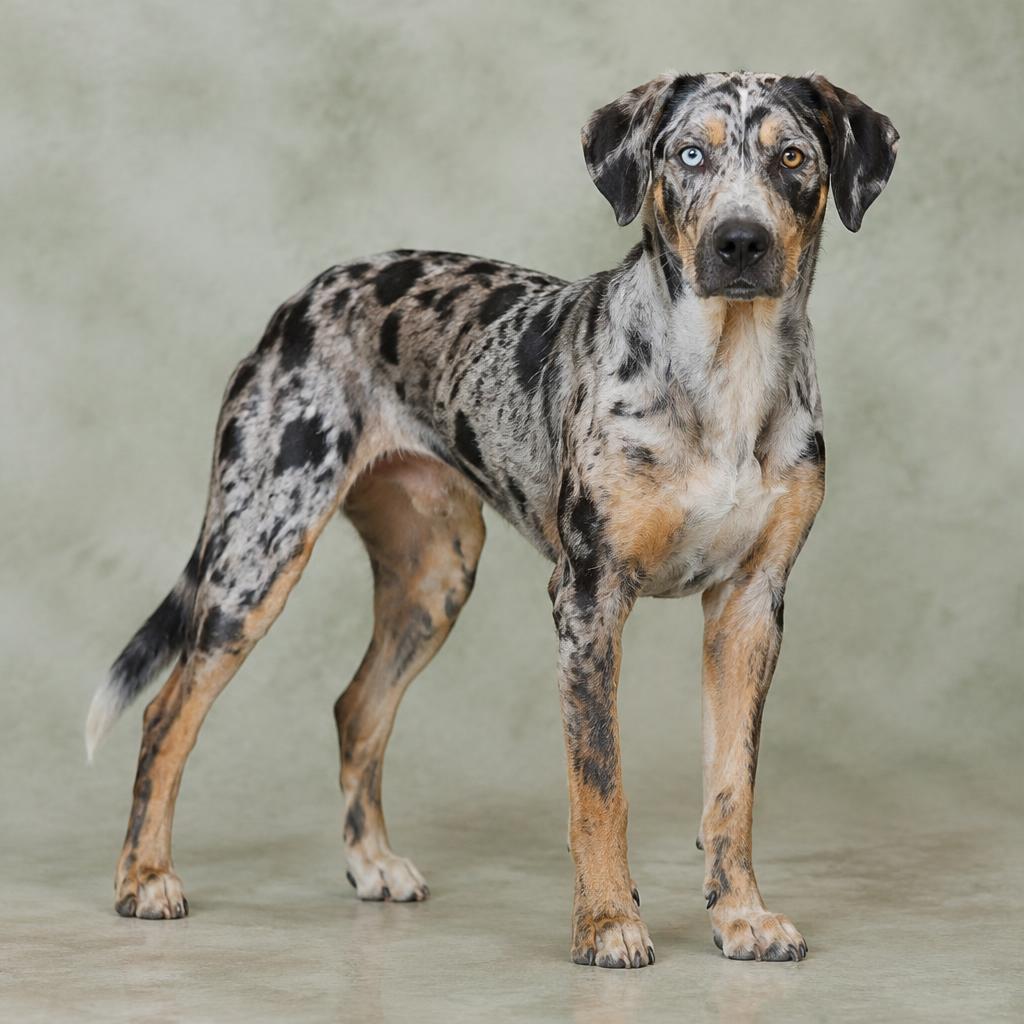
| Catahoula Leopard Dog | 20 to 34 kg | 9/10 | 2/10 | €98 |
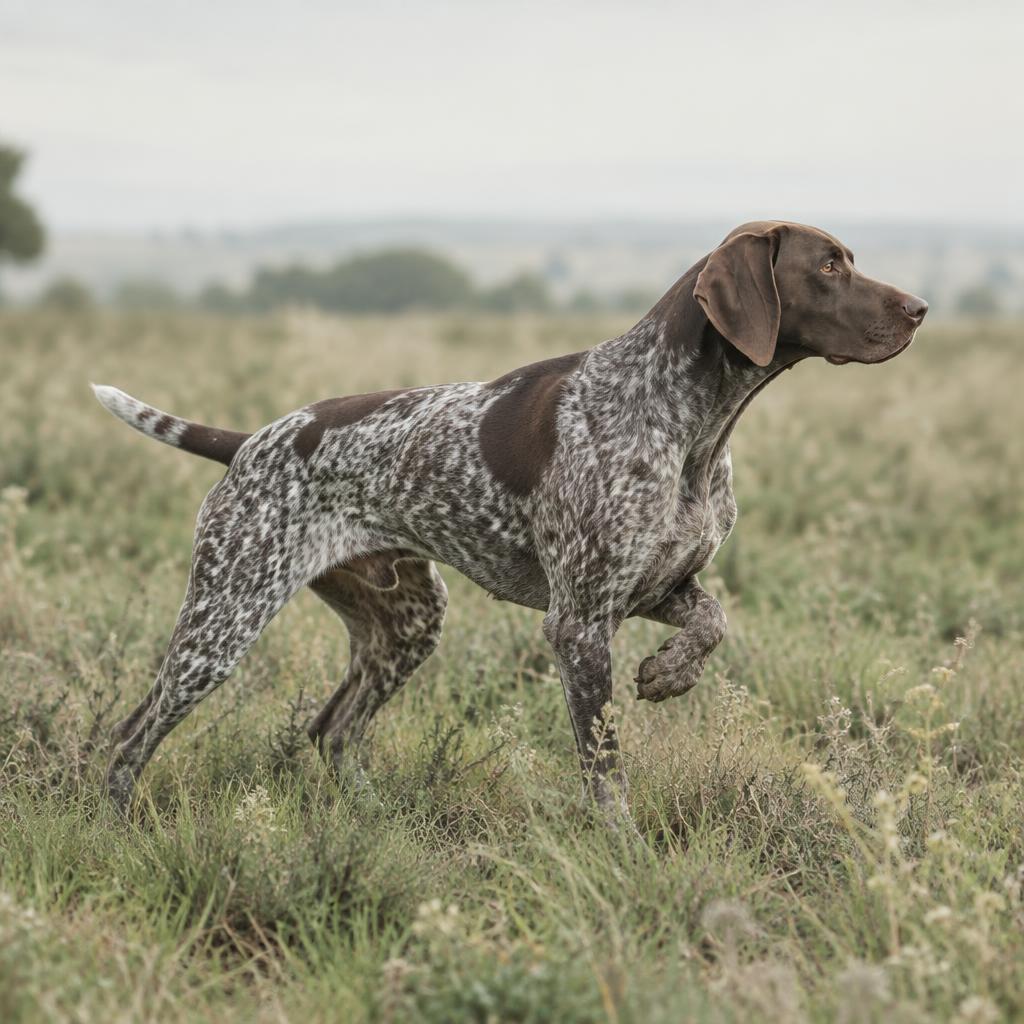
| German Shorthaired Pointer | 20 to 32 kg | 10/10 | 2/10 | €74 |
Australian Kelpie questions, answered
Do Australian Kelpies make good pets?
Only for very active owners. Without daily herding, sport or vigorous work, they become frustrated and destructive.
How much exercise does a Kelpie need?
Two hours or more of vigorous activity daily, plus mental work such as training, herding or dog sports.
Can a Kelpie live in a flat?
No, in almost all cases. They need space, secure fencing and daily access to open ground.
Are Kelpies good with children?
They can be loyal family dogs, but they may herd and nip at running children. Supervision and training are essential.
Do Kelpies shed?
Moderately, with heavier seasonal sheds. Weekly brushing keeps the short coat in good order.
What is the difference between working and pet-bred Kelpies?
Working lines are even more driven and independent. Pet-bred lines are slightly calmer but still very high-energy.
What health tests should a breeder show me?
A cerebellar abiotrophy DNA test, hip scores and eye examinations for both parents.