Gundog group
Germany
German Shorthaired Pointer
Brilliant, tireless and affectionate, the GSP is a dream dog for athletes and a demolition expert for everyone else.
Reviewed by the SniffScroll editorial team
The athlete who never sleeps in
The short version
- Needs two hours of real daily exercise; this is the deciding factor, and it is not negotiable.
- Highly intelligent and trainable, and a genuine pleasure to work with.
- Affectionate and loyal with family, but prone to separation anxiety if left alone too much.
- Strong prey drive and a world-class nose; recall around wildlife needs constant work.
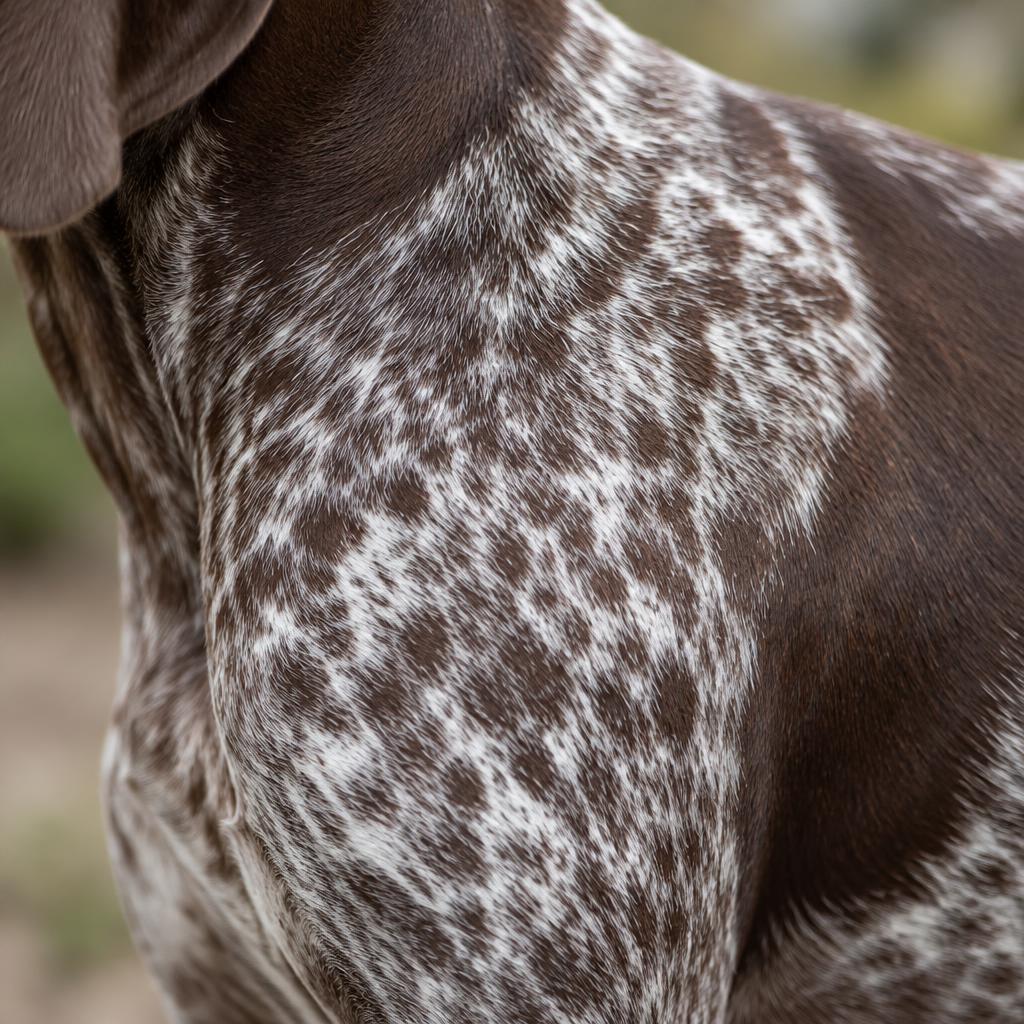
- Wonderfully low-maintenance coat: a weekly brush and little else.
- Weight
- 20 to 32 kg
- Height
- 58 to 64 cm
- Lifespan
- 12 to 14 yrs
- Size
- Large
- Group
- Gundog
- Coat
- Short
- Grown male
- 25 to 32 kg
- Grown female
- 20 to 27 kg
- Years to full size
- about 1.5
- One-off setup
- €450 to 1000
Get one if…
- Runners, hikers and genuinely outdoorsy people
- Active families with time for two hours of daily exercise
- Owners interested in gundog work, canicross or dog sports
- People who enjoy training and want a clever, biddable partner
- Households where someone is home much of the day
Think again if…
- Sedentary households or fair-weather walkers
- Homes empty for long working days
- Owners wanting a calm, low-exercise companion
- Households with cats, rabbits or other small pets
- Anyone wanting a reliably off-lead dog near wildlife without serious training
Trait profile
A tireless working athlete: brilliant, biddable and affectionate, with an engine that never switches off.
Space & setup. Needs space and serious daily exercise; a flat is workable only for exceptionally active owners with time to burn.
Allergies. Not hypoallergenic. The short coat sheds moderately and constantly; weekly brushing helps but hair will still find your clothes.
Living with a German Shorthaired Pointer
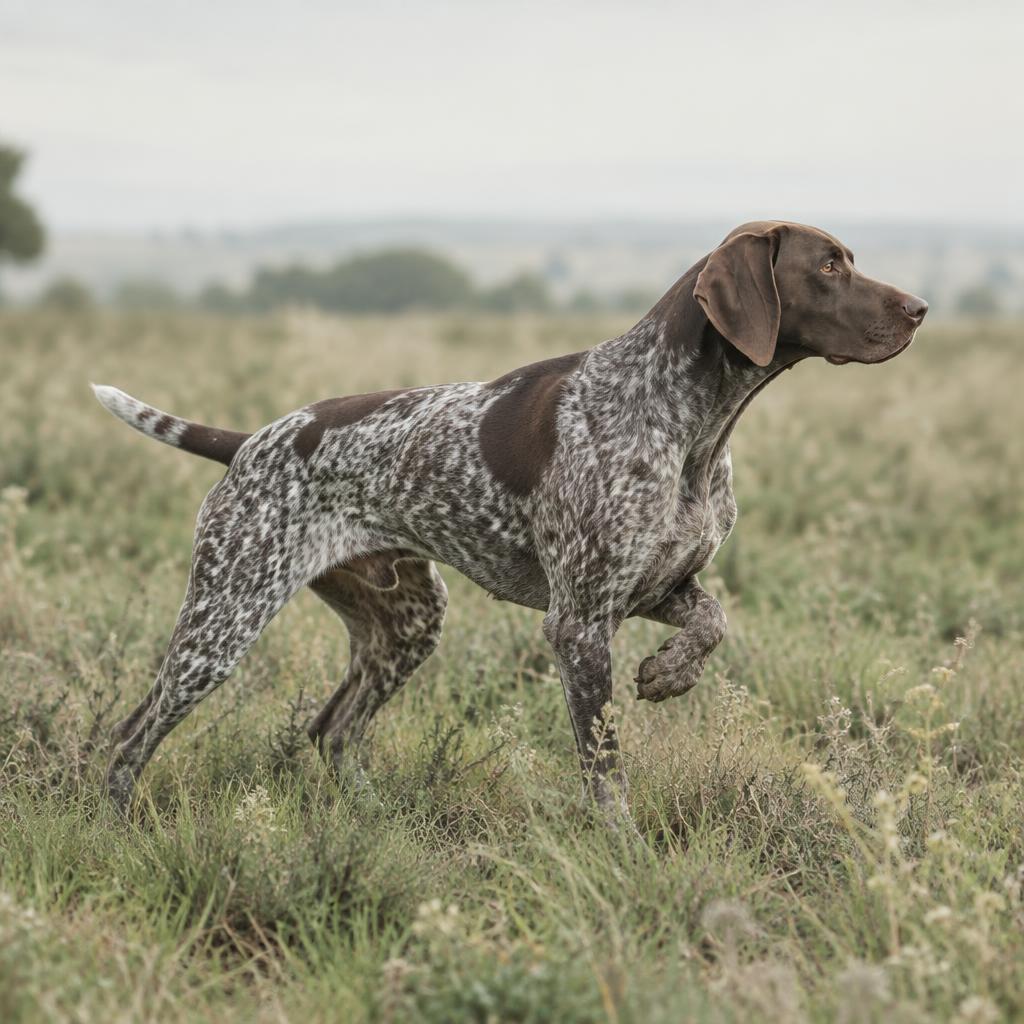
A tireless, versatile gundog with a ticked coat, an astonishing nose and an exercise requirement that rules out most sedentary households.
Let us start with the thing that decides whether a German Shorthaired Pointer is right for you: this breed needs two hours of real exercise a day, every day, for the first several years of its life. Not a potter around the block. Running, swimming, hunting, training, working. The GSP was bred in nineteenth-century Germany to do everything a hunting dog can do, point, track, retrieve on land and water, and it has the engine to match. If that sounds wonderful, read on. If it sounds exhausting, stop here, because no training or gadget changes it.
For the right owner, the GSP is close to the perfect dog. It is highly intelligent, biddable and desperate to work with its person, which makes training a genuine pleasure. It is affectionate and loyal with its family, usually good with children, and generally sociable with other dogs. At home, a properly exercised GSP is a calm, close companion that wants to be near you, though "near you" often means physically touching you.
The working heritage brings two management points. First, the nose: a GSP that catches a scent is a dog that has temporarily stopped listening, and recall around wildlife needs constant maintenance. Second, prey drive: it is real, it is strong, and small pets are not compatible with most individuals. Cats they are raised with can sometimes be accepted; strange cats, rabbits and birds are quarry.
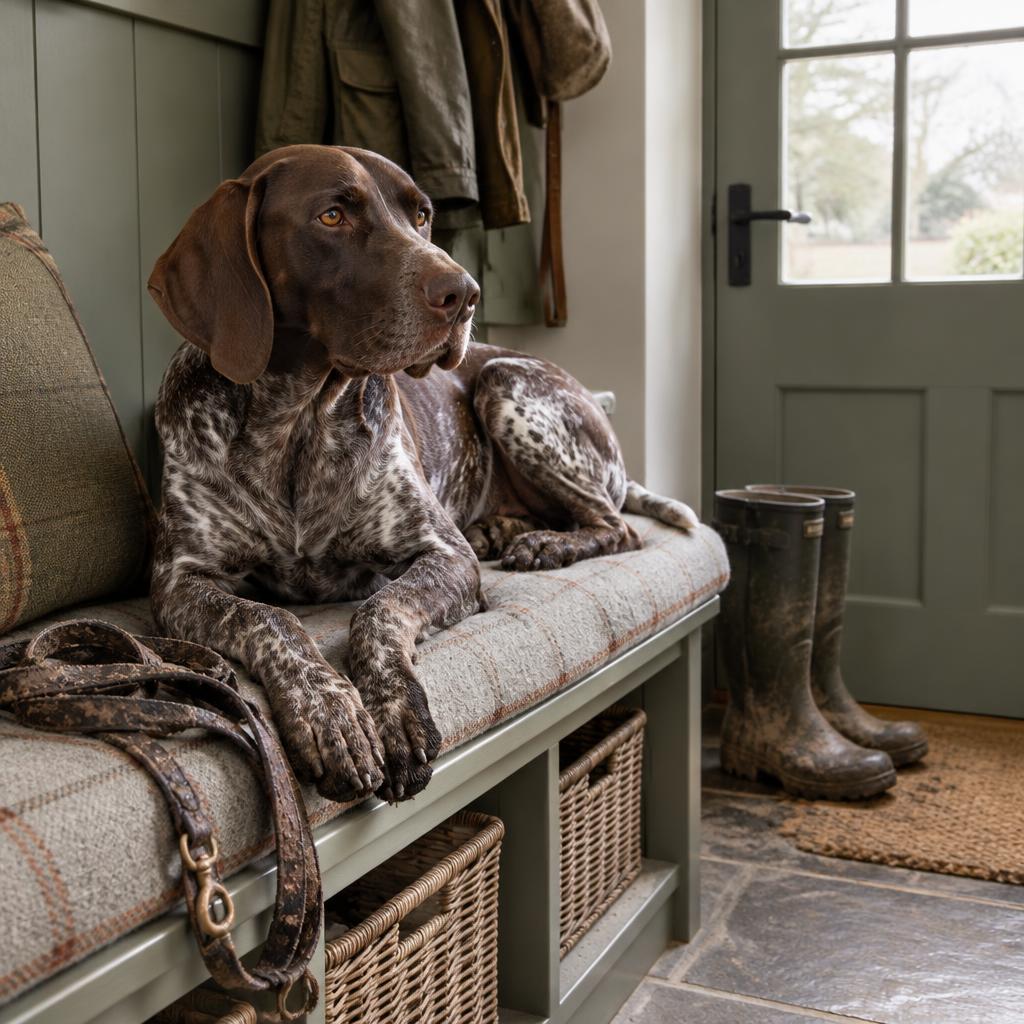
Without enough work, the breed's intelligence turns destructive in creative and expensive ways. GSPs are also prone to separation anxiety when left alone too much; they are pack dogs bred to work alongside a human all day, and a household where everyone is out for nine hours is a poor fit. Many owners find dog walkers, doggy daycare or a second dog essential.
The practical care is a joy. The short, dense coat sheds moderately but needs only a weekly once-over, and grooming costs are minimal. The long ears need regular checks, and the breed's enthusiasm for water means you will often be drying a wet dog, but that is the extent of it.
Health is generally good, with a lifespan of twelve to fourteen years. The watch-points are hip dysplasia, bloat (the chest is deep), and some eye and heart conditions, so health-tested parents matter. The breed's athleticism also means injuries happen: torn nails, cut pads and the occasional cruciate strain come with the territory of a dog that treats terrain as a suggestion.
Who suits a GSP? Runners, hikers, hunters and outdoors families who want a dog that can genuinely keep up, and who enjoy training as a hobby rather than a chore. Who should look elsewhere? Anyone whose lifestyle is sedentary, whose house is empty all day, or who wants a dog content with a couple of short walks. The GSP will love you regardless; it will simply dismantle your home while doing so.
The German Shorthaired Pointer is arguably the most versatile gundog ever bred, and certainly one of the most energetic dogs you can bring into a home.
Exercise, day to day
- 1Puppies (8 to 20 weeks): short play sessions and exploring; no forced exercise while joints develop.
- 2Adolescents (4 to 12 months): build duration gradually; recall and impulse control are the big projects.
- 3Adults: two hours of real exercise daily; running, swimming, gundog training and canicross all suit.
- 4Mental work: scent work, retrieving drills and training sessions are as important as miles.
- 5Rest must be taught: a GSP does not naturally switch off, so build calm downtime into the routine.
Grooming, realistically
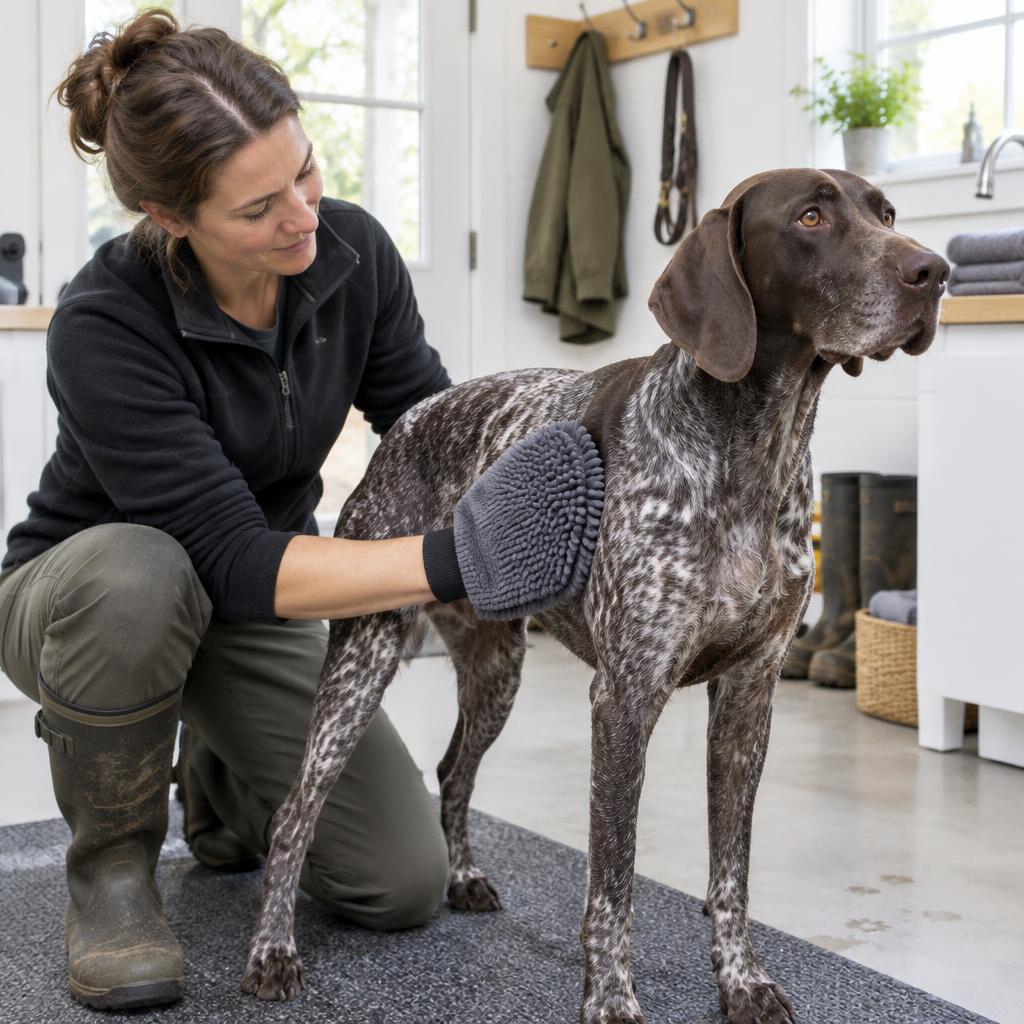
- 1Rub the coat down weekly with a grooming mitt or bristle brush to remove loose hair.
- 2Check and clean the long ears weekly, especially after swimming.
- 3Bathe only when needed; the coat sheds dirt well once dry.
- 4Check pads and nails after runs on rough ground; trim nails every two to three weeks.
- 5Brush teeth several times a week.
What you actually need
- Grooming mitt or bristle brush
- Dog nail clippers
- Ear cleaning solution
- Enzymatic dog toothpaste and brush
- Towel reserved for a perpetually wet dog
Puppy to adult
| Age | Male | Female | What is happening |
|---|---|---|---|
| 8 weeks | 3 to 4 kg | 2.8 to 3.8 kg | Busy and bold from the start; begin gentle handling and name recognition early. |
| 3 months | 9 to 12 kg | 8 to 11 kg | Growing fast; short, frequent play sessions rather than long walks. |
| 6 months | 17 to 22 kg | 15 to 19 kg | The energy ramps up noticeably; structure and routine keep it channelled. |
| 9 months | 21 to 27 kg | 18 to 23 kg | Near adult height; the nose now overrules the ears outdoors. |
| 12 months | 24 to 30 kg | 20 to 25 kg | Adult size nearly reached; stamina still building. |
| 18 months | 25 to 32 kg | 20 to 27 kg | Fully grown; the adult exercise requirement is now in full force. |
Ranges are typical, not targets. Judge condition by ribs and waist, and check with the ideal weight checker.
What to ask a breeder
- What are the parents' hip scores, and have they had eye and heart checks?
- Is there any history of bloat or epilepsy in your lines?
- Are the parents working dogs, and what is their temperament like at home?
- How are the puppies socialised, and have they been introduced to water and different surfaces?
- What energy level should I expect from this particular litter's lines?
Health tests to ask for
Ask to see results for both parents before you put down a deposit.
- Hip scores for both parents
- Eye examination and cardiac check for breeding stock
- Learn the signs of bloat; feed two smaller meals and rest around mealtimes
- Check pads, nails and ears after every run or swim
- Keep the dog lean; fitness protects joints through a very active life
Health watch-list
What to ask a breeder about, and what to watch for over a lifetime. This is orientation, not veterinary advice, anything you notice belongs in front of a vet.
Hip dysplasia
CommonMalformed hip joints causing pain and arthritis. Choose hip-scored parents, keep the dog lean and avoid forced exercise while growing.
Gastric dilatation-volvulus (bloat)
NotableA life-threatening emergency in deep-chested breeds. Feed two smaller meals, rest around mealtimes, and learn the signs: swollen abdomen, unproductive retching, restlessness.
Ear infections
CommonThe long, hanging ear flaps trap moisture, especially in a breed that loves water. Weekly checks and drying after swims prevent most problems.
Eye conditions
UncommonIncluding entropion and progressive retinal atrophy in some lines. Breeding stock should have current eye examinations.
Heart disease
UncommonIncluding aortic stenosis. Breeding stock should have cardiac checks, and any murmur should be investigated.
Exercise injuries
Very likelyCut pads, torn nails and occasional ligament strains come with a dog that runs hard over rough ground. Check the dog over after every big outing.
What it costs to keep one
Realistic running cost
€74 / month
About €888 a year, or roughly €11,544 across a 13-year life, before purchase price, neutering and one-off vet events.
Before the puppy arrives. Budget roughly €450 to 1000 for a crate, bed, lead and harness, bowls, puppy classes, first vaccinations and grooming kit sized for this breed. Figures throughout are indicative and vary a good deal between countries.
Interactive · built for this breed
Is a German Shorthaired Pointer right for your home?
Seven honest questions about your space, time and household, checked against this breed's exercise need, coat, sociability and tolerance for time alone.
Fit with your routine
89%
A strong fit
Your routine suits a German Shorthaired Pointer well. Meet adult dogs of the line before you commit.
What to sort out first
- Needs more daily exercise than you have pencilled in.
Working in your favour
- Coat care fits the grooming time you offered.
Compare more breeds in the matchmaker, or plan meals with the portion calculator.
The verdict, by household
Only for very active beginners
Trainable and forgiving, but the exercise and company requirements defeat most first-timers.
Very good
Affectionate and playful with children; the size and enthusiasm need supervision around toddlers.
Outstanding
For runners, hikers and dog-sport people, few breeds are as rewarding or as capable.
Not recommended
Possible only with exceptional daily exercise; the breed's energy and whining when bored strain close quarters.

When to call your vet
- A swollen, tight abdomen, unproductive retching or restlessness: treat as an emergency for bloat
- Limping, cut pads or torn nails after exercise
- Coughing, breathlessness or a drop in stamina
- Head shaking or odour from the ears
- Anxiety behaviours that escalate: destruction, howling or self-injury when left
Nothing here is a diagnosis. A swollen, hard belly with retching, collapse, breathing difficulty and sudden hind-leg weakness are emergencies: go straight away.
German Shorthaired Pointer vs the closest alternatives
| Breed | Weight | Energy | Grooming | € / month |
|---|---|---|---|---|
| German Shorthaired Pointer | 20 to 32 kg | 10/10 | 2/10 | €74 |
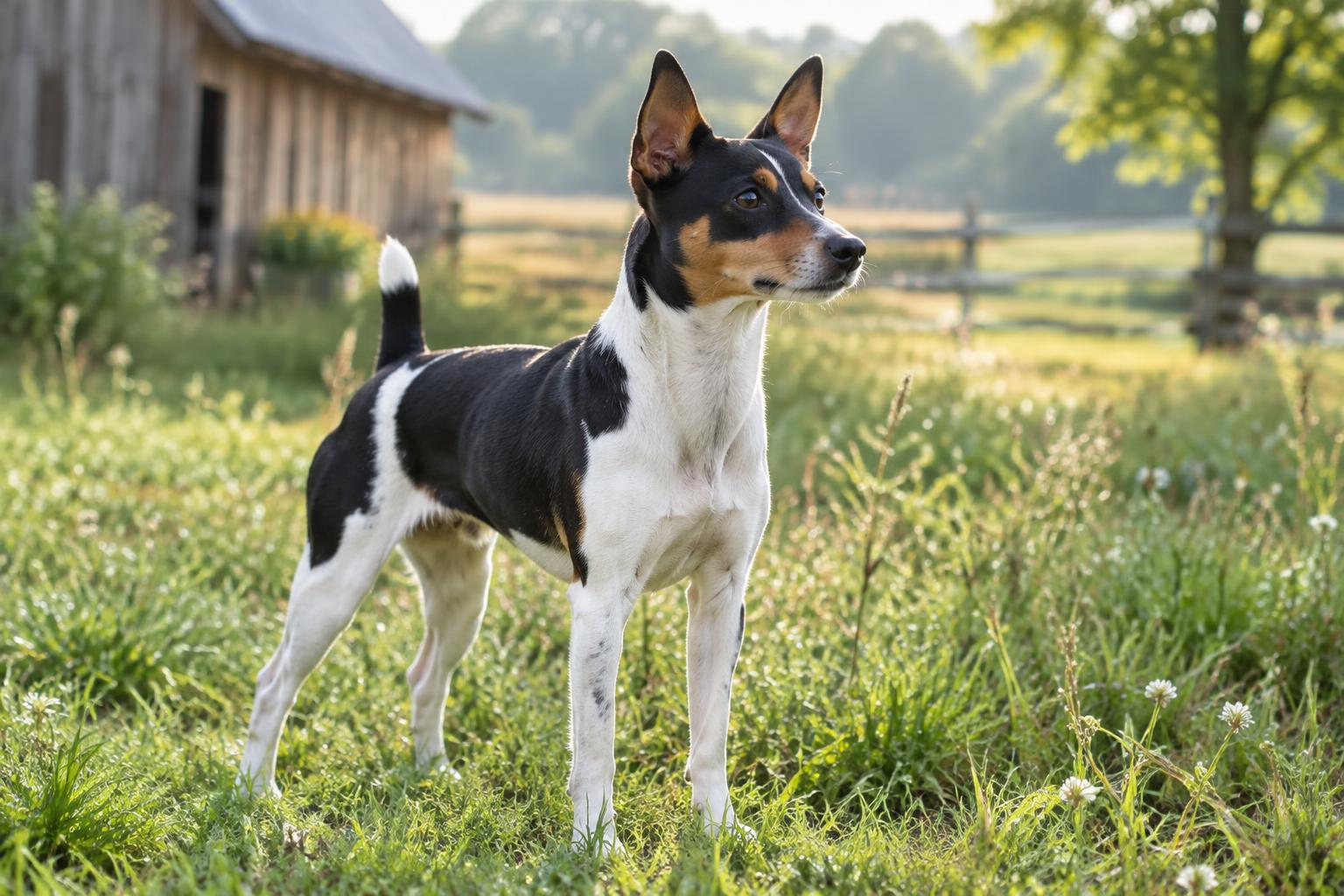
| Rat Terrier | 4.5 to 11 kg | 8/10 | 2/10 | €58 |
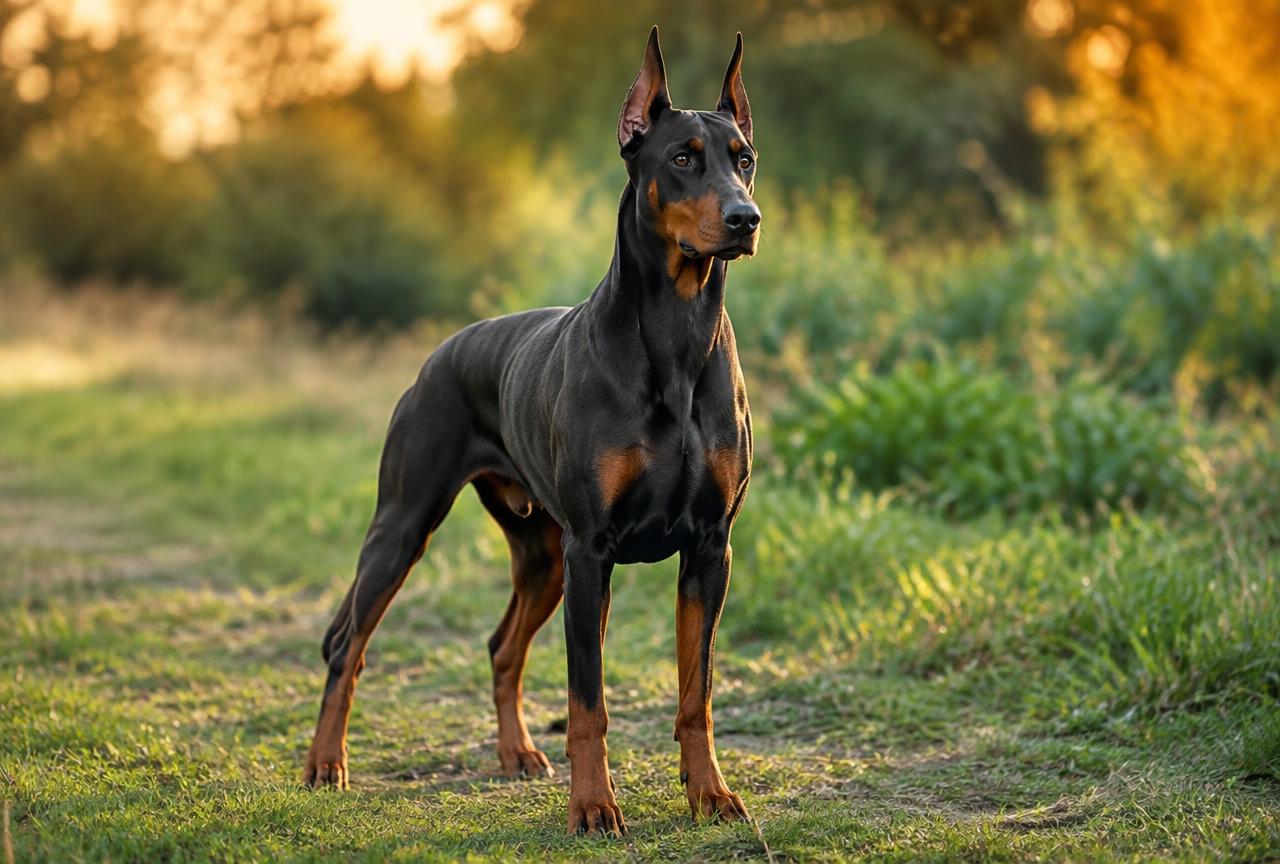
| Dobermann | 32 to 45 kg | 9/10 | 2/10 | €218 |
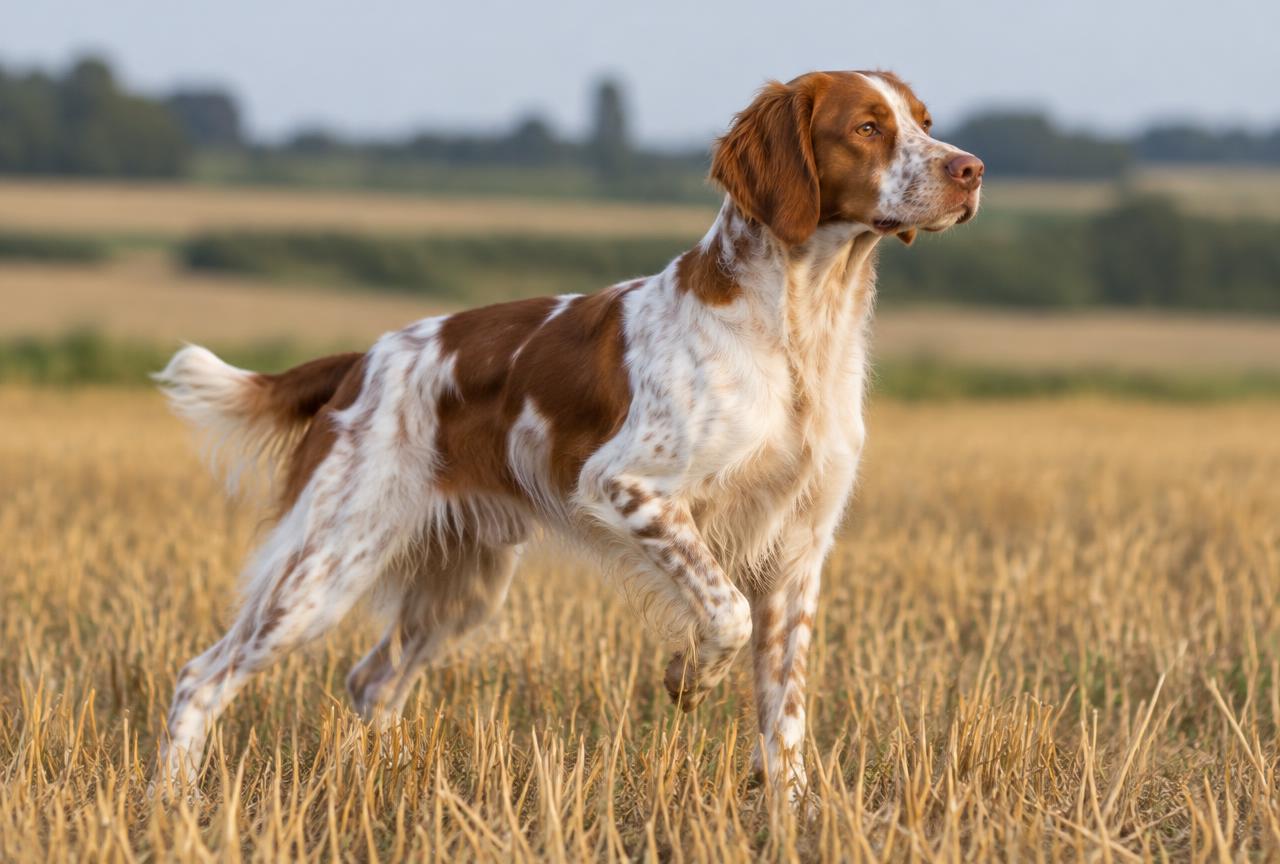
| Brittany | 14 to 20 kg | 9/10 | 4/10 | €143 |
German Shorthaired Pointer questions, answered
How much exercise does a German Shorthaired Pointer need?
Around two hours of real exercise daily for a healthy adult: running, swimming, training or gundog work, not gentle lead walks. This is the single most important fact about the breed, and it does not ease much until middle age.
Are German Shorthaired Pointers good family dogs?
Yes, for active families. They are affectionate, loyal and usually good with children, though their size and enthusiasm need supervision around toddlers. The family must genuinely enjoy two hours of daily outdoor activity.
How long do German Shorthaired Pointers live?
Typically twelve to fourteen years. Keeping them lean, fit and injury-checked, and knowing the signs of bloat, supports a long, healthy life.
Do German Shorthaired Pointers shed?
Yes, moderately and year-round. The short, dense coat drops hair steadily despite its length. A weekly rub-down with a grooming mitt keeps it manageable, but you will still find hairs on your clothes.
Are German Shorthaired Pointers easy to train?
Very. They are highly intelligent, biddable and eager to work with their person, which makes formal training a pleasure. The challenge is not teaching them; it is managing their energy and their nose outdoors.
Can a German Shorthaired Pointer be left alone?
Not for long. The breed is prone to separation anxiety and was bred to work alongside a human all day. Households where everyone is out for a full working day should plan on a dog walker, daycare or a different breed.
Do German Shorthaired Pointers get on with cats?
Usually not. The prey drive is strong and genuine. Some individuals accept a cat they were raised with, but strange cats, rabbits and birds are quarry, and small pets are generally not compatible with the breed.