Terrier group
United States
Rat Terrier
A bright, fast and affectionate farm terrier for active owners who can secure the garden and keep the brain busy.
Reviewed by the SniffScroll editorial team
The farmyard sprinter with a soft side
The short version
- More biddable than most terriers and quick to train with food and games
- High prey drive: small pets and wildlife trigger a chase
- A digger and climber: fences need checking
- Short coat is easy, but teeth need daily brushing
- Healthy and long-lived; ask for PLL and patella results
Choose a variety
Under about 33 cm; a compact, portable size that still needs an hour of activity a day.
- Weight
- 4.5 to 6.5 kg
- Height
- 25 to 33 cm
- Lifespan
- 13 to 18 yrs
- Size
- Small
- Group
- Terrier
- Coat
- Short, smooth, dense single coat
- Daily exercise
- 45 to 60 minutes a day plus games
- Years to full size
- about 1
- One-off setup
- €500 to 1000

Get one if…
- Active owners who enjoy training games
- People wanting a small dog with real stamina
- Households interested in agility, scentwork or barn hunt
- Experienced or committed first-time owners
Think again if…
- Homes with small caged pets
- Gardens that cannot be made escape-proof
- Owners wanting a quiet, low-energy lapdog
- Long hours alone every day
Trait profile
Scores reflect a bright, energetic farm terrier: very trainable, affectionate, and high in prey drive.
Space & setup. Copes in a flat if exercised well; any garden must be secured against digging, climbing and jumping.
Allergies. Not suitable for allergy sufferers; the short coat sheds steadily all year.
Living with a Rat Terrier
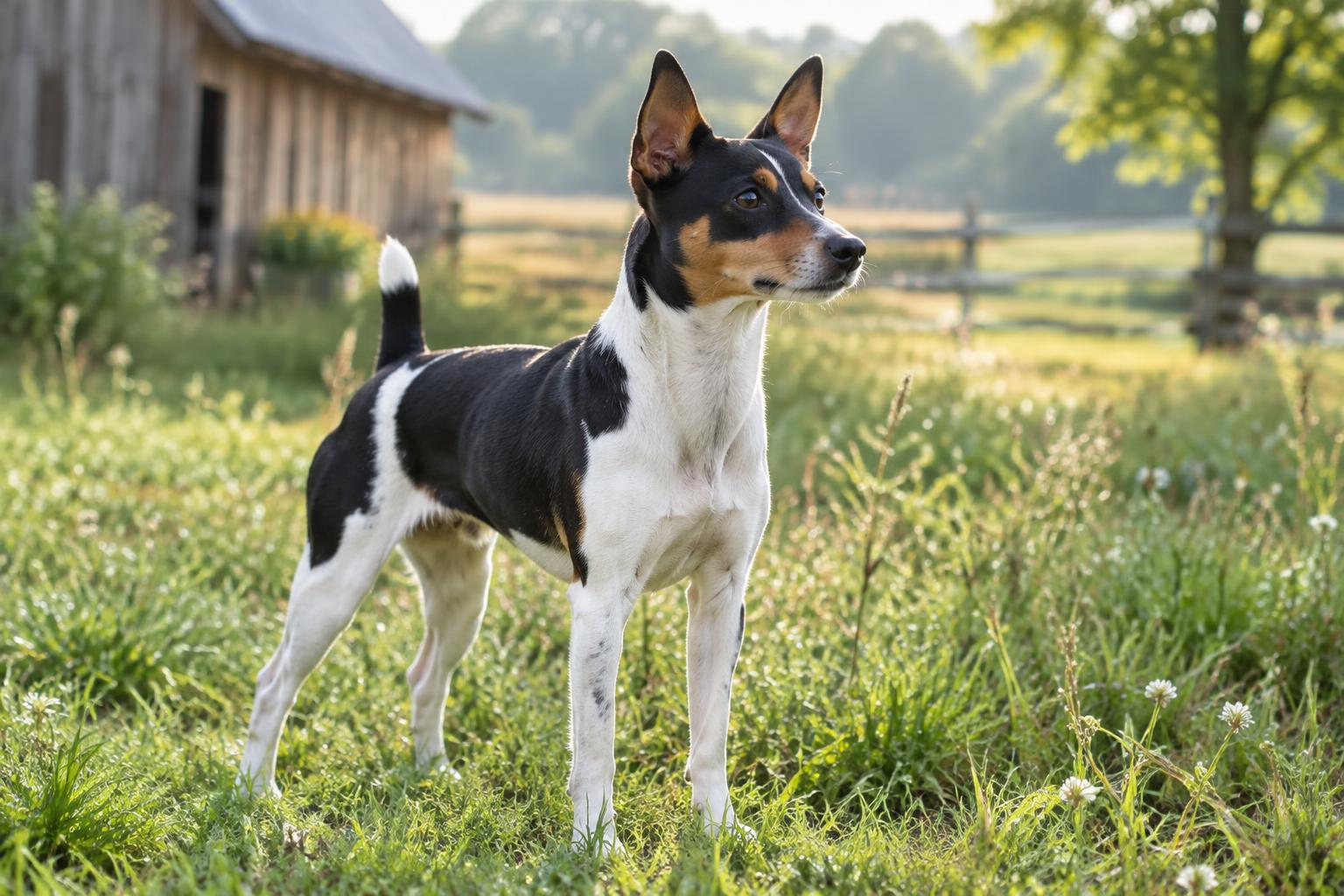
The Rat Terrier was bred on American farms to clear barns of rats, and it still moves with that quick, bright, busy energy. Smaller and more biddable than many terriers, it suits active owners who enjoy training games and can live with a clever dog that digs, chases and climbs.
The Rat Terrier is what happens when farmers want a dog that works hard all day and then sleeps on the bed at night. It was put together in the late nineteenth and early twentieth centuries from Fox Terriers, Manchester Terriers, Whippets, Beagles and other working dogs, and the result is a small, fast, sharp-eyed terrier with a sense of humour. It is still rare in the UK, but in North America it has a loyal following, and it is searched for in huge numbers by people who have met one and fallen for it.
Start with the good news. Compared with many terriers, the Rat Terrier is genuinely easy to train. It is food-motivated, it watches its owner closely and it enjoys short, upbeat sessions. Owners regularly take them into agility, scentwork, trick training and barn hunt, a sport that recreates the breed's original job with safely caged rats hidden in straw. A Rat Terrier that gets this kind of mental work tends to be a pleasure to live with: affectionate, cuddly and keen to be wherever you are.
Now the honest part. A Rat Terrier is a terrier. Its prey drive is high, and squirrels, cats, rabbits and small pets can trigger a sprint that no recall will stop in the moment. It digs, sometimes impressively, and it can climb and jump better than its size suggests. Many owners discover the hard way that a standard garden fence is a puzzle rather than a barrier. If you have a garden, check every gap, check under the gate and never leave a young Rat Terrier outside unsupervised. Off-lead walks belong in safe, enclosed areas until recall is very reliable, and even then wildlife can win.
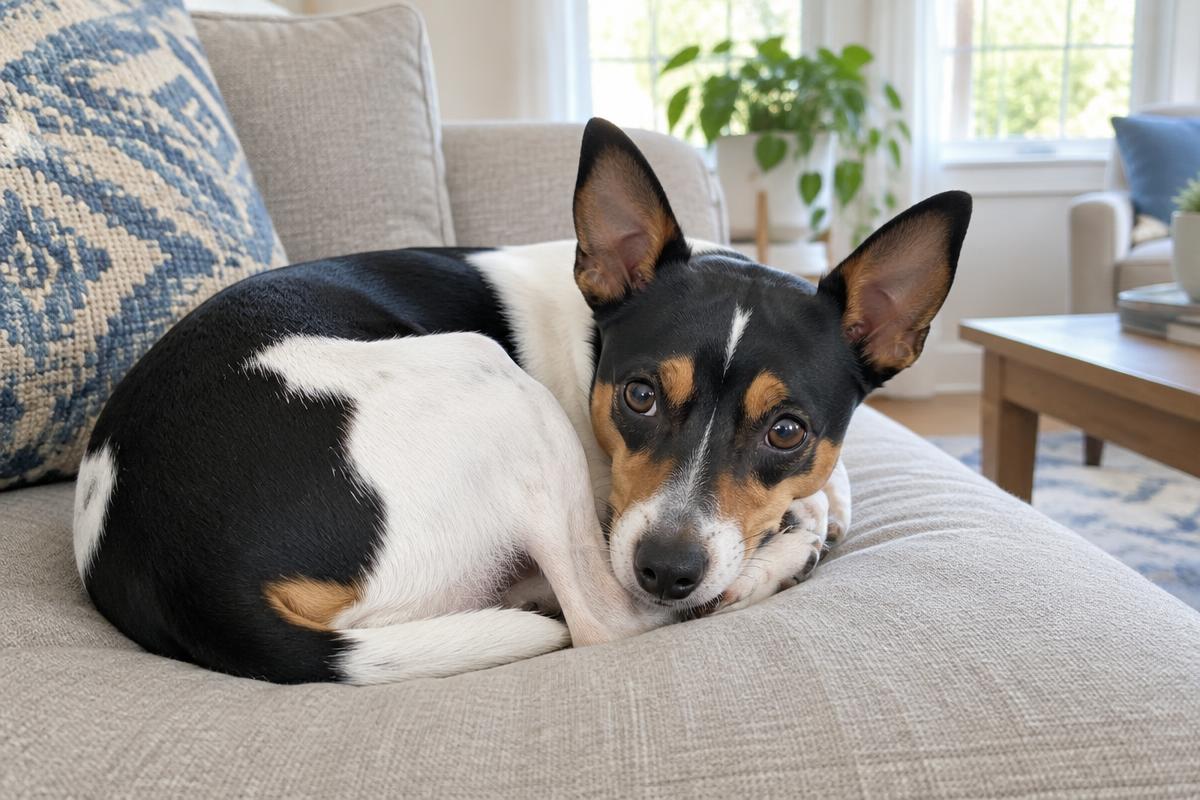
Energy is the other thing to plan for. This is not a lapdog that needs a stroll to the corner. Most adults need an hour or more of activity a day, mixing proper walks with games that ask the dog to think. A bored Rat Terrier invents its own entertainment, and that usually involves barking at the window, excavating the lawn or unpicking the sofa. A tired, mentally satisfied one is calm and settled indoors, which is why many do surprisingly well in flats when the owner is committed.
The breed comes in two broad sizes. Miniatures stand under about 33 cm and usually weigh four to six kilograms; standards stand roughly 33 to 46 cm and weigh up to around eleven kilograms. Some registries also recognise a toy size, and the Decker type is a larger, heavier line. Size changes the practicalities a little, but temperament is similar across them all.
With children the Rat Terrier is usually playful and robust enough for sensible family life, though very young children and a small, fast dog need supervision on both sides. With other dogs it is often sociable if raised well, but it can be bossy, and same-sex tension is not unknown. Life with a cat is possible when the two are raised together, but small caged pets such as hamsters, rats and guinea pigs are a poor mix with a dog that was literally bred to catch them.
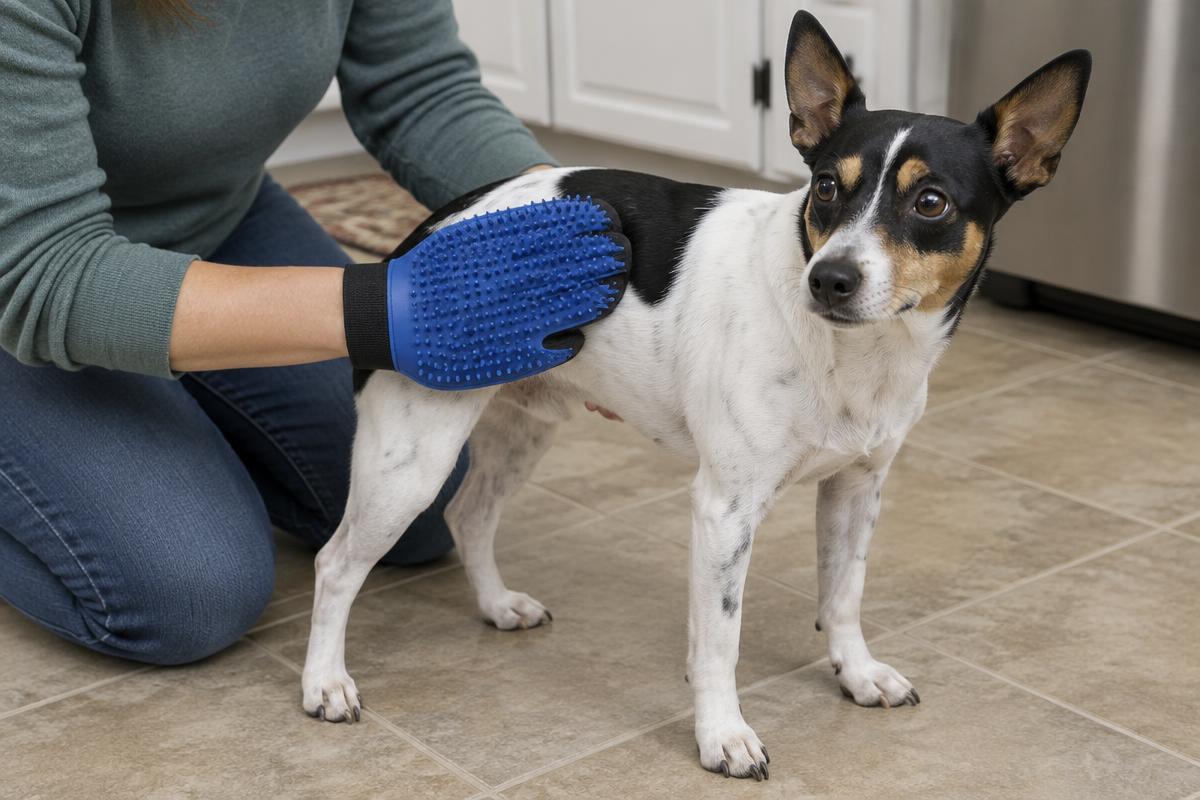
Grooming is the easy part. The coat is short and smooth, it sheds moderately all year and a weekly rub with a rubber mitt keeps it in good order. Teeth need more attention than the coat: like many small breeds, Rat Terriers are prone to dental disease, so daily brushing from puppyhood is one of the best gifts you can give. Their short coat also means they feel the cold, and a well-fitted jumper on winter walks is practical rather than fussy.
Health is generally good, and long lives of fifteen years or more are common. The main concerns are patellar luxation, allergies and skin irritation, dental disease, and some hip problems. Primary lens luxation, an inherited eye condition that can cause sudden pain and blindness, occurs in the breed and has a DNA test, so ask for results on both parents. Good breeders also check patellas and hips, and they will happily tell you how long their dogs live.
The Rat Terrier is not for people who want a quiet, sedentary companion or who cannot supervise a dog around small animals. It is a superb choice for active owners who enjoy training, want a small dog with real stamina and a big personality, and are prepared to outthink a clever little escape artist. Give it work, games and company, and it gives back years of cheerful, devoted friendship.
A quick, funny, trainable little terrier that loves its people, provided you can match its brain and secure your fences.
Exercise, day to day
- 1An hour or more of daily activity, split into two walks
- 2Short training, trick or scentwork sessions every day
- 3Safe enclosed off-lead running a few times a week
Grooming, realistically
- 1Rub over with a rubber mitt weekly
- 2Brush teeth daily from puppyhood
- 3Trim nails every three to four weeks
- 4Bathe only when dirty; check ears monthly
What you actually need
- Rubber grooming mitt
- Dog toothbrush and enzymatic paste
- Nail clippers or grinder
- Winter jumper
Puppy to adult
| Age | Male | Female | What is happening |
|---|---|---|---|
| 8 weeks | 1 to 2 kg | 0.9 to 1.8 kg | Curious and confident; start handling, crate and short training games now. |
| 3 months | 2 to 4 kg | 1.8 to 3.5 kg | Peak socialisation window closing; meet people, dogs and calm cats safely. |
| 6 months | 3.5 to 8 kg | 3 to 7 kg | Adult teeth in; prey drive and digging become obvious, so check the garden. |
| 9 months | 4 to 10 kg | 3.8 to 9 kg | Near adult height; adolescence can test recall, keep it on a long line. |
| 12 months | 4.5 to 11 kg | 4 to 10 kg | Most reach adult size; build steady exercise and sport foundations. |
| 18 months | 4.5 to 11 kg | 4 to 10 kg | Fully mature in body and usually more settled in the house. |
Ranges are typical, not targets. Judge condition by ribs and waist, and check with the ideal weight checker.
What to ask a breeder
- Are both parents DNA tested for primary lens luxation?
- Have both parents had their patellas checked?
- Which size are the parents, and how big are they?
- How do the parents behave around other animals?
- How long have the dogs in your lines lived?
Health tests to ask for
Ask to see results for both parents before you put down a deposit.
- DNA test for primary lens luxation on both parents
- Patella checks for both parents
- Hip assessment where available
Health watch-list
What to ask a breeder about, and what to watch for over a lifetime. This is orientation, not veterinary advice, anything you notice belongs in front of a vet.
Patellar luxation
CommonKneecaps that slip cause skipping strides; check parents and keep weight lean.
Dental disease
Very likelySmall mouths crowd teeth; daily brushing and regular checks prevent painful decay.
Allergies and skin irritation
CommonItchy skin, paws and ears are frequent; a vet can identify food or environmental triggers.
Primary lens luxation
NotableThe lens can slip and cause sudden pain or glaucoma; a DNA test is available.
Hip dysplasia and Legg-Calve-Perthes disease
UncommonHip pain or lameness in young dogs needs X-rays; surgery usually works well.
Demodectic mange
UncommonPatchy hair loss in young dogs; most cases respond well to modern treatment.
What it costs to keep one
Realistic running cost
€51 / month
About €612 a year, or roughly €9,792 across a 16-year life, before purchase price, neutering and one-off vet events.
Before the puppy arrives. Budget roughly €500 to 1000 for a crate, bed, lead and harness, bowls, puppy classes, first vaccinations and grooming kit sized for this breed. Figures throughout are indicative and vary a good deal between countries.
Interactive · built for this breed
Is a Rat Terrier right for your home?
Seven honest questions about your space, time and household, checked against this breed's exercise need, coat, sociability and tolerance for time alone.
Fit with your routine
95%
A strong fit
Your routine suits a Rat Terrier well. Meet adult dogs of the line before you commit.
What to sort out first
- Needs more daily exercise than you have pencilled in.
Working in your favour
- Coat care fits the grooming time you offered.
Compare more breeds in the matchmaker, or plan meals with the portion calculator.
The verdict, by household
First-time owner
Yes, if committed
Trainable and forgiving, but needs real exercise and secure boundaries.
Family with children
Usually good
Playful and sturdy for sensible children; supervise around toddlers.
Active single or couple
Excellent
A small partner for long walks, sport and training projects.
Flat with close neighbours
Possible
Fine when tired and trained to settle; window barking needs early work.

When to call your vet
- Sudden squinting, a red or cloudy eye (possible lens luxation)
- Skipping or hopping on a back leg (patellas)
- Constant scratching, licking or ear infections
- Bad breath, red gums or reluctance to chew
- Lameness after exercise
Nothing here is a diagnosis. A swollen, hard belly with retching, collapse, breathing difficulty and sudden hind-leg weakness are emergencies: go straight away.
Rat Terrier vs the closest alternatives
| Breed | Weight | Energy | Grooming | € / month |
|---|---|---|---|---|
| Rat Terrier | 4.5 to 11 kg | 8/10 | 2/10 | €58 |
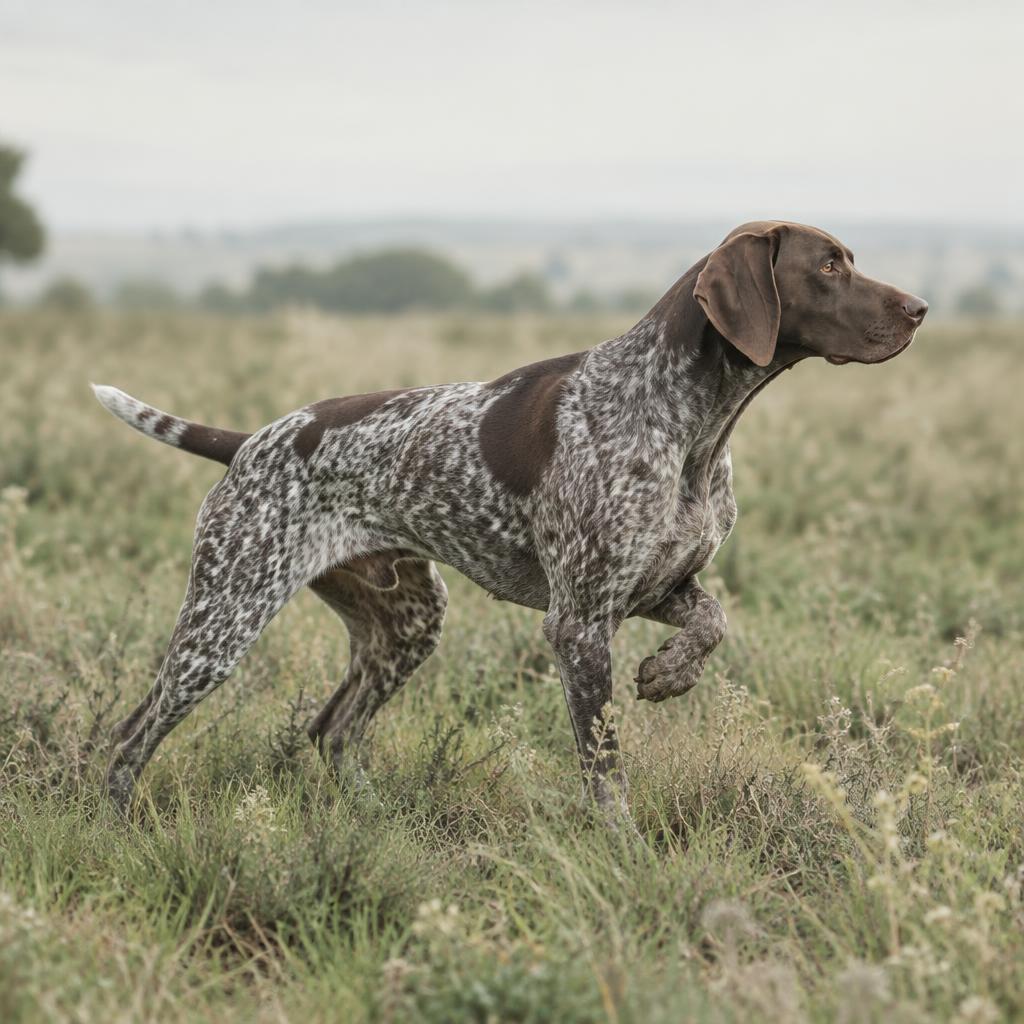
| German Shorthaired Pointer | 20 to 32 kg | 10/10 | 2/10 | €74 |
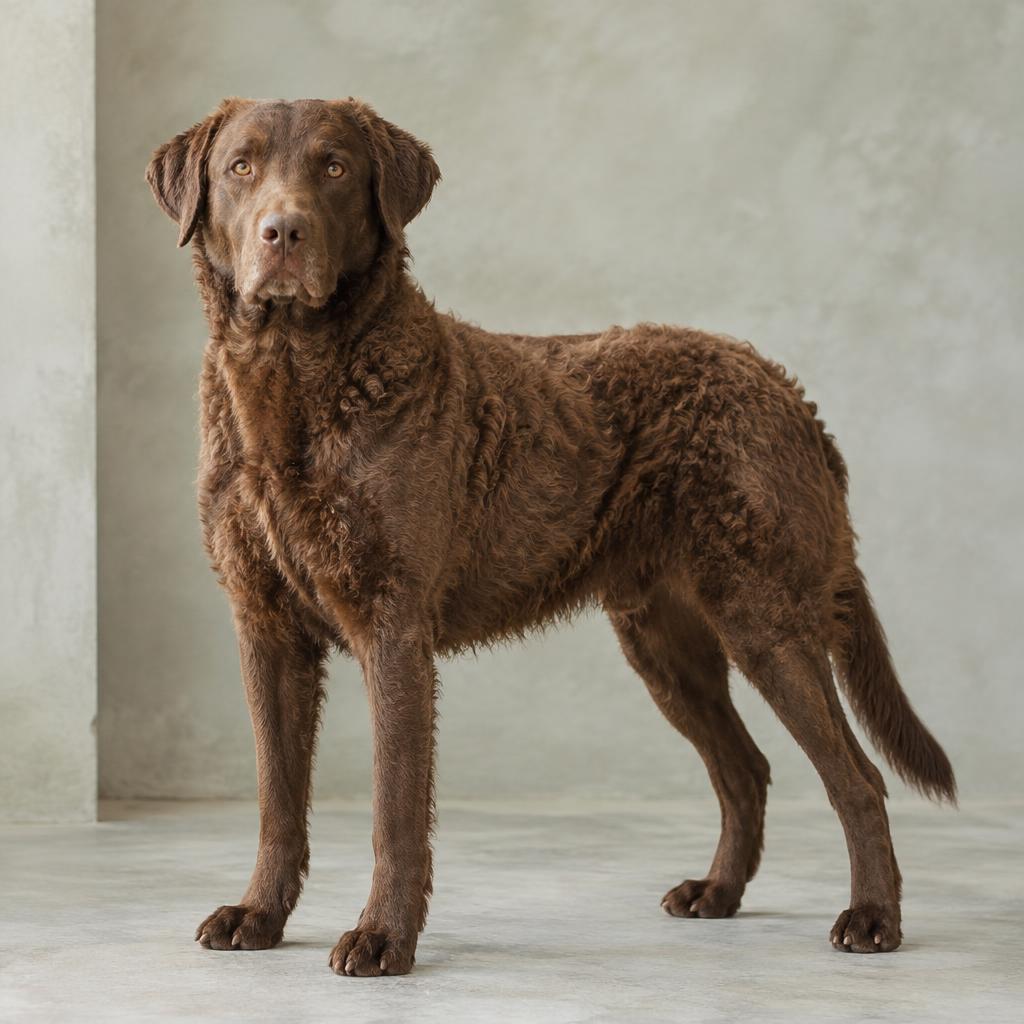
| Chesapeake Bay Retriever | 25 to 36 kg | 8/10 | 3/10 | €109 |
| Hungarian Vizsla | 18 to 30 kg | 9/10 | 2/10 | €179 |
Rat Terrier questions, answered
Are Rat Terriers good family dogs?
Yes, for active families. They are affectionate, playful and sturdy enough for sensible children, but need daily exercise, training and supervision around toddlers and small pets.
Do Rat Terriers shed?
Yes. The short single coat sheds moderately all year. A weekly rub with a rubber mitt keeps loose hair down, but they are not suitable for allergy sufferers.
How big do Rat Terriers get?
Miniatures stand under about 33 cm and weigh roughly 4.5 to 6.5 kg. Standards stand 33 to 46 cm and weigh up to about 11 kg.
Are Rat Terriers easy to train?
More so than most terriers. They are food-motivated and enjoy short, upbeat sessions, but recall around wildlife always needs work because their prey drive is strong.
Do Rat Terriers bark a lot?
They are alert and will bark at noises and passers-by. Enough exercise and early quiet training keep it manageable, even in a flat.
How long do Rat Terriers live?
Typically 13 to 18 years, and many reach their mid-teens in good health with lean weight and good dental care.
Can Rat Terriers live with cats?
Often, if raised with a calm cat from puppyhood. Small caged pets such as rats, hamsters and guinea pigs are a risky mix with this breed.