Gundog group
Hungary
Hungarian Vizsla
The Hungarian Vizsla is an athletic, affectionate Hungarian gundog needing roughly two hours of daily exercise and close human company, ill suited to long hours alone.
Reviewed against Kennel Club and breed club health guidance
A velcro gundog bred to work closely with its handler all day, needing roughly two hours of exercise and genuine daily company.
The short version
- Vizslas need roughly two hours of genuinely active, purposeful exercise every day as a baseline.
- Separation distress is the most commonly cited reason Vizslas are rehomed, so alone time needs careful planning.
- The breed bonds intensely with its owner, earning the nickname velcro dog for its need for closeness.
- Bloat (gastric dilatation volvulus) is a serious risk given the breed's deep chested build and owners should learn the warning signs.
- Vizslas are highly trainable and intelligent but can become destructive or vocal when bored or under exercised.
- The short coat is low maintenance, needing only occasional brushing and minimal shedding.
- Weight
- 18 to 30 kg
- Height
- 53 to 64 cm
- Lifespan
- 12 to 14 yrs
- Size
- Medium
- Group
- Gundog
- Coat
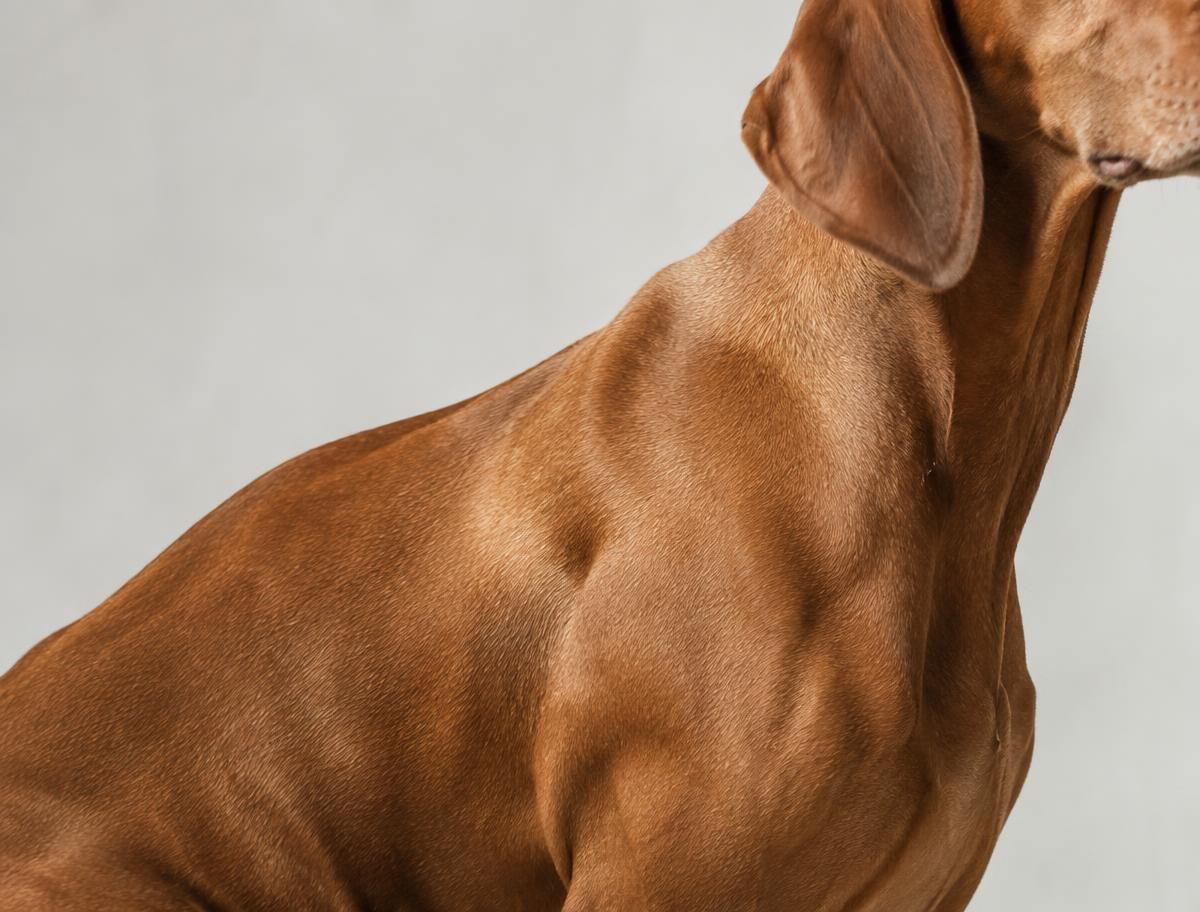
- Short, smooth, dense coat, usually golden rust in colour
- Grown male
- 20 to 30 kg
- Grown female
- 18 to 25 kg
- Years to full size
- about 1.5
- One-off setup
- €400 to 750
Get one if…
- Runners and hikers who can offer around two hours of meaningful exercise daily
- Owners working from home or with flexible schedules allowing consistent company
- People wanting a deeply affectionate, close bonded working breed
- Households able to provide ongoing mental stimulation through training and scent work
- Owners who research and plan for bloat prevention given the breed's build
Think again if…
- Full time office workers without a solid daytime care plan for the dog
- Households wanting a low exercise, independent companion
- Anyone unwilling to invest time in gradual alone training from puppyhood
- Owners unaware of or unwilling to learn the warning signs of bloat
- People wanting a dog that is content being left for long stretches
Trait profile
The Vizsla combines very high exercise needs with an intense emotional bond to its owner, so meeting both the physical and the companionship side of its temperament matters equally.
Space & setup. A house with garden access and genuine commitment to daily exercise suits this breed far better than a flat, given its high activity needs and dislike of being left alone.
Allergies. The Vizsla's short coat sheds lightly and is low maintenance to groom, though no breed is truly non allergenic.
Living with a Hungarian Vizsla
The Hungarian Vizsla is a medium sized gundog developed in Hungary to point and retrieve game across open plains, prized for stamina and a close working bond with its handler. It is an outstandingly affectionate, active breed that struggles badly with being left alone, making it best suited to runners, hikers and owners who can offer consistent company.
The Hungarian Vizsla is a gundog first and a companion second, and understanding that order matters enormously for anyone considering the breed. Developed in Hungary over centuries to hunt, point and retrieve game across open plains, the Vizsla was bred for stamina, a close working partnership with its handler and a keen nose, and those working instincts have not been bred out simply because many Vizslas today live in ordinary households rather than on shooting estates.
The breed's history as a hunting partner for Hungarian nobility, and later for ordinary rural families, explains much of its temperament today: a dog built to cover long distances at a steady trot, hold a point with discipline, and then settle calmly once the day's work was done. That working heritage also explains the breed's famously soft, sensitive temperament, since a gundog working closely with a handler needed to read tone and body language carefully rather than being driven by force, and Vizslas today respond far better to patient, encouraging handling than to harsh correction, which can make a sensitive dog shut down or become anxious rather than compliant. Daily life with a Vizsla is built around activity. Two hours of exercise a day is a realistic baseline rather than an upper limit, and that exercise needs to be genuinely purposeful, running, hiking, scent work or structured training, not simply a gentle stroll around the block. Vizslas were bred to work closely alongside a person for hours at a time, and that combination of high physical stamina and a strong need for engagement with their owner is what makes the breed so brilliant for runners, hikers and anyone with an outdoor, active lifestyle, and so unsuitable for people who cannot offer that level of daily commitment.
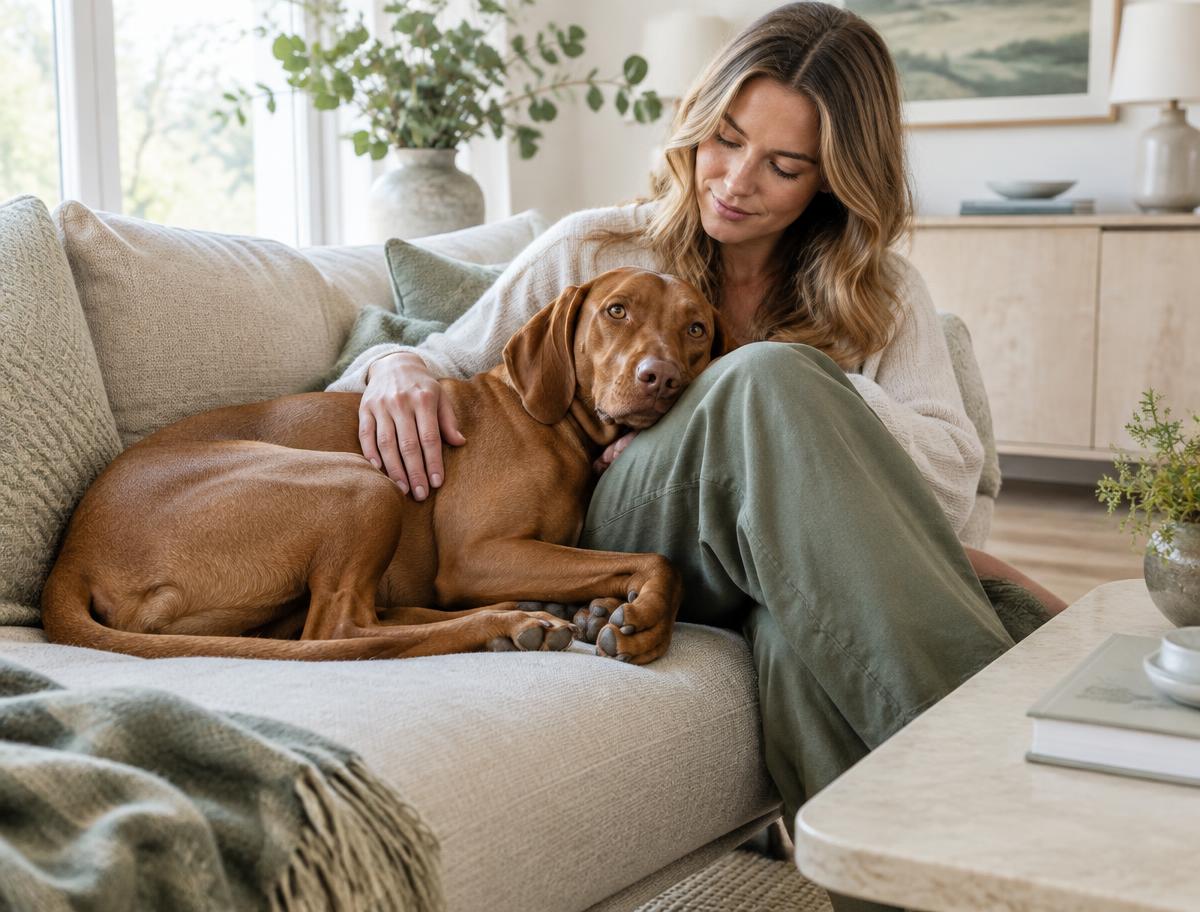
The single most important honest point to make about this breed is that separation distress is consistently reported as the leading reason Vizslas are rehomed. This is a breed that bonds intensely with its owner, sometimes earning the nickname velcro dog for its habit of staying physically close at almost all times, and that same intensity means being left alone for long stretches is genuinely difficult for many Vizslas. Owners who work full time in an office with no plan for dog walkers, doggy daycare or a flexible working pattern are very likely to end up with a distressed, destructive dog through no fault of the animal's temperament. This is not a breed to choose hoping the dog will simply adapt to long solitary days, because the evidence from rescue organisations suggests otherwise.
Health wise, Vizslas are a generally fit, athletic breed, but a few conditions deserve proper attention. Hip dysplasia is reported in the breed and responsible breeders screen breeding stock through hip scoring schemes. Epilepsy has a notable presence in Vizsla bloodlines, and discussing family history with a breeder is worthwhile. One point that deserves particular emphasis given the breed's deep chested build is bloat, also called gastric dilatation volvulus, a sudden and life threatening twisting of the stomach that requires emergency veterinary treatment. Owners should learn the warning signs, a swollen abdomen, unproductive retching and restlessness, and should feed smaller meals, avoid vigorous exercise immediately around feeding times and know their nearest emergency vet before they ever need one.
Training reality for the Vizsla is largely favourable provided the dog's needs are met elsewhere. These are intelligent, biddable dogs that respond well to reward based training and genuinely enjoy structured work, scent games and retrieving exercises that echo their gundog heritage. Without that mental engagement, though, a bored Vizsla can become genuinely difficult, vocal, destructive or prone to escaping in search of something to do. Early socialisation and consistent training from puppyhood pay off considerably given how quickly this breed learns, for better or worse.
The coat is short and low maintenance, needing only an occasional brush and the breed is not a heavy shedder, which is one of the few genuinely low effort aspects of Vizsla ownership. Everything else about the breed asks for real commitment, time, physical activity and emotional presence.
This breed suits runners, hikers and active households able to offer roughly two hours of meaningful exercise daily, people working from home or with flexible schedules who can avoid leaving the dog alone for long stretches, and owners drawn to a genuinely affectionate, close bonded working dog. It does not suit full time office workers without a solid plan for company during the day, households wanting a low exercise companion, or anyone unwilling to learn and watch for the signs of bloat given the breed's physical build. For the right active, present owner, the Vizsla offers an extraordinarily loyal, capable partner that will happily go wherever its person goes.
A loyal, high energy gundog needing around two hours of exercise a day, but one that struggles badly with being left alone.
Exercise, day to day
- 1Puppies (8 to 20 weeks): short, frequent play and training sessions, avoiding excessive forced exercise while joints develop.
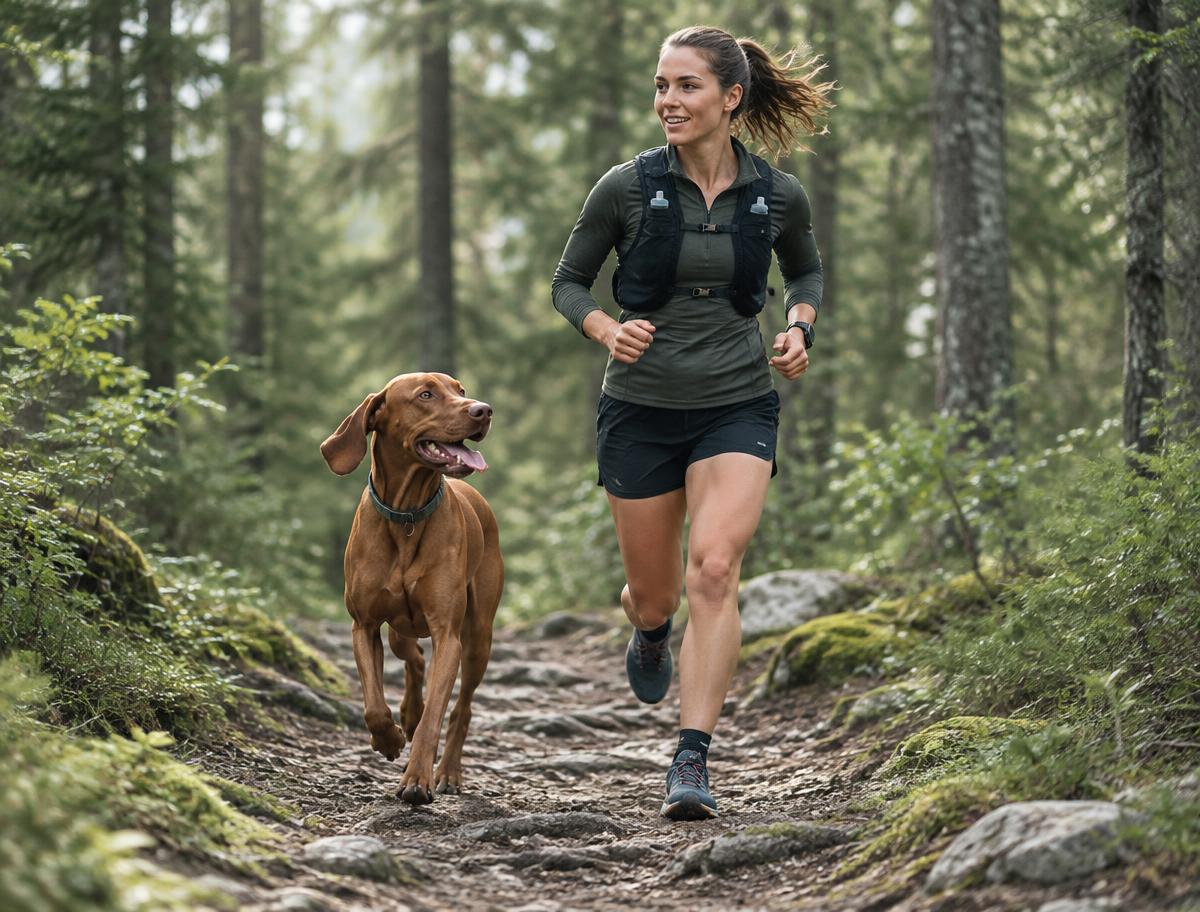
- 2Adults: around two hours a day of genuinely active exercise, including running, hiking or structured training.
- 3Scent and retrieving work: regular gundog style games meet the breed's working instincts and keep the mind occupied.
- 4Alone training: build up time left alone very gradually from puppyhood to reduce separation distress risk.
- 5Rest and routine: a calm, predictable daily structure helps a sensitive, closely bonded breed settle well.
Grooming, realistically
- 1Brush weekly with a rubber curry brush or hound glove to remove loose hair and keep the coat glossy.
- 2Trim nails every 3 to 4 weeks, particularly if the dog is not naturally wearing them down on hard ground.
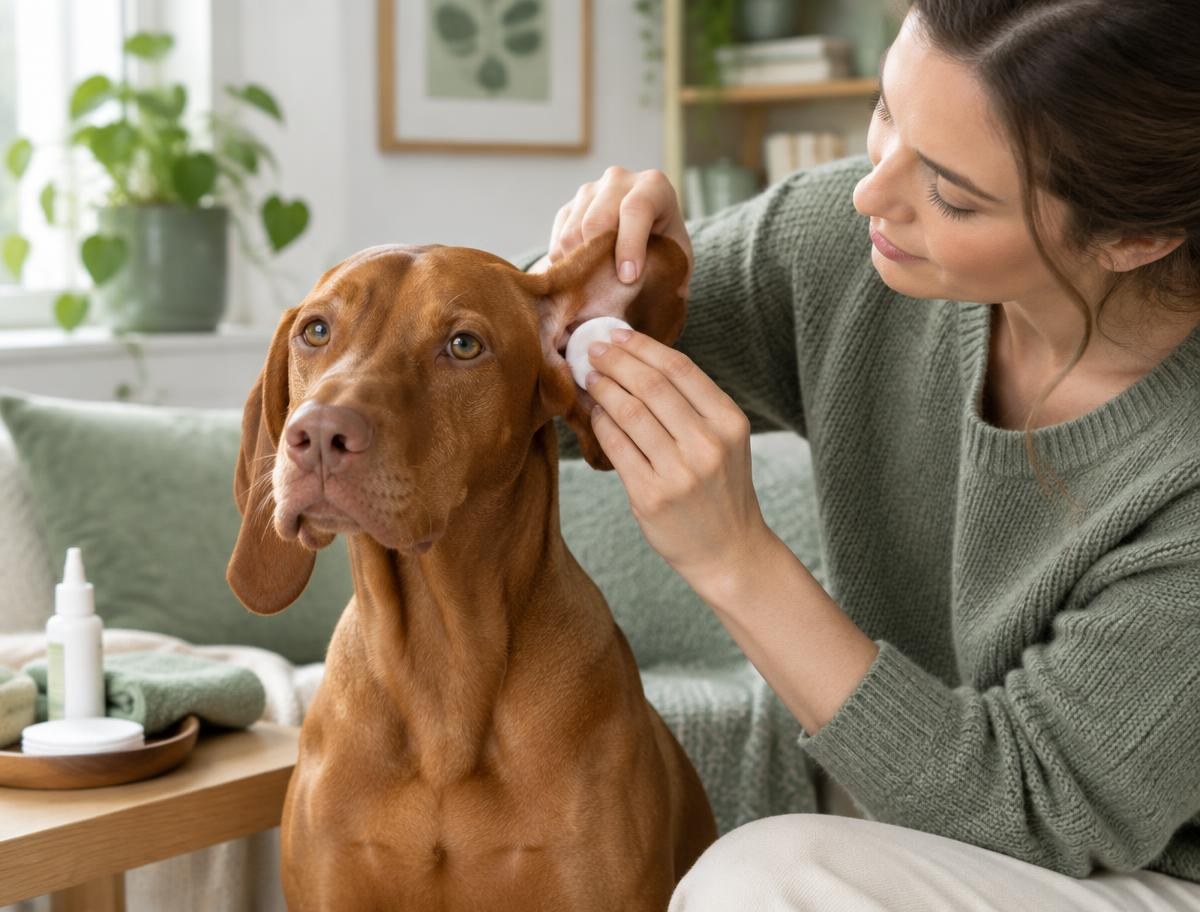
- 3Check ears weekly for signs of wax build up or infection, especially after swimming.
- 4Brush teeth several times a week to maintain dental health.
- 5Bathe only occasionally, as the short coat is naturally low odour and self cleaning.
What you actually need
- Rubber curry brush or hound glove
- Dog nail clippers
- Ear cleaning solution and cotton wool
- Enzymatic dog toothpaste and brush
- Mild dog shampoo
Puppy to adult
| Age | Male | Female | What is happening |
|---|---|---|---|
| 8 weeks | 4 to 5.5 kg | 3.5 to 5 kg | Energetic puppy build; begin gentle socialisation and short training sessions early. |
| 3 months | 8 to 11 kg | 7 to 9.5 kg | Fast early growth typical of gundogs; keep exercise controlled to protect developing joints. |
| 6 months | 14 to 18 kg | 12 to 16 kg | Lean, leggy teenage phase, with recall training and bite inhibition work in full swing. |
| 9 months | 18 to 23 kg | 15 to 19 kg | Nearing adult height, though muscle and chest depth continue to fill out. |
| 12 months | 20 to 27 kg | 17 to 22 kg | Close to adult weight, with structured exercise and gundog style work safe to build up. |
| 18 months | 20 to 30 kg | 18 to 25 kg | Full adult size and stamina reached, ready for sustained daily exercise. |
Ranges are typical, not targets. Judge condition by ribs and waist, and check with the ideal weight checker.
What to ask a breeder
- What hip scoring results can you show for both parents?
- Is there any history of epilepsy in the line, and how is it managed?
- How have the puppies coped so far with short periods away from their littermates?
- What advice would you give on preventing bloat given the breed's deep chest?
- What exercise and training routine have you followed with this litter?
- Can I meet both parents and see how they behave when a visitor arrives?
Health tests to ask for
Ask to see results for both parents before you put down a deposit.
- Hip score (BVA/KC scheme)
- Eye examination
- Cardiac screening
- Discussion of epilepsy history in the breeding line
- Thyroid function screening where recommended
Health watch-list
What to ask a breeder about, and what to watch for over a lifetime. This is orientation, not veterinary advice, anything you notice belongs in front of a vet.
Separation related distress
CommonVizslas bond intensely with their owners and commonly struggle when left alone, with barking, destructive chewing and escape attempts reported. This is the single most common reason Vizslas are rehomed, so gradual alone training from puppyhood is essential.
Bloat (gastric dilatation volvulus)
UncommonA sudden, life threatening twisting of the stomach linked to the breed's deep chest, requiring immediate emergency veterinary treatment. Feeding smaller meals, avoiding vigorous exercise around feeding times and knowing the signs can reduce risk and improve outcomes.
Hip dysplasia
UncommonA malformation of the hip joint that can cause stiffness or lameness over time; hip scoring of breeding stock through recognised schemes reduces its incidence.
Epilepsy
UncommonEpilepsy has a notable presence in some Vizsla bloodlines, causing seizures that usually require lifelong management with medication. Asking breeders about family history is a sensible precaution.
Hypothyroidism
RareAn underactive thyroid gland can cause weight gain, lethargy and coat changes, and is generally well managed with daily medication once diagnosed.
Lymphosarcoma
RareA type of cancer affecting the lymphatic system reported at a higher rate in Vizslas than in many other breeds, making regular veterinary check ups and prompt investigation of lumps or lethargy important.
What it costs to keep one
Realistic running cost
€179 / month
About €2,148 a year, or roughly €27,924 across a 13-year life, before purchase price, neutering and one-off vet events.
Before the puppy arrives. Budget roughly €400 to 750 for a crate, bed, lead and harness, bowls, puppy classes, first vaccinations and grooming kit sized for this breed. Figures throughout are indicative and vary a good deal between countries.
Interactive · built for this breed
Is a Hungarian Vizsla right for your home?
Seven honest questions about your space, time and household, checked against this breed's exercise need, coat, sociability and tolerance for time alone.
Fit with your routine
92%
A strong fit
Your routine suits a Hungarian Vizsla well. Meet adult dogs of the line before you commit.
What to sort out first
- Needs more daily exercise than you have pencilled in.
Working in your favour
- Coat care fits the grooming time you offered.
Compare more breeds in the matchmaker, or plan meals with the portion calculator.
The verdict, by household
First-time owner
Workable with planning
Highly trainable and affectionate, but the exercise demands and separation sensitivity are a steep learning curve for a first dog.
Family with children
A good match
Generally gentle and loyal with children, provided the family can meet its very high exercise needs.
Active single or couple
An excellent match
Runners and hikers are close to the ideal match for this breed's stamina and need for a close companion.
Owner in a flat with close neighbours
Not recommended
High exercise needs and a strong dislike of being left alone make flat living and long working hours a poor combination.
When to call your vet
- A swollen, tense abdomen, unproductive retching or sudden restlessness, which could indicate bloat and needs emergency treatment
- Seizures or unusual disorientation, which could point to epilepsy and should be discussed with a vet
- Sudden lameness or reluctance to exercise, which could suggest a hip or joint problem
- Excessive barking, destructive chewing or escape attempts when left alone, suggesting separation distress
- Reduced appetite, lethargy or stiffness after exercise, worth monitoring over time
Nothing here is a diagnosis. A swollen, hard belly with retching, collapse, breathing difficulty and sudden hind-leg weakness are emergencies: go straight away.
Hungarian Vizsla vs the closest alternatives
| Breed | Weight | Energy | Grooming | € / month |
|---|---|---|---|---|
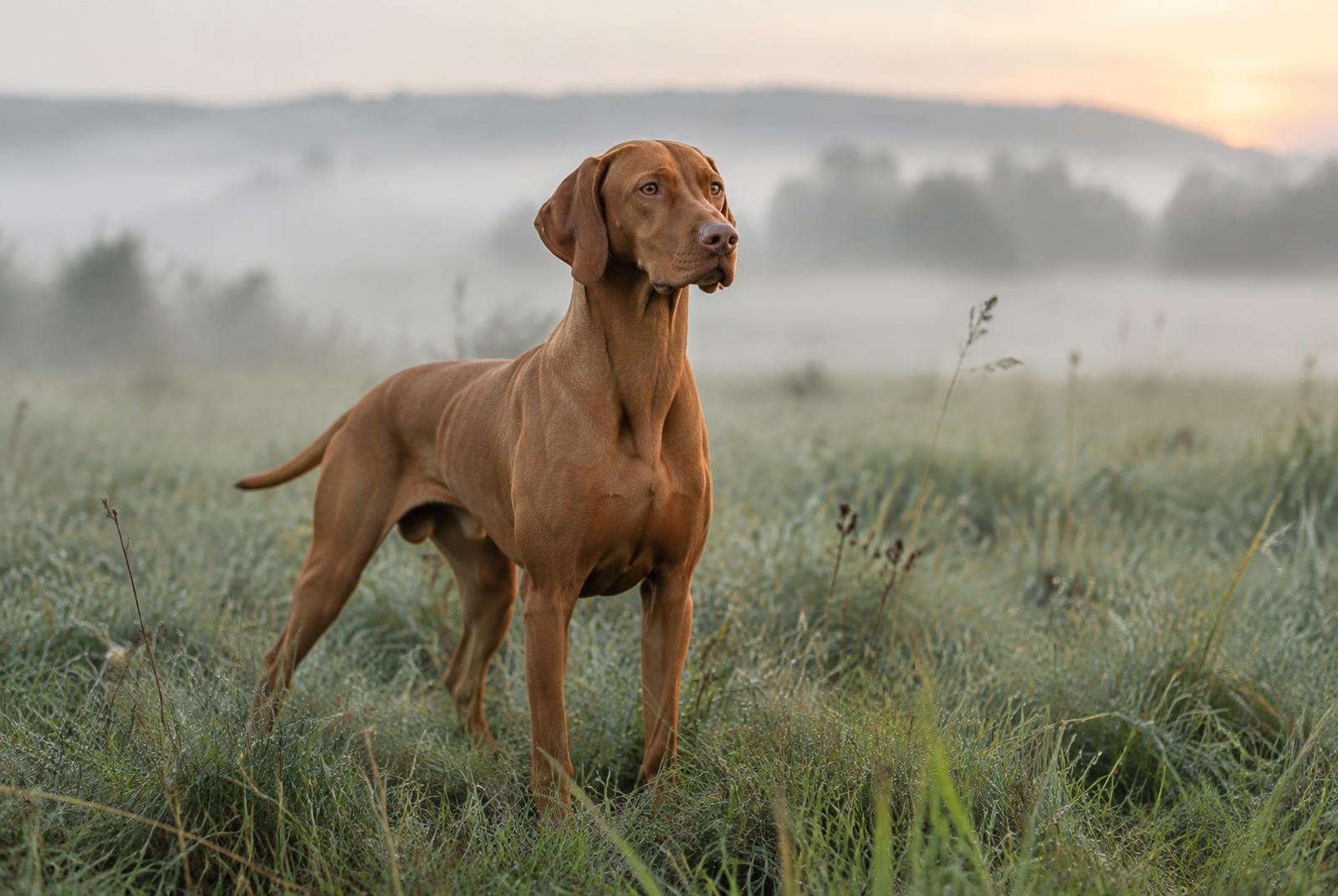
| Hungarian Vizsla | 18 to 30 kg | 9/10 | 2/10 | €179 |
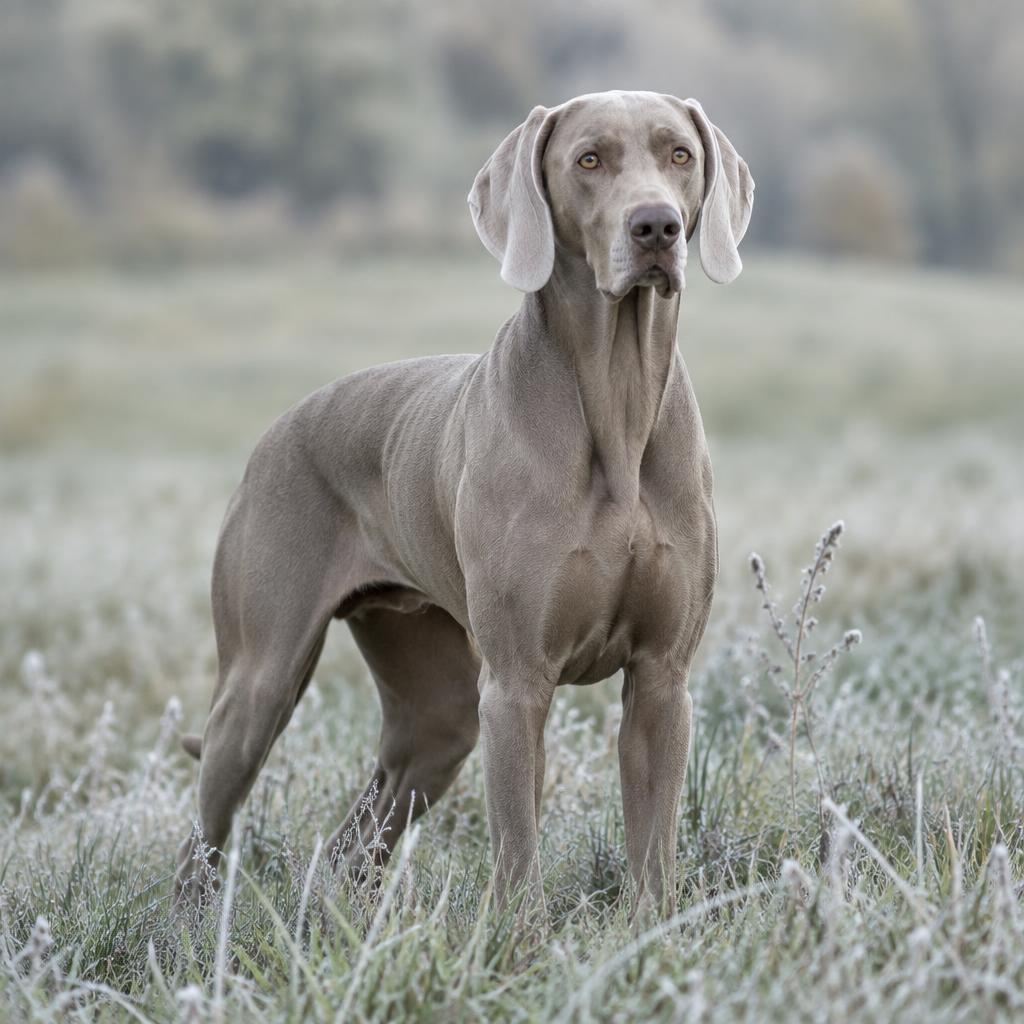
| Weimaraner | 25 to 40 kg | 9/10 | 2/10 | €203 |
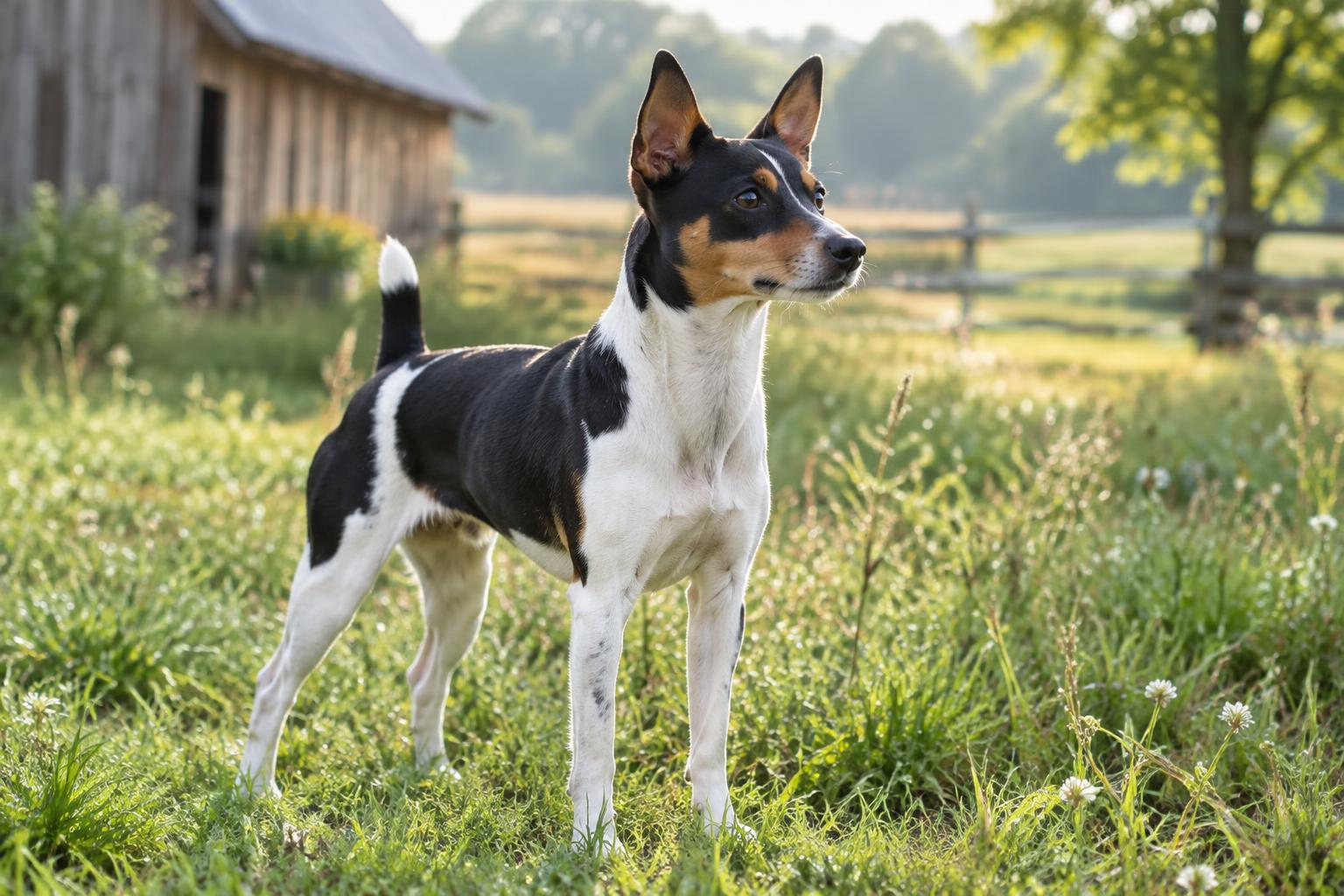
| Rat Terrier | 4.5 to 11 kg | 8/10 | 2/10 | €58 |
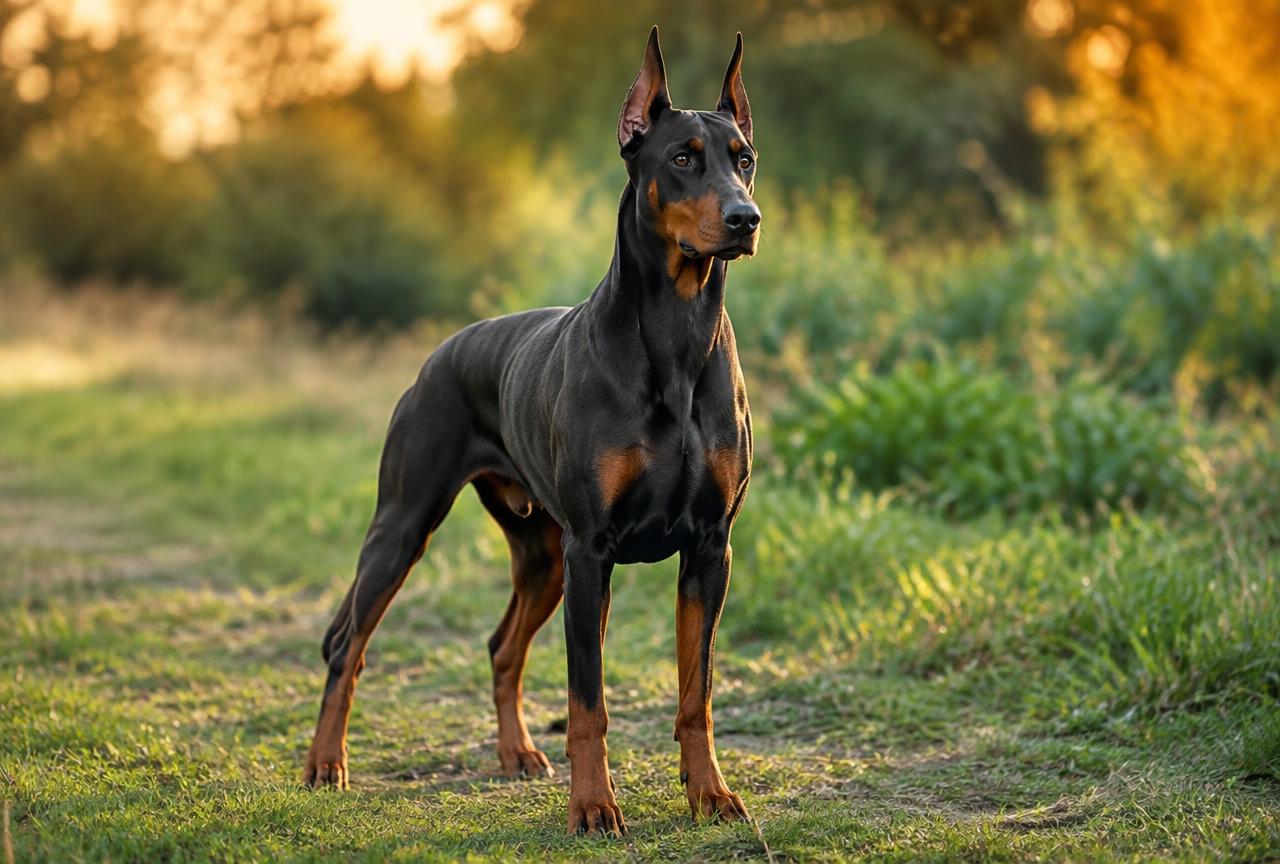
| Dobermann | 32 to 45 kg | 9/10 | 2/10 | €218 |
Hungarian Vizsla questions, answered
How much exercise does a Hungarian Vizsla need?
Around two hours a day is a realistic baseline, made up of genuinely active exercise such as running, hiking or structured training rather than gentle strolls. This makes the breed an excellent match for runners and hikers but a poor fit for a sedentary lifestyle.
Can Vizslas be left alone during the day?
Not for long stretches without careful preparation. Separation distress is consistently reported as the leading reason Vizslas are rehomed, so full time office workers without a plan for company, dog walkers or daycare should think very carefully before choosing this breed.
Are Hungarian Vizslas good family dogs?
Yes, Vizslas are typically affectionate and gentle with children and bond closely with the whole family, provided their very high exercise needs are genuinely met. Families unable to offer two hours of daily activity may find the breed becomes restless or destructive.
What is bloat and why does it matter for Vizslas?
Bloat, or gastric dilatation volvulus, is a sudden and life threatening twisting of the stomach that can affect deep chested breeds like the Vizsla. Owners should learn the warning signs, a swollen abdomen, unproductive retching and restlessness, and seek emergency veterinary care immediately if they appear.
Why are Vizslas called velcro dogs?
Vizslas were bred to work in close partnership with a handler, and that instinct shows today as a strong tendency to stay physically close to their owner at almost all times. This intense bond is affectionate and rewarding but also explains why the breed struggles with being left alone.
Are Vizslas easy to train?
Yes, Vizslas are intelligent and generally eager to please, responding well to reward based training and structured activities like scent work and retrieving. They are sensitive dogs, though, and tend to shut down under harsh handling rather than respond well to correction based methods.
Is a Hungarian Vizsla suitable for a full time office worker?
Generally not without significant support, since Vizslas need around two hours of active exercise daily and struggle badly with being left alone for long stretches. Owners working from home, with flexible schedules, or with reliable daytime cover for the dog are a much better match.