Gundog group
United States
Chesapeake Bay Retriever
A tough, loyal working retriever with a waterproof coat and a protective streak, best with experienced, active owners.
The SniffScroll editorial desk
The serious retriever: tough, loyal and very much not a brown Labrador.
The short version
- Not a brown Labrador: more independent, more reserved and often protective
- Needs 90 minutes or more of strenuous exercise, ideally including swimming
- Easy coat: weekly brushing, rare baths, as shampoo strips the waterproofing
- Ask for hip and elbow scores plus DNA tests for PRA, DM and EIC
- Weight
- 25 to 36 kg
- Height
- 53 to 66 cm
- Lifespan
- 10 to 13 yrs
- Size
- Large
- Group
- Gundog
- Coat
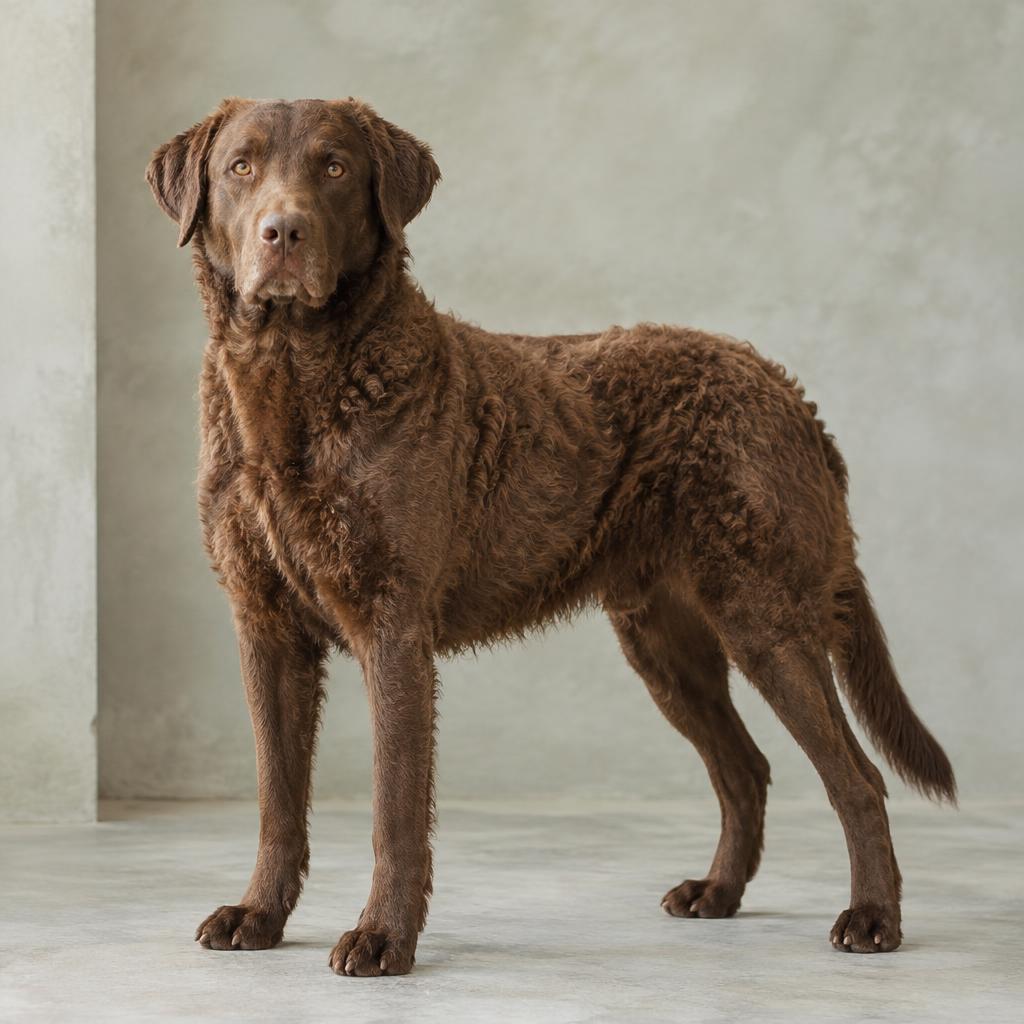
- Short, wavy, oily double coat
- Grown male
- 29 to 36 kg
- Grown female
- 25 to 32 kg
- Years to full size
- about 2
- One-off setup
- €450 to 950
Get one if…
- Experienced owners who want a working partner
- Active households near water
- Gundog, dock-diving and retrieving enthusiasts
- Families wanting a loyal, watchful dog
Think again if…
- First-time owners
- People wanting a dog that loves every stranger
- Households with frequent visitors and no management plan
- Anyone unable to provide daily strenuous exercise
Trait profile
Trait scores reflect a well-socialised adult; sociability with strangers varies more than in most retrievers.
Space & setup. Needs a house with a secure garden and daily access to open space or water.
Allergies. Not suitable for allergy sufferers; the oily double coat sheds, especially seasonally.
Living with a Chesapeake Bay Retriever
The Chesapeake Bay Retriever was bred to retrieve ducks from the icy, choppy waters of Chesapeake Bay, and everything about it reflects that job: a waterproof oily coat, enormous stamina and a strong, independent mind. It is deeply loyal to its own family but often reserved with strangers, and it can be protective. Chessies suit experienced, active owners who want a working partner, not a soft, everyone-loving retriever.
The most important thing to know about the Chesapeake Bay Retriever is that it is not a Labrador in a different colour. People buy Chessies expecting the Labrador's universal friendliness and easy biddability, and find instead a tougher, more independent dog with a protective streak.
That is not a criticism; it is the breed doing what it was built for. Chessies worked long, cold days on the water for hunters who valued grit and judgement over eagerness to please. The result is a dog of enormous stamina and courage, deeply bonded to its family, often aloof with strangers, and willing to think for itself. Many are excellent with their own children; some are possessive of toys or food and need careful management.
Training needs consistency and early, thorough socialisation. Chessies learn fast but question pointless repetition, and they respect calm, confident handlers. Without enough exercise and work, they become bored and can be destructive or vocal.
The coat is a pleasant surprise: short, wavy and oily, it needs only weekly brushing and rarely a bath, because shampoo strips its waterproofing. It does shed, especially seasonally, and has a distinctive smell when wet.
For experienced, active owners, especially those who swim, shoot or do gundog work, the Chessie is a magnificent partner. For first-time owners wanting a friendly retriever, a Labrador or Golden is the kinder choice for everyone.
A superb working retriever and a devoted family guardian, but stubborn, protective and nothing like the easy-going Labrador people expect. Best with experienced owners.
Exercise, day to day
- 190 minutes or more of strenuous exercise daily
- 2Swimming and retrieving sessions several times a week
- 3Training and problem-solving games to occupy the independent mind
Grooming, realistically
- 1Brush weekly with a rubber curry or bristle brush
- 2Daily brushing during seasonal sheds
- 3Bathe rarely; rinse with fresh water after salt or muddy swims
- 4Dry and check ears after swimming
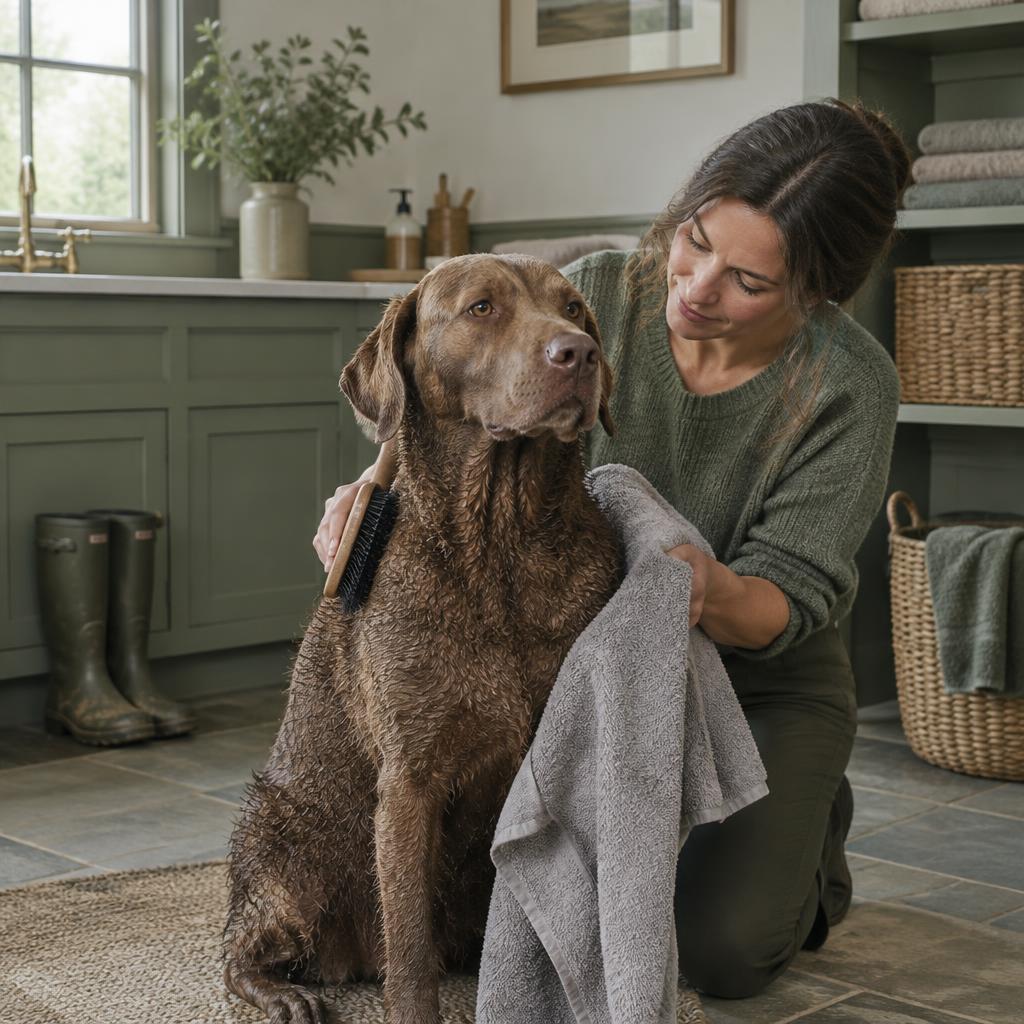
What you actually need
- Rubber curry brush
- Bristle brush
- Undercoat rake for shedding season
- Ear drying solution
Puppy to adult
| Age | Male | Female | What is happening |
|---|---|---|---|
| 8 weeks | |||
| 4 months | |||
| 6 months | |||
| 12 months | |||
| 24 months |
Ranges are typical, not targets. Judge condition by ribs and waist, and check with the ideal weight checker.
What to ask a breeder
- What are the hip and elbow scores of both parents?
- Are both parents DNA tested for PRA, degenerative myelopathy and EIC?
- What are the parents' temperaments like with strangers?
- Can I meet the mother and see her with visitors?
- How do you socialise the litter?
Health tests to ask for
Ask to see results for both parents before you put down a deposit.
- Hip and elbow scoring for both parents
- Eye examinations
- DNA tests for PRA, degenerative myelopathy and exercise-induced collapse
Health watch-list
What to ask a breeder about, and what to watch for over a lifetime. This is orientation, not veterinary advice, anything you notice belongs in front of a vet.
Hip dysplasia
UncommonAsk for hip scores on both parents and keep the dog lean.
Elbow dysplasia
UncommonAsk for elbow scores alongside hips.
Progressive retinal atrophy
UncommonA DNA test identifies carriers; responsible breeders use it.
Degenerative myelopathy
UncommonA progressive spinal disease of older dogs; DNA testing reduces the risk.
Exercise-induced collapse
RareWeakness after intense exercise; DNA testable and important for working homes.
Bloat (gastric dilatation volvulus)
UncommonA deep-chested breed: feed smaller meals and avoid hard exercise straight after eating.
What it costs to keep one
Realistic running cost
€109 / month
About €1,308 a year, or roughly €15,696 across a 12-year life, before purchase price, neutering and one-off vet events.
Before the puppy arrives. Budget roughly €450 to 950 for a crate, bed, lead and harness, bowls, puppy classes, first vaccinations and grooming kit sized for this breed. Figures throughout are indicative and vary a good deal between countries.
Interactive · built for this breed
Is a Chesapeake Bay Retriever right for your home?
Seven honest questions about your space, time and household, checked against this breed's exercise need, coat, sociability and tolerance for time alone.
Fit with your routine
94%
A strong fit
Your routine suits a Chesapeake Bay Retriever well. Meet adult dogs of the line before you commit.
What to sort out first
- Needs more daily exercise than you have pencilled in.
Working in your favour
- Coat care fits the grooming time you offered.
Compare more breeds in the matchmaker, or plan meals with the portion calculator.
The verdict, by household
When to call your vet
- Swollen belly, retching without producing anything or restlessness: possible bloat, an emergency
- Limping or stiffness after exercise
- Weakness or wobbliness after intense exercise
- Cloudy eyes or night blindness
Nothing here is a diagnosis. A swollen, hard belly with retching, collapse, breathing difficulty and sudden hind-leg weakness are emergencies: go straight away.
Chesapeake Bay Retriever vs the closest alternatives
| Breed | Weight | Energy | Grooming | € / month |
|---|---|---|---|---|
| Chesapeake Bay Retriever | 25 to 36 kg | 8/10 | 3/10 | €109 |
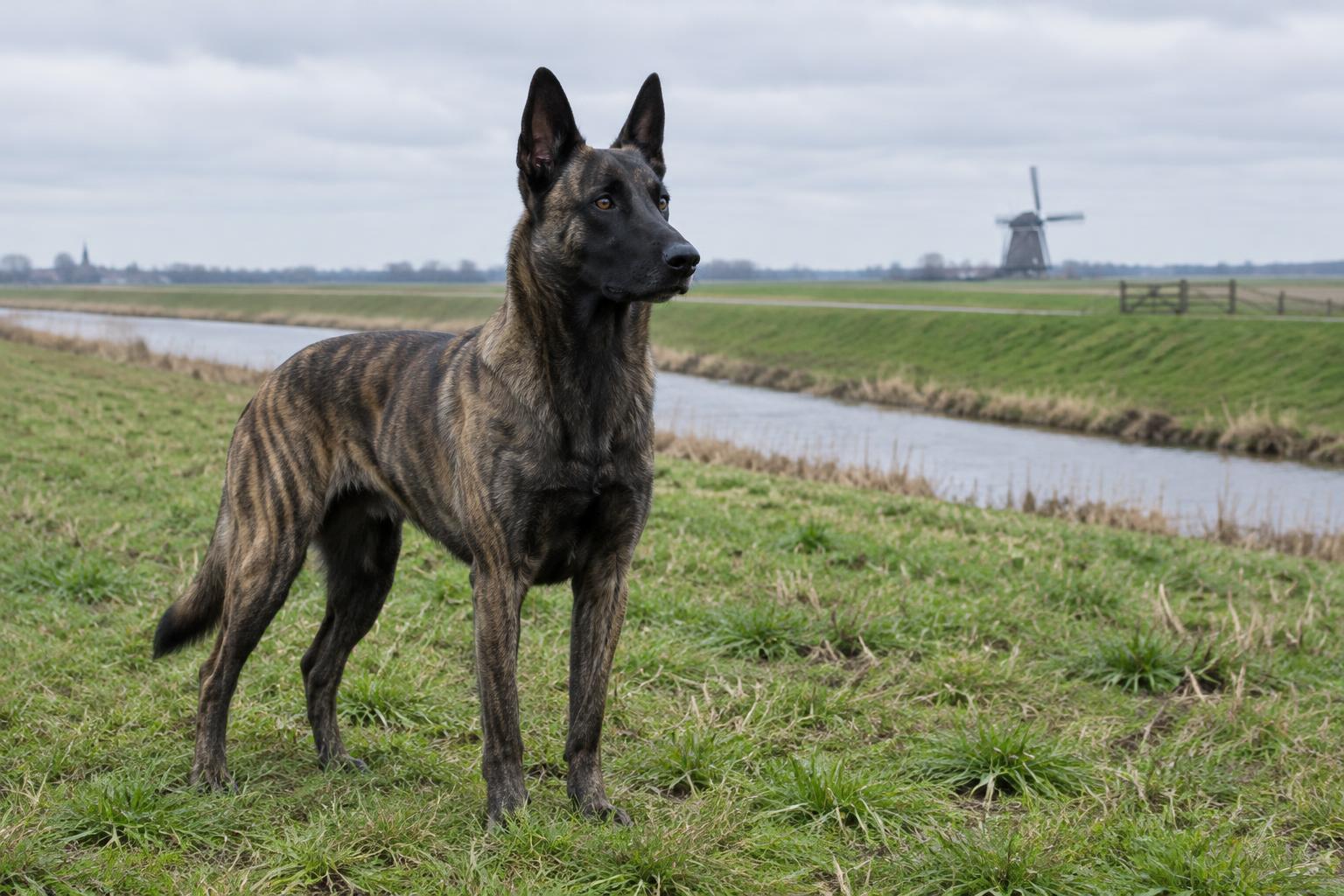
| Dutch Shepherd | 23 to 34 kg | 9/10 | 3/10 | €112 |
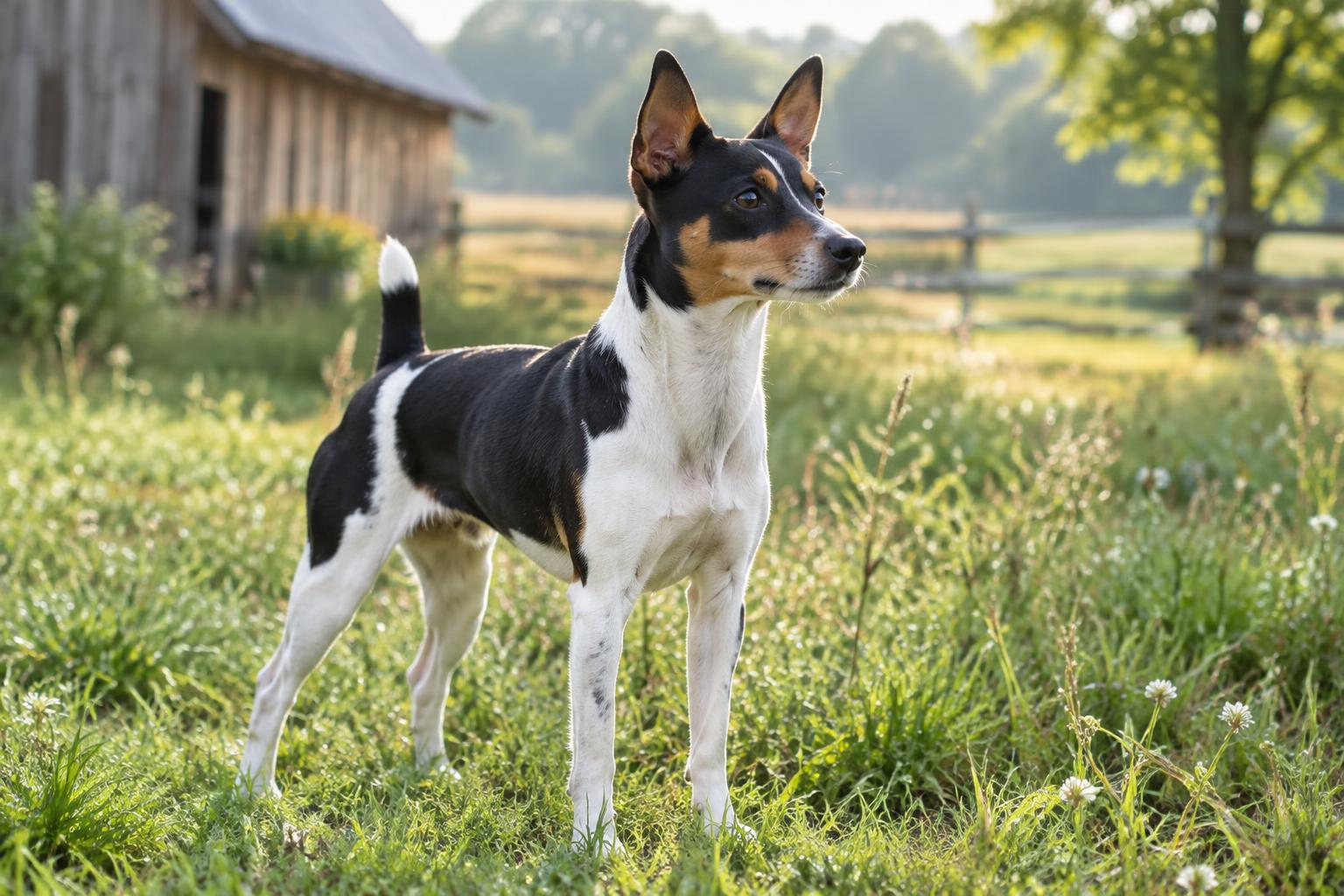
| Rat Terrier | 4.5 to 11 kg | 8/10 | 2/10 | €58 |
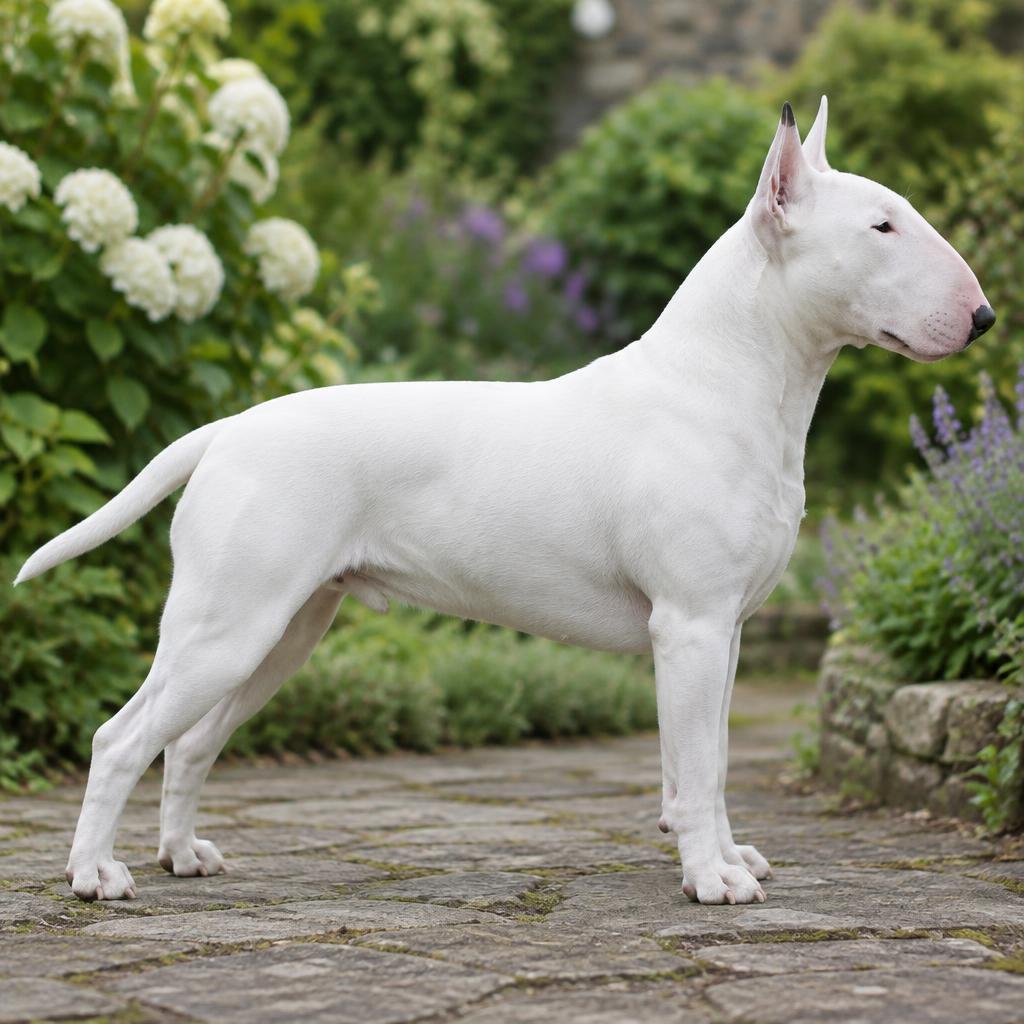
| Bull Terrier | 20 to 36 kg | 7/10 | 3/10 | €152 |
Chesapeake Bay Retriever questions, answered
Is a Chesapeake Bay Retriever like a Labrador?
No. Chessies are more independent, more reserved with strangers and often protective. They suit experienced owners better than first-timers.
Are Chessies good family dogs?
With their own family, often very devoted and good with children. Careful socialisation and supervision with visitors are important.
How much exercise do they need?
At least 90 minutes of strenuous exercise daily, ideally including swimming and retrieving.
Do Chesapeake Bay Retrievers shed?
Yes, moderately, with heavier seasonal sheds. The coat itself is easy: weekly brushing and very occasional baths.
Why shouldn't I bathe my Chessie often?
Shampoo strips the oils that make the coat waterproof. Rinse with fresh water after salty or muddy swims instead.
Are they easy to train?
They learn quickly but are independent and dislike repetition. Calm, consistent, reward-based training works best.
What health tests should a breeder show me?
Hip and elbow scores, eye examinations and DNA results for PRA, degenerative myelopathy and exercise-induced collapse.