Pastoral group
Netherlands
Dutch Shepherd
A clever, loyal and tireless Dutch working shepherd for experienced owners who can offer a real daily job.
Reviewed by the SniffScroll editorial team
The brindle all-rounder that needs a real job
The short version
- High-drive working breed: around two hours of activity daily
- Needs structured training and mental work, not just walks
- Loyal and protective; early socialisation is essential
- Three coat types, all brindle; rough coats are hand-stripped
- Ask for hip, elbow and goniodysplasia results
Choose a variety
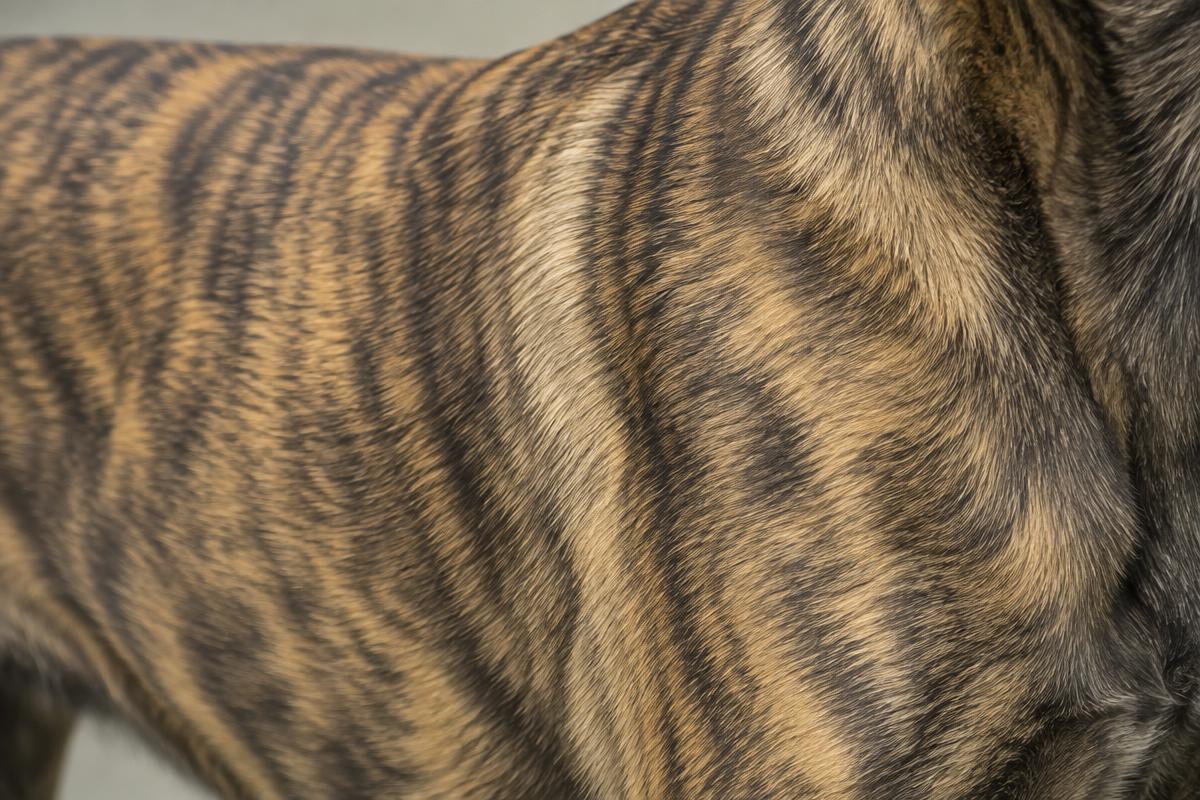
The most common type: short, hard brindle coat with undercoat; easiest to keep.
- Weight
- 23 to 34 kg
- Height
- 55 to 62 cm
- Lifespan
- 11 to 14 yrs
- Size
- Large
- Group
- Pastoral
- Coat
- Short, long or rough brindle coat with undercoat
- Daily exercise
- Around two hours a day including training
- Years to full size
- about 2
- One-off setup
- €900 to 1800
Get one if…
- Experienced owners of working breeds
- People involved in dog sports or working trials
- Active households wanting a training partner
- Homes with secure gardens and outdoor access
Think again if…
- First-time owners
- Low-activity or busy households
- Families with toddlers and no training plan
- Flats without daily access to open space
Trait profile
Scores reflect a high-drive working shepherd: highly trainable and energetic, with real protective and prey instincts.
Space & setup. Best with a secure garden and daily access to open space; space matters less than exercise and training.
Allergies. Not suitable for allergy sufferers; all three coat types shed, the short coat most noticeably in spring and autumn.
Living with a Dutch Shepherd
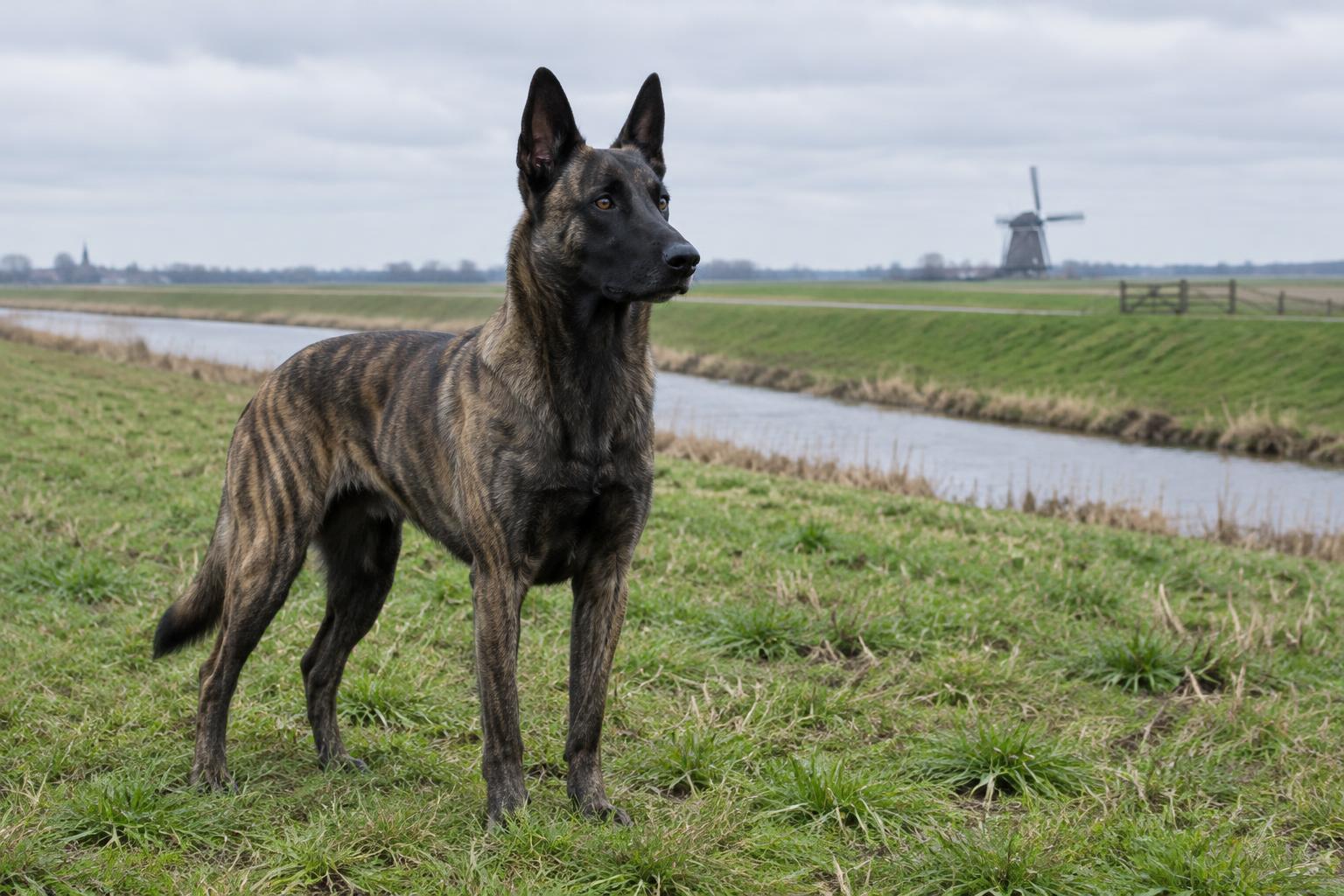
The Dutch Shepherd is a versatile Dutch farm and herding dog, now prized in police, protection and dog sports. Recognisable by its brindle coat, it is intelligent, loyal and tireless, and it suits experienced, active owners who can give it daily training and purposeful work.
The Dutch Shepherd, or Hollandse Herder, began life as a general farm dog in the Netherlands. It herded sheep, guarded the yard, kept chickens out of the vegetable garden and pulled small carts to market. When farming changed, the breed nearly disappeared, but its intelligence and drive found a new home in police work, search and rescue and sports such as IPO, mondioring and agility. Today it is in demand among working-dog handlers worldwide and searched for by people who have seen one at work and want to know more.
The breed is often compared with the Belgian Malinois and the German Shepherd, and the comparison is useful. It is a little more independent than the German Shepherd, and in many lines a fraction less intense than the Malinois, but this is still a high-drive working dog. It wants to do something, every day, with its person. A Dutch Shepherd that gets a walk around the block and nothing else will not settle; it will invent tasks, and you will not enjoy them.
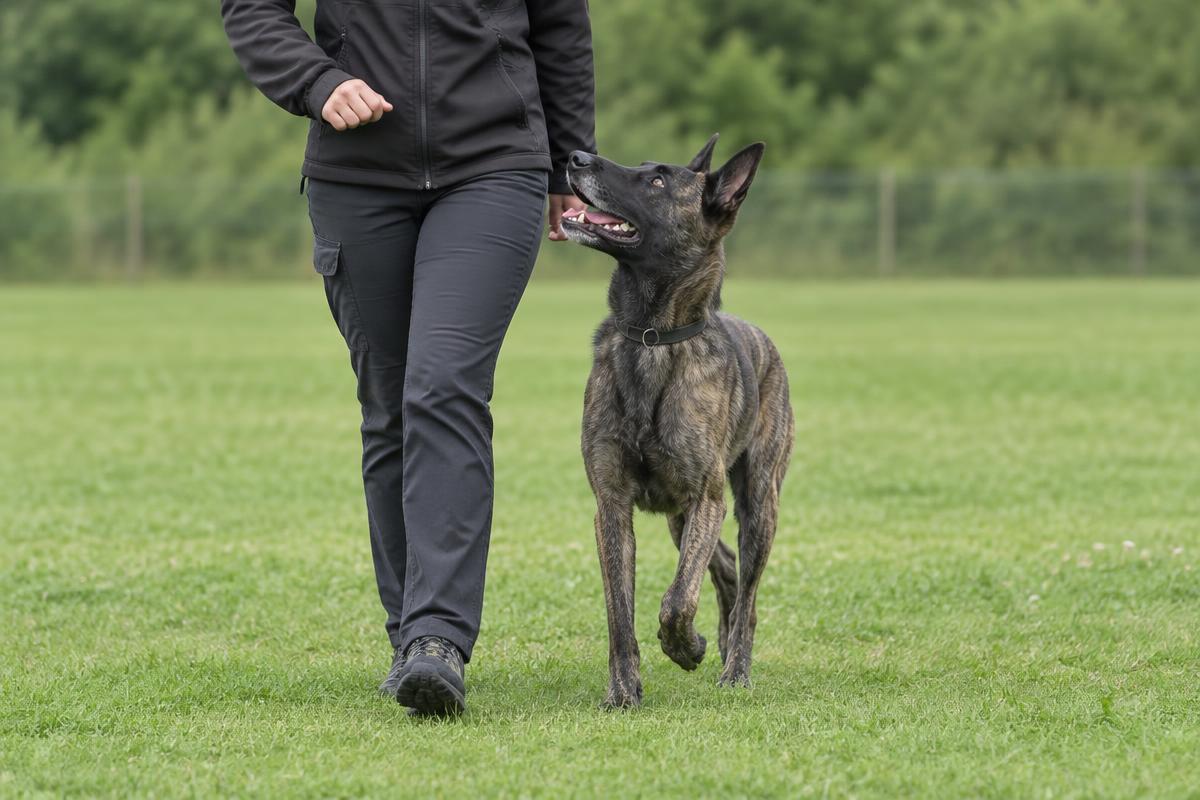
What does enough look like? Most adults need around two hours of activity daily, and a good portion of that should engage the brain: obedience, tracking, scentwork, herding, agility, bite sports with a qualified club or structured games with rules. The breed learns fast and loves to work for food, toys and praise. It is also quick to learn bad habits, and an adolescent Dutch Shepherd can test boundaries. Calm, consistent, reward-based training from day one is essential, ideally with an experienced trainer who knows working breeds.
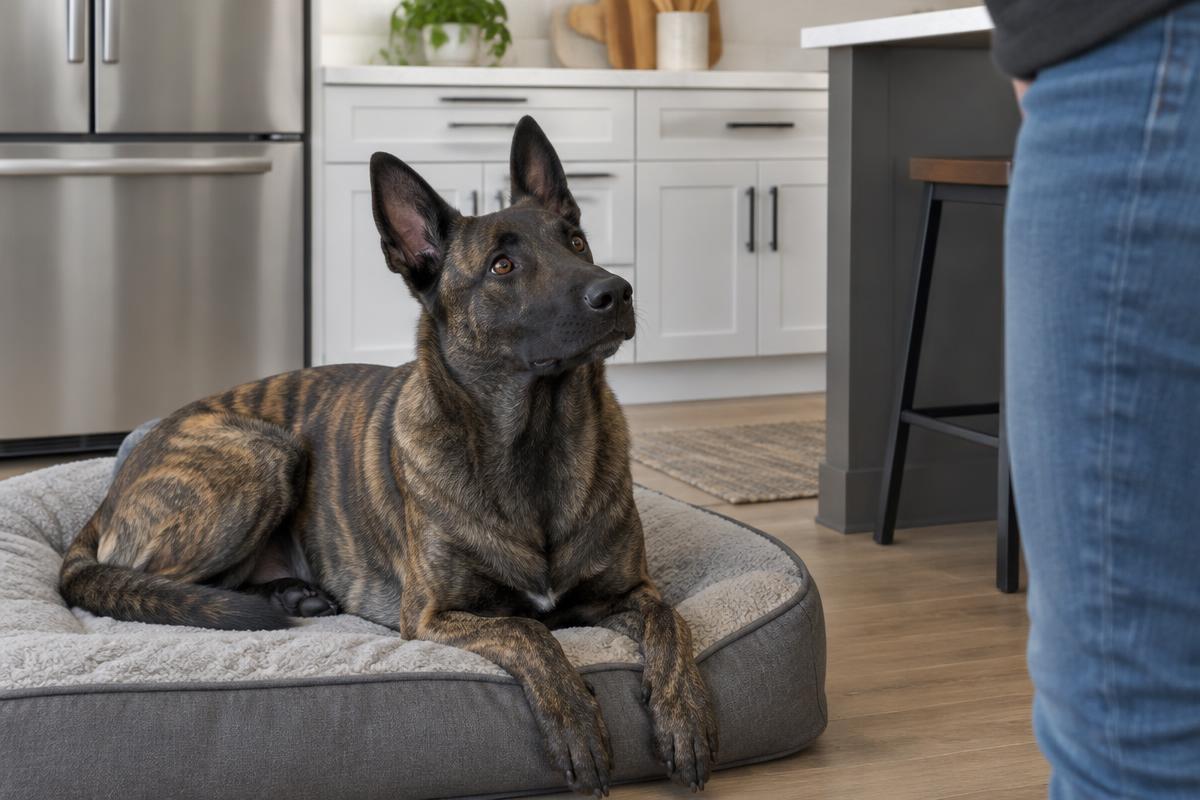
The temperament at home, when needs are met, is loyal, affectionate and steady. Dutch Shepherds bond tightly with their family and often follow their favourite person from room to room. They are natural watchdogs and can be reserved with strangers, so early socialisation with a wide range of people, places and dogs is not optional. Poorly socialised dogs may become suspicious or overprotective, which is a real risk in a large, strong, athletic animal.
With children, a well-bred, well-raised Dutch Shepherd can be a devoted family member, but herding instincts can show up as chasing or nipping at running kids, and its energy can bowl over small children. It suits families with older children and an adult who takes charge of training. With other dogs it is usually fine when socialised, though same-sex tension can appear. Cats and small pets need careful management, as prey and herding drive are both present.
The breed comes in three coat types, and all are brindle, ranging from gold to silver. The short coat is the most common and easiest: weekly brushing, more during spring and autumn sheds. The long coat is straight and harsh with feathering, needing a little more brushing. The rough coat is rare, wiry and tousled, and it should be hand-stripped a couple of times a year rather than clipped. All three shed, and none suit allergy sufferers.
Health is generally robust compared with many larger breeds, helped by a small population bred mainly for working ability. Hip and elbow dysplasia occur, so expect both parents to be scored. Goniodysplasia, a drainage-angle abnormality that can lead to glaucoma, is a recognised concern particularly in rough-coated dogs, and responsible breeders test for it. Hypothyroidism and some autoimmune problems appear occasionally. Ask to see written results and meet at least the mother, ideally watching her temperament in a normal setting.
Feeding and fitness are straightforward. A good-quality diet matched to workload keeps a lean, athletic outline, and you should be able to feel the ribs easily. Puppies need controlled growth, so avoid forced running, repeated jumping and stairs until the joints mature at around eighteen months to two years.
Before choosing a puppy, consider the lines. Working lines, bred for police and sport, are often more intense than dogs bred mainly as companions or for conformation. A breeder should talk frankly about what their dogs need and should ask you hard questions about your plans. If they do not, look elsewhere.
The Dutch Shepherd is not a breed to choose because it looks handsome. It is a superb choice for an experienced, active owner who wants a true partner for training, sport or outdoor life and enjoys putting in daily work. In the right home, it is loyal, clever and joyful. In the wrong one, it is frustrated, and frustration in a dog this capable is a serious problem.
A brilliant, tireless working partner for experienced owners; far too much dog for a casual family pet.
Exercise, day to day
- 1Around two hours of daily activity, including off-lead running where safe
- 2Daily structured training: obedience, tracking or scentwork
- 3Weekly sport or club session such as agility, herding or working trials
Grooming, realistically
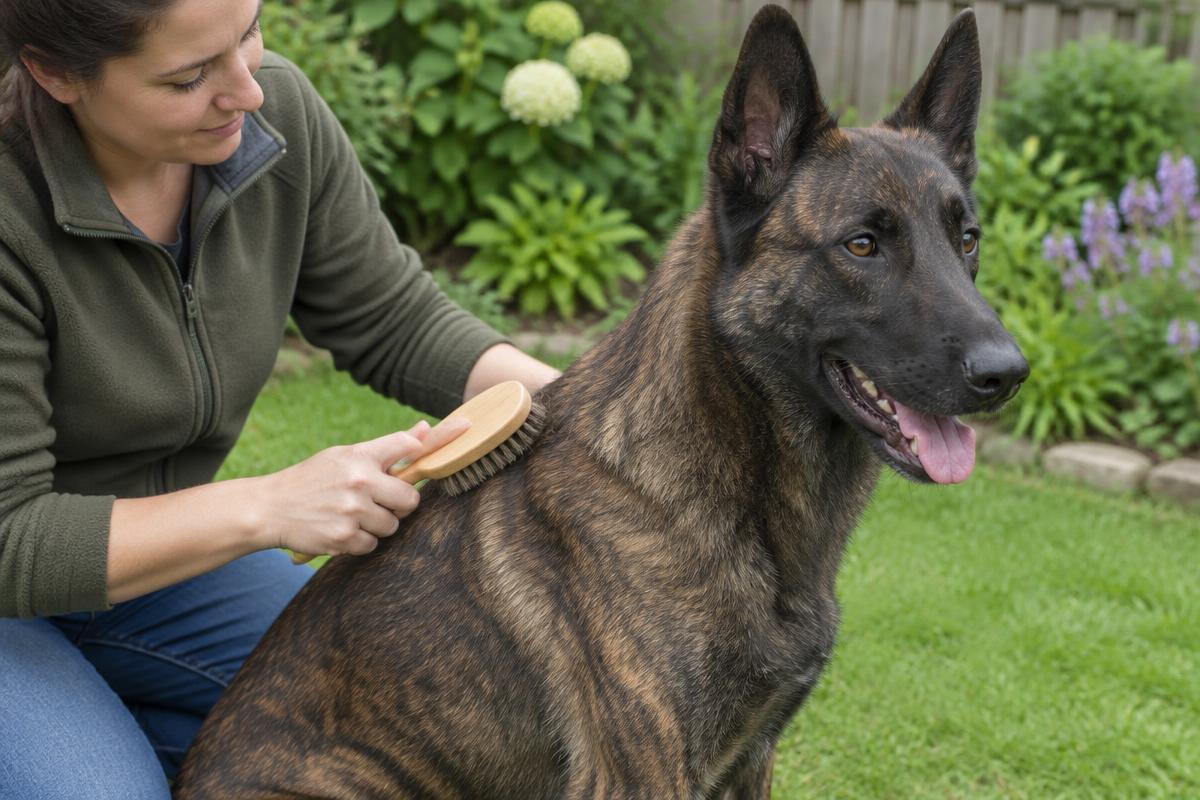
- 1Brush short coats weekly, more during spring and autumn sheds
- 2Brush long coats twice a week
- 3Hand-strip rough coats twice a year, never clip
- 4Trim nails monthly and check ears after outdoor work
What you actually need
- Bristle brush
- Undercoat rake
- Stripping knife (rough coat)
- Nail clippers
Puppy to adult
| Age | Male | Female | What is happening |
|---|---|---|---|
| 8 weeks | 5 to 7 kg | 4.5 to 6.5 kg | Bold and mouthy; channel biting into toys and start name and focus games. |
| 3 months | 10 to 13 kg | 9 to 12 kg | Socialise widely with people, dogs and places; keep training sessions short. |
| 6 months | 18 to 23 kg | 16 to 21 kg | Rapid growth; avoid long runs and repetitive jumping on growing joints. |
| 9 months | 22 to 28 kg | 20 to 25 kg | Adolescence: boundaries get tested, consistency matters more than ever. |
| 12 months | 25 to 31 kg | 22 to 28 kg | Close to adult height; build fitness gradually and plan sport foundations. |
| 24 months | 27 to 34 kg | 23 to 30 kg | Fully mature in body and mind; ready for full working activity. |
Ranges are typical, not targets. Judge condition by ribs and waist, and check with the ideal weight checker.
What to ask a breeder
- What are both parents' hip and elbow scores?
- Have the parents been tested for goniodysplasia?
- Are your dogs working, sport or companion lines?
- What do the parents do day to day?
- How will you match a puppy's drive to my plans?
Health tests to ask for
Ask to see results for both parents before you put down a deposit.
- Hip and elbow scores for both parents
- Gonioscopy for goniodysplasia, especially in rough coats
- Thyroid check if signs appear
Health watch-list
What to ask a breeder about, and what to watch for over a lifetime. This is orientation, not veterinary advice, anything you notice belongs in front of a vet.
Hip dysplasia
CommonScore both parents and avoid heavy exercise during growth.
Elbow dysplasia
NotableFront-leg lameness in young dogs; elbow scores on the parents reduce risk.
Goniodysplasia and glaucoma
NotableParticularly in rough coats; gonioscopy screening on parents is advised.
Hypothyroidism
UncommonWeight gain, low energy and poor coat; a simple blood test confirms it.
Gastric dilatation-volvulus (bloat)
UncommonA deep-chested risk; avoid hard exercise around meals and know the warning signs.
Sport injuries
Common with ageCruciate and soft tissue strains in hard-working dogs; warm up and build fitness steadily.
What it costs to keep one
Realistic running cost
€112 / month
About €1,344 a year, or roughly €17,472 across a 13-year life, before purchase price, neutering and one-off vet events.
Before the puppy arrives. Budget roughly €900 to 1800 for a crate, bed, lead and harness, bowls, puppy classes, first vaccinations and grooming kit sized for this breed. Figures throughout are indicative and vary a good deal between countries.
Interactive · built for this breed
Is a Dutch Shepherd right for your home?
Seven honest questions about your space, time and household, checked against this breed's exercise need, coat, sociability and tolerance for time alone.
Fit with your routine
90%
A strong fit
Your routine suits a Dutch Shepherd well. Meet adult dogs of the line before you commit.
What to sort out first
- Needs more daily exercise than you have pencilled in.
Working in your favour
- Coat care fits the grooming time you offered.
Compare more breeds in the matchmaker, or plan meals with the portion calculator.
The verdict, by household
First-time owner
Not recommended
Drive, intelligence and protectiveness need experienced handling.
Family with children
Older children only
Devoted with family, but herding nips and energy suit older kids.
Active single or couple
Excellent
An outstanding partner for sport, hiking and daily training.
Flat with close neighbours
Poor fit
Needs space, outdoor access and a lot of daily work.
When to call your vet
- Lameness, stiffness or bunny-hopping gait (hips or elbows)
- Red, painful or cloudy eye (possible glaucoma)
- Weight gain, lethargy or coat loss (thyroid)
- Swollen belly with retching after meals
- Limping after sport or long runs
Nothing here is a diagnosis. A swollen, hard belly with retching, collapse, breathing difficulty and sudden hind-leg weakness are emergencies: go straight away.
Dutch Shepherd vs the closest alternatives
| Breed | Weight | Energy | Grooming | € / month |
|---|---|---|---|---|
| Dutch Shepherd | 23 to 34 kg | 9/10 | 3/10 | €112 |
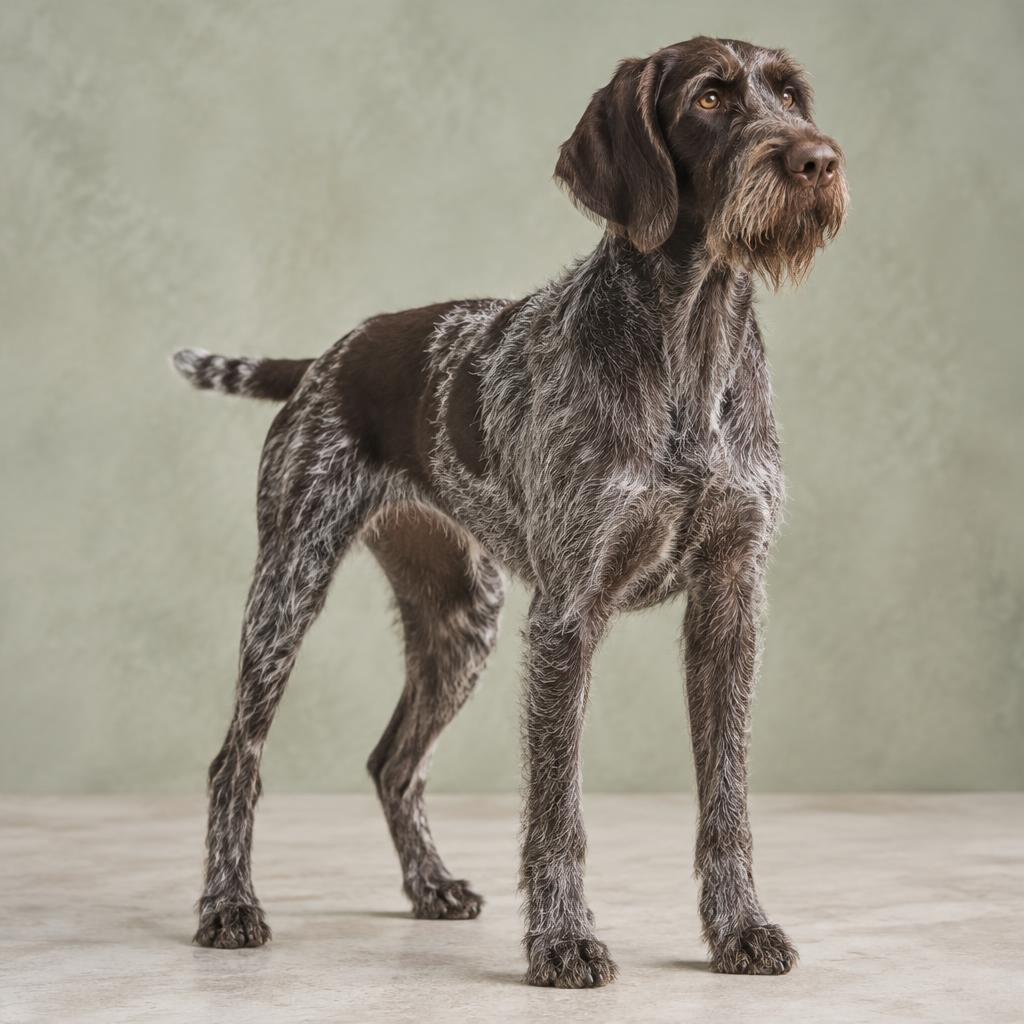
| German Wirehaired Pointer | 25 to 32 kg | 9/10 | 4/10 | €103 |
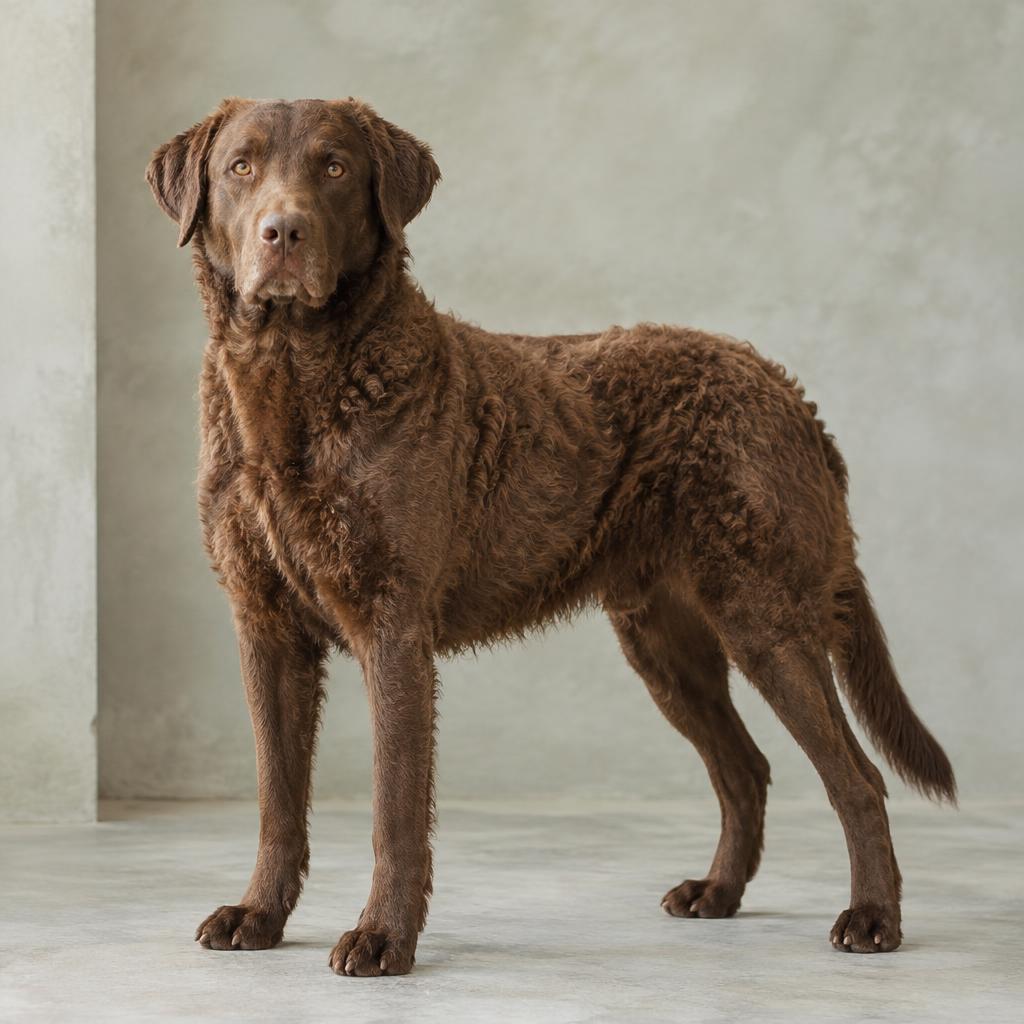
| Chesapeake Bay Retriever | 25 to 36 kg | 8/10 | 3/10 | €109 |
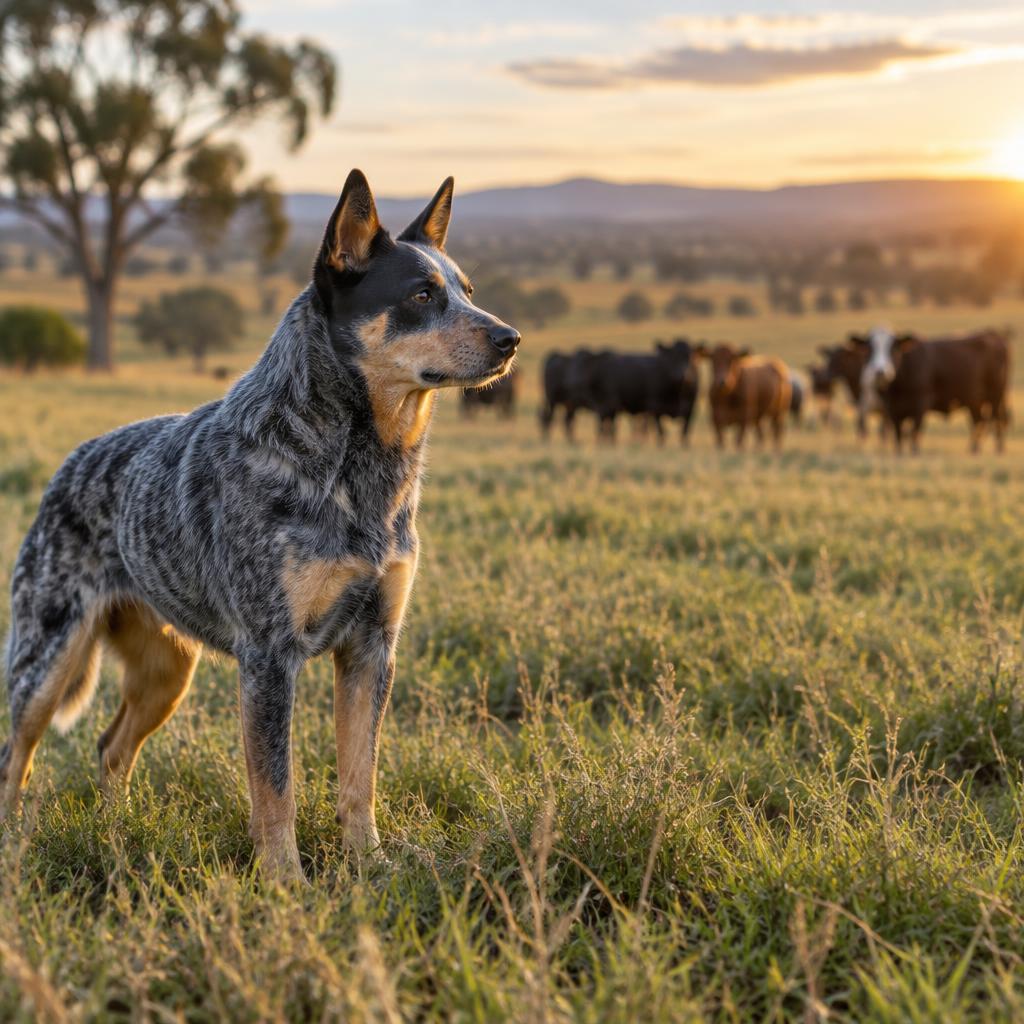
| Australian Cattle Dog | 14 to 20 kg | 10/10 | 4/10 | €139 |
Dutch Shepherd questions, answered
Are Dutch Shepherds good family dogs?
With experienced, active families and older children, yes. They are loyal and affectionate, but need hours of exercise and training daily, and herding nips can be an issue with small children.
What is the difference between a Dutch Shepherd and a Belgian Malinois?
Both are high-drive working breeds. The Dutch Shepherd is always brindle and is often slightly more independent and a touch less intense, while the Malinois is fawn to mahogany with a black mask.
Do Dutch Shepherds shed?
Yes. All three coat types shed, with heavier sheds in spring and autumn for short coats. They are not suitable for allergy sufferers.
How much exercise does a Dutch Shepherd need?
Around two hours a day, including mental work such as obedience, scentwork or sport. Walks alone are rarely enough.
Are Dutch Shepherds aggressive?
Well-bred, well-socialised Dutch Shepherds are not aggressive, but they are protective and can be wary of strangers. Early socialisation and consistent training are essential.
How big do Dutch Shepherds get?
Males stand about 57 to 62 cm and weigh 27 to 34 kg; females stand 55 to 60 cm and weigh 23 to 30 kg.
How long do Dutch Shepherds live?
Typically 11 to 14 years, which is good for a dog of their size.