Pastoral group
Developed in nineteenth-century New South Wales by crossing British working droving dogs, most famously Thomas Hall's smooth collie-based 'Hall's Heelers', with later infusions of Dalmatian, Kelpie and possibly the native dingo. The result was a durable, low-slung heeler able to work cattle over enormous distances in punishing heat.
Australian Cattle Dog
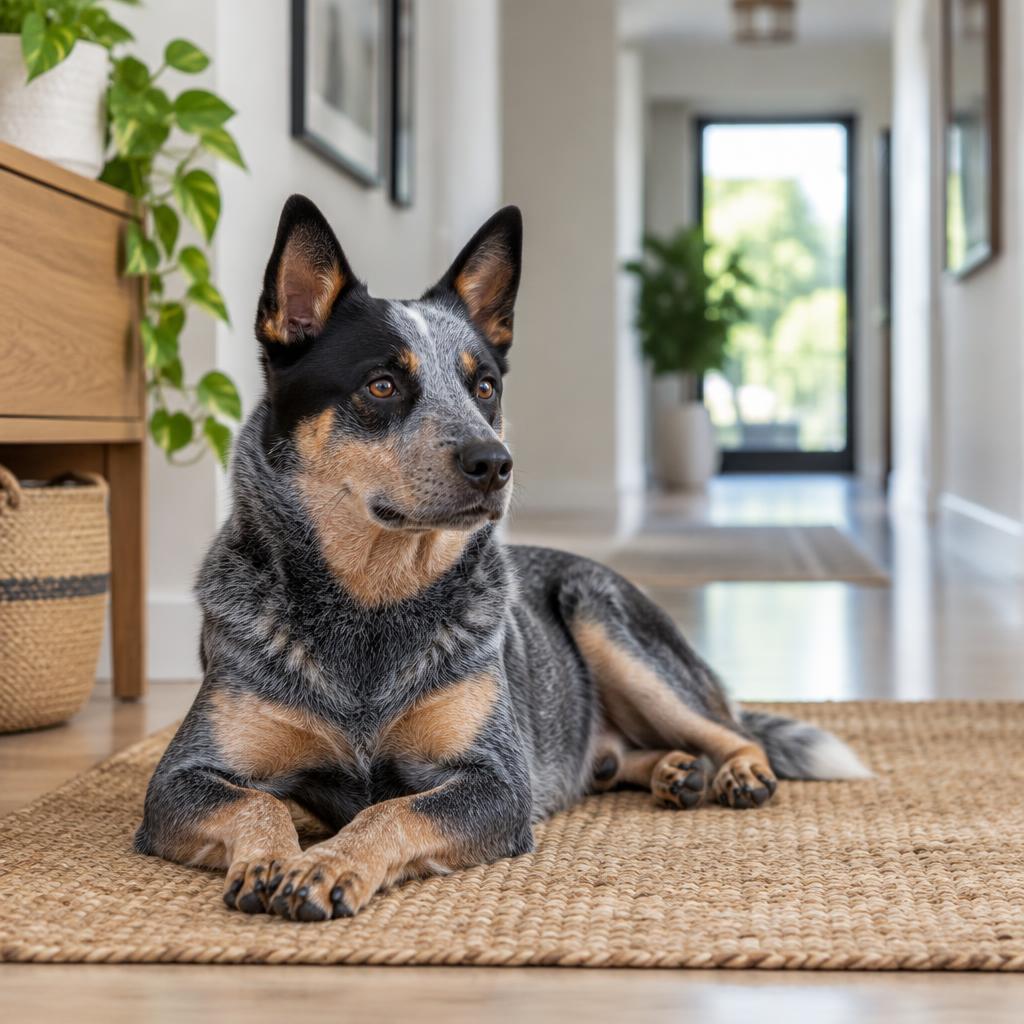
The Australian Cattle Dog is a compact, brilliant herding dog bred to drive stock across huge Australian ranches. It bonds hard with its person, trains like a dream and needs far more exercise and structure than most homes can honestly provide.
Reviewed by the SniffScroll editorial desk
The tireless farm brain built to walk further than you can.
The short version
- One of the most intelligent and trainable of all breeds, with a deep loyalty to its owner.
- Exercise needs are enormous and non-negotiable: a garden is not a substitute for daily hard work.
- Herding instincts, including nipping heels and chasing anything fast, need serious early training.
- Health is a strength: twelve to sixteen years is typical and most key conditions are DNA-testable.
- Reserved with strangers and variable with other dogs; early socialisation is not optional.
- Weight
- 14 to 20 kg
- Height
- 43 to 51 cm
- Lifespan
- 12 to 16 yrs
- Size
- Medium
- Group
- Pastoral
- Coat
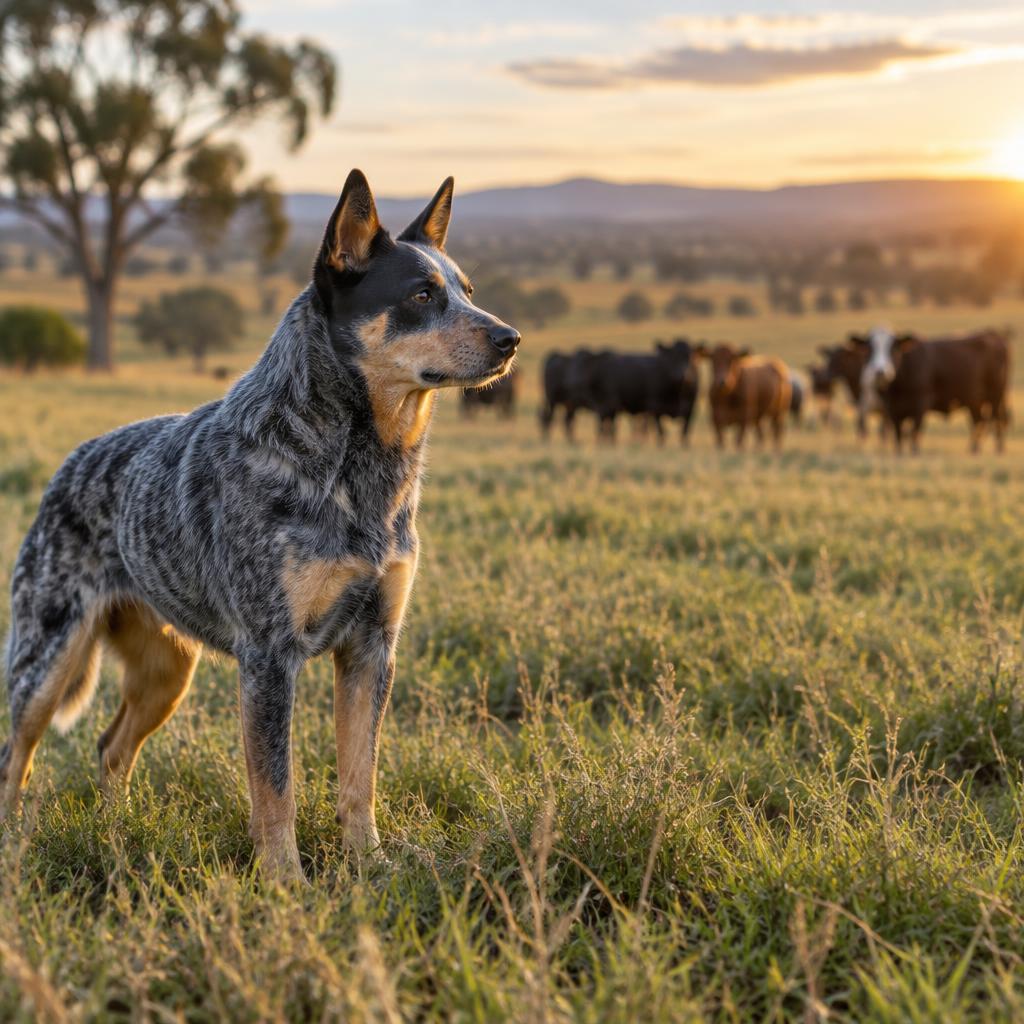
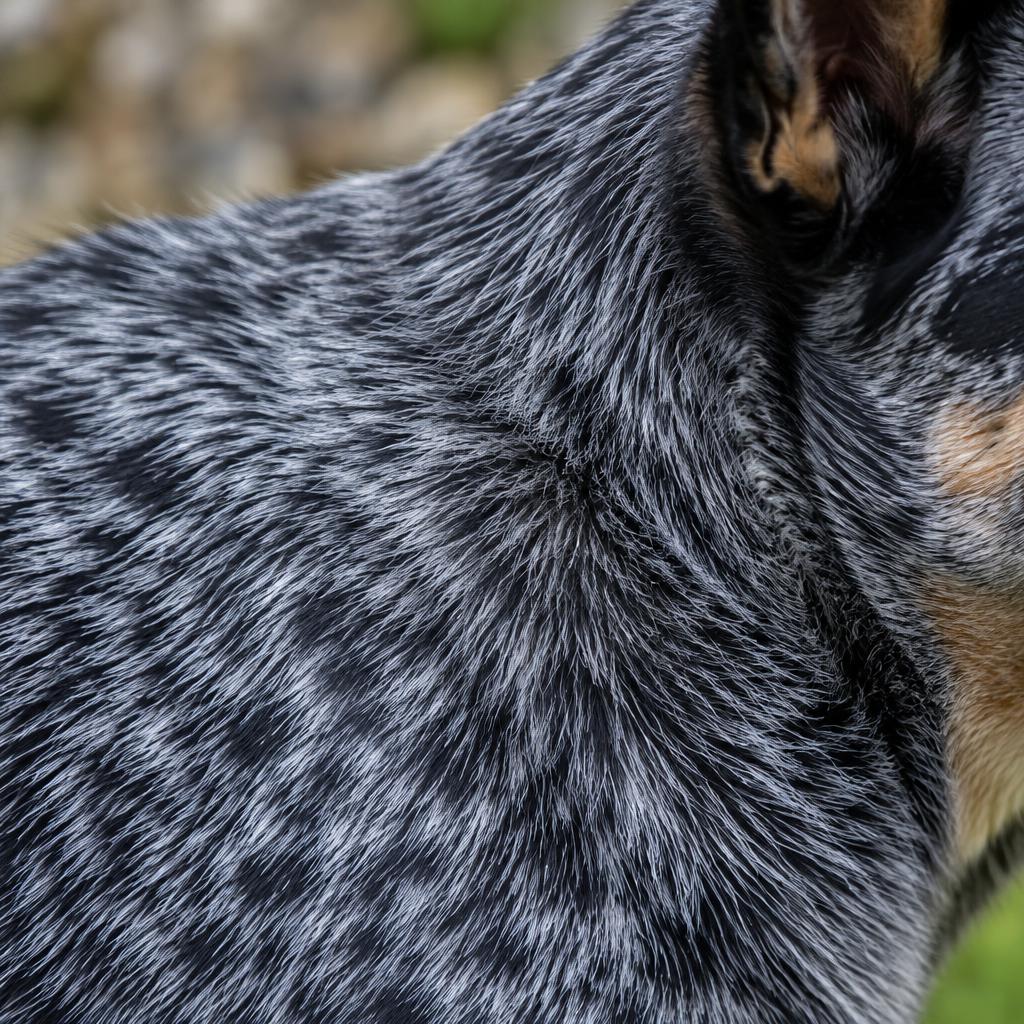
- Short, dense double coat in blue or blue-mottled, or red speckle, often with tan markings
- Grown male
- 15 to 20 kg
- Grown female
- 14 to 18 kg
- Years to full size
- about 1.5
- One-off setup
- €700 to 1300
Get one if…
- Working-sport and herding-trial homes that want a genuine partner
- Very active singles and couples who run, hike or bike daily
- Experienced owners prepared to train and socialise seriously
- Rural and semi-rural homes with a real job or structured outlet
- Owners who want a devoted, deeply bonded one-person dog
Think again if…
- Sedentary homes, or anyone hoping a garden will do the exercise
- First-time owners wanting an easy, forgiving companion
- Households with cats or small pets the dog has not been raised with
- Owners away most of the day with no outlet for the dog's brain
- Anyone unwilling to train hard against heel-nipping and chasing
Trait profile
Bred to work enormous cattle properties in punishing heat, the Australian Cattle Dog combines almost unlimited stamina with a sharp working brain. Its wariness of strangers and independent decision-making were equally selected for, so socialisation and clear training are the price of the partnership.
Space & setup. Compact enough for any house, but the exercise requirement, not the floor space, is the constraint. It is a poor match for most flats unless the owner's life is already built around daily training and running.
Allergies. The short double coat sheds moderately and is not a good match for allergy sufferers; reactions vary by individual and no dog is truly hypoallergenic.
Living with a Australian Cattle Dog
The Australian Cattle Dog is a compact, hardy herding dog developed to drive cattle across vast Australian ranches. Intelligent, loyal and almost inexhaustible, it bonds deeply with its owner but expects a real job, real exercise and clear rules. For active owners it is an outstanding partner; for sedentary homes it is a problem in the making.
The Australian Cattle Dog was built for one of the hardest jobs in the dog world: moving cattle across properties the size of small counties, in heat, over ground that would destroy a softer dog. Thomas Hall's Hall's Heelers, later refined with Dalmatian, Kelpie and dingo ancestry, produced a compact, weatherproof, endlessly willing worker that bites low on the heel and does not stop until the stock is penned. That heritage is not decorative. Everything about the modern Australian Cattle Dog, from its wariness of strangers to its famous stamina, traces back to a breeding programme that selected for dogs that could think, endure and make decisions without supervision.
As a companion the breed offers something unusual: a deep, almost exclusive bond with one or two people. Heelers shadow their owners, learn routines with unnerving speed and often decide for themselves what counts as normal and what does not. With owners, this makes training a genuine pleasure; the breed is rated among the smartest of all working dogs and learns complex tasks quickly. With the rest of the world it can be reserved, and with strangers it is properly suspicious, which socialisation from early puppyhood has to manage carefully. It is not a breed that greets everyone at the park as a friend.
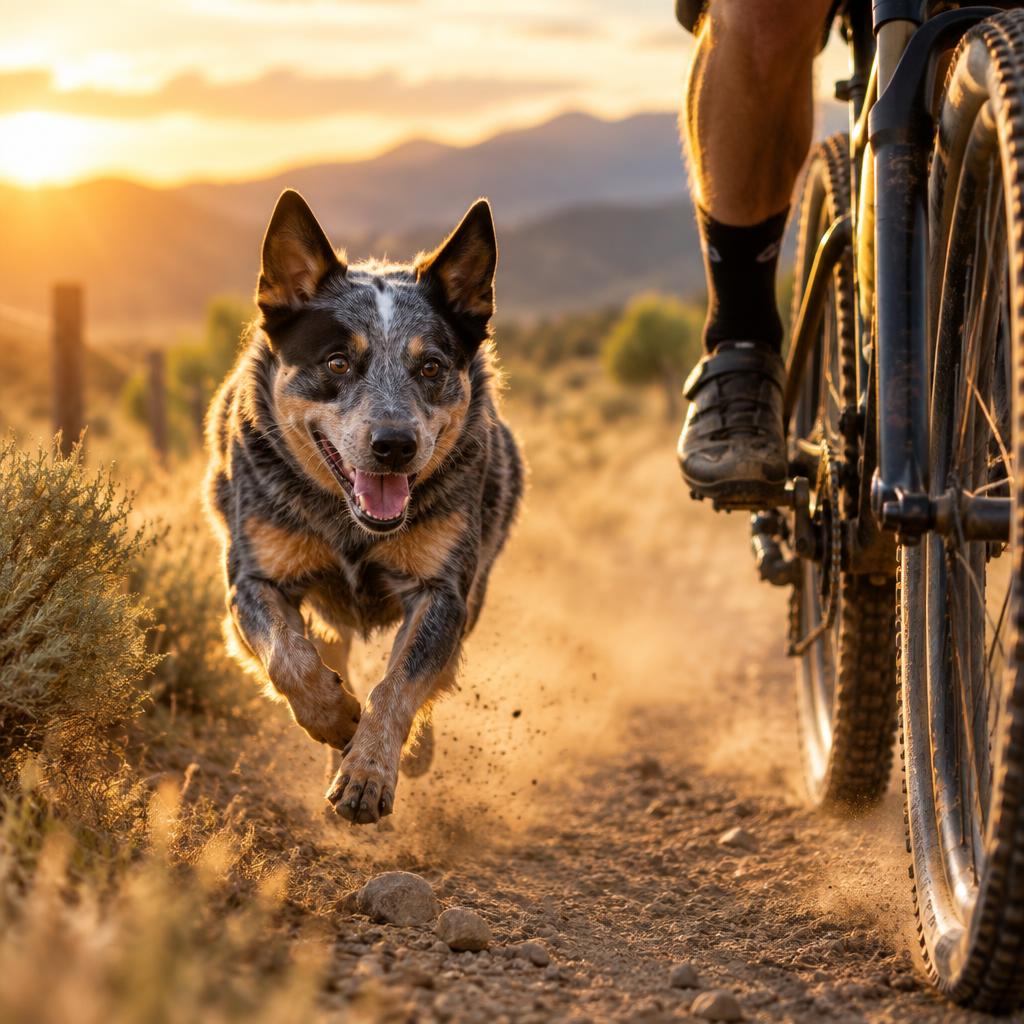
Two behavioural realities matter more than any others. First, the exercise requirement is enormous and cannot be met with a garden. A heel left to its own devices in a yard becomes a fence-running, digging, barking problem within weeks. The breed needs a real run or a long daily training session, and it excels at dog sports: agility, herding trials, obedience, flyball and scent work all give it an outlet. Second, herding is written into the dog. Untrained heelers nip at heels, herd children, chase cats and bicycles, and treat cars as moving livestock to be controlled. Every one of these instincts can be shaped, but only with early, consistent training; this is not a breed you can raise on good intentions alone.
With children it can be excellent with the family's own, playful and protective, but the nipping and herding of running small people is a real management issue that needs training, not excuses. With other dogs it varies widely: many are fine with the household pack but pushy or standoffish with strange dogs, and some carry real same-sex dog aggression. Small pets including cats are chased unless raised with them and even then, the instinct never fully sleeps.
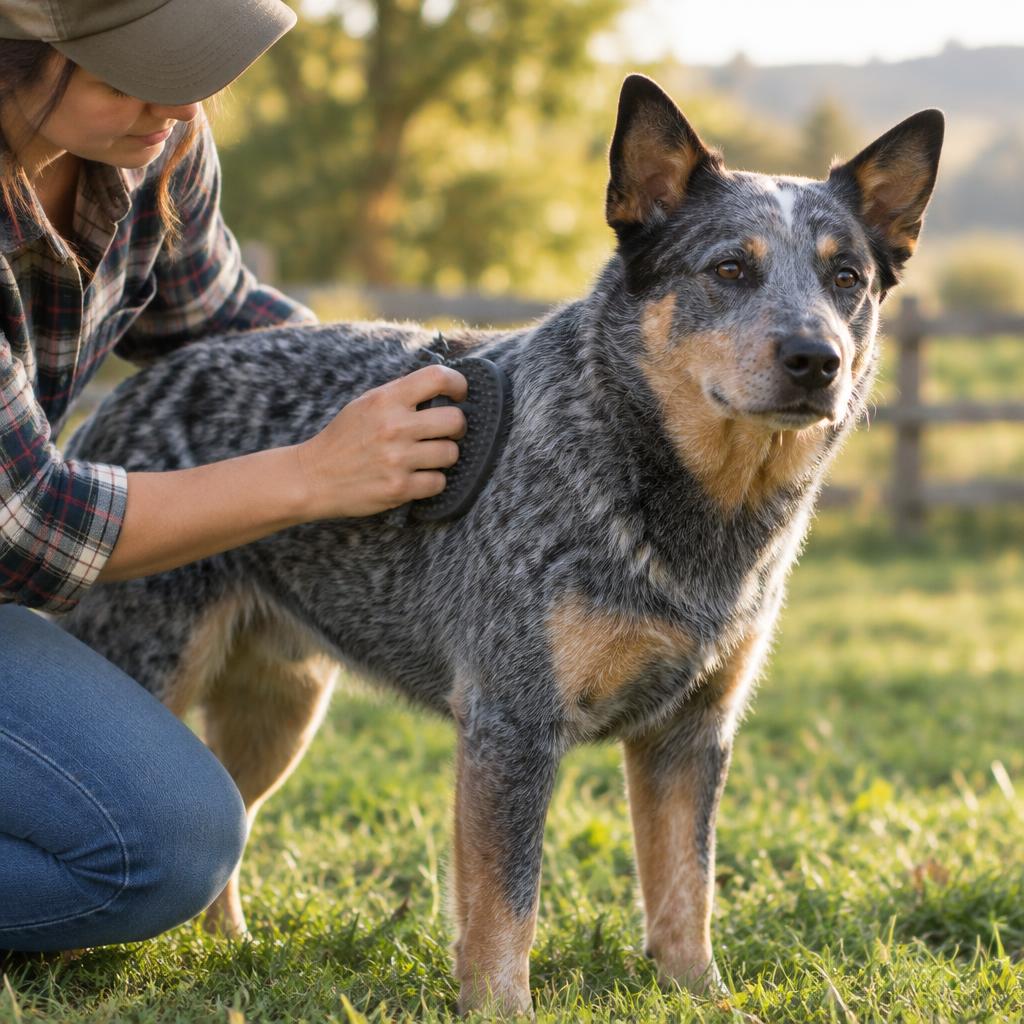
The coat is the easy part: a short, dense double coat that sheds seasonally, needs a weekly brush and resists dirt impressively well. Health is a genuine strength, with a lifespan of twelve to sixteen years that makes it one of the longer-lived medium dogs, and conditions such as deafness and eye disease are largely DNA-testable or screenable by responsible breeders. Overall, for an owner who trains, works and exercises the dog properly, the Australian Cattle Dog is one of the most rewarding partnerships in the dog world. For anyone else, it will invent its own job, and that job will not be one you approve of.
Puppies of this breed are not subtle animals. From eight weeks they are confident, mobile and relentlessly curious, and by four months they can already move with impressive speed and purpose. This early development is exactly why the socialisation window matters so much: the breed's natural wariness of strangers sets in during adolescence, and the contact a puppy has before sixteen weeks shapes the adult dog. Give a heeler puppy wide, positive exposure to people, traffic, livestock, other dogs and handling, and the adult remains observant rather than reactive. Keep it isolated or assume the garden will do the socialising, and you will spend years managing the consequences.
Feeding is straightforward but worth planning. A lean, well-conditioned heeler is a sound heeler, and the breed gains weight easily once the working days stop being as active as its metabolism expects. Adult portions scale with real exercise: a dog doing two hours of hard work eats noticeably more than one doing two easy walks, and owners should adjust rather than guess. Joint support matters more as the years pass; the breed's jumping and tight-turning style puts real load on shoulders and hips.
What surprises most owners is how much the breed needs a decision-making job rather than mere mileage. A heeler that has run ten kilometres alongside a bike but spent the day with nothing to think about is often more restless than one that did less exercise but solved problems. This is a dog bred to make independent judgements about stock, and modern life needs to replace that responsibility with something: training puzzles, agility, herding trials, even structured games with rules. Give it both the mileage and the thinking, and you get the best partner of its size in the dog world. Give it only one, and it quietly fills the gap itself.
One of the most capable working dogs ever bred: brilliant, bonded and durable, but it needs a real job and an owner who can walk, run and train every single day. Quiet homes with an hour of garden time will not suit it.
Exercise, day to day
- 1Puppies (8 to 20 weeks): short play and socialisation outings; avoid forced running while joints develop.
- 2Adolescents (4 to 12 months): build to two solid walks daily plus training sessions; introduce controlled chase games.
- 3Adults: at least two hours of real exercise daily, ideally split between running, herding-style play and training.
- 4Mental work: the heeler needs a job every day; obedience, agility, scent work or trick training prevent trouble.
- 5Do not rely on garden time: left alone outdoors the breed paces fences, digs and barks.
Grooming, realistically
- 1Brush weekly with a rubber curry or bristle brush to remove dead undercoat.
- 2Increase brushing during the spring and autumn coat blows when shedding peaks.
- 3Bathe only when genuinely dirty; the coat repels dirt and dries fast.
- 4Trim nails every three to four weeks and check ears and teeth weekly.
- 5Expect heavier shedding in spring and autumn; this is normal for a double coat.
What you actually need
- Rubber curry brush
- Undercoat rake
- Bristle brush
- Dog nail clippers
- Ear cleaning solution
- Enzymatic dog toothpaste and brush
Puppy to adult
| Age | Male | Female | What is happening |
|---|---|---|---|
| 8 weeks | 3 to 4.5 kg | 3 to 4.2 kg | Alert and busy from the start; begin handling, socialisation and name response early. |
| 3 months | 6 to 8 kg | 5.5 to 7.5 kg | Herding behaviour may already appear; redirect nipping onto toys immediately. |
| 6 months | 10 to 13 kg | 9 to 12 kg | Near adult height; training needs are now substantial and consistency matters daily. |
| 9 months | 13 to 16 kg | 12 to 15 kg | Stamina building fast; adolescents need structured outlets, not just walks. |
| 12 months | 15 to 19 kg | 14 to 17.5 kg | Adult size essentially reached; keep exercise moderate until joints finish maturing. |
| 24 months | 15 to 20 kg | 14 to 18 kg | Fully mature in body and mind; the famous working stamina is now at its peak. |
Ranges are typical, not targets. Judge condition by ribs and waist, and check with the ideal weight checker.
What to ask a breeder
- Have both parents been BAER hearing tested, and what were the results?
- What are the parents' hip and elbow scores?
- Do you DNA-test for progressive retinal atrophy and primary lens luxation?
- How do you socialise puppies with strangers, children and other dogs?
- Have any dogs in your lines shown the obsessive fly-snapping or shadow-chasing behaviour?
Health tests to ask for
Ask to see results for both parents before you put down a deposit.
- BAER hearing test for puppies from affected lines
- DNA status for progressive retinal atrophy and primary lens luxation in breeding stock
- Hip and elbow scores for both parents
- Annual eye examination
- Weight control; a lean heeler stays sound for longer
Health watch-list
What to ask a breeder about, and what to watch for over a lifetime. This is orientation, not veterinary advice, anything you notice belongs in front of a vet.
Congenital deafness
NotableUnilaterally or bilaterally deaf puppies occur in the breed, particularly in lines with excess white on the head. Responsible breeders BAER test puppies before they leave; ask for the certificates.
Progressive retinal atrophy (PRA-prcd)
NotableA DNA-testable inherited blindness; carriers can be bred safely to clear dogs, so ask for both parents' DNA status.
Primary lens luxation
UncommonA painful, vision-threatening eye condition with a known DNA test in the breed; breeder DNA status is the practical safeguard.
Hip dysplasia
UncommonLess common than in many medium breeds but present; hip scoring of parents is standard practice and worth checking.
Elbow dysplasia
UncommonScreened in breeding stock; elbow scores are the usual request alongside hips.
Patellar luxation
RareSlipping kneecaps are occasionally reported and usually mild; a routine vet examination picks them up early.
What it costs to keep one
Realistic running cost
€139 / month
About €1,668 a year, or roughly €23,352 across a 14-year life, before purchase price, neutering and one-off vet events.
Before the puppy arrives. Budget roughly €700 to 1300 for a crate, bed, lead and harness, bowls, puppy classes, first vaccinations and grooming kit sized for this breed. Figures throughout are indicative and vary a good deal between countries.
Interactive · built for this breed
Is a Australian Cattle Dog right for your home?
Seven honest questions about your space, time and household, checked against this breed's exercise need, coat, sociability and tolerance for time alone.
Fit with your routine
89%
A strong fit
Your routine suits a Australian Cattle Dog well. Meet adult dogs of the line before you commit.
What to sort out first
- Needs more daily exercise than you have pencilled in.
Working in your favour
- Coat care fits the grooming time you offered.
Compare more breeds in the matchmaker, or plan meals with the portion calculator.
The verdict, by household
Challenging
The training is achievable but the exercise and instinct management demand more than most first owners expect.
Workable
Loyal with its own children, but nipping and herding of small people need firm, consistent training from day one.
Excellent
The ideal match: a running, hiking or sport partner that matches almost any level of activity offered.
Difficult
Not a size problem but an energy one; without a serious daily outlet the breed can become noisy and destructive.
When to call your vet
- Bumping into furniture or hesitant in dim light, which can signal PRA
- Not responding to sounds or startling easily asleep, worth a hearing check
- Stiffness or reluctance to jump, worth hip and elbow evaluation
- Obsessive snapping at flies or chasing shadows, which can indicate a behavioural disorder needing veterinary input
- Sudden lethargy or pale gums, which always warrant same-day attention
Nothing here is a diagnosis. A swollen, hard belly with retching, collapse, breathing difficulty and sudden hind-leg weakness are emergencies: go straight away.
Australian Cattle Dog vs the closest alternatives
| Breed | Weight | Energy | Grooming | € / month |
|---|---|---|---|---|
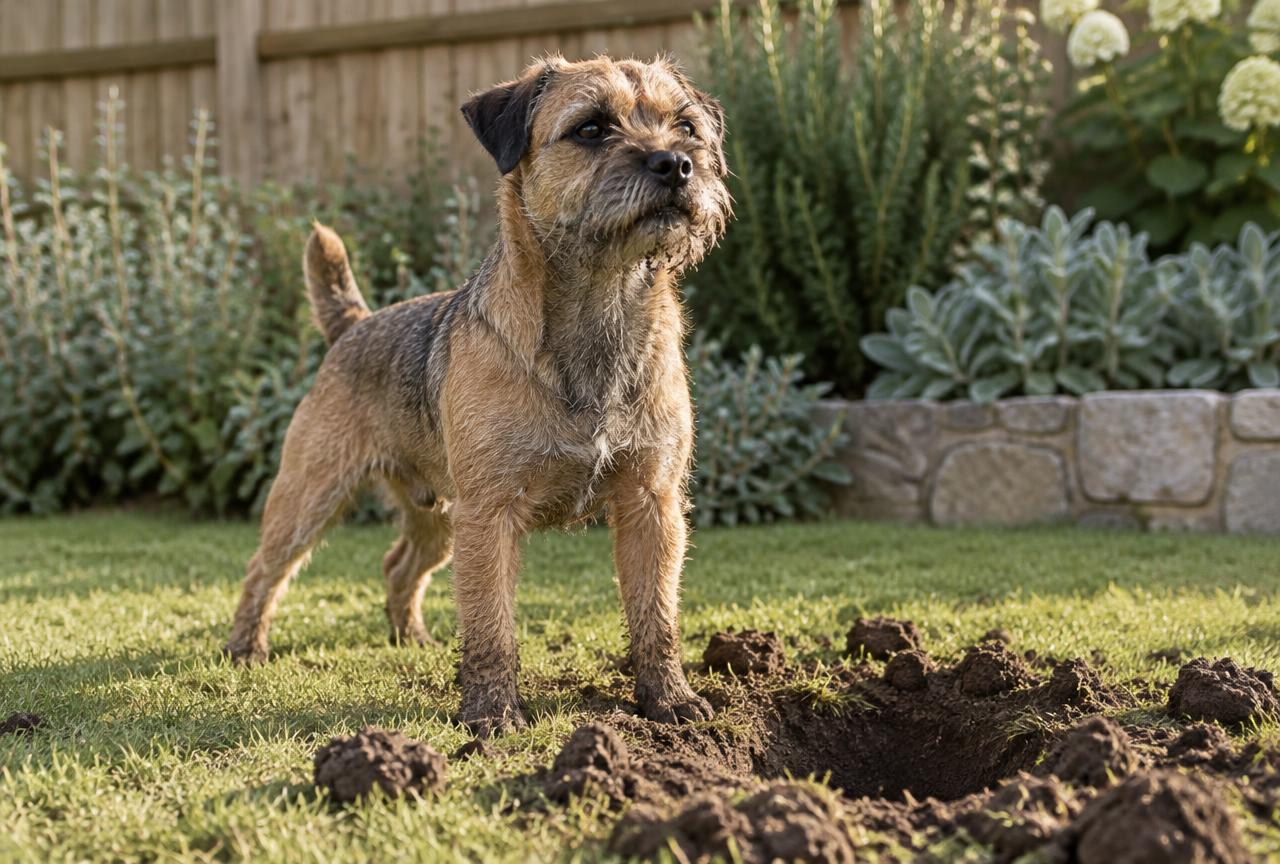
| Australian Cattle Dog | 14 to 20 kg | 10/10 | 4/10 | €139 |
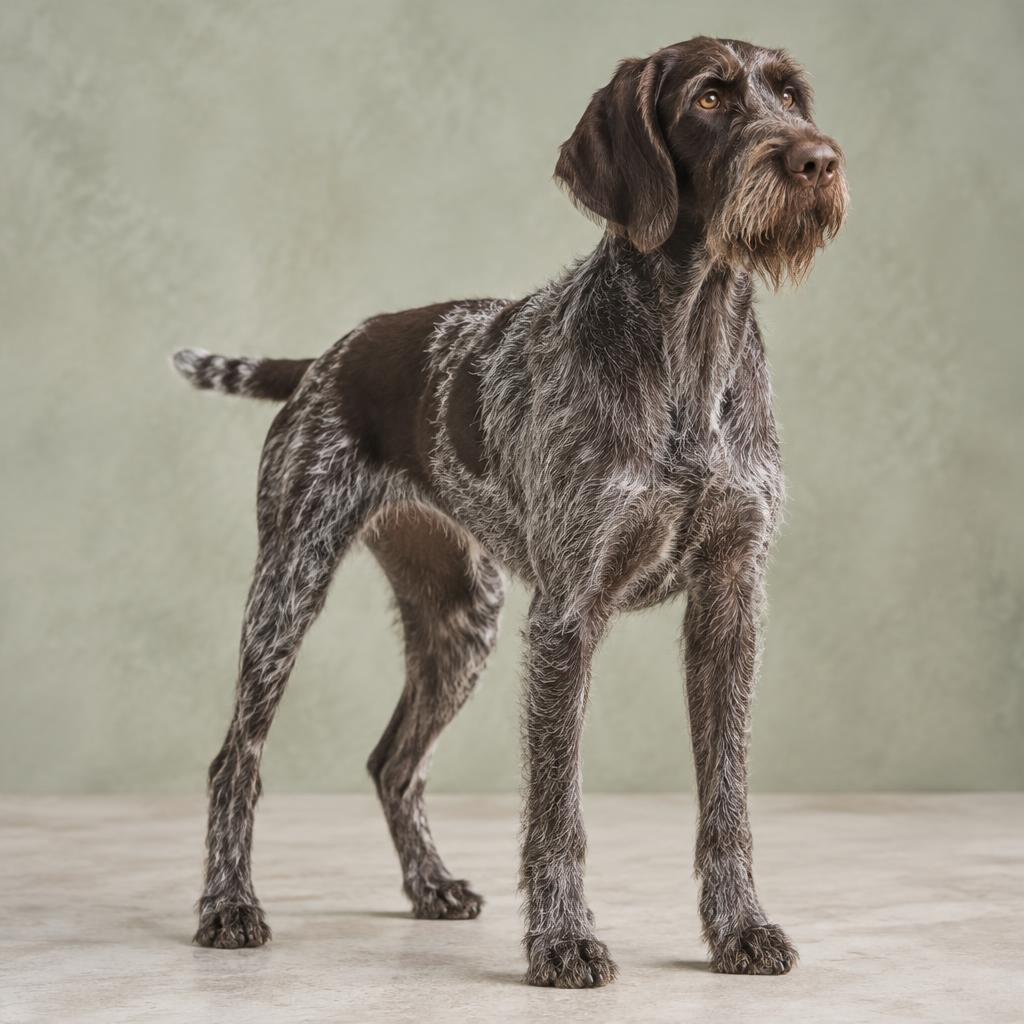
| German Wirehaired Pointer | 25 to 32 kg | 9/10 | 4/10 | €103 |
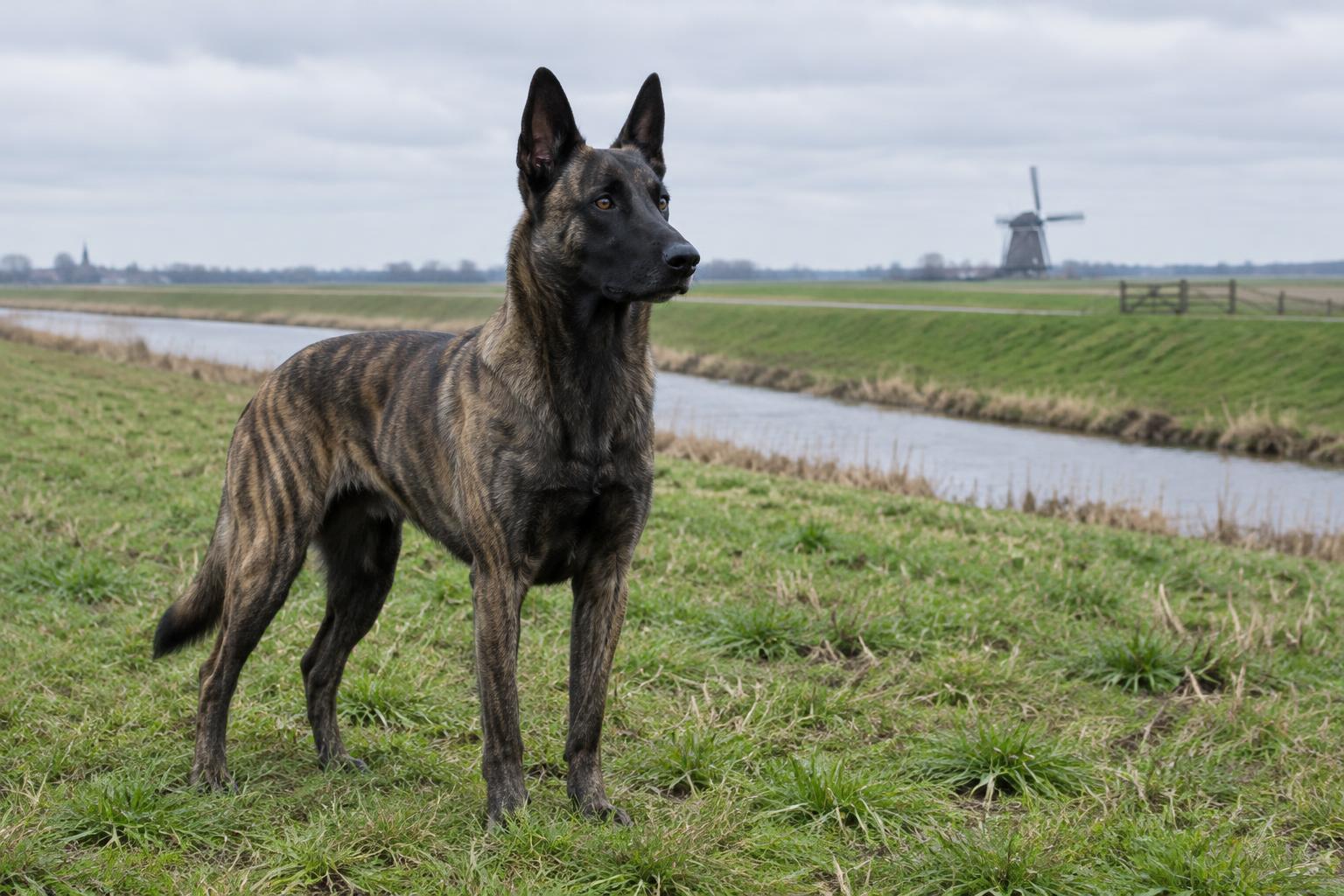
| Dutch Shepherd | 23 to 34 kg | 9/10 | 3/10 | €112 |
| Border Collie | 12 to 24 kg | 10/10 | 4/10 | €106 |
Australian Cattle Dog questions, answered
Do Australian Cattle Dogs bark a lot?
Moderately. They are not chronic barkers like some small breeds, but they will bark at movement, strangers and perceived jobs, and a bored heeler can develop persistent fence-running and barking habits.
Are Australian Cattle Dogs good family dogs?
With the family's own children they can be loyal and playful, but the herding instinct means nipping at heels of running children is a real behaviour to train out early. Supervision and consistent training are essential.
How much exercise does an Australian Cattle Dog need?
At least two hours of genuine exercise daily, ideally combining running, training and problem-solving. A quick walk around the block will not come close to meeting the breed's needs.
How long do Australian Cattle Dogs live?
Typically twelve to sixteen years, one of the longer lifespans among medium working breeds, provided weight and joints are managed well.
Are Australian Cattle Dogs good with cats?
Only if raised with them and trained consistently. The herding and chase instinct is strong; even then, supervision around small running animals is a permanent requirement.
Are Australian Cattle Dogs aggressive?
Not typically towards owners, but they are naturally wary of strangers and can be pushy or aggressive with unfamiliar dogs, particularly of the same sex. Early, ongoing socialisation is essential.
Do Australian Cattle Dogs shed?
Yes, moderately year-round with heavier coat blows in spring and autumn. The short coat is easy to manage with weekly brushing.