Gundog group
Germany
German Wirehaired Pointer
A powerful, weatherproof gundog for active, outdoorsy owners who want a tireless working partner and can meet serious exercise needs.
A rugged, driven gundog built for all weather and all day.
The short version
- Very high exercise needs: two hours a day of real work
- Strong prey drive; recall and small-pet management matter
- Weatherproof coat is low maintenance: weekly brush, occasional stripping
- Reserved with strangers; socialise early
- Loyal and trainable, but independent-minded
Choose a variety
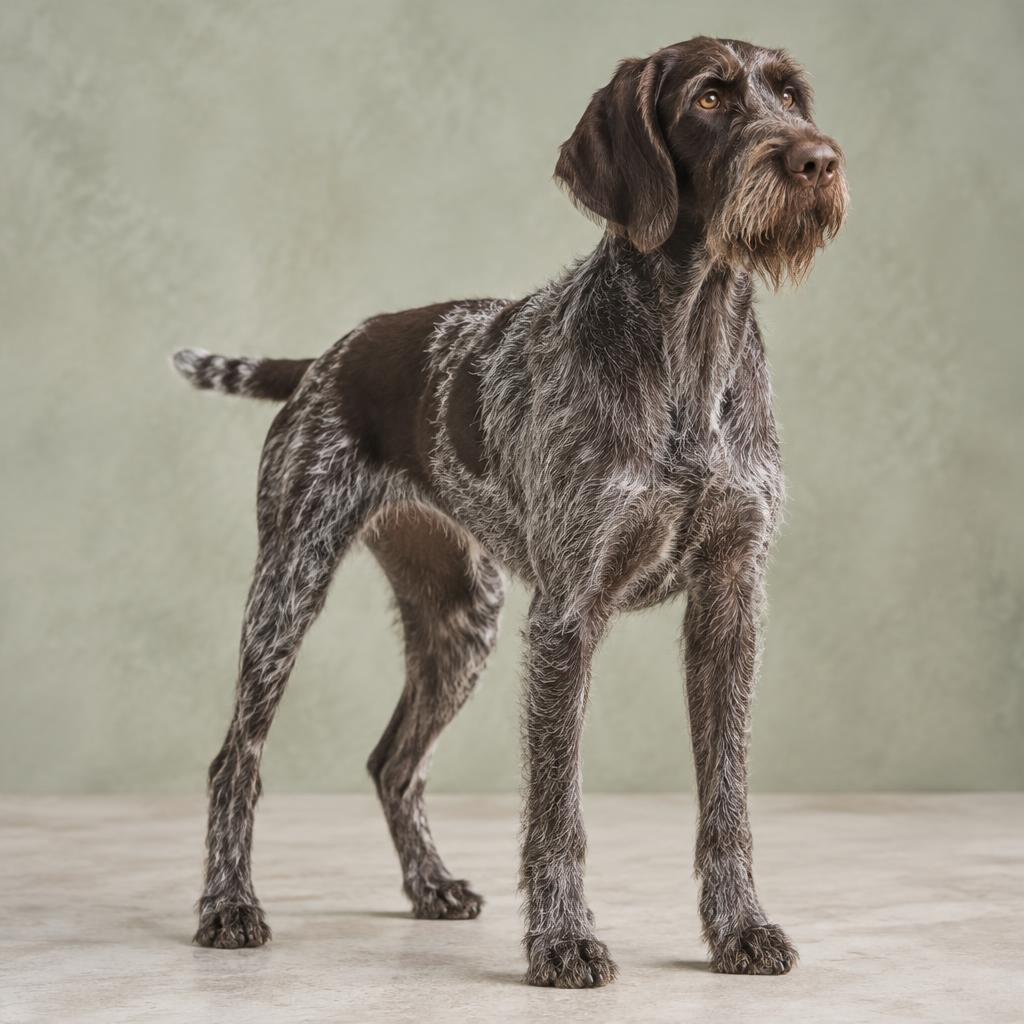
Liver roan, liver and white ticked or solid liver coats, always with the harsh wire texture.
- Weight
- 25 to 32 kg
- Height
- 60 to 68 cm
- Lifespan
- 12 to 14 yrs
- Size
- Large
- Group
- Gundog
- Coat
- Harsh wiry double coat with beard and eyebrows
- Years to full size
- about 2
- One-off setup
- €850 to 1700
Get one if…
- Active, outdoorsy owners and country homes
- People interested in gundog work, canicross or long-distance running
- Experienced owners who enjoy training
- Households with secure gardens and easy access to open country
Think again if…
- Sedentary or busy households
- Homes with cats or small pets, unless raised together and managed
- First-time owners wanting an easy dog
- Flats and urban homes without serious daily exercise
Trait profile
Scores reflect a driven working gundog: very high exercise and prey drive, moderate trainability, low tolerance of small pets.
Space & setup. Needs a secure garden and daily access to open country; the coat is built for weather, so mud comes home with it.
Allergies. The harsh coat sheds moderately and holds dander; not a breed for allergy sufferers.
Living with a German Wirehaired Pointer
The German Wirehaired Pointer was developed in nineteenth-century Germany as the ultimate versatile hunting dog: pointing, tracking and retrieving on land and in water, in any weather. Its harsh, dense coat and distinctive beard protect it in rough cover. Driven, athletic and loyal, it suits experienced, active owners who can give it real work or serious daily exercise.
The German Wirehaired Pointer emerged in late nineteenth-century Germany, where breeders wanted one dog that could do everything on a shoot: find and point game, track wounded animals, retrieve from icy water and guard the bag. Pointers, Griffons, Pudelpointers and other wirehaired dogs went into the mix, and the result was a tough, bearded athlete in a dense, weatherproof coat. In Germany it remains primarily a working dog, and many lines still expect a full day in the field.
At home the GWP is loyal and affectionate with its family but often reserved with strangers, and it has a sharper, more independent edge than the average gundog. Prey drive is strong: cats, rabbits and small pets need careful management, and recall around wildlife must be trained and proofed relentlessly. With children in its own family it is usually good, though its size and exuberance suit older children better than toddlers.
This is a high-mileage dog. Count on two hours of exercise a day, with running, swimming, tracking or gundog work making up most of it. Training should start early and stay consistent; they are clever and learn fast, including bad habits if bored. The coat is genuinely low maintenance: a weekly brush, hand-stripping a few times a year, and attention to the beard after meals.
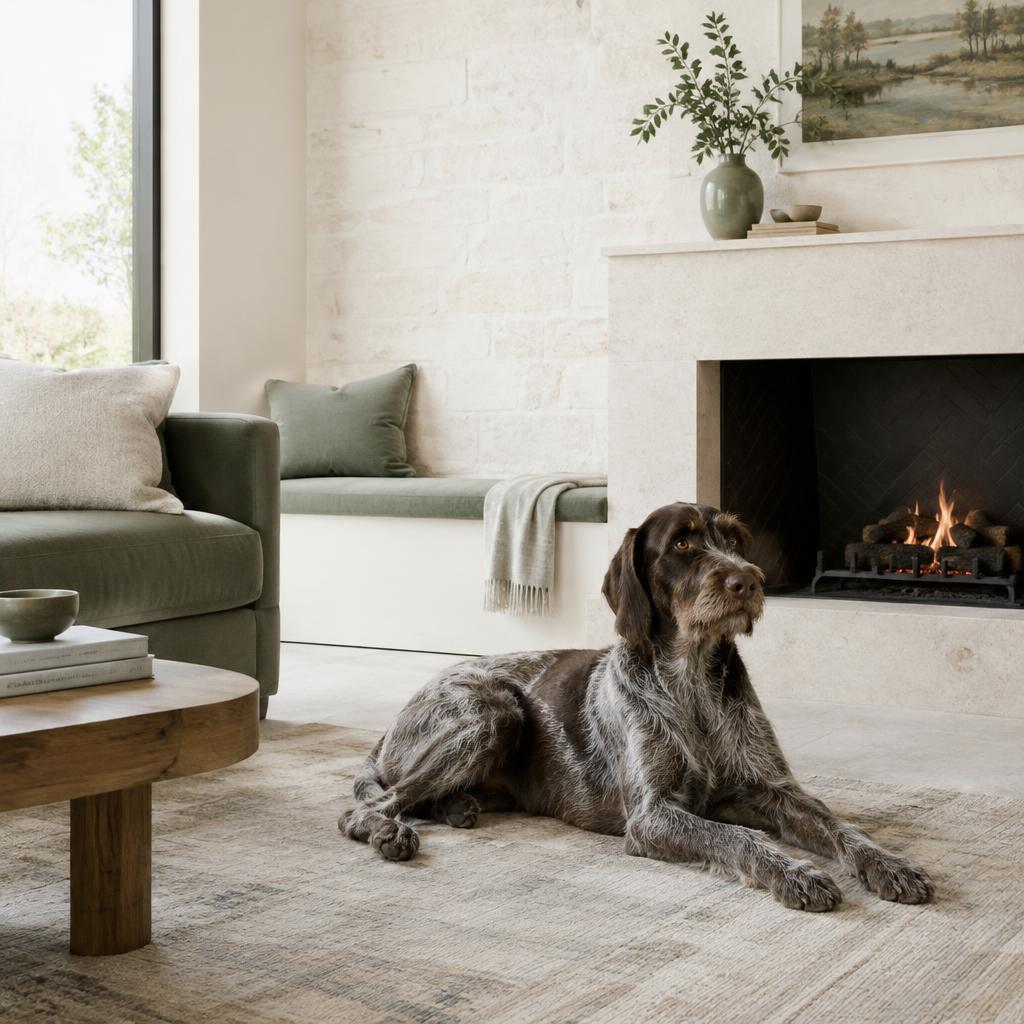
A superb all-weather working gundog with endless stamina. Wonderful for the right outdoor life; far too much dog for a sedentary one.
Exercise, day to day
- 1Two hours of exercise daily, split across the day
- 2Running, swimming or retrieving most days
- 3Tracking and scent work to engage the brain
- 4Gundog-style training gives the breed its favourite job
Grooming, realistically
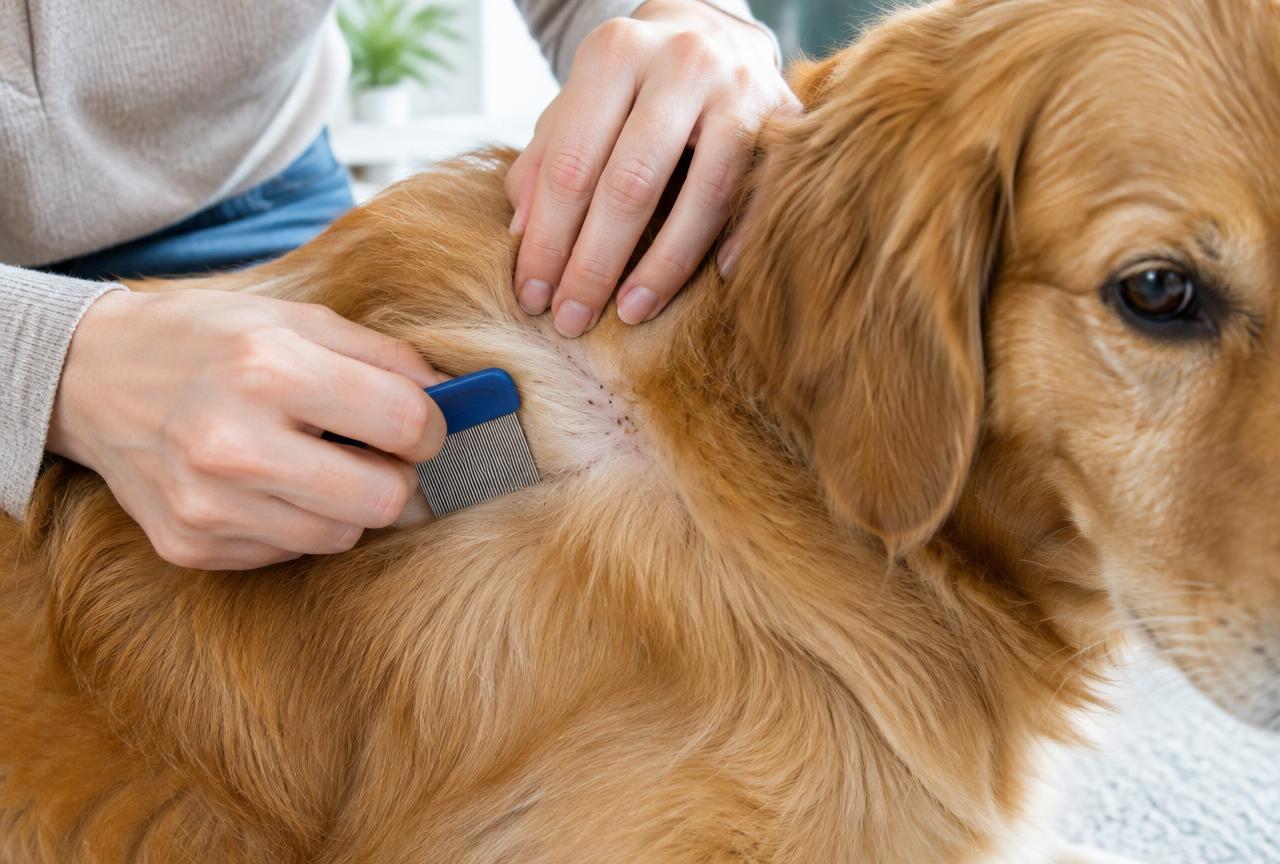
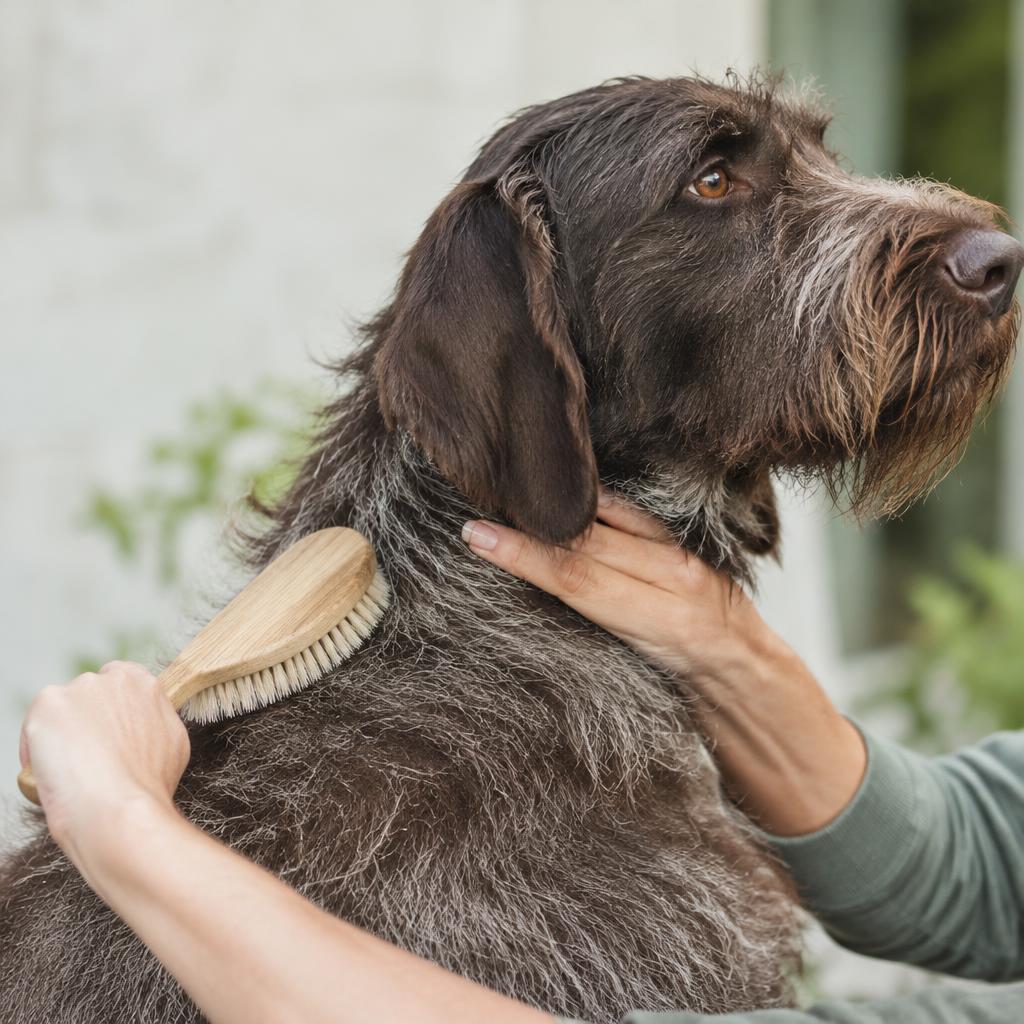
- 1Brush weekly with a slicker to remove dead undercoat
- 2Hand-strip two to four times a year to keep the coat harsh and weatherproof
- 3Rinse the beard after meals and muddy walks
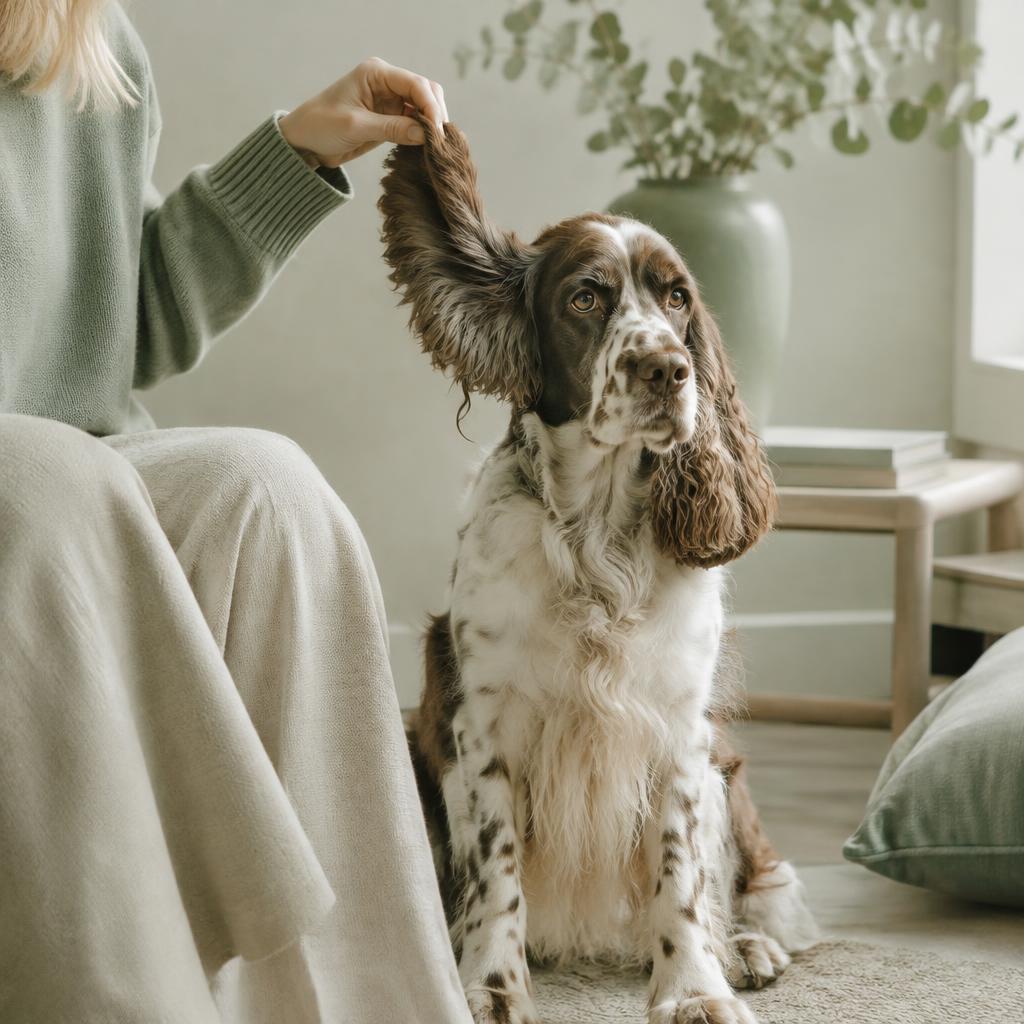
- 4Check ears weekly, especially after swimming
What you actually need
- Slicker brush
- Metal comb
- Stripping knife
- Ear cleaner
- Nail clippers
Puppy to adult
| Age | Male | Female | What is happening |
|---|---|---|---|
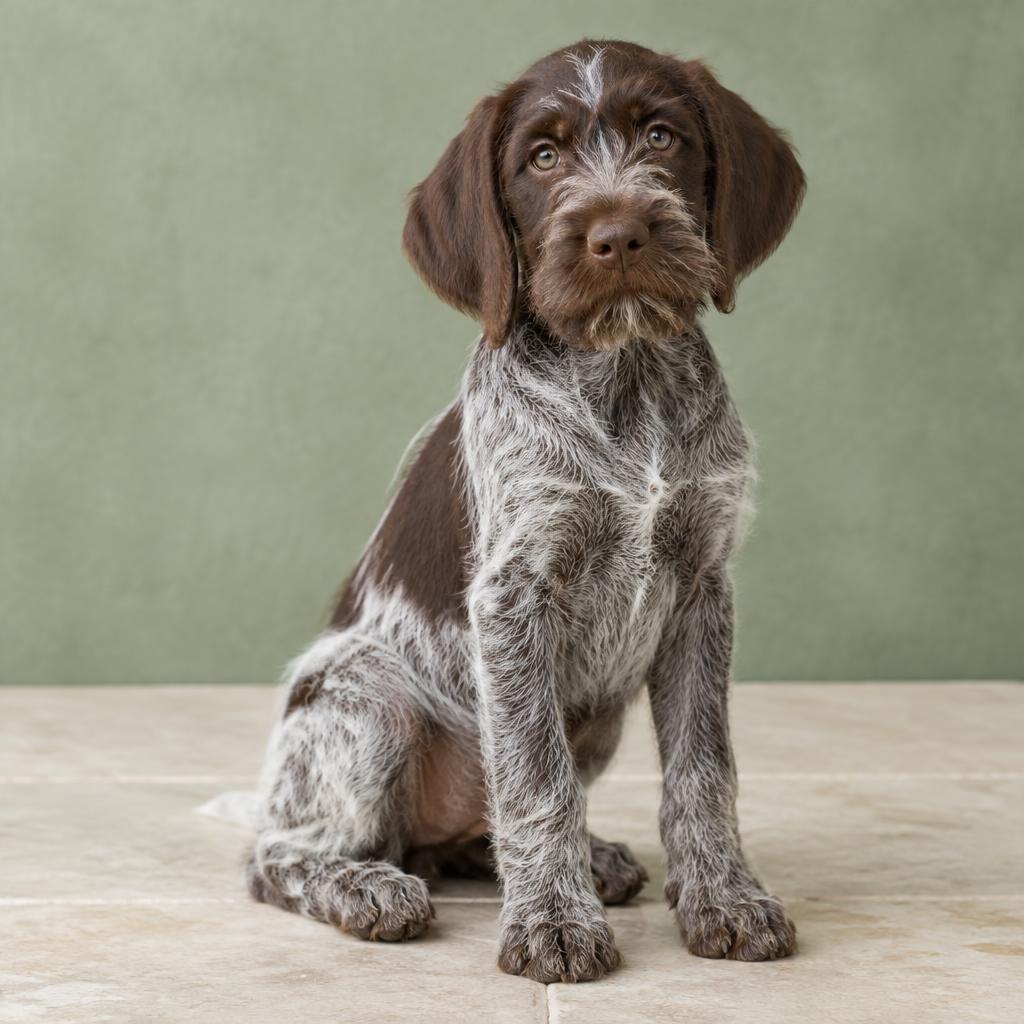
| 8 weeks | 3.5 to 5 kg | 3 to 4.5 kg | Bold and busy; start recall games and gentle handling early. |
| 3 months | 9 to 12 kg | 8 to 11 kg | Socialisation window; introduce water, cover and new places positively. |
| 6 months | 17 to 22 kg | 15 to 19 kg | Adolescent energy peaks; keep exercise steady, not forced. |
| 9 months | 21 to 27 kg | 18 to 23 kg | Near adult height; proof recall around distractions. |
| 12 months | 24 to 30 kg | 21 to 26 kg | Adult size close; muscle and stamina still developing. |
| 18 months | 27 to 32 kg | 25 to 29 kg | Fully grown; a powerful, durable adult athlete. |
Ranges are typical, not targets. Judge condition by ribs and waist, and check with the ideal weight checker.
What to ask a breeder
- Have the parents been hip scored and eye tested?
- What working tests or trials do the parents compete in?
- How strong is the prey drive in this line?
- How are the parents with strangers and other dogs?
- What exercise and work do you expect owners to provide?
Health tests to ask for
Ask to see results for both parents before you put down a deposit.
- Hip scoring for both parents
- Eye examination by a veterinary ophthalmologist
- Ask about family history of heart disease and bloat
Health watch-list
What to ask a breeder about, and what to watch for over a lifetime. This is orientation, not veterinary advice, anything you notice belongs in front of a vet.
Hip dysplasia
UncommonAn athletic, medium to large breed; both parents should be hip scored and puppies kept lean through growth.
Bloat (GDV)
UncommonDeep-chested and active. Feed two smaller meals, rest around food and learn the emergency signs.
Ear infections
CommonFolded ears and a love of water raise the risk. Dry ears after swimming and check weekly for redness or odour.
Eye conditions
UncommonParents should hold current eye examinations. Report cloudiness, redness or squinting to your vet.
Heart disease
UncommonReported in some lines. Ask breeders about family history and keep up annual veterinary checks.
What it costs to keep one
Realistic running cost
€103 / month
About €1,236 a year, or roughly €16,068 across a 13-year life, before purchase price, neutering and one-off vet events.
Before the puppy arrives. Budget roughly €850 to 1700 for a crate, bed, lead and harness, bowls, puppy classes, first vaccinations and grooming kit sized for this breed. Figures throughout are indicative and vary a good deal between countries.
Interactive · built for this breed
Is a German Wirehaired Pointer right for your home?
Seven honest questions about your space, time and household, checked against this breed's exercise need, coat, sociability and tolerance for time alone.
Fit with your routine
91%
A strong fit
Your routine suits a German Wirehaired Pointer well. Meet adult dogs of the line before you commit.
What to sort out first
- Needs more daily exercise than you have pencilled in.
Working in your favour
- Coat care fits the grooming time you offered.
Compare more breeds in the matchmaker, or plan meals with the portion calculator.
The verdict, by household
Outstanding: a tireless, capable partner in all weather.
Demanding; possible only for the very committed and active.
Good with older children in an active household.
Not suitable; needs space, work and miles.
When to call your vet
- Limping or stiffness that does not settle with rest
- Head shaking or ear smell, especially after swimming
- A swollen, tight belly or unproductive retching, which is an emergency
- Cloudy eyes, redness or squinting
Nothing here is a diagnosis. A swollen, hard belly with retching, collapse, breathing difficulty and sudden hind-leg weakness are emergencies: go straight away.
German Wirehaired Pointer vs the closest alternatives
| Breed | Weight | Energy | Grooming | € / month |
|---|---|---|---|---|
| German Wirehaired Pointer | 25 to 32 kg | 9/10 | 4/10 | €103 |
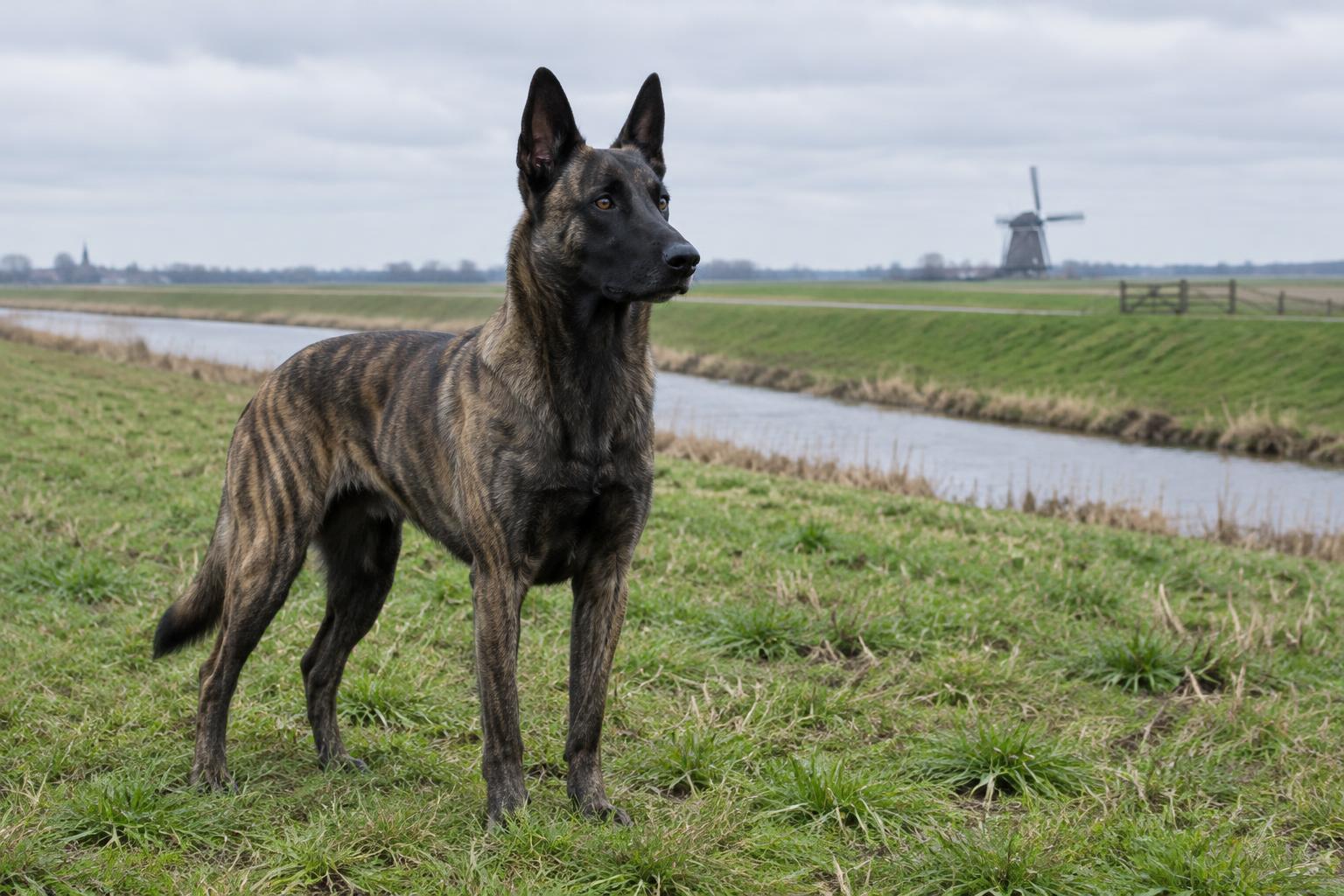
| Dutch Shepherd | 23 to 34 kg | 9/10 | 3/10 | €112 |
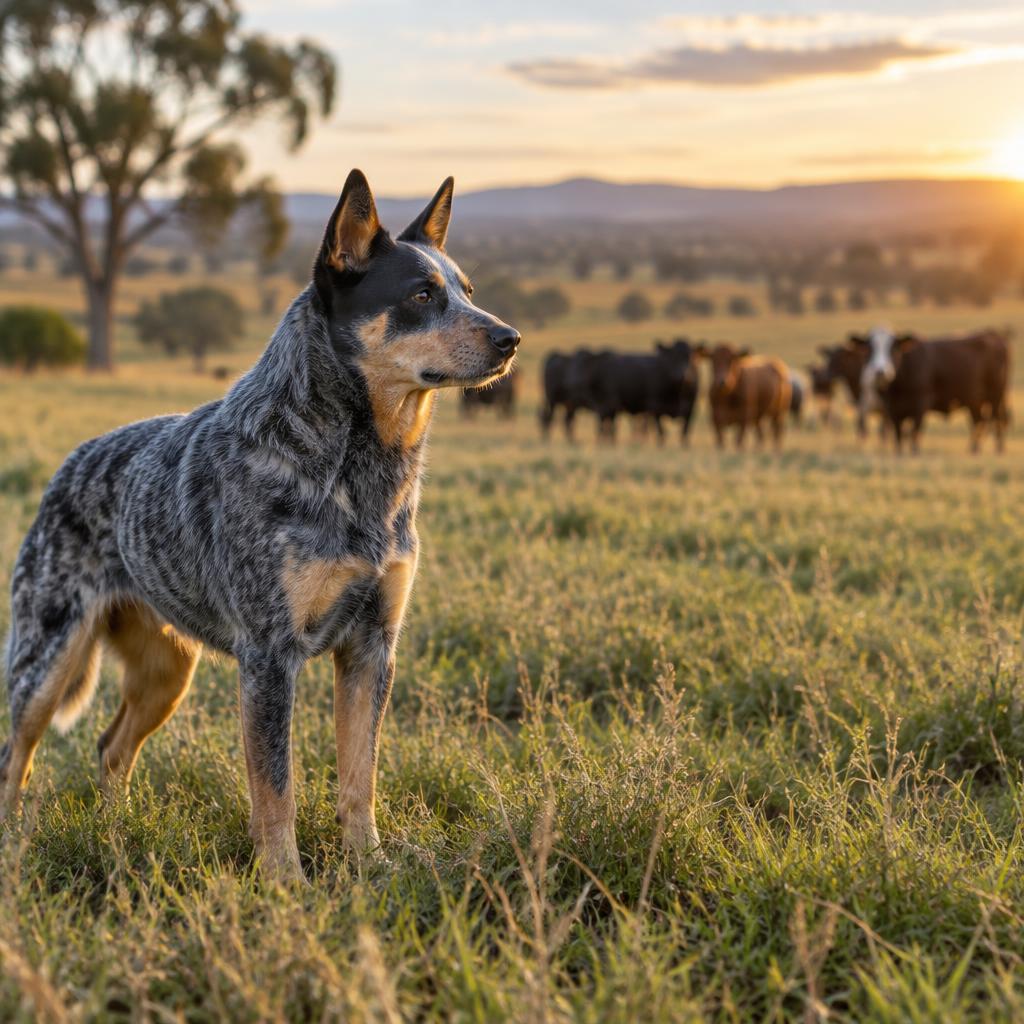
| Australian Cattle Dog | 14 to 20 kg | 10/10 | 4/10 | €139 |
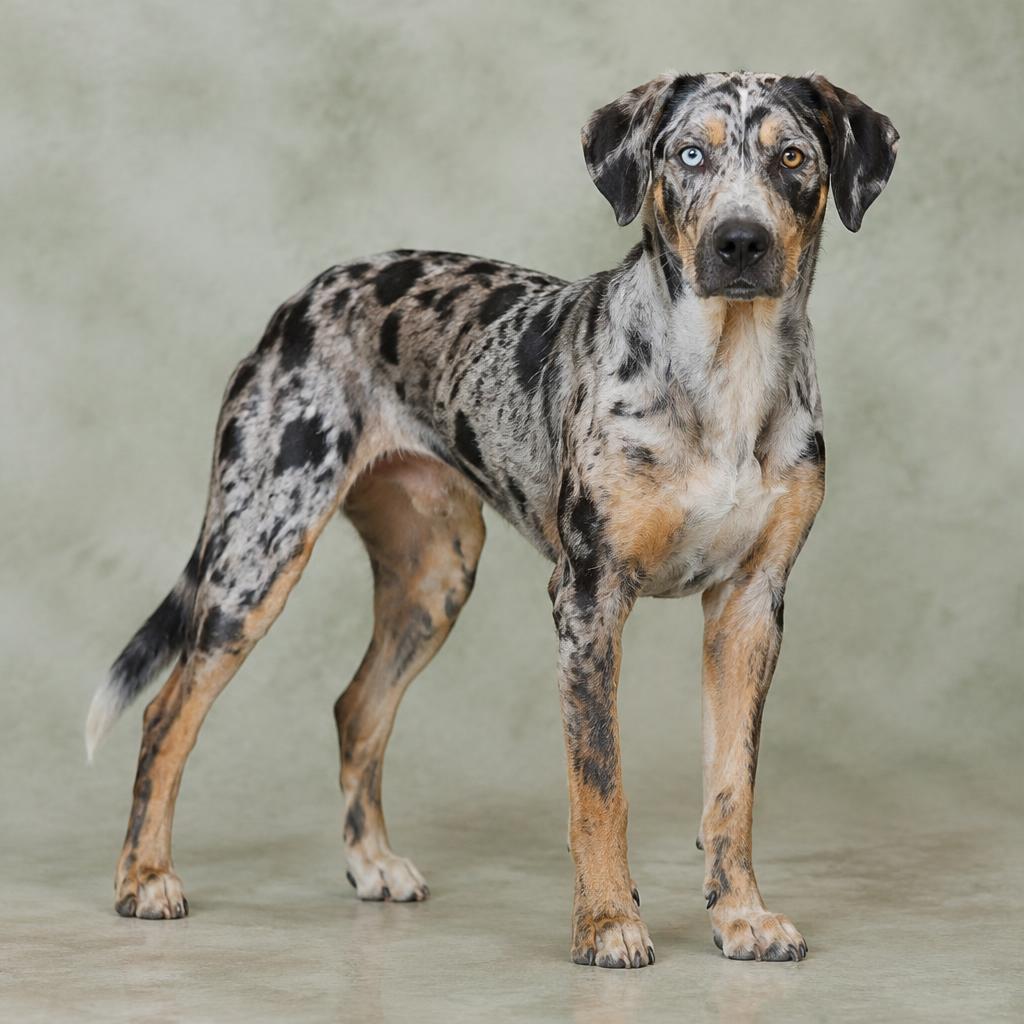
| Catahoula Leopard Dog | 20 to 34 kg | 9/10 | 2/10 | €98 |
German Wirehaired Pointer questions, answered
How much exercise does a German Wirehaired Pointer need?
Around two hours a day of genuine exercise: running, swimming, retrieving, tracking or gundog work. A couple of lead walks will not satisfy this breed.
Are German Wirehaired Pointers good family dogs?
In an active family, yes: they are loyal, affectionate and usually good with older children. They are too boisterous for toddlers and too energetic for quiet homes.
Do they get on with cats and small pets?
Prey drive is strong. Some live peacefully with a family cat if raised with it, but small pets and strange cats are usually seen as quarry. Management is essential.
Is the wire coat hard to look after?
No, it is one of the easier coats. Brush weekly, hand-strip two to four times a year, and rinse the beard after meals and wet walks. Avoid clipping everything off, which softens the coat.
Are they easy to train?
They are intelligent and learn quickly, but they are independent and easily bored. Short, varied, reward-based sessions work best, started early and kept consistent.
Can a German Wirehaired Pointer live in a flat?
It is not recommended. They are large, very active and need a secure garden plus daily access to open space to run.