
Dog Allergies: Types, Symptoms and Treatment
Itchy paws, sore ears, endless licking: allergies are one of the commonest reasons dogs see a vet, and one of the most frustrating to pin down. Here is how to tell the three types apart and what actually helps.
The SniffScroll desk
Published 9 October 2026

Reviewed by the SniffScroll editorial team
The short version
- Dog allergies usually show as itchy skin and sore ears, not sneezing
- The three main types are environmental, flea and food allergy
- Rule out fleas first: one bite can drive weeks of itching
- A strict 8-week elimination diet is the only reliable food allergy test
- Most allergic dogs are managed, not cured, with the right routine
Dog allergies are one of the commonest reasons for a vet visit, and one of the most frustrating to pin down. The itching, licking and ear trouble they cause can rumble on for months before anyone uses the word allergy. This guide explains the three main types, how to spot the patterns, what your vet will do, and what you can sensibly try at home first.
What is a dog allergy, exactly?
A dog allergy is an overreaction of the immune system to something harmless, such as pollen, flea saliva or a food protein, and it usually shows up as itchy skin or sore ears rather than sneezing.
When people say their dog has allergies, they usually mean atopic dermatitis: a tendency for the skin to react to environmental triggers like pollens, dust mites and moulds. But allergy is an umbrella term. The three big groups are environmental allergy (atopy), flea allergy dermatitis, and food allergy. They overlap, look similar, and many unlucky dogs have more than one at once.
The first clue is almost always itch. Dogs with allergies lick their paws, rub their faces, scratch their sides and get repeated ear inflammation. Sneezing and watery eyes, the classic human hay fever picture, happen in dogs too but are far less common than itchy skin.
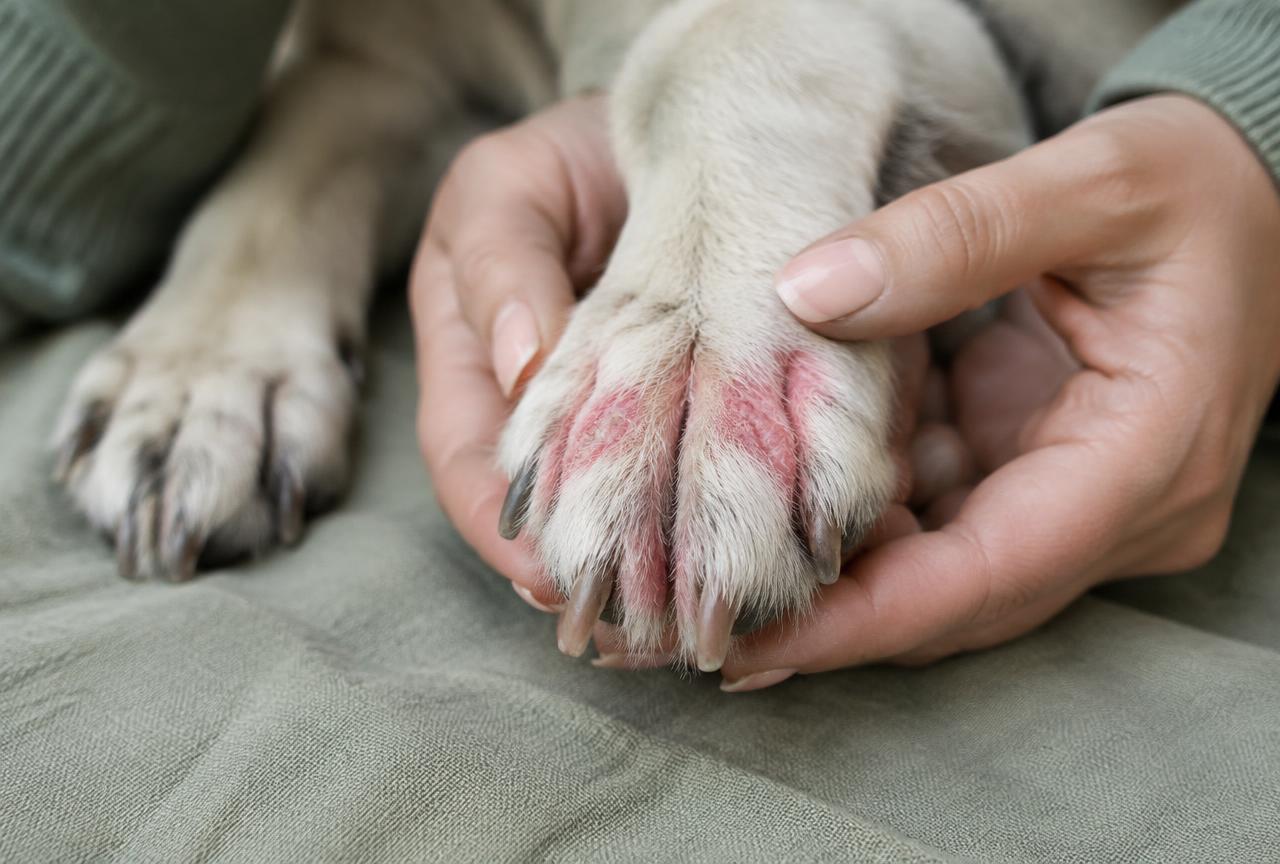
The three main types of dog allergy
The three main types are environmental allergy, flea allergy and food allergy, and telling them apart starts with where the itch is and when it happens.
Environmental allergy (atopy). The most common diagnosis. Dogs react to pollens, house dust mites, storage mites or mould spores. It often starts between six months and three years of age and may be seasonal at first, then become year-round. Paws, ears, belly, armpits and face are the typical targets.
Flea allergy dermatitis. An allergy to flea saliva. A single bite can set off days of intense itching, usually over the rump, tail base and back of the thighs. It is the most preventable allergy of all, and the first thing to rule out in any itchy dog.
Food allergy. A reaction to a protein in the diet, most often beef, chicken, dairy or wheat in the studies that have looked. Food allergy itches all year round, may come with soft stools or excess wind, and accounts for a smaller share of itchy dogs than most owners expect.
| Type | Typical age it starts | Pattern | Usual hotspots |
|---|---|---|---|
| --- | --- | --- | --- |
| Environmental (atopy) | 6 months to 3 years | Seasonal, then often year-round | Paws, ears, belly, face |
| Flea allergy | Any age | Worse in warm months, sudden flares | Rump, tail base, back legs |
| Food allergy | Any age, including puppies | Constant, all year | Ears, paws, bottom, plus tummy signs |

How to spot the patterns at home
You can narrow down the likely allergy type at home by noting when the itch started, whether it is seasonal, where it is worst, and whether flea treatment is genuinely up to date.
Before your vet appointment, gather four facts. First, the age the itching started: atopy typically begins young, while a dog that is suddenly itchy at eight years old needs other causes considered. Second, the calendar: itch that peaks between spring and autumn suggests pollens, while constant year-round itch suggests dust mites or food. Third, the map: rump and tail base shout fleas, ears and paws suggest atopy or food. Fourth, the flea history: many owners believe their dog cannot have fleas because they never see one, but allergic dogs often groom every flea off before you ever spot it.
A weekly photo of the worst areas, taken in the same light, is surprisingly useful. Skin changes slowly, and photos show the trend your memory smooths over.
What your vet will do
Your vet will rule out parasites and infection first, then work through a structured process that may include a food trial and, for environmental allergy, testing or long-term medication.
Expect the first visit to cover the unglamorous basics, because they matter most. A flea combing and a review of your flea control. Skin scrapes and tape strips to look for mites and yeast under the microscope. Ear swabs if the ears are involved. Many "allergy" dogs have a yeast or bacterial overgrowth on top of the allergy, and treating that infection alone can transform the dog within weeks.
If food allergy is suspected, the only reliable test is an elimination diet: eight weeks of a prescription hydrolysed or novel-protein food, with absolutely nothing else passing the lips. Blood and saliva tests marketed for food intolerance are not considered reliable by dermatology specialists. For environmental allergy, intradermal or blood testing can identify triggers, mainly to guide desensitisation injections rather than to confirm the diagnosis.
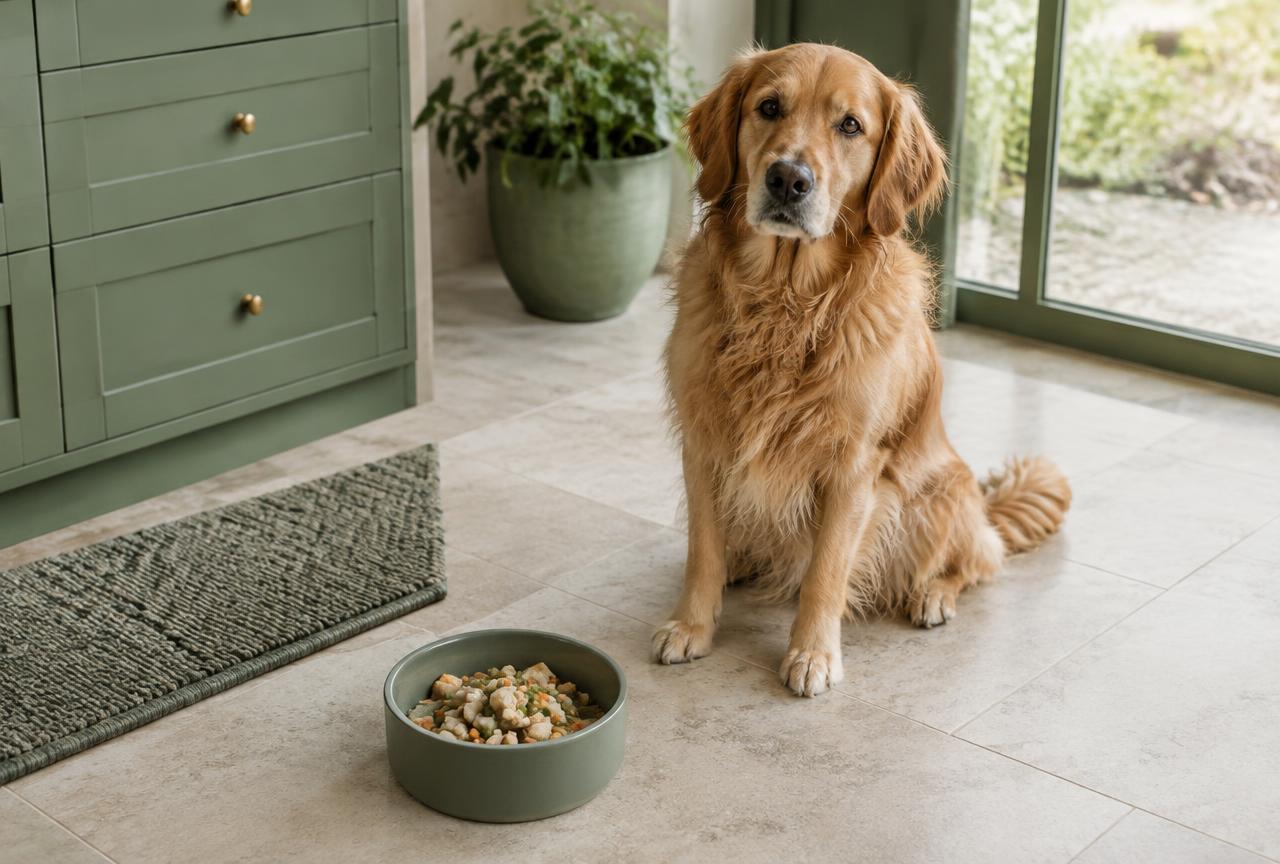
Treatment: what actually works
Most allergic dogs are managed, not cured, using a combination of flea control, infection treatment, anti-itch medication and, for some, desensitisation.
Modern anti-itch medicines have changed the outlook. Your vet may discuss fast-acting tablets, a monthly injection that targets the itch signal, or immune-modulating medication for severe cases. Medicated shampoos and ear cleaners control the yeast and bacteria that ride on top of allergy. Desensitisation injections or drops, tailored to your dog's test results, are the only treatment that aims to change the allergy itself rather than suppress it, and they help a good proportion of dogs over six to twelve months.
At home, the measures with real value are simple: rigorous flea control for every pet in the house, wiping paws and belly after walks in pollen season, regular washing of bedding, and keeping ears clean and dry. Omega-3 supplements have modest evidence as an add-on, not a replacement.
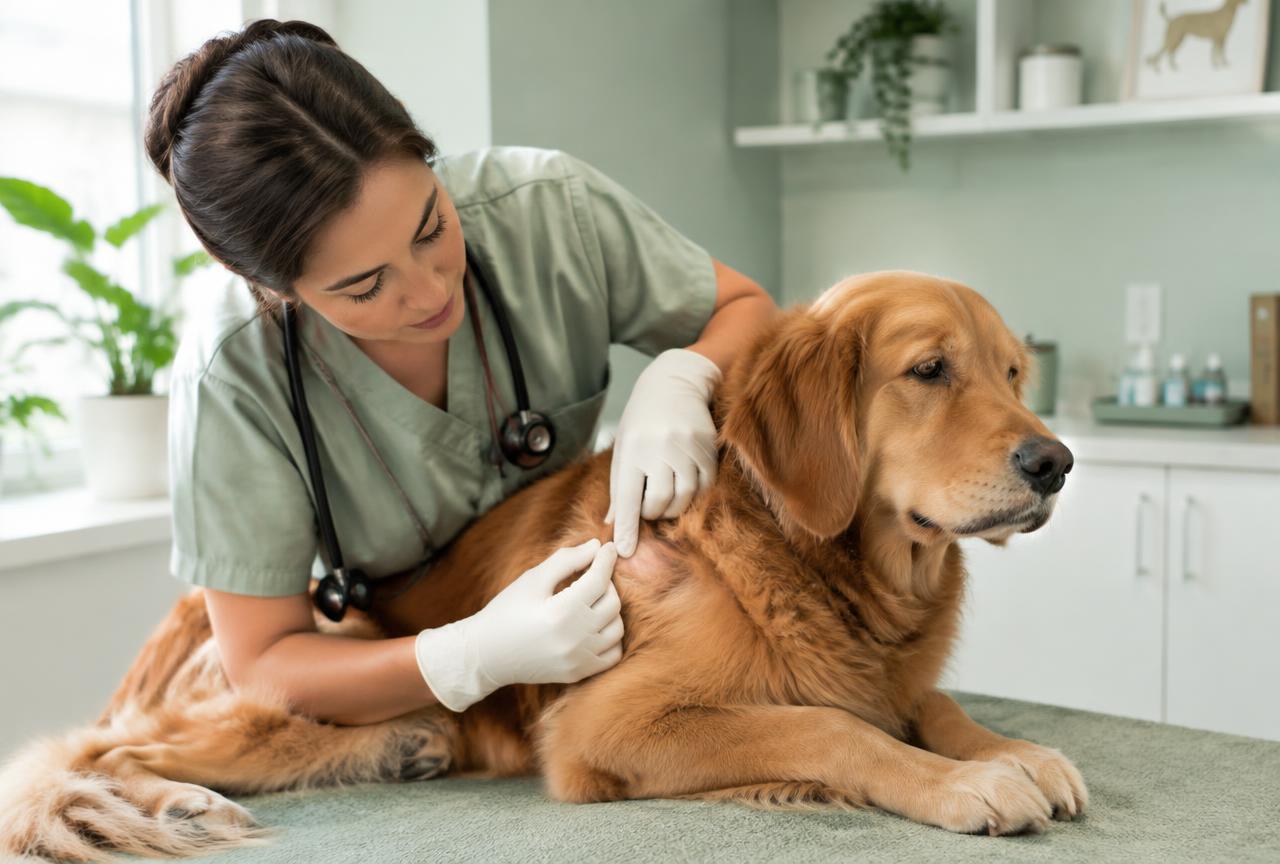
Living with an allergic dog: the long game
Living with an allergic dog means building a small set of habits you can sustain for years: flea control on a calendar, skin and ear care on a schedule, and a good relationship with a vet who knows your dog.
The owners who cope best treat allergy like a chronic condition such as diabetes rather than a problem to be solved once. Keep a simple routine: flea treatment on the first of the month, bedding washed weekly, ears checked every few days, and a note on your phone of what a flare looks like for your dog. During pollen season, add paw and belly wipes after walks and consider keeping your dog off freshly mown grass.
Budget honestly. Allergy is one of the more expensive long-term conditions: repeated consultations, medication that may be lifelong, and prescription food if a food trial is needed. This is exactly the scenario pet insurance exists for, and it is worth having before any diagnosis lands, because allergies are then excluded as a pre-existing condition.
Common allergy myths
"Hypoallergenic breeds do not get allergies." Coat type affects how much dander a dog spreads for allergic humans; it says nothing about whether the dog itself gets allergies. West Highland White Terriers and French Bulldogs are among the most allergy-prone breeds of all.
"A blood test can tell me what food my dog is allergic to." The dermatology consensus is that it cannot. Only a properly conducted elimination diet answers the food question.
"Itchy skin means a poor diet." Most allergic dogs eat perfectly good food. Diet matters only for the minority with true food allergy, and guessing at diets usually delays the answer.
A sensible first two weeks
If your dog is itchy but otherwise well, a short, structured home check before or alongside a vet visit saves time and money.
- 1Apply a vet-recommended flea treatment to every pet, and note the date.
- 2Wash all bedding at 60 degrees and vacuum the dog's favourite spots.
- 3Start a simple itch diary: where, when, how severe out of ten.
- 4Photograph the worst areas once a week in the same light.
- 5Wipe paws and belly with a damp cloth after every walk.
- 6Do not change the diet yet; a food trial only works when done properly with your vet.
- 7Book a vet appointment if the skin is broken, smelly, or the itch disturbs sleep.
Allergy is a marathon, not a sprint. The dogs that do best are the ones whose owners find a routine they can keep up for years, not a perfect fortnight.
When to see a vet
See a vet promptly if the skin is broken, bleeding, smelly or oozing, if the ears are painful or head-shaking is constant, or if the itch stops your dog sleeping or eating.
Also book soon if a puppy under six months is itchy (parasites like mites are more likely and very treatable), if the itch appeared suddenly alongside a new food or treat, or if your dog seems unwell in themselves: lethargy, thirst changes or weight loss alongside skin trouble points somewhere beyond simple allergy. Mild, stable itch in an otherwise happy dog can wait for a routine appointment, but do not let it drift for months; allergic skin gets harder to control the longer it runs.
Interactive · allergy sorter
Which allergy group fits your dog?
Answer four quick questions about where and when your dog itches. We will point you towards the most likely cause group and the first steps.
First steps
- Photograph the itchy areas weekly so you and your vet can track changes over time.
- Book a vet visit if the itch breaks the skin, smells, or stops your dog sleeping.
Environmental allergy is the most likely group
This sorter narrows the field; it cannot diagnose. Skin disease looks similar across causes, so a vet exam, and often skin scrapes or cytology, is what confirms it.
Frequently asked questions
Can dogs suddenly develop allergies?
Yes. Allergy can appear at any age, though environmental allergy most often starts between six months and three years. A truly sudden itch in an older dog is more often parasites, infection or a new product than a brand-new allergy, so it is worth a vet check rather than assuming.
What is the most common food allergy in dogs?
The proteins most often implicated in studies are beef, chicken, dairy and wheat, largely because they are the most common ingredients. Any protein a dog eats regularly can become a trigger, which is why elimination diets use proteins the dog has never eaten.
Can I give my dog antihistamines?
Some human antihistamines are used in dogs, but doses differ from human doses, some products contain dangerous added ingredients, and they only help a minority of allergic dogs. Always ask your vet which product and dose before giving anything.
Will my dog grow out of allergies?
Puppies do not grow out of true allergies, and environmental allergy usually persists for life. The good news is that it can almost always be well controlled with the right combination of flea control, skin care and medication.
Is grain-free food good for allergic dogs?
Not by default. True grain allergy is less common than protein allergy, and grain-free diets have their own question marks over heart health in some studies. Choose any diet change with your vet, based on a proper trial rather than the label.
How much does allergy testing cost in the UK?
Costs vary widely by practice and region. As a rough guide, expect a consultation and skin tests for infection to be the modest first step, a prescription food trial to cost mainly the price of the food, and blood testing for environmental triggers to run into the low hundreds of pounds. Your practice can quote before you commit.
Questions people actually ask
Can dogs suddenly develop allergies?
Yes. Allergy can appear at any age, though environmental allergy most often starts between six months and three years. A truly sudden itch in an older dog is more often parasites, infection or a new product than a brand-new allergy, so it is worth a vet check rather than assuming.
What is the most common food allergy in dogs?
The proteins most often implicated in studies are beef, chicken, dairy and wheat, largely because they are the most common ingredients. Any protein a dog eats regularly can become a trigger, which is why elimination diets use proteins the dog has never eaten.
Can I give my dog antihistamines?
Some human antihistamines are used in dogs, but doses differ from human doses, some products contain dangerous added ingredients, and they only help a minority of allergic dogs. Always ask your vet which product and dose before giving anything.
Will my dog grow out of allergies?
Puppies do not grow out of true allergies, and environmental allergy usually persists for life. The good news is that it can almost always be well controlled with the right combination of flea control, skin care and medication.
Is grain-free food good for allergic dogs?
Not by default. True grain allergy is less common than protein allergy, and grain-free diets have their own question marks over heart health in some studies. Choose any diet change with your vet, based on a proper trial rather than the label.
How much does allergy testing cost in the UK?
Costs vary widely by practice and region. As a rough guide, expect a consultation and skin tests for infection to be the modest first step, a prescription food trial to cost mainly the price of the food, and blood testing for environmental triggers to run into the low hundreds of pounds. Your practice can quote before you commit.
Sources
Breeds mentioned

Labrador Retriever
Britain's most popular family dog: biddable, food driven and built for an active household.

West Highland White Terrier
A small white terrier with a huge sense of self, bred to dig, bark and stand its ground.

French Bulldog
A comic, affectionate companion built for city life, but with health needs that demand a careful breeder.
Put it into practice
Read next
Dog Dry Heaving: Causes and When It Is an Emergency
Dog dry heaving is usually throat irritation or mild nausea, but repeated unproductive retching with a swollen, tight belly can be bloat (GDV), a life-threatening emergency.


