Terrier group
Scotland
West Highland White Terrier
The West Highland White Terrier is a cheerful, strong willed Scottish terrier with a harsh white coat, skin sensitivities and a fondness for digging.
Reviewed against Kennel Club and breed club health guidance
A small white terrier with a huge sense of self, bred to dig, bark and stand its ground.
The short version
- Westies are confident, self assured terriers that bond closely with their family but keep a stubborn, independent streak.
- Digging and barking are deeply ingrained instincts, not simple bad habits, so secure fencing and calm management matter.
- Skin allergies and atopic dermatitis are common in the breed and need ongoing care rather than a one off fix.
- The harsh double coat needs hand stripping every few months to keep its texture, not just routine clipping.
- Early socialisation and consistent, reward based training help manage the breed's terrier assertiveness around other dogs and small pets.
- Weight
- 7 to 10 kg
- Height
- 25 to 28 cm
- Lifespan
- 12 to 15 yrs
- Size
- Small
- Group
- Terrier
- Coat
- Harsh, straight, double white coat
- Grown male
- 8 to 10 kg
- Grown female
- 7 to 9 kg
- Years to full size
- about 1
- One-off setup
- €400 to 900

Get one if…
- Owners who want a sturdy, characterful small dog with genuine personality
- Households with a securely fenced garden and no precious flower borders
- Families with older children who understand calm, respectful handling
- Owners prepared to commit to regular hand stripping and skin care
- People happy to do consistent, patient training rather than expect instant obedience
Think again if…
- Owners wanting a quiet dog that rarely barks
- Households with small pets such as rabbits or guinea pigs
- Gardeners who cannot tolerate digging
- People wanting a low cost, wash and go coat
- Owners unwilling to manage ongoing skin sensitivities
Trait profile
Westies combine strong self possession and territorial barking with a genuine working terrier drive to dig and chase, so early socialisation and secure boundaries matter more than most owners expect.
Space & setup. A house with a securely fenced garden suits a Westie far better than a flat, since digging, barking at passers by and an instinct to bolt after scents are all part of the breed's working heritage.
Allergies. The harsh double coat sheds relatively little, but the breed's own frequent skin allergies mean grooming and bathing routines need to be gentle and consistent rather than a reason to assume an easy care dog.
Living with a West Highland White Terrier
The West Highland White Terrier, or Westie, is a small Scottish terrier bred to hunt fox, rabbit and vermin underground, built with a harsh white double coat and a confident, feisty character. It is affectionate with its own family but independent minded, prone to digging and barking, and carries a notable history of skin problems.
The West Highland White Terrier was developed in the west of Scotland, where white coated terriers were deliberately bred from the broader Scottish terrier stock so hunters could tell their dogs apart from foxes and badgers underground. Working to bolt or kill vermin and small game, the breed needed courage, independence and a harsh weatherproof coat, qualities that remain obvious in the Westie's character today. The result is a dog that looks endearing but was built for genuine terrier work, not for sitting quietly in a basket. The breed was formally recognised and standardised in the early twentieth century, and its striking white coat, once seen purely as a practical safety feature for hunters, is now one of its most recognisable traits on the show bench and in family homes alike.
At home, Westies are affectionate and often very attached to their families, but they are not soft or biddable in the way some companion breeds are. They tend to be vocal, alert to every noise outside, and quick to bark at visitors, passing dogs or anything unfamiliar. Digging is a deeply ingrained habit rather than a bad one that can be fully trained away, so a garden with precious borders is at real risk. Westies generally get along with children who treat them with respect, though they can be sharp with rough handling, and their terrier instincts mean small pets such as rabbits or guinea pigs are not a safe mix. Westies also tend to be very food motivated and quick to learn tricks, which helps balance out their more wilful moments, and many owners find that regular mental enrichment such as puzzle toys reduces the amount of nuisance barking considerably.
Exercise needs are moderate rather than extreme, with a good daily walk plus some free running and games satisfying most Westies, but training requires patience and consistency rather than a one off puppy class. They are intelligent and can learn quickly, yet their independent streak means they often weigh up whether obedience is worth their while, particularly once an interesting scent appears. Early, reward based socialisation and training help enormously, and recall should always be practised in secure areas, since the hunting instinct can override a call back once it is triggered. Group puppy classes focused on calm, reward based handling are particularly valuable for this breed, since a Westie that learns confidence without pushiness early on tends to be easier to manage as an adult around visitors, other dogs and unfamiliar situations.
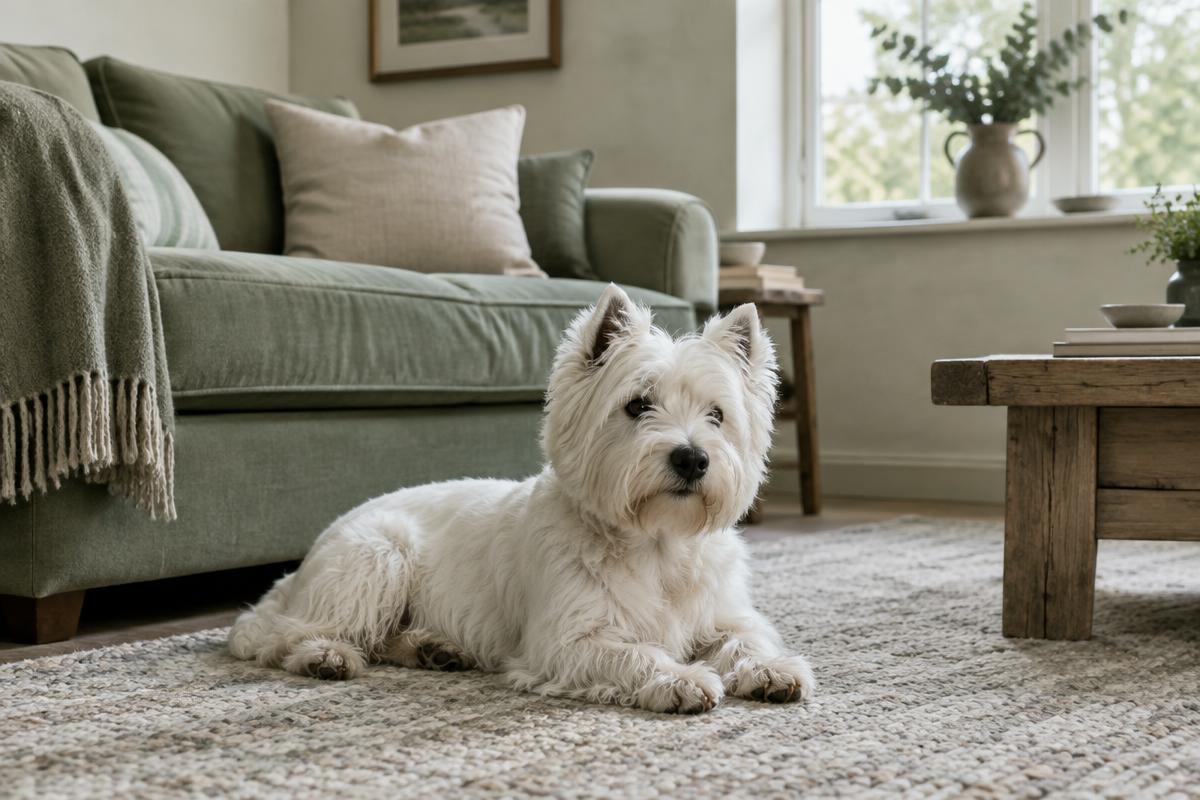
Health is the area where Westies need the most honest attention. Skin problems, including allergic and atopic dermatitis, are common in the breed and can mean years of itching, redness and repeat vet visits if not managed properly through diet, bathing routines and sometimes medication. A small number of dogs develop craniomandibular osteopathy, known as Westie jaw, a painful bony overgrowth of the jaw seen in puppies that usually resolves with growth but needs veterinary monitoring. Patellar luxation, liver shunts and age related hypothyroidism occur less often but are worth discussing with any breeder, alongside proof of health testing on both parents. Routine veterinary check ups that include a skin assessment, along with a sensible diet free from obvious triggers, go a long way towards keeping a Westie comfortable, and pet insurance that does not exclude skin conditions is worth checking carefully before buying a policy.
The Westie suits owners who want a characterful, sturdy small dog and who are prepared to handle a genuinely stubborn streak, regular barking and a coat that needs hand stripping every few months rather than simple clipping to keep its harsh texture. It works well for families with older, sensible children and for owners happy to commit to skin care and secure garden fencing against digging and escaping. It is a poor match for anyone wanting a quiet, low maintenance lapdog, households with delicate garden planting, or owners unwilling to invest time in managing both behaviour and skin health over the dog's life. For the right owner, though, a Westie offers huge personality and loyal companionship in a compact, hardy package. Prospective owners should also budget realistically for ongoing grooming costs, since professional hand stripping every couple of months adds up over a Westie's lifetime far more than the coat care of many other small breeds.
A spirited, self assured little terrier that needs firm handling, regular hand stripping and watching for skin flare ups.
Exercise, day to day
- 1Puppies (8 to 20 weeks): short, gentle play sessions and brief lead walks, avoiding jumping or long distances.
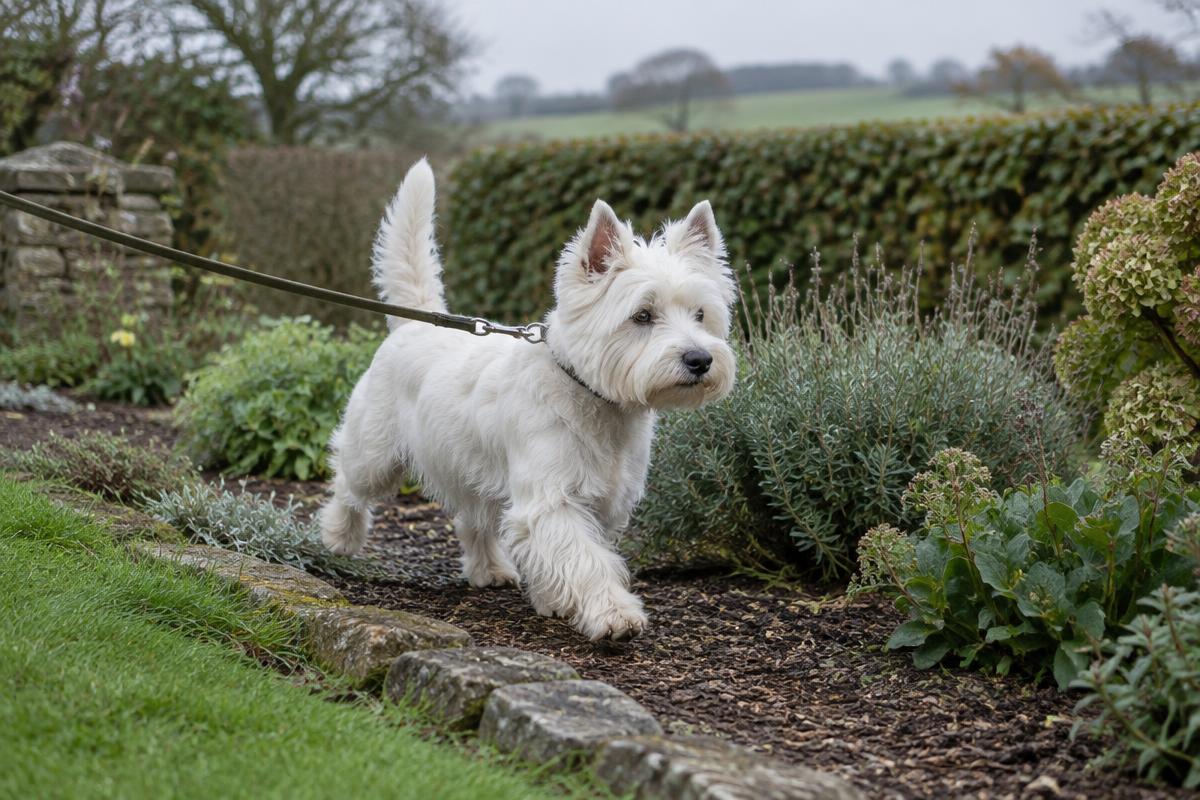
- 2Adults: 45 to 60 minutes a day combining lead walks with secure off lead time for sniffing and exploring.
- 3Provide supervised digging opportunities, such as a sandpit, to redirect the instinct away from garden beds.
- 4Practise recall consistently in enclosed areas before trusting it near wildlife or open ground.
- 5Add short training games and puzzle feeders to engage the breed's sharp, inquisitive mind.
Grooming, realistically
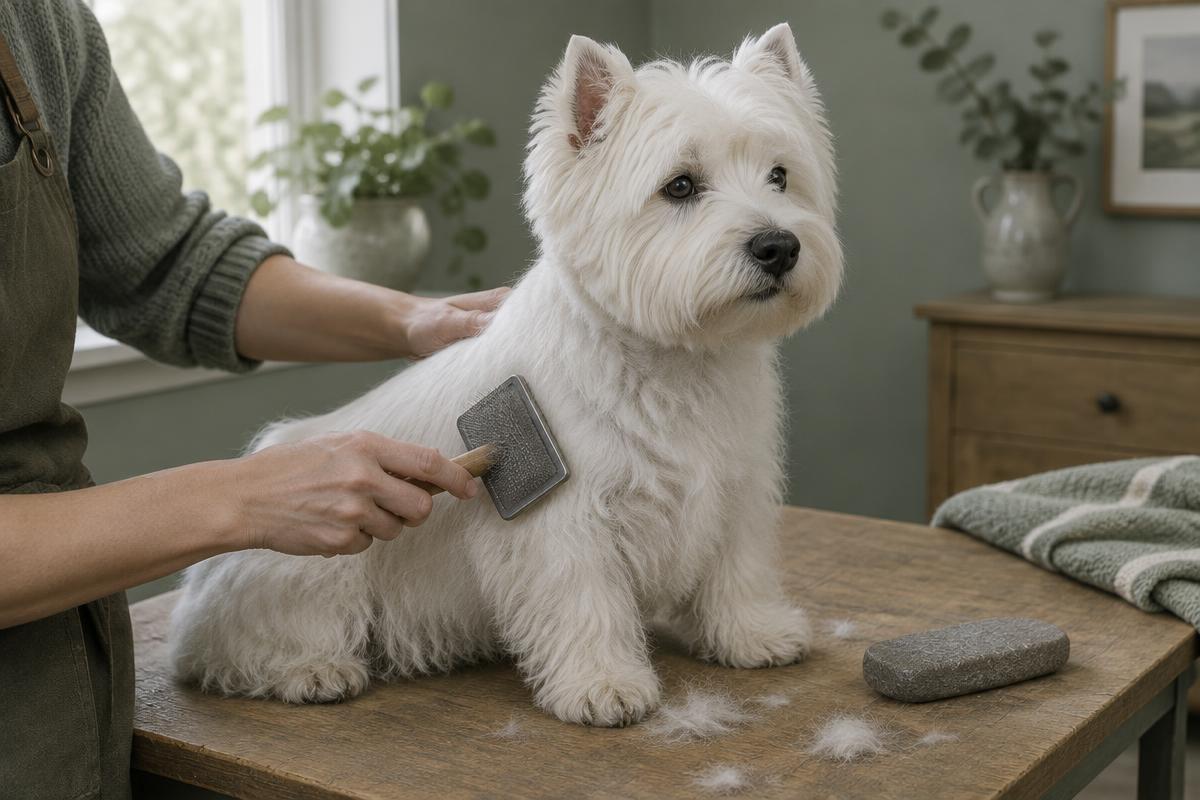
- 1Hand strip the coat every 2 to 3 months to maintain its harsh texture and white colour.
- 2Brush twice a week to prevent matting and remove loose, dead hair.
- 3Bathe every 4 to 6 weeks using a shampoo suited to sensitive skin.
- 4Check ears, eyes and skin folds weekly for signs of irritation or infection.
- 5Trim nails every 3 to 4 weeks and keep the paw hair tidy.
What you actually need
- Slicker brush and metal comb
- Stripping knife or stone for coat maintenance
- Gentle, hypoallergenic dog shampoo
- Ear cleaning solution
- Dog nail clippers
- Enzymatic dog toothpaste and brush
Puppy to adult
| Age | Male | Female | What is happening |
|---|---|---|---|
| 8 weeks | 1.5 to 2 kg | 1.3 to 1.8 kg | Small, compact puppy build with an alert, curious nature already showing. |
| 3 months | 2.5 to 3.5 kg | 2.2 to 3 kg | Steady early growth, coat beginning to show its harsh adult texture. |
| 6 months | 4.5 to 6 kg | 4 to 5.5 kg | Adolescent stage with growing independence and increased testing of boundaries. |
| 9 months | 6.5 to 8.5 kg | 6 to 8 kg | Approaching adult size and weight, confidence and assertiveness increasing. |
| 12 months | 8 to 10 kg | 7 to 9 kg | Adult weight generally reached, coat ready for a regular stripping routine. |
| 18 months | 8 to 10 kg | 7 to 9 kg | Fully mature in size, temperament and coat condition settled. |
Ranges are typical, not targets. Judge condition by ribs and waist, and check with the ideal weight checker.
What to ask a breeder
- Can I see evidence of skin health in both parents and the wider line?
- Has either parent been affected by craniomandibular osteopathy or Westie jaw?
- What patella and thyroid health history exists in the breeding line?
- How do you socialise puppies around household noise and other animals?
- Can I meet both parents and see where the puppies are raised?
Health tests to ask for
Ask to see results for both parents before you put down a deposit.
- Skin and allergy assessment by a veterinary dermatologist
- Veterinary jaw examination for craniomandibular osteopathy in puppies
- Patella examination for luxation
- Bile acid testing for portosystemic shunt
- Thyroid function testing
Health watch-list
What to ask a breeder about, and what to watch for over a lifetime. This is orientation, not veterinary advice, anything you notice belongs in front of a vet.
Skin allergies and atopic dermatitis
CommonExpect itching, redness and recurring flare ups that need an identified trigger, a consistent bathing routine and sometimes long term medication.
Primary secretive necrotizing dermatitis
NotableThis severe inherited skin disease causes thickened, scaly skin and poor prognosis, so ask breeders about any history of unusual chronic skin disease in the line.
Craniomandibular osteopathy (Westie jaw)
NotableA painful bony overgrowth of the jaw seen in young puppies that usually stops progressing with maturity but needs veterinary pain management and monitoring in the meantime.
Patellar luxation
UncommonA kneecap that slips out of place can cause intermittent skipping or lameness, and a vet can grade its severity to decide whether surgery is needed.
Portosystemic shunt
RareAn abnormal blood vessel bypassing the liver can cause poor growth, lethargy or seizures in a young puppy, and needs prompt veterinary investigation and often surgery.
Hypothyroidism
Common with ageAn underactive thyroid in older dogs can cause weight gain, hair thinning and low energy, but is straightforward to manage with daily medication once diagnosed.
What it costs to keep one
Realistic running cost
€91 / month
About €1,092 a year, or roughly €15,288 across a 14-year life, before purchase price, neutering and one-off vet events.
Before the puppy arrives. Budget roughly €400 to 900 for a crate, bed, lead and harness, bowls, puppy classes, first vaccinations and grooming kit sized for this breed. Figures throughout are indicative and vary a good deal between countries.
Interactive · built for this breed
Is a West Highland White Terrier right for your home?
Seven honest questions about your space, time and household, checked against this breed's exercise need, coat, sociability and tolerance for time alone.
Fit with your routine
94%
A strong fit
Your routine suits a West Highland White Terrier well. Meet adult dogs of the line before you commit.
What to sort out first
- Needs more daily exercise than you have pencilled in.
- Coat needs more brushing or trimming than you have allowed.
Compare more breeds in the matchmaker, or plan meals with the portion calculator.
The verdict, by household
First-time owner
A good choice with realistic expectations
Charming and loyal, but the stubborn streak and skin care needs require commitment and patience.
Family with children
A strong choice
Generally good with older, respectful children, though not suited to toddlers who might handle it roughly.
Active single or couple
An excellent match
A sturdy, engaging companion for daily walks, training games and an active outdoor routine.
Owner in a flat with close neighbours
Not recommended
The breed's frequent barking and territorial alertness are a poor match for shared walls and thin floors.
When to call your vet
- Persistent scratching, licking or red skin, which may indicate atopic dermatitis or allergies
- Difficulty opening the mouth or jaw swelling in a young puppy, which can suggest Westie jaw
- Sudden lameness or skipping on a back leg, which may point to patellar luxation
- Lethargy, poor growth or seizures in a young puppy, which can indicate a liver shunt
- Weight gain, hair thinning or lethargy in an older dog, which may suggest hypothyroidism
Nothing here is a diagnosis. A swollen, hard belly with retching, collapse, breathing difficulty and sudden hind-leg weakness are emergencies: go straight away.
West Highland White Terrier vs the closest alternatives
| Breed | Weight | Energy | Grooming | € / month |
|---|---|---|---|---|
| West Highland White Terrier | 7 to 10 kg | 7/10 | 7/10 | €91 |
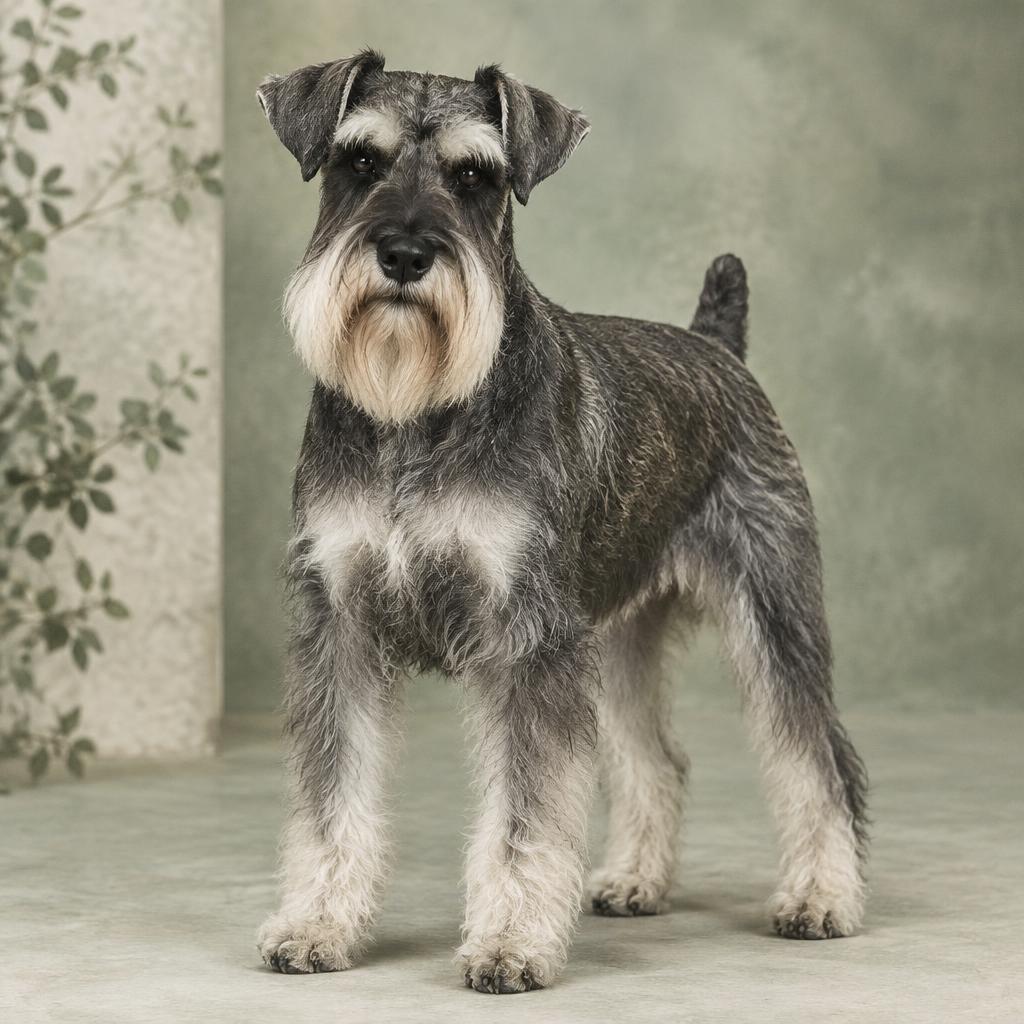
| Standard Schnauzer | 14 to 20 kg | 7/10 | 6/10 | €96 |
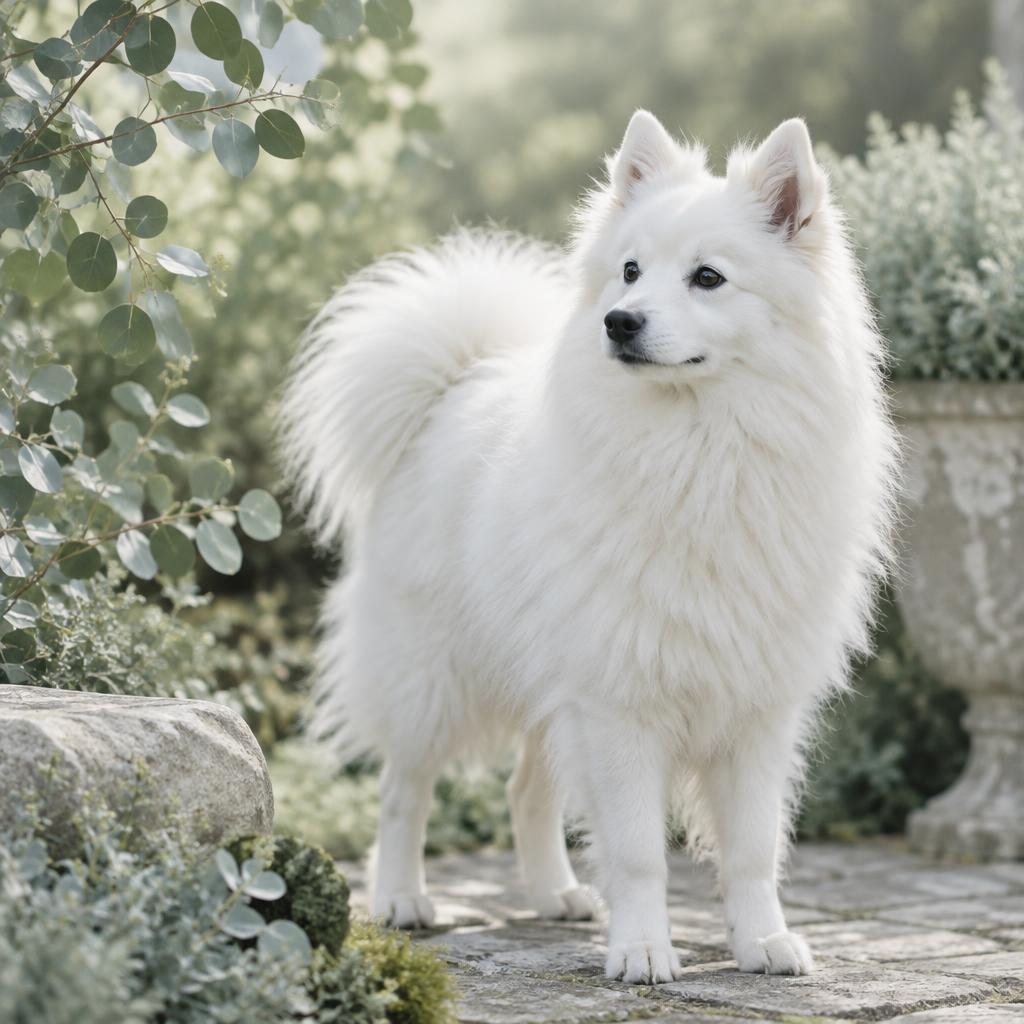
| American Eskimo Dog | 3 to 16 kg | 7/10 | 6/10 | €73 |
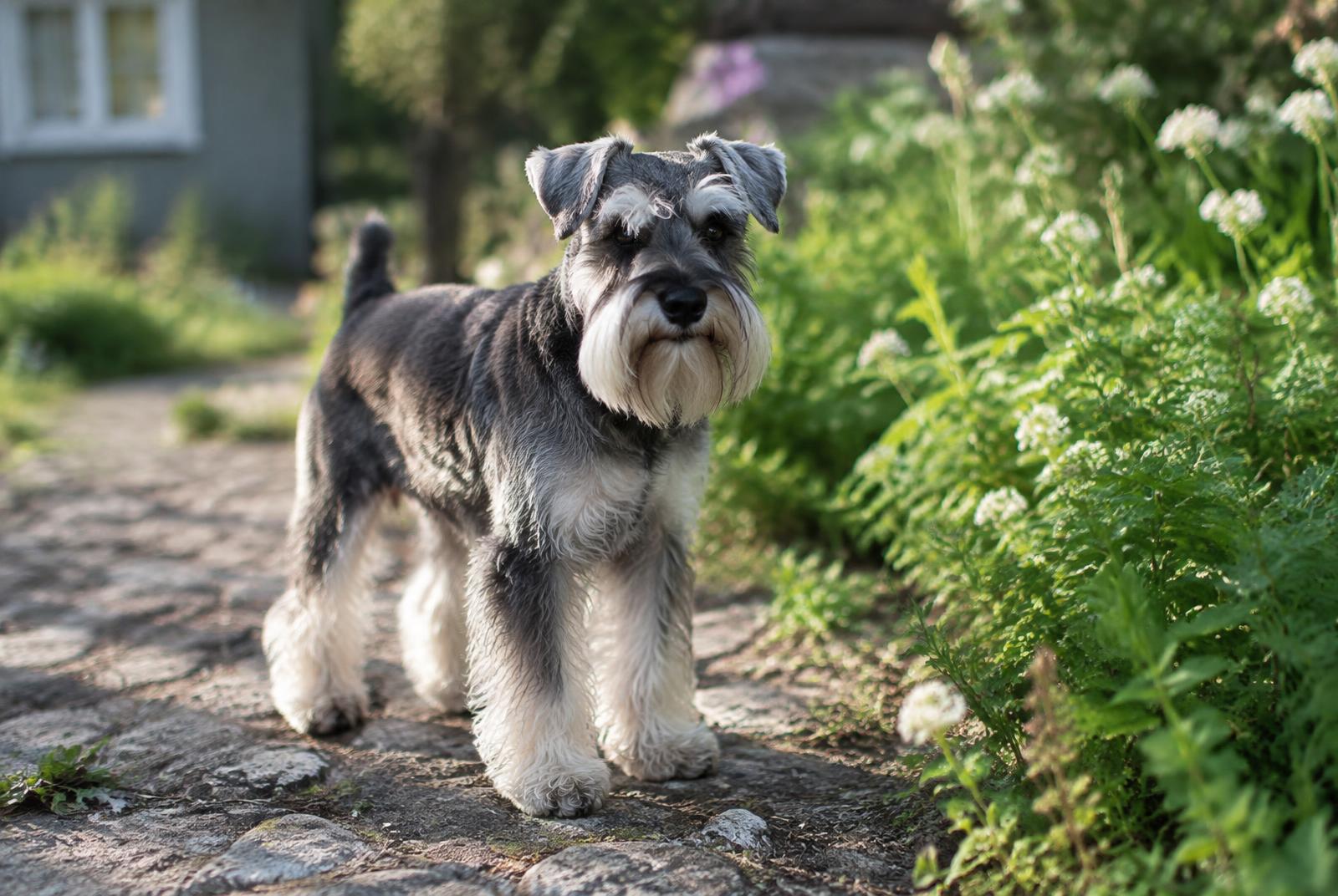
| Miniature Schnauzer | 5 to 9 kg | 6/10 | 8/10 | €92 |
West Highland White Terrier questions, answered
How long do Westies live?
West Highland White Terriers typically live between 12 and 15 years, which is a good lifespan for a small dog. Keeping weight under control, staying on top of skin care and screening breeding stock for jaw, patella and liver conditions all help a Westie reach the upper end of that range in reasonable comfort and health.
Do Westies shed?
Westies shed relatively little compared with many breeds, since their harsh double coat is designed to be maintained by hand stripping rather than simply falling out. Loose dead hair is removed during grooming sessions instead, so regular brushing and periodic stripping keep shedding around the home to a minimum.
Are Westies hypoallergenic?
No dog breed is truly hypoallergenic, and Westies are no exception, though their low shedding coat means less loose hair and dander is spread around the home than with heavier shedding breeds. Anyone with allergies should spend time with an adult Westie before committing, since individual reactions vary considerably.
Why is my Westie scratching?
Persistent scratching in Westies is often linked to the breed's well known tendency towards skin allergies and atopic dermatitis, which can be triggered by food, pollen, dust mites or fleas. A vet visit is worthwhile to identify the cause, since untreated skin irritation tends to worsen and can lead to secondary infections.
How do I groom a Westie?
A Westie's harsh coat needs hand stripping every two to three months to keep its texture and colour, alongside brushing twice a week to prevent matting. Clipping instead of stripping softens the coat over time and can make skin problems more likely, so many owners use a professional groomer experienced with terriers.
Are Westies good for first time owners?
Westies can suit first time owners who are prepared for a genuinely stubborn, vocal little terrier rather than an easygoing lapdog. Their confidence, barking tendency and skin care needs mean patience and consistency matter, but their manageable size and strong bond with their family make them rewarding for committed new owners.
Do Westies bark a lot?
Yes, Westies are naturally alert and vocal, often barking at noises, passers by or anything unfamiliar near the home. This territorial instinct can be reduced somewhat with consistent training from puppyhood, but it rarely disappears entirely, which matters for anyone living close to neighbours.
Sources
- West Highland White Terrier breed standard, The Kennel Club
- West Highland White Terrier breed information, American Kennel Club
- Skin and allergy advice for dogs, PDSA
- Patella luxation scheme, British Veterinary Association
- West Highland White Terrier health information, The Veterinary Information Network
Put it into practice
Reading that goes with this

Puppies
Crate Training a Puppy: A 14-Day Plan

Health
Dog Ear Infections: Signs, Causes and Treatment

Training
How to Stop a Dog Barking: A Practical Guide

Health
Why Do Dogs Lick Their Paws? Causes and Fixes

Health
Why Is My Dog Itching? Allergies, Parasites and Skin

Health
Why Is My Dog Shaking? Causes and When to Worry

Health
Dog Allergies: Types, Symptoms and Treatment

Health
Dog Dry Skin: Causes, Home Care and When It Is More