
Dog Dry Skin: Causes, Home Care and When It Is More
Flakes on the coat are usually a care-routine problem, not a disease, but the line between dry skin and something medical is thinner than it looks. Here is how to tell.
The SniffScroll desk
Published 10 October 2026
Dr Emma Whitfield, MRCVS
The short version
- Most canine dry skin is caused by over-bathing, dry air or diet, and improves with routine changes.
- Flakes without itch are usually benign; flakes with itch point to allergies, parasites or infection.
- Bathe less, brush more, use dog-formulated shampoo and rinse thoroughly.
- Circular patches, grease, smell or hair loss change the picture and need a vet.
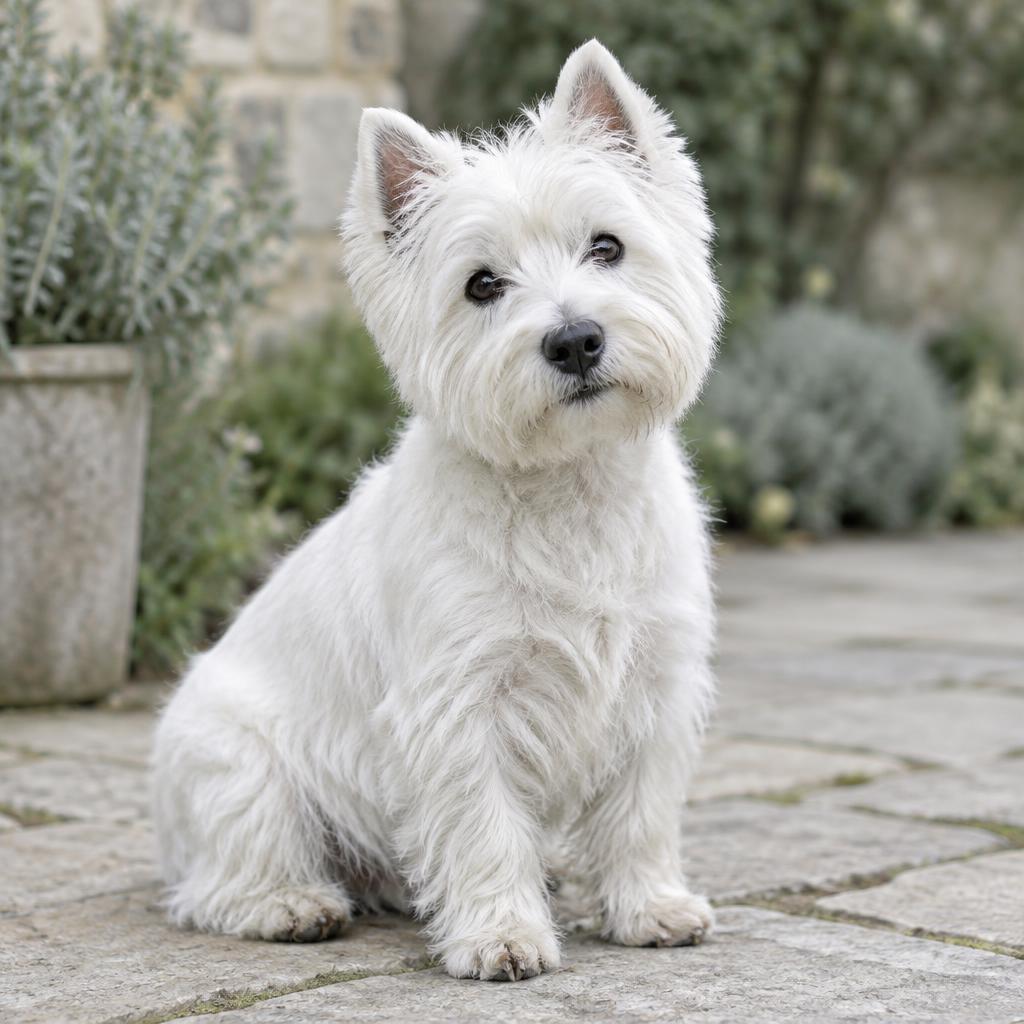
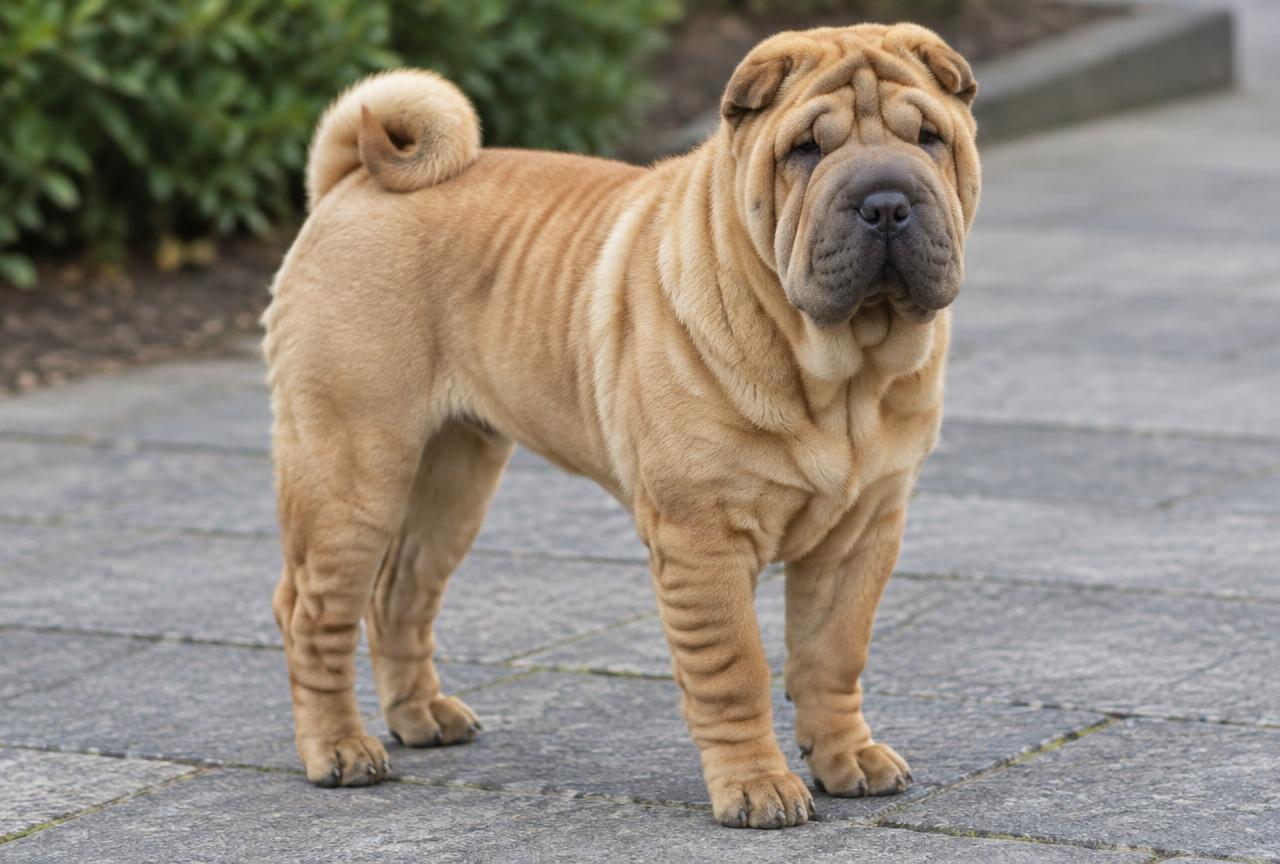
- Some breeds, including Cocker Spaniels and Westies, are prone to seborrhoea and need tailored care.
Finding white flakes on your dog's coat, or on the sofa where they were lying, is one of those small worries that nags. The reassuring truth is that most dry skin in dogs is environmental or routine-related: too many baths, dry winter air, the wrong shampoo, or a diet that could be better. The less reassuring truth is that the same flakes can be the first visible sign of allergies, parasites or a hormone problem, and the two look identical at the start.
This guide covers the common causes, the home care that actually helps, and the specific signs that turn a grooming tweak into a vet appointment.
What does dry skin on a dog actually look like?
Classic dry skin shows as fine white flakes scattered through the coat, like dandruff, often with a dull or harsh-feeling coat, and little or no itching.
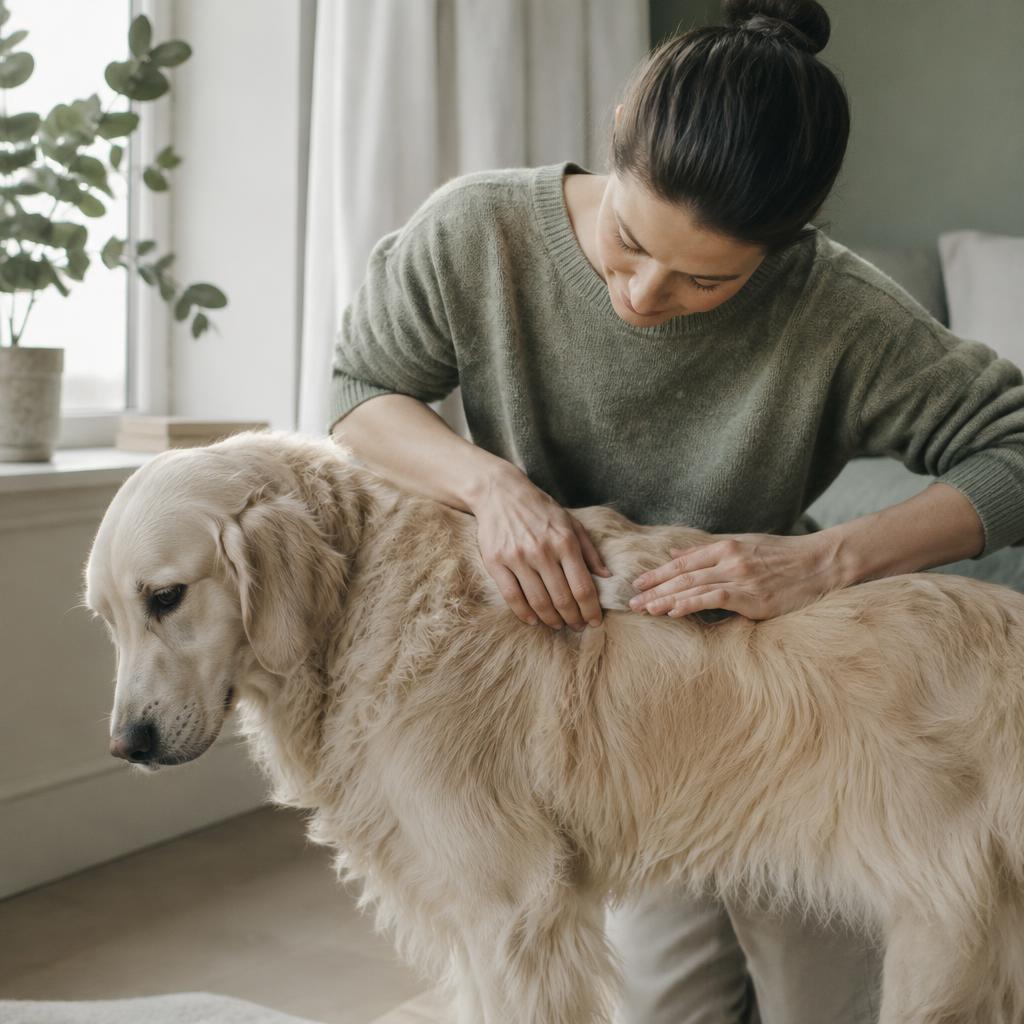
Run your hand against the lie of the coat and look at the skin underneath. Healthy skin is pale, supple and clean. Dry skin looks slightly scaly, and the flakes sit loosely in the coat and fall freely. That picture, flakes without fuss, is the benign end of the scale.
The picture changes when flaking comes with redness, grease, smell, hair loss, or a dog who is clearly bothered by it. Those combinations point away from simple dryness and towards something that needs diagnosing, which is why the itch question matters so much: dry skin alone barely itches, while allergies and infections itch intensely. Our guide to why dogs itch goes deeper on that side.
The common causes of dry skin in dogs
The commonest causes of canine dry skin are over-bathing, harsh shampoo, dry indoor air, cold weather, and a diet short on essential fatty acids, with parasites, allergies and hormonal disease sitting behind the persistent cases.
- Bathing habits. Every bath strips oils from the coat, and frequent bathing, hot water or human shampoo (which is the wrong pH for dog skin) are the most common owner-side causes.
- Dry air and weather. Central heating in winter and cold wind outside both dehydrate skin. Many dogs flake every January and clear every April without any treatment.
- Diet. Skin is built from dietary fat and protein. A poor-quality food, an unbalanced home-made diet, or a dog not absorbing nutrients properly shows up in the coat early.
- Parasites. Fleas, mites and lice all cause flaking, usually with itch. Flea allergy in particular causes flaky, sore skin over the rump; our dog fleas guide covers detection.
- Allergies. Environmental and food allergies commonly present as dry, flaky, itchy skin, especially on the belly, paws and ears.
- Hormonal disease. Underactive thyroid and Cushing's disease both cause dry, thin, flaky coats, typically in middle-aged or older dogs, usually with other signs like weight gain or lethargy.
- Seborrhoea. Some breeds, including the Cocker Spaniel, West Highland White Terrier and Shar Pei, are prone to a skin condition where flakes alternate with greasy patches.
Home care that genuinely helps
The home care with real evidence behind it is boringly simple: bathe less, brush more, use a proper dog shampoo, feed a complete diet, and humidify the room your dog sleeps in.
- 1Cut the baths. Unless your dog rolls in something unspeakable, most dogs need bathing every four to eight weeks at most. Brush instead; it cleans remarkably well.
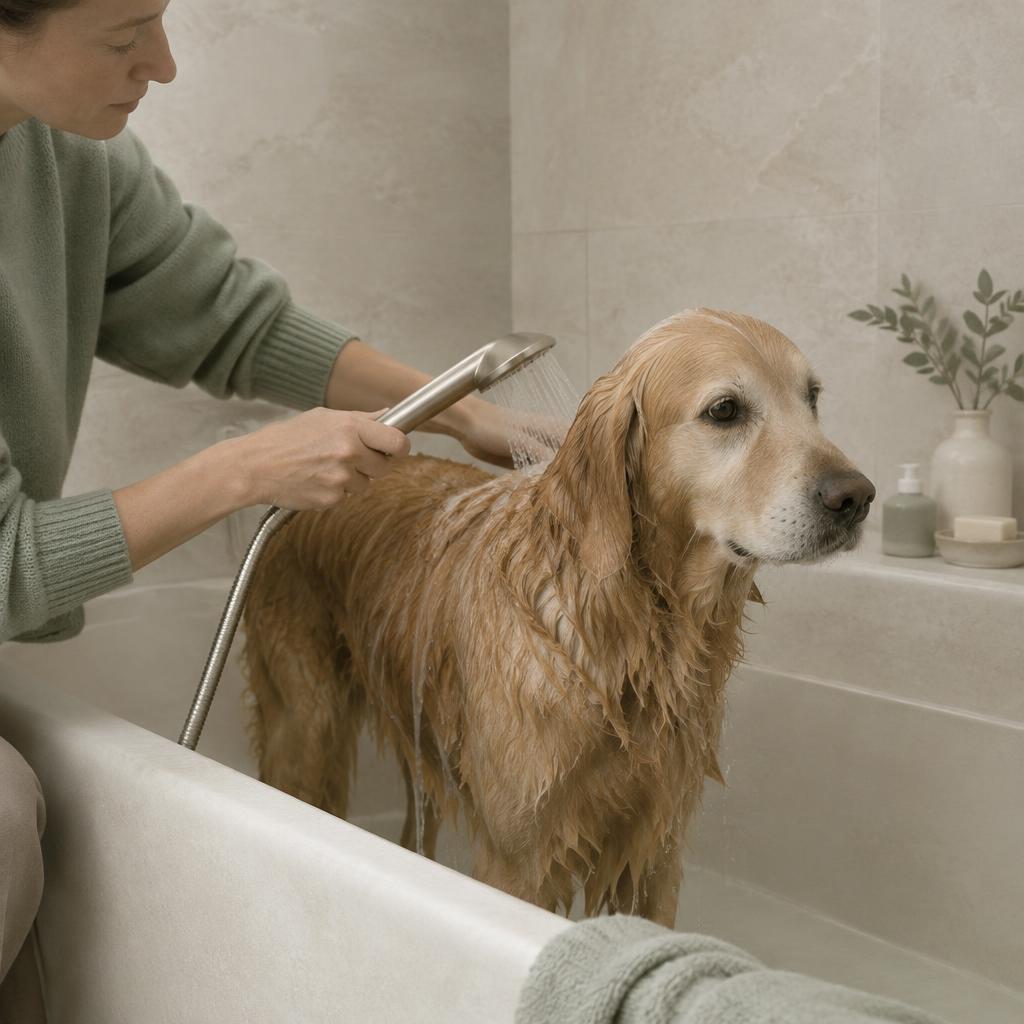
- 2Switch shampoo. When you do bathe, use a mild, dog-formulated shampoo, lukewarm water, and rinse twice as long as you think you need to. Shampoo residue is itself an irritant.
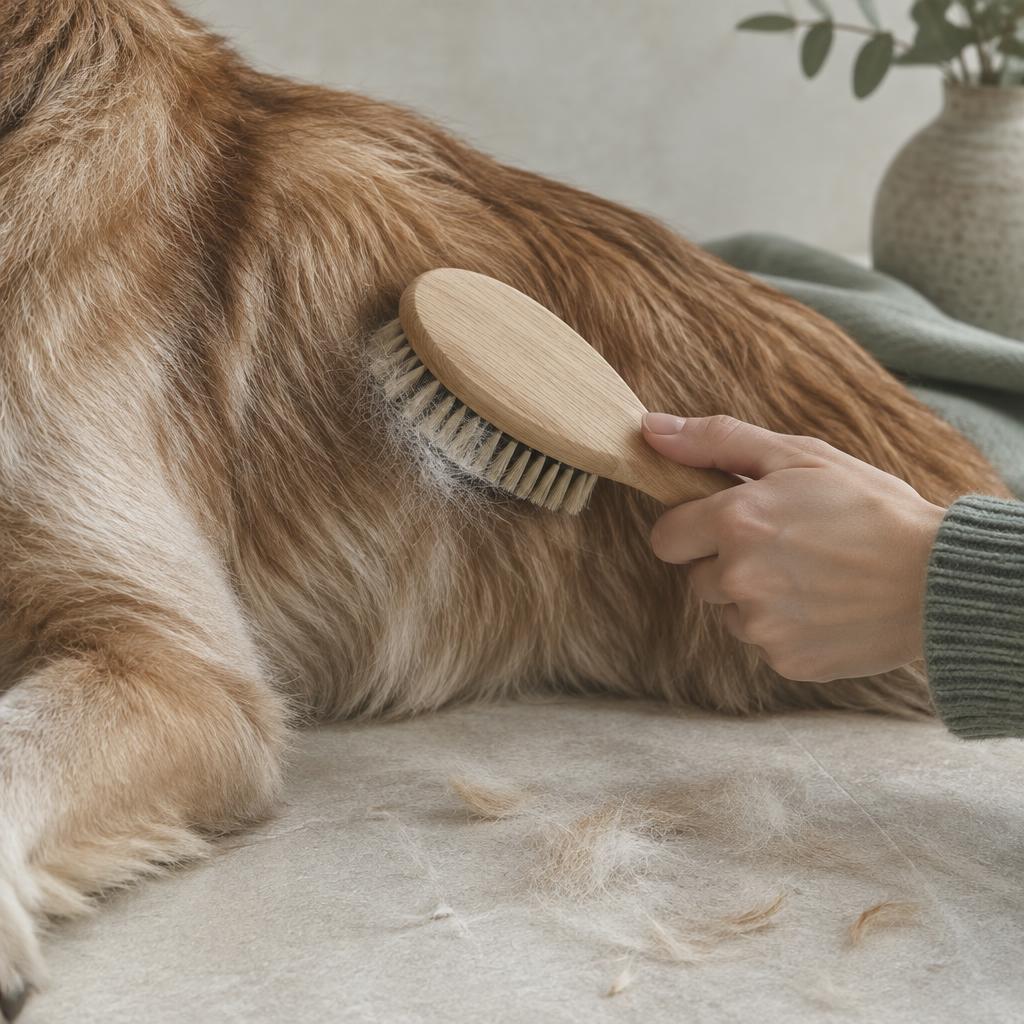
- 3Brush little and often. A few minutes most days spreads the natural oils from the skin along the coat, lifts loose flakes, and doubles as a weekly skin check.
- 4Look at the bowl. A complete, good-quality food covers the fats and proteins skin needs. If the coat is dull as well as flaky, ask your vet whether an omega-3 supplement is worth adding; the evidence for skin and coat is genuinely decent.
- 5Humidify in winter. If the flaking tracks the heating season, a humidifier in the room where your dog sleeps often helps within a few weeks.
- 6Rinse after swims. Chlorine, salt and lake water all dry the skin. A quick fresh-water rinse after swimming prevents a lot of summer flaking.

What not to do
Do not moisturise with human creams, do not add oil to food in large amounts, and do not bathe more to wash the flakes away; all three make things worse.
Human moisturisers are formulated for human skin pH and many contain ingredients dogs should not lick, which they will. Coconut oil smeared on the coat mostly ends up on your furniture and in the dog's stomach. And the instinct to bathe the flakes away is backwards: each bath removes more of the oil layer whose absence caused the flakes.
The other common misstep is supplementing blindly. A splash of oil on food is harmless, but large amounts of fat risk weight gain and, in prone dogs, pancreatitis. If you suspect the diet is the gap, fix the base food first and ask your vet before adding anything concentrated.
Flakes without itch are usually a care-routine problem. Flakes with itch are a medical problem wearing a disguise.
A two-week home trial, and how to judge it
If the picture is benign, flakes without itch, redness or smell, give the home routine a fair two-week trial before concluding it has failed. Brush most days, stop bathing, check the food, and humidify if it is winter. Take a photo of the flakiest area on day one and day fourteen; skin turns over slowly, and improvement is easy to miss day to day but obvious across a fortnight.
If day fourteen looks no better than day one, or worse, the experiment has done its job: it has ruled out the simple causes and earned the vet visit. Either way, you arrive at the appointment with useful evidence rather than a vague sense that things are not right.
When dry skin is a symptom, not the problem
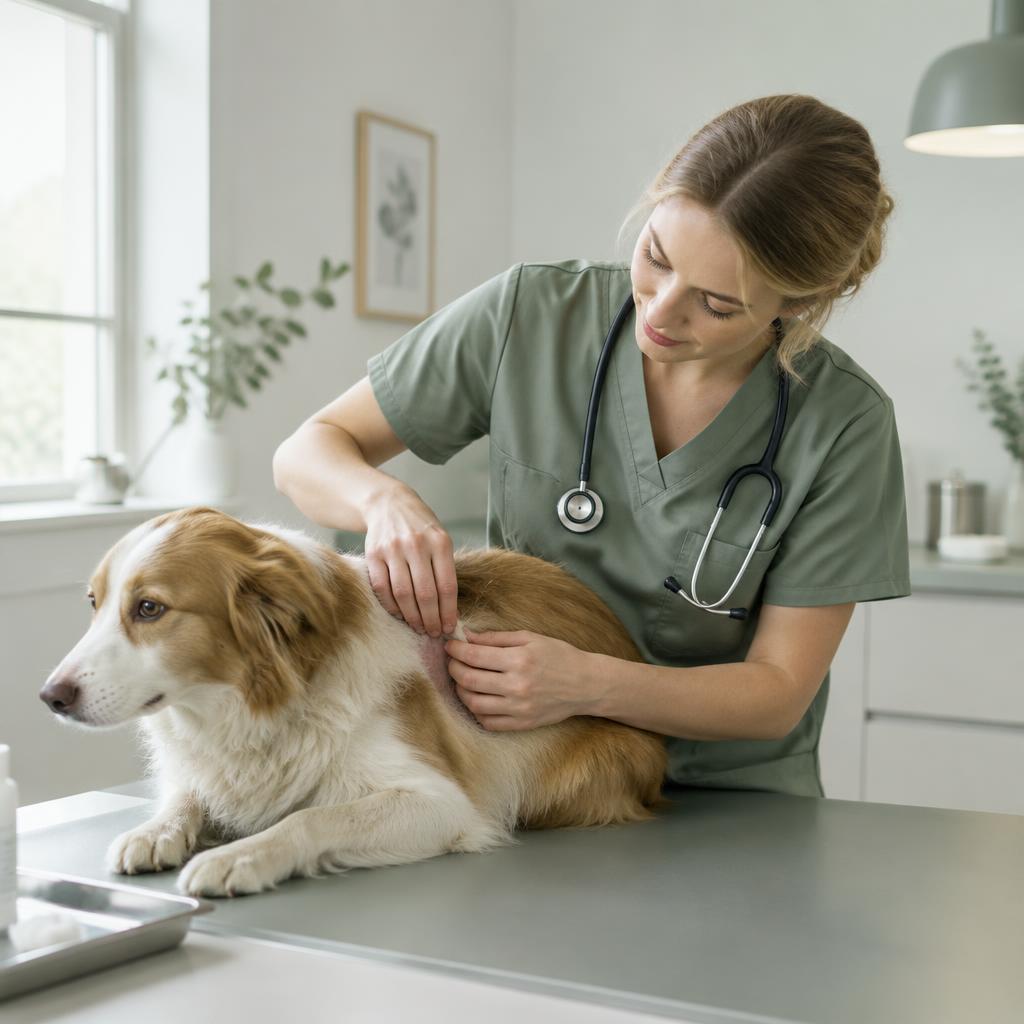
Dry skin becomes a vet matter when it comes with itching, redness, smell, hair loss, greasiness, or any change in your dog's weight, thirst or energy.
The combinations that should prompt an appointment:
- Flakes plus real itch. Allergies, mites and skin infections all itch; simple dryness does not. Persistent scratching, licking or rubbing needs a proper workup, and our dog allergies guide explains the most common underlying cause.
- Circular or spreading patches. Ringworm (a fungus, not a worm) classically causes circular flaky patches with hair loss, and it spreads to humans, so do not sit on this one.
- Greasy, smelly skin. Yeast overgrowth and seborrhoea smell distinctive and need medicated shampoo, not moisturising.
- Flakes plus whole-body changes. A dog who is also gaining weight, drinking more, slowing down or losing hair symmetrically may have a thyroid or adrenal problem; skin is often the first place these show.
- Puppies with flaky skin. Puppies should have lovely skin; flaking in a young dog raises the possibility of mites or a congenital skin condition.
Coat types and the calendar: who flakes and when
How much dry skin a dog battles depends heavily on what coat they wear and what time of year it is, and knowing your dog's category helps you pitch the routine correctly.
Double-coated breeds like the Golden Retriever and German Shepherd carry a dense undercoat that traps dead skin close to the surface. They flake most during the spring and autumn coat blows, and the fix is more brushing, not more bathing: an undercoat rake through the dead coat lets the skin breathe.
Single-coated and silky breeds like the Maltese and Yorkshire Terrier have skin that is more exposed to the air and to grooming products. They are the dogs most often dried out by frequent bathing and heavy conditioners, and they do best on the longest bath intervals their lifestyle allows.
Short-coated breeds like the Greyhound and Staffordshire Bull Terrier have thin coats and thin skin, so they show flakes quickly but also respond quickly to routine fixes. They are also the most prone to contact irritation from bedding washed in strong detergent, an easy win that is often overlooked.
The calendar matters for everyone. Winter is the peak season for benign flaking, because heated indoor air can drop below thirty percent humidity, drier than many deserts. Spring brings the coat blow and its temporary blizzard of flakes. Summer adds swimming, sun and air conditioning. If your dog's flaking follows a seasonal pattern and vanishes for months at a time, that pattern itself is reassuring; it is the dog who flakes all year, or whose flaking is getting steadily worse, who needs the workup.
Keep a simple note on your phone of when the flaking is worst. Three months of that note is more useful to your vet than any description you will give from memory.
Interactive · skin sorter
Dry flakes or something more?
Answer four questions about where the flaking is, when it started and whether it itches. We will point you towards home care or the vet.
What to do
- Brush little and often to spread the coat's natural oils; a few minutes most days beats a weekly marathon.
- Cut baths back and use a mild, dog-specific shampoo when you do bathe; over-bathing strips protective oils.
- Central heating dries the air; a humidifier in the room your dog sleeps in often helps within weeks.
Likely simple dry skin: start with home care
Flakes without itch are usually a care-routine problem. Flakes with itch are a medical problem wearing a disguise.
Frequently asked questions
Why does my dog have dandruff all of a sudden? Sudden flaking in winter usually tracks the central heating coming on, and in summer it often follows more swimming or sun. If there is no seasonal explanation, think about what changed: a new shampoo, a food switch, a missed flea treatment. Truly unexplained sudden flaking, especially with itch, deserves a vet check.
Can I put coconut oil on my dog's dry skin? It is not dangerous in small amounts, but it is not very effective either: most of it is licked off or rubbed onto furniture, and it can clog follicles on some dogs. Brushing to spread the dog's own oils, plus fixing the bathing routine, works better.
Does dry skin mean my dog needs a better food? Sometimes. Skin and coat are early indicators of diet quality because they turn over fast. If the coat is dull and brittle as well as flaky, upgrading to a complete, well-formulated food is a reasonable first experiment, and results show within six to eight weeks.
How often should I bathe a dog with dry skin? As little as possible: every four to eight weeks for most dogs, with a mild dog shampoo and a thorough rinse. Between baths, brush regularly and spot-clean muddy bits with a damp cloth.
Is dry skin in dogs contagious to humans? Simple dry skin is not. But ringworm, which looks like dry flaky patches, absolutely is, so circular patches with hair loss should be checked promptly and handled with hand-washing until you know what you are dealing with.
Do supplements cure dry skin? Omega-3 supplements have reasonable evidence for improving skin and coat, but they are a finishing touch, not a fix. Bathing routine, brushing and base diet do most of the work, and any persistent case needs a diagnosis before supplementation.
Questions people actually ask
Why does my dog have dandruff all of a sudden?
Sudden flaking usually tracks a change: heating coming on in winter, more swimming in summer, a new shampoo, a food switch or a missed flea treatment. Unexplained flaking with itch deserves a vet check.
Can I put coconut oil on my dog's dry skin?
It is not dangerous in small amounts but not very effective either: most is licked off or rubbed onto furniture. Brushing to spread the dog's own oils and fixing the bathing routine works better.
Does dry skin mean my dog needs a better food?
Sometimes. Skin and coat reflect diet quality early because they turn over fast. Upgrading to a complete, well-formulated food is a reasonable first step, with results visible in six to eight weeks.
How often should I bathe a dog with dry skin?
As little as possible: every four to eight weeks for most dogs, with a mild dog shampoo and a thorough rinse. Brush regularly and spot-clean with a damp cloth between baths.
Is dry skin in dogs contagious to humans?
Simple dry skin is not, but ringworm, which looks like dry flaky patches, is. Circular patches with hair loss should be checked promptly, with hand-washing after handling until diagnosed.
Do supplements cure dry skin?
Omega-3 supplements have reasonable evidence for skin and coat, but they are a finishing touch rather than a fix. Bathing routine, brushing and base diet do most of the work.
Sources
Breeds mentioned
Put it into practice
Read next
Dog Dry Heaving: Causes and When It Is an Emergency
Dog dry heaving is usually throat irritation or mild nausea, but repeated unproductive retching with a swollen, tight belly can be bloat (GDV), a life-threatening emergency.


