Toy group
Malta and the central Mediterranean
Maltese
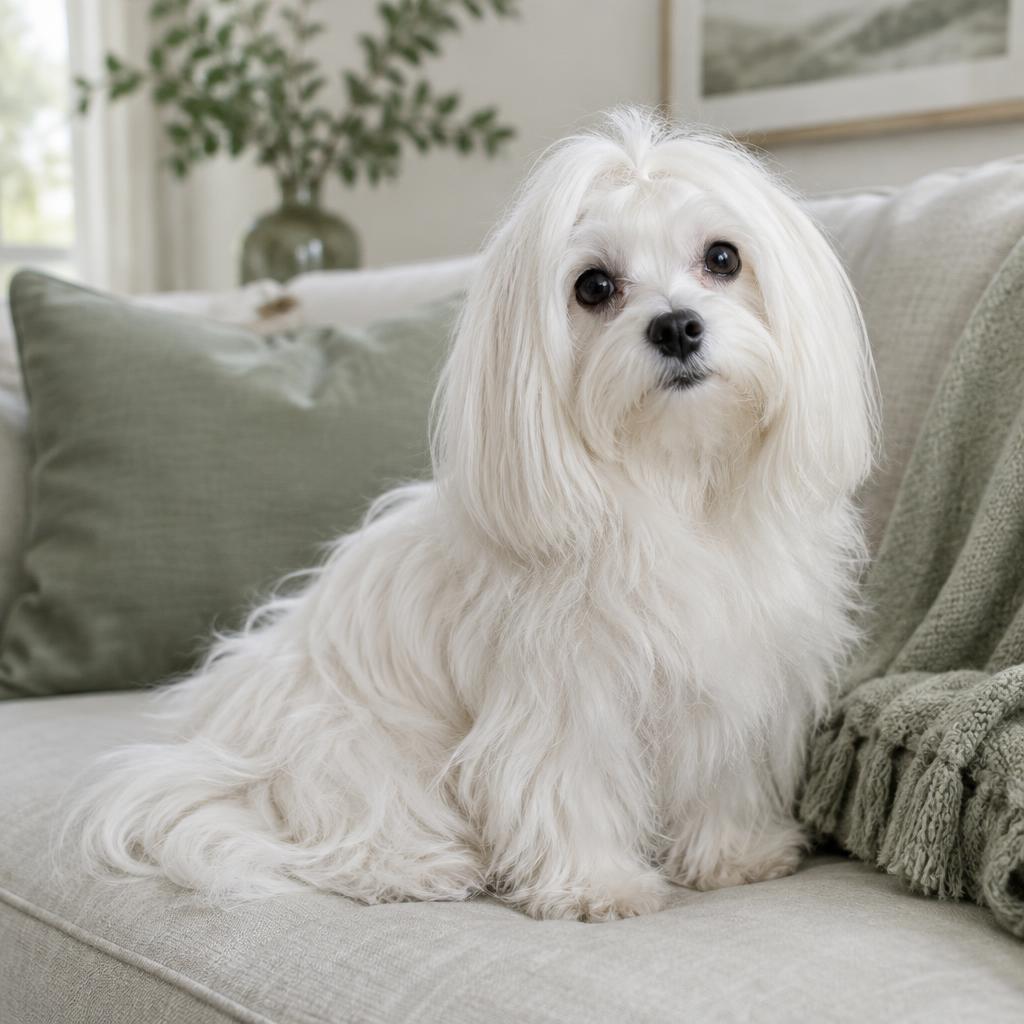
A tiny, long lived toy from Malta with a silky white coat and devoted nature, demanding in grooming, dental care and company.
Reviewed against Kennel Club and breed club health guidance
A long lived, silky coated companion that demands daily combing and daily company in equal measure.
The short version
- Maltese are devoted, long lived companions that bond very closely with their household.
- The silky coat mats without daily combing, and many owners choose a shorter clip to manage the workload.
- Tear staining is common and needs daily cleaning to keep the white face looking its best.
- Dental crowding makes this breed genuinely prone to tartar build up, so dental care is a real priority.
- Separation distress and fragility around small children are honest considerations for prospective owners.
- Weight
- 3 to 4 kg
- Height
- 20 to 25 cm
- Lifespan
- 12 to 15 yrs
- Size
- Small
- Group
- Toy
- Coat
- Long, straight, silky white single coat with no undercoat
- Grown male
- 3 to 4 kg
- Grown female
- 3 to 4 kg
- Years to full size
- about 1
- One-off setup
- €350 to 700

Get one if…
- Owners who can offer consistent daily company rather than long stretches alone
- People happy to commit to daily combing and regular professional grooming
- First-time owners wanting a small, affectionate, trainable companion
- Older owners or those without access to large outdoor space, given modest exercise needs
- Households with older, gentle children who can interact calmly with a small dog
Think again if…
- Households with very young or boisterous children who may handle a fragile dog too roughly
- Owners who are out of the house for long working hours regularly
- Anyone hoping to avoid daily coat care or regular professional grooming
- People unwilling to commit to consistent dental care given this breed's dental crowding risk
- Owners who cannot tolerate barking at passersby or unfamiliar noises
Trait profile
The Maltese combines strong devotion and alertness with a genuine fragility around rough handling and a real dislike of being left alone, so gentle handling and alone training both matter from the start.
Space & setup. A flat or small home suits this breed well given its tiny size and modest exercise needs, though daily grooming space and tools are worth planning for.
Allergies. The Maltese sheds very little and has often been marketed as hypoallergenic, but no breed is truly non allergenic since reactions can be triggered by saliva and skin proteins as well as hair.
Living with a Maltese
The Maltese is a small, long lived toy breed from Malta and the central Mediterranean, known for its silky white coat and devoted, affectionate temperament. It needs daily grooming, dental vigilance and consistent company to thrive.
The Maltese is one of the oldest known toy breeds, with a long documented history on Malta and across the central Mediterranean, where small white lap dogs of this type were kept as cherished companions by wealthy households for centuries. Ancient writers and artists referenced small Mediterranean lap dogs resembling the modern Maltese, and the breed's purpose has barely changed since: it was developed purely to be a devoted, decorative companion, not to work livestock, guard property or retrieve game. That singular focus on companionship still defines the breed completely today.
Life with a Maltese centres on closeness. This is a breed that genuinely wants to be near its people at all times, following from room to room, settling on laps and generally treating separation from its household as a mild personal crisis rather than a minor inconvenience. Maltese tend to be alert, bright and genuinely affectionate, often forming an especially close bond with one or two household members while remaining pleasant and sociable with everyone else. Their small size and long lifespan, commonly 12 to 15 years, mean owners are signing up for a long term, emotionally rich relationship rather than a short one.
The honest limitation that deserves equal billing is the breed's genuine separation sensitivity. Left alone too often or for too long, a Maltese can develop real distress, shown through barking, whining or destructive behaviour, and this is not simply a training inconvenience but a welfare issue that needs addressing from puppyhood with gradual, structured alone training. Owners who are regularly out of the house for long working days without a plan for company or daycare should think carefully before choosing this breed.
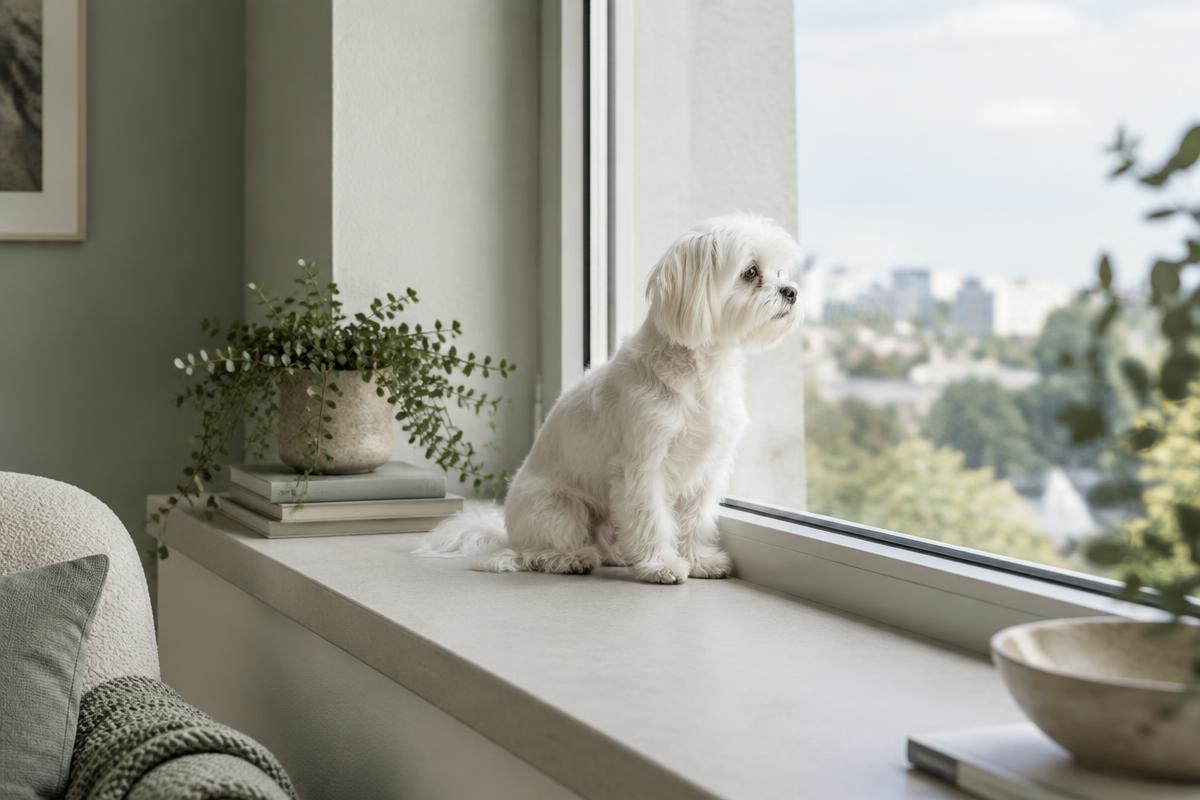
Fragility is another honest consideration, particularly for households with young children. The Maltese's tiny frame means rough handling, accidental drops or boisterous play from small children can genuinely injure the dog, so this breed suits calmer, older children and supervised interactions rather than an unsupervised toddler and puppy left to their own devices. The breed is also a notably vocal one, with many Maltese barking readily at passersby, unfamiliar sounds or visitors, which is worth knowing before committing if close neighbours or a quiet household matter to you.
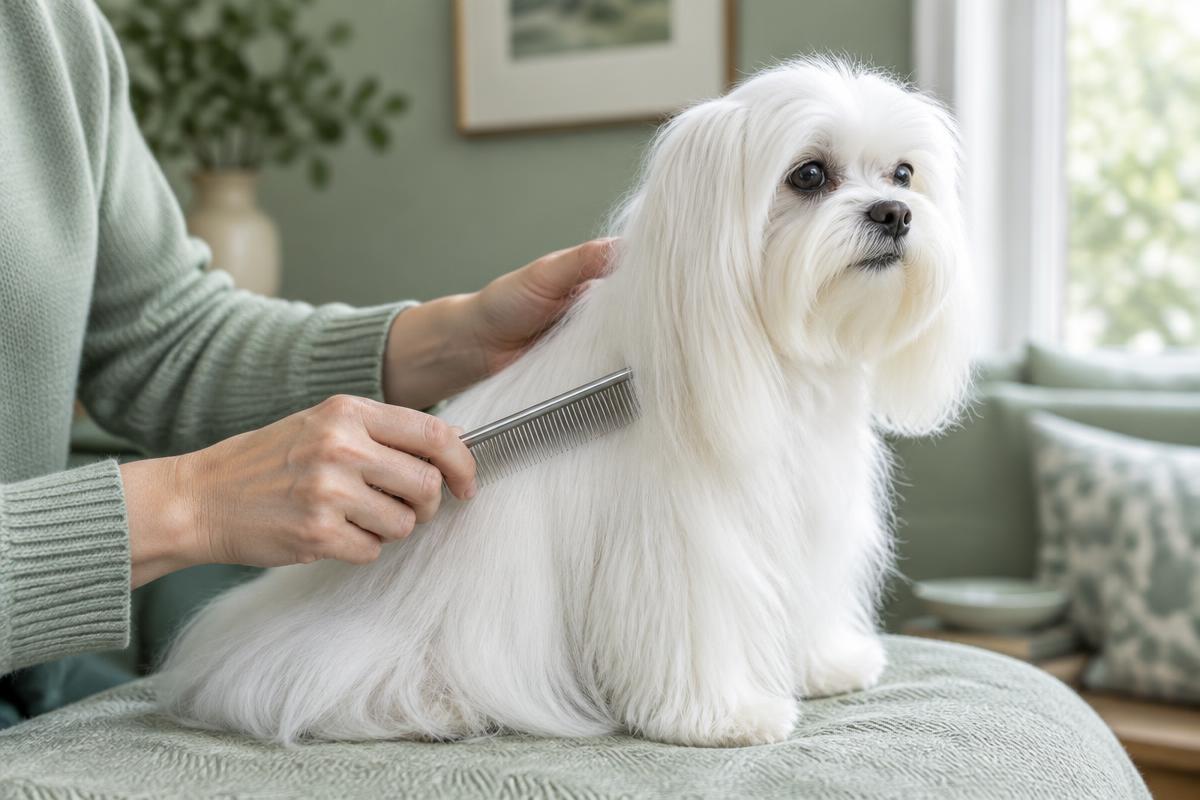
Grooming reality is where many new owners underestimate the commitment. The long, silky single coat has no undercoat but tangles and mats readily without daily combing, and owners hoping to maintain the breed's full show length coat need to treat grooming as a genuine daily task rather than an occasional chore. Many pet owners instead opt for a shorter, low maintenance puppy clip, which reduces the daily workload considerably while still needing professional grooming every four to six weeks. Tear staining is also extremely common on the breed's white face and needs daily cleaning to manage, though it is a cosmetic rather than a serious health issue in most cases.
Dental disease is a genuine health priority in this breed. The Maltese's small, compact jaw often leads to crowded teeth, and tartar build up and gum disease are correspondingly common, making regular tooth brushing and veterinary dental checks a real necessity rather than an optional extra over the dog's long lifespan. Patellar luxation, where the kneecap slips from its normal groove, is also reported and orthopaedic screening of breeding stock helps reduce its incidence. Collapsed trachea, a weakening of the windpipe that can cause a honking cough, is seen in some small toy breeds including the Maltese and is worth discussing with a vet if a persistent cough develops. In poorly bred lines, portosystemic liver shunts, where blood bypasses the liver incorrectly, have also been documented, which is one reason health testing and reputable breeding matter so much in this breed.
This breed suits owners who can offer genuine daily company, who enjoy daily coat care and who want a small, affectionate, long lived companion rather than an independent or low maintenance one. It does not suit households regularly empty for long hours, families with very young or rough playing children, or anyone hoping to skip daily grooming and dental care. For the right owner, the Maltese offers an unusually devoted, long companionship that rewards genuine daily attention many times over, provided the grooming, dental and emotional commitments are accepted honestly from the very start rather than discovered by surprise after the puppy has already arrived home.
A tiny, devoted, long lived companion with a silky coat that needs daily combing, real dental vigilance and a genuine dislike of being left alone.
Exercise, day to day
- 1Puppies (8 to 20 weeks): very short, gentle play sessions indoors, avoiding stairs or jumps given the breed's delicate build.
- 2Adults: 20 to 30 minutes a day split across a couple of short walks, plus indoor play and short training sessions.
- 3Alone training: build up time left alone gradually from puppyhood, since separation distress is a genuine risk in this breed.
- 4Mental stimulation: trick training and food puzzles suit this alert, attention loving breed well.
- 5Handling care: avoid rough play or being carried carelessly, since the breed's small frame is genuinely fragile.
Grooming, realistically
- 1Comb the coat daily to prevent matting, since the long, silky coat tangles quickly without regular attention.
- 2Book professional grooming every four to six weeks, or opt for a shorter puppy clip to reduce daily upkeep.
- 3Clean the eye area daily, since tear staining is common and visible on the breed's white face.
- 4Brush teeth several times a week, as dental crowding in the breed's small jaw makes tartar build up likely.
- 5Trim nails every three to four weeks and check paw pads for trapped hair or matting between pads.
What you actually need
- Pin brush
- Metal comb for detangling
- Dog shampoo formulated for white coats
- Eye wipes for tear staining
- Dog nail clippers
- Enzymatic dog toothpaste and brush
Puppy to adult
| Age | Male | Female | What is happening |
|---|---|---|---|
| 8 weeks | 0.5 to 0.8 kg | 0.4 to 0.7 kg | An extremely small, delicate puppy; handle gently and supervise closely around children or other pets. |
| 3 months | 0.9 to 1.4 kg | 0.8 to 1.3 kg | Steady early growth; house training and gentle socialisation should begin in earnest now. |
| 6 months | 1.8 to 2.6 kg | 1.6 to 2.4 kg | The long adult coat begins coming through, replacing the softer puppy fluff. |
| 9 months | 2.4 to 3.4 kg | 2.2 to 3.2 kg | Close to adult height and proportion, though some continue filling out slightly. |
| 12 months | 3 to 4 kg | 2.8 to 3.8 kg | Nearing full adult weight, with the characteristic long, flowing coat achievable with regular grooming. |
| 18 months | 3 to 4 kg | 3 to 4 kg | Full adult size and settled, devoted adult temperament reached. |
Ranges are typical, not targets. Judge condition by ribs and waist, and check with the ideal weight checker.
What to ask a breeder
- What patella screening results can you show for both parents?
- Has either parent or close relative been tested or affected by a liver shunt condition?
- What is the family history of tear staining and how do you manage it?
- How have the puppies coped with short periods of being left alone so far?
- What dental care routine do you recommend given the breed's small, crowded jaw?
- Can I meet both parents and see how they interact with children or visitors?
Health tests to ask for
Ask to see results for both parents before you put down a deposit.
- Patella luxation examination
- Dental conformation check given the breed's compact jaw
- Eye examination for tear duct and general eye health
- Liver function screening where a shunt is suspected or in the family line
- General cardiac and airway check, given reported tracheal concerns in small toy breeds
Health watch-list
What to ask a breeder about, and what to watch for over a lifetime. This is orientation, not veterinary advice, anything you notice belongs in front of a vet.
Patellar luxation
CommonA kneecap that slips from its normal groove, which orthopaedic screening of breeding stock can help reduce; mild cases are managed conservatively, severe cases may need surgery.
Dental crowding
Very likelyThe breed's small, compact jaw makes crowded teeth and tartar build up very likely over a lifetime; regular brushing and veterinary dental checks are genuinely important.
Tear staining and dry eye
CommonPersistent staining around the eyes from excess tear production is common and usually cosmetic, though dry eye and other tear film issues should be checked by a vet if discomfort is shown.
Collapsed trachea
NotableA weakening of the windpipe cartilage that can cause a persistent honking cough, seen more often in small toy breeds; weight management and using a harness instead of a collar can help reduce strain.
Portosystemic liver shunt
UncommonA congenital condition where blood bypasses the liver incorrectly, reported more often in poorly bred lines; affected puppies often show poor growth or neurological signs, and surgery can be curative in many cases.
Separation related distress
CommonA strong dislike of being left alone that can cause barking, whining or destructive behaviour; gradual alone training from puppyhood reduces the risk considerably.
What it costs to keep one
Realistic running cost
€93 / month
About €1,116 a year, or roughly €15,624 across a 14-year life, before purchase price, neutering and one-off vet events.
Before the puppy arrives. Budget roughly €350 to 700 for a crate, bed, lead and harness, bowls, puppy classes, first vaccinations and grooming kit sized for this breed. Figures throughout are indicative and vary a good deal between countries.
Interactive · built for this breed
Is a Maltese right for your home?
Seven honest questions about your space, time and household, checked against this breed's exercise need, coat, sociability and tolerance for time alone.
Fit with your routine
97%
A strong fit
Your routine suits a Maltese well. Meet adult dogs of the line before you commit.
What to sort out first
- Coat needs more brushing or trimming than you have allowed.
Working in your favour
- Your daily walking comfortably covers this breed's exercise need.
Compare more breeds in the matchmaker, or plan meals with the portion calculator.
The verdict, by household
First-time owner
A strong choice
Small, biddable and food motivated, making basic training achievable, though daily grooming and dental care should not be underestimated.
Family with children
Workable with planning
The breed's fragile frame means younger or boisterous children need close supervision during play.
Active single or couple
A good match
Modest exercise needs suit a calmer lifestyle well, but the breed still needs consistent daily company.
Owner in a flat with close neighbours
A good match
Small size and low exercise needs suit flat living well, though barking at noise or visitors needs managing.

When to call your vet
- Sudden lameness or skipping a hind leg, which could point to patella issues
- Bad breath, loose teeth or visible tartar, given the breed's dental crowding risk
- Excessive tear staining or discharge around the eyes, worth monitoring and cleaning daily
- A persistent honking cough, which may indicate a tracheal issue worth discussing with a vet
- Excessive barking, whining or destructive behaviour when left alone, suggesting separation distress
Nothing here is a diagnosis. A swollen, hard belly with retching, collapse, breathing difficulty and sudden hind-leg weakness are emergencies: go straight away.
Maltese vs the closest alternatives
| Breed | Weight | Energy | Grooming | € / month |
|---|---|---|---|---|
| Maltese | 3 to 4 kg | 5/10 | 8/10 | €93 |
| Morkie | 2 to 5 kg | 5/10 | 7/10 | €76 |
| Lhasa Apso | 5 to 8 kg | 5/10 | 8/10 | €140 |
| Miniature Schnauzer | 5 to 9 kg | 6/10 | 8/10 | €92 |
Maltese questions, answered
What is the temperament of a Maltese?
Maltese are devoted, alert and genuinely affectionate, often bonding especially closely with one or two household members while remaining friendly to everyone else. They are also notably vocal, frequently barking at passersby or unfamiliar noises.
How big do Maltese dogs get?
Maltese typically weigh 3 to 4 kg and stand around 20 to 25 cm at the shoulder, making them one of the smallest toy breeds. They reach full adult size by around twelve months old.
Do Maltese dogs shed a lot?
They shed very little, which has earned the breed a reputation as hypoallergenic, though no dog is truly non allergenic since reactions can be triggered by skin and saliva proteins too. The long, silky single coat mats readily without daily combing or a shorter puppy clip.
How long do Maltese dogs live?
Maltese commonly live 12 to 15 years, making them one of the longer lived toy breeds. That long lifespan means owners are committing to daily grooming and dental care for well over a decade.
Are Maltese dogs good with children?
Care is needed rather than avoidance, since the breed's tiny frame is genuinely fragile around rough handling. Calmer, older children supervised during play tend to get on well with a Maltese, while very young or boisterous children can pose a real injury risk to the dog.
What health problems are common in Maltese dogs?
Dental crowding, patellar luxation and tear staining are the most common considerations, alongside less frequent concerns such as collapsed trachea and, in poorly bred lines, portosystemic liver shunts. Separation related distress is also a genuine welfare consideration in this breed.
How much does it cost to own a Maltese?
Monthly costs typically include around 20 euros for food, 25 euros for insurance and 40 euros for professional grooming, alongside an initial setup cost of roughly 350 to 700 euros. Grooming and dental care are the ongoing commitments new owners most often underestimate.
Sources
- Maltese breed standard, The Kennel Club
- Maltese breed information, American Kennel Club
- Patella screening scheme, British Veterinary Association
- Dental disease in dogs, PDSA
- Liver shunts in dogs, The Veterinary Nurse