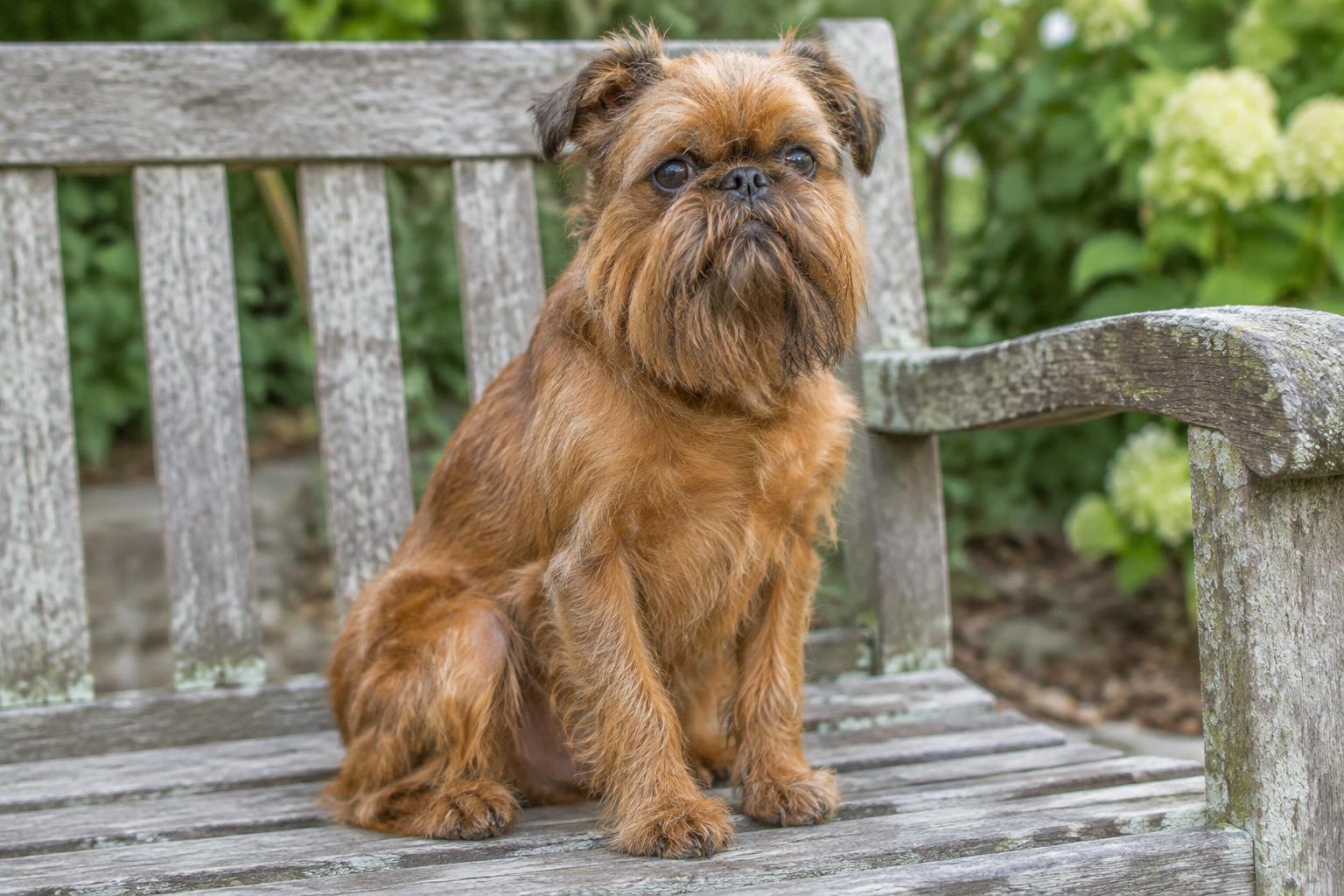
Crossbreed group
United States, 1990s
Morkie
Tiny, silky and utterly devoted, the Morkie is a wonderful constant companion for gentle households, as long as someone is usually home.
The SniffScroll editorial team
A tiny shadow with a terrier opinion
The short version
- A Maltese and Yorkshire Terrier cross: tiny, affectionate and far braver than its size suggests.
- Fragile bones and a small frame make it a poor match for toddlers and rough play.
- Bonds intensely and struggles when left alone for long days; separation training is essential.
- The silky coat needs daily brushing or a professional clip every six to eight weeks.
- Dental disease is the big one: brush teeth most days from puppyhood.
- Weight
- 2 to 5 kg
- Height
- 18 to 25 cm
- Lifespan
- 12 to 16 yrs
- Size
- Toy
- Group
- Crossbreed
- Coat
- Long and silky
- Grown male
- 2.5 to 5 kg
- Grown female
- 2 to 4.5 kg
- Years to full size
- about 1.25
- One-off setup
- €300 to 600

Get one if…
- Singles, couples and retirees wanting a constant companion
- Home workers and households where someone is usually in
- Flat dwellers; exercise needs are genuinely small
- Allergy-conscious homes willing to meet the litter first
- Owners who enjoy grooming and gentle, reward-based training
Think again if…
- Households with toddlers or very boisterous children
- Homes empty for long working days
- Anyone wanting a quiet dog; the bark is piercing
- People unwilling to brush daily or pay for regular grooms
- Homes with large, rough-playing dogs
Trait profile
Expect a devoted, brave little shadow with a piercing bark; the grooming and dental routines are daily jobs, and the company need is non-negotiable.
Space & setup. Superbly suited to flats and small homes; the penetrating bark is the one thing to train early in shared buildings.
Allergies. Often very low-shedding and popular with allergy sufferers, but no dog is truly hypoallergenic. Meet the specific litter before committing.
Living with a Morkie
A Maltese and Yorkshire Terrier cross: a tiny, silky-coated companion with a big personality, a loud opinion on visitors and a deep need to be near its person.
The Morkie is one of the most popular toy crosses, and the reasons are obvious at first glance: a bright-eyed, silky little dog that adores its person and fits in a handbag. The reasons to pause take a little longer to see, so let us be honest about them. Fragility first. An adult Morkie typically weighs between two and five kilograms, with fine bones to match. A tumble off the sofa, an accidental step or an over-excited toddler can cause real injury, and puppies are more delicate still. This is not a cross for households with very young children or large, bouncy dogs, and it is a cross that teaches you to look before you sit down. Then the attachment. Both parent breeds were made for companionship, and the cross doubles down: a Morkie wants to be on you, near you or at least in the same room, always. In the right home this is the whole joy of the breed. In a house empty for eight-hour working days it becomes separation distress, and the resulting barking, at that pitch, will not make you popular with neighbours. Train alone-time gradually from the first week and be honest about your schedule. The coat looks effortless in photos and is anything but. The fine, silky hair mats easily, especially behind the ears, in the armpits and around the collar. Daily brushing or a professional puppy clip every six to eight weeks are the realistic options, plus regular eye-corner wiping to manage tear staining. Teeth are the other daily job: toy jaws crowd teeth, tartar builds fast and dental disease is the most common health problem in the cross. Brush teeth most days and budget for veterinary dental work. Exercise needs are genuinely modest, thirty to forty-five minutes a day, and the playful, terrier-tinged character means games and training are as valuable as walks. Health testing should cover both parents: patellas, eyes, liver shunt history and, from the Yorkie side, tracheal awareness. Choose a breeder who health tests, handle gently, keep company high, and a Morkie will be the most devoted little shadow you could ask for.
The Morkie packs a remarkable amount of dog into three or four kilograms. From the Maltese comes devotion and a silky white softness; from the Yorkshire Terrier comes spice, confidence and a voice that punches far above its size. Living with one means accepting two things early. First, this is a fragile little body: Morkies are easily injured by rough play, falls from furniture and boisterous toddlers, so homes with very young children are a poor fit. Second, this is a dog that bonds to its person like glue. Left alone for long working days, many become distressed and vocal, and the bark is surprisingly penetrating for the size. The coat is the daily commitment: fine, silky hair that tangles if you look at it. Most owners choose a short puppy clip and a professional groom every six to eight weeks; a full coat needs daily brushing. Dental care matters more than in almost any other cross, because tiny jaws crowd teeth and gum disease arrives early. Around those honest flags, the Morkie is a delight: playful, funny, deeply loving and perfectly happy with short walks and a warm lap. For singles, couples, retirees and home workers who want a constant companion and can offer gentle handling and company, few small dogs give more back.
Exercise, day to day
- 1Puppies (8 to 20 weeks): tiny play sessions and gentle exploring; socialisation and handling are the priority.
- 2Adolescents (4 to 12 months): two short walks a day plus indoor games; build alone-time tolerance slowly.
- 3Adults: thirty to forty-five minutes daily of walks and play suits most.
- 4Mental work: trick training and puzzle toys tire the bright little brain.
- 5Weather care: toy dogs chill fast, so a coat in winter is practical, not precious.
Grooming, realistically
- 1Brush daily if the coat is long, or every other day in a puppy clip, working gently down to the skin.
- 2Book a professional groom every six to eight weeks; most owners keep a practical short clip.
- 3Wipe the eye corners daily to manage tear staining, and keep facial hair trimmed.
- 4Brush teeth most days; toy jaws crowd teeth and tartar builds fast.
- 5Trim nails every two to three weeks and check ears weekly.
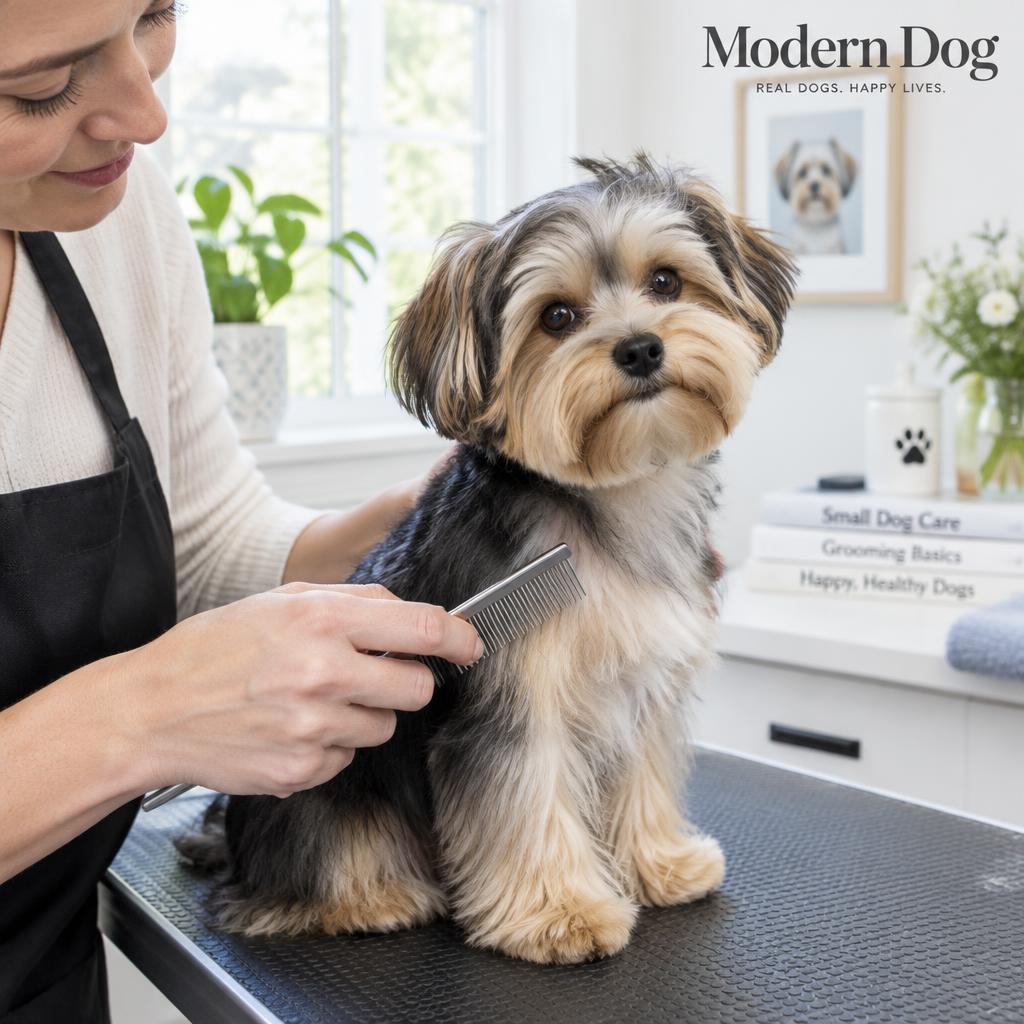
What you actually need
- Pin brush
- Metal comb
- Detangling spray
- Rounded-tip scissors
- Enzymatic dog toothpaste and finger brush
- Dog nail clippers
Puppy to adult
| Age | Male | Female | What is happening |
|---|---|---|---|
| 8 weeks | 0.5 to 0.9 kg | 0.5 to 0.8 kg | Tiny and delicate; gentle handling and calm household routines build confidence. |
| 3 months | 1 to 1.6 kg | 0.9 to 1.5 kg | Start tooth brushing and alone-time training now; both pay off for life. |
| 6 months | 1.8 to 3 kg | 1.6 to 2.8 kg | Coat change begins; tangles appear fast if brushing slips. |
| 9 months | 2.2 to 4 kg | 2 to 3.6 kg | Near adult size; keep play gentle and supervise around bigger dogs. |
| 12 months | 2.5 to 4.5 kg | 2 to 4 kg | Adult size for most; adult coat fully in and needing daily care. |
| 15 months | 2.5 to 5 kg | 2 to 4.5 kg | Fully mature; a consistent grooming routine keeps the coat comfortable. |
Ranges are typical, not targets. Judge condition by ribs and waist, and check with the ideal weight checker.
What to ask a breeder
- What health tests have both parents had: patellas, eyes and DNA panels?
- Is there any liver shunt or tracheal collapse history in the lines?
- What adult size do you expect, and what do the parents weigh?
- How are the puppies socialised, and are they used to household sounds?
- What grooming routine have the puppies been introduced to?
Health tests to ask for
Ask to see results for both parents before you put down a deposit.
- Patella assessment for both parents
- Eye testing for both parents
- Liver shunt history in the lines
- Tracheal collapse awareness from the Yorkshire Terrier side
Health watch-list
What to ask a breeder about, and what to watch for over a lifetime. This is orientation, not veterinary advice, anything you notice belongs in front of a vet.
Dental disease
CommonTiny jaws crowd teeth, tartar builds early and gum disease follows. Brush most days from puppyhood and budget for professional dental work.
Luxating patella
OccasionalSlipping kneecaps are common in toy breeds. Watch for a skipping step; severe cases need surgery.
Tracheal collapse
OccasionalA weakening windpipe from the Yorkie side, causing a honking cough. Use a harness rather than a collar, always.
Liver shunt
UncommonA blood-vessel abnormality seen in toy lines, usually showing in puppyhood as poor growth or disorientation. Ask the breeder about family history.
Tear staining and eye irritation
CommonFine facial hair and shallow sockets lead to weepy eyes. Daily wiping and keeping facial hair trimmed manages most of it.
Fragility injuries
OccasionalNot a disease but a real risk: falls from furniture and rough handling cause fractures. Supervise, provide steps to the sofa and teach gentle handling.
What it costs to keep one
Realistic running cost
€76 / month
About €912 a year, or roughly €12,768 across a 14-year life, before purchase price, neutering and one-off vet events.
Before the puppy arrives. Budget roughly €300 to 600 for a crate, bed, lead and harness, bowls, puppy classes, first vaccinations and grooming kit sized for this breed. Figures throughout are indicative and vary a good deal between countries.
Interactive · built for this breed
Is a Morkie right for your home?
Seven honest questions about your space, time and household, checked against this breed's exercise need, coat, sociability and tolerance for time alone.
Fit with your routine
97%
A strong fit
Your routine suits a Morkie well. Meet adult dogs of the line before you commit.
What to sort out first
- Coat needs more brushing or trimming than you have allowed.
Working in your favour
- Your daily walking comfortably covers this breed's exercise need.
Compare more breeds in the matchmaker, or plan meals with the portion calculator.
The verdict, by household
Best with gentle children over about eight; the fragile frame and quick defence reflex make toddlers a risky match.
Excellent for space and exercise, but the piercing bark needs early training in shared buildings.
A loving choice if you can offer company, gentle handling and the grooming routine; separation training is the main homework.
Fine with other gentle small dogs and cats; supervise around large dogs, who can injure a Morkie by accident.

When to call your vet
- Bad breath, drooling, or reluctance to eat hard food
- A skipping step on a back leg or reluctance to jump
- Coughing that sounds like a goose honk, especially on the lead
- Cloudy, red or weeping eyes, or tear staining that suddenly worsens
- Trembling, disorientation or poor growth in a puppy
Nothing here is a diagnosis. A swollen, hard belly with retching, collapse, breathing difficulty and sudden hind-leg weakness are emergencies: go straight away.
Morkie vs the closest alternatives
| Breed | Weight | Energy | Grooming | € / month |
|---|---|---|---|---|
| Morkie | 2 to 5 kg | 5/10 | 7/10 | €76 |
| Maltese | 3 to 4 kg | 5/10 | 8/10 | €93 |
| Brussels Griffon | 3.5 to 6 kg | 5/10 | 5/10 | €75 |
| Great Pyrenees | 40 to 60 kg | 4/10 | 7/10 | €204 |
Morkie questions, answered
How big does a Morkie get?
Most adults weigh between 2 and 5 kg and stand 18 to 25 cm at the shoulder. Puppies advertised as "teacup" are simply the smallest of the litter and often the most fragile.
Are Morkies good with children?
They are best with gentle children over about eight. The combination of a fragile frame and a quick, terrier-tinged defence reflex makes toddlers a risky match for both parties.
Do Morkies bark a lot?
Yes, frankly. Both parent breeds are alert little watchdogs, and the Morkie bark is piercing. Early training, enough company and not leaving the dog alone for long days keep it manageable.
Do Morkies shed?
Very little, which is why allergy sufferers consider them, but no dog is truly hypoallergenic. The trade-off is a coat that needs daily brushing or regular professional clips.
Can a Morkie be left alone?
Not for long. This is a companion cross through and through, and long empty days lead to distress and barking. Build alone-time gradually from puppyhood and be honest about your schedule before choosing one.
How much exercise does a Morkie need?
Thirty to forty-five minutes a day of walks and play suits most adults. Indoor games and training count, and a winter coat is practical kit for a dog this small.
How long do Morkies live?
Typically 12 to 16 years. Kept-up dental care, a lean figure and protection from falls and rough play all add healthy years.