Working group
The Pyrenees mountains of France and Spain
Great Pyrenees
A giant livestock guardian from the Pyrenees, independent minded, patient with family and prone to barking through the night.
Reviewed against Kennel Club and breed club health guidance
A calm, independent mountain guardian with a thick coat, a loud bark and a genuine need for secure outdoor space.
The short version
- The Great Pyrenees is an independent livestock guardian breed that barks readily, including through the night.
- The thick double coat blows out seasonally and needs serious, regular brushing commitment.
- This breed is genuinely heat sensitive, so exercise and shade need planning in warm weather.
- It is generally patient with children but is a giant, stubborn breed that needs a calm, consistent handler.
- Early, thorough socialisation matters a great deal given the breed's naturally wary, guarding instincts.
- Weight
- 40 to 60 kg
- Height
- 65 to 81 cm
- Lifespan
- 10 to 12 yrs
- Size
- Giant
- Group
- Working
- Coat
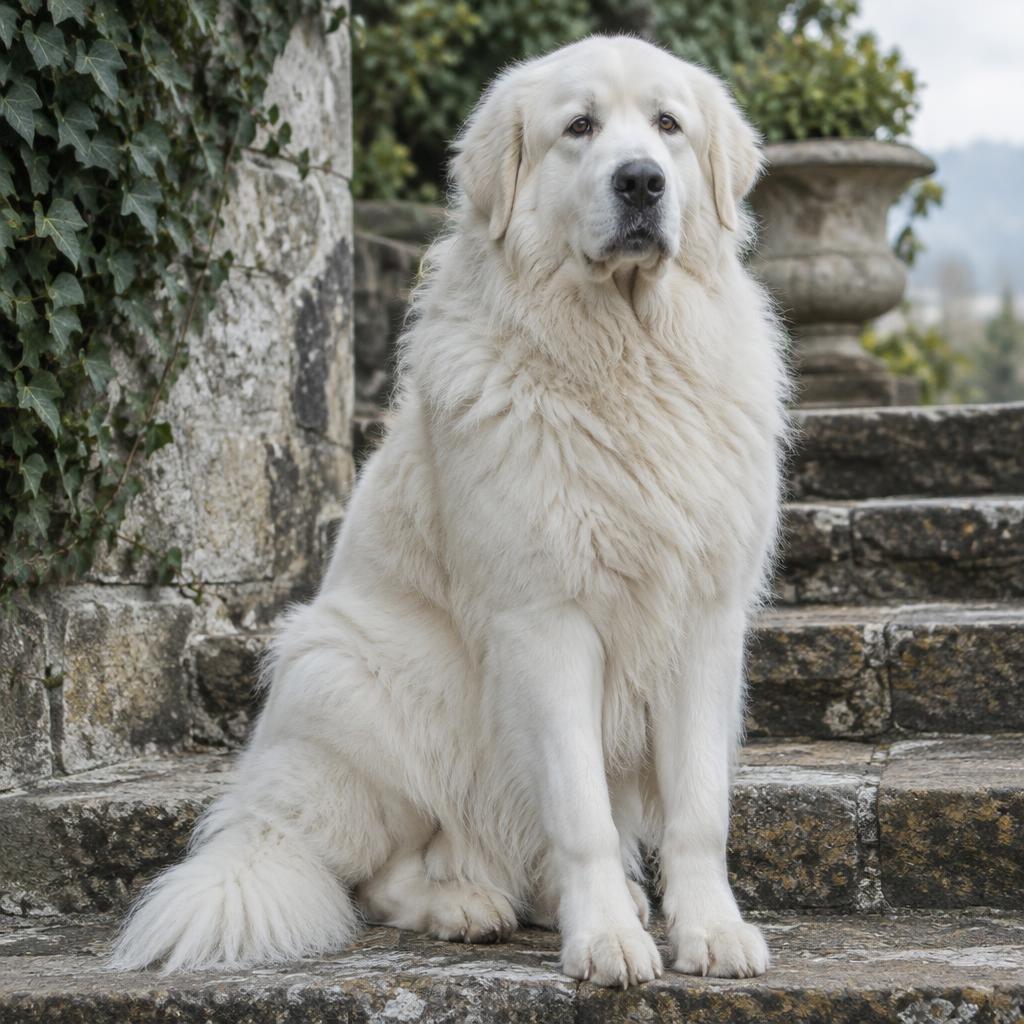
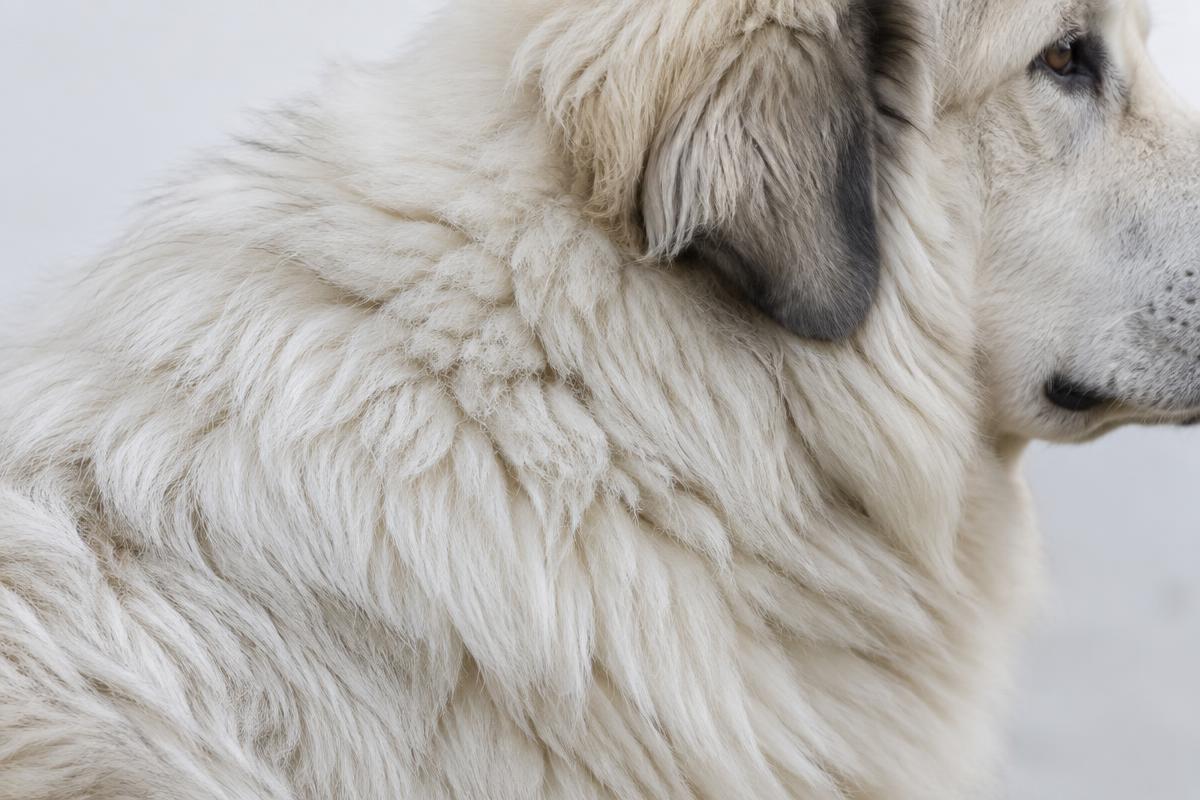
- Thick, weather resistant double coat, long and coarse outer with a dense woolly undercoat, usually white or white with grey, tan or badger markings
- Grown male
- 50 to 60 kg
- Grown female
- 40 to 50 kg
- Years to full size
- about 2
- One-off setup
- €700 to 1400
Get one if…
- Owners with secure, fenced rural or semi rural land
- Families with children, given the breed's generally patient, gentle nature around its own family
- Calm, consistent handlers comfortable with an independent minded dog
- Households able to commit to serious coat care during seasonal shedding
- Owners wanting a watchful presence rather than a highly active companion
Think again if…
- Owners in flats or homes without secure, fenced outdoor space
- Households in consistently hot climates without good shade and cooling options
- Anyone hoping for a quiet dog, since barking at night is a genuine, commonly reported trait
- Owners wanting a highly obedient, eager to please breed over an independent thinker
- Close neighbours sensitive to regular nocturnal barking
Trait profile
The Great Pyrenees combines a calm, patient nature around its own family with strong independence and a deeply rooted instinct to bark and guard, so socialisation and consistent handling from puppyhood matter greatly.
Space & setup. This breed needs secure, fenced outdoor space to patrol and is not suited to flats or homes without a garden; its heavy barking also makes close neighbours a real consideration.
Allergies. The Great Pyrenees has a thick double coat and is not considered hypoallergenic; it sheds year round with a heavy seasonal blow out that produces large amounts of loose hair.
Living with a Great Pyrenees
The Great Pyrenees is a giant, calm but independent livestock guardian breed from the mountains between France and Spain. It is patient with family but stubborn, heat sensitive and inclined to bark, so early socialisation and consistent handling matter.
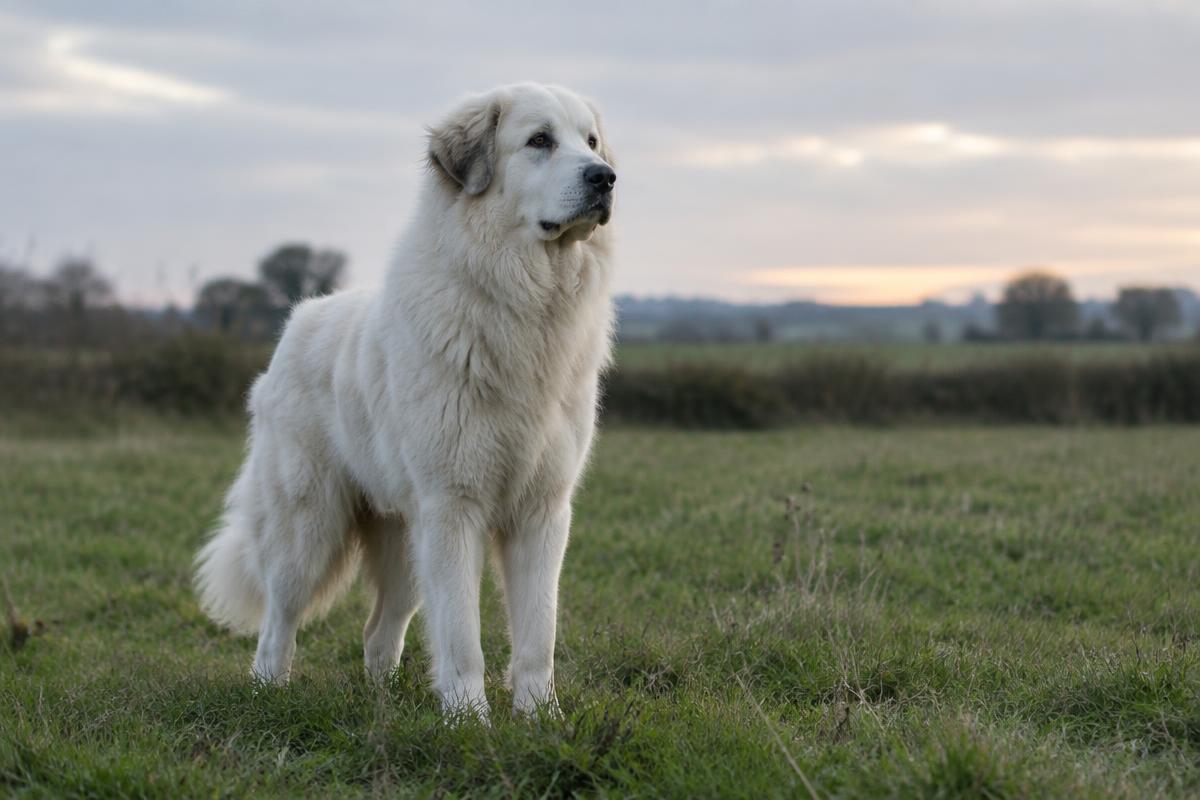
The Great Pyrenees developed over centuries in the Pyrenees mountains along the border of France and Spain, where it worked largely unsupervised alongside shepherds, guarding flocks of sheep from wolves and bears across remote, harsh terrain. That working origin as an independent livestock guardian, rather than a breed selected to take direction from a handler, is the single most important fact to understand before bringing one into a home, since it explains almost every strength and challenge the breed presents today.
Life with a Great Pyrenees tends to be calm and unhurried by day, with the dog typically content to rest watchfully rather than seek constant activity. This is not a high energy breed in the way many working dogs are, and it does not need or want relentless exercise. What it does need is purpose and a sense of territory, and owners frequently find that the breed naturally positions itself to observe entrances, gates or the edges of a garden, a clear echo of its guardian instincts even in a purely domestic setting with no livestock at all.
The honest limitation that defines much of the breed's reputation is barking. A Great Pyrenees was bred to alert loudly to anything unusual, historically to warn off predators from a distance in open mountain terrain, and this instinct does not switch off indoors or in a suburban garden. Barking at night, in particular, is commonly reported and can be a genuine source of friction with neighbours, so anyone considering the breed in a built up area needs to think honestly about whether that is manageable. Training can reduce nuisance barking somewhat, but it rarely eliminates a trait this deeply rooted in the breed's purpose.
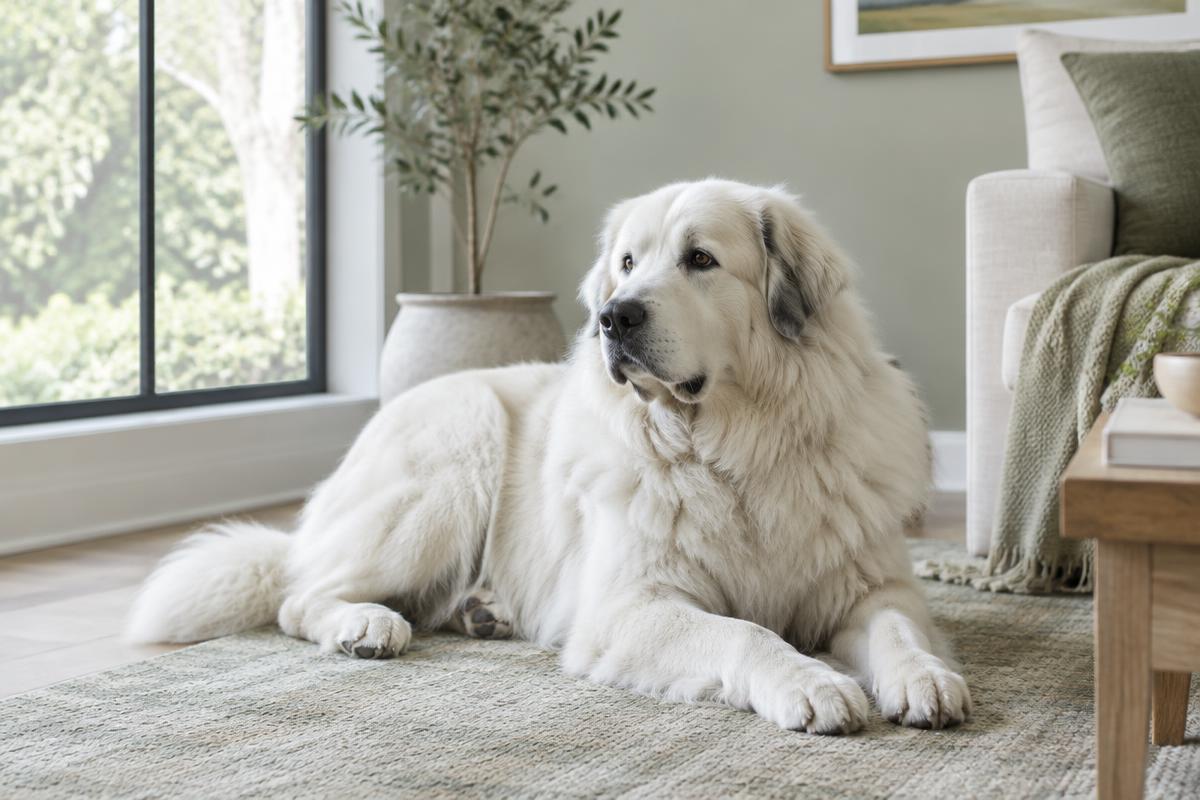
Temperamentally, the Great Pyrenees is generally patient and gentle with its own family, including children, and many owners describe a notably calm, tolerant presence around people it trusts. However, that gentleness sits alongside real independence and a stubborn streak, since this breed was selected over generations to make its own decisions rather than defer constantly to a handler's instructions. Training reality reflects this: a Great Pyrenees can learn commands perfectly well but will not always see the point of obeying them immediately, and heavy handed or repetitive drilling tends to produce resistance rather than cooperation. Early, consistent, patient training and thorough socialisation to a wide range of people, animals and situations matter enormously, since an under socialised Pyrenees can become overly wary or protective in situations that do not call for it.
The thick double coat is both the breed's most striking feature and a genuine ongoing commitment. It sheds year round and blows out heavily twice a year, producing large volumes of loose hair that require serious, regular brushing to manage, alongside daily brushing during the seasonal blow itself. The same coat that protected the breed through harsh mountain winters also makes it notably heat sensitive, and owners in warm climates need to plan exercise for cooler parts of the day and ensure good shade and ventilation are always available.
Health wise, hip dysplasia is reported in the breed, and screening of breeding stock under schemes such as the BVA/KC hip scheme genuinely helps reduce the risk passed to puppies. Bloat, a serious and potentially fatal twisting of the stomach, is a real risk in deep chested giant breeds, and owners should know the warning signs and consider feeding practices that may reduce risk. Patellar luxation is also reported, affecting the kneecap's movement in the joint. Osteosarcoma, a form of bone cancer, occurs at a higher rate in giant breeds generally, and any unexplained lameness or swelling in an older Pyrenees deserves prompt veterinary attention. Cardiac screening is also worth discussing with a vet, given the breed's size and the general importance of heart health monitoring in giant dogs.
This breed suits owners with secure, fenced outdoor space, realistic expectations about barking, and the patience to work with an independent thinker rather than an eager to please companion. It does not suit flat dwellers, owners in consistently hot climates without good cooling options, or anyone hoping for a quiet, highly obedient dog. For the right rural or semi rural household willing to commit to serious coat care and thoughtful, consistent handling, the Great Pyrenees offers a calm, protective and genuinely devoted companion.
A calm, independent livestock guardian that barks readily, sheds heavily and needs secure outdoor space and a patient, consistent handler.
Exercise, day to day
- 1Puppies (8 to 20 weeks): short, gentle walks only, avoiding stairs, jumping and hard surfaces while this giant breed's joints develop.
- 2Adults: 45 to 60 minutes a day of unhurried walking, since this is a patrolling breed rather than a high energy runner.
- 3Heat management: exercise during cooler parts of the day, since the thick coat makes this breed genuinely heat sensitive.
- 4Mental stimulation: scent work and simple problem solving suit the breed's independent, thoughtful nature better than repetitive drills.
- 5Secure space: safe, fenced outdoor time to patrol suits the breed's instinct better than frequent long walks alone.
Grooming, realistically
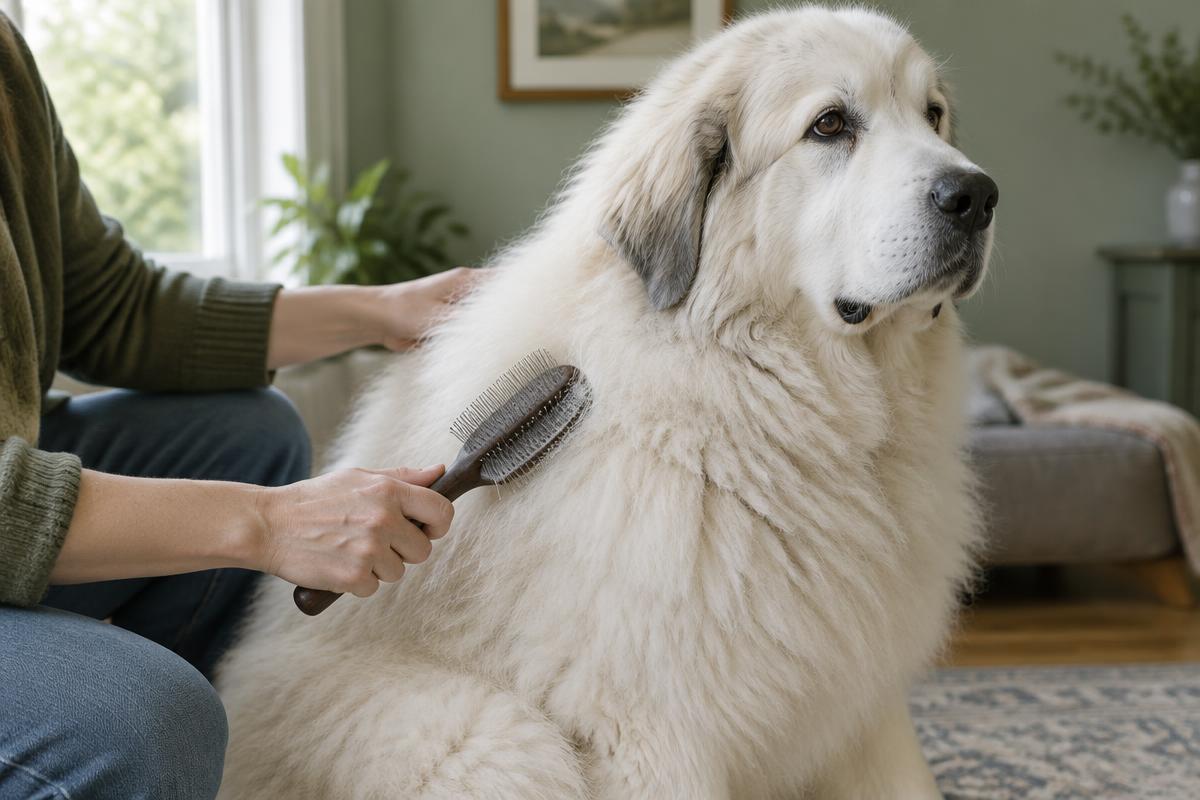
- 1Brush thoroughly two to three times a week to manage the thick double coat and prevent matting.
- 2Use an undercoat rake daily during the twice yearly seasonal coat blow to clear loose hair.
- 3Check and clean ears weekly, since the breed's drop ears can trap moisture and debris.
- 4Trim nails every 3 to 4 weeks, checking the dewclaws which this breed commonly retains.
- 5Bathe only when genuinely needed, since over bathing can strip the coat's natural weatherproofing oils.
What you actually need
- Undercoat rake
- Slicker brush
- Wide toothed comb
- Dog shampoo for double coats
- Dog nail clippers
- Ear cleaning solution
Puppy to adult
| Age | Male | Female | What is happening |
|---|---|---|---|
| 8 weeks | 7 to 10 kg | 6 to 9 kg | Large, heavy boned puppy; keep exercise gentle to protect developing joints. |
| 3 months | 15 to 20 kg | 13 to 18 kg | Rapid early growth; avoid jumping, stairs and hard surfaces at this stage. |
| 6 months | 26 to 35 kg | 22 to 30 kg | Still growing fast; controlled, unhurried exercise remains important. |
| 9 months | 33 to 44 kg | 28 to 38 kg | Approaching adult height, though the frame continues to fill out with muscle. |
| 12 months | 42 to 52 kg | 35 to 45 kg | Close to adult height but genuine physical maturity is still a year or more away. |
| 24 months | 50 to 60 kg | 40 to 50 kg | Full adult size and bone density reached, with settled, mature temperament established. |
Ranges are typical, not targets. Judge condition by ribs and waist, and check with the ideal weight checker.
What to ask a breeder
- What hip screening results can you show for both parents?
- Has either parent had cardiac screening, given the breed's size?
- How do the puppies respond to being left alone to guard quietly rather than barking constantly?
- What socialisation to children, visitors and other animals has the litter had so far?
- How does this line cope with heat, and what shade and cooling provisions do you recommend?
- Can I see both parents' temperament around unfamiliar people?
Health tests to ask for
Ask to see results for both parents before you put down a deposit.
- Hip score (BVA/KC scheme) where available
- Patella luxation examination
- Cardiac screening given the breed's size
- General orthopaedic assessment before any strenuous activity in puppyhood
- Discussion of bloat risk and feeding practices with a vet
Health watch-list
What to ask a breeder about, and what to watch for over a lifetime. This is orientation, not veterinary advice, anything you notice belongs in front of a vet.
Hip dysplasia
CommonA malformation of the hip joint common in giant breeds that can cause pain and arthritis; hip scoring of breeding stock under the BVA/KC scheme reduces the risk in puppies.
Bloat
NotableA serious, potentially fatal twisting of the stomach seen in deep chested giant breeds; feeding smaller meals and avoiding vigorous exercise around mealtimes can help reduce the risk.
Patellar luxation
NotableA kneecap that slips from its normal groove in the joint; veterinary assessment helps determine whether management or surgery is needed.
Heat intolerance
CommonThe thick double coat makes this breed genuinely heat sensitive; exercise during cooler parts of the day and good shade and ventilation reduce the risk of overheating.
Osteosarcoma
NotableA form of bone cancer that occurs at a higher rate in giant breeds; unexplained lameness or swelling in an older dog warrants prompt veterinary investigation.
Cardiac issues
UncommonHeart conditions can occur in giant breeds generally; cardiac screening and regular veterinary checks help catch problems early.
What it costs to keep one
Realistic running cost
€204 / month
About €2,448 a year, or roughly €26,928 across a 11-year life, before purchase price, neutering and one-off vet events.
Before the puppy arrives. Budget roughly €700 to 1400 for a crate, bed, lead and harness, bowls, puppy classes, first vaccinations and grooming kit sized for this breed. Figures throughout are indicative and vary a good deal between countries.
Interactive · built for this breed
Is a Great Pyrenees right for your home?
Seven honest questions about your space, time and household, checked against this breed's exercise need, coat, sociability and tolerance for time alone.
Fit with your routine
94%
A strong fit
Your routine suits a Great Pyrenees well. Meet adult dogs of the line before you commit.
What to sort out first
- Coat needs more brushing or trimming than you have allowed.
Working in your favour
- Your daily walking comfortably covers this breed's exercise need.
Compare more breeds in the matchmaker, or plan meals with the portion calculator.
The verdict, by household
First-time owner
Workable with planning
The breed's size, stubbornness and barking tendency ask a lot of a new owner, though a patient, well researched first timer can manage it.
Family with children
A good match
Generally patient and gentle with children it knows, though its sheer size means supervision around younger children matters.
Active single or couple
A good match
Moderate exercise needs suit a less intensely active lifestyle better than a high energy one, provided secure land is available.
Owner in a flat with close neighbours
A poor fit
Frequent barking, giant size and a need for secure outdoor space make flat living a genuinely poor fit for this breed.
When to call your vet
- Lameness, stiffness or reluctance to rise, which could point to hip dysplasia
- A swollen, tense abdomen with unproductive retching, which is an emergency sign of bloat
- Sudden lameness or skipping a hind leg, which could indicate patellar luxation
- Excessive panting, lethargy or reluctance to move in warm weather, suggesting heat intolerance
- Unexplained swelling or persistent lameness in a limb, which warrants prompt investigation for bone cancer
Nothing here is a diagnosis. A swollen, hard belly with retching, collapse, breathing difficulty and sudden hind-leg weakness are emergencies: go straight away.
Great Pyrenees vs the closest alternatives
| Breed | Weight | Energy | Grooming | € / month |
|---|---|---|---|---|
| Great Pyrenees | 40 to 60 kg | 4/10 | 7/10 | €204 |
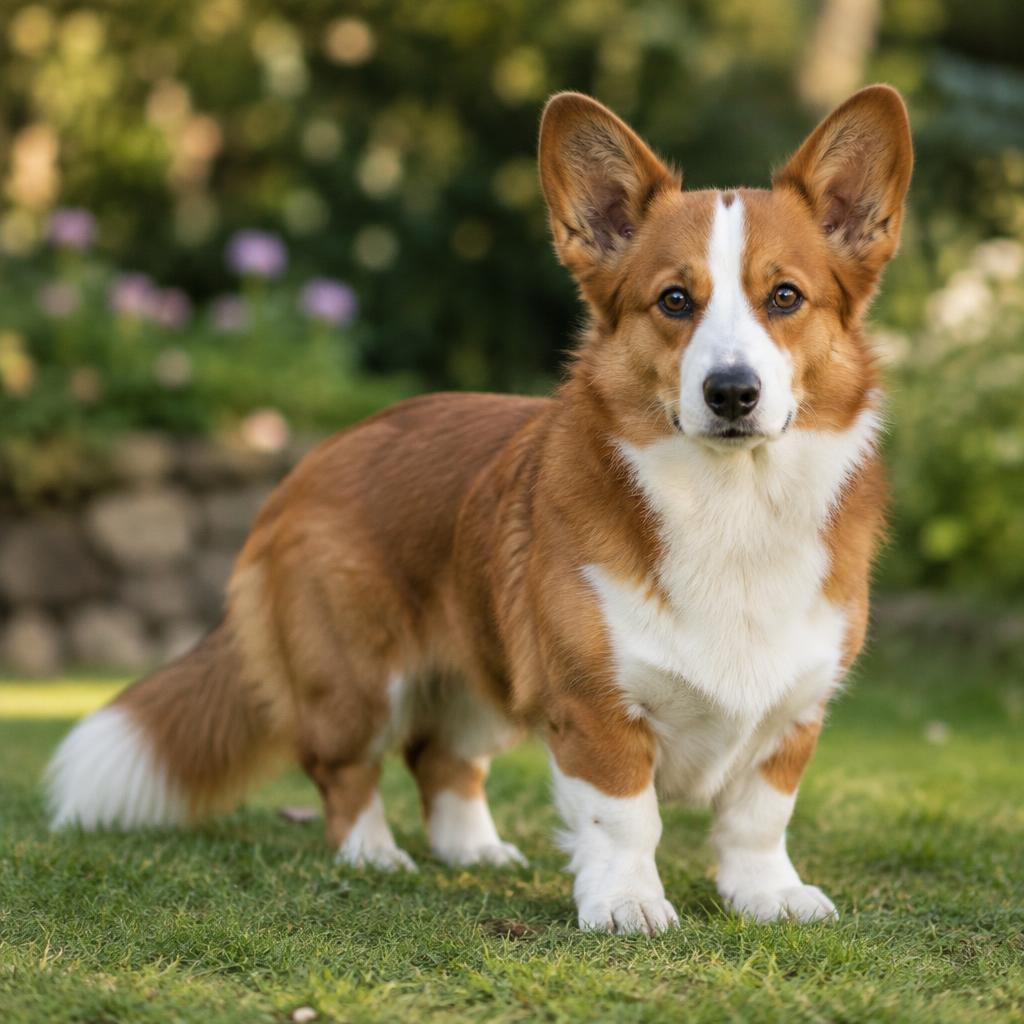
| Cardigan Welsh Corgi | 11 to 17 kg | 6/10 | 5/10 | €152 |
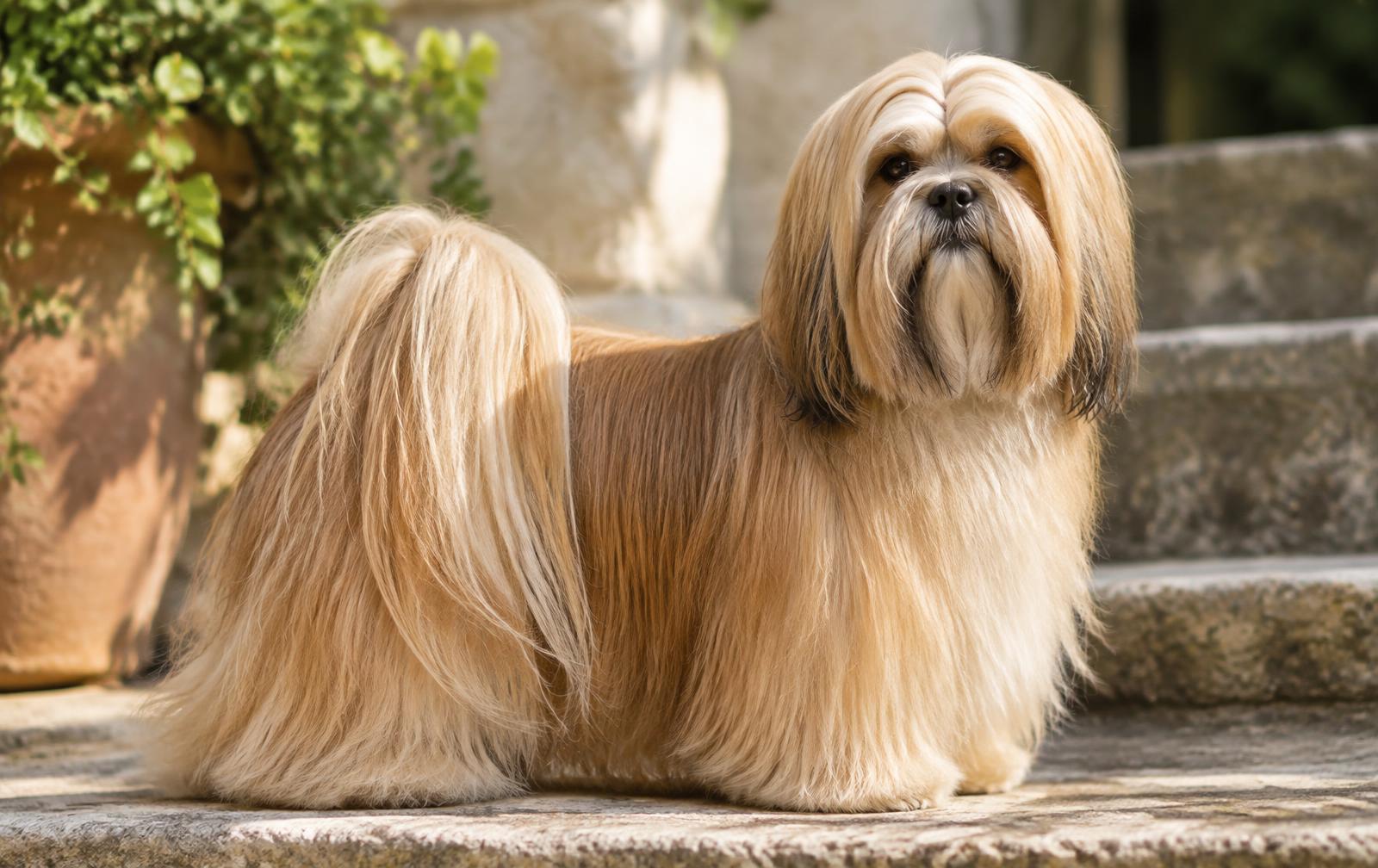
| Lhasa Apso | 5 to 8 kg | 5/10 | 8/10 | €140 |
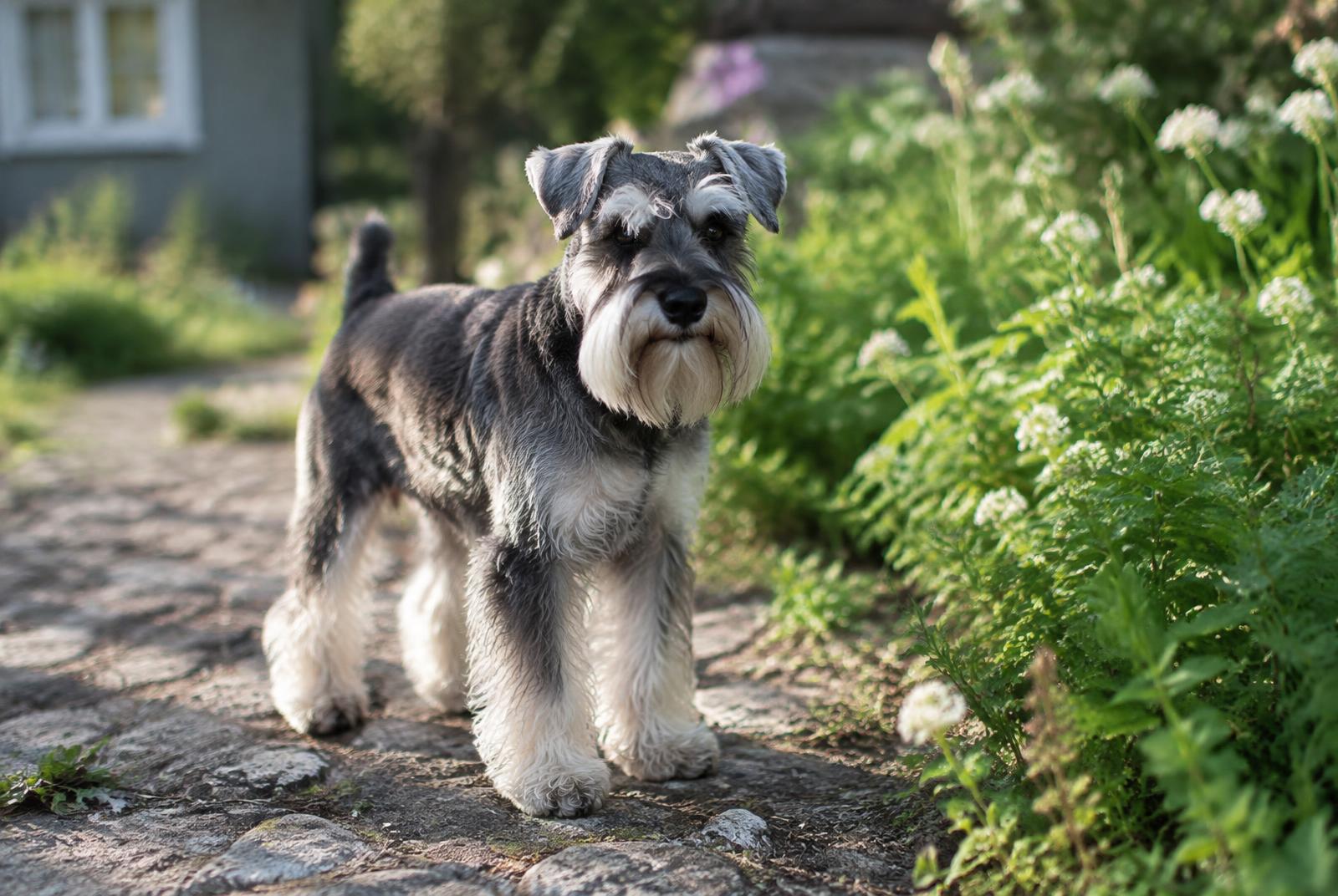
| Miniature Schnauzer | 5 to 9 kg | 6/10 | 8/10 | €92 |
Great Pyrenees questions, answered
What is the temperament of a Great Pyrenees?
The Great Pyrenees is calm, patient and protective, developed as an independent livestock guardian that made its own decisions rather than constantly taking direction from a handler. It is generally gentle with its own family but stubborn and wary of strangers until properly socialised.
How big does a Great Pyrenees get?
Males typically weigh 50 to 60 kg and females 40 to 50 kg, standing 65 to 81 cm at the shoulder. It is classed as a giant breed and reaches full physical maturity by around two years old.
Do Great Pyrenees bark a lot at night?
Yes, this is a commonly reported and genuine trait rather than an occasional quirk. The breed was bred to alert loudly to anything unusual in open mountain terrain, and that instinct does not switch off indoors, so close neighbours are a real consideration.
Do Great Pyrenees shed a lot?
The thick double coat sheds year round and blows out heavily twice a year, producing large volumes of loose hair. Brushing two to three times a week, with daily brushing during the seasonal blow, is genuinely necessary to manage it.
Are Great Pyrenees good with children?
Generally yes, this breed is patient and gentle with children it knows well, though its giant size means supervision matters, particularly with younger children. Early socialisation makes a real difference to how reliably calm the dog is around visitors and family alike.
What health problems are common in Great Pyrenees?
Hip dysplasia, bloat, patellar luxation, heat intolerance and a higher rate of osteosarcoma are the main considerations for this giant breed. Cardiac screening and prompt attention to lameness or swelling are also genuinely important over the dog's lifetime.
How much does it cost to own a Great Pyrenees?
Monthly costs typically include around 90 euros for food given the breed's giant size, 55 euros for insurance and 45 euros for grooming, alongside an initial setup cost of roughly 700 to 1400 euros for secure fencing and larger equipment. Food and secure fencing are the costs new owners most often underestimate.
Sources
- Pyrenean Mountain Dog breed standard, The Kennel Club
- Great Pyrenees breed information, American Kennel Club
- Hip dysplasia screening scheme, British Veterinary Association
- Bloat in dogs, PDSA